When actress and comedian Jackie Tohn appeared on “The Jennifer Hudson Show” alongside her “Nobody Wants This” co-star Kristen Bell, she expected to talk about the hit Netflix series and promote its upcoming season. Instead, the television appearance turned into one of the most heartfelt and deeply personal family moments of the television season, highlighting both the realities of hereditary cancer and the extraordinary bond Tohn shares with her parents, Alan and Bella.
Tohn, who has quickly become a fan favorite for her sharp wit and vibrant presence on screen, sat down with host Jennifer Hudson to discuss her thriving career, but the conversation quickly shifted to a much more vulnerable and impactful topic: her father’s cancer journey and her own subsequent medical decisions.
The story began when Hudson asked Tohn about her parents, prompting the actress to share the sobering medical history that has recently reshaped her family’s life. Her father, Alan, was diagnosed with rare male breast cancer at the age of 71. Following the diagnosis, further medical investigations revealed that Alan carried a BRCA1 genetic mutation—a hereditary alteration notorious for significantly increasing the risk of certain types of cancer. Crucially, Alan passed that genetic mutation down to his daughter.
For Tohn, discovering she carried the BRCA1 gene came with startling and high-stakes medical implications. The genetic mutation carries an estimated 85% lifetime risk of developing breast cancer, alongside a significantly increased risk of ovarian cancer. Confronted with these formidable odds, Tohn took proactive control of her health. Last December, she underwent a preventative double mastectomy to drastically reduce her cancer risk, and she has scheduled a preventative hysterectomy for this coming December.
Rather than keeping this heavy experience private, Tohn has chosen to use her platform to advocate for awareness, prevention, and early testing. During her appearance on the talk show, she earnestly urged viewers to consider genetic testing, particularly those with a family history of rare cancers, individuals diagnosed with cancer at an unusually young age, families with multiple cancer diagnoses, and people of Ashkenazi Jewish ancestry, who statistically face a higher prevalence of BRCA gene mutations. Tohn described the process as simple, explaining that she used a basic saliva test, and she encouraged anyone with risk factors to take the same step to protect their health.
Yet, even as the conversation touched on the frightening realities of hereditary cancer, the mood in the studio quickly shifted back to warmth, humor, and joy when the discussion turned to the remarkably close relationship Tohn shares with her parents.
To illustrate the dynamic, Hudson shared a humorous and charming video clip of Alan and Bella putzing around their kitchen, displaying the kind of effortless warmth and comedic timing that clearly runs in the family. Watching the clip, Tohn grew visibly emotional as she spoke about everything her parents have done for her throughout her life, noting with a mix of affection and amusement how thrilled they would be to see themselves appearing on national television.
That was when Hudson revealed a major surprise she had orchestrated behind the scenes. Calling out, “Mom! Dad!”, Hudson welcomed Alan and Bella onto the stage to join their daughter live in front of the studio audience.
The surprise left Tohn visibly moved as her parents walked out to embrace her. Once settled on the couch, Alan and Bella immediately began kvelling—expressing immense pride not only in Jackie’s burgeoning television career, but in the compassionate, strong-willed person she has grown into.
However, amidst the celebration, Alan also shared a heavy emotional burden that has clearly weighed on his mind: the profound guilt he feels over passing the BRCA1 genetic mutation on to his daughter. Knowing the difficult medical decisions and surgeries his daughter had to endure because of his genetics was a source of visible pain for the father.
Tohn, however, did not hesitate for a moment to put her father’s mind at ease, using her trademark humor blended with direct, reassuring honesty.
“My mom plays the triangle, I got my musical talent from her,” Tohn joked playfully, lightening the heavy atmosphere before turning her attention directly to her father with a serious and comforting tone.
“You gave it all to me,” she said, speaking of both their shared creative talents and their loving, vibrant personalities. “And now… I have this information, and I was able to do something about it. So you don’t have to feel bad.”
The straightforward, matter-of-fact reassurance hit home instantly. Without missing a beat, her father shouted out in joyous relief, “Hell yeah!”
As her co-star Kristen Bell noted earlier in the interview, individuals faced with frightening medical information are essentially given two distinct choices: they can stay inside and succumb to fear and grief, or they can actively seek out a silver lining. Bell praised Tohn for resolutely choosing the latter path. Rather than allowing herself to be paralyzed by the fear of a potential cancer diagnosis, Tohn chose to view her genetic status as vital, actionable information.
By speaking openly about her preventative surgeries, advocating for genetic testing, and sharing her family’s vulnerable story on national television, Tohn is transforming a personal medical challenge into a public service. Her willingness to invite audiences into her healthcare journey helps de-stigmatize hereditary cancer risks and potentially arms viewers with life-saving knowledge. Through the tears, the laughter, and the unexpected family reunion on daytime television, the moment showcased a profound sense of resilience, family devotion, and proactive advocacy.
The landscape for American Muslims has grown increasingly fraught as political rhetoric and legislative initiatives converge to target the community. Across the United States, mosques and Islamic institutions find themselves at a critical crossroads. Navigating a climate where politicians and bad-faith actors increasingly incite Islamophobia requires a delicate yet resolute balance. Leaders of these institutions must determine how best to protect their congregations, defend their faith, and respond to systemic marginalization without falling into the traps of reactionary anger or passive isolation.
This rising tide of hostility is not an abstract concern; it manifests clearly in educational policies, political rallies, and federal actions. In Texas, the State Board of Education has approved educational frameworks and lessons that falsely depict the Prophet Muhammad, peace and blessings be upon him, as "brutal." This institutionalized misrepresentation enters public classrooms, shaping the perceptions of young minds. Meanwhile, the political mainstream has amplified these derogatory tropes. Most notably, the President turned the revered name Muhammad into a rally joke, weaponizing a name cherished by nearly two billion people worldwide and given with love and hope by Muslim parents to their sons in towns and cities across America.
The mocking of the Prophet’s name is part of a broader, systemic campaign designed to paint Muslims as perpetual foreigners and cultural outsiders. This political strategy has translated directly into legislative and administrative actions across multiple states. In April, Florida enacted a law barring state courts from utilizing "religious or foreign law," explicitly naming Sharia in a move intended to stigmatize Islamic jurisprudence. Similarly, Texas Governor Greg Abbott vowed in September to fully ban Sharia law, while the state Attorney General initiated investigations into an Islamic mediation group based in Dallas. At the federal level, the legislative branch has seen the formation of the "Sharia-Free America Caucus," which has quickly garnered more than 60 congressional members.
The pressure on high-profile Muslim figures has also escalated dramatically. Federal agents recently raided the home of Representative Ilhan Omar, one of the most prominent Muslim women serving in the United States Congress. News reports indicate that the raid was part of an aggressive effort aimed at stripping her of her citizenship and ultimately expelling her from the country. These compounding developments leave local communities anxious and uncertain about their safety and future in the United States.
When faced with such hostility, congregations often experience internal division regarding the appropriate response. Some community members demand that the local masjid issue strong, highly vocal denunciations and mount aggressive political pushback. Others, out of a very real and understandable fear for their safety, advocate for keeping a low profile, avoiding the public eye, and weathering the storm in silence.
However, community leaders argue that a masjid can and must rise above this false dichotomy. Instead of choosing between reactive anger and fearful silence, a mosque can lead with calm dignity, actively connect with its geographic and civic neighbors, and deliberately open its doors to the wider public. By doing so, the institution transforms from a mere house of worship into a pillar of community resilience and education.
Thinking points for masjid leaders
For masjid leadership navigating these turbulent waters, understanding the broader political and social ecosystem is essential. The trivialization of sacred names and the legislative crackdowns on Islamic practices are not isolated incidents; they fit into a calculated wider campaign that seeks to marginalize American Muslims and question their civic belonging.
Leaders must contextualize these events for their congregations, explaining that political maneuvers—such as newly formed congressional caucuses, state-level bans on foreign law, and targeted executive actions against elected officials—are designed to normalize prejudice. Recognizing this pattern helps leaders guide their communities away from panic and toward strategic, long-term responses that emphasize civil rights, civic participation, and interfaith solidarity.
Talking points for your imam and spokesperson
When addressing the media, local officials, or the congregation itself, imams and institutional spokespeople need a unified and measured vocabulary. Messages should pivot away from defensiveness and toward humanizing the Muslim experience.
Spokespeople can emphasize that for nearly two billion people globally, the name Muhammad represents a beloved Prophet of peace, mercy, and compassion, and that Muslim parents in local towns bestow this name upon their children with deep affection and hope for their futures. Articulating this personal and human element helps counter the abstract, caricatured portrayals pushed by bad-faith actors. Furthermore, leaders can reiterate that the community’s response to mockery and marginalization is rooted in civic contribution, service to neighbors, and an unwavering commitment to open dialogue.
What your masjid can do
Practical action at the local level is the most effective antidote to systemic prejudice. Masjids can implement several initiatives to foster goodwill and dismantle misconceptions within their towns and cities. Organizing structured open house events, inviting local civic leaders, law enforcement officials, and neighbors inside the mosque helps demystify Islamic spaces and traditions.
Additionally, institutions can ramp up community service projects—such as food drives, neighborhood cleanups, and interfaith charity initiatives—that demonstrate the active, positive role Muslims play in their local municipalities. Establishing open lines of communication with local faith leaders and press outlets ensures that when hostile rhetoric flares up, the masjid already possesses a foundation of established local allies who know the congregation personally and are willing to stand in solidarity against bigotry.
Sample statement for your masjid
To assist local institutions in articulating their stance clearly and gracefully, communities can adapt standardized messaging that reflects both sorrow over public mockery and a proactive commitment to community engagement. A model statement illustrates this balanced approach:
"[Masjid name] is saddened that the name Muhammad was made into a joke at a public rally. For nearly two billion people, it is the name of a beloved Prophet, may God’s blessings be upon him. Muslim parents in our town give it to their sons with love and hope. We do not answer mockery with anger. We answer it by serving our neighbors and opening our doors. We invite everyone in [city] to our open house on [date] at [time] to meet the people behind the name. We thank the faith leaders and neighbors who have already reached out to us."
This measured approach allows masjids to maintain their dignity, protect their communities, and build bridges in an increasingly polarized environment.
Related resources and further reading on navigating anti-Muslim rhetoric and community advocacy are available through established educational platforms, including guides on talking points regarding public mockery, strategies for responding when sacred names are ridiculed, and resources for having difficult conversations with children about hate and bigotry.
For many parents, watching a child transition from the vibrant, opinionated ruler of the household into a hesitant bystander in public can be deeply perplexing. This dynamic is a central focus in a recent episode of Janet Lansbury’s parenting podcast, Unruffled, where the renowned parenting expert and author addresses a common parental concern: a young child who is loud, confident, and expressive at home, yet seemingly paralyzed by shyness in social settings and structured classes.
Lansbury, known for her respectful parenting philosophy derived from years of facilitating parent-toddler classes, examines the case of a mother struggling to understand her three-and-a-half-year-old daughter. According to the parent, the little girl is fun, smart, and full of opinions when she is in her familiar home environment with her parents and grandparents. However, the moment they step into a social setting—even with familiar peers or cousins who are excited to see her—the child shuts down, refuses to answer, and clings to her mother, asking to play alone with her rather than joining the group.
This stark behavioral dichotomy often triggers parental anxiety, particularly if the parents themselves experienced shyness in their own childhoods. The mother noted her distress at hearing others label her daughter as "shy" right in front of her, a common social hurdle that can inadvertently reinforce the behavior.
The tension is perhaps most visible during the child’s weekly gymnastics class. The young girl eagerly anticipates the class, happily participates in the initial stretches, and navigates the first event, such as the bars, without issue. Yet, when the class transitions to the next apparatus, like the balance beam, she suddenly freezes. Despite knowing the coaches well and being encouraged gently with offers of a helping hand, she sits motionless, sometimes shaking her head no, and remains stuck for the remainder of the session. When asked afterward if she wants to quit, the child insists that she loves gymnastics and wants to continue.
Addressing this paradox, Lansbury offers an alternative perspective that challenges the traditional view of shyness as a sign of fear or inadequacy. Instead of viewing these children as timid or fearful, Lansbury categorizes them as strong-willed, powerful, or "alpha" children. These youngsters possess big, bright, and intense personalities that come with both positive traits—such as being expressive and bright—and challenging ones, including being opinionated, loud, and occasionally bossy.
Drawing on her extensive observations in toddler groups, Lansbury explains that this behavior is not rooted in fear or painful shyness, but rather in a psychological state of being "stuck in a power position." Powerful children often prefer to enter a situation already knowing how to execute everything perfectly. They hold back because they wish to avoid vulnerability, refusing to make a wrong move or risk appearing imperfect in front of others.
When well-meaning parents, coaches, or relatives attempt to coax, encourage, or physically assist these children into participating, it inadvertently intensifies the dynamic. The child feels the subtle pressure and the weight of adult expectations, which locks them even tighter into their defensive posture. Lansbury points out that what looks like fear or freezing is actually the child asserting control and holding their ground, refusing to be rushed or manipulated into a performance they are not yet ready to give on someone else’s terms.
Furthermore, Lansbury highlights the critical role that parental worry plays in sustaining this cycle. When parents feel anxious that their child is struggling socially, the child absorbs that underlying concern. This subtle transmission of anxiety reinforces the child’s stuck position, making it even harder for them to let down their guard and take social risks.
To help children navigate these situations successfully, Lansbury advises parents to fundamentally shift their perspective. Instead of viewing the behavior as a negative trait that needs fixing, parents should recognize it as a natural, albeit reserved, way for a powerful observer to take their time and process their environment.
The primary recommendation for parents is to release the pressure. This means refraining from coaxing, intervening, or trying to manage the social interaction on the child’s behalf. When attending classes like gymnastics, parents are encouraged to remain seated and serve as a secure base rather than rushing onto the floor to help or pull the child into the activity. If the child seeks comfort by the parent’s side or asks to play with the parent instead of peers, the parent can warmly decline to entertain them while still offering a welcoming, steady presence.
By letting go of the worry and trusting the child’s internal process, parents remove the heavy cloud of anxiety surrounding the behavior. Lansbury emphasizes that this trust allows children to step out of their defensive loop in their own time and on their own terms. As preschool approaches, communicating this approach to teachers—allowing them to leave space for the child without forcing immediate participation—can ensure a smoother transition. Ultimately, by accepting and respecting the child’s reserved approach, parents foster the genuine confidence, happiness, and pride they desire for their children.
In the ever-evolving landscape of modern home cooking, culinary innovation often arises from unexpected combinations. The latest trend capturing the attention of busy households and food enthusiasts alike is the smash chicken Caesar taco—an unconventional fusion that bridges the gap between a traditional Italian-inspired salad and a quick, protein-packed handheld meal.
While the concept may initially sound unusual, the recipe has quickly gained traction for its ability to deliver familiar, robust flavors in an entirely new format. Packed with high-quality protein, healthy fats, and fresh vegetables, the dish has proven particularly popular among families looking for nutritious weeknight dinners that appeal to both adults and children.
Smash Chicken Caesar Tacos
The foundation of the dish draws inspiration from the classic Caesar salad, a culinary staple known for its crisp romaine lettuce, crunchy croutons, and rich, creamy dressing made from a blend of anchovies, garlic, and mustard. Over the decades, the traditional Caesar has evolved through countless variations, yet its core flavor profile has largely remained intact.
The smash chicken Caesar taco takes these established elements and reimagines them inside a crispy tortilla shell. Home cooks have flexibility in choosing their preferred base, with organic flour tortillas, almond flour alternatives, and cassava flour options all serving as viable foundations. The key to the technique is selecting a shell size that is manageable enough to flip easily during the cooking process.
The defining twist of the recipe lies in the preparation of the meat. A seasoned chicken mixture is firmly pressed—or "smashed"—directly onto the surface of the tortilla before being cooked in a pan until the exterior achieves a golden, crispy finish. This method not only locks in the moisture and texture of the meat but also infuses the base with a savory depth derived from a specialized seasoning blend featuring Italian herbs, lemon pepper, garlic, and onion.
Caesar Dressing
Central to the success of any Caesar-inspired dish is the quality of its dressing. While traditional recipes rely heavily on emulsified oil, raw egg yolks, and anchovies, this adapted version streamlines the process by utilizing a base of mayonnaise and yogurt. This combination yields a dressing that is simultaneously tangy, creamy, and rich in texture.
To replicate the earthy, savory complexity of a classic Caesar dressing, the recipe incorporates Worcestershire sauce and anchovy paste. Fresh lemon juice is added to provide brightness and a sharp citrus tang, while a generous dusting of herbs and Parmesan cheese introduces an additional layer of savory creaminess.
For home cooks balancing busy schedules, flexibility is paramount. While scratch-made mayonnaise offers a wholesome and straightforward option, many culinary enthusiasts utilize store-bought alternatives, such as avocado oil mayonnaise, to save time during hectic weeknight routines. Stocking pantries with reliable, high-quality ingredients through online markets or local grocers has become a common strategy for streamlining meal preparation, especially for larger households where efficiency is essential.
Making Ahead
Timing plays an important role in achieving the optimal texture and flavor profile for the dish. Once the tacos are fully cooked and assembled, they are best consumed immediately to maintain the contrasting crunch of the toasted tortilla and the crispness of the accompanying salad elements.
However, the components lend themselves well to advance preparation. Cooks can easily mix the seasoned chicken blend and prepare the Caesar dressing ahead of time to simplify the cooking process on busy evenings. In fact, culinary observations suggest that allowing the dressing to rest in the refrigerator for an extended period enhances the overall flavor profile, giving the ingredients sufficient time to meld and deepen.
By doubling the recipe, home cooks can efficiently produce enough food to cover multiple meals, reducing time spent in the kitchen during the workweek. Delivering a balanced nutritional profile rich in protein, essential fats, and vitamins, the smash chicken Caesar taco represents a practical yet inventive addition to contemporary home dining.
A robust and rapidly growing body of large-scale educational research is providing definitive empirical backing for what many progressive educators have long argued: students learn best when education is grounded in lived, direct experience rather than abstract memorization. Across multiple decades, subjects, and developmental stages, exhaustive meta-analyses and systematic reviews are demonstrating that experiential learning—an educational framework where understanding grows directly from physical, sensory, and participatory engagement—significantly outperforms traditional teaching models.
Whether students are grasping mathematical fractions through the practical mechanics of baking, comprehending fundamental physics principles through direct observation of light, exploring historical epochs through dramatic arts, or studying biological ecosystems through meticulous outdoor fieldwork, this hands-on approach transforms education from a passive exercise into an active relationship. Under this paradigm, learning becomes a natural, seamless extension of human child development. Younger children absorb concepts primarily through play, physical movement, storytelling, sensory exploration, and artistic expression, while adolescent education deepens dynamically by incorporating critical reflection, nuanced discourse, and collaborative experiences embedded within the broader community.
To understand the scope of this educational shift, a rigorous examination of recent research reveals the specific methodologies that most consistently foster deep conceptual understanding, sustained engagement, and lasting academic retention.
Comprehensive Research Analysis and Meta-Evidence
The foundational evidence supporting experiential education rests on extensive umbrella meta-analyses spanning over thirty years of empirical study. A landmark study published in 2023 synthesized decades of data comparing conventional teaching models with project-based, inquiry-driven learning environments. The findings were striking, demonstrating that students exposed to experiential frameworks achieved statistically significant improvements across multiple core educational metrics. Beyond traditional academic achievement, these students exhibited measurable gains in cultivating a growth mindset and sharpening advanced critical thinking skills.
Building upon this foundation, a deeper meta-analysis published in 2025 sought to dissect the specific structural elements of experiential learning that yield the highest student outcomes. The researchers focused their lens on what they termed "fully embodied learning"—educational activities that actively involve a student’s entire body and full sensory apparatus. The conclusions of this deep-dive analysis revealed that fully embodied learning exerts the single greatest positive effect on overall student success, proving that cognitive growth is inextricably linked to physical and sensory participation.
Expanding Across the Curriculum Through Nature’s Role
Among the most thoroughly researched and dynamically effective experiential modalities is outdoor education. A comprehensive systematic review consolidating twenty years of global research specifically investigated nature-specific outdoor learning, uncovering profound emotional, academic, and psychological wellbeing benefits for students.
Researchers analyzed a wide array of nature-based educational formats, ranging from integrated outdoor curricular lessons and targeted fieldwork to immersive multi-day programs conducted entirely within natural settings. The synthesized data revealed a clear pattern: sustained, regular time spent in nature, coupled with hands-on activities, peer collaboration, and structured reflection, consistently correlates with superior academic performance, heightened student engagement, and vastly improved emotional health outcomes.
Deepening Language Comprehension via Movement and the Senses
The impact of experiential education extends deeply into language acquisition and literacy. Authors of a major study published in ScienceDirect reviewed thirty years of specialized research on embodied learning within language education, analyzing how physical gestures and sensory engagement facilitate linguistic comprehension and conceptual connection. The review concluded that whole-body, sensory-rich experiential approaches systematically increased classroom participation while enabling deeper cognitive processing and comprehension across all grade levels.
Specifically, researchers observed a direct correlation between physical gestures, motor activity, and significantly improved vocabulary acquisition, alongside a marked deepening of engagement with complex linguistic tasks. Furthermore, arts-based modalities—including drama, music, and visual arts—contributed substantially not only to traditional language learning outcomes but also to vital emotional and motivational gains for students. Drama and role-play, in particular, were found to create authentic, highly meaningful language learning environments that naturally supported the practical application of language in context.
Mastering Mathematics Through Collaboration and Manipulatives
Mathematics instruction has similarly been revolutionized by the integration of experiential frameworks. A prominent meta-analysis focusing on primary school mathematical learning outcomes demonstrated that project-based methodologies drastically improve collaborative problem-solving and critical thinking capabilities. In this domain, the most effective approach proved to be sustained, collaborative project work wherein students engaged in multi-week initiatives, cooperating to explore and solve complex, meaningful mathematical challenges.
This cooperative model fundamentally advanced students’ interpersonal and collaborative competencies. Participants learned to champion and promote alternative viewpoints, articulate their thoughts assertively when necessary, listen attentively to peers, and engage in rigorous, thoughtful mathematical discussions.
Additionally, the use of physical manipulatives—a foundational experiential technique—proved profoundly beneficial across all educational stages, extending from early primary instruction all the way through collegiate academics. However, the research emphasized that pedagogical guidance remains critical to success. Manipulatives yielded the most dramatic results when they were explicitly and intentionally integrated into daily instruction, with educators actively scaffolding the cognitive bridge connecting concrete physical tools to abstract mathematical concepts. Consequently, students who utilized guided manipulatives retained mathematical concepts over the long term far more effectively than those taught exclusively through abstract symbols.
Strengthening Science Education Through Inquiry and Project Learning
In the realm of science education, a comparative meta-analysis evaluating inquiry-based versus conventional instructional approaches revealed that inquiry frameworks exert a remarkably large and positive impact on the development of students’ higher-order thinking skills.
When researchers parsed the data to compare various forms of scientific inquiry, they discovered that guided inquiry, research-based inquiry, and argument-driven inquiry generated the most potent positive effects. These methodologies excelled particularly when students were challenged to actively investigate complex questions, analyze empirical evidence, and rigorously justify their scientific conclusions. Inquiry models rooted in authentic, real-world problem-solving likewise demonstrated exceptional educational outcomes, largely because they naturally demanded advanced reasoning, reflective thought, and collaborative perspective-taking to apply theoretical knowledge to practical scenarios.
Lived Experiences and the Foundation of Holistic Education
Viewed comprehensively, this extensive body of contemporary educational research powerfully affirms principles that holistic and independent educational traditions—such as Waldorf education—have championed for generations. The data clearly indicates that true learning unfolds most completely when children and adolescents encounter the world around them, both indoors and out, through immersive sensory experiences, purposeful hands-on projects, and dynamic, inquiry-driven problem-solving.
In an era defined by an accelerating shift toward abstraction and digital dissociation, experiential education provides an educational anchor that is simultaneously timeless and urgent. It offers learning that genuinely engages the whole child, cultivating an understanding of the world that is lasting, deeply human, and alive. Ultimately, this research demonstrates that experiential learning invites students into a profound process of transformation, shaping both their individual character and their capacity to comprehend the world around them.
Each month, readers are invited to return to "Science of Mind Afterglow" for a full-length feature drawn from the previous month’s edition of the publication. Serving as a complimentary preview of transformational spiritual content, the recurring feature routinely includes a fresh spiritual contemplation designed to enhance daily practice, helping individuals tune in to new divine signals and insights.
The ongoing exploration of spiritual mechanics recently took a candid look at the nature of petitions and desires through an essay titled "Unanswered Prayers: A Skeptic’s Guide," authored by Rev. Lauren Martin. At the heart of the exploration lies a comforting yet challenging premise: according to the foundational principles of Science of Mind, there is ultimately no such thing as an unanswered prayer.
For many individuals navigating life’s challenges, the concept of an unanswered prayer feels like a painful reality. People frequently conclude that their prayers have gone unanswered because of an extended duration between the initial ask and the eventual outcome, or because the visible response from the universe appears to be a resounding refusal. However, Martin posits that the universe actually responds to human petitions in one of three distinct ways: a direct affirmative, a deliberate pause, or the delivery of something vastly superior to the original request.
A core tenet of this perspective is that neither the universe nor the human subconscious possesses a true comprehension of the word "no." Consequently, the creative medium either grants what is requested, takes the necessary time to shape and form it, or provides an outcome so magnificent that the conscious mind cannot initially fathom it.
Naturally, this philosophy often meets resistance from skeptics. Many individuals are prone to skepticism, pointing to specific instances where their prayers seemingly went unanswered or where they failed to receive what they specifically asked for as definitive proof that prayer lacks efficacy. Addressing this common hurdle, Martin explores methods to strengthen spiritual practice so that even the most grounded skeptics might cultivate a more effective approach to manifestation.
When Martin first began studying the Science of Mind, one of the most liberating discoveries was the realization that practitioners are not required to memorize rigid prayers or recite them by rote memory. Recognizing that traditional, highly structured approaches to prayer can often feel intimidating to newcomers, the philosophy encourages a much simpler, more personal relationship with the divine.
Historically, Ernest Holmes provided a clear outline for affirmative prayer, detailing specific steps for practitioners to follow. Yet, how an individual approaches those steps remains entirely flexible. Some practitioners prefer to use flowery language and elevated vocabulary, transforming each prayer into a personal love sonnet directed at the universe. Others prefer a direct, unadorned approach that gets straight to the point. Ultimately, the style matters far less than authenticity; the essential requirement is that individuals speak in a voice that feels true to themselves and fosters a genuine sense of being heard.
To assist practitioners in distilling these principles into a practical format, Martin offers a simple template for a quick affirmative prayer. The structure begins with the foundational acknowledgment that the divine is all-encompassing and therefore resides within the individual. Building upon that realization, the practitioner inserts a few words identifying what they wish to manifest, and concludes with an expression of gratitude, releasing the desire into the hands of the universe with the affirmative declaration, "And so it is."
As an illustrative example, a practitioner might state that because God is all there is and resides within them, they are open and ready to receive unlimited financial abundance. Concluding with an expression of gratitude—thanking the divine and placing the matter in higher hands—solidifies the release of the prayer.
Moving beyond formal spoken petitions, the teaching emphasizes that all words function as prayers. Humans remain in constant communication with the universe, and the universe is perpetually listening. Because continuous communication is occurring, whatever energy an individual invests in most heavily is what ultimately manifests in their reality. This process operates independently of moral judgments regarding positive or negative energy; the universe does not differentiate between the two. Instead, the creative medium simply responds affirmatively to whatever commands the bulk of human focus and emotional energy.
This dynamic brings practitioners to another vital component of manifestation within Science of Mind: the necessity of aligning action with intention. When a prayer is released into the creative medium, it is traditionally compared to planting a seed. Spiritual teachings frequently warn against repeatedly digging up the seed to check for early sprouts. While cultivating patience and non-interference with the internal germination process is crucial, the metaphor also requires practical agricultural care—specifically, watering the seed and ensuring it receives adequate light.
In practical terms, human actions and spoken words must remain in harmonious alignment. If an individual prays to lose weight while remaining sedentary and consuming a poor diet, the universe receives conflicting signals regarding the desired creation. To resolve this ambiguity, the individual must introduce physical movement and dietary adjustments, leaving no doubt about the reality they wish to construct.
Acknowledging the difficulty of this lifestyle alignment, Martin offers reassurance from personal experience, noting a daily struggle with the exact same human limitations. The pursuit of spiritual manifestation does not demand perfection. Feelings of worry, fear, and doubt are entirely natural when navigating the complexities of prayer and co-creating a desired life with the universe. The true objective is to avoid becoming permanently stuck in those lower emotional states. Practitioners are encouraged to feel their emotions fully, and then consciously realign with their true identity and the understanding that an abundant universe is perpetually working in their favor.
The journey toward establishing new habits and altering entrenched thought patterns is rarely smooth. Every faltering, clumsy step taken in the correct direction moves an individual incrementally closer to their ultimate goal. Reassuring readers that they are perpetually doing their absolute best, the philosophy frames prayer not as a test of perfection, but as a tool to focus that best effort so that individuals may ultimately experience more of what they desire in life.
Reflecting the ongoing mission of the publication, the monthly feature continues to offer readers accessible pathways for spiritual contemplation. By pairing insights on traditional skepticism with practical guidance on affirmative prayer, the discourse encourages individuals to quiet their managing minds, acknowledge their current realities, and embrace a participatory role in their own daily transformation.
The purpose of Advent has long been understood as a sacred season to prepare human hearts for Christ’s coming, holding in tension the remembrance of His humble birth and the patient, hopeful waiting for His promised return. For Robert Bortins, CEO of Classical Conversations, this annual period of anticipation has offered profound lessons on faith, human presence, and the unscripted questions that children inevitably carry home from the classroom or the church pew. In a recent reflection on the meaning of the season, Bortins explores how the holy nature of waiting can be intentionally welcomed and embraced within the modern household.
A Question After Communion
The inspiration for Bortins’ reflection came on an ordinary Sunday following communion. As congregations frequently recite together, his church declared aloud, “Christ has died, Christ has risen, Christ is coming again.” In the quiet moments following the service, his young son turned to him with a blunt, earnest inquiry: “We’ve been saying this for nine years. When is He coming?”
Bortins admits he did not have a tidy, prefabricated answer ready for the boy. Yet, upon reflection, he realized that his son’s question encapsulates the very essence of Advent itself. It also touches upon one of the most fundamental challenges of family life: determining how to respond when the specific outcome, resolution, or event a person is waiting for fails to arrive according to a human timetable.
What Is the Purpose of Advent?
Rooted in the Latin word adventus, meaning arrival, Advent spans the four weeks leading up to Christmas. During this liturgical season, Christians prepare to celebrate the first coming of Christ while simultaneously looking forward in expectation to His second coming.
The season requires believers to sit comfortably within the exact same spiritual tension that Old Testament saints navigated for centuries—the absolute certainty of a divine promise coupled with a fulfillment that often tarries. Drawing on the theological insights of Saint Augustine, who famously wrote that human hearts remain restless until they find their ultimate rest in God, Bortins notes that Advent serves to train that inherent restlessness into enduring hope. Humanity waits not because God is idle, but because divine timing operates far beyond human constraints, actively working through every quiet hour of the interim.
Why Faith Questions Surface at the Family Table
What resonated most deeply with Bortins regarding his son’s inquiry was the setting in which it occurred. The boy did not raise his hand in a formal classroom setting or wait for an institutional bell to signal the end of a lesson. Instead, he posed the question to his father at home, around the family table, in the unhurried and ordinary flow of a Sunday afternoon. The query lingered in the air, granting both father and son the necessary space to sit with the weight of the theological mystery.
This organic timing mirrors the foundational instructional model outlined in Deuteronomy 6. Within the biblical text, Moses did not instruct the Israelites to enroll their children in rigid, weekly seminars concerning the commandments. Rather, he directed them to discuss matters of faith continually—when sitting in the house, walking along the path, lying down, and rising up.
The traditional formation of a human soul was inherently designed to take place within the unhurried, unscheduled, and repetitive rhythms of daily household life. Crucially, it is precisely within these domestic spaces that the most challenging and consequential questions naturally surface.
The Conviction Behind Domestic Presence
This domestic philosophy underpins Bortins’ recent book, SILK: More Kids, More Wealth, where the acronym stands for Single Income, Lots of Kids. While the book addresses the economic realities of modern family structures at length, its central thesis is fundamentally an argument about where transformative questions are asked and who ultimately answers them.
A child who wonders aloud about the return of Christ, struggles with the reality of human suffering, or questions why a family must decline certain cultural norms embraced by neighbors requires a parent within immediate earshot. Furthermore, that parent must possess the time, the emotional presence, and the theological grounding to sit with the inquiry rather than deflecting it to an outside institution. Bortins argues that no matter how excellent an educational or religious institution may be, a parent cannot outsource this vital type of relational presence. Building a household that permits such interactions requires deliberate structural and lifestyle choices.
The Household as the First Community
Reflecting on classical philosophy, Bortins points to Aristotle’s definition of the household, or the oikos, as the primary and most basic human community. Long before a wider civic society takes shape, the household serves as the starting point where individual lives are ordered toward the good. This classical concept heavily informs how Advent is observed annually—gathered around a table and a wreath, quietly watching candles burn down in a deliberate pace that no human effort can artificially accelerate.
For parents and educators who intimately understand the parallel world of planting seeds in September and awaiting a harvest that may not appear until spring, years later, or even eternity, the reality of waiting is familiar. True intellectual and spiritual breakthroughs—the cherished moments of comprehension—rarely adhere to an administrative schedule. They arrive in the fullness of time.
In contrast, modern households stretched thin by full-time dual-career employment and institutionalized schedules often lack the margin required to pause for a nine-year-old’s inquiry about eschatology. When parents are perpetually rushed, such profound questions are frequently deferred or answered with hurried platitudes on the way out the door. A home structured around a single income, where a parent is reliably present to teach, listen, and wait alongside children, provides the necessary structural foundation for authentic spiritual formation.
Ancient Wisdom on Early Formation
Plato advanced a similar perspective in his work Laws, arguing that the earliest and most decisive years of a child’s character development take place at home under the steady guidance of parents. These formative years shape habits and affections long before formal academic instruction can even begin.
A mother or father attentive enough to recognize when a child’s inquiry represents genuine spiritual curiosity rather than idle distraction is engaged in the most consequential educational labor possible. That Bortins’ son raised a question concerning Christian eschatology completely unprompted by a lesson plan aligns entirely with the classical expectation that a home is the primary crucible for human understanding.
Cultivating Rootedness and Moral Centers
In exploring the cultural necessity of patience and rootedness, Bortins draws parallels to literary worlds such as J.R.R. Tolkien’s Shire, where unhurried, seemingly ordinary figures ultimately proved equal to monumental trials because they were raised to cherish permanent things. Similarly, referencing C.S. Lewis’s critique in The Abolition of Man regarding "men without chests"—individuals possessing intellect and appetite but lacking a formed moral center—Bortins emphasizes that moral resilience is built slowly. It is forged through honest, imperfect, real-time conversations held around family tables by parents willing to remain present in the room.
Ultimately, addressing his son’s question about the return of Jesus, Bortins explained that generations of Christians have shared in this patient expectation for nearly two millennia. This shared endurance unites the global church across centuries, echoing the biblical promise that those who wait upon the Lord shall renew their strength. Through its deliberate rhythms, Advent invites families to step outside frantic cultural demands and embrace a life ordered around rightly loved priorities, offering both children and adults essential practice in the sacred art of waiting well.
ATLANTA — When Mamdou Seck immigrated to the United States from Senegal in 2023, he arrived in Atlanta with a profound need for stability. Seeking employment and a path forward in an unfamiliar city, he found himself facing a daunting housing shortage common among newly arrived asylum-seekers. That is when the Inner-City Muslim Action Network-Atlanta (IMAN-Atlanta) stepped in to provide a lifeline.
Today, Seck shares an apartment complex known as Teranga Village with about a dozen other men, all of them fellow immigrants from Senegal. Launched in 2023, the IMAN transitional housing program offers subsidized accommodation, regular food supplies, and essential assistance in connecting with legal counsel to help residents navigate their immigration proceedings. The name of the village carries deep cultural resonance; "Teranga" translates to "hospitality" in Wolof, one of the most widely spoken languages in Senegal.
"If it wasn’t for IMAN, it would have been way more difficult to just kind of get on my feet," Seck, 34, said through a translator. "They are providing a way for me to get stable."
From Local Emergency to Coordinated Resettlement
IMAN launched the transitional housing program for new immigrants in 2023 after receiving an urgent request from the Atlanta mayor’s office. According to estimates from advocacy groups, hundreds of Senegalese immigrants had arrived in Atlanta after traveling through the southern border. Unable to secure immediate housing in a competitive market, dozens of newly arrived individuals were forced to spend their nights seeking shelter at local mosques.
The Atlanta mayor’s office turned to IMAN and several other local nonprofit organizations to help shoulder the sudden resettlement burden, according to Tiffany Green-Abdullah, IMAN-Atlanta’s director of development. While the faith-based nonprofit had no prior experience working directly with newly arrived migrants, it possessed a deep well of expertise in urban community integration and transitional support.
For years, the organization’s flagship Green Re-Entry Program has offered transitional housing, comprehensive job training, and other supportive services for formerly incarcerated individuals—referred to by IMAN as "returning citizens." Leadership recognized that the framework they had perfected over years of community work could be adapted to meet a different kind of displacement.
"We knew we had a successful program. We thought we could integrate new immigrants with returning citizens — and it worked," Green-Abdullah said.
Bridging Communities Through Shared Spaces
Today, the faith-based nonprofit owns two distinct apartment buildings on the city’s Westside, dedicating one facility to formerly incarcerated returning citizens and the other to newly arrived immigrants. The two groups frequently intersect, volunteering together in the center’s community garden. Through these shared daily activities, the Senegalese immigrants are able to practice and improve their English language skills, Green-Abdullah noted.
At the same time, the returning citizens offer the newcomers practical, localized guidance—what staff members describe as "street smarts"—such as learning which neighborhoods are safe to explore, how to navigate local transit, and where to find community resources.
The migrant housing initiative, designed to accommodate up to men at a time, was originally established in large part due to a $603,026 grant from a federal funding stream administered through the Federal Emergency Management Agency. Under FEMA’s Shelter and Services Program, the Atlanta city government received the grant funds and distributed them to IMAN as the nonprofit submitted verified receipts for covered operational costs, including food and shelter provisions.
Federal Funding Cuts Create Financial Pressure
The operational landscape for the program shifted significantly following political transitions at the federal level. On the first day of his second term, President Donald Trump issued an executive order titled "Protecting the American People Against Invasion," which directed federal agencies to audit and scrutinize grants supporting immigrant services. That directive effectively led to the termination of the FEMA grant program upon which IMAN had heavily relied to sustain its migrant housing efforts.
IMAN’s leadership estimates that the organization received approximately $250,000 of the initially promised $603,026 before the funding pipeline was cut off. Faced with a steep budgetary shortfall, the nonprofit has had to rely increasingly on private charity and modest internal program fees to keep the critical initiative running.
During Ramadan in 2025, IMAN collaborated with a local Islamic scholar and area mosques to spearhead a fundraising campaign that ultimately raised more than $40,000 from Muslim donors. This effort drew upon Zakat, the obligatory charitable giving required under the Islamic faith, Green-Abdullah explained. The organization applied these donations directly toward covering residents’ rent and food costs, bridging an immediate financial gap left in the wake of the federal grant cancellation.
Additionally, IMAN restructured the housing model to begin charging residents a reduced rent of approximately $500 a month, with each apartment accommodating up to three people.
Cultural Interpretation and the Path to Independence
The transitional housing provided by IMAN serves as a vital grace period for recent arrivals, according to Mohammed Ali, a case manager and chaplain who oversees the day-to-day operations of the program.
"They need that time to find their bearings," said Ali, who was hired the previous year in large part because he is fluent in both Arabic and Wolof, allowing him to communicate directly with the residents without barriers.
Ali assists the men with securing groceries, navigating job searches, and establishing connections for legal representation. Beyond logistical support, he acts as a cultural interpreter, helping the newcomers adapt to unfamiliar American social customs, such as offering a firm handshake or maintaining direct eye contact during professional interactions.
While some residents stay for as little as two months—saving enough money through employment to transition into independent housing—others, like Seck, have called Teranga Village home for more than a year, Ali noted.
The men participating in the program entered the United States under lawful immigration pathways established during the Biden administration, following official procedures to apply for asylum and, in many instances, securing legal work authorizations.
Broader Housing and Immigration Pressures in Georgia
Despite having legal work permits, finding stable, long-term housing remains an uphill battle. Language barriers often complicate the search, and private landlords can be hesitant to rent to tenants with pending asylum status, Green-Abdullah explained. For this vulnerable population, achieving basic stability is viewed as a major victory, whether that ultimate outcome involves living independently or remaining temporarily in supportive housing.
To work around these systemic barriers, IMAN-Atlanta has cultivated direct relationships with property managers at approximately five apartment complexes in the area that are willing to accept tenants from immigrant and formerly incarcerated housing programs, Ali said.
Other local organizations are also working to address the acute need for long-term housing among Atlanta’s growing immigrant population. Inspiritus, an Atlanta-based social support agency, assists Senegalese newcomers in locating available apartments, while the Senegalese Community for Aid and Self-Development (SENCAD) provides financial assistance to cover the first few months of rent, according to Ismaila Fall, a spokesperson for the organization.
Rising operational costs and the abrupt loss of federal funding have undoubtedly made the work harder to sustain. However, Ali emphasized that the organization remains deeply committed to its mission, describing the initiative as "the pinnacle of what it means to be a Muslim."
For the residents themselves, the challenges extend far beyond the immediate hurdle of finding an apartment. Georgia has consistently ranked among the top five states nationwide for federal immigration arrests, recording more than 13,600 confirmed enforcement actions between January 2025 and March 2026, according to an analysis by The Atlanta Journal-Constitution. Enforcement actions by Immigration and Customs Enforcement saw a sharp increase across the state over the summer months.
Koly Sissoko, a native of Senegal living at Teranga Village, said the climate of heightened enforcement has created widespread anxiety, noting that he knows individuals who are genuinely afraid to leave their residences. He added that he is deeply frustrated by the anti-immigrant rhetoric he frequently encounters online and in public discourse.
"People say immigrants are not good workers. That’s absolutely wrong," said Sissoko, who currently works as a package delivery driver while saving money to attend college and pursue his ultimate ambition of becoming a lawyer. "We’re just normal human beings. We’re not criminals."
For the vast majority of human history, a child’s playground was not defined by plastic, pixels, or predetermined rules, but by the boundless expanse of the natural world. Long before the advent of television, video games, and mass-manufactured toys, generations of children spent their free time exploring forests, building forts out of fallen branches, tracking wildlife, and turning mud into masterworks. Nature was not merely a weekend destination; it was home.
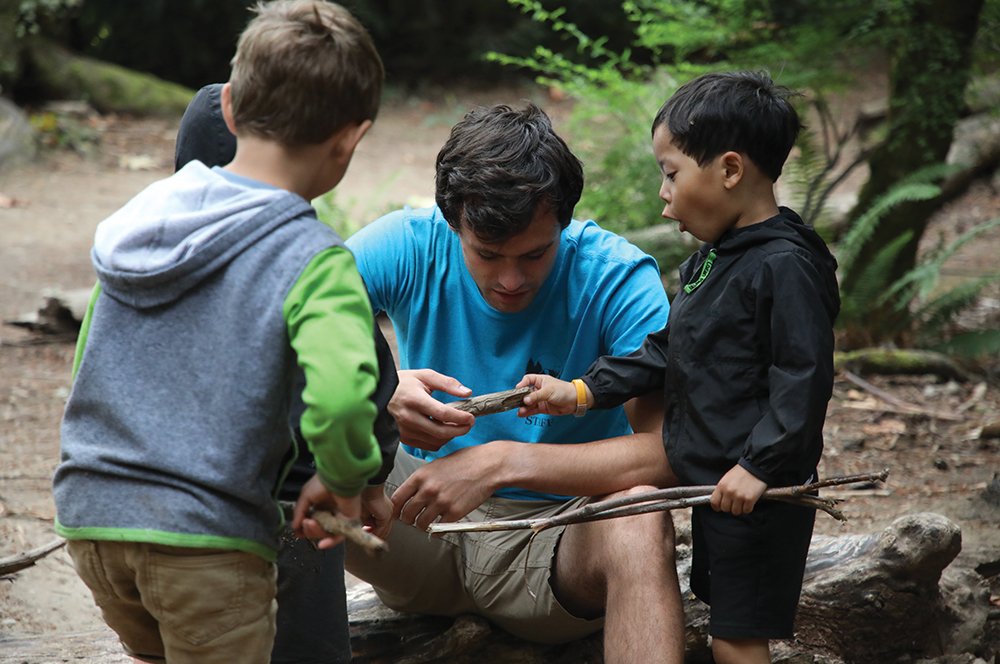
In the modern digital age, however, that relationship has fundamentally shifted. Yet, nestled deep within the Pacific Northwest, the Wilderness Awareness School is working to reclaim that lost heritage. On the surface, the organization’s summer programs look much like any traditional nature camp: children spend their days catching bugs, singing songs, swimming in rivers, roasting food over open campfires, and getting thoroughly caked in mud.
Upon closer examination, however, these camps operate under an entirely different philosophy—one designed to awaken an innate, ancestral connection to the environment rather than simply keeping children occupied outdoors.
Piquing Curiosity Is Key
At the heart of the Wilderness Awareness School’s curriculum is a specialized teaching methodology known as Coyote Mentoring. Named after the legendary animal of folklore—a creature celebrated in indigenous stories for its cleverness, adaptability, and mastery of survival—the technique relies on trickery and subtlety to achieve its ultimate educational outcomes. In mythology and nature alike, the coyote lives on the edge of the wild, effortlessly navigating both dense wilderness and human-dominated spaces while remaining hyper-aware of its surroundings through acute sensory perception.
Coyote Mentoring flips traditional education on its head by drawing knowledge out of children rather than forcing information in. This approach requires instructors to maintain a vigilant watch over their campers, scanning the environment for the exact moments when something sparks a child’s genuine interest. These fleeting moments serve as prime learning catalysts. By building activities around these organic sparks of wonder, mentors create an immersive space where children absorb complex ecological and social knowledge without ever realizing they are sitting in a classroom.
Rather than imposing a rigid lesson plan, instructors act as facilitators of discovery. They observe what draws a camper’s attention—whether it is a tiny spider weaving a web, a strange footprint in the dirt, or the texture of tree bark—and harness that specific curiosity to drive active, hands-on learning.
Teetering On The Edge
One of the primary tools in a Coyote Mentor’s arsenal is the art of strategic questioning. Instead of robbing children of a discovery by simply providing an immediate answer, mentors use a ladder of inquiries to guide students toward their own conclusions.
For instance, if a group of campers stumbles upon a discarded feather on the forest floor, a conventional instructor might immediately identify it as belonging to a Barred Owl. A Coyote Mentor, however, handles the discovery entirely differently. They initiate a dialogue: What colors do the children see in the feather? What size bird do they think could produce a feather like that? How long has it likely been resting on the ground? How might it have fallen from the canopy?
Mentors deliberately begin with simple questions that the children can easily answer, steadily increasing the complexity of the inquiry until the group reaches what educators call "the edge."
Recognizing and navigating a child’s edge is a critical component of the Coyote Mentoring framework. When a camper reaches their edge—the boundary where engagement begins to fray into frustration, distraction, or fatigue—they may appear stuck or overwhelmed. Skilled mentors pay close attention to these subtle behavioral cues, knowing precisely when to gently push a student past a mental barrier, when to call a break and pivot to a new activity, and when to create opportunities for re-engagement later in the day.
Achieving this level of awareness requires deep observation. Instructors must account for the time of day, individual communication styles, unique learning preferences, and the distinct personality traits of every child in their care. Rather than forcing students to adapt to a standardized teaching style, the mentors adapt to the students in real-time.
Planting Seeds Engages An Audience
To maintain this fluid, responsive environment, instructors at the Wilderness Awareness School deliberately avoid rigid daily agendas. While the morning may begin with a structured framework, the remainder of the schedule is left open to be shaped by the natural energy and interests of the students.
Days typically begin with high-energy games designed to break the ice, foster camaraderie, and help campers burn off excess morning energy. During these games, instructors "plant seeds"—subtle thematic ideas that will blossom later in the day. A game of tag, for example, might feature one child acting as an eagle chasing several sparrows, or campers racing around an imaginary mud pit.
As the mentors watch the group, they look for the exact moment when the children’s energy begins to wane, acting before total disengagement sets in. Capitalizing on this drop in physical energy, the instructors gather the children to tell a story.
Storytelling serves as another powerful method for planting educational seeds. A mentor might recount a tale about a young girl who forms a special bond with spiders, learning the geometry of weaving by quietly observing the eight-legged creatures in her garden. Captivated by the narrative, the group will often naturally decide to set off on a trek through the woods to search for real spiders, eager to witness how nature builds its intricate webs.
As the campers adventure through the forest, they step into a heightened state of environmental awareness, determining for themselves which aspects of the natural world capture their imagination. The Coyote Mentor observes the unfolding expedition, choosing which questions to ask in the moment and which curiosities to fold back into the curriculum later in the day.
When the afternoon sun beats down and the children’s energy shifts once again, mentors can recall the seeds planted earlier that morning. Reminding the group of the imaginary mud pit from the dawn game, instructors often lead them directly to a real, tangible mud pit. Delighted by the connection, the children eagerly reenact the morning’s game or simply dive in to get their hands dirty, transforming a standard summer camp day into an unforgettable, self-authored adventure.
Opportunities To Explore
Through the deliberate integration of targeted questioning, storytelling, flow learning, and keen observation, mentors at the Wilderness Awareness School forge deep, lasting connections between children and the natural world, as well as with one another. Over decades of operation, the school has observed that children immersed in this environment consistently grow into adults who are remarkably resilient, compassionate, self-aware, and resourceful.
While the program may outwardly resemble a traditional summer camp focused on fresh air and outdoor recreation, the experience is meticulously orchestrated by educators who understand the profound developmental value of unstructured play and guided curiosity.
Ultimately, the true measure of success happens long after the camp has ended. When a child returns home from a summer session, sets down their digital tablet on the coffee table, and turns to their family to ask if everyone wants to go for a hike in the woods, the work of the coyote is complete.
The Wilderness Awareness School continues to share these transformative educational philosophies through various training initiatives, including its foundational publication, Coyote’s Guide to Connecting with Nature, annual spring Coyote Mentoring Weekends, and comprehensive Nature Instructor Training programs designed for adults seeking to bring this ancient art of mentoring to the next generation.
Choosing an adoption agency stands as one of the most consequential decisions prospective parents will make on their journey to building a family. While some families choose to pursue adoption independently through an attorney or consultant, the vast majority of prospective adoptive parents navigate the process directly through a licensed, child-placing agency. As families begin their research, they are immediately met with complex decisions regarding state licensing, accreditation standards, financial transparency, and the breadth of services and support each organization offers. Naturally, the volume of information can quickly become overwhelming.
To help prospective parents navigate this intricate landscape, child welfare and adoption advocates have outlined critical warning signs to watch for during the agency selection process. Alongside these red flags, industry experts emphasize the importance of identifying trustworthy practices and knowing the right questions to ask at every stage of the journey. Understanding what to avoid can bring vital clarity to what is often a stressful and emotionally charged decision-making process.
The Agency Isn’t Licensed to Place Children
An agency that is unable to present a current state license authorizing the placement of children for adoption serves
as a serious warning sign for prospective parents. Organizations such as the National Council for Adoption strongly recommend thoroughly verifying an agency’s licensure directly through the state’s department of health and human services, as well as reviewing any formal complaints that may be on file. Parents must be specific when making these inquiries, as some organizations hold licenses exclusively for foster care placements rather than domestic or international adoption.
Licensure and nonprofit status also carry significant weight for families seeking external financial assistance, such as a Show Hope Adoption Aid grant. To maintain eligibility for these funds, applicants must work directly with a licensed, child-placing agency operating as a 501(c)(3) nonprofit organization. A home study provider alone does not fulfill this requirement. Furthermore, prospective parents working with an adoption consultant or waiting with multiple agencies are generally advised to delay applying for financial grants until they are officially matched through a recognized placing agency.
No Hague Accreditation for International Adoption
For families pursuing international adoption, ensuring that the agency operates under the strict standards set by the Hague Adoption Convention is an absolute necessity. Accreditation guarantees that the organization meets rigorous international and federal standards for ethical, transparent practice. Moving forward with an international program that lacks Hague accreditation poses a profound risk. While domestic-only agencies are not legally required to hold Hague accreditation, some choose to pursue it voluntarily to demonstrate an elevated commitment to ethical standards. Prospective parents can browse specialized directories, such as those maintained by the National Council for Adoption or the Christian Alliance for Orphans, to filter agencies by their specific accreditations.
A Vague or Shifting Process
While every adoption journey is entirely unique, a reputable and professional agency should be capable of outlining each step of the process with absolute clarity before any commitments are made. Prospective parents are urged to exercise caution if agency staff members provide vague answers, if timelines and procedures shift unexpectedly from one conversation to the next, or if representatives prove difficult to reach and slow to return telephone calls and emails. A transparent, step-by-step timeline is a hallmark of a well-organized and trustworthy adoption organization.
Unclear or Front-Loaded Costs
Financial transparency remains a cornerstone of ethical adoption practices. A trustworthy agency provides a comprehensive, written breakdown of all anticipated costs right from the beginning of the relationship. This documentation should cover home study fees, agency administrative costs, and potential in-country travel expenses. Parents must watch out for fee structures that are communicated only verbally, unexpected costs that continue to emerge after documents are signed, or agencies that demand the vast majority of their payment long before any substantial services have been rendered. Under standard practices, payments should progress naturally alongside the actual milestones of the adoption journey. An organization that demonstrates hesitation or reluctance regarding its financial statements warrants much closer scrutiny.
Pressure Tactics or Promises That Sound Too Good to Be True
Prospective parents must remain deeply cautious of any agency that employs aggressive pressure tactics—such as urging families to make immediate decisions—or offers to informally "hold" a specific child while paperwork is being completed. Additionally, agencies that guarantee unusually short wait times or exceptionally low costs that cannot be matched elsewhere should raise immediate concerns. Adoption timelines are inevitably influenced by a wide array of unpredictable legal, social, and international factors. A reputable agency will always maintain total honesty about the inherent variables and unpredictability of the process.
Minimizing a Child’s Needs
A credible and ethical adoption agency operates with complete transparency, sharing all available information regarding a child’s medical history, developmental background, and personal history. Furthermore, such organizations actively encourage prospective parents to have this information reviewed by an independent medical professional. If an agency actively discourages independent medical reviews or dismisses valid health concerns, families should view this attitude as a major red flag. Comprehensive understanding of a child’s unique needs well in advance is essential for preparing a family to provide proper care.
Weak Education and Post-Adoption Support
Educational programming forms an integral component of the adoption process, particularly during the pre-placement phase before a child arrives in the home. An agency that offers little to no educational opportunities prior to placement, or abruptly ends its involvement the moment a child joins the family, risks leaving parents without the vital resources and community support they need. Families should actively seek out organizations that provide continuous training and post-adoption support tailored to the needs of parents, children, and birth parents alike.
Unsolicited Outreach
Adoption advocates and national organizations routinely warn families about potential scams within the adoption sector, which frequently manifest as unsolicited phone calls, emails, or direct messages on social media platforms. Established, licensed agencies do not typically conduct cold outreach to hopeful adoptive parents; rather, the initiative almost always originates with the family. If an individual contacts a prospective parent out of the blue claiming to represent an agency, experts recommend independently calling the organization’s official office to confirm the person’s employment status before sharing any sensitive personal information.
How to Choose an Agency and Moving Forward
Navigating the preliminary steps of selecting an adoption agency requires diligence, research, and careful verification. Families are encouraged to systematically verify state-level licensure, check online complaint registries, and confirm Hague accreditation for international programs. Requesting detailed, written fee schedules ensures that all financial obligations are clearly understood before signing any binding agreements.
Attending informational sessions or scheduling consultations allows prospective parents to ask direct questions regarding organizational programs, historical timelines, and available resources. Engaging with other adoptive parents, reading authentic reviews, and seeking recommendations from trusted peers who have successfully navigated the system can also provide invaluable perspective. For those planning to apply for financial assistance like Show Hope Adoption Aid grants, confirming that the chosen organization is a licensed, nonprofit child-placing agency remains a critical final step. Organizations like Show Hope continue to provide free online educational resources, such as HowToAdopt.org, to help families navigate these foundational decisions.