While Philadelphia is universally celebrated as the birthplace of American democracy, it holds another profound historical distinction that shaped the foundation of the United States: it is the birthplace of American religious freedom. Long before the framing of the Constitution, the region became a sanctuary for diverse beliefs, serving as a living laboratory where people of different faiths could forge a common civic identity.
Founded by the Quaker leader William Penn between the late 17th and early 18th centuries, the Pennsylvania colony offered a level of religious latitude that was virtually unprecedented in other colonial locales. Penn’s foundational charter made radical promises for its time, guaranteeing that all residents who acknowledged God and lived peaceably with their neighbors would be free from persecution based on their religious persuasions. Crucially, they would not be mandated to attend or support any specific form of religious worship.
This policy of tolerance naturally drew a population with a remarkably wide spectrum of religious commitments. Although this early experiment in religious freedom was often experienced unevenly in practice, Penn’s vision—frequently referred to as his "holy experiment"—emerged as a powerful precedent. It offered a living example to the nation’s future founders and framers that a society could successfully unite individuals with diverse faith commitments under a shared civic umbrella.
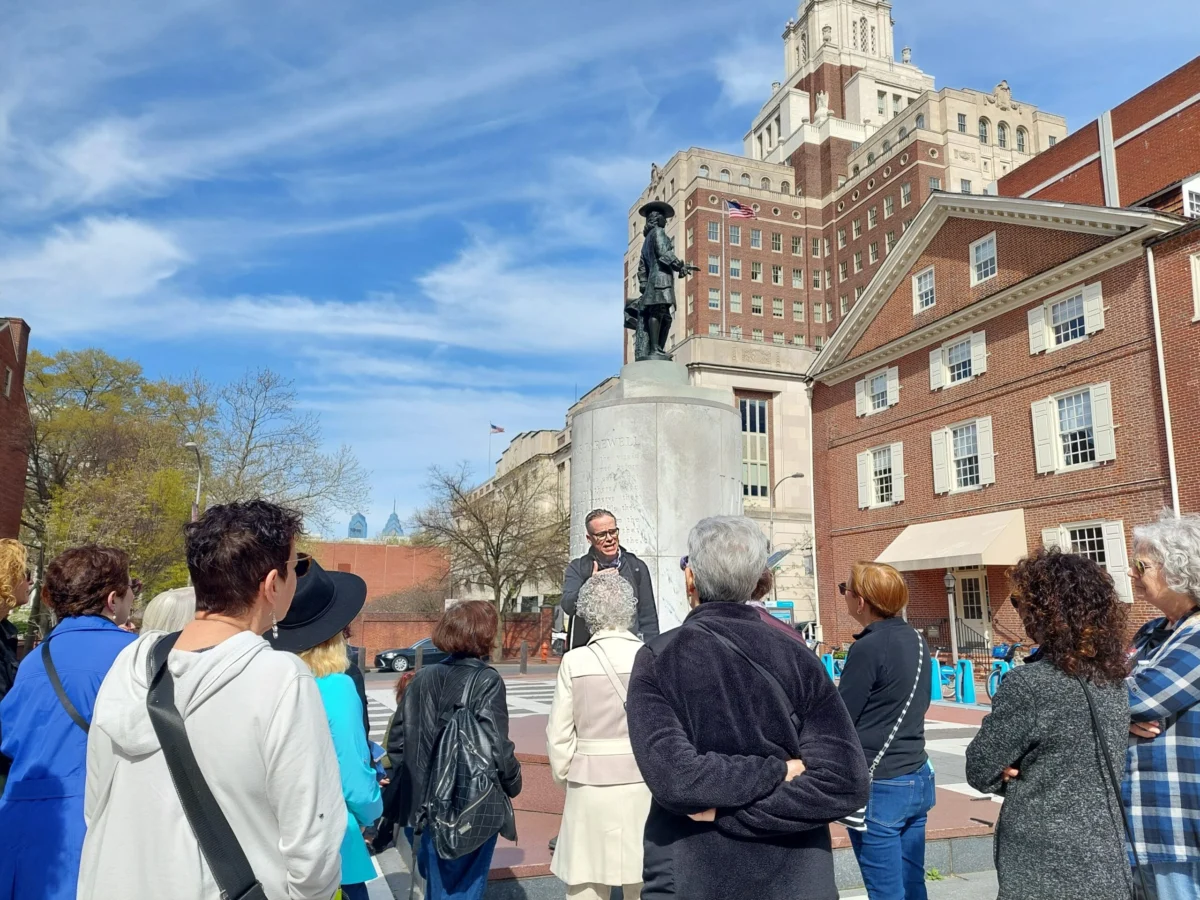
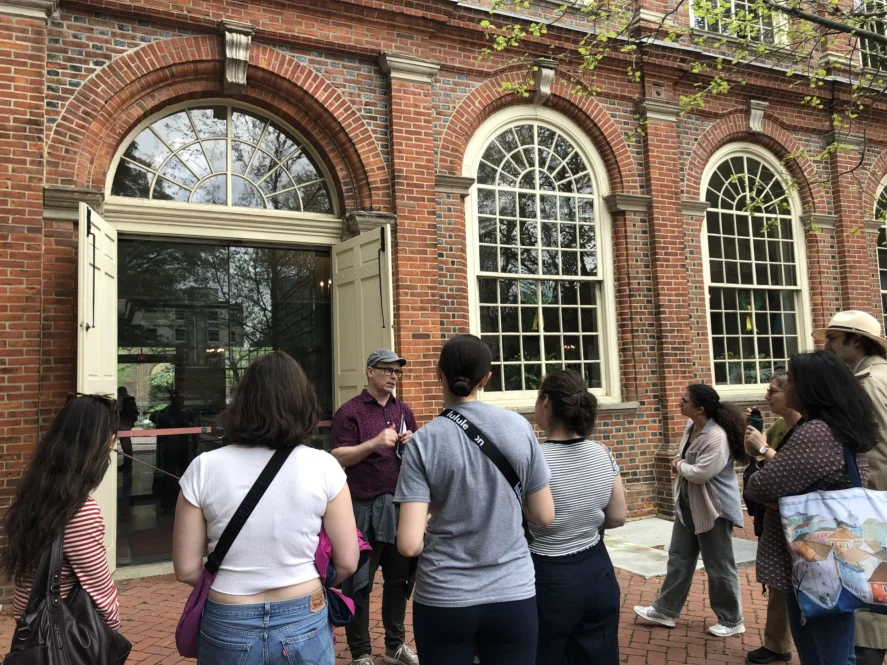
Today, one of the most immersive ways to experience this rich intersection of religious and civic history is by walking the very streets where these developments unfolded. Guided tours, such as those organized by the Dialogue Institute at Temple University and led by scholars like Executive Director David Krueger, bring these complex narratives to life. Tracing the earliest chapters of the colonial and revolutionary eras, a collection of six key historical sites illuminates how religious pluralism functioned in action throughout Philadelphia’s history. These locations, along with deeper contextual educational resources, can be further explored through the interactive Religious Freedom Trails digital application.
Arch Street Friends Meeting House
The narrative of Pennsylvania’s religious liberty begins deeply intertwined with the Society of Friends. William Penn, though raised in the established Anglican Church, experienced a profound spiritual awakening as a young adult and converted to Quakerism. The Quakers posed a direct challenge to the religious and social norms of the era by questioning established Anglican dogma, rejecting strict social hierarchies, permitting women to preach, and emphasizing the belief that every individual carried an inner light from God.
Because of these radical stances, Penn and many fellow Quakers frequently faced imprisonment and social ostracization in England. Seeking a safe haven, Penn looked for an opportunity to establish a colony where religious dissenters could live and worship freely. Following the death of Penn’s father, the British Crown—specifically King Charles II—owed a substantial financial debt to the family. Rather than demanding a cash payout that could complicate matters with an influential religious figure, the king chose to settle the ledger by granting Penn a vast charter of land in North America.
In 1682, Penn arrived on the shores of the Delaware River. Rather than claiming the territory solely by right of conquest, he famously negotiated a treaty with the indigenous Lenape residents, establishing a framework for peaceful coexistence and founding a colony that pointedly refused to impose a state-sanctioned religious establishment.
Benjamin Franklin Museum
Philadelphia’s most legendary adopted son was not a native Pennsylvanian. Benjamin Franklin grew up in Boston, a city situated firmly within a colonial environment where the Congregational Church held status as the established church. His parents initially envisioned a career in the ministry for him, but financial limitations within the family and Franklin’s own developing religious skepticism steered him away from the pulpit and into the printing trade alongside his older brother.
Seeking greater independence and broader horizons, a 17-year-old Franklin struck out on his own and relocated to Philadelphia. At the time, Philadelphia stood out as a significantly larger, more culturally vibrant, and religiously diverse urban center that offered boundless opportunities for a young, ambitious tradesman.
In this welcoming environment, Franklin established a thriving printing business and organized the Junto, an influential mutual-improvement society composed of local business leaders and intellectuals. The group met regularly to exchange progressive ideas, debate philosophy, and engineer practical solutions for pressing civic problems.
Franklin’s collaborative spirit and practical intellect catalyzed some of the nation’s most enduring civic institutions. Out of his organizing efforts emerged the country’s first public hospital, its first non-sectarian university, its first public lending library, and the American Philosophical Society. Franklin possessed a rare talent for bridging religious and cultural divides, mobilizing disparate groups to find common ground and build lasting infrastructure for the public good.
Christ Church
While Philadelphia’s founding ethos was built on religious pluralism, the broader geopolitical landscape was dominated by the Church of England. The Anglican Church served as the official state church of the British Empire, and its ministers were required to swear solemn allegiance to the British monarch—a dynamic that persisted even in Philadelphia, where no single denomination held a monopoly on faith.
When the Continental Congress adopted the Declaration of Independence, the leadership of Christ Church made the bold and consequential decision to align themselves with the revolutionary cause. One of their very first symbolic actions was to physically cross out passages within the traditional Book of Common Prayer that offered blessings and allegiance to the king. This act served as a direct precursor to the creation of an independent American Episcopal Church. Furthermore, Christ Church stands as a historical landmark where many of the nation’s earliest presidents regularly worshipped.
Just around the corner from the church grounds stands a historical marker commemorating a modest boarding house. It was here that Gouverneur Morris, the man credited with drafting the historic preamble to the United States Constitution, resided during the sweltering summer of the Constitutional Convention in 1787. Historians frequently note the poetic significance of Morris crafting the immortal opening words, "We the People," within the borders of the largest, most religiously and culturally diverse city in the young republic.
St. Augustine’s Catholic Church
During the 1730s, Philadelphia held the unique distinction of being the sole location across the British North American colonies where it was legally permissible for Roman Catholics to publicly celebrate Mass. This allowance stemmed directly from the sweeping protections outlined in William Penn’s founding charter.
Naturally, the city’s dominant Protestant leaders frequently voiced complaints and anxieties when Catholics began gathering for worship, largely driven by lingering political suspicions regarding potential loyalties to rival Catholic colonial powers such as Spain and France. Despite this ambient hostility and social suspicion, the fledgling Catholic community was permitted to practice openly under the legal umbrella of Penn’s charter commitments.
However, legal protection did not insulate the community from periodic violence. In 1844, simmering sectarian tensions boiled over when members of the anti-immigrant "Native American" political party systematically targeted and burned down several immigrant Catholic churches, including St. Augustine’s. Demonstrating resilience, the Catholic community rebuilt their sacred spaces and went on to establish educational institutions that continue to serve and thrive in the city today.
Mother Bethel AME Church
The history of Philadelphia is also inextricably linked to the complex realities of slavery and the protracted struggle for civil rights. The institution of slavery was present in William Penn’s colony from its earliest days; the Penn family fortunes were built in part upon enslaved labor, and Penn himself was an enslaver. Simultaneously, however, Pennsylvania gradually emerged as a vanguard in the movement to abolish slavery, transforming the city into a vibrant center of free Black life and organized mutual aid by the late eighteenth century.
A central figure in this movement was Richard Allen. Born into slavery, Allen managed to purchase his freedom and eventually converted to the Methodist faith in his youth. His powerful preaching and spiritual leadership drew a massive influx of new Black attendees to St. George’s Methodist Episcopal Church.
As the Black congregation swelled, the white church leadership imposed restrictive and humiliating segregated seating policies. Faced with this indignity, Allen led the vast majority of Black members out of the church in a historic walkout. They initially established a separate congregation inside a former blacksmith shop, naming it Bethel Church. Despite intense legal opposition and resistance from white ecclesiastical authorities, Allen successfully secured approval from a state court in 1816 to formalize the separation, giving rise to the African Methodist Episcopal (AME) Church, the nation’s first independent Black denomination.
Kahal Kadosh Mikveh Israel
Founded in 1740, Kahal Kadosh Mikveh Israel stands as the oldest continually operating synagogue in the United States. Often referred to as the "Synagogue of the Revolution," the congregation earned the moniker through the steadfast support its members offered to the Patriot cause during the War of Independence.
Although Jewish residents enjoyed the freedom to practice their faith under Penn’s colonial framework, significant legal restrictions remained regarding their ability to run for public office or hold government positions. In Pennsylvania law, candidates were required to take a specific religious oath affirming that both the Old and New Testaments of the Bible were the divine, revealed Word of God. This mandate created an insurmountable barrier not only for Jewish citizens, but also for Deists and members of numerous other faiths.
In 1787, Jonas Philips, a prominent member of Mikveh Israel, took decisive action by dispatching a formal letter to the delegates of the Constitutional Convention. Philips appealed to the framers to omit any religious test as a qualification for holding public office or public trust. He argued persuasively that Jewish Americans had willingly shed their blood and given their lives in the Revolutionary War and were fully entitled to participate equally in the leadership of the new nation.
The framers ultimately heeded these arguments, culminating in the adoption of Article VI of the United States Constitution, which explicitly establishes that no religious test shall ever be required as a qualification for any office or public trust under the United States, cementing Philadelphia’s legacy of religious freedom into the foundational law of the land.
Wordlessly, Rivera moved in slow, dancer-like steps toward a piece of wood held steady
beneath one bare foot. Taking several deep, measured breaths, she closed her eyes, centering herself before beginning the physical labor of friction fire-making. With one hand, she pressed a wooden spindle downward into a board on the ground, while her other hand guided a handmade bow back and forth. The repetitive sawing motion generated friction between the spinning wood and the baseboard, accompanied only by the sound of her rhythmic breathing.
Before long, wisps of pale smoke began to rise from the drilled hole, signaling the formation of a fragile coal. Rivera carefully transferred this glowing ember into a soft tuft of shredded cedar tree bark. Kneeling beside it, she blew gentle, controlled breaths into the fibers until soft, golden flames erupted. She then transferred the nascent fire to a intricately carved "feather stick"—a piece of wood featuring thin, curled shavings designed to catch and hold a flame—before finally introducing it to the central fire pit.
The demonstration was brief; due to an active seasonal fire ban, the flames had to be extinguished almost immediately after they caught. Yet throughout the entire sequence, the roughly 50 attendees stood completely transfixed. Aside from the soft rustle of Rivera’s breathing and the eventual crackle of the wood, absolute silence hung over the gathering. For author and researcher Elizabeth Doerr, who attended the retreat as part of her ongoing exploration of modern preparedness, watching Rivera operate went far beyond the acquisition of a practical wilderness skill. It felt profoundly, undeniably spiritual.
Reflecting on the experience, Doerr acknowledged the slight hesitation she felt in applying spiritual terminology to an outdoor skills workshop. Such language can sometimes feel overly cliché within the context of a modern back-to-the-land movement. However, watching Rivera generate fire from seemingly raw elements while shutting out the attention of more than a hundred watching eyes revealed a deeper truth. It became clear that mastering fire-making requires far more than technical mechanics; it relies heavily on intuition, presence, and a profound attunement to the natural world.
That realization was reinforced later when participants broke into smaller groups for hands-on workshops. Rivera led the fire-making session, introducing the attendees to the various tools used in primitive friction techniques, including bow drills, cedar bark, feather sticks, and kindling. As she laid out the equipment, anticipation rippled through the group at the prospect of finally learning how to coax fire from the surrounding landscape using nothing more than natural materials.
Then, Rivera delivered a perspective shift that fundamentally challenged conventional notions of wilderness survival. Explaining the use of modern survival gear, she noted that while carrying pre-made tools or artificial accelerants can be useful, they ultimately serve as a direct compensation for a person’s lack of familiarity and integration with their surrounding environment.
Reflecting on her own past camping trips—where she had struggled to ignite a primitive fire using a ferro rod and kindling before ultimately resorting to a disposable lighter out of sheer desperation to feed her family—Doerr absorbed the weight of Rivera’s philosophy. The long-term goal of truly knowing the land eliminates the absolute reliance on manufactured gear, though building that level of deep ecological literacy takes considerably longer than a weekend workshop.
As the session progressed into practical applications, Rivera demonstrated the rigorous preparation required before attempting to ignite a flame. The curriculum covered wood-chopping, fuel gathering, feather-stick creation, and standard fire-lighting techniques utilizing a ferro rod and a knife. Watching the meticulous steps unfold, Doerr noted a significant linguistic and philosophical distinction: Rivera consistently used the phrase "getting fire" rather than "making fire."
When questioned about the phrasing, Rivera explained that securing a flame demands emotional attunement alongside technical execution. In her view, fire is fundamentally ingrained in human physiology and history, serving not only as a physical center for community but as a reflection of human identity itself.
Approaching the task as "getting fire" implies that the flame already exists within the environment, waiting for the practitioner to become open and receptive to it. This perspective reframed the hard and soft skills of wilderness survival not as opposing categories, but as points on a continuous spectrum. While quantifiable, objective hard skills are built through time and physical labor—such as gathering the correct type of bark, striking a ferro rod at the precise angle, or processing wood into properly sized kindling—they offer no absolute guarantee of success. Reaching the threshold of ignition requires qualitative, subjective soft skills like patience, critical thinking, and heightened situational awareness.
By the conclusion of the workshop, Doerr successfully navigated the physical components of the challenge. She processed wood, crafted functional if imperfect feather sticks, scraped the inner lining of a cedar bark plank to harvest tinder, and used a ferro rod to generate a spark that caught a small piece of charred denim. Gently nursing the spark with breath, she transferred it to the cedar tuft and established a working flame in the pit.
However, the limits of this newly acquired mindset were tested during a timed evaluation requiring participants to start a fire using a single match within five minutes. Under the pressure of the clock, Doerr’s heart raced, frustration set in, and her attempt failed. Staring at the unlit tinder, she questioned her capability to handle emergency scenarios.
Recalling Rivera’s earlier guidance provided a crucial perspective shift. Rivera had previously emphasized that remaining calm and failing to produce a flame is preferable to panicking and accidentally forcing a dangerous situation. Furthermore, she had advised students to invite the fire rather than force it. Doerr realized that under the pressure of the timed test, she had attempted to force the outcome rather than cultivate the necessary mental space to receive the fire. The failure, paired with Rivera’s teachings, underscored that technical execution alone is insufficient without psychological composure.
This integration of mindfulness and technical training defined the overarching ethos of the Wild Women’s Weekend. The curriculum structured by the Wilderness Awareness School carefully balanced softer, mindfulness-oriented nature sessions with harder, skill-based workshops in fire-building and plant identification. Yet even the most technical subjects demanded a foundational awareness of nature and self that leaned heavily into the intuitive end of the spectrum.
For Doerr, whose research into survivalism often distanced itself from the hyper-masculine, rigidly technical focus of traditional prepper communities, the approach offered a welcome alternative. The Wilderness Awareness School model provides a framework of grace, acknowledging that individuals progress along a diverse spectrum of learning without chasing an impossible standard of ultimate mastery. Instead of a competitive race, survival skill development emerges as a lifelong cultivation of intuition—a capability that, combined with foundational knowledge, forms an essential key to navigating the uncertainties of the future.
In today’s modern society, it has become virtually impossible to navigate a single day without interacting with technology and the internet. From school assignments and socialization to basic daily logistics, digital access is woven into the fabric of everyday life. Children and teenagers increasingly demand—and in many ways, require—greater access to the online world. Yet, for parents and caregivers, granting that access is frequently met with hesitation and careful deliberation.
This hesitation is often magnified for families formed through adoption and foster care. Many children impacted by adoption and foster trauma have already experienced profound loss, early adversity, or broken trust. Because of these formative experiences, the online world can introduce unique risks and intense emotional triggers that may hit these children harder than their peers. Consequently, the ongoing challenge for parents is not merely restricting access, but actively walking alongside their children to foster healthy boundaries, ensure physical and emotional safety, and maintain strong familial connection.
Experts in child welfare and family support emphasize that helping children navigate the digital landscape requires a thoughtful approach tailored to individual stories rather than arbitrary age milestones.
Choose devices and access based on your child’s needs, not just their age.
A universal, one-size-fits-all approach to technology rarely succeeds in households, and this is especially true when caring for children with complex backgrounds. When evaluating technology access, parents are encouraged to weigh a child’s chronological age, maturity level, and practical requirements. While a young child has no need for unmonitored smartphone access, an older teenager who is driving independently may require reliable communication tools for safety and coordination.
For children impacted by trauma and loss, experts emphasize the importance of looking beyond calendar age to consider developmental maturity. A young person who experienced early adversity may be a teenager on paper, but still struggle significantly with self-regulation, impulse control, and critical decision-making. Child advocates note that this developmental gap is not a negative reflection on the child, but rather a direct result of their unique history. It serves as a vital reminder that these youth often require extended support, intentional structure, and close guidance, particularly when first engaging with new technologies.
To bridge this gap, many families choose to begin with specialized communication devices designed with younger users in mind. Often referred to as restricted-access or simplified phones, these devices frequently block open internet browsing while allowing calls and messages only to pre-approved contacts. Alternatively, families utilize robust parental control applications that enable caregivers to monitor activity and customize access settings for specific apps and functions.
Create screen-free zones and times—and provide needed support during transitions.
Establishing clear, predictable boundaries around where and when digital devices can be used is another cornerstone of healthy tech management. Common screen-free zones in many households include bedrooms, bathrooms, and family dining spaces during meals. To reinforce these boundaries physically, some families establish a designated charging station—often mounted on a wall in a common area—where devices must be parked. Keeping phones plugged into a central location overnight transforms the device into a makeshift landline, removing the temptation of late-night digital browsing.
Establishing predictable offline hours, such as from bedtime through the start of the morning routine, is a common practice among parents utilizing shared charging spots or parental control software. Pediatric experts consistently highlight that adequate sleep is vital for every growing child and teenager, and it holds even greater importance for youth whose brains and bodies are actively working to learn safety, emotional regulation, and stability.
However, moving away from a screen is rarely seamless; turning off a device requires a transition, and transitions can present significant challenges for children who have experienced trauma. Child development specialists note that giving advance notice before screen time ends—such as offering a gentle five-minute warning before a device must be plugged in—can significantly reduce anxiety. Similarly, providing a sense of agency through controlled choices, such as asking whether the child wants to place the phone on the charger themselves or have a parent assist, can prevent frustration and help the child feel empowered rather than controlled.
Normalize monitoring and rules.
Transparency around digital boundaries helps transform restrictions from a punitive measure into a supportive framework for safety. Parents are encouraged to communicate clearly with children and teens from the outset, letting them know that online activity, including text messages, contact lists, social media interactions, and downloaded applications, will be monitored. Framing this supervision as a tool for safety and trust-building rather than an invasion of privacy helps mitigate fear and defensiveness.
For teenagers utilizing social media platforms, many caregivers establish baseline requirements, such as maintaining private account settings and keeping parents informed about follower lists and connections. By openly discussing these expectations before a device is ever handed over, families reinforce a shared understanding of safety.
At the same time, experts remind caregivers that rules around technology are rarely successful in isolation. Parents set powerful examples through their own digital habits, making personal mindfulness regarding screen usage an integral component of household expectations.
Keep discussions open around tech use.
Maintaining an ongoing dialogue about technology helps normalize the topic, ensuring it remains a subject of regular conversation rather than a one-time lecture. Encouraging children and teens to report any uncomfortable, strange, or unsafe online encounters without fear of harsh consequences creates an essential safety net. Child advocates frequently stress that a secure, trusting relationship between a child and their caregiver remains the single most effective protection against online harms.
Regularly checking in with children regarding emerging digital trends, popular applications, and online culture allows families to evaluate potential risks together in real time. Moreover, when children or teenagers approach caregivers with thoughtful compromises or alternative suggestions regarding household tech guidelines, experts suggest celebrating those moments. Collaborative problem-solving and respectful negotiation are critical life skills that parents strive to instill, and remaining open to these discussions demonstrates that a child’s voice is valued within the family unit.
Families navigating these daily challenges often share strategies and insights through community networks and supportive programming. Organizations such as Show Hope provide ongoing resources, including video features and structured educational subscriptions like the Hope for the Journey initiative, designed to assist families in caring for children and teens through the everyday realities of modern life.
For years, a pervasive cultural movement dominated the online spaces frequented by mothers. Across parenting blogs, Facebook status updates, and brightly filtered Instagram feeds, the archetype of the "yes mom" reigned supreme. The philosophy was simple, enthusiastic, and exhausting: whenever possible, avoid telling your children no.
During the height of this trend, mothers documented their efforts to embrace spontaneity and perpetual accommodation. The digital landscape was flooded with snapshots capturing those golden moments of parental compliance. Yes, the children could have ice cream before dinner. Yes, they could leap fully clothed into a mud puddle. Yes, the family could drop everything to play an impromptu board game.
It was, by all accounts, a fabulous concept—one whose implementation resulted in genuinely wonderful memories and spontaneous bouts of joy. For many parents, including veteran homeschoolers who wanted to cultivate a vibrant, child-centered atmosphere, saying yes felt like the ultimate expression of love and engagement.
Yet, beneath the polished veneer of endless accommodation, a quieter, more urgent reality began to surface. It is a reality that seasoned parents eventually confront out of sheer necessity: it is not only acceptable to say no, but it is fundamentally essential for the health of the entire household.
Moms, in particular, often carry a heavy psychological burden of trying to say yes to every external demand, school requirement, and domestic expectation. The inevitable result is a population of exhausted, overwhelmed, and deeply burned-out women. Beneath the titles of educator, caretaker, and household manager lies a fundamental truth that is frequently forgotten in the whirlwind of modern parenting: mothers and fathers are human beings, too.
Parents require rest, personal hobbies, quiet downtime, and unstructured white space to maintain their mental equilibrium. For those who navigate the compounding demands of parenting alongside the intensive oversight of homeschooling, the need for personal boundaries becomes even more critical. Particularly for introverted parents, the lack of solitude can lead rapidly to emotional and physical depletion. Consequently, a growing chorus of experienced parents is encouraging a cultural shift back toward a healthy, balanced boundary: it is completely acceptable to say no.
Navigating the Pressures of Community Volunteering
One of the most persistent battlegrounds for parental overextension involves community and church volunteering. Within homeschooling circles, service is frequently championed as a cornerstone of character development. Giving back to the community and teaching children the intrinsic value of serving others are noble and worthwhile objectives.
However, when volunteer opportunities are chosen without careful discretion, they can quickly transform into sources of chronic stress. Because homeschooling families are frequently perceived as possessing an abundance of unstructured free time due to their flexible schedules, they are often inundated with requests to fill volunteer vacancies.
Years ago, when her children were still infants, Kris Bales regularly volunteered to work in the church nursery on Sunday mornings. At the time, aside from one dedicated senior member who served every week, the responsibility fell almost exclusively on the mothers of young children. Looking back, those hours offered a welcome respite—an opportunity to hand off the babies to someone else while recharging for a brief moment in a quiet room.
As the children grew older, however, the nature of the expectations shifted. Because she was a homeschooling mother, it was routinely assumed that she would be the ideal candidate to lead children’s church on Sunday mornings. After spending the entire week directly facilitating her own children’s education, the prospect of managing another classroom on her designated day of rest held zero appeal. Yet, constrained by a reluctance to disappoint others, she initially struggled to decline the responsibility.
Over time, experience brings a necessary fortitude. Modern parents frequently learn to transition from reluctant compliance to graciously, but firmly, declining commitments that induce undue stress. Interestingly, as children grow into adulthood and leave the nest, the perspective on service often comes full circle. Having navigated the trenches of early motherhood, veteran parents often return to nursery duty with a renewed appreciation, knowing firsthand how deeply the parents of small children value a safe, reliable environment where they can briefly catch their breath.
Evaluating the Co-Op Culture
Another major pressure point for families navigating alternative education is the traditional homeschool co-op. Organized co-ops have become a staple of modern homeschooling culture, offering structured group classes, social opportunities for children, and shared teaching responsibilities among parents.
For families who utilized alternative schooling paths for over fourteen years, formal, organized co-ops were never part of the routine. Aside from an informal nature study group shared with a single family for a brief period when the children were young, and a later government study group involving a couple of teenage peers, the family largely charted an independent course.
When a friend initially invited them to join an established co-op during their very first year of homeschooling, the invitation was declined with a deliberate focus on the immediate priority: spending that foundational year at home to find their footing as a newly minted educational unit. Subsequent discussions about joining other co-ops failed to generate genuine interest from the children. Despite missing out on traditional co-op experiences, the children developed into well-adjusted, independent individuals.
This historical track record highlights an important distinction for modern families. If joining a co-op actively serves a family’s specific needs for socialization, group instruction, or specialized academic coursework that is difficult to manage at home, it can be a tremendously valuable resource.
The danger arises when families enroll in co-ops driven primarily by outside pressures, social comparisons, or unfounded guilt regarding perceived educational gaps. Children are demonstrably better off spending their days at home with a calm, centered parent than they are commuting to a guilt-induced class taught by an overextended, perpetually stressed instructor.
The Courage to Decline Fun Outings
Overextension does not solely stem from formal obligations and educational co-ops; it frequently masquerades as leisure and fun family outings. The calendar of a modern household can easily become packed with driving children to various events, shopping trips, and recreational activities that ultimately drain the remaining energy reserves of the household.
Consider a typical weekend schedule for a family with active teenagers. A Saturday morning request from a daughter to go shopping so she could spend her birthday money might seem like a simple, harmless parental duty. Yet, when evaluated against the backdrop of the preceding days, a different picture emerges.
The previous Wednesday might have been entirely consumed by chauffeuring the teenager to the Department of Motor Vehicles to secure a learner’s permit—a successful endeavor, but one requiring hours of waiting and transit—followed by running errands for an older sibling, transporting the younger daughter to a photography class, picking her up afterward, navigating a fast-food drive-thru, and dropping her off at church for worship team practice.
Thursday typically brings its own marathon of responsibilities, such as accompanying a child to an extended medical appointment, returning home to hurriedly clean the house, and baking cookies in preparation for a birthday party hosted that very evening. Sandwiched between domestic chores and party hosting is usually a trip to an indoor trampoline park, complete with the inevitable frustration of sitting in dense, standstill traffic that leaves the family and their guests half an hour late.
Friday rarely offers relief, often demanding a rush to complete weekly grocery shopping, hurriedly stowing perishables, and immediately rushing off to transport the children to an evening study group. Add in the logistical puzzle of delivering a forgotten item to a party guest from the previous day, dropping children off at a concurrent birthday celebration, and squeezing in personal errands, and the weekend landscape changes dramatically.
Under such exhausting conditions, declining a shopping trip on Saturday morning requires zero psychological guilt. Choosing to stay home, rest, and recover from a week of relentless transit is not a failure of parenting; it is a vital act of self-preservation. When the weekend arrives with no major disasters, staying indoors becomes a deeply restorative victory.
The accumulated weight of modern family life demonstrates that parents do not need to say yes to every single opportunity, event, or obligation that comes their way. While the impulse to be a accommodating parent is rooted in a desire to create joy, it must be balanced against the very real dangers of chronic burnout.
Ultimately, saying no to outside pressures can open the door to genuine family connection. Parents cannot cultivate meaningful memories when they are perpetually exhausted and stretched thin across an unsustainable array of commitments. Protecting one’s time and emotional energy ensures that when parents do say yes, those moments are met with genuine enthusiasm rather than hollow fatigue.
MONTREAL — Long before she understood the crushing weight of personal tragedy, a younger Rachel Abugov sat in a university developmental psychology classroom and encountered a curriculum concept that felt entirely alien. Back when dinosaurs roamed the plains, as she jokingly recalls, students learned that each stage of human growth carried specific psychological tasks. For seniors, the prescribed task was accepting and learning to live with profound loss.
To her mid-thirties self, the concept was incomprehensible. She simply could not fathom what such an experience would even feel like.
Now, unfortunately, she knows through lived experience. Abugov finds herself in the early, turbulent stages of navigating the unthinkable: the loss of her son, Kevin, in January of this year, followed just ten weeks later by the death of her only brother, Ian. While she had learned how to deal with the passing of her parents years prior—accepting it as part of the natural order of things—the sequence of losses she faces today represents an entirely different reality.
Before cancer entered their lives like a Trojan horse, attacking her son from the inside, Abugov and Kevin shared a lighthearted relationship. She used to joke with him about eventually becoming a crotchety old lady whom he would simply have to put up with. In response, Kevin bought her a t-shirt featuring Sophia from The Golden Girls and routinely sent her memes of the iconic "Where’s the beef?" commercial lady.
Those moments of humor gave way to a relentless medical education. Abugov became fluent in the language of oncology, learning about chemotherapy and its common and rare side effects, and growing adept at searching for clinical trials. But all that research culminated on a final, shattering day in the emergency room, when a doctor stated bluntly, "He’s not going to make it. He’s dying."
In that instant, Abugov was forced to learn how to break the devastating news to extended family members. Worst of all, she had to figure out how to tell her daughter-in-law—who was at home with Abugov’s sleeping grandson—that she was just hours away from becoming a widow.
Abugov never learned to come to terms with cancer. She had fervently prayed that her son would be cured and discharged from the overcast realm of medical treatment into the brilliant sunshine. While the sun continues to shine, her son is no longer around to enjoy it. It stands as a grim coincidence that the day Kevin learned his time on Earth was limited was the exact day a major solar eclipse darkened the skies. Though they had purchased special viewing glasses, they never got to use them; they didn’t need to. Their entire world went pitch-dark and simply stayed that way.
Yet, amid the shadows, there were still pockets of joy and normalcy. There were moments like when Kevin played his final two gigs with his punk band, or when his young son celebrated his first birthday. Just two weeks before Kevin passed away, he, his wife, and Abugov went out for lunch to one of their favorite Vietnamese restaurants. Over bowls of pho, they talked about wanting to see the new Superman movie and discussed which television shows were worth binge-watching.
It felt just like old times, provided one ignored the fact that they had specifically chosen that restaurant because it was wheelchair-accessible, or that Kevin was eating very lightly because chemotherapy had severely affected his digestive system. They masked their feelings, smiled, and pretended that everything was cool. They even talked about the next time they would get together and where they would go for lunch next. There was, as Abugov notes, no next time.
Today, Abugov is actively working to come to terms with the cascading losses of both her son and her brother. She has engaged with the grieving process through various support structures, participating in both in-person and online groups while leaning on cherished family members. Her new connections through her local chapter of The Compassionate Friends have proven to be lifesavers, even if members only see each other for an hour and a half every month. She describes them as true foxhole buddies who genuinely understand what she is enduring.
Along the way, Abugov has also acquired an unexpected companion: Grief. While not a best friend in the traditional sense, Grief shadows her as persistently as her cat follows her whenever she nears the treat cabinet. In Abugov’s mental imagery, Grief looks like an eccentric old lady—the kind who overcompensates for lost youth by wearing purple cat-eye glasses and loud leopard prints, wanting to be easily recognized.
Not all of Abugov’s emotions are quite that considerate. On the advice of her bereavement counselor, she has been working on labeling her feelings, but that remains an ongoing process.
Grief makes her presence known in unexpected places, such as when Abugov experiences a sudden emotional meltdown in the potato chip aisle at Walmart, struck by the sudden, agonizing realization that she can no longer pick up a bag of Sriracha chips for Kevin because he is gone. Grief attempts to help her accept this "New Normal," offering the perspective that everyone walks around carrying a metaphorical stone in their shoe that they can never quite shake out, no matter how hard they try. At first, Abugov’s reaction was sheer disbelief, but as she began talking openly with others, she realized how universally replicated that hidden grief is among the people she knows.
Initially, her reaction to her constant companion was blunt and defensive: "Look, Grief. I don’t wanna hang out with you! Leave me alone," often seasoned with a few well-placed expletives. However, she soon realized that she was expending so much energy fighting Grief that it was rapidly draining what little physical and emotional reserves she had left in her tank.
That realization prompted a shift toward radical acceptance.
She began to wonder what might happen if she simply sat down on the couch next to Grief and allowed her to hand over tissue after tissue while she sobbed and mourned the losses of her son and her brother. Could it possibly help? After all, she reasoned, she couldn’t possibly feel any worse than she already did.
To her surprise, the experiment worked. Much like a chef’s trick of soaking raw onions in cold water to decrease their pungency, Grief began to lose her sharpest edges. While Abugov was not exactly welcoming her presence with open arms, she was resisting her less. Whether she was finally coming to terms with her New Normal or simply watching her acute pain transition into a chronic, manageable state, the experience shifted. The pain remains, but it feels different.
Whatever the underlying reason, Abugov no longer spends as many days confined to bed, lost in endless doomscrolling. While she has always been an early riser, her identity has expanded; she now identifies as a mourning person just as much as a morning person. Honoring her lost loved ones no longer looks like lying in bed with the lights dimmed. Instead, it can look like hopping on a plane with her niece to attend a music festival because Kevin’s and Ian’s favorite bands are playing, proudly wearing their t-shirts so they remain present in some form.
The bottom line, Abugov acknowledges, is that Grief is here to stay. She will remain a part of her as long as she is here. And when her own time on Earth eventually ends, Abugov jokes that she will ask Grief to be a faithful shadow to everyone who loved her. It is a tough job, as she notes, but somebody has to do it.
parent, educator, and caregiver shares a universal aspiration for the children in their lives: the desire for them to become genuine readers. The goal is not merely to cultivate literacy—ensuring children have the technical skill to decode words on a page—but to foster a deep, enduring relationship with literature. The ultimate aim is to raise individuals who not only can read, but who actually choose to read, carrying that passion into adulthood simply for the joy and enrichment it brings, rather than out of obligation.
Yet, a curious paradox often emerges among those who care most deeply about nurturing lifelong readers. Adults frequently approach children’s reading lives in a manner that is entirely antithetical to how real, adult readers actually experience and enjoy books.
Examining the typical trajectory of a child’s reading journey reveals a heavy apparatus of control and assessment. Adults routinely choose all the books for children, dictate how long they must sit and read, and subject them to interrogation-style questions designed to prove that the story was both read and understood. Beyond verbal quizzes, children are frequently required to write formal essays or book reports to demonstrate comprehension even further.
Underneath these well-intentioned practices lies an unspoken assumption: that by heavily regulating, testing, and managing every aspect of a child’s reading experience, adults are building a foundation for future literary habits. The expectation is that once these children grow up and no longer face external mandates, they will voluntarily choose to pick up a book for pleasure.
However, child development and literacy experts are increasingly pointing out the flaw in this logic. Coercion, rigid oversight, and constant evaluation rarely foster intrinsic motivation. Instead, they risk turning reading into a chore, an academic assignment, or a test of endurance rather than an immersive, pleasurable experience.
To shift this dynamic, advocates and educators are suggesting a fundamental reframing of the entire conversation. Rather than asking the common, anxious question of how to force or trick kids into reading, a more productive inquiry focuses on observing real, lifelong readers. By examining the behaviors, choices, and freedoms that characterize adult readers who genuinely love literature, parents and educators can begin to align children’s experiences with those same natural patterns.
This perspective invites a reimagining of the home and classroom environment, offering children more authentic opportunities to engage with books on their own terms. Rather than imposing rigid structures, the focus shifts toward autonomy, choice, and the pure enjoyment of storytelling.
The discussion surrounding this shift in philosophy is explored in depth in a recent media episode featuring insights on nurturing lifelong readers. Through thoughtful conversation, the episode unpacks the contradictions inherent in modern reading habits and offers a fresh lens through which parents can view their children’s literary development. Listeners and viewers can explore these concepts further by engaging with the accompanying video content, which delves into simple yet powerful habits designed to foster a genuine, lasting love for books.
As conversations around education and literacy continue to evolve, the core message remains centered on trust and autonomy. By relinquishing a degree of control and allowing children to experience reading as an act of personal freedom rather than an academic hurdle, adults may finally bridge the gap between childhood reading assignments and lifelong literary enjoyment.
The landscape of birth-related research is undergoing a significant shift. For years, the Spinning Babies® approach—a method focused on fetal positioning and maternal movement to facilitate smoother labor—was primarily supported by anecdotal evidence and clinical observations. However, a new wave of formal studies has begun to fill the gaps in the literature. Today, researchers are rigorously examining professional education, Cesarean section rates, fetal rotation, and the implementation of these techniques in high-acuity clinical settings. Perhaps most significantly, the first randomized controlled trial (RCT) designed specifically to evaluate the approach is now underway, marking a new era in the scientific scrutiny of physiological birth support.
This growing body of evidence is undeniably encouraging for advocates of the approach. Yet, it also necessitates a nuanced interpretation. When stakeholders ask, "Does Spinning Babies® work?" they are often looking for a definitive "yes" or "no." In the complex reality of modern obstetrics, such a binary answer is rarely possible. Birth is a multifaceted event influenced by a vast array of variables, including maternal parity, the specific fetal position, the hospital’s clinical culture, the provider’s individual practices, and the precise moment in the labor process when an intervention is introduced.
To interpret current research accurately, experts suggest shifting the inquiry: instead of asking if a technique "works" in a vacuum, researchers and clinicians must ask for whom it works, in what specific context, compared to what alternatives, and measured by which outcomes. This distinction is central to understanding the current trajectory of Spinning Babies® research.
The Vital Role of Study Design in Perinatal Research
Understanding the different methodologies used in birth research is essential for clinicians who wish to apply these findings to their practice. Different research designs are inherently built to answer different questions, and they carry different levels of certainty.
Observational studies, for instance, are invaluable for capturing the "real-world" application of techniques. They allow researchers to identify patterns, associations, and emerging questions that warrant deeper investigation. However, these studies are limited by the potential for selection bias. In a clinical setting, a nurse or midwife might be more inclined to introduce positioning or movement techniques precisely when a labor has begun to stall or when the fetal position is identified as suboptimal. If researchers then compare these complex births to straightforward, uncomplicated labors where no intervention was deemed necessary, the two groups were fundamentally different before the intervention even began.
Randomized controlled trials (RCTs) are designed to mitigate these disparities by randomly assigning participants to either the intervention or the control group. By creating groups that are statistically similar at the outset, researchers can more confidently isolate the effects of the intervention itself. As Máira Libertad Soligo Takemoto—a midwife, researcher, and Spinning Babies® Approved Trainer—points out, both study designs contribute valuable pieces to the puzzle. While observational research helps identify clinical questions and associations, the design of the study ultimately dictates how much weight and confidence a practitioner can place in the findings.
Professional Education, Confidence, and Clinical Safety
A significant portion of recent research has focused on the impact of training on the birth attendants themselves. A 2024 study involving 109 labor and delivery nurses and certified nurse-midwives across three hospitals measured the efficacy of an eight-hour Spinning Babies® training course. The results showed statistically significant improvements in both the participants’ confidence in implementing the techniques and their technical knowledge regarding safety in labor positioning.
For hospital administrators and clinical leaders, these outcomes are meaningful. When staff feel more equipped to handle complex labor scenarios, it can positively influence the overall safety culture of a unit. However, it is important to note that this specific study focused on professional development rather than patient-level outcomes. It successfully demonstrated that the education is effective at increasing clinician competency, but it did not set out to prove whether those improved skills resulted in lower intervention rates for patients.
Cesarean Rates and Institutional Models of Care
In another 2024 study, Bridget Funk, PhD, evaluated the impact of integrating Spinning Babies® education into a new, comprehensive labor-support model at a metropolitan hospital. By analyzing data from 51 nurses, researchers observed that the average Nulliparous, Term, Singleton, Vertex (NTSV) Cesarean rate dropped from 27.2% to 13.96% in the year following the training. Additionally, the nurses reported significantly higher self-efficacy scores.
While these findings are striking, the study’s quasi-experimental, before-and-after design requires careful interpretation. Because a full year elapsed between the two data sets, the results could have been influenced by a variety of confounding factors, such as changes in hospital staffing, shifts in organizational culture, improvements in communication protocols, or simply the natural accumulation of experience among the nursing staff. Consequently, while the study illustrates a substantial decrease in Cesarean rates following the implementation of the new model, it cannot definitively conclude that the approach alone was the sole cause of the improvement.
Fetal Rotation and Clinical Associations
The question of whether movement can influence fetal rotation has long been a subject of interest. A 2025 retrospective study conducted in Italy examined 244 vaginal births where the fetus began in an occiput-posterior or occiput-transverse position. The findings revealed that anterior rotation occurred in 93.3% of births where the Spinning Babies® approach was documented, compared to 63.6% in the control group. After adjusting for variables like parity and epidural use, the use of the approach was associated with a 45% greater likelihood of successful anterior positioning.
This observational study provides a promising association. However, because the study was retrospective and excluded Cesarean sections—where fetal position at birth was often not documented—the findings must be viewed through the lens of its limitations. Other shifts in clinical practice over the study period may also have played a role, meaning the results highlight an association rather than a proven cause-and-effect relationship.
Confounding Factors in Real-World Data
A 2026 retrospective study from two Swedish tertiary hospitals underscores the complexity of interpreting real-world data. After reviewing 2,182 term singleton births, researchers found that while Spinning Babies® techniques were used in 139 cases, these instances were most frequently associated with induced or augmented labors—situations that are already inherently more complex and more likely to lead to operative births.
This is a classic example of "confounding by indication." The intervention was used because the labor was already difficult, not the other way around. If a researcher only looks at the outcome, it might incorrectly appear that the approach is linked to a higher rate of operative births. The study authors explicitly warned against such a conclusion, suggesting that these findings are descriptive and highlight the urgent need for more prospective research in clearly defined patient populations.
The Path Toward Randomized Controlled Trials
The current evidence base leaves several questions unanswered, particularly regarding which specific components of the approach are most effective and how those effects vary across different populations. For instance, in 2023, Darlene Sears, PhD, CNM, conducted a quantitative comparative study on low-risk nulliparous women, finding an 84% vaginal delivery rate in the group that used the approach compared to 77% in the control group. Similarly, Lisa Acosta, RN, reported a 15% reduction in hospital-wide Cesarean rates at a Florida facility following a staff-wide initiative. While these findings are compelling, the field is now moving toward more standardized, rigorous testing.
A major milestone in this effort is a new randomized controlled trial currently being conducted in a public university maternity hospital in Southern Brazil. Published in May 2026, the study protocol describes a two-arm, open-label trial comparing standard care with a standardized Spinning Babies® protocol. The intervention group follows a specific regimen of the "Three Balances"—the Jiggle, the Forward-leaning Inversion, and the Side-lying Release—repeated every two hours for patients in the midpelvis. By standardizing the intervention and using randomization, the researchers aim to generate more reliable data on how the approach influences labor duration and birth outcomes within a controlled, uniform clinical environment.
Interpreting the Evidence for Clinical Practice
For clinicians and hospital leaders, the current body of research suggests that Spinning Babies® is a practice with growing evidence of benefit, particularly regarding clinician confidence, safety knowledge, and, in some contexts, favorable associations with fetal rotation and Cesarean rate reduction. However, it is essential to avoid overstating these findings.
As the evidence base continues to evolve, the professional responsibility of the medical community is to remain curious and precise. Researchers and practitioners alike must distinguish between findings that are "associated with" an intervention and those that are "caused by" it. By maintaining this rigor, the field can move beyond anecdotal advocacy and toward a data-driven understanding of how to best support physiological birth. The current landscape is a testament to the fact that while important questions remain, the movement toward high-quality, transparent, and objective research is well underway.
In an era defined by antibacterial wipes, hand sanitizers, and aggressively scrubbed surfaces, scientists are increasingly asking a provocative question: have we become too clean?
As rates of chronic health issues, allergies, skin conditions, asthma, and gastrointestinal problems continue to climb among the younger population, researchers are scrutinizing the modern obsession with sterility. While historical advancements in hygiene have undeniably protected humanity from dangerous pathogens and infectious diseases, experts suggest the pendulum may have swung too far. In eliminating the harmful microbes, modern society has inadvertently waged war on the beneficial microorganisms that are fundamental to human development.
This growing scientific inquiry centers around the human microbiome—the complex ecosystem of bacteria, fungi, and viruses that inhabit the body, particularly the gut. Far from being mere passengers, these microscopic communities act as vital health regulators. Emerging research highlights the microbiome’s critical role in training the immune system, protecting children from chronic illnesses, supporting mental health, and lowering the risk of allergic sensitivities. Yet, as daily life grows increasingly detached from the natural world, safeguarding this internal ecosystem has become an unprecedented parenting challenge.
How is a Child’s Microbiome Established?
Understanding how this internal ecosystem takes root is critical to recognizing how modern lifestyles disrupt it. Scientific consensus indicates that a child’s microbiome is primarily established during the first one thousand days of life. This critical developmental window encompasses the entire journey from birth and early feeding methods through the toddler years.
During this foundational period, the microbial community is exceptionally sensitive to external influences. Disruptions, such as the administration of antibiotics to treat early childhood illnesses, can profoundly alter the trajectory of microbial diversity. When such medical interventions occur, children frequently require additional environmental and nutritional support to help cultivate a resilient, diverse microbiome capable of withstanding future health challenges.
The Case for Letting Children Get Dirty
One of the most natural ways to support this developing internal ecosystem counters traditional parenting instincts: allowing children to embrace dirt. Rather than shielding children from outdoor environments, public health researchers suggest that permitting kids to play freely in soil, mud, and grass is an effective way to promote microbial diversity.
Studies examining environmental exposure reveal that microbes found naturally in soil play a crucial role in populating and diversifying the gut microbiome. Beyond introducing beneficial bacteria to the digestive tract, interacting with soil offers psychological benefits. Research indicates that certain non-pathogenic bacteria present in earth stimulate the human serotonergic system. When children dig in the garden or play outdoors, their bodies naturally facilitate the release of serotonin, commonly known as the happy hormone, bridging the gap between physical immunity and emotional well-being.
Nourishing the Ecosystem Through Diet
Once the foundational microbiome is established during the initial thousand days of life, maintaining its health requires conscious dietary choices. Incorporating specific nutritional elements into a child’s daily meals is essential for feeding and sustaining these beneficial populations.
Health experts emphasize the importance of regularly including prebiotic and probiotic foods in family meal planning. Prebiotics, which act as fuel for good bacteria, and probiotics, which introduce live beneficial cultures, work synergistically to maintain a thriving internal environment.
However, the efficacy of these healthy foods can be undermined by modern agricultural practices. Consequently, experts advocate for consuming organic produce whenever possible, particularly during childhood. Non-organic fruits and vegetables are frequently treated with pesticides, fungicides, and herbicides—chemicals deliberately engineered to eradicate biological organisms. When ingested by children, these residues can inadvertently harm their delicate, still-developing microbiomes. Furthermore, young bodies lack the full capacity to efficiently rid themselves of the heavy metals and environmental toxins that often coat conventionally grown produce. While organic options can present a financial hurdle for families, investing in organic foods or cultivating a backyard garden offers a practical strategy to shield children from unwanted chemical exposure.
Navigating the Challenges of Childhood Sugar Consumption
Maintaining a balanced microbiome also requires managing dietary pitfalls, most notably the omnipresence of refined sugar. While reducing sugar intake is a universally recognized health goal, enforcing it with children can prove exceptionally difficult due to natural biological cravings.
The physiological drive for sweets is often fueled by the microbiome itself. The undesirable, pathogenic bacteria residing in the gut thrive on sugar; as children consume sugary foods, these populations expand and dominate the intestinal landscape, triggering even stronger cravings in a continuous feedback loop. To break this cycle, health advocates suggest implementing designated sugar-free days and gradually substituting conventional sweets with nutrient-dense alternatives disguised as familiar treats, thereby gradually shifting the balance of the gut flora.
Choosing Gentle Cleansers Over Harsh Antibacterials
Beyond the dinner plate, the products used for personal care significantly impact microbial health. Dermatologists and microbiologists advise moving away from harsh antibacterial soaps for routine daily hygiene.
While strong antiseptic soaps serve a vital purpose in specific, high-risk situations—such as handling contaminated materials or addressing accidental encounters with animal waste—they are entirely unnecessary for everyday bathing. Frequent use of antibacterial cleansers strips away the beneficial bacteria that naturally reside on human skin, compromising the skin barrier. Experts recommend utilizing gentle, mild soaps for children and bypassing full-body soap applications during every single bath or shower to preserve the skin’s natural microbial defense system.
When to Seek Professional Guidance
Despite best efforts at home, parents may encounter persistent health hurdles that signal an underlying imbalance within a child’s internal ecosystem. Warning signs that a child’s microbiome requires clinical attention include recurrent colds, persistent infections, chronic skin complaints, ongoing gastrointestinal distress, or a history of frequent antibiotic use.
Because every individual possesses a unique microbial profile influenced by distinct environmental and genetic factors, identifying the root cause of these imbalances is crucial. Families navigating chronic health concerns are encouraged to consult qualified healthcare practitioners, such as naturopaths or clinical nutritionists, to develop personalized strategies tailored to supporting their child’s long-term health and microbial diversity.
Reporting by Laila Helena for the Endeavour College of Natural Health.
Few people know us quite as intimately as our spouses. Because of this unique closeness, husbands and women are often best positioned to keep a watchful eye out for behavioral shifts, subtle changes, or underlying issues that a partner might be experiencing but struggling to vocalize. In many cases, individuals may not even be able to recognize the gradual decline in their own mental or emotional well-being. According to mental health professionals, identifying and addressing these warning signs early is crucial for getting partners the help they need before minor struggles escalate into major crises.
Dr. Karl Benzio, a board-certified psychiatrist and co-founder of Honey Lake Clinic—a residential Christian facility specializing in mental health, mood disorders, and addiction treatment—emphasizes that while noticing changes sounds straightforward, it is rarely simple in practice. Shifts in a person’s mental state often happen slowly over a long period. A partner might experience difficulties for a brief stretch and then appear to return to normal behavior, masking a much deeper, slow-moving decline.
“Hopefully the spouse is noticing the changes,” Benzio explains, pointing to subtle new habits like taking an unexpected sleeping pill or pouring a glass of wine at the end of the day. “O oftentimes a spouse might not notice changes until suddenly they realize their spouse is drinking six beers a night. The spouse might not notice those changes over time because they’re so subtle and gradual.”
To prevent these shifts from going unnoticed, experts urge couples to remain alert to drastic emotional, cognitive, physical, behavioral, or spiritual changes. When a partner appears to need help, the recommended approach involves initiating a gentle conversation, asking thoughtful questions, and being willing to seek an outside perspective.
What Do I Do If My Spouse Is Acting Strange?
Real-life scenarios frequently illustrate how subtle warning signs can manifest differently in everyday marriage dynamics. Malik noticed that his wife, Jade, was acting strangely antagonistic toward their children, while also observing that her hands were constantly red and dry. After discussing the situation with his medical doctor, Malik connected the dots regarding how frequently Jade was washing her hands. She ultimately received treatment for obsessive-compulsive disorder, depression, and underlying self-esteem and identity issues.
In another instance, Angela found it entirely uncharacteristic for her husband to be irritable, angry, and critical with their children. Prompted by her persistence, her husband finally agreed to see a doctor, where he admitted to struggling with an opioid pain pill addiction.
Similarly, Jessica began calling her husband, Ryan, multiple times throughout the day—a major departure from her usual routine—while expressing intense paranoia about their grandchildren getting abducted or harmed. Ryan recognized that his wife’s excessive anxiety far exceeded what his daily reassurances could manage, signaling a need for professional intervention. For Seth, the realization came when his wife’s mounting depression and panic attacks made it nearly impossible for her to leave their house, prompting him to take immediate action.
These cases highlight how diverse warning signs can be, prompting experts to categorize what partners should watch for within their marriages.
Identifying the Main Warning Signs in Marriage
Mental health concerns generally manifest across five distinct categories: emotional, cognitive, physical, behavioral, and spiritual.
Emotional warning signs are frequently the easiest to spot. Fear, anxiety, depression, and anger often bubble to the surface through how a spouse speaks, carries themselves, or uses their tone of voice. A partner might appear chronically worried, lonely, overwhelmed, or jealous, or express persistent feelings of rejection and neglect. Repeated difficulty in managing basic emotions is another clear red flag.
Cognitive signs involve changes in a partner’s thought patterns and mental processing. An uncharacteristic level of overconfidence or inflated self-esteem can sometimes indicate mania or hypomania. Decision-making skills may be visibly impaired, accompanied by unusual levels of distraction, poor concentration, confusion, or memory issues.
Physical indicators often involve disruptions to basic biological rhythms. Changes in sleep patterns, energy levels, or appetite are primary warning signs. These can be compounded by somatic complaints such as persistent heartburn, tension headaches, muscle tightness, jaw pain from teeth grinding, and occasional rapid heartbeats.
Behavioral signs reflect alterations in daily routines and personal habits. Neglecting work or home responsibilities, withdrawing from social circles, or spending excessive time on screens that directly interfere with daily duties can all signal underlying distress. More concerning behavioral indicators include pulling out small patches of hair, picking at skin, talking about getting rid of personal possessions, or a sudden decline in personal hygiene and self-care.
Spiritual signs often emerge as a deep sense of helplessness, hopelessness, or unwarranted guilt, alongside a compromise of personal values. Partners may lose interest in spiritual disciplines such as prayer, Bible study, or attending church, adopting a worldview that feels beaten down and negative rather than positive and grateful.
Understanding Triggers and Approaching the Conversation
Mental health struggles rarely appear or vanish overnight, but specific life events can accelerate a decline. Triggers often include major life disruptions, such as a job loss, financial distress, the loss of structure, or the death of a loved one. Circumstances can also unearth repressed emotions from past trauma. For instance, a woman who experienced childhood abuse may successfully compartmentalize the event for decades, only to experience severe anxiety, fear, and insomnia when her own child reaches the exact age she was when the trauma occurred.
When a partner identifies these warning signs, approaching the situation requires care, empathy, and preparation. Experts recommend beginning with a gentle, loving conversation after asking for uninterrupted time. Reassuring a spouse of unconditional commitment helps lay a solid foundation before discussing hard observations.
Rather than launching into criticism, a partner can frame the discussion around shared hopes for the future. Benzio suggests expressing deep affection and a mutual commitment to thriving together, followed by a clear, non-judgmental presentation of the changes observed over time.
Following the initial conversation, asking open-ended questions allows the partner to share their internal experience without feeling interrogated. Acting as a supportive detective helps uncover underlying causes, whether situational, physical, or psychological.
The Role of Professionals, Medication, and Shared Teamwork
When couples realize an issue exceeds their ability to resolve alone, bringing in an outside perspective is vital. Whether consulting a pastor, a mentor, a therapist, or another trusted couple, outside guidance provides an objective path forward. Medical evaluations and lab work are also critical to rule out physiological causes for behavioral changes.
When psychiatric medications are prescribed, understanding their function is essential. Medications act as stabilizing tools—similar to a medical bandage—that reduce overwhelming symptoms like severe anxiety or depression so individuals can think more clearly, sleep better, and make sound decisions. While medications help correct biochemical imbalances, experts stress that they manage symptoms rather than cure psychological or spiritual issues.
Furthermore, recognizing that mental health challenges are common helps alleviate the shame and societal stigma often attached to them. Men, in particular, face unique cultural pressures as they strive to lead their families, frequently causing them to isolate themselves rather than voice emotional struggles.
Establishing regular emotional check-ins helps couples normalize vulnerability, reinforcing the reality that marriage is a partnership where both individuals share the same goals. By staying alert to each other’s blind spots, depending on faith, and seeking timely support, couples can navigate mental health challenges together and foster lasting healing.
Catholic families and educators seeking to incorporate the rich traditions of the liturgical year into their homes and classrooms now have access to a new resource. In a recent announcement, the creators behind the popular faith-based resource platform Catholic Icing have released a free printable September Saint of the Day Calendar. Designed to make honoring church traditions more accessible, the resource highlights a different saint or blessed for each day of the month, bridging the gap between historical church practices and modern family life.
The newly available calendar is part of a broader initiative led by platform contributors Angie and the team behind Real Life at Home, who frequently collaborate to design materials for the Catholic Icing Monthly Membership. While the membership provides a rotating array of monthly-themed resources—ranging from home altar displays and prayer table decorations to themed recipes and children’s activity pages—the creators decided to make one decorative printable calendar available to the public free of charge as September begins. Originally featured in the September 2023 membership pack, the calendar has been reintroduced to help individuals establish or maintain home devotions as the autumn season starts.
Living out the liturgical year at home can often feel daunting for parents and educators who struggle to find the time or resources to keep pace with the ecclesiastical calendar. Recognizing these common hurdles, the creators designed the calendar to serve as an effortless visual reminder. The resource includes two standard U.S. letter-sized pages featuring a complete litany of saints for September, complete with two distinct font choices to accommodate various aesthetic preferences and reading levels in homes or classrooms. The pages can be easily framed, mounted on refrigerators, or placed in prominent locations to keep the saints front and center throughout daily routines.
September itself is a vibrant month within the Catholic liturgical calendar, packed with notable feast days that offer numerous opportunities for engagement. Among the celebrations highlighted are Michaelmas—the Feast of the Archangels—the Nativity of the Blessed Virgin Mary, and the feast day of St. Mother Teresa of Calcutta. Beyond individual feast days, the month of September holds a special devotional dedication to Our Lady of Sorrows, encouraging families to explore traditional prayers, crafts, and reflections associated with the title.
For families looking to dive deeper into these celebrations, the platform provides extensive supplemental resources, including guides on how to study the lives of specific saints to design creative, hands-on activities for children. These resources are structured to help integrate faith naturally into everyday life without overwhelming busy households.
In addition to the free September calendar, the creators offer broader structural tools for long-term liturgical planning. Among these is Weaving the Faith, an extensive ebook and binder system designed to help Catholic families organize their resources, track sacrament anniversaries, and manage home altars year after year. This comprehensive guide serves as a central repository for households attempting to build a sustainable library of faith-based materials.
The free September Saint of the Day Calendar is available exclusively to subscribers of the platform’s weekly newsletter. While participants are free to unsubscribe at any time, the newsletter aims to deliver ongoing weekly inspiration, feast day ideas, and liturgical living resources directly to subscribers’ inboxes. Those interested in obtaining the free download must submit a request through the designated registration link, ensuring the digital files are delivered promptly while integrating users into the broader community of families practicing liturgical living at home.