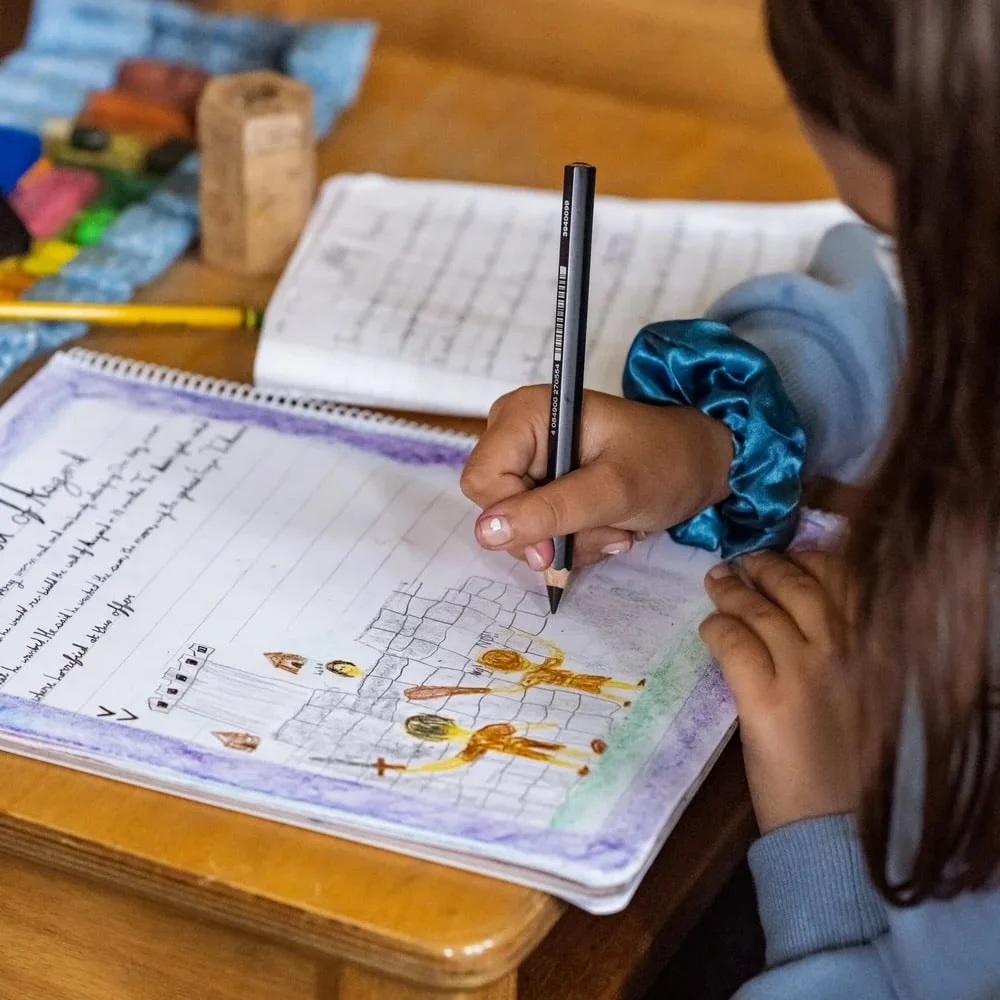
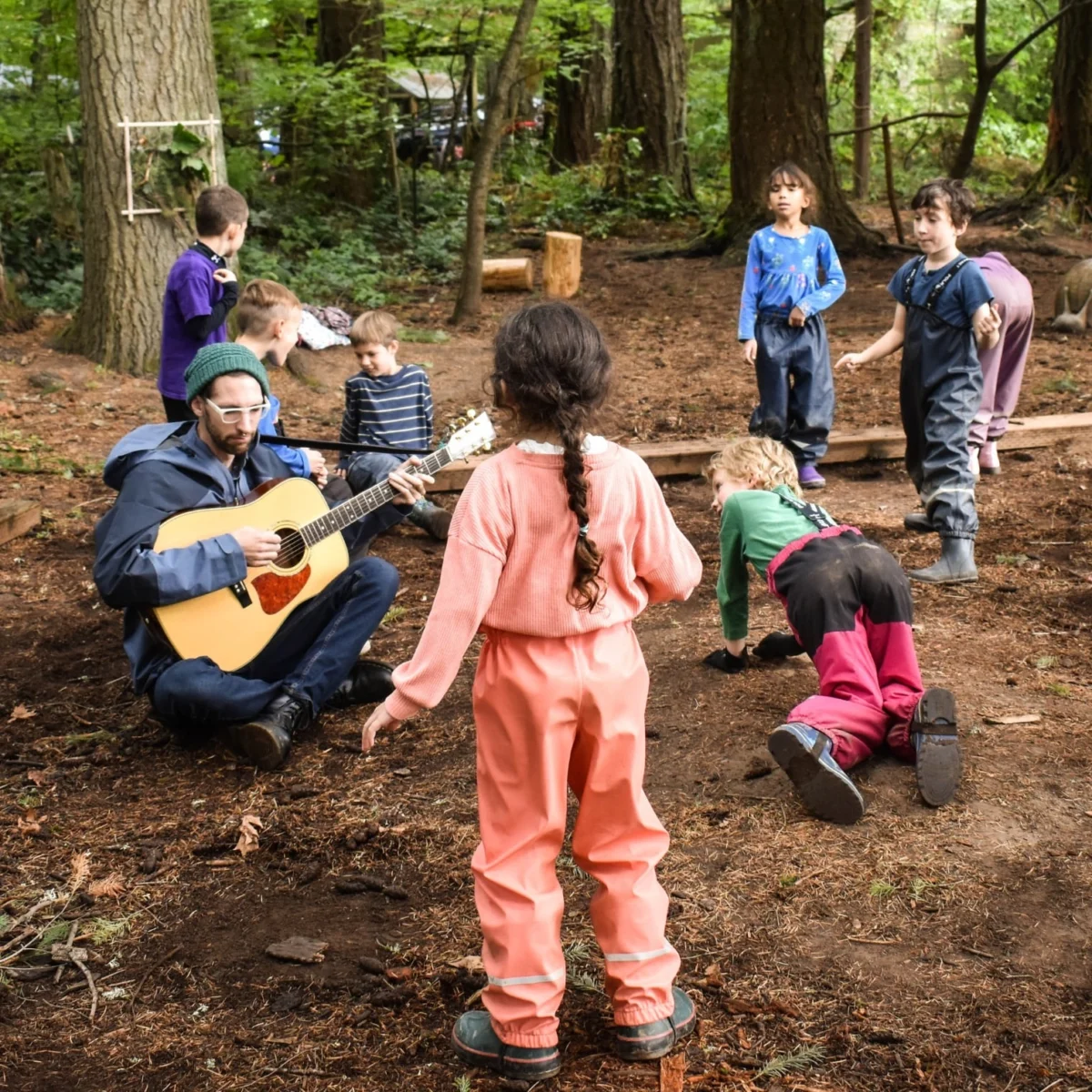
A growing body of large-scale, international research is fundamentally shifting how educational experts view effective instruction, affirming that experiential learning is the optimal way for students to acquire knowledge across all ages and subject areas. Defined broadly as an educational approach in which true understanding grows organically from lived experience, experiential learning moves away from passive listening and toward active engagement. Mastering fractions through the practical mechanics of baking, discovering physics by carefully observing the properties of light, exploring history through dramatic reenactment, or understanding biology through direct, outdoor observation are all classic examples of this hands-on paradigm in action.
When contemporary educational systems invite students into an active relationship with their daily work, learning ceases to be an abstract chore and instead becomes a natural extension of typical child development. Younger children learn primarily and most effectively through play, physical movement, storytelling, rich sensory experiences, and art. Meanwhile, as students transition into adolescence, their cognitive capacities deepen, allowing their education to expand through structured reflection, academic discourse, and meaningful experiences embedded within the broader community.
This comprehensive endorsement of hands-on methods is backed by decades of data. What follows is a detailed exploration of modern experiential learning research and the specific methodologies that most consistently support deep cognitive understanding, sustained student engagement, and lasting academic success.
Research Analysis
The empirical backing for hands-on education is anchored by extensive data compiled over the last thirty years. Two major umbrella meta-analyses, encompassing dozens of individual studies, clearly demonstrate the superior efficacy of experiential learning across a wide spectrum of academic subjects and diverse grade levels.
A landmark study published in 2023 evaluated traditional teaching models against project-based, inquiry-driven learning frameworks. The findings revealed that students exposed to experiential frameworks experienced significant improvements in core learning outcomes. These enhancements extended beyond simple test scores to encompass broader cognitive metrics, including higher academic achievement, the development of a growth mindset, and sharpened critical thinking skills.
Building directly upon those findings, a deeper-dive meta-analysis published in 2025 sought to deconstruct which specific subsets of experiential learning yielded the most pronounced positive outcomes. The researchers concluded that "fully embodied learning"—defined as educational activities that actively engage a student’s entire body and full suite of senses—exercised the single greatest positive effect on overall student success. Whether children were manipulating physical objects or moving through space to grasp an abstract concept, the physical anchoring of the lesson proved transformative.
Learning Across the Curriculum: Nature’s Role
It comes as little surprise that one of the most thoroughly documented and widely praised experiential learning methods involves taking the classroom outside the traditional four walls. A comprehensive systematic review spanning twenty years of research into nature-specific outdoor learning highlights the profound emotional, academic, and general wellbeing benefits associated with outdoor education.
The authors of this extensive review analyzed the results of various nature-based outdoor learning initiatives, which ranged from single curricular lessons held in schoolyards to dedicated fieldwork and multi-day residential programs conducted in rugged natural settings. The data consistently showed that sustained periods of time spent in nature—coupled with hands-on activities, peer collaboration, and guided reflection—were directly associated with overwhelmingly positive academic performance, heightened student engagement, and improved emotional health.
Deepening Language Comprehension: Movement and the Senses
The cognitive advantages of physical and sensory engagement extend deeply into language arts and literacy education. The authors of a study published in ScienceDirect reviewed three decades of research specifically examining embodied learning in language acquisition. They investigated how physical and sensory engagement supports the complex processes of learning a language, comprehending complex texts, and forming personal connections with the material.
The researchers discovered that whole-body, sensory-rich, experiential approaches consistently increased student participation. Furthermore, these methods allowed for deeper cognitive processing and reading comprehension across all grade levels. In particular, the data showed that physical gestures and purposeful physical activity were frequently linked to significantly improved vocabulary acquisition and a much deeper, more authentic engagement with everyday language tasks.
Arts-based activities—including drama, music, and the visual arts—contributed heavily not only to traditional language learning outcomes but also to noticeable emotional and motivational gains for the learners. Drama and role-play, in particular, created authentic, meaningful language-learning environments. By placing vocabulary and grammar within a narrative context, these methods successfully supported students’ practical language use in real-world scenarios.
Mastering Mathematics: Collaboration and Manipulatives
Mathematics education has traditionally relied heavily on abstract symbols and rote memorization, but recent data suggests that a hands-on approach yields far superior cognitive results. A meta-analysis focusing specifically on primary school mathematics learning outcomes determined that project-based learning vastly improved students’ collaborative abilities, problem-solving capacities, and critical thinking skills.
The strategy that proved most effective in this mathematical context was sustained, collaborative project work. In these settings, students engaged in multi-week projects where they worked collectively to explore, troubleshoot, and solve meaningful real-world problems using mathematical principles. By working through challenges in this collaborative fashion, students actively advanced their interpersonal skills. They learned how to promote one another’s viewpoints, speak out when necessary, listen attentively to divergent perspectives, and participate thoughtfully in complex mathematical discussions.
In tandem with collaborative projects, the use of physical manipulatives emerged as a universally beneficial experiential approach across all grade levels, extending all the way up to college-level instruction. However, the data highlighted that careful pedagogical guidance was the key to success in this realm. Students benefited most when manipulatives were explicitly and intentionally integrated into the core instruction, with teachers acting as facilitators by scaffolding the connection between the concrete physical tools and the underlying abstract mathematical concepts. Utilizing manipulatives ensured that students retained concepts over the long term, far outperforming peers who learned mathematics strictly through abstract symbols alone.
Strengthening Science: Inquiry and Project Learning
In the realm of science education, comparing traditional instructional approaches with modern inquiry-based methods reveals a stark contrast in student outcomes. A rigorous meta-analysis comparing inquiry-based models against conventional educational approaches demonstrated that inquiry-driven methods have a significantly large and positive impact on the development of students’ higher-order thinking skills.
Upon breaking down the data, the study’s authors compared various forms of inquiry and determined that guided inquiry, research-based inquiry, and argument-driven inquiry produced the largest positive effects. These frameworks were especially potent when students were required to actively investigate complex questions, rigorously analyze physical evidence, and independently justify their scientific conclusions based on data.
Furthermore, inquiry approaches that were deeply embedded in authentic, real-world problems yielded exceptionally strong outcomes. These real-world stakes naturally demanded deeper reasoning, careful self-reflection, and collaborative consideration of multiple viewpoints, ultimately driving a more profound application of scientific knowledge.
Lived Experiences: Learning in Waldorf Education
Viewed as a unified body of evidence, this extensive collection of modern educational research strongly affirms what alternative educational models, such as Waldorf education, have maintained at their core for generations: learning unfolds most fully when children encounter the world—both indoors and outdoors—through rich sensory experiences, hands-on, purposeful projects, and inquiry-based problem-solving.
In an era defined by an increasingly abstract and digital landscape, experiential education offers something that is simultaneously timeless and essential. It provides a form of learning that engages the entire child, fostering an understanding of the world that is lasting, deeply human, and vibrantly alive. Ultimately, true experiential learning invites students into a profound process of transformation, shaping both their sense of self and their comprehension of the world around them.
In an era where most students can type on a keyboard significantly faster than they can write with a pen, it is easy to wonder whether learning handwriting and cursive is still relevant in a modern classroom. Yet, a growing body of neuroscience research suggests that these traditional skills are anything but obsolete. Rather than being mere relics of the past, writing by hand activates unique neurons and varying areas of the brain in ways that digital typing simply cannot replicate. As educators and policymakers continually debate the integration of technology in schools, scientific insights are increasingly pointing to the irreplaceable value of putting pen to paper.
What Handwriting Does in the Brain
When a student writes by hand, the sensory, motor, and cognitive regions of the brain work together in close coordination, activating far more neural pathways than typing does. This intricate physical and mental exercise leads to deeper learning and much stronger memory formation.
A 2024 study published in Frontiers in Psychology utilized high-density electroencephalography (EEG) to compare brain activity during handwriting versus typing. The results were striking: handwriting produced far more elaborate and widespread connectivity, engaging complex networks associated with attention, language, and memory. Existing scientific literature indicates that connectivity patterns in these specific brain areas are crucial for memory formation and for encoding new information, making them inherently beneficial for learning. The authors of the study concluded that handwriting actively supports the very neural foundations of learning and therefore should remain central in education.
This deeper cognitive processing is echoed across other international studies, including a Japanese investigation that looked at adult foreign language learning and the semantic encoding of new words. The 2021 study, published on PubMed Central, confirmed that handwriting—whether executed with a traditional ink pen or a digital stylus on a tablet—builds significantly stronger memory traces and fosters more robust language comprehension than keyboarding alone.
Perhaps the most widely cited research regarding classroom application focuses on how students’ brains engage with material when writing by hand versus typing. In a landmark series of experiments conducted by Mueller and Oppenheimer in 2014, researchers found that college students who took notes longhand consistently outperformed laptop note-takers on conceptual questions related to the lecture material. While typing allowed students to capture more words verbatim, it frequently led to shallow processing because students could quickly transcribe lectures without actively digesting the information. Writing by hand, however, required students to engage the material more deeply as they actively processed, rephrased, and summarized complex ideas in real time. Regardless of the age of the learner, the mounting evidence points to a single, consistent conclusion: handwriting fundamentally improves how we think and process information.
Handwriting Builds Literacy
Beyond conceptual understanding, the physical act of writing letters—rather than merely recognizing them visually or typing them on a keyboard—helps the developing brain build the precise circuitry needed for fluent reading. Handwriting is a complex visual-motor skill supported by a widespread neural system that comprises ventral-temporal, parietal, and frontal motor regions. Young children who are actively learning to read and write are simultaneously developing these crucial neural pathways.
Two distinct modern studies link early literacy development directly to the neural systems forged through handwriting. Both Wiley and Rapp in 2021, and Vinci-Booher and James in the same year, found that handwriting experience accelerates literacy learning and directly engages the visual-motor areas that are critical for reading comprehension.
Students who engaged in literacy learning that incorporated handwriting, compared to those learning exclusively through nonmotor practice, showed significantly faster learning curves and greater generalization capabilities. Researchers believe this occurs because handwriting practice leads to learning both motor and amodal symbolic letter representations. In simpler terms, writing by hand—and crucially, only writing by hand—helps the brain connect the physical formations of letters directly with word meanings.
Earlier foundational work by James and Engelhardt in 2012 also demonstrated that when young children practiced writing letters by hand, their brains subsequently activated the reading network automatically when those same letters were viewed later. Neither typing nor passive tracing produced the same neurological effect.
In a similar vein of deciphering visual symbols and abstract forms, a 2014 study by Pegado and colleagues showed that handwriting experience helps the human brain distinguish mirror-image letters, such as the lowercase b and d. Each of these scientific findings reinforces the core idea that forming letters by hand literally shapes the physical architecture of the brain to read them more effectively. Taken together, these studies indicate that handwriting helps create the neurological foundation necessary for more efficient and comprehensive reading skills.
Cursive Writing: Flow, Focus, and Fluency
Cursive writing, once considered a standard and mandatory part of primary schooling, has been quietly disappearing from many educational curricula in recent years. Yet, contemporary research and classroom experience suggest that this flowing script offers unique cognitive and developmental advantages that print writing and typing do not.
Because cursive involves continuous, fluid motion, it requires sustained attention and precise coordination, thereby reinforcing fine-motor control and rhythm. Neuroimaging studies demonstrate that writing by hand in a continuous motion fosters synchronization across multiple brain regions responsible for motor planning and language processing.
According to research out of Norway examining the EEGs of 12-year-olds, conducted by Ose Askvik, van der Weel, and van der Meer in 2020, strengthened connections between the hand and the brain directly improve letter recognition, spelling precision, and overall reading fluency.
Furthermore, cursive writing serves an important cultural and historical function. As noted by Smithsonian Magazine in 2023, the ability to read and write in cursive connects modern students to centuries of handwritten history—ranging from personal family letters to foundational national documents. Losing cursive literacy risks cutting future generations off from their own historical past, leaving them unable to read original source materials without transcription.
Handwriting in the Future
Handwriting and cursive deeply and effectively connect areas of the brain tied to motor function, memory, cognitive processing, and reading comprehension. Relegating these foundational skills to a nostalgic practice is short-sighted at best and actively detrimental at worst. In a modern world dominated by endless keyboard typing and digital screens, handwriting remains an essential tool for building thoughtful, connected, and capable learners. Educational frameworks like Waldorf education, which maintain a steadfast commitment to educating the whole child and preserving lessons using handwriting and cursive, closely align with what current cognitive research continues to reveal about the human brain.
Long before the advent of digital screens, algorithms, or generative large language models, the foundational thinkers of antiquity were already grappling with the profound anxieties of technological disruption. In Plato’s classic dialogue, Phaedrus, the philosopher recounts a cautionary tale told by Socrates concerning the invention of writing. The ancient sage warned that written text would introduce forgetfulness into the souls of those who learned it, creating the mere appearance of wisdom while eroding true internal understanding. Socrates was not rejecting the written word outright; rather, he was interrogating a deeper philosophical question: how a powerful new medium might reshape human cognition when it begins to supplant active dialogue, interpersonal relationships, and direct lived experience.
Today, humanity stands at a remarkably similar crossroads with the rapid ascent of artificial intelligence. This technological wave compels modern educators, policymakers, and societies to ask not only whether or how these advanced tools should be integrated into classrooms, but whether the fundamental goals of education must fundamentally pivot in an increasingly algorithmic society. As intelligent systems shoulder more of our intellectual burdens, educational systems face the urgent challenge of reorienting toward a future where human beings can continue to create independently, think deeply, persist through difficulty, and ultimately find meaning and thrive within society.
The Impacts of AI on Critical Thinking, Engagement, and Motivation
As schools grapple with the day-to-day realities of generative tools, educators and administrators are confronting a growing wave of behavioral and cognitive shifts among students. Recent inquiries by MIT researchers into how K-12 school leaders perceive artificial intelligence reveal that cognitive offloading—the practice of relying on external tools to perform mental operations—is a primary and deeply justified fear. This concern is far from theoretical; a substantial body of research focusing on adult populations already demonstrates a strong, consistent propensity to offload critical thinking whenever generative AI is readily accessible.
This dynamic was further illuminated by a recent study presented at the ACM CHI Conference on Human Factors in Computing Systems. The research found that while generative AI tools reliably improved the efficiency of knowledge workers, they simultaneously reduced critical engagement and fostered long-term technological dependence. As participants grew more confident in the performance of the AI, their cognitive effort shifted away from deep problem-solving and toward passive verification and integration, thereby weakening independent reasoning over time.
A parallel study conducted at a Swiss business school yielded similar findings, though with a critical nuance regarding how these tools are introduced. Researchers examined participants tasked with preparing to answer interview questions with the help of artificial intelligence, split into groups with and without structured guidance. The unguided AI users engaged in heavy cognitive offloading without experiencing any improvement in the quality of their reasoning. Conversely, participants who received structured prompting assistance significantly enhanced both their critical reasoning and their reflective engagement. Translated to the educational sphere, these results underscore that the impact of AI on learning depends heavily on whether students and teachers receive proper training and intentional scaffolding.
Beyond critical thinking, artificial intelligence possesses the capacity to make tasks so frictionless that it can trigger an immediate, noticeable drop in student motivation. A study published in Nature revealed that while collaboration with AI enhanced immediate task performance, it simultaneously led to a measurable decline in intrinsic motivation and a notable increase in boredom. This highlights a stark trade-off between short-term productivity gains and long-term human engagement, adding further weight to arguments against the uncritical adoption of AI tools among young learners.
The Importance of Preserving Offline Learning
To better understand these neurological and cognitive trade-offs, MIT researchers recently conducted experiments where subjects were asked to write several SAT essays using either OpenAI’s ChatGPT, Google’s search engine, or no technological assistance at all. Electroencephalogram, or EEG, results from the study reinforced the compelling idea that students learn best without technological assistance, and particularly without the intervention of artificial intelligence.
Mastering foundational writing skills entirely offline increases neural connectivity and helps individuals internalize language, reading comprehension, and the intricate structures of written communication. Maintaining this baseline fluency and comprehension ensures that when students eventually do interact with AI tools later in life, they approach them from a position of authority—acting as editors and authors rather than passive prompt recipients.
Engaging learners in the offline world will ultimately remain the key to preserving natural curiosity and internal motivation. Human resilience and willpower are traits best forged through productive struggle. For younger students, practical arts applications such as learning to play the violin, engaging in woodworking, or taking up knitting shine brightly in this endeavor. These moments of tactile, hands-on difficulty build perseverance, frustration tolerance, and an embodied understanding of the world in a way that is profoundly engaging and joyful. In an AI-enhanced world where friction is systematically engineered away, the human capacity to stay with difficulty becomes a rare and decisive advantage.
A Sense of Identity and Human Relationships at the Heart of Schooling
Developing intellectual discernment is a crucial skill that must be carefully cultivated in children long before they are granted access to algorithmic tools. A warning issued by UNICEF highlights this exact vulnerability, noting that the persuasiveness of modern AI systems—combined with personality engineering designed to exploit the human desire for praise and validation—means that children’s beliefs, behaviors, and even their core sense of identity could be shaped by these systems during a sensitive period of personal formation. Malicious or unchecked use could render children vulnerable to manipulation, online exploitation, and abuse, ultimately undermining their agency, their right to freedom of thought, and their capacity for independent development.
These concerns intensify dramatically when artificial intelligence is positioned at the center of learning environments for young people. In an informational guide titled "Is AI Dangerous for Children?", the American Academy of Child and Adolescent Psychiatry outlines a sweeping array of risks. These include potential overattachment to conversational chatbots, a reduction in meaningful real-world relationships, data privacy vulnerabilities, the proliferation of deepfakes, and the gradual erosion of hands-on, creative, and critical learning experiences.
At the core of these anxieties lies the fundamental importance of authentic, real-world relationships, which many experts argue are what is truly at stake in the modern classroom. Human relationships must remain at the center of education. A robust body of research demonstrates that the bonds formed between teachers and students, among peers, and within broader communities serve as primary drivers of empathy, responsibility, and social awareness, all while measurably boosting academic outcomes. These are not merely human abilities that machines cannot replicate; they are the essential capacities required for a grounded, meaningful life.
Ultimately, if society wishes to properly prepare children for an AI-enhanced world, education’s most urgent task is not to accelerate cognition or outsource thinking, but to anchor young people in deep thought, genuine relationships, and rich lived experiences. Only from this secure foundation can artificial intelligence truly serve human development rather than quietly reshaping what it means to be human.