As the 2026 midterm elections draw closer, civil society and faith-based leaders across the United States are stepping up their efforts to protect free and fair elections. Grounded in a shared commitment to fostering trust, respecting diverse viewpoints, and cooperating across deep community differences, these organizations are addressing the unique anxieties of an increasingly polarized political landscape. Ahead of the legislative and congressional matchups, Interfaith America connected with three leaders participating in the Vote is Sacred (VIS) fellowship. These fellows shared insights into the distinct challenges facing their regions, outlined how they are working to safeguard democracy at both the state and local levels, and offered advice on how people of faith can meaningfully support their communities during a high-stakes electoral season.
Meeting the Challenges of the Midterm Season
This election cycle, Americans are grappling with widespread uncertainty and fear. While the specific concerns surrounding the ballot box look different from one community to the next, an essential component of building pluralism and restoring trust—both in the integrity of the electoral process and in fellow citizens—is the willingness to acknowledge these challenges openly rather than sweeping them under the rug.
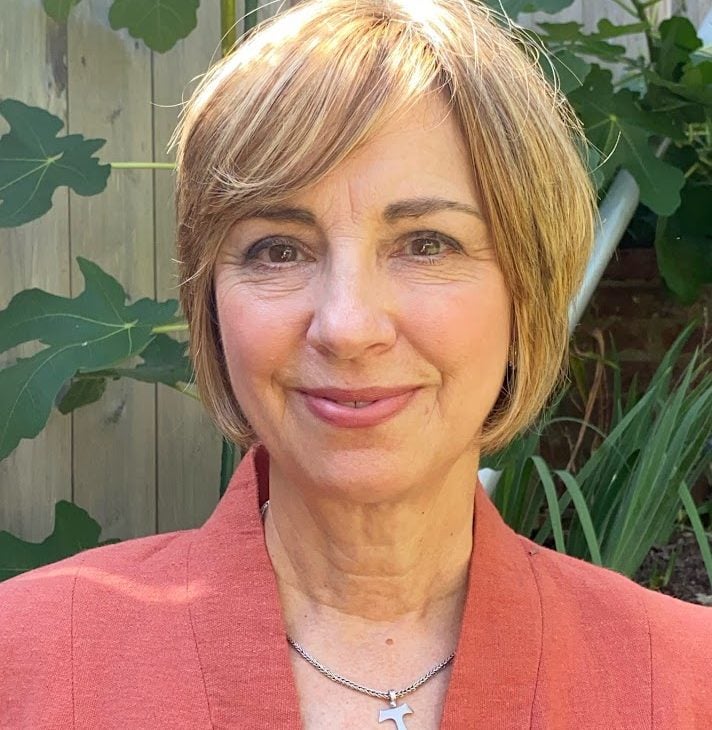
Michele Dunne, Executive Director at the Franciscan Action Network, is quick to point out that the issues dominating this midterm season range from alarming threats of electoral sabotage to systemic voter suppression, all of which manifest differently at the local level. Ensuring that the electorate has access to accurate information is a primary obstacle. One thing that will be a concern everywhere, she notes, is getting proper information and getting correct information to the voters who need it most.
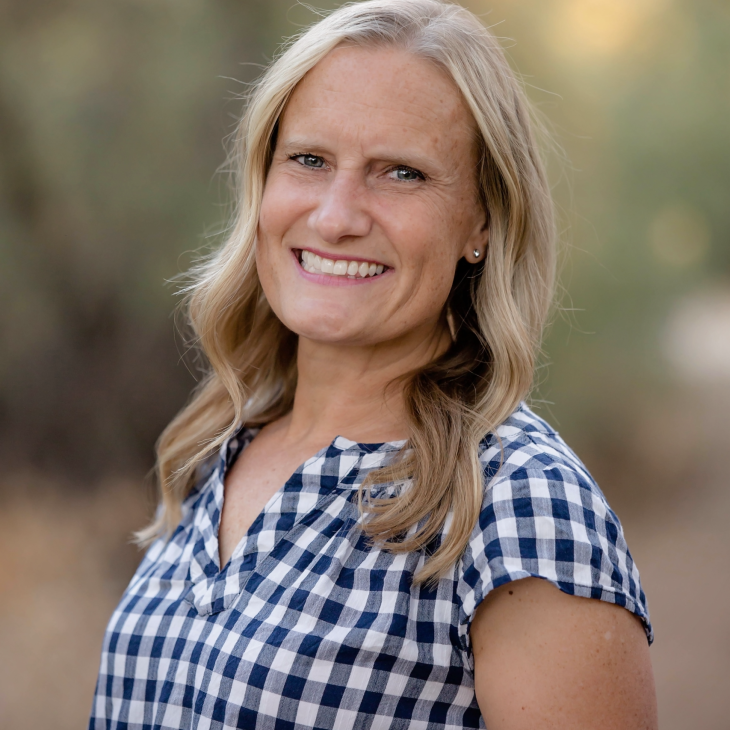
For Jane Andersen, the Arizona Director at Mormon Women for Ethical Government (MWEG), voter apathy presents an equally formidable barrier to civic health. Everyday voters are increasingly overwhelmed by the sheer volume of news and quasi-news that bombards them daily through digital media channels, traditional outlets, and social networks. Consequently, people are becoming less and less willing to buck the trend of what modern politics looks like and dive into the hard work of civic participation. That phenomenon worries her the most, she explains, because as individual citizens, people really do hold an immense amount of foundational power.
Compounding these structural and informational hurdles is a growing fear surrounding the very act of engaging with the democratic process in certain vulnerable populations. Dunne highlights anxieties about the potential presence of law enforcement or federal immigration officials, such as Immigration and Customs Enforcement (ICE), deployed in communities and stationed near polling places on election day, and how such a presence could create a severe intimidating effect on immigrant communities and minority voters.
Ria Chakrabarty, Senior Policy Director at Hindus for Human Rights (HfHR), identifies escalating hate directed toward South Asian communities, rising Islamophobia, and persistent anti-immigrant sentiment as significant and dangerous issues defining this midterm season. This hostile climate makes people genuinely afraid to even want to participate in democracy, she observes, referencing recent political vitriol targeting South Asian Americans as well as hateful rhetoric aimed at Haitian immigrants. Under those circumstances, individuals often default to a survival instinct, wanting to keep their heads down and avoid engaging with anything controversial. That retreat from civic life creates a profound problem for the health of the republic.
Different Communities, Shared Democratic Commitments
In response to the myriad challenges facing modern democracy, VIS fellows remain steadfastly committed to mobilizing their respective communities in support of free and fair elections. Just as local neighborhoods and diverse constituencies face a wide variety of obstacles, the practical approaches to election protection and civic engagement differ significantly from one organization to another.
Mormon Women for Ethical Government embraces a diverse group in terms of its composition, reflecting a broad range of viewpoints even across the political spectrum. Participating in the fellowship has proven encouraging for Andersen, who notes the creativity other leaders use to reach their respective audiences. For MWEG, this work translates directly into demystifying the electoral process for its constituency. Months leading up to the midterms have focused on familiarizing women with the mechanics of running an election. These efforts are illuminated by scheduled visits with elected officials, shared media literacy content designed to combat misinformation, hosted educational trips to the Maricopa County Tabulation Office and Election Center, and specialized voter preparation parties.
Meanwhile, the Franciscan Action Network remains firmly dedicated to the nonpartisan work of upholding a free and fair election process. This mission includes the careful recruitment and training of poll chaplains—individuals organized in teams with other people of faith who station themselves outside polling places. These chaplains assist voters in any practical way they might need, helping to create a peaceful and positive atmosphere while actively working to de-escalate potential conflicts before they disrupt voting sites.
At Hindus for Human Rights, election protection takes the form of identifying and tracking how domestic threats to democracy and international authoritarianism are linked. The organization strives to create a reliable landing place for individuals whose deep commitment to democracy compels them to act, even when they face the persistent fear of retaliation or deportation. Chakrabarty underscores the importance of encouraging constituents to stay engaged far beyond election season as HfHR builds a new chapter and cultivates strong community ties in Georgia. After the elections conclude, constituents are equipped to continue talking about the issues they care about. Once the candidates they have elected take office, HfHR ensures that local officials in the Atlanta metro area continue hearing from the community consistently throughout the legislative term.
Advice for Showing Up as People of Faith
As communities navigate the complexities of the upcoming midterms, faith leaders emphasize the necessity of rooting civic action in deep spiritual principles. It is important for each organization or faith tradition to spend a little time discerning the spiritual grounding they are bringing to this critical work, Dunne notes. For the Franciscans, operating as a completely nonpartisan organization is guided by a foundational commitment to nonviolence and to democracy as the primary system available in the United States for resolving political differences peacefully.
Drawing on her membership in the Church of Jesus Christ of Latter-Day Saints, Andersen invokes a call from LDS President Dallin H. Oaks urging believers to act as agents of peacemaking in modern culture. This religious imperative serves as a vital motivation for her civic engagement with MWEG. Empowering people to recognize that, as people of faith, core moral principles guide how they create specific societal impacts is what separates them from individuals who are solely politically motivated. Approaching politics from a viewpoint of faith provides a fresh and badly needed perspective in polarized times, she adds.
For Chakrabarty, the essential first step to effective democracy work—particularly when attempting to welcome individuals who are hesitant to make their voices heard—involves simply showing up, listening carefully to people, and providing them with the concrete tools they can use to feel back in control of their civic lives. Providing accessible materials and resources for practical ways to get involved helps empower everyday constituents to take meaningful action. Democracies are just as strong as the people who are involved in them, she notes.
Looking ahead toward the 2026 midterms, Dunne maintains a sense of enduring hope. People are stepping forward, she observes, expressing a profound belief in the necessity of a peaceful and properly functioning democracy in the country. They want to be present, and they want to play a constructive role in shaping the future of the nation.
Transitioning into November: Remembrance and Harvest
The season begins at the intersection of October and November with Samhain, a sacred Pagan and Wiccan festival marking the definitive end of the harvest season and celebrated by many as the Wiccan new year. This ancient observance sets a reflective tone for the darker, colder months ahead, emphasizing cycles of nature, memory, and spiritual renewal.
As November officially begins on the first of the month, Christian communities observe All Saints Day, also historically known as All Hallows Day. This day is dedicated to honoring all the saints from Christian history, reinforcing the theological understanding of an enduring spiritual connection between heaven and earth.
Concurrently, November 1 and 2 mark the observance of Día de los Muertos, or the Day of the Dead. Traditionally celebrated in contemporary Mexico and among communities of Mexican heritage in the United States, this vibrant and deeply meaningful holiday centers on the belief that the souls of the departed return to visit their living family members. To welcome and honor these visiting souls, participants traditionally visit the graves of deceased loved ones and construct elaborate ofrendas, or altars, adorned with photographs, candles, and the favorite foods and drinks of the departed. Prominent artistic symbols of the holiday include calacas representing skeletons and calaveras depicting intricately decorated skulls. Within these celebrations, well-wishers often greet one another by saying, “Feliz día de los Muertos.”
The theme of remembrance continues on November 2 with All Souls Day, a solemn Catholic holy day marked by dedicated prayer and worship to commemorate the souls of all the faithful departed, bridging grief with enduring spiritual hope.
Mid-November Observances: Light, Sacrifice, and Heritage
Shifting across cultural traditions, November 8 brings Dev Diwali, also known as Dev Deepavali or "the Diwali of the Gods." Celebrated on the full moon exactly 15 days after the primary festival of Diwali, Dev Diwali commemorates the Hindu goddess Ganga ma, the revered personification of the sacred river Ganges. According to Hindu mythology, this is the auspicious night when the gods descend to Earth to bathe in the purifying waters of the Ganges, inspiring widespread festivities, lighting of lamps, and devotional gatherings.
Later in the month, on November 24, communities observe significant milestones within the Sikh tradition. This date marks the Martyrdom of Guru Tegh Bahadur Sahib, commemorating the supreme sacrifice made by the ninth Sikh Guru to protect the fundamental rights of religious freedom for both Sikhs and non-Sikhs alike. Simultaneously, Sikhs observe the birth anniversary of Guru Nanak Dev Ji, the foundational figure and founder of Sikhism, whose teachings of equality, selfless service, and devotion continue to guide millions worldwide.
Days later, on November 28, the Baháí community observes the Ascension of Abdu'l-Bahá. This sacred day marks the passing ofAbdu’l-Bahá, a central figure and leader of the Baháí faith who meticulously modeled its core principles throughout his life, serving as an enduring ethical and spiritual example for the faith’s followers globally.
As the month draws closer to its end, Christian traditions observe St. Andrew’s Day on November 30, celebrating the life and legacy of St. Andrew, recognized in scripture as the "first-called" among the twelve disciples of Jesus. Additionally, November 29 marks the beginning of Advent—derived from the Latin word adventus, meaning "coming"—a reflective liturgical season observed within the Christian calendar as a dedicated time of waiting, spiritual preparation, and anticipation for the birth of Jesus at Christmas.
Beyond these specific holy days, the entire month of November is officially recognized as Native American Heritage Month. This national designation celebrates the profound contributions, diverse cultures, rich traditions, and complex histories of Indigenous peoples to the United States, providing an essential context of gratitude and recognition throughout the autumn season.
December 2026: A Season of Light, Festivity, and Anticipation
The momentum of cultural and spiritual observance carries seamlessly into December, beginning on December 6 with St. Nicholas Day. This Christian holiday commemorates Saint Nicholas, the historical bishop of Myra who became widely celebrated as the patron saint of children and the legendary inspiration behind modern gift-giving traditions.
On December 8, observers mark multiple significant traditions. In the Buddhist tradition, Bodhi Day commemorates the historic day that Gautama Buddha is said to have attained enlightenment, or "bodhi" in Sanskrit and Pali. Bodhi Day is typically observed quietly, often involving contemplative meditation, chanting practices, the decorative use of bodhi trees, or the sharing of simple meals like tea and cookies among practitioners. Simultaneously, Roman Catholics observe the Feast of the Immaculate Conception, celebrating the theological doctrine that the Virgin Mary was conceived without original sin.
Days later, on December 12, millions observe the Feast Day of Our Lady of Guadalupe. This date commemorates the miraculous reported appearances of the Virgin Mary to St. Juan Diego, an Indigenous man, in Mexico in 1531. The feast day remains an immensely important religious and cultural holiday in Mexico and among Mexican Americans, providing a powerful expression of religious devotion and cultural identity.
The calendar also embraces major communal festivals of light and faith during mid-December. Running from December 5 to December 12, Hanukkah—the Jewish Festival of Lights—begins at sundown on December 4. This eight-day celebration features the ritualistic lighting of a candle on the menorah each evening, alongside the giving of gifts, traditional games with the dreidel, and the preparation and serving of classic culinary staples like latke potato pancakes.
Running from December 16 to December 24, Las Posadas ("The Inns" in Spanish) is a traditional religious festival celebrated widely in Mexico and parts of the United States during the Christmas season. The festival dramatizes the arduous journey that Joseph and Mary made from Nazareth to Bethlehem before the birth of Jesus. Each evening throughout the festival, a child dressed as an angel leads a festive procession through neighborhood streets, reenacting the search for shelter.
As the month progresses, December 21 brings Yule, a traditional Pagan and Wiccan holiday celebrating the winter solstice. Marking the longest night of the year and the gradual return of the sun, Yule emphasizes central themes of light, fire, warmth, and communal feasting.
Christmas Day follows on December 25, standing as one of the most widely observed Christian holidays commemorating the birth of Jesus. The sequence of holiday observances continues immediately on December 26 with St. Stephen’s Feast Day, honoring the life, ministry, and ultimate martyrdom of St. Stephen, recognized as the first Christian martyr and a tireless servant to the poor.
Finally, concluding the calendar year from December 26 to January 1 is Kwanzaa. This annual celebration honors African American culture, community, and heritage through a series of traditional observances that include songs, dances, storytelling, and a shared communal feast known as Karamu, which typically takes place on the sixth day of the celebration.
As Interfaith America continues to highlight these diverse traditions, the organization encourages contributions that present a wide range of experiences, worldviews, and perspectives on the unique opportunities and challenges of American pluralism.
As a mother of three children, ages 14, 12, and 10, daily life is a continuous exercise in logistics and parental management. There is always a mental checklist running in the background: Who needs their violin today? Who forgot their lunch? Do we seriously need groceries again? These routine concerns fill the margins of everyday family life, anchoring parents to the immediate needs of their growing children.
Yet, somewhere between the endless school pickups, gymnastics practices, and towering piles of laundry, a much larger and more profound question frequently comes to mind. What future are we actually creating for our children? What kind of country will they inherit when they step into adulthood? These reflections are not abstract philosophy; they are the urgent, underlying concerns of parents navigating an increasingly polarized societal landscape.
Like most parents, I want my kids to grow up in an America where differences are not viewed as threats, but as opportunities to learn from each other.
Like most parents, I want my kids to grow up in an America where differences are not viewed as threats, but as opportunities to learn from each other. In an ideal civic environment, children would regularly see examples of mutual respect, peaceful engagement, and civic responsibility modeled by the adults around them. With major midterm and general elections consistently looming on the political horizon, the weeks leading up to Election Day offer a critical window to model those exact values directly in our homes, schools, and neighborhoods.
Election seasons have historically brought out the best in American democracy. Millions of citizens proudly wear their “I Voted” stickers, serving as a visible reminder that ordinary people have a direct voice in shaping their local communities and the broader nation. At the same time, however, modern election cycles can expose very real and persistent risks. These include widespread disinformation campaigns, deep and enduring political divisions, a measurable decline in public trust in electoral institutions, and the looming, unsettling threat of political violence.
These complex challenges extend far beyond the outcome of any single political race. They strike at the very heart of the democratic norms and civic trust that have sustained the United States for generations. Day after day, it can easily feel as though political differences are widening while the national ability to converse across those divides is shrinking. Too often, contemporary American culture encourages citizens to view one another with immediate suspicion rather than assuming the best intentions of our neighbors and fellow community members.
In truth, American democracy has never depended on universal agreement. In fact, disagreement is baked directly into the foundation of the republic. The founders anticipated ideological friction, and what truly matters is not the absence of conflict, but the collective willingness of the populace to engage constructively despite profound differences.
In moments of national uncertainty, faith communities have historically been uniquely positioned to model what constructive engagement looks like. They can demonstrate to the broader public that disagreement is fundamentally not the same as disrespect. They can show that people holding vastly different theological and political beliefs can still work together toward shared goals, and that core human values like dignity, humility, and compassion far transcend partisan political labels.
That vital mission is precisely at the heart of the ongoing work at Interfaith America. The organization actively works to cultivate leaders who know how to respect, relate, and cooperate across deep differences for the common good. At a time when partisan division frequently dominates daily news headlines and social media feeds, Interfaith America helps people develop the practical skills and interpersonal relationships urgently needed to strengthen modern civic life.
For members of various faith traditions looking for guidance on how to navigate this cultural moment, resources like the Faith in Elections Playbook offer practical, grounded support. Designed for faith leaders, congregations, and everyday community members, the playbook provides tools for encouraging respectful dialogue, identifying and responding to misinformation, and helping local communities navigate contentious election seasons with integrity, grace, and care.
The need for this type of intentional civic work has arguably never been greater. Democracy is not a self-sustaining institution; it relies heavily on citizens who are actively willing to invest in human relationships, uphold foundational democratic norms, and resist the easy, destructive temptation to demonize those with whom they disagree. Faith communities, with their deep roots in local neighborhoods and their emphasis on moral character, are uniquely positioned to model those essential civic habits.
As part of these ongoing efforts, organizations are gathering for events such as the upcoming "Praying for America" gathering, where people from many different faith traditions come together in a shared spirit of humility, hope, and mutual concern for the direction of the nation.
The goal is a commitment to the common good, peaceful participation in our democracy, and treating one another with dignity during a consequential election season.
The ultimate goal of these gatherings is not to forge artificial political agreement. It is something much deeper and more enduring: a steadfast commitment to the common good, peaceful participation in the democratic process, and treating one another with inherent dignity during consequential election seasons.
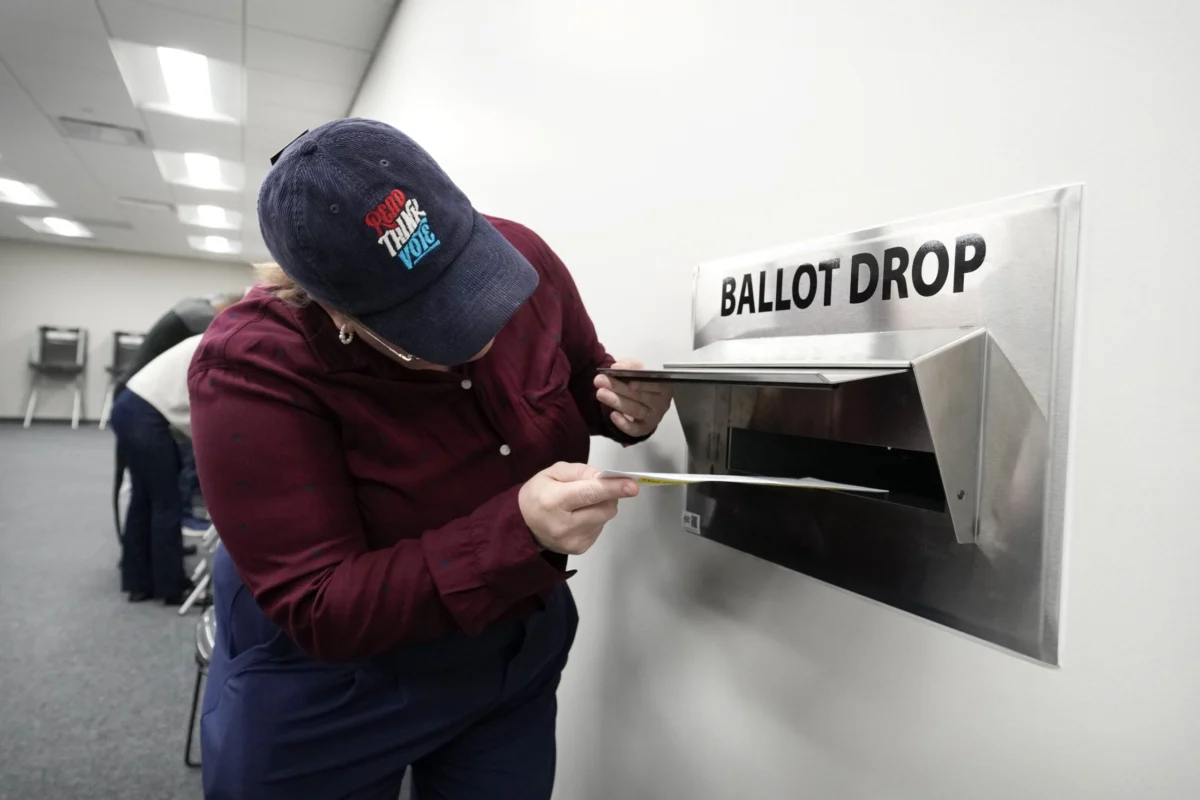
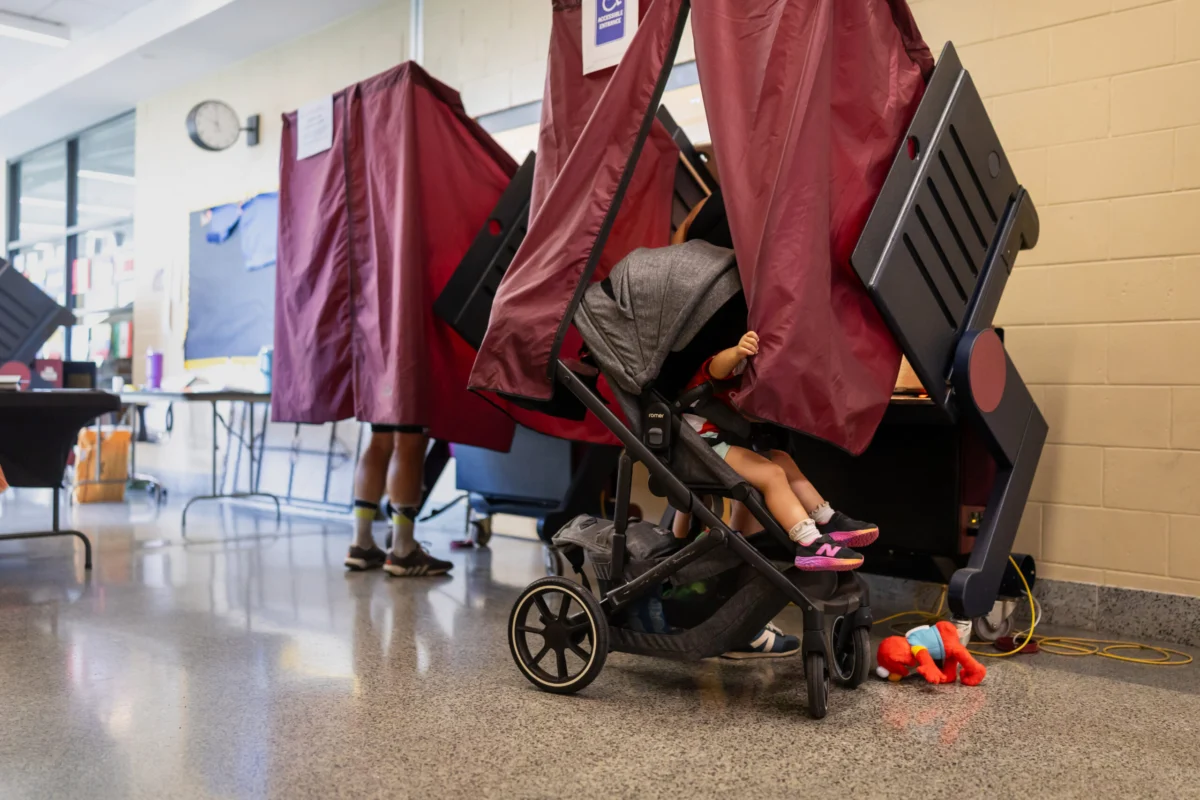
As Election Day draws closer, the hope is that children will witness much more than the endless stream of campaign text messages constantly lighting up mobile phones. When parents take their children to the local polling places, the vision is for youngsters to see neighbors treating one another with fundamental respect, standing together in shared support of a healthier, more resilient civic culture.
Our children are always watching how we navigate the world around us. It is up to the current generation of adults to give them an example truly worth following.