New Comprehensive Research Confirms Experiential Learning Outperforms Traditional Methods Across All Grade Levels
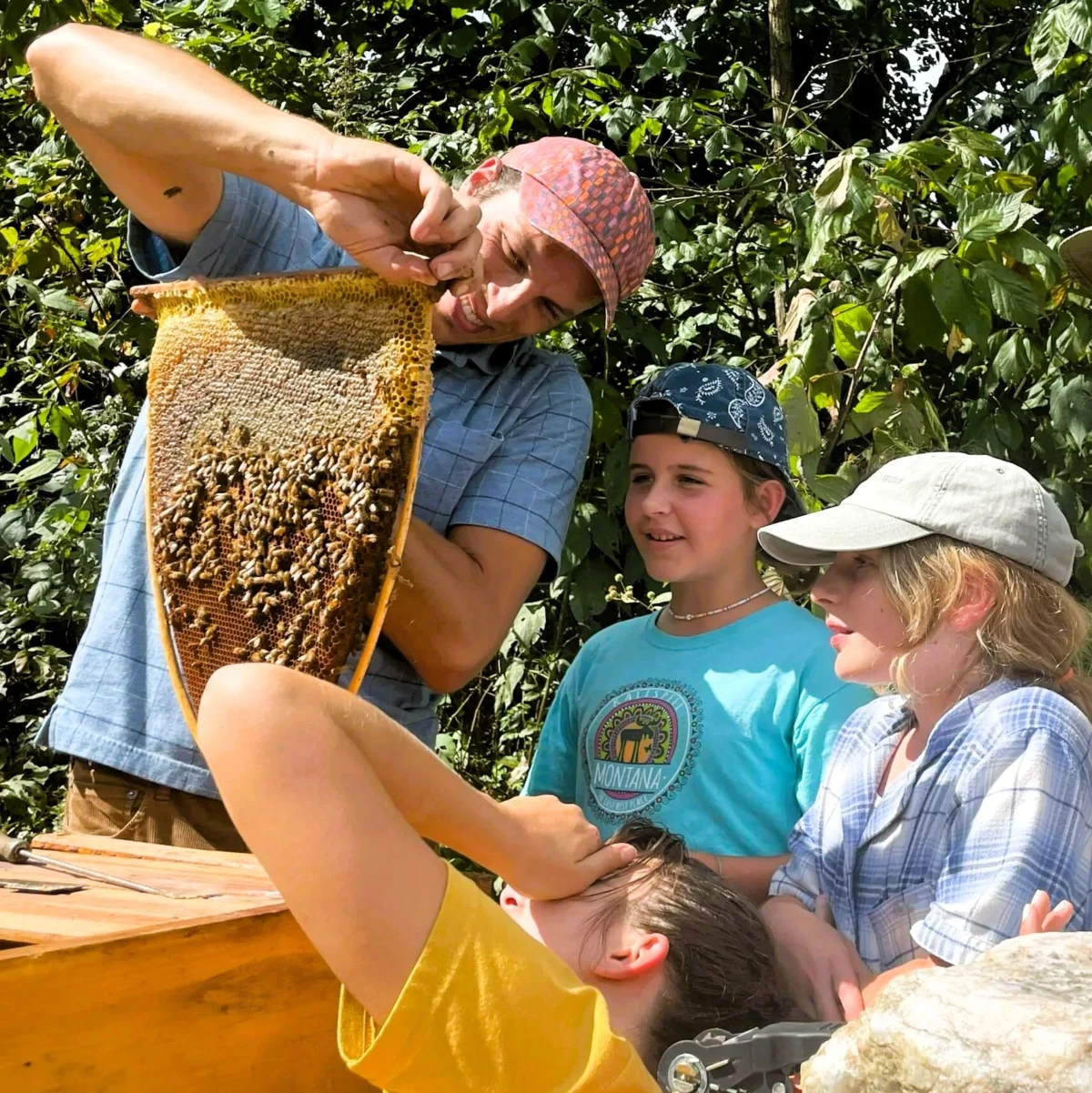
A sweeping body of large-scale educational research has reaffirmed what progressive educators have argued for decades: students learn best when academic concepts are grounded in lived experience, physical movement, and active engagement. Across subjects ranging from mathematics and science to language arts and environmental studies, empirical data spanning decades demonstrates that hands-on learning significantly outperforms traditional, abstract instruction.
Whether students are learning fractions by baking in a kitchen, grasping physics principles through the observation of light, exploring history via dramatic performance, or studying biology through meticulous outdoor observation, direct engagement transforms passive listeners into active participants. This educational approach aligns closely with natural human development. Younger children absorb knowledge primarily through play, movement, storytelling, sensory exploration, and art, while the intellectual development of adolescents is deepened through critical reflection, discourse, and meaningful involvement within the broader community.
Recent academic literature provides a rigorous examination of these methodologies, highlighting the specific instructional frameworks that consistently foster deep conceptual understanding, sustained engagement, and long-term memory retention.
Comprehensive Research Analysis and Meta-Studies
The empirical foundation for experiential education rests heavily on extensive meta-analyses that aggregate decades of classroom data. A landmark study published in 2023 synthesized findings from numerous investigations over a 30-year period, comparing traditional didactic teaching models against project-based, inquiry-driven learning frameworks. The results revealed that students immersed in experiential environments achieved significantly superior learning outcomes. Beyond standard academic achievement, these students demonstrated measurable improvements in critical thinking skills and developed a stronger growth mindset.
Building upon these findings, a subsequent meta-analysis published in 2025 sought to isolate the specific variables within experiential learning that yield the greatest academic gains. The researchers categorized various interventions and concluded that "fully embodied learning"—defined as educational activities that actively involve a student’s entire body and full sensory apparatus—produces the most profound effect on overall student success. When the physical body is engaged in the learning process, cognitive retention and comprehension increase dramatically.
Integrating Nature into the Curriculum
Among the most compelling subsets of experiential education is outdoor learning. A systematic review examining 20 years of research dedicated to nature-specific educational practices uncovered extensive emotional, academic, and wellness benefits for students of all ages.
Researchers analyzed outcomes derived from diverse outdoor settings, ranging from localized curricular lessons and focused fieldwork to immersive multi-day programs conducted entirely in natural environments. The data consistently showed that sustained periods spent outdoors—characterized by hands-on exploration, peer collaboration, and structured reflection—resulted in heightened student engagement, improved emotional resilience, and superior academic performance. Nature serves as an expansive, living laboratory where theoretical concepts manifest in tangible, observable ways.
Deepening Language Comprehension Through Movement and the Senses
Language acquisition and literary comprehension also benefit substantially from physical and sensory integration. A comprehensive review published in ScienceDirect examined 30 years of literature surrounding embodied learning in language education. The authors investigated how physical movement and sensory engagement influence linguistic competence, reading comprehension, and communicative connection.
The findings indicated that whole-body, sensory-rich instructional approaches increased student participation rates across all grade levels while facilitating deeper cognitive processing and comprehension. Specifically, researchers observed a direct correlation between physical gestures, motor activity, and enhanced vocabulary acquisition. Furthermore, arts-based modalities—including drama, music, and the visual arts—not only elevated language learning outcomes but also generated notable motivational and emotional gains for participating students. Drama and role-playing were found to be particularly effective in establishing authentic, meaningful contexts for language use, allowing learners to internalize vocabulary and syntax within realistic communicative scenarios.
Mastering Mathematics Through Collaboration and Manipulatives
Mathematics education has traditionally relied heavily on abstract symbols, yet contemporary research underscores the necessity of concrete experiences in numeric reasoning. A meta-analysis focusing on primary school mathematics outcomes demonstrated that project-based learning methodologies markedly improve collaborative problem-solving and critical thinking capabilities.
The most successful framework in mathematics instruction involved sustained, collaborative project work. In these settings, students engaged in multi-week initiatives, cooperating to investigate and resolve complex mathematical problems. This cooperative structure allowed students to refine their interpersonal skills, learning how to advocate for their own viewpoints, voice constructive opinions, listen attentively to peers, and participate in rigorous mathematical discussions.
In addition to collaborative projects, the use of physical manipulatives proved advantageous across educational tiers, extending from primary classrooms up to collegiate instruction. However, researchers noted that pedagogical guidance is paramount for success. Manipulatives yielded the highest academic returns when teachers explicitly integrated the tools into the curriculum, actively scaffolding the cognitive bridge between concrete objects and abstract mathematical concepts. Students taught with scaffolded manipulatives retained mathematical principles over the long term far more effectively than those who learned strictly through symbolic abstraction.
Strengthening Science Through Inquiry and Project Learning
The sciences represent an ideal domain for experiential methodologies, and comparative studies consistently highlight the limitations of conventional lecturing. A prominent meta-analysis contrasting inquiry-based science education with conventional instruction revealed that inquiry approaches generate a substantial, positive impact on students’ higher-order cognitive skills.
When evaluating different forms of inquiry, researchers determined that guided inquiry, research-based investigations, and argument-driven inquiry yielded the most pronounced positive effects. These benefits were maximized when students were challenged to formulate research questions, systematically analyze empirical evidence, and construct justified scientific conclusions. Furthermore, inquiry models anchored in authentic, real-world challenges stimulated deeper reasoning, critical reflection, and collaborative debate, effectively preparing students to apply scientific knowledge in practical contexts.
The Foundations of Experiential and Lived Education
Taken as a whole, this vast body of contemporary research validates educational philosophies that have prioritized holistic, hands-on learning for generations. Methods that encourage children to encounter the world—both indoors and outdoors—through rich sensory experiences, purposeful projects, and inquiry-driven problem-solving consistently produce resilient, adaptable learners.
In an increasingly digitized and abstract contemporary society, experiential education provides a vital anchor. By engaging the whole child, this pedagogical approach fosters an understanding of the world that is lasting, human, and deeply relevant. Experiential learning invites students into a transformative process, reshaping not only their academic capabilities but their fundamental understanding of the world around them.
