Faith-Based Leaders Mobilize Across Communities to Protect Free and Fair Elections Ahead of 2026 Midterms
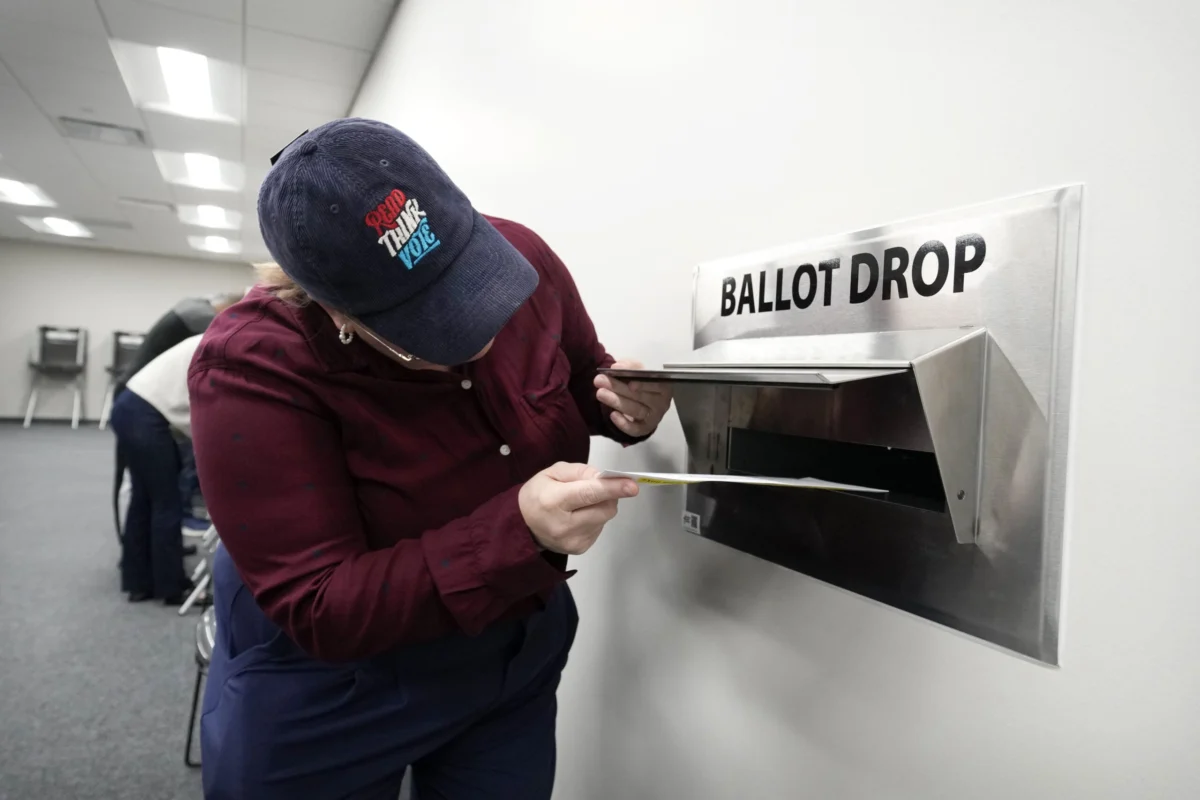
As the 2026 midterm elections approach, organizational leaders across the United States are deepening their commitments to safeguarding free and fair elections. Faced with a complex political landscape marked by polarization, anxiety, and shifting local challenges, these leaders are actively working to protect democracy by respecting, relating, and cooperating across diverse community lines.
Ahead of the midterm season, Interfaith America connected with three leaders participating in the Vote is Sacred (VIS) fellowship. These fellows shared insights into the unique hurdles facing voters and election administrators this year, detailed how their organizations are working to safeguard democracy at state and local levels, and offered advice on how people of faith can effectively support and stabilize their communities.
Meeting the Challenges of the Midterm Season
This election cycle, Americans are grappling with widespread uncertainty and fear regarding the future of the democratic process. Although election concerns vary significantly from region to region and community to community, leaders emphasize that an essential component of fostering pluralism and building trust—both in the electoral system and in one another—is acknowledging these difficulties openly and directly.
Michele Dunne, executive director at the Franciscan Action Network, points out that the issues confronting voters this midterm season span a wide spectrum, ranging from the persistent threat of electoral sabotage to various forms of voter suppression that manifest differently at the local level.
"One thing I think that will be a concern everywhere is getting proper information, getting correct information," Dunne noted, highlighting the pervasive issue of misinformation and the difficulty everyday citizens face in sorting through competing narratives.
For Jane Andersen, the Arizona director at Mormon Women for Ethical Government (MWEG), voter apathy presents a profound and compounding challenge. As the political environment grows increasingly hostile and complex, many citizens are simply tuning out.
"I think our general everyday voters are completely overwhelmed by the quantity of news and quasi-news that comes their way," Andersen said. "People are becoming less and less willing to buck the trend of what politics looks like and dive into it. That’s what worries me the most, because as a citizen, we really do hold so much power."
Beyond information overload and fatigue, growing fear is actively discouraging democratic participation in certain vulnerable communities. Dunne highlighted anxieties surrounding the potential presence of law enforcement personnel—including Immigration and Customs Enforcement (ICE) and other agencies—deployed near polling places on election day, which could create a severe intimidating effect for immigrant communities and marginalized groups.
These concerns are echoed by Ria Chakrabarty, senior policy director at Hindus for Human Rights (HfHR). Chakrabarty identified escalating animosity toward South Asian communities, rising Islamophobia, and persistent anti-immigrant sentiment as major factors shaping the midterm season.
"[It] makes people really afraid to even want to participate in democracy," Chakrabarty said, pointing to recent vitriol directed against South Asian Americans and aggressive rhetoric targeting Haitian immigrants. "At that point, you just want to keep your head down and not really engage with anything. You just want to survive. That’s a huge problem."
Different Communities, Shared Democratic Commitments
In response to the multifaceted challenges facing the nation’s electoral infrastructure, Vote is Sacred fellows are actively mobilizing their respective constituencies to uphold free and fair elections. Just as local communities and diverse demographic groups face varied obstacles, the strategies employed by different faith-based and civic organizations reflect a wide range of creative approaches.
"We’re a diverse group in terms of our composition, even on the political spectrum," Andersen said of the fellowship cohort. "But it was so encouraging to see the work they’re doing and the creativity that they’re using to reach their audiences."
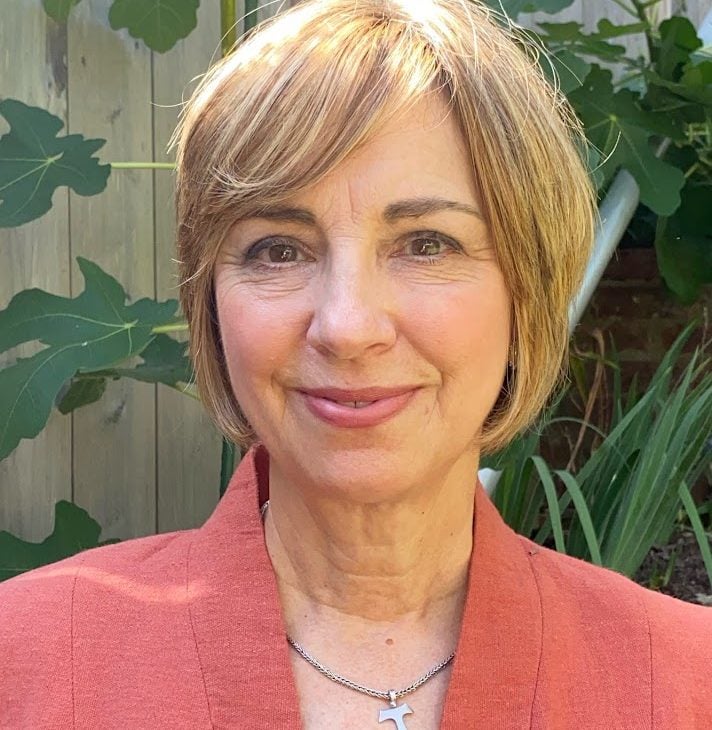
For Andersen and Mormon Women for Ethical Government, a primary focus has been demystifying the electoral process for everyday voters. In the months leading up to the midterms, MWEG initiatives have concentrated on familiarizing women within their constituency with the mechanics of running an election. This has been achieved through scheduled visits with elected officials, shared media literacy content, hosted educational trips to the Maricopa County Tabulation Office and Election Center, and community voter preparation parties designed to build confidence and competence.
Meanwhile, the Franciscan Action Network has dedicated its efforts to nonpartisan initiatives aimed at preserving the integrity of the voting process. This includes the recruitment and training of poll chaplains—individuals organized into teams of people of faith stationed outside polling locations.
"To help voters out in any way that they need, and to help create a peaceful and positive atmosphere, possibly to de-escalate conflict," Dunne explained, describing the vital, calming presence these chaplains provide during tense electoral windows.
At Hindus for Human Rights, election protection work involves drawing connections between threats to democracy and authoritarian tendencies observed both in the United States and abroad, particularly in India. Chakrabarty emphasized the importance of creating what she terms a "landing place" for individuals whose commitment to democracy compels them to act, even when facing the chilling effects of potential retaliation or deportation.
In Georgia, HfHR has focused on building local chapters and cultivating deep community ties, encouraging constituents to stay engaged far beyond the immediate cycle of a single election.
"After the elections, they’re able to continue talking about the issues that they care about, and then once the people that they’ve elected are in office, making sure that the elected officials in Georgia are hearing from HfHR in the Atlanta metro area throughout the next two years," Chakrabarty said.
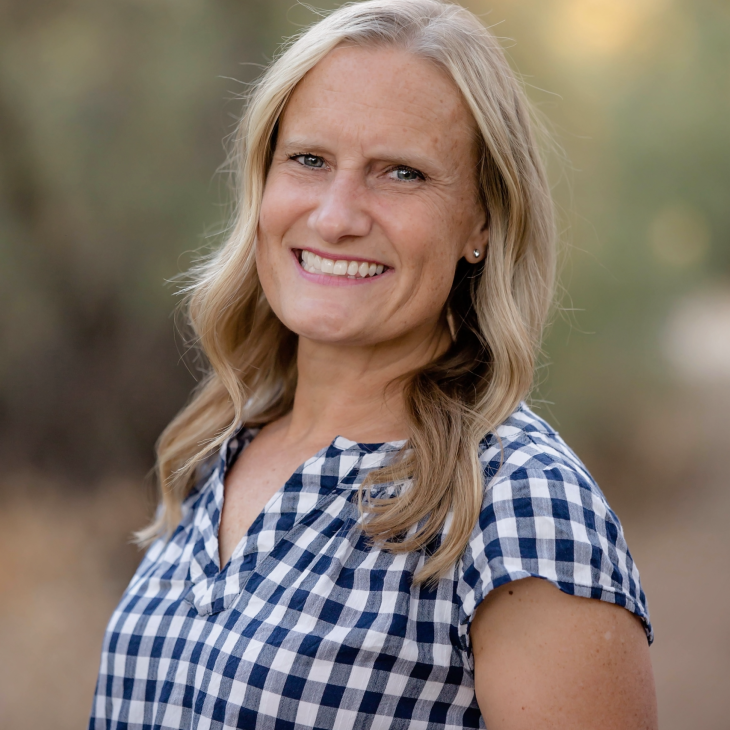
Advice for Showing Up as People of Faith
As communities navigate the complexities of the upcoming midterm elections, leaders stress the importance of anchoring civic engagement in deep spiritual and moral foundations.
"It’s important for each organization or faith tradition to spend a little time discerning what is this spiritual grounding that they’re bringing to this work," Dunne advised. She noted that the Franciscan Action Network operates as a completely nonpartisan organization, guided steadfastly by "a commitment to nonviolence and to democracy as the system we have in the United States for resolving political differences."
Drawing on her membership in the Church of Jesus Christ of Latter-Day Saints, Andersen referenced a call from LDS President Dallin H. Oaks urging believers to "be agents of peacemaking in our culture." This religious mandate serves as a primary motivation for her civic involvement with MWEG.
"We want to empower people to recognize that, as people of faith, our principles are going to guide how we create specific impact, and it really separates us from people who are solely politically motivated," Andersen said. "Approaching politics from a viewpoint of faith really provides a new and needed perspective."
For Chakrabarty, the foundational first step in democracy work—particularly when reaching out to populations hesitant to make their voices heard—is remarkably straightforward. It requires "just showing up, listening and talking to people, and giving people the tools that they can use to feel in control." By providing tangible resources and clear pathways for involvement, organizations can empower everyday constituents to take meaningful action.
"Democracies are just as strong as the people who are involved in them," Chakrabarty emphasized.

Looking ahead to the challenges and opportunities of the 2026 midterms, Dunne maintains a steady sense of hope rooted in the dedication of ordinary citizens stepping forward into public life.
"People are stepping forward," she said. "And they’re saying, ‘I believe so much in the need for a peaceful and properly functioning democracy in this country, and I want to be there. I want to play a role.’"