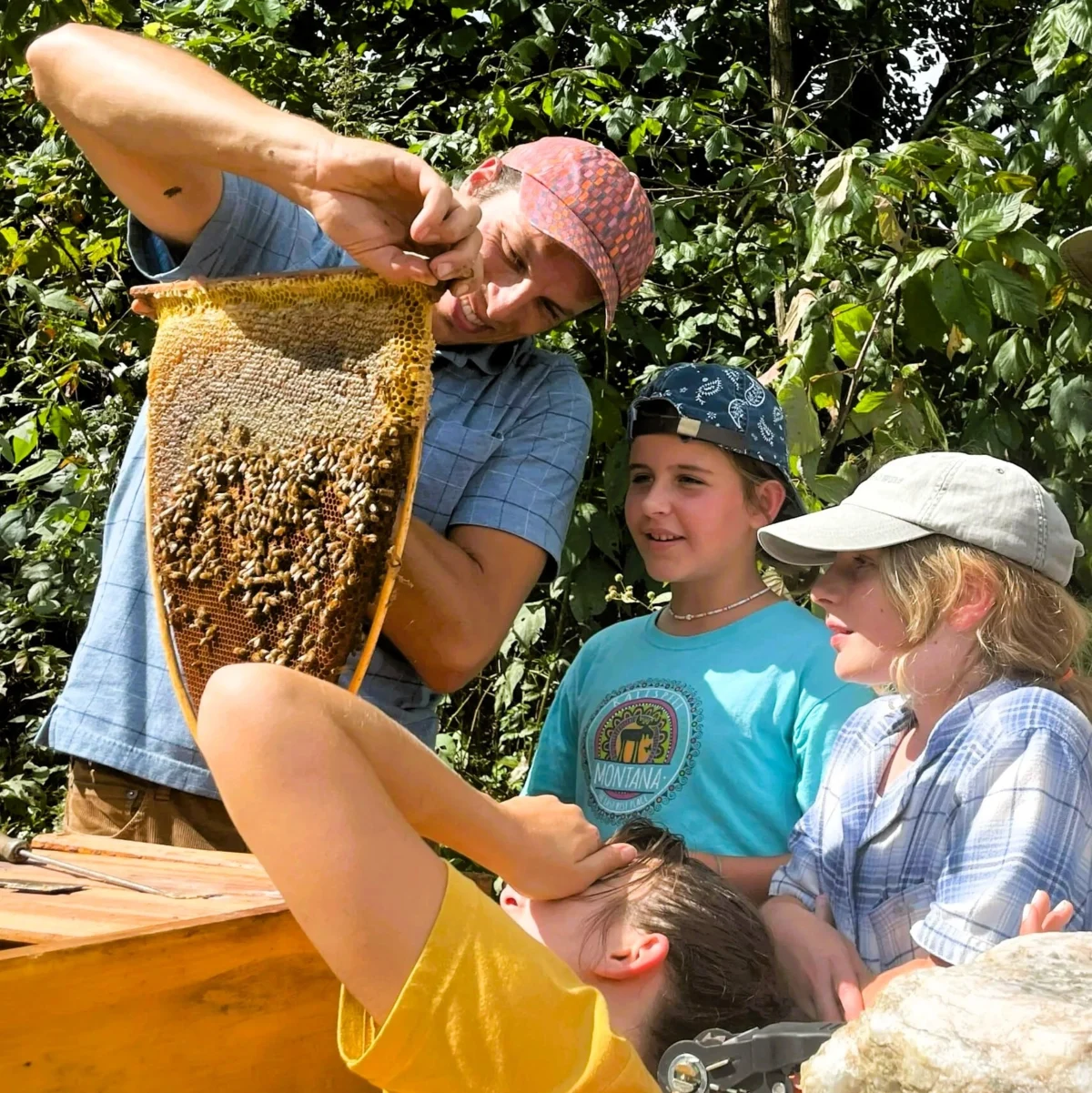
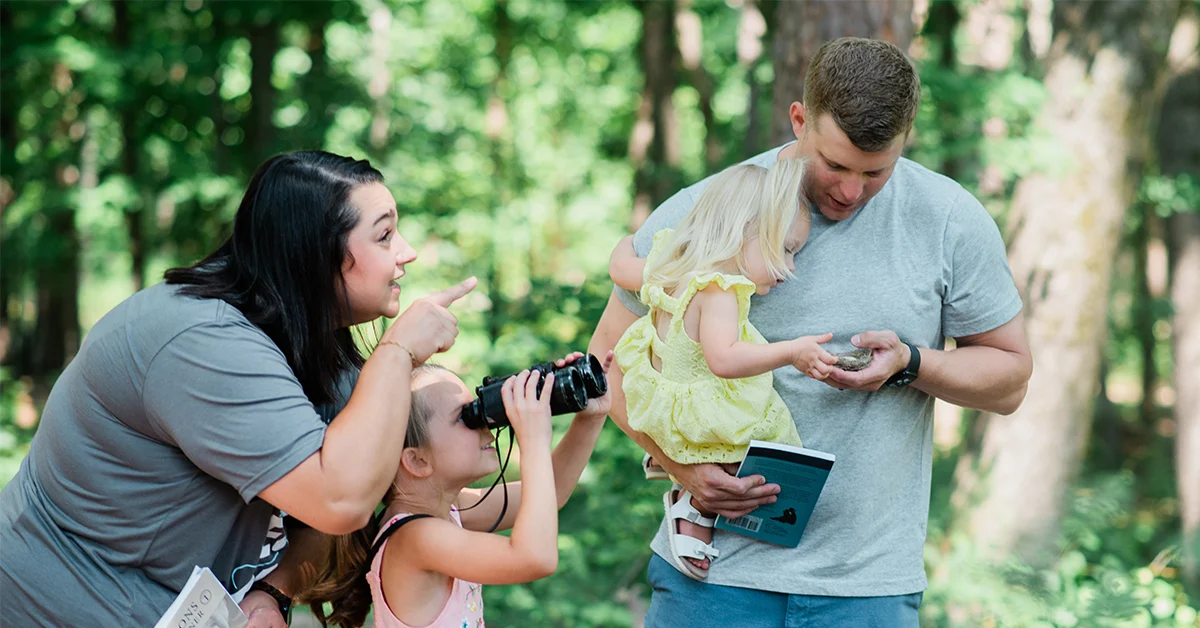
A growing body of large-scale, international research is fundamentally shifting how educational experts view effective instruction, affirming that experiential learning is the optimal way for students to acquire knowledge across all ages and subject areas. Defined broadly as an educational approach in which true understanding grows organically from lived experience, experiential learning moves away from passive listening and toward active engagement. Mastering fractions through the practical mechanics of baking, discovering physics by carefully observing the properties of light, exploring history through dramatic reenactment, or understanding biology through direct, outdoor observation are all classic examples of this hands-on paradigm in action.
When contemporary educational systems invite students into an active relationship with their daily work, learning ceases to be an abstract chore and instead becomes a natural extension of typical child development. Younger children learn primarily and most effectively through play, physical movement, storytelling, rich sensory experiences, and art. Meanwhile, as students transition into adolescence, their cognitive capacities deepen, allowing their education to expand through structured reflection, academic discourse, and meaningful experiences embedded within the broader community.
This comprehensive endorsement of hands-on methods is backed by decades of data. What follows is a detailed exploration of modern experiential learning research and the specific methodologies that most consistently support deep cognitive understanding, sustained student engagement, and lasting academic success.
Research Analysis
The empirical backing for hands-on education is anchored by extensive data compiled over the last thirty years. Two major umbrella meta-analyses, encompassing dozens of individual studies, clearly demonstrate the superior efficacy of experiential learning across a wide spectrum of academic subjects and diverse grade levels.
A landmark study published in 2023 evaluated traditional teaching models against project-based, inquiry-driven learning frameworks. The findings revealed that students exposed to experiential frameworks experienced significant improvements in core learning outcomes. These enhancements extended beyond simple test scores to encompass broader cognitive metrics, including higher academic achievement, the development of a growth mindset, and sharpened critical thinking skills.
Building directly upon those findings, a deeper-dive meta-analysis published in 2025 sought to deconstruct which specific subsets of experiential learning yielded the most pronounced positive outcomes. The researchers concluded that "fully embodied learning"—defined as educational activities that actively engage a student’s entire body and full suite of senses—exercised the single greatest positive effect on overall student success. Whether children were manipulating physical objects or moving through space to grasp an abstract concept, the physical anchoring of the lesson proved transformative.
Learning Across the Curriculum: Nature’s Role
It comes as little surprise that one of the most thoroughly documented and widely praised experiential learning methods involves taking the classroom outside the traditional four walls. A comprehensive systematic review spanning twenty years of research into nature-specific outdoor learning highlights the profound emotional, academic, and general wellbeing benefits associated with outdoor education.
The authors of this extensive review analyzed the results of various nature-based outdoor learning initiatives, which ranged from single curricular lessons held in schoolyards to dedicated fieldwork and multi-day residential programs conducted in rugged natural settings. The data consistently showed that sustained periods of time spent in nature—coupled with hands-on activities, peer collaboration, and guided reflection—were directly associated with overwhelmingly positive academic performance, heightened student engagement, and improved emotional health.
Deepening Language Comprehension: Movement and the Senses
The cognitive advantages of physical and sensory engagement extend deeply into language arts and literacy education. The authors of a study published in ScienceDirect reviewed three decades of research specifically examining embodied learning in language acquisition. They investigated how physical and sensory engagement supports the complex processes of learning a language, comprehending complex texts, and forming personal connections with the material.
The researchers discovered that whole-body, sensory-rich, experiential approaches consistently increased student participation. Furthermore, these methods allowed for deeper cognitive processing and reading comprehension across all grade levels. In particular, the data showed that physical gestures and purposeful physical activity were frequently linked to significantly improved vocabulary acquisition and a much deeper, more authentic engagement with everyday language tasks.
Arts-based activities—including drama, music, and the visual arts—contributed heavily not only to traditional language learning outcomes but also to noticeable emotional and motivational gains for the learners. Drama and role-play, in particular, created authentic, meaningful language-learning environments. By placing vocabulary and grammar within a narrative context, these methods successfully supported students’ practical language use in real-world scenarios.
Mastering Mathematics: Collaboration and Manipulatives
Mathematics education has traditionally relied heavily on abstract symbols and rote memorization, but recent data suggests that a hands-on approach yields far superior cognitive results. A meta-analysis focusing specifically on primary school mathematics learning outcomes determined that project-based learning vastly improved students’ collaborative abilities, problem-solving capacities, and critical thinking skills.
The strategy that proved most effective in this mathematical context was sustained, collaborative project work. In these settings, students engaged in multi-week projects where they worked collectively to explore, troubleshoot, and solve meaningful real-world problems using mathematical principles. By working through challenges in this collaborative fashion, students actively advanced their interpersonal skills. They learned how to promote one another’s viewpoints, speak out when necessary, listen attentively to divergent perspectives, and participate thoughtfully in complex mathematical discussions.
In tandem with collaborative projects, the use of physical manipulatives emerged as a universally beneficial experiential approach across all grade levels, extending all the way up to college-level instruction. However, the data highlighted that careful pedagogical guidance was the key to success in this realm. Students benefited most when manipulatives were explicitly and intentionally integrated into the core instruction, with teachers acting as facilitators by scaffolding the connection between the concrete physical tools and the underlying abstract mathematical concepts. Utilizing manipulatives ensured that students retained concepts over the long term, far outperforming peers who learned mathematics strictly through abstract symbols alone.
Strengthening Science: Inquiry and Project Learning
In the realm of science education, comparing traditional instructional approaches with modern inquiry-based methods reveals a stark contrast in student outcomes. A rigorous meta-analysis comparing inquiry-based models against conventional educational approaches demonstrated that inquiry-driven methods have a significantly large and positive impact on the development of students’ higher-order thinking skills.
Upon breaking down the data, the study’s authors compared various forms of inquiry and determined that guided inquiry, research-based inquiry, and argument-driven inquiry produced the largest positive effects. These frameworks were especially potent when students were required to actively investigate complex questions, rigorously analyze physical evidence, and independently justify their scientific conclusions based on data.
Furthermore, inquiry approaches that were deeply embedded in authentic, real-world problems yielded exceptionally strong outcomes. These real-world stakes naturally demanded deeper reasoning, careful self-reflection, and collaborative consideration of multiple viewpoints, ultimately driving a more profound application of scientific knowledge.
Lived Experiences: Learning in Waldorf Education
Viewed as a unified body of evidence, this extensive collection of modern educational research strongly affirms what alternative educational models, such as Waldorf education, have maintained at their core for generations: learning unfolds most fully when children encounter the world—both indoors and outdoors—through rich sensory experiences, hands-on, purposeful projects, and inquiry-based problem-solving.
In an era defined by an increasingly abstract and digital landscape, experiential education offers something that is simultaneously timeless and essential. It provides a form of learning that engages the entire child, fostering an understanding of the world that is lasting, deeply human, and vibrantly alive. Ultimately, true experiential learning invites students into a profound process of transformation, shaping both their sense of self and their comprehension of the world around them.
In the evolving landscape of modern education, educators and parents are increasingly looking back to classical models of instruction to provide students with a sturdy foundation for lifelong learning. Central to this classical approach is the art of grammar—not merely as a set of rules for sentence structure, but as a comprehensive method for gathering the foundational knowledge of any given subject. Within classical education, particularly in programs like Classical Conversations’ Foundations and Essentials, this approach is distilled into five distinct practices known as the Five Core Habits of Grammar.
Conveniently spelling out the acronym NAMES, these practices consist of naming, attending, memorizing, expressing, and storytelling. While these habits are deeply integrated into elementary and middle school classical curricula, they offer a versatile framework that learners of any age can apply to better discuss, understand, and master a wide variety of academic disciplines, from the sciences to the humanities.
The foundation of this educational philosophy rests upon the classical Trivium, which divides the developmental stages of learning into grammar, dialectic, and rhetoric. The art of grammar represents the initial phase, focusing entirely on gathering the foundational facts, vocabulary, and patterns of a subject. By building a rich storehouse of knowledge during these early years, students prepare themselves for deeper analysis and persuasive expression later in life.
The First Habit: Naming as the Gateway to Knowledge
The first core habit of the framework is naming, which centers on vocabulary development through active interaction. Before any student can hope to comprehend the complexities of an advanced subject or abstract idea, they must first master the basic vocabulary associated with that field of study.
In practical terms, teaching a subject like astronomy requires a student to first acquire and use key terms such as planet, star, orbit, solar system, galaxy, and constellation. Classical educators describe this foundational knowledge as the grammar of a subject. Without establishing this primary nomenclature, tackling the broader complexities of the universe becomes an impossible hurdle.
For educators and parents struggling to introduce a new topic, the remedy often lies in returning to the basics of naming. The process typically begins by asking learners to provide general definitions before gradually moving toward more specific categories. For example, a student might first define the general term planet before moving on to identify specific celestial bodies like Mercury, Venus, Earth, and Mars. By systematically laying this groundwork, both instructors and students pave the way for more detailed, advanced conversations about the topic at hand.
Attending and the Power of Sensory Focus
Once basic terms are established, the educational process moves to the second habit: attending. This practice involves differentiating details through sensory focus, functioning primarily as a compare-and-contrast exercise that enables students to clearly distinguish what something is from what it is not.
To understand attending in a practical context, one can look at the study of botany and the observation of trees. After establishing terms such as plant, tree, trunk, leaf, bark, pine, maple, and oak through the naming phase, students engage the habit of attending by examining how these terms are organized from the general to the specific. A student might be prompted to explore the relationship between a plant and a tree, recognizing that while every tree is a plant, not all plants are trees. Furthermore, learners are encouraged to identify the specific similarities and differences among the various types of trees they have defined.
Through this straightforward exercise in attending, children hone critical observation skills that prove essential for excelling across all academic disciplines. It trains the mind to look beyond surface-level definitions and perceive the underlying structures and relationships connecting different pieces of information.
Retaining Knowledge Through Memorization
The third core habit in the framework is memorizing, which focuses on retaining knowledge through consistent repetition of the vocabulary gained during the naming phase. Classical education places a strong emphasis on memory work during the early years, a practice that aligns naturally with a child’s developmental inclination toward songs, chants, and rhythmic repetition.
When approaching a subject like foreign language acquisition, the most effective strategy often involves regularly committing basic vocabulary and grammatical endings to memory. Classical educators frequently advocate starting with Latin, noting that it provides a robust structural foundation that makes studying subsequent languages, such as Spanish or French, significantly more accessible.
To aid in this retention process, educators utilize a wide variety of mnemonic devices, songs, and chants. Programs that incorporate structured memory work often provide dedicated resources designed to help students master essential vocabulary, historical events, geographic locations, and core ideas, ensuring that this foundational knowledge, known historically as memoria, remains a lasting treasure they can draw from throughout their lives.
Demonstrating Ideas Through Expressing
Moving beyond the initial gathering phases of learning, the framework introduces habits that bridge foundational knowledge with active demonstration. For those inclined toward the humanities, the fourth habit—expressing—offers a dynamic way to interact with material. Expressing means demonstrating ideas through active creation and physical or artistic representation.
Revisiting the study of astronomy, a student might engage the habit of expressing by constructing a physical model of the solar system using painted foam balls to represent the various planets. Similarly, geography lessons often invite students to attempt drawing a map of the world entirely from memory.
Creating models serves as one of the most effective learning tools because it requires the student to carefully observe a subject beforehand in order to accurately represent it. Once the model is complete, it naturally opens the door for meaningful discussion. Instructors can prompt students to explain why they chose a particular method of representation, discuss what is accurate within their model, and evaluate what could have been done differently.
Storytelling and the Narrative Reinforcement of Knowledge
The final habit in the framework is storytelling, which involves recounting events through narration. Particularly effective when working with younger students, this habit transforms the learning process into an engaging and memorable experience.
In the context of an astronomy lesson, storytelling might involve a student writing a short science fiction narrative incorporating the planetary terms they previously learned during the naming phase. When studying history, parents and students can practice storytelling together by taking turns narrating the chronological order of historical events.
Because human beings naturally process and retain information best through narrative structures, storytelling acts as a powerful capstone. Like expressing, it allows students to reinforce the foundational knowledge they acquired earlier in a way that is both intellectually rigorous and deeply enjoyable.
Applying the Core Habits Across All Ages
While these five core habits—naming, attending, memorizing, expressing, and storytelling—are woven directly into the daily fabric of structured classical curricula like Classical Conversations’ Foundations and Essentials programs, their utility extends far beyond the traditional classroom. Parents often discover that practicing these habits alongside their children not only builds confidence in teaching unfamiliar or advanced subjects, but also fosters a shared, lifelong joy of learning.
By approaching any new discipline through the systematic lens of the art of grammar, learners of all ages can dismantle intimidation, cultivate natural curiosity, and build a sturdy intellectual framework capable of supporting a lifetime of academic inquiry.
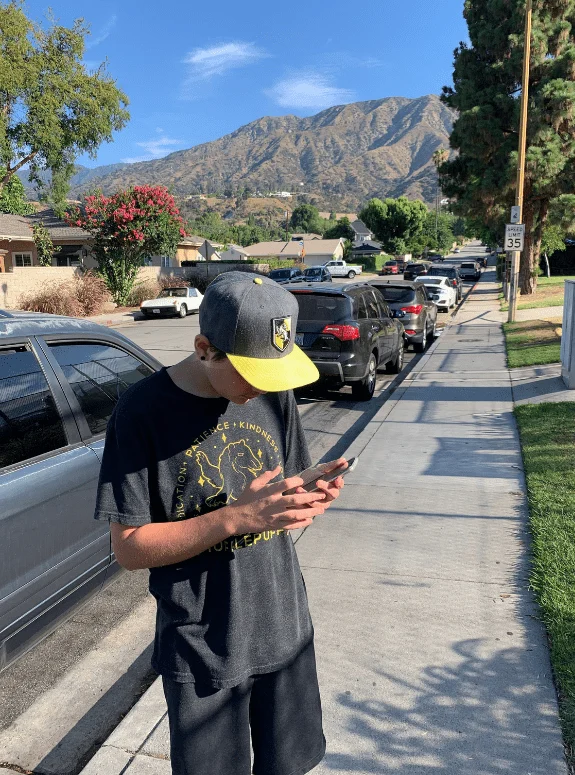
For many parents navigating the daily challenges of educating their children at home, the eternal struggle against screen time remains a constant source of friction. The scene is familiar to countless households: a parent striving to implement a structured, enriching curriculum, while a preteen or teenager resists traditional instruction with every fiber of their being. Last week, during a routine phone call with a fellow homeschooling mother, education writer and advocate Shawna Wingert encountered this exact scenario once again.
The mother was grappling with how best to educate her twelve-year-old son without suffering through the daily bouts of resistance that had derailed their academic schedule the previous year. Wingert gently suggested implementing an interest-led approach to learning, a method that aligns academic concepts with a child’s natural curiosities. Frustrated and visibly discouraged, the mother offered a reply that many modern educators and parents frequently echo: "How can I take an interest-led approach when his only interest is video games?"
It is a concern that Wingert, a veteran homeschooling parent and author who runs the resource platform Different by Design Learning, understands intimately. For years, the prevailing sentiment within many educational and homeschooling communities has positioned video games as a primary adversary of academic achievement and cognitive development. Wingert admits she once shared that exact perspective, viewing digital screens as a distraction at best and a detriment at worst.
However, over the course of several years, as her own sons matured into teenagers and she sought new, effective ways to bridge the communication gap, her perspective shifted dramatically. Rather than viewing video games as a threat to traditional education, Wingert began to recognize them as a sophisticated, versatile tool capable of unlocking engagement and fostering deep learning. The more she observed her sons’ deep-seated passion for gaming, the more convinced she became that the broader educational community was overlooking substantial opportunities to connect with children on their own terms.
Not All Games Are Created Equal
A central anxiety among parents is the persistent fear that children will spend countless hours isolated in dark rooms immersed in violent or degrading content. While such titles undeniably exist within the vast landscape of the gaming industry, industry observers and educators point out that a massive spectrum of games exists that offer genuine, high-value educational opportunities.
Wingert points to practical examples from her own household to illustrate this point. The sandbox building phenomenon Minecraft has remained a cornerstone of their educational routine ever since she discovered that in-game signs could be strategically placed throughout virtual landscapes. By utilizing these text features, she was able to help one of her sons practice sight words and improve his reading skills in a low-pressure, highly motivating environment.
Similarly, historical strategy and war simulations have proven to be surprisingly potent pedagogical resources. Wingert notes that through playing the historical shooter Battlefield One, another of her sons absorbed a depth of knowledge regarding the realities, geography, and historical context of World War I that far surpassed anything presented in a standard textbook. By engaging with complex historical simulations, students often transition from passive recipients of historical dates to active participants who seek out additional context and research independently.
Building Bridges: Connecting with Children Through Their Passions
The integration of video games into an educational framework extends far beyond simple knowledge acquisition; it fundamentally transforms the relational dynamic between parent and child. Just as children eagerly share their latest physical artwork, sculptural creations, or athletic tricks on a skateboard, they derive immense pride from demonstrating their virtual mastery and problem-solving skills within a digital environment.
By familiarizing themselves with the games their children enjoy, asking thoughtful questions about game mechanics, and offering genuine positive reinforcement, parents can cultivate an environment rooted in mutual respect. Wingert emphasizes that this foundational respect serves as the bedrock for any successful interest-led educational model. Just as a parent might enthusiastically support a child’s fascination with zoology or fine arts, video game interests can be leveraged with equal validity, provided the adult is willing to take the time to learn about the medium with the child acting as the guide.
This collaborative approach naturally paves the way for strength-based learning models. Wingert, a passionate advocate for centering a child’s education around their innate capabilities rather than their academic deficits, has frequently highlighted how unexpected avenues can reveal a child’s true cognitive gifts. For instance, her youngest son demonstrated an extraordinary aptitude for three-dimensional spatial reasoning and architectural building within virtual spaces. Recognizing this strength in a gaming context allowed her to intentionally incorporate spatial thinking and structural design into offline learning activities, creating a holistic educational plan that bridges the digital and physical worlds.
Practical Applications for the Modern Homeschool
Translating the concept of gaming-integrated education into daily practice does not require parents to become expert gamers themselves. Educators who successfully utilize this approach generally rely on a few consistent strategies to maintain a healthy balance between screen engagement and academic rigor.
The primary recommendation centers on active involvement and dialogue. While a parent does not necessarily need to hold a controller, sitting alongside children while they play, inquiring about their strategic choices, and inviting them to explain their in-game accomplishments fosters critical thinking and verbal communication skills. When children articulate their goals, challenges, and problem-solving strategies, they are actively practicing narration, logic, and persuasion.
Furthermore, virtual environments frequently serve as natural springboards for broader academic inquiries. When a child encounters a specific geographic location, historical event, or scientific phenomenon within a game, that moment offers an immediate catalyst for real-world research. Consulting physical maps, conducting online database searches, and comparing historical accuracy against digital depictions transforms idle entertainment into rigorous, inquiry-based study. In Wingert’s experience, a passing mention of Russia in a game’s setting successfully led to collaborative geography research, map analysis, and critical discussions regarding how media portrays global regions.
Beyond geography and history, interactive digital platforms frequently function as modern equivalents of traditional educational projects. Creative building games like Minecraft allow students to construct elaborate historical reconstructions, such as medieval villages, serving as an interactive alternative to traditional paper-and-pencil reports or shoebox dioramas. These virtual projects offer educators a clear, tangible method to check for understanding and assess how effectively a student has retained information from a broader unit study.
As homeschooling communities continue to adapt to the diverse learning needs of modern students, the rigid boundaries separating entertainment from education are slowly beginning to dissolve. By approaching video games with curiosity rather than skepticism, educators and parents alike are discovering that children’s digital passions can become powerful catalysts for lifelong learning, strengthening both academic comprehension and familial connection along the way.