In an era defined by antibacterial wipes, hand sanitizers, and meticulously scrubbed living environments, a growing body of scientific inquiry is confronting a provocative question: Have we become too hygienic for our own good?
As modern societies grapple with a steady and concerning rise in childhood allergies, chronic skin conditions, asthma, and gastrointestinal disorders, researchers are increasingly examining the hidden consequences of an overly sanitized world. While modern hygiene has undeniably played a crucial role in eradicating dangerous pathogens and keeping harmful microbes at bay, experts suggest that our relentless pursuit of sterility may be coming at a heavy cost to our internal ecosystems. Specifically, this hyper-clean lifestyle is threatening the delicate balance of beneficial microorganisms that inhabit the human body, collectively known as the microbiome.
Microbiome research has rapidly emerged as a dynamic frontier in health science, offering profound insights into a hidden world of microbes that were once poorly understood. Scientists are uncovering mounting evidence that the microbiome is not merely a passive passenger within the human body, but rather a vital physiological regulator. This complex community of bacteria, fungi, and viruses plays an indispensable role in protecting children from chronic health conditions, bolstering mental health, and significantly reducing the risk of developing severe allergies. Yet, modern lifestyles are actively disrupting this delicate internal balance.
How is a Child’s Microbiome Established?
Understanding the vulnerability of this internal ecosystem requires looking closely at its origins. A child’s microbiome is primarily established during a critical window known as the first one thousand days of life. This foundational period means that the composition of a developing microbiome is heavily dependent upon the nature of a child’s birth, early breastfeeding experiences, and their nutritional and environmental journey through toddlerhood.
When these early developmental stages experience disruptions—such as the necessary administration of antibiotics to fight off infections—children frequently require additional, targeted support to help them cultivate a healthy and diverse microbiome. Without this intentional support, the long-term diversity of their gut flora can remain compromised, leaving them more susceptible to immune and metabolic challenges later in life.
This growing understanding has prompted health advocates and researchers to reevaluate everyday parenting practices and environmental exposures. Rather than shielding children from every speck of dirt, experts argue that a certain amount of environmental exposure is not only harmless, but biologically necessary.
Letting Children Get Dirty
Among the most discussed shifts in modern parenting philosophy is the reevaluation of mud and soil. Allowing children to play freely among dirt and outdoor elements is increasingly recognized as a powerful way to promote microbial diversity within the gut.
Scientific studies examining environmental exposures have found that the rich array of microbes naturally present in soil can actively help populate and diversify the human gut microbiome. Beyond merely serving as a vehicle for beneficial bacteria, contact with soil has also been linked to specific types of bacteria known to stimulate the serotonergic system. This interaction suggests that when children engage in outdoor play and get their hands dirty, their bodies can naturally release serotonin, widely recognized as the body’s natural mood-regulating hormone.
Nourishing the Internal Ecosystem with Probiotics and Prebiotics
Once a child’s microbiome has navigated the critical milestones of its first thousand days, maintaining its health and resilience requires ongoing nutritional support. Incorporating probiotic-rich and prebiotic foods into a child’s daily diet is essential for feeding and sustaining these beneficial microbial populations.
Dietary choices directly influence which bacterial strains thrive within the gut. Without a steady supply of nourishing fibers and fermented foods, the diverse communities of beneficial microbes struggle to maintain dominance over opportunistic strains that do not serve long-term health.
The Impact of Organic Diets on Developing Systems
In the broader context of nutritional health, the choice of agricultural practices also plays a vital role in protecting fragile internal systems. While the preference for organic food is often discussed in wellness circles, its relevance to microbiome health is particularly acute during childhood.
Non-organic produce is frequently treated with a battery of pesticides, fungicides, and herbicides—substances that are chemically engineered to kill living organisms, including bacteria. When ingested by young children, these chemical residues can inadvertently damage the delicate and still-developing microbiome. Furthermore, because children possess immature detoxification pathways, they struggle to rid their bodies of the heavy metals and toxins that can coat conventionally grown foods. For families navigating these choices, prioritizing organic produce or engaging in home gardening represents a practical defense for children’s internal health.
Navigating Sugar Consumption and Gut Balance
Another significant challenge in modern nutrition is managing children’s consumption of refined sugar. While children naturally gravitate toward sweet foods, navigating this preference can be a persistent source of frustration for parents.
The biological driver behind these intense cravings is often rooted directly in the gut microbiome. Sugars serve as the primary fuel source for the less desirable, pathogenic bacteria residing in the digestive tract. Consequently, the more sugar children consume, the more dominant these populations become, triggering a self-reinforcing cycle of escalating sugar cravings.
To help break this cycle, health advocates suggest introducing intentional sugar-free days and gradually substituting conventional sweets with nutrient-dense alternatives disguised as familiar treats. This incremental approach helps shift the balance of gut flora away from sugar-dependent strains, fostering a more harmonious internal environment.
Cultivating Health Through Gardening
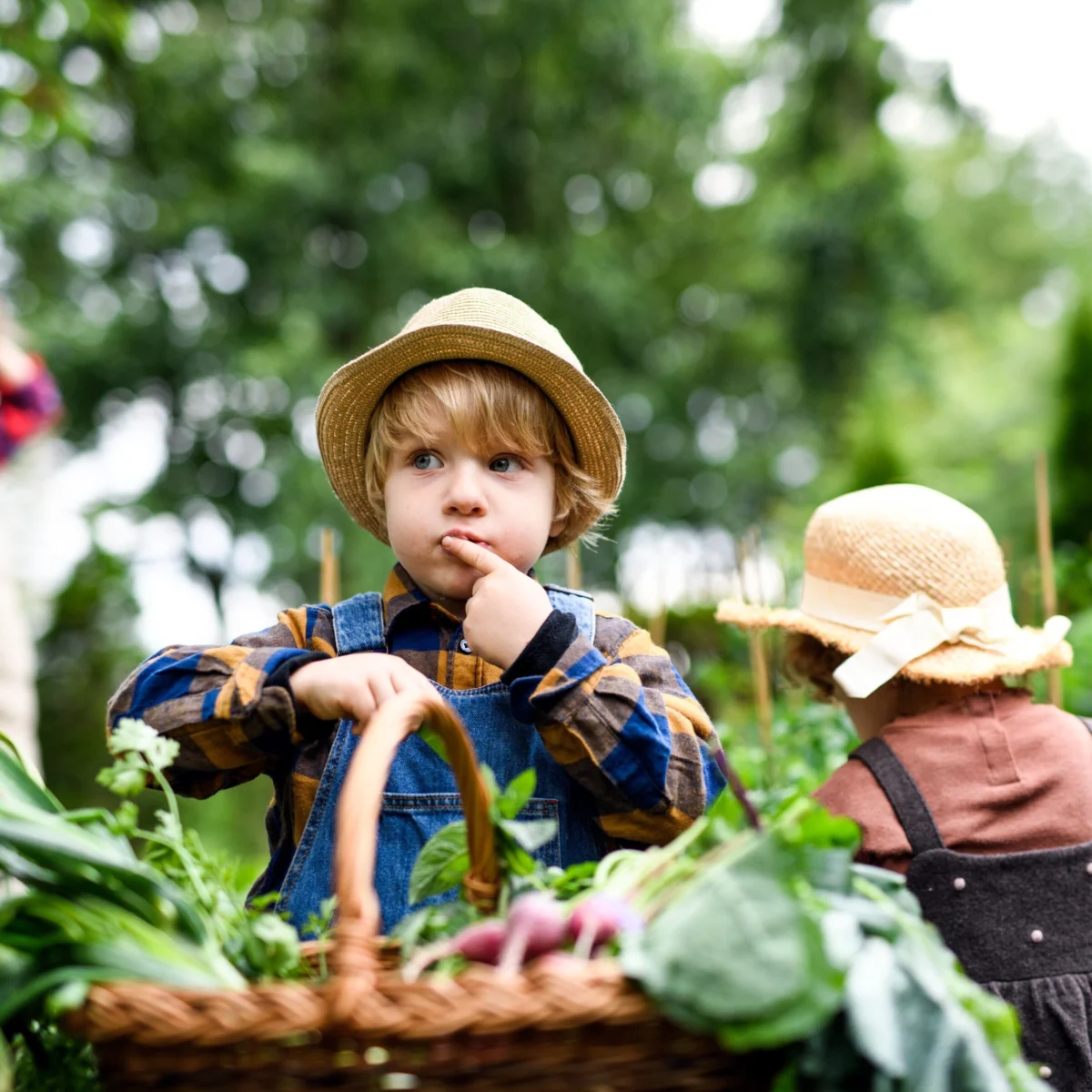
Engaging children in the process of growing their own food offers a dual benefit for both behavior and biology. It is widely observed that children who participate in cultivating greens are significantly more likely to consume vegetables and fruits.
These plant-based foods are indispensable for supplying the dietary fiber needed to feed beneficial gut bacteria. By connecting children directly to the source of their food, families not only encourage healthier nutritional habits but also naturally increase their exposure to the beneficial microbes found in garden soil and fresh produce.
Rethinking Everyday Cleanliness and Soap Selection
When it comes to personal hygiene, experts advise a more discerning approach to cleanliness. Rather than relying on harsh antibacterial soaps for everyday use—which should ideally be reserved for genuine hazards like handling contaminated materials—families are encouraged to choose ultra-gentle soaps that respect the skin’s natural barrier.
Children do not need to be rigorously scrubbed with soap during every bath or shower. Overzealous washing strips away the beneficial resident bacteria that naturally inhabit the skin, disrupting the body’s first line of defense against harmful pathogens.
When to Seek Professional Guidance
Despite best efforts at home, parents may occasionally notice persistent signs that a child’s microbiome is out of balance. Common indicators include recurrent colds, lingering infections, persistent skin conditions, chronic gut issues, or a history of repeated antibiotic use.
Because the underlying causes of microbiome disruption can vary widely from one individual to another, identifying the root issue requires a personalized approach. Families experiencing these persistent health challenges are advised to consult with qualified healthcare practitioners, such as naturopaths or clinical nutritionists, to determine the most effective strategies for supporting their child’s long-term health and microbial diversity.
The insights were originally compiled by Laila Helena for the Endeavour College of Natural Health, reflecting a broader scientific shift toward understanding the complex symbiotic relationship between humans and the microbial world.
For the vast majority of human history, a child’s primary classroom was the natural world. Long before the advent of television screens, illuminated video game consoles, and mass-manufactured plastic toys, generations of children spent their free hours exploring forests, fields, and streams. Nature was not merely a weekend destination or a seasonal vacation spot; it was home, a dynamic landscape where imagination and innate curiosity were the primary tools for development.
Today, however, children navigate a vastly different reality defined by digital distractions and indoor lifestyles. Yet, tucked away in the natural environment, specialized programs are striving to reconnect youth with their historical roots. At first glance, the daily routine at the Wilderness Awareness School looks much like any traditional summer camp. The curriculum is delightfully familiar, filled with bug-catching, mud, songs, hands-on activities near water and trees, and the simple joy of roasting food over an open campfire.
However, beneath the surface of these classic camp traditions lies an intentional, sophisticated educational philosophy that fundamentally alters how children interact with the outdoors. Rather than relying on rigid lesson plans or top-down instruction, the educators at the school operate under a unique framework designed to awaken deep, self-directed learning.
Piquing Curiosity Is Key
At the heart of this unconventional approach is curiosity, which instructors ignite through a signature teaching technique known as Coyote Mentoring. Throughout folklore and natural history, the coyote has long appeared as a master of cleverness—a cunning creature that often relies on adaptability and keen perception to navigate its surroundings. Coyotes live comfortably on the edge of wild landscapes, able to move with ease through both developed areas and dense wilderness. More importantly, the coyote serves as a living embodiment of awareness, entirely tuned into its senses.
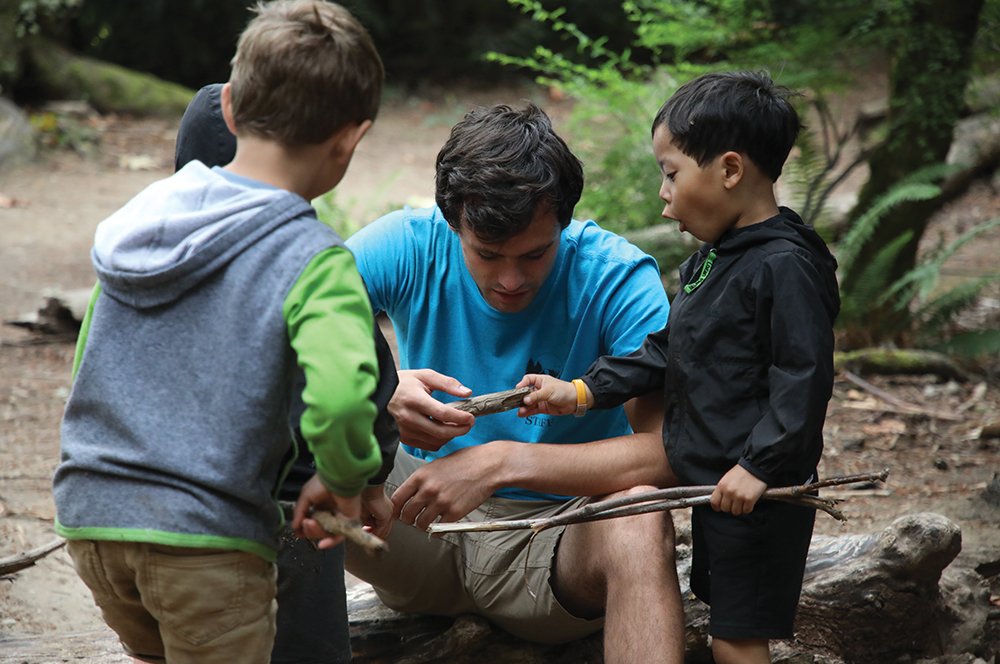
Coyote Mentoring flips traditional education on its head by drawing learning out of children rather than forcing it into them. This philosophy requires instructors to maintain a watchful eye, constantly scanning the group for moments when a specific discovery captures a camper’s attention. These fleeting instances create ideal, organic learning opportunities. A trained Coyote Mentor notices what is sparking a child’s natural curiosity and uses that specific point of interest as a catalyst to engage campers in active, self-driven learning. Through this subtle process, mentors create a space where knowledge is seamlessly passed on, often without the campers even realizing that an educational lesson is taking place.
Teetering On The Edge
Enlisting the art of questioning is another primary method Coyote Mentors use to stir up organic wonder. Instead of simply delivering facts—such as casually announcing that a feather found on the forest floor belongs to a Barred Owl—a Coyote Mentor responds with a cascade of targeted questions. They might ask the children what colors they notice in the plumage, what size bird they think the feather belonged to, how long it appears to have rested on the ground, or how it might have fallen from the canopy. Mentors deliberately begin with basic questions that campers likely already know how to answer, then progressively build toward more challenging levels of inquiry until the children reach what instructors call an "edge."
An awareness of a child’s individual edge is an essential component of the Coyote Mentoring model. When a camper reaches the edge of their engagement, they might temporarily appear distracted, hesitant, or stuck. Mentors pay exceptionally close attention to the group dynamic, skillfully guiding a member up to their personal edge while remaining acutely aware of when to pause, take a break, or move on to a different activity. They also continuously seek out prime opportunities for re-engagement.
To achieve this, mentors evaluate a multitude of factors, including the time of day, communication styles, distinct learning styles, and individual personality traits. Rather than forcing a rigid, one-size-fits-all teaching style onto every participant, a Coyote Mentor constantly adapts, catering directly to a camper’s preferred way of processing information based on continuous, careful observation.
Planting Seeds Engages An Audience
To maintain this fluid, responsive environment, instructors at the Wilderness Awareness School avoid strict, minute-by-minute agendas. While they may outline activities for the early part of the day, the schedule is purposefully left flexible, allowing the remainder of the itinerary to be determined by the natural flow, energy, and interests of the students.
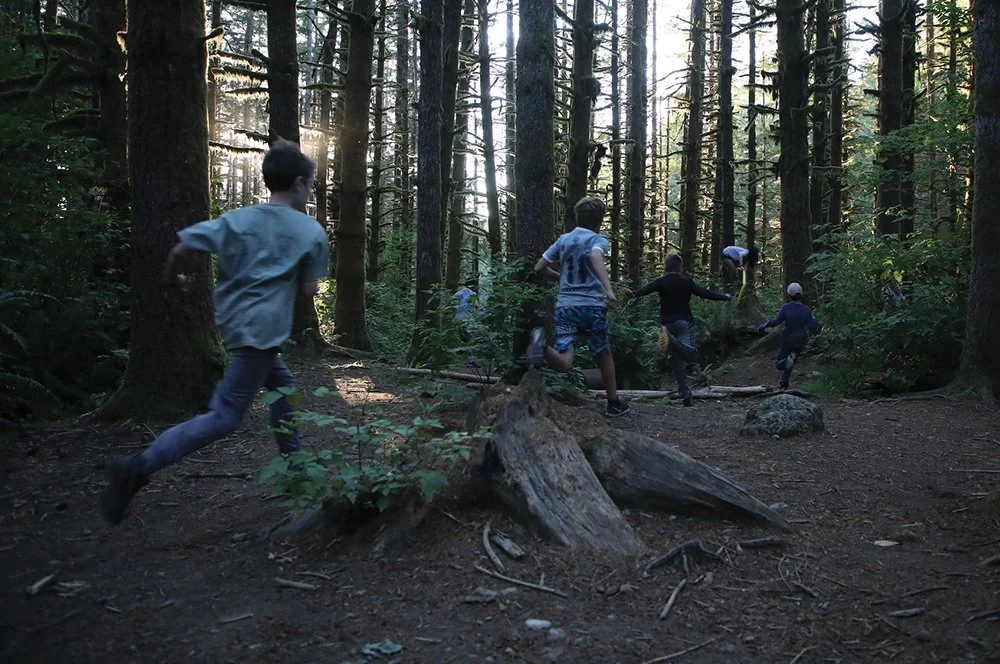
Typically, Coyote Mentors kick off each morning with an energetic game designed to break the ice, foster camaraderie, and help children burn off excess energy. During these activities, instructors subtly "plant seeds." For instance, a game might involve one camper playing an eagle chasing several designated sparrows, or children darting around an imaginary mud pit. The mentors closely monitor the group’s collective stamina, watching for the exact moment when a few campers begin to tire of the game, intervening just before the entire group loses interest. Capitalizing on this natural dip in energy, the mentors gather the children for a storytelling break.
Storytelling serves as yet another powerful vehicle for planting educational seeds. Compelling stories provide a relatable, engaging framework to draw out excitement and curiosity. A mentor might tell a narrative about a young girl who develops a special relationship with spiders, learning the art of web-weaving simply by observing the eight-legged creatures in her garden. Suitably inspired, the group of campers will often set off on a trek through the surrounding woods specifically to search for spiders, eager to witness firsthand how the creatures construct their webs.
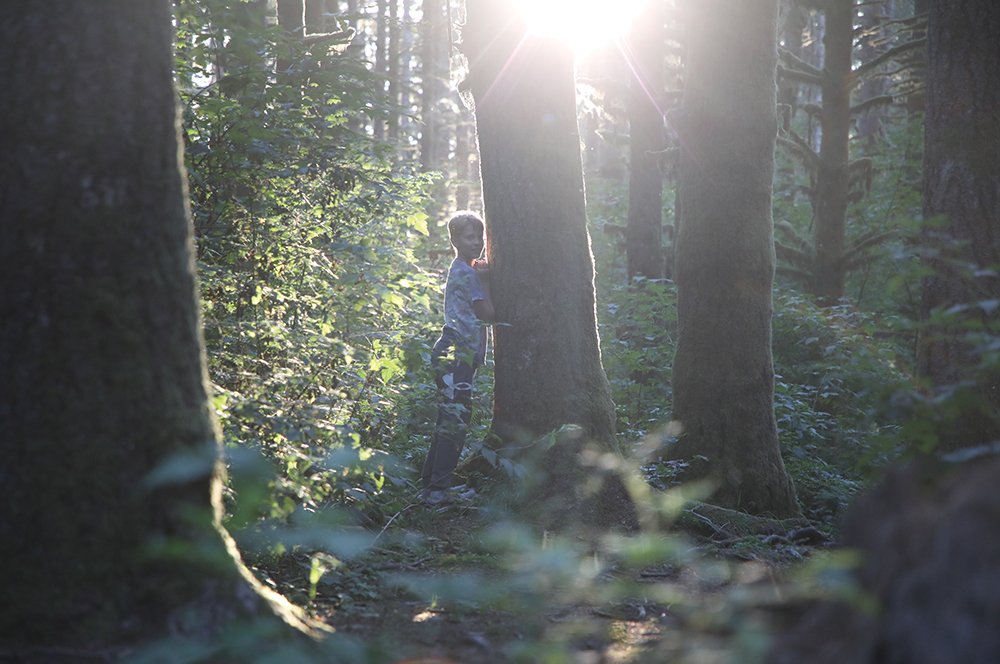
As they adventure through the landscape, campers step directly into their own awareness of the natural world, retaining the autonomy to decide which components of the ecosystem capture their imagination. The Coyote Mentor observes quietly, choosing either to ask relevant questions in the moment or to weave these specific curiosities back into the formal curriculum later in the day.
Later, mentors can recall the seeds planted earlier in the morning by directly referencing the day’s opening activities. Children who participated in the morning game involving an imaginary mud pit, for example, are often delighted when an afternoon adventure leads them to an actual, physical mud pit. Here, they have the freedom to reenact the morning’s game or simply dive in and get their hands dirty, transforming a standard day of summer camp into an unfolding, memorable narrative of their own.
Opportunities To Explore
By mastering the tools of questioning, storytelling, flow learning, and keen observation, mentors at the Wilderness Awareness School help young people forge lasting relationships with the natural world and with one another. By fostering these deep connections over the course of decades, the institution has consistently watched its students grow into resilient, compassionate, self-aware, and resourceful individuals.
While the Wilderness Awareness School might outwardly resemble a traditional nature camp—providing a space for children to breathe fresh air and make new friends during the summer months—the underlying experience is carefully curated by educators who understand the psychology of youth engagement. They provide children with the physical and mental space to explore, orchestrate intentional opportunities for discovery, and gently push them toward their personal learning edges. Ultimately, when a camper returns home at the end of the day, leaves their digital tablet on the coffee table, and spontaneously asks the family to go for a hike, the quiet work of the coyote mentor is complete.
For twelve years, the Read-Aloud Revival community has explored nearly every facet of children’s literature, from epic middle-grade fantasy series to lyrical picture books that capture the magic of childhood. Yet, a fundamental pillar of early reading development has remained largely unexamined in the podcast’s extensive catalog: the humble board book. Familiar to anyone who has spent time around infants and toddlers, board books occupy a unique space in the literary landscape. They are the initial gateway through which countless children encounter stories, serving as the first books that babies and very young children can physically manipulate, explore with their senses, and truly make their own.
In a recent deep dive into this essential format, host Sarah Mackenzie sat down with bestselling author, illustrator, and speech-language pathologist Tabitha Paige to discuss the profound impact board books have on early childhood development. As a professional who understands both the artistic and developmental needs of young children, Paige brought a wealth of insight to the discussion, shedding light on why these sturdy volumes are much more than mere entertainment and how parents can select the best options for their youngest readers.
The physical nature of board books is often taken for granted, but it is precisely what makes them such effective pedagogical tools. Unlike traditional paper-page books that require a delicate touch—something infants and toddlers simply do not possess—board books are engineered to withstand the rigors of early childhood. They are designed to be dropped, chewed, thrown, and aggressively handled. This durability allows young children to interact with books on their own terms. Babies can get their hands and mouths on the pages, experiencing the physical sensation of touching pictures and learning the mechanics of turning pages long before they can comprehend the narrative text. This tactile interaction fosters an early sense of ownership and familiarity with books, laying the groundwork for a lifelong relationship with reading.
During the conversation, Paige emphasized that the benefits of board books extend far beyond physical durability. Because of her background as a speech-language pathologist, she approaches children’s literature through the lens of communication and cognitive development. Board books offer a multisensory learning experience that stimulates language acquisition. When a caregiver reads a board book to an infant, the interaction engages multiple senses simultaneously. The child hears the rhythm and cadence of language, sees high-contrast or beautifully detailed illustrations, and feels the texture of the page. This holistic engagement is critical during the first few years of life, a window of extraordinary neurological growth during which the brain builds the foundational neural pathways for language, comprehension, and emotional regulation.
Choosing the right board book, however, requires a thoughtful approach. Not all board books are created equal, and understanding what to look for can significantly enhance the reading experience for both the child and the adult. Paige shared valuable guidance on selecting books that resonate with infants and toddlers, noting that the best choices often combine visual clarity, engaging text, and developmental appropriateness. High-contrast images are particularly effective for newborns and young infants whose visual systems are still developing. As children grow into toddlers, books that incorporate interactive elements—such as varying textures, simple narratives, or relatable everyday concepts—help maintain their attention and encourage active participation.
The discussion also highlighted the broader cultural and educational shift toward recognizing early childhood literacy as an active, relational experience rather than a passive one. Reading aloud to babies is not just about preparing them for school; it is about building connection, fostering emotional security, and introducing the structures of language in a warm, low-pressure environment. Board books act as the catalyst for these early bonding moments. When a parent sits with a baby to look at a sturdy book, the shared focus creates a secure attachment environment that supports emotional development while simultaneously building vocabulary and listening skills.
As the Read-Aloud Revival continues its long-standing mission of helping families fall in love with books, this exploration of board books serves as a timely reminder that literacy begins at the very beginning of life. By understanding the unique value of these durable little volumes, parents and caregivers can better appreciate the monumental role they play in shaping young minds. Through the expert insights of Tabitha Paige, listeners are equipped with a renewed appreciation for the books that often mark a child’s very first steps into the vast, imaginative world of literature.