Are We Too Clean? Scientists Question the Rise of Modern Hygiene as Childhood Health Issues Surge
In an era defined by antibacterial wipes, hand sanitizers, and meticulously scrubbed living environments, a growing body of scientific inquiry is confronting a provocative question: Have we become too hygienic for our own good?
As modern societies grapple with a steady and concerning rise in childhood allergies, chronic skin conditions, asthma, and gastrointestinal disorders, researchers are increasingly examining the hidden consequences of an overly sanitized world. While modern hygiene has undeniably played a crucial role in eradicating dangerous pathogens and keeping harmful microbes at bay, experts suggest that our relentless pursuit of sterility may be coming at a heavy cost to our internal ecosystems. Specifically, this hyper-clean lifestyle is threatening the delicate balance of beneficial microorganisms that inhabit the human body, collectively known as the microbiome.
Microbiome research has rapidly emerged as a dynamic frontier in health science, offering profound insights into a hidden world of microbes that were once poorly understood. Scientists are uncovering mounting evidence that the microbiome is not merely a passive passenger within the human body, but rather a vital physiological regulator. This complex community of bacteria, fungi, and viruses plays an indispensable role in protecting children from chronic health conditions, bolstering mental health, and significantly reducing the risk of developing severe allergies. Yet, modern lifestyles are actively disrupting this delicate internal balance.
How is a Child’s Microbiome Established?
Understanding the vulnerability of this internal ecosystem requires looking closely at its origins. A child’s microbiome is primarily established during a critical window known as the first one thousand days of life. This foundational period means that the composition of a developing microbiome is heavily dependent upon the nature of a child’s birth, early breastfeeding experiences, and their nutritional and environmental journey through toddlerhood.
When these early developmental stages experience disruptions—such as the necessary administration of antibiotics to fight off infections—children frequently require additional, targeted support to help them cultivate a healthy and diverse microbiome. Without this intentional support, the long-term diversity of their gut flora can remain compromised, leaving them more susceptible to immune and metabolic challenges later in life.
This growing understanding has prompted health advocates and researchers to reevaluate everyday parenting practices and environmental exposures. Rather than shielding children from every speck of dirt, experts argue that a certain amount of environmental exposure is not only harmless, but biologically necessary.
Letting Children Get Dirty
Among the most discussed shifts in modern parenting philosophy is the reevaluation of mud and soil. Allowing children to play freely among dirt and outdoor elements is increasingly recognized as a powerful way to promote microbial diversity within the gut.
Scientific studies examining environmental exposures have found that the rich array of microbes naturally present in soil can actively help populate and diversify the human gut microbiome. Beyond merely serving as a vehicle for beneficial bacteria, contact with soil has also been linked to specific types of bacteria known to stimulate the serotonergic system. This interaction suggests that when children engage in outdoor play and get their hands dirty, their bodies can naturally release serotonin, widely recognized as the body’s natural mood-regulating hormone.
Nourishing the Internal Ecosystem with Probiotics and Prebiotics
Once a child’s microbiome has navigated the critical milestones of its first thousand days, maintaining its health and resilience requires ongoing nutritional support. Incorporating probiotic-rich and prebiotic foods into a child’s daily diet is essential for feeding and sustaining these beneficial microbial populations.
Dietary choices directly influence which bacterial strains thrive within the gut. Without a steady supply of nourishing fibers and fermented foods, the diverse communities of beneficial microbes struggle to maintain dominance over opportunistic strains that do not serve long-term health.
The Impact of Organic Diets on Developing Systems
In the broader context of nutritional health, the choice of agricultural practices also plays a vital role in protecting fragile internal systems. While the preference for organic food is often discussed in wellness circles, its relevance to microbiome health is particularly acute during childhood.
Non-organic produce is frequently treated with a battery of pesticides, fungicides, and herbicides—substances that are chemically engineered to kill living organisms, including bacteria. When ingested by young children, these chemical residues can inadvertently damage the delicate and still-developing microbiome. Furthermore, because children possess immature detoxification pathways, they struggle to rid their bodies of the heavy metals and toxins that can coat conventionally grown foods. For families navigating these choices, prioritizing organic produce or engaging in home gardening represents a practical defense for children’s internal health.
Navigating Sugar Consumption and Gut Balance
Another significant challenge in modern nutrition is managing children’s consumption of refined sugar. While children naturally gravitate toward sweet foods, navigating this preference can be a persistent source of frustration for parents.
The biological driver behind these intense cravings is often rooted directly in the gut microbiome. Sugars serve as the primary fuel source for the less desirable, pathogenic bacteria residing in the digestive tract. Consequently, the more sugar children consume, the more dominant these populations become, triggering a self-reinforcing cycle of escalating sugar cravings.
To help break this cycle, health advocates suggest introducing intentional sugar-free days and gradually substituting conventional sweets with nutrient-dense alternatives disguised as familiar treats. This incremental approach helps shift the balance of gut flora away from sugar-dependent strains, fostering a more harmonious internal environment.
Cultivating Health Through Gardening
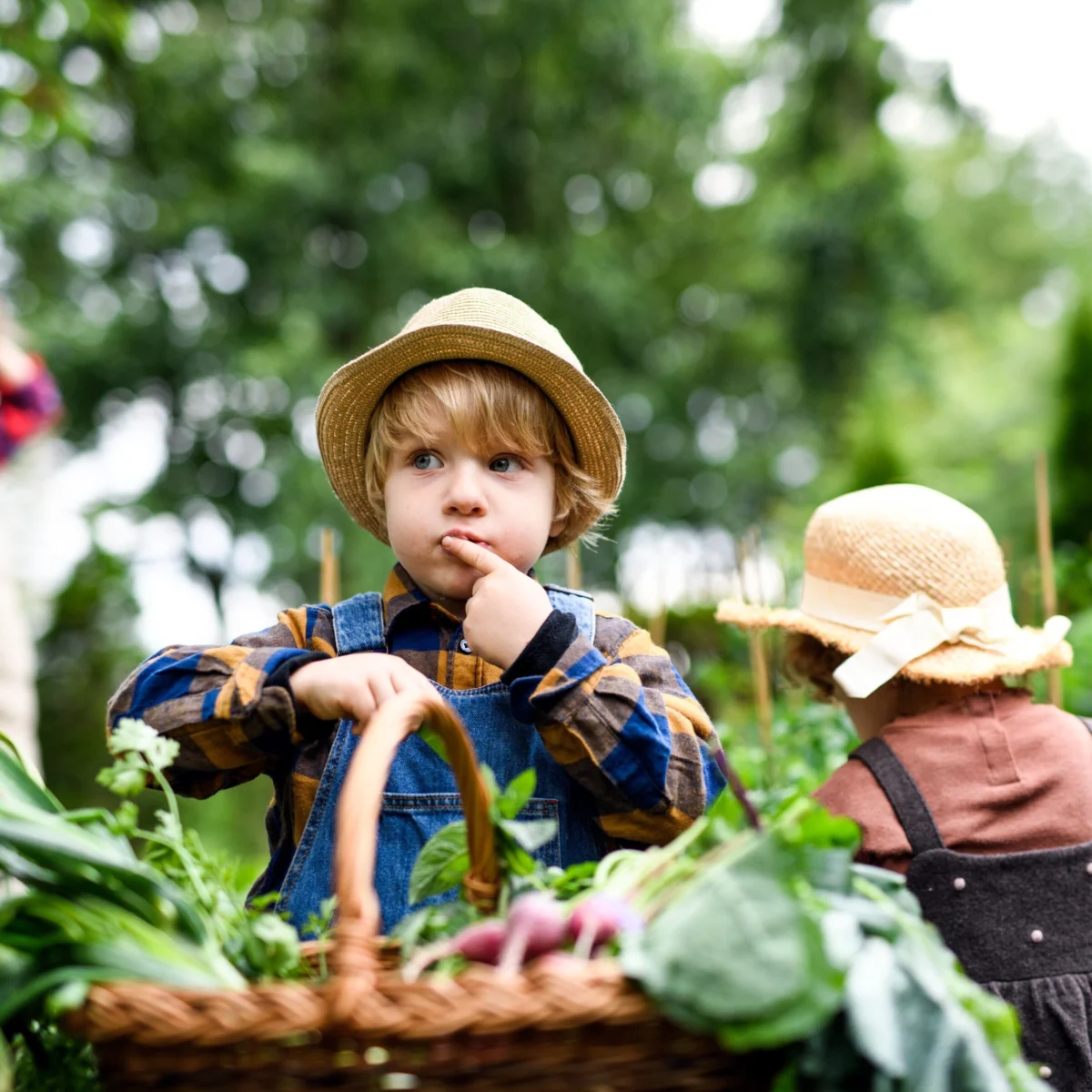
Engaging children in the process of growing their own food offers a dual benefit for both behavior and biology. It is widely observed that children who participate in cultivating greens are significantly more likely to consume vegetables and fruits.
These plant-based foods are indispensable for supplying the dietary fiber needed to feed beneficial gut bacteria. By connecting children directly to the source of their food, families not only encourage healthier nutritional habits but also naturally increase their exposure to the beneficial microbes found in garden soil and fresh produce.
Rethinking Everyday Cleanliness and Soap Selection
When it comes to personal hygiene, experts advise a more discerning approach to cleanliness. Rather than relying on harsh antibacterial soaps for everyday use—which should ideally be reserved for genuine hazards like handling contaminated materials—families are encouraged to choose ultra-gentle soaps that respect the skin’s natural barrier.
Children do not need to be rigorously scrubbed with soap during every bath or shower. Overzealous washing strips away the beneficial resident bacteria that naturally inhabit the skin, disrupting the body’s first line of defense against harmful pathogens.
When to Seek Professional Guidance
Despite best efforts at home, parents may occasionally notice persistent signs that a child’s microbiome is out of balance. Common indicators include recurrent colds, lingering infections, persistent skin conditions, chronic gut issues, or a history of repeated antibiotic use.
Because the underlying causes of microbiome disruption can vary widely from one individual to another, identifying the root issue requires a personalized approach. Families experiencing these persistent health challenges are advised to consult with qualified healthcare practitioners, such as naturopaths or clinical nutritionists, to determine the most effective strategies for supporting their child’s long-term health and microbial diversity.
The insights were originally compiled by Laila Helena for the Endeavour College of Natural Health, reflecting a broader scientific shift toward understanding the complex symbiotic relationship between humans and the microbial world.