In the ongoing pursuit of simple, efficient, and flavorful meal options, home cooks and busy families are increasingly turning to dishes that bridge the gap between convenience and nutrition. Among the latest recipes gaining traction in meal-planning circles is a vibrant Mediterranean bean salad designed to withstand the test of time in the refrigerator while offering a robust profile of complex flavors and wholesome ingredients.
The appeal of the dish lies in its combination of practicality and culinary depth. Built around a foundation of nutrient-dense legumes, fresh garden vegetables, and a bright, herb-infused dressing, the salad addresses a common modern dietary challenge: finding meals that can be prepared well in advance without sacrificing texture or taste.
The Anatomy of a Make-Ahead Mediterranean Dish
At the core of the recipe are chickpeas and cannellini beans, a pairing chosen specifically for its texture, protein content, and dietary fiber. Legumes have long been recognized by nutritionists as a valuable source of complex carbohydrates and plant-based protein, helping to sustain energy levels and provide satiety. In this preparation, the beans are complemented by a colorful array of fresh vegetables, including crisp cucumbers, juicy tomatoes, and bell peppers, which introduce essential crunch and visual appeal.
To anchor the dish in traditional Mediterranean flavors, the recipe incorporates savory elements such as olives and feta cheese, providing a salty bite that balances the earthiness of the beans. The dressing serves as the unifying component, relying on high-quality real olive oil to deliver beneficial monounsaturated fats, alongside freshly squeezed lemon juice to introduce a sharp tang. This mixture is further elevated by a blend of traditional herbs, including mint, oregano, garlic, and parsley.
Culinary experts note that one of the primary advantages of this specific formulation is its resilience. Unlike traditional green salads that rely on delicate leafy greens, this bean-based alternative does not wilt or become soggy after prolonged storage. In fact, culinary observations indicate that the flavors actually improve over time as the ingredients marinate, making the dish well-suited for storage in the refrigerator for three to four days.
Flexibility and Practicality in Daily Meal Planning
The modern culinary landscape places a high premium on versatility, and this Mediterranean bean salad is designed to adapt to various dining scenarios. It functions effectively as a standalone light lunch, a side dish to accompany grilled meats such as pork loin, or a primary component for quick dinners on demanding evenings.
Furthermore, the recipe’s adaptability extends to its ingredient list, allowing cooks to substitute components based on availability and personal preference. Cannellini beans can be readily swapped for Great Northern beans or butter beans, while Kalamata olives can be introduced for individuals seeking a more pronounced flavor profile. The addition of diced avocado just prior to serving offers an extra layer of creaminess for those looking to modify the texture.
The preparation process itself emphasizes simplicity and resourcefulness. Rather than requiring specialized culinary equipment, the dressing can be mixed quickly by combining the ingredients in a pint-sized Mason jar, capping it securely, and shaking vigorously. This approach aligns with broader trends toward homemade dressings, which proponents argue offer superior freshness, simplicity, and affordability compared to commercially manufactured alternatives.
Nutritional Profile and Community Engagement
From a nutritional standpoint, a standard one-cup serving of the Mediterranean bean salad delivers a balanced profile designed to meet the demands of a health-conscious diet. Each serving contains approximately 200 calories, with 11 grams of fat derived primarily from heart-healthy monounsaturated fats found in the olive oil. The dish provides 20 grams of carbohydrates, anchored by 6 grams of dietary fiber—representing roughly 25 percent of the recommended daily value—along with 8 grams of protein.
Micronutrient contributions are similarly notable, with the salad supplying significant percentages of daily vitamin A, vitamin C, calcium, and iron, largely driven by the inclusion of fresh vegetables and herbs. Because the recipe yields a generous quantity, it scales easily for larger gatherings, making it a popular choice for potlucks, picnics, and barbecues where dishes need to maintain their quality whether served chilled or at room temperature.
Culinary advocates emphasize that allowing the salad to rest for at least fifteen minutes before serving is essential for optimal flavor development, as it permits the citrus and herb dressing to fully penetrate the beans and vegetables. For those preparing the dish days in advance, a quick toss prior to serving—along with an optional final squeeze of fresh lemon juice—ensures the flavors remain vibrant.
As individuals continue to seek out efficient ways to balance nutrition and busy schedules, simple yet complex dishes like this Mediterranean bean salad highlight a growing preference for meals that prioritize preparation efficiency without compromising on wholesome ingredients or culinary satisfaction.
For more than a century, modern society has relied on a singular, rigid assumption: that intelligence is a commodity that can be neatly ranked, graded, and measured. This narrow paradigm has profoundly shaped school curricula, high-stakes assessment systems, and even our everyday language regarding what it means to be deemed "smart." In this traditional framework, academic achievement, standardized test scores, and isolated subject mastery have long stood as the primary proxies for human capability, reducing multifaceted potential to a single number or letter grade.
Yet, the complex world that contemporary students now inhabit is rapidly exposing the limits of that assumption. Across education, commerce, and public life, there is a growing, palpable recognition that the defining challenges of our time are rarely problems of information scarcity. Instead, they are crises of integration.
Global phenomena such as climate instability, technological acceleration, and pervasive social fragmentation do not yield to isolated expertise or siloed academic disciplines. Navigating these modern realities requires an entirely different set of capabilities—the capacity to hold complexity, to collaborate effectively across deep differences, and to act with nuanced discernment in situations where a neat, pre-packaged right answer is simply not readily apparent.
These shifting demands are heavily underscored by macroeconomic and labor trends. A comprehensive 2025 report published by the World Economic Forum indicates that rapid technological, economic, and environmental shifts will fundamentally transform roughly 22 percent of jobs worldwide by the year 2030. This ongoing transformation is driving an unprecedented increase in demand for a blend of technical skills and uniquely human capacities, including resilience, strategic leadership, and creative problem-solving. In this evolving context, educators, policymakers, and industry leaders are increasingly invited to consider a broader, more deeply human understanding of intelligence—what experts call integrated intelligence: the ability to think clearly, feel deeply and with situational awareness, act with clear intention, and live with a grounded sense of purpose.
The urgency of fostering this integration has been dramatically heightened by the rapid, unprecedented advancement of artificial intelligence. As automated systems and sophisticated machines assume an ever-larger share of routine cognitive tasks, the comparative advantage of human beings inevitably shifts. Skills that can be easily replicated or automated become progressively less defining in the global marketplace. In their place, higher-order capacities such as sound judgment, ethical reasoning, creative synthesis, and relational intelligence grow exponentially in importance.
While this expansive interpretation of intelligence may feel novel to traditional institutional structures, it is far from new in its foundational essence. Rather, it has become newly necessary for survival and flourishing in the twenty-first century. Over the past several decades, rigorous research spanning the fields of psychology, neuroscience, and educational science has steadily articulated a much broader, more holistic understanding of human capability.
Historical milestones in this intellectual evolution include Howard Gardner’s groundbreaking theory of multiple intelligences, which he developed more than 40 years ago specifically to challenge narrow, standardized views of achievement and assessment. Shortly thereafter, Daniel Goleman’s pioneering work on emotional intelligence further expanded the field, empirically demonstrating that the human ability to understand, regulate, and manage emotions is a critical determinant of effective leadership, personal resilience, and relational effectiveness across diverse environments.
Further reinforcing these insights, the influential academic paper Hard Evidence on Soft Skills builds directly upon Goleman’s foundational work. The study demonstrates how traditional, hyper-narrow measures of intelligence—such as standardized achievement tests and traditional IQ scores—consistently fail to capture many of the vital behavioral traits that shape long-term success in both life and career. So-called "non-cognitive" skills and intrinsic traits, including personal motivation, psychological persistence, personality structure, and goal-setting capabilities, play a remarkably significant role not only in individual human development but also in eventual educational attainment and labor-market outcomes.
Recognizing the stark limitations of legacy assessment frameworks, international education institutions and policy bodies have steadily shifted toward a broader vision of human capability. The Organisation for Economic Co-operation and Development, through its ongoing Future of Education and Skills 2030 initiative, articulates a forward-looking vision of education that extends well beyond mere knowledge acquisition. The framework suggests that thriving in contemporary society requires the intentional integration of the cognitive, social, and emotional dimensions of learning, positioning these diverse human capacities not as supplementary add-ons, but as foundational pillars of holistic human development.
Robust longitudinal research strongly supports this expanded, multidimensional view of learning and growth. Evidence synthesized through the OECD’s extensive research on social and emotional skills reveals that competencies such as self-regulation, interpersonal empathy, perseverance under duress, and collaborative teamwork are strongly associated with sustained academic achievement, positive employment outcomes, and overall psychological well-being. These empirical findings strongly suggest that true educational success cannot be adequately understood solely through the narrow lens of academic knowledge retention. Instead, it must account for the intentional development of the interpersonal and intrapersonal capacities that fundamentally shape how that knowledge is applied in the real world.
Modern cognitive science further deepens this comprehensive picture. The authoritative National Academies consensus study and meta-analysis, How People Learn II: Learners, Contexts, and Cultures, highlights how effective human learning and meaningful action depend entirely on the seamless integration of multiple forms of understanding. The capacity for empathy, for instance, remains deeply limited without the intellectual clarity required to discern objective truth. Likewise, the capacity to act effectively in the world is severely weakened without both deep domain knowledge and a guiding sense of overarching purpose.
Additional research in cognitive science and human motivation similarly demonstrates that critical thinking is deeply dependent on contextual background knowledge and the individual’s ability to anticipate long-term consequences. As ongoing technological and cultural shifts reshape both personal existence and professional landscapes, long-term success increasingly depends not just on raw analytical ability, but also on the psychological capacity to sustain personal motivation, cultivate a genuine sense of belonging, and maintain mental well-being. In this light, sustained, meaningful human action is significantly strengthened when individuals fully understand the nature of their work and experience a profound connection to a larger sense of purpose.
Empirical research into effective, modern educational practice offers critical guidance for institutional redesign. Extensive studies consistently demonstrate that student learning is markedly strengthened when individuals are engaged not merely on a cognitive level, but emotionally and socially as well. Modern classrooms characterized by strong, supportive interpersonal relationships, abundant opportunities for collaborative teamwork, and meaningful, experiential learning environments consistently produce developmental outcomes that extend far beyond traditional academic performance metrics.
The common thread uniting this growing body of research is a shared recognition: human development is inherently holistic. When educational systems and institutional structures engage the whole person—mind, emotions, and social context—the resulting learning process becomes significantly deeper, far more transferable across diverse domains, and enduringly impactful over the course of a lifetime.
What becomes strikingly clear is that intelligence, when defined and measured narrowly, ultimately obscures far more than it reveals about human potential. To meet the demands of an increasingly complex century, society must fundamentally expand its view of intellectual pursuits and reorient both the purpose and the structural design of education itself. This requires intentionally crafting learning experiences that connect disparate disciplines rather than isolating them, invite deep personal reflection alongside decisive action, and fully recognize the formative, irreplaceable role of healthy relationships and vibrant communities in shaping the human capacity to thrive.
In an era defined by the rapid ascent of generative artificial intelligence across nearly every corner of the publishing industry, the Centers for Spiritual Living and its flagship publication, Guide for Spiritual Living: Science of Mind magazine, have drawn a definitive line in the sand. The editorial team has formally reaffirmed its unwavering commitment to human intelligence, announcing that the publication will exclusively feature content written, crafted, and conceived by people.
This policy ensures that the nearly century-old spiritual publication will continue to rely entirely on the lived experiences, genuine consciousness, and authentic creativity of human writers, steering clear of automated text generation in all its forms.
Our Publishing Guidelines
To understand the weight of this decision, one must look at the foundational mission of the institution behind the magazine. The Centers for Spiritual Living, along with Guide for Spiritual Living: Science of Mind magazine, exist to preserve, honor, and expand the rich legacy established by Ernest Holmes and his contemporaries. Holmes, a seminal figure in the New Thought spiritual movement, formulated teachings that blended perennial spiritual philosophies with practical applications for daily living. Today, the organization maintains its sights firmly fixed on the future, successfully blending time-tested spiritual wisdom with cutting-edge insights.
For close to 100 years, the editorial team at Science of Mind magazine has maintained a welcoming posture toward diverse perspectives that serve to elevate, heal, and enhance the lives of its readers. At the heart of this enduring enterprise is a core tenet: a profound sense of oneness rooted firmly in the eternal truth of love. In the view of the magazine’s leadership, the inclusive spiritual movement represented by the publication is one that is needed now more than ever in a fragmented and fast-paced world.
The work published in the magazine addresses the multifaceted, complex human approach to spirituality. Originally conceived by Holmes, this approach has been faithfully carried into the 21st century by a rotating roster of talented writers who approach difficult, intricate issues with characteristic grace, deep humanity, and professional skill.
The Intersection of Spirituality, Science, and Human Consciousness
A defining characteristic of Religious Science—the philosophy underpinning the magazine—is that it has never been a rigid, one-size-fits-all approach to spirituality. Instead, the publication actively honors, incorporates, and highlights the latest developments in whole-human growth, modern science, neuroscience, and psychology. This synthesis requires a nuanced understanding of both the human condition and intellectual inquiry, qualities that require genuine sentience and emotional resonance.
Because the magazine bridges these complex disciplines, its writers bring their distinct consciousness, personal journeys, and artistic talent directly to the printed and digital page. They carefully craft content designed to be more thoughtful, more truthful, and deeply more spiritual than anything an artificial intelligence model could ever hope to produce.
The editorial leadership holds a firm conviction that the brilliance, vulnerability, and authenticity of human writers and creative team members are irreplaceable. This human element is what allows the publication to support its readers with genuine care and the deliberate, thoughtful articulation of complex philosophical concepts. While the magazine’s leadership acknowledges that technology may advance to the point where algorithms can mimic or refashion structural writing tasks, they emphasize that machines will never be able to replicate the intrinsic beauty, empathy, and love that human contributors bring to their audiences.
By reassuring readers that every word published within its pages is created by human beings, the editorial team reinforces a sacred trust that has been cultivated over generations. Furthermore, the magazine has made it explicitly clear to its community of writers, thinkers, and contributors that it will accept nothing less than original work composed in their own unique voices.
In upholding this standard, the editorial board pays direct homage to the original intent of Science of Mind magazine and its founder, Ernest Holmes. It is simultaneously a tribute to every author who has ever graced the publication’s pages and to every individual reader who continues to draw insight, comfort, and spiritual grounding from these insights.
As the holiday season approaches, homeschool families across the country are once again navigating the delicate balance of finding presents that delight children while reinforcing the rhythms of education at home. A newly released classical gift guide aims to simplify that task by emphasizing presents that encourage families to keep learning together through read-aloud books, simple musical instruments, strategic games, and reminders of faith and community.
Compiled by Kyleen Bontrager, Lead Sales and Marketing Writer for Classical Conversations, the comprehensive holiday resource categorizes gift ideas by educational program, lifestyle preferences, and budget. Rather than focusing solely on commercial trends, the guide centers on the philosophy that the best educational gifts are those that continue teaching long after the wrapping paper is cleared away.
Tailoring Gifts to Educational Programs
The classical education model divides a child’s development into distinct stages, each corresponding to specific cognitive milestones. The holiday guide organizes its recommendations to match these natural phases, offering targeted suggestions for Foundations, Essentials, and Challenge students.
For younger learners in the Foundations program, spanning ages four to twelve, the focus rests on cultivating the core habits of grammar: naming, attending, memorizing, expressing, and storytelling. Because children in this age group naturally gravitate toward touch, song, and repetition, gifts that encourage active participation fit seamlessly. Items like the traditional tin whistle introduce children to music theory and performance, while rich read-aloud collections foster a sense of wonder about the natural world and historical narratives.
As students progress into the Essentials program, they begin sharpening their command of English grammar, writing, and analytical math. To support these growing habits of careful reasoning, the guide recommends items that make study routines personal, orderly, and engaging. High-quality writing instruments, specialized highlighters, and organized desk supplies provide practical utility for students learning to dissect language and structure.
Older students in the Challenge programs wrestle with big ideas, debate, and rhetoric through seminars and classic literature. Gift selections for this demographic honor their increasing independence and deepening convictions, ranging from official apparel that signals community pride to advanced literature sets designed to provoke thoughtful discussion.
Apparel and Community Identity
Clothing remains a staple under the tree in many households, and the classical education community is no exception. The newly released guide highlights a variety of apparel designed to let families wear their shared commitment to learning, faith, and local community spirit.
Among the favored items are classic caps, ponytail baseball caps tailored for mothers and daughters, and novelty socks featuring historical timeline cards. Cold-weather gear includes pullover hoodies, long-sleeve comfort-color shirts bearing mission statements, and youth and adult t-shirts featuring scripture verses rendered in Latin. These garments serve as daily reminders of the foundational mission to know God and make Him known, offering a unifying thread for students attending local community days.
In addition to apparel, accessories such as friendship bracelets, silver-tone dangling earrings, enamel backpack pins, and shoe charms allow students and tutors to display their affiliation with their educational communities in subtle, personalized ways.
Literature as a Cornerstone of Family Life
Books occupy a central place in the classical homeschooling tradition, serving as primary vehicles for cultivating virtue, wisdom, and historical awareness. The holiday guide places significant emphasis on building home libraries through curated selections suited for various age groups and reading levels.
For younger children, selections from the Copper Lodge Library—such as Nathaniel Hawthorne’s retellings of Greek myths in Tanglewood Tales and themed storybooks chronicling the American experience—provide engaging material for fireside read-alouds. Parenting resources like Gladys Hunt’s Honey for a Child’s Heart offer encouragement for mothers seeking to build a rich family culture around the written word.
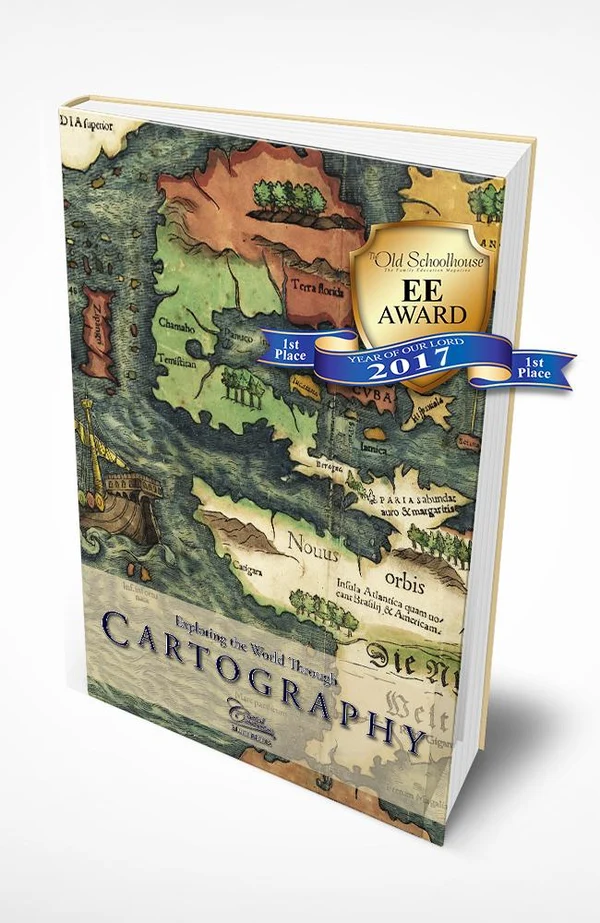
For the home environment, museum-quality art collections like Marvelous to Behold and cartography volumes such as Exploring the World Through Cartography serve as visual centerpieces that invite contemplation. The Copper Lodge Library’s extensive offerings also span historical epochs, including trilogies covering ancient, old, and new world echoes, as well as comprehensive deep dives into the history of Rome through its kings, senators, and emperors.
Tweens and teens find challenges and inspiration in unabridged classics such as The Secret Garden, Pride and Prejudice, The Lion, the Witch, and the Wardrobe, The Hobbit, and The Call of the Wild. These enduring works invite young readers to confront questions of morality, courage, and human nature.
Practical Supplies, Restorations, and Spiritual Growth
Beyond literature, the guide emphasizes the practical gear required to maintain daily homeschool operations. Stocking stuffers include Scripture pencils, vinyl stickers, wooden bookmarks, and comprehensive writing kits designed for lead learners. Everyday items such as embossed journals, insulated stainless steel tumblers, and robust backpacks ensure that students and parents remain equipped whether studying at the kitchen table or traveling to community gatherings.
Recognizing the demanding nature of home education, the guide dedicates specific attention to gifts that refresh homeschool mothers. Resources such as The Habits of a Classical Education: Practicing the Art of Grammar—a featured text at recent parent practicums—alongside foundational guides like Classical Christian Education Made Approachable, feed the minds of teaching parents. These intellectual resources are paired with simple comforts designed to restore energy, including cozy blankets, warm beverages, and practical meal support.
Spiritual growth remains paramount, with recommendations centered on the Bible, Donald Whitney’s Praying the Bible, and John Bunyan’s classic allegory The Pilgrim’s Progress. These materials are intended to root academic pursuits in a framework of Christian worship and theological reflection.
Traditional Play, Hobbies, and Shared Experiences
True to the philosophy of keeping educational methods accessible, the holiday guide champions traditional toys and games that build foundational skills without reliance on complex electronics. Standard playing cards, chess sets, backgammon, dominoes, and memory-matching games cultivate strategic thinking, patience, and spatial reasoning. Similarly, building toys like blocks, Lincoln Logs, and architectural kits foster engineering principles and creative problem-solving.
Experiential gifts further extend the learning process beyond the physical classroom. Theater tickets, museum memberships, state park passes, and hands-on classes in cooking, woodworking, or painting transform abstract concepts into tangible memories. Subscriptions to learning boxes and streaming educational content provide consistent engagement throughout the year, ensuring that curiosity remains stimulated across all four seasons.
The complete gift collection and specific resource links are currently available through the Classical Conversations Bookstore, providing families with a centralized hub for holiday planning rooted in the classical tradition.
This fall, a diverse coalition of Catholic clergy, higher education leaders, women religious, and lay leaders convened at the University of Notre Dame for a significant gathering aimed at exploring the Catholic Church’s unique approach to pluralism and religious liberty. The symposium takes on added resonance as the United States prepares to celebrate its 250th anniversary, offering an opportunity for faith leaders to reflect on the intersection of Catholic theological traditions and American democratic principles.
Against the backdrop of a polarized national landscape, the participants sought to examine how Catholic social teaching and historical perspectives can contribute to a deeper understanding of religious freedom, civic unity, and human dignity. The discussions drew heavily on contemporary frameworks of pluralism, including those advanced by Interfaith America, prompting deep reflections on how faith communities can champion liberty not just for themselves, but for society at large.
At the heart of the dialogue was the fundamental Catholic teaching on the inherent worth of every individual. Attendees emphasized that the protection of human dignity serves as a foundational pillar for any pluralistic society.
"The Church of itself has always taught this dignity of every human being," said attendee Sister Nancy Usselmann, director of Pauline Media Studies, highlighting the theological underpinnings of the discussion. "Each person has specific dignity, and to respect them and love them for who they are is such a beautiful gift that the church gives."
This emphasis on individual worth naturally extends into the realm of conscience and religious practice, a theme that formed a central part of the academic and practical evaluations during the gathering at Notre Dame. Leaders considered how Interfaith America’s vision of pluralism intersects with ongoing efforts to uphold and protect religious liberty within the American democratic experiment.
For legal scholars and institutional leaders present at the event, the preservation of religious freedom is not merely a legal protection, but a moral and theological imperative. Marcus Cole, the Joseph A. Matson Dean and Professor of Law at Notre Dame, addressed the essential connection between genuine faith and freedom of choice during his remarks to the assembly.
"Religious pluralism is a key feature of American society. The only way to get people to embrace the truth of my faith is if they are free to embrace it," said Cole. "You can’t force faith on anyone. We want to make sure that we promote freedom of religion for everyone, for all faith traditions, and for people who come from no faith tradition at all."
This expansive view of religious liberty—one that encompasses believers of all creeds as well as secular citizens—resonated throughout the conference sessions. As the United States looks ahead to its semiquincentennial milestone, Catholic leaders expressed a collective hope that the values rooted in their tradition can serve as a healing balm in an era characterized by deep social and political divisions.
The role of the Church as a stabilizing and unifying force in public life was a prominent topic during the evening’s panel discussion, which brought together prominent voices from across the Catholic intellectual and pastoral spheres. Participants considered how centuries of tradition, moral theology, and community engagement position Catholic institutions to foster dialogue in a fractured society.
"I think we’re made for this polarizing moment, to be a unifying community and voice that helps democracy move forward," said Donna Carroll, president of the Association of Catholic Colleges and Universities, during the panel discussion. "We can not only help heal and bring people together, but we can actually model for our country what it means to serve."
Carroll’s remarks underscored the practical responsibility facing Catholic universities, secondary schools, parishes, and charitable organizations as they navigate contemporary cultural debates. By modeling service, humility, and open engagement, these institutions seek to demonstrate how diverse communities can work together toward common civic goals without compromising their distinct theological identities.
Adding a pastoral dimension to the forward-looking dialogue, Fr. James Martin reflected on the spiritual disposition required of believers as the nation approaches its historic 250th anniversary. He suggested that the most effective contribution the faith community can make to American public life is a renewed commitment to the core tenets of the Gospel.
"As America turns 250, what I hope we would think about is our desire to be more Christian, which is the desire to be more loving, more merciful, and more compassionate," Fr. Martin said.
The gathering at Notre Dame ultimately concluded with a shared sense of purpose among the clergy, educators, and leaders in attendance. By bridging theological commitments to human dignity with the practical realities of a multi-faith democracy, the participants mapped out an enduring role for the Catholic Church in fostering a more compassionate, free, and unified American society for generations to come.
For Carlin Gettliffe, the breaking point arrived quietly, measured in the relentless blue glow of a computer screen and the mounting pressure of ten to fifteen phone calls a day. Immersed in the high-stakes, hyper-connected world of startup culture, Gettliffe was facing a condition familiar to many modern professionals: bone-deep burnout. The daily grind offered little room for reflection, movement, or genuine human connection, trading physical vitality for endless hours of digital optimization and strategic planning.
Seeking an escape from the relentless demands of the corporate ecosystem, Gettliffe made a dramatic pivot. He walked away from the startup world entirely, taking a leap of faith to enroll in a nine-month adult immersion program at the Wilderness Awareness School, nestled in the damp, towering forests of Duvall, Washington. It was an intentional step away from civilization, designed to trade the language of spreadsheets and project timelines for something far more ancient and grounding.
Tucked unassumingly toward the end of the curriculum, Gettliffe encountered wilderness rites of passage for the very first time. It was an experience that defied the polished, highly curated narratives often associated with modern outdoor adventure retreats. There was nothing "sexy" about the encounter; it was gritty, strange, and frequently uncomfortable, yet interwoven with unexpected moments of profound grace.
For days and nights on end, stripped of modern creature comforts and conveniences, the trappings of human schedule-keeping simply evaporated. Without plans, schedules, or strategic schemes to manage, Gettliffe’s relationship with time and space fundamentally shifted. Movement became instinctual. When the mountain air turned biting cold, his body simply moved to find warmth. When fatigue set in, he curled up directly into the deep, cushiony forest moss. He ate when hunger struck and paused motionless to listen when fear whispered in the dark. The body took the lead, communicating needs through the raw, unfiltered language of belly grumbles, shivering muscles, tension, and sudden release.
The sensory awakening of the immersion stripped away decades of conditioned urban habits. Gettliffe recalls laying his head down on the damp earth one night following a long, disorienting wander through total darkness. Hovering at the very edge of sleep, a subtle sound caught his attention: a family of mice nestled somewhere in the nearby grass, quietly chattering and cooing to one another in the dark. Paralyzed by a sudden fear of disturbing them, he lay completely still, listening to the tiny, microscopic symphony for what felt like hours. In that suspended moment, he felt mysteriously linked to those unseen, wild beings by an intricate, invisible universe of sound.
Yet, this return to the wild was not merely a series of serene pastoral moments. In other instances, the human psyche felt as though it were free-falling through an infinite, empty void. Long-held personal stories, cultural assumptions, and psychological safety nets cracked and crumbled under the pressure of isolation. Fear seized him with a firm grip, shaking his foundational assumptions about safety, control, and identity. He was swallowed, both literally and figuratively, by the enveloping dark of the forest.
Yet, it was precisely through allowing himself to be swallowed—by letting go of the desperate, exhausting struggle for control, comfort, and intellectual understanding—that genuine space finally opened for something else to emerge.
Articulating that "something else" resists easy categorization or simple journalistic translation. Words like presence, resonance, or the profound vulnerability of belonging only scratch the surface. It would be just as accurate, Gettliffe notes, to simply call it an oak tree, an owl, water, and wind. More than anything, the experience felt like a remembering—a long-awaited, ancestral return to what poet Mary Oliver famously termed "our place in the family of things."
True wilderness rites of passage, as Gettliffe discovered through his prolonged exposure to the elements, are rarely tests of physical endurance, survivalist skill, or athletic prowess. Instead, they serve as tests of a human being’s fundamental willingness to be pierced—by beauty, by grief, by fear, and by the stark realization of how deeply humans need the natural world, and how much the natural world, in its own unspoken way, needs us in return.
Through this process, participants uncover something far more precious and enduring than individual ambition, career recognition, or professional validation: a deep-seated sense of kinship and devotion to life. This devotion does not stem from a heady, intellectualized notion of "doing good" or checking philanthropic boxes. Rather, it is firmly grounded in the dirt caked under one’s fingernails, the resilient moss pressed against one’s cheek, and the haunting, nocturnal call of a saw-whet owl cutting through the midnight air.
This kind of profound cultural and psychological remembrance resists commodification. It cannot be added as a notch to a belt, listed as a credential on a resume, or leveraged as a marketable skill in the modern gig economy. It will not lead to personal riches, and it certainly will not bring fame. It may not even make an individual happier in the traditional sense; in fact, stepping past the threshold of modern distraction frequently connects participants with grief and sorrow they did not even realize they were carrying. It is, at its core, an existential trust fall that offers no guarantees, no legal sureties, and no neatly paved paths.
What it does deliver, however, is a demolition of modern illusions. It shatters the persistent cultural lie telling individuals that they are meant to navigate life entirely on their own. It dismantles the ego-driven assumption that a personal scramble for comfort, status, and control constitutes the center of the universe. Most importantly, it cures the modern malady of insignificance, replacing it with the undeniable truth that every human being is desperately needed by the living world.
When these foundational truths finally land, they arrive simultaneously as a profound, physical relief and as a rigorous new call to devotion. Human beings carry a first and final responsibility to the intricate web of relationality and ecological wholeness that both contains them and depends upon them for survival.
Rites of passage, viewed through this lens, are the ancient mechanisms by which human cultures tend to that vital web and repair its continually fraying edges. They are designed not for the isolated individual, but fundamentally for the village. Ultimately, what a fractured culture needs most are individuals capable of living within a difficult paradox: recognizing themselves as tiny, insignificant drops in a vast, indifferent ocean, while stubbornly continuing to do the specific, localized work life is calling them to do, fully aware that they are irrevocably woven into the entirety of existence.
Drawing on these transformative personal lessons, Gettliffe has channeled his experiences into a professional offering. Shadowcraft stands as his personal ode to the enduring power of rites of passage—an invitation and offering to the wild spirit waiting to meet individuals willing to step off the beaten path. True thresholds in modern life are remarkably rare, and in the span of an entire lifetime, a person might consider themselves fortunate to cross a small handful.
In a contemporary culture that routinely fails to recognize, witness, or honor moments of genuine import and psychological transformation, the Shadowcraft Intensive offers a deliberate alternative. It provides modern participants with a rare structured opportunity to cross a threshold in, with, and in direct service to community and the more-than-human world.
Carlin Gettliffe serves as the lead instructor for the Shadowcraft Intensive, as well as the Sacred Dark weekend program offered through the Wilderness Awareness School.
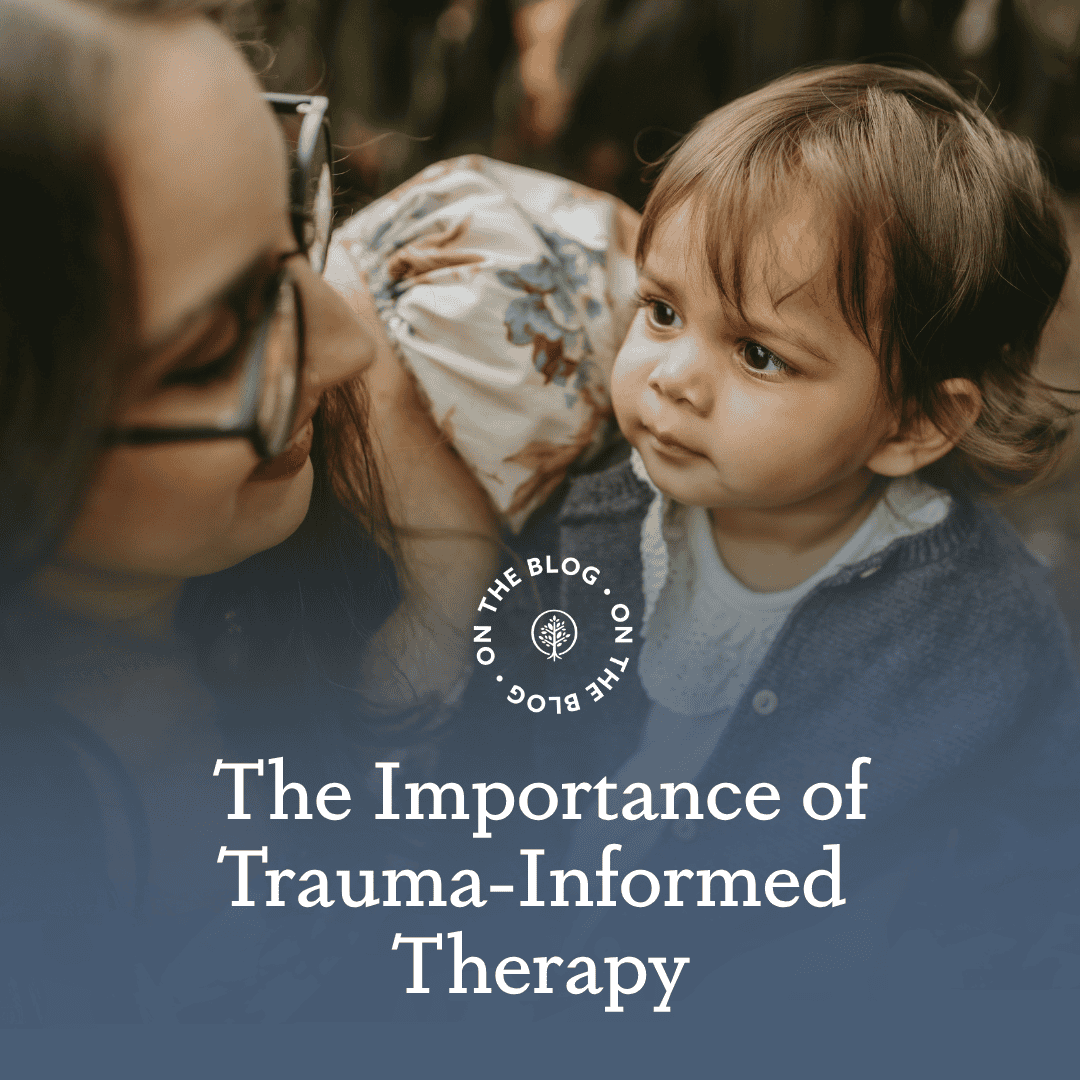
Raising children comes with a diverse array of triumphs and challenges, but when young people face significant emotional or behavioral hurdles, families frequently find themselves searching for specialized professional guidance. For many households, particularly those navigating the complexities of adoption and foster care, these struggles—ranging from generalized anxiety and depression to intense family conflict and sudden behavioral changes—are deeply rooted in past trauma. Recognizing and addressing these underlying experiences is critical, which is why mental health advocates and child development organizations are increasingly emphasizing the profound difference trauma-informed therapy can make in helping a child begin the healing process.
At its core, trauma-informed therapy represents a fundamental shift in how mental health professionals approach psychological distress in young people. Rather than examining a child through a lens of pathology and asking the traditional, often isolating question, "What’s wrong with this child?", a trauma-informed therapist reframes the inquiry entirely. They ask, "What has this child experienced, and what do they need to feel safe?" This shift in perspective allows the therapist to understand how trauma impacts the whole child, shaping every therapeutic intervention and interaction around that foundational comprehension.
In a dedicated trauma-informed setting, clinicians are trained to recognize the subtle and overt signs and symptoms of trauma, actively working toward constructive solutions rather than merely managing symptoms. Throughout this intricate process, the therapist takes profound care to avoid any potential re-traumatization, a risk that is often inadvertently heightened in traditional clinical environments. Furthermore, these specialized practitioners work collaboratively with children, parents, and primary caregivers, equipping them with practical regulation activities and coping mechanisms that can be seamlessly integrated into daily life at home.
The distinction between trauma-informed therapy and traditional therapeutic models is significant, particularly for vulnerable youth. While conventional therapy approaches may be entirely suitable and effective for certain individuals, some of their standard methodologies can inadvertently prove more harmful than helpful for children with a history of trauma. For instance, traditional techniques might involve asking a child to recount their traumatic experiences in detailed narrative form or sharing their deeply personal histories in a group therapy setting. For children whose nervous systems are already hyper-vigilant due to past adversity, such practices can trigger intense fear responses and reinforce distress rather than fostering true healing.
In contrast, trauma-informed therapy deliberately moves at the individual child’s unique pace. It places an unwavering priority on establishing physical and psychological safety, building mutual trust, and nurturing a secure connection. By anchoring the therapeutic journey in a foundation of reliability and predictability, the child is eventually better equipped to engage in the difficult, necessary work of recovery without feeling overwhelmed or threatened.
This specialized approach remains vital even for children who were welcomed into their families through adoption as infants, a demographic where trauma is frequently overlooked by the general public. It is a common misconception that a baby adopted at birth or during early infancy escapes the impact of early adversity. However, the initial separation from a birth mother or primary caregiver, even very early in life, can result in significant developmental and attachment trauma. The psychological and neurological effects of this early disruption often do not manifest until later developmental stages, such as childhood or adolescence, when academic, social, and emotional demands increase. Consequently, maintaining a trauma-informed lens is an invaluable asset for families navigating the long-term realities of adoption and foster care.
For parents and caregivers of children and teens who have experienced adoption or the foster care system, experts recommend seeking out counselors who possess specific training and expertise in adoption-related mental health. Resources such as the national directory provided by the Center for Adoption Support and Education offer structured avenues for families to locate qualified professionals who understand these specialized dynamics.
Organizations like Show Hope have long been at the forefront of advocating for these specialized care models, partnering extensively with entities such as the Karyn Purvis Institute of Child Development to champion Trust-Based Relational Intervention, commonly known as TBRI. According to the KPICD, TBRI offers a practical, highly compassionate framework designed to help the whole child heal. Grounded in contemporary best practices drawn from neuroscience, attachment theory, and developmental research, TBRI provides caregivers with tools to address a child’s complex physical, emotional, and developmental needs. Proponents note that this approach offers what traditional punitive or behavior-modification approaches cannot: authentic connection, neurological regulation, and lasting, generational change within the family unit.
While TBRI principles can be profoundly effective when implemented directly within the home environment, families can also access specialized support by identifying certified TBRI practitioners. These trained professionals work alongside parents and children to incorporate relational and regulation-focused strategies into professional counseling sessions, bridging the gap between clinical intervention and daily family life.
Nevertheless, navigating the mental health landscape often introduces practical hurdles, prominent among them being the financial cost of specialized care. Advocates maintain that financial barriers should never stand in the way of a child receiving the vital mental health services they require. To help alleviate this burden, organizations such as Show Hope offer targeted medical care grants directed to select mental health providers. These financial supports are designed to lower the medical and economic barriers associated with adoption-related care, ensuring that families can access the professional resources they need.
As families walk this complex journey together, mental health professionals and advocacy groups emphasize that there is no shame in seeking external help, counseling, or therapy. Children and adolescents—particularly those whose lives have been shaped by the transitions and challenges of adoption and foster care—often present with unique, intricate needs that require professional expertise to address effectively. Leaders in the field stress that the need for specialized counseling is in no way a reflection of a parent’s or caregiver’s capabilities, dedication, or love. As families begin the search for a qualified therapist or counselor, acknowledging this reality and embracing it as an act of proactive care remains an essential step toward healing for the entire household.
When educators and parents embark on a new academic year, a familiar wave of anxiety often accompanies the fresh notebooks, sharpened pencils, and neatly organized lesson plans. It is a quiet, persistent whisper that crosses kitchen tables, living rooms, and virtual classrooms alike: Am I doing enough?
Several months ago, the leadership team at Simple Homeschool put out an open call to its readership, asking parents to pinpoint their primary homeschooling concern. The response was overwhelming, yielding hundreds of detailed replies from families navigating the daily realities of educating their children at home. Yet, amidst the diverse backgrounds, unique family structures, and varying educational philosophies, a striking commonality emerged. More than 75 percent of the respondents articulated the exact same foundational fear, revealing a shared sense of inadequacy that transcends individual circumstances.
For many, these insecurities do not stay confined to daytime scheduling conflicts or difficult textbook chapters; they frequently linger into the quiet hours of the night, disrupting sleep and fueling self-doubt. Different families and distinct children may present entirely unique challenges, but the underlying psychological weight of the word "enough" appears to be universally felt.
To understand how this concept haunts modern education, it is helpful to examine the parallels between how society views educational output and how it views another finite resource: money.
In financial matters, the pursuit of more is a well-documented human baseline. Most individuals rarely feel as though they possess a surplus of capital, tending to hope for an incremental increase regardless of their current income bracket. However, economic and psychological research into human happiness has long pointed to a distinct threshold. Studies indicate that increased financial resources scale upward with personal happiness only up to a specific baseline—historically cited around $75,000—where basic needs, security, and fundamental desires are reliably met. Beyond that threshold, an accumulation of additional cash fails to produce a measurable increase in daily joy or life satisfaction.
This financial dynamic offers a profound lesson for educators and parents. The concept of "enough" has a distinct set point. Falling below that threshold triggers a very real and justified sense of lack. Yet, simply continuing to add more tasks, assignments, and curriculum requirements past that point yields diminishing returns. The core challenge for educators is identifying that elusive, balanced set point where learning is effective and well-rounded without tipping over into chronic overwhelm.
This realization becomes particularly crucial when administrators or parents sit down with planners, spreadsheets, and digital calendars. The fundamental truth remains that the most meticulously designed schedule or flawless curriculum will never feel sufficient if the person running it does not believe that their baseline efforts already have inherent worth. No checklist or certificate of completion can fundamentally alter a parent’s intrinsic value, nor do daily academic achievements define the character of a household.
Interestingly, this anxiety is not exclusive to domestic classrooms. Conversations with professional educators working within traditional public school systems reveal a strikingly similar psychological landscape. When posed with the question of whether traditional classroom teachers ever feel they are falling short, the response is almost universally affirmative. Even within institutional frameworks, educators who genuinely care about their students constantly wrestle with the quiet fear that they could have done more, explained a concept better, or intervened earlier for a struggling child.
This shared burden brings a strange comfort to those educating at home, reminding them that the pursuit of excellence is inherently tied to a deep sense of responsibility. Furthermore, a closer examination of traditional institutional systems reveals that they are rarely the relentless, highly efficient production lines they are often imagined to be.
Parents frequently construct idealized versions of what a standard school day looks like, contrasting their own living room learning environments against an imaginary benchmark of non-stop academic rigor. However, a glimpse behind the curtain of traditional high schools often tells a different story. Reviewing standard high school syllabi—even within advanced placement tracks such as AP Psychology—frequently reveals that curricula incorporate significant amounts of media consumption, class discussions, and thematic film viewings over the course of a semester. When institutional learning balances academic instruction with cultural analysis through cinema, domestic educators can perhaps reconsider the guilt they feel over incorporating documentaries, read-alouds, or alternative learning formats into their own weekly routines.
The objective is not to critique traditional schooling, but rather to highlight how easily educators hold themselves to an unrealistic, idealized standard of productivity that simply does not exist anywhere in the modern educational landscape.
Rather than attempting to replicate a struggling, rigid institutional framework within the domestic sphere, homeschooling families have a distinct and powerful advantage: the home itself.
The goal of home education should never be to transform a private residence into an impersonal, bureaucratic institution. Instead, "enough" can be defined dynamically, based entirely on what unique children require in their specific developmental moments. For families who anticipate a long-term commitment to home education, the rigid boundaries of artificially constructed grade levels can be safely cast aside, allowing for a flexible, individualized approach to learning.
Conversely, families who face the possibility of reintegrating their children into traditional school environments in the near future may find peace of mind through a steady, incremental focus on foundational academic skills—specifically the traditional pillars of reading instruction, writing, and arithmetic.
Implementing a low-stress, sustainable routine for these core subjects can alleviate fears of falling behind without overwhelming the student or the parent. Utilizing structured workbooks, completing a manageable number of pages daily, and maintaining a predictable rhythm allows families to make consistent progress. Once the baseline academic requirements for the day are successfully completed, the remainder of the schedule can be filled with the authentic, relationship-building experiences that define the true power of a home-centered education.
These unhurried moments—ranging from shared read-alouds, board games, and nature walks to cooking, hands-on projects, and pursuing individual passions—form the fabric of a meaningful childhood. By establishing a healthy baseline of academic progress and pairing it with an environment rich in curiosity and connection, parents can quiet the persistent internal voices questioning their adequacy.
Ultimately, embracing the concept of enough means recognizing that education is not merely a race to finish checklists, but a shared journey of growth. By letting go of impossible standards of perfection, educators and parents alike can create a balanced environment where both learning and genuine human connection are allowed to thrive.
For nearly eight years, a special dish garden occupied the center of a potting bench on a patio in California’s Inland Empire. Created shortly after Alix Wright lost her 22-year-old daughter, Mia, in October 2018, the memorial garden held deep personal significance. It began with succulents from an arrangement sent by a relative for Mia’s memorial service and grew into an intricate tribute filled with symbolic elements.
The garden featured a large terracotta dish-style planter left over from an earlier project, outfitted with carefully chosen accessories purchased from a local succulent store. Among them were a miniature gray bench inscribed with the words "In Loving Memory," a beautiful angel, an angel dog, an angel cat, and a horse, which was Mia’s favorite animal. Tiny pieces of blue glass were arranged to form a river, balancing the gray tones of the decorations against the gray-green foliage of the succulents. Over the years, as plants died or outgrew the container, Wright replaced them with new varieties, including a Bishop’s Mitre and a rosebud-shaped succulent. The terracotta bowl aged gracefully, darkening into a rich shade while the accessories remained pristine.
That steady routine changed abruptly in April 2026. While attempting to move the garden to a different spot on the patio to give the rose-shaped succulent more light, Wright accidentally bumped the table. The dish garden tumbled onto the concrete and shattered into several pieces, scattering plants, accessories, and potting soil across the patio and yard.
The accident brought an immediate wave of emotional distress. To Wright, the shattering of the memorial was far more than an unfortunate household accident. In her mind, the mishap felt symbolic of a deeper failure—a painful echo of her inability to hold her daughter together during her all-too-short life, and now, an apparent inability to safely preserve her memory. The heavy grief was compounded by the internalized weight of her late husband Oliver’s memory, evoking a complex sense of judgment and self-reproach.
Faced with the destruction of the memorial, Wright initially sought a quick replacement. She visited a local garden store and purchased a new terracotta dish, but it lacked the character and history of the original. The clean, unblemished perfection of the new container felt entirely disconnected from the love and memory woven into the first garden. Rejecting the replacement as inadequate, she began searching for a more meaningful solution.
Months earlier, while participating in a bereavement group, Wright had been introduced to kintsugi, the ancient Japanese art of repairing broken pottery using lacquer mixed with metallic dust, most commonly gold. During a group meeting, the facilitator had provided a kintsugi kit containing epoxy, gold, and silver dust, along with broken mugs for the participants to practice on. While the group’s attempts yielded messy, globby results rather than museum-quality pieces, the shared consensus was that life itself is messy and that handmade creations do not need to be perfect to hold profound meaning.
Remembering that lesson, Wright decided to apply the principles of kintsugi to reconstruct Mia’s shattered terracotta container. Despite acknowledging her lack of traditional artistic ability—recalled through past humorous misadventures in ceramics and drawing classes—she committed herself to the project.
Armed with epoxy, epoxy sculpting clay, copper wire, and a drill, Wright spent nearly a month piecing the container back together. As she worked, she listened to audiobooks, transforming the intricate repair process into a personal metaphor. The labor reflected not only the beauty and self-destruction of her daughter’s life, but also the collective efforts of those who had loved Mia and tried in vain to keep her from falling apart.
The restoration process presented numerous technical challenges. The dull gold from the kintsugi kit clashed with the deep orange-red of the terracotta, resembling tarnished brass rather than precious metal. The seams did not align neatly, leaving thick, surgical-scar-like joints, and the two large halves refused to meet evenly at the bottom.
True to her growing resourcefulness, Wright improvised solutions for every obstacle. She used epoxy-clay to smooth awkward seams and fill large gaps, employed copper wire—drilled into place after consulting online tutorials—to stitch together the fractured bottom, and painted over the dull seams with a striking, bright gold paint. When freehand painting of gravestone symbols proved too difficult, she turned to stencils, achieving a result defined less by perfection and more by heartfelt effort.
Through the painstaking month-long restoration, Wright regained a sense of dignity and self-respect. More importantly, she discovered unexpected artistic persistence and ingenuity, ultimately granting herself the same grace she so readily extended to others.
With the reconstructed container repaired and its imperfect beauty more closely mirroring the reality of Mia’s life, the memorial garden was returned to a secure location on the patio. Leftover replacement pots remained tucked away in the back seat of her car, unneeded as Wright embraced a moment of hard-won healing, bridging memory and resilience through the artistry of repair.
For generations of young readers and the adults who share stories with them, few names evoke the same warmth, emotional depth, and literary craftsmanship as Kate DiCamillo. The celebrated author, whose works have shaped the contemporary landscape of children’s and middle-grade literature, has made a welcome return to the airwaves for a special podcast conversation that dives deep into her storied career, her creative philosophy, and a milestone celebration for one of her most beloved modern classics.
Appearing as a featured guest on a recent episode of the Read-Aloud Revival broadcast, DiCamillo sat down for an extended conversation centered around the release of a brand-new, exquisitely crafted 20th-anniversary edition of The Miraculous Journey of Edward Tulane. The collector’s-grade volume brings renewed attention to the poignant story of a china rabbit who learns the true meaning of love and heartbreak, an offering that is already drawing excitement from collectors, longtime fans, and educators alike.
The conversation opened with a warm reception from the show’s host, who has welcomed DiCamillo to the program and its associated reading community several times over the years. Noting that conversations with the author are always a highlight for listeners, the host highlighted the enduring appeal of DiCamillo’s literary footprint, reminding audiences of the vast range of characters that have captured young imaginations across the globe. From the breezy, humorous antics of the Mercy Watson early reader series to the high-stakes emotional stakes of Newbery Medal winners like The Tale of Despereaux and the heartwarming community of Because of Winn-Dixie, DiCamillo’s bibliography has established her as a defining voice in children’s literature.
The focal point of the recent interview, however, was the milestone publication honoring two decades of The Miraculous Journey of Edward Tulane. First published in 2006, the novel follows the extraordinary physical and emotional odyssey of Edward, a vain and self-absorbed porcelain rabbit who is accidentally lost overboard on an ocean voyage and subsequently passes through the hands of various owners across America. Through hardship, loneliness, and ultimately grace, Edward’s heart is forced to open. The new anniversary edition presents the classic tale in a stunning collector’s format designed to appeal to bibliophiles and families looking to pass treasured stories down to younger generations.
During the interview, DiCamillo offered listeners a behind-the-scenes look at the genesis of the book, discussing the surprising real-life gift that originally inspired the narrative of the haughty china rabbit. Authorship, for DiCamillo, has always been an act of deep listening and emotional honesty rather than a calculated attempt to secure commercial approval. In their wide-ranging chat, she and the host explored what it means to write in service of the story itself, resisting external pressures to please specific audiences and instead trusting the internal logic and emotional truth of the characters. This unwavering commitment to narrative integrity has been a hallmark of DiCamillo’s career, earning her widespread critical acclaim, multiple literary honors, and a fiercely loyal international readership.
The conversation also touched upon the broader philosophy of reading aloud and sharing stories within families and classrooms, a mission central to the hosting platform’s community. DiCamillo’s books have long been staples of family reading routines, prized for their ability to spark profound conversations between children and adults regarding empathy, loss, forgiveness, and the human condition. The introduction of the 20th-anniversary edition of Edward Tulane provides a natural touchstone for a new wave of readers to discover the profound emotional resonance of the text, while offering nostalgic adults an opportunity to revisit a modern literary landmark.
As the literary community marks twenty years since Edward Tulane first began his unexpected journey across the map and into the hearts of readers, DiCamillo’s ongoing engagement with her audience underscores the enduring power of well-crafted children’s literature. Whether through the lighthearted adventures of a buttered-toast-loving pig or the quiet, transformative suffering of a porcelain toy, DiCamillo continues to demonstrate that books written for young people possess the capacity to speak directly to the deepest chambers of the human heart, regardless of the reader’s age.