Mediterranean Bean Salad Emerges as a Versatile, Make-Ahead Staple for Busy Schedules
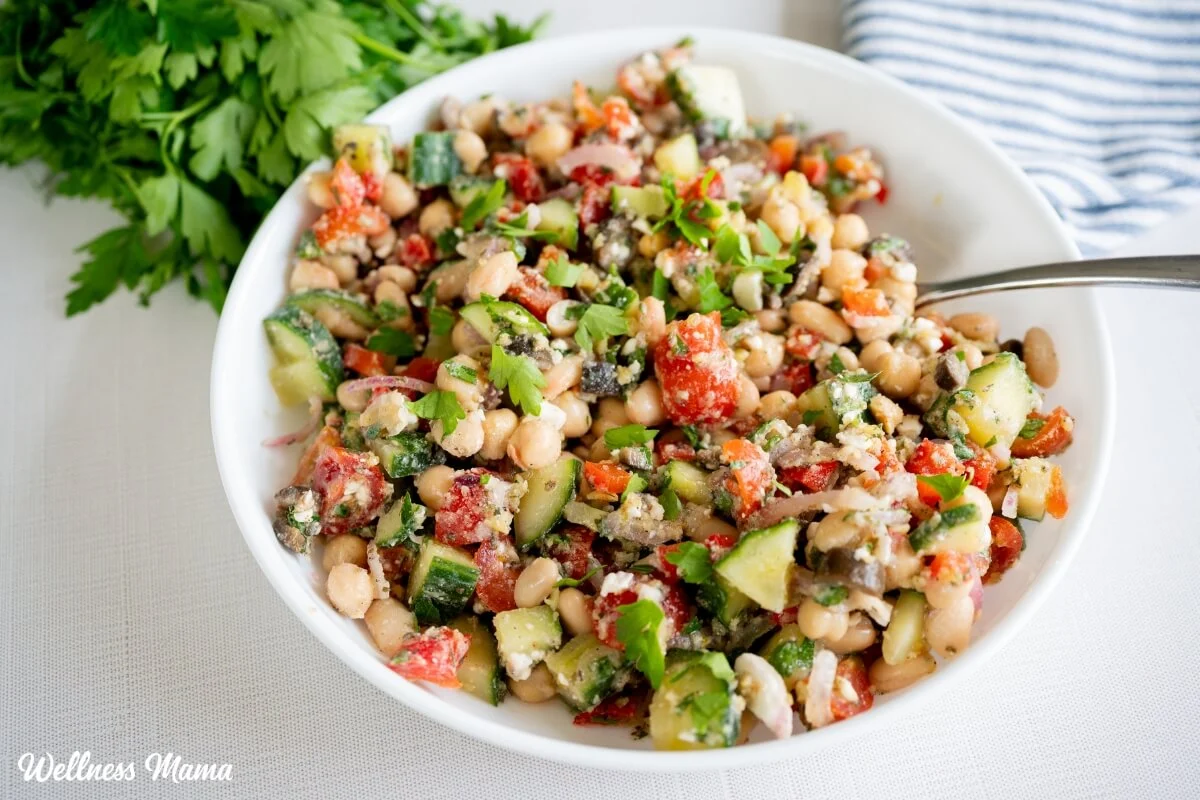
In the ongoing pursuit of simple, efficient, and flavorful meal options, home cooks and busy families are increasingly turning to dishes that bridge the gap between convenience and nutrition. Among the latest recipes gaining traction in meal-planning circles is a vibrant Mediterranean bean salad designed to withstand the test of time in the refrigerator while offering a robust profile of complex flavors and wholesome ingredients.
The appeal of the dish lies in its combination of practicality and culinary depth. Built around a foundation of nutrient-dense legumes, fresh garden vegetables, and a bright, herb-infused dressing, the salad addresses a common modern dietary challenge: finding meals that can be prepared well in advance without sacrificing texture or taste.
The Anatomy of a Make-Ahead Mediterranean Dish
At the core of the recipe are chickpeas and cannellini beans, a pairing chosen specifically for its texture, protein content, and dietary fiber. Legumes have long been recognized by nutritionists as a valuable source of complex carbohydrates and plant-based protein, helping to sustain energy levels and provide satiety. In this preparation, the beans are complemented by a colorful array of fresh vegetables, including crisp cucumbers, juicy tomatoes, and bell peppers, which introduce essential crunch and visual appeal.
To anchor the dish in traditional Mediterranean flavors, the recipe incorporates savory elements such as olives and feta cheese, providing a salty bite that balances the earthiness of the beans. The dressing serves as the unifying component, relying on high-quality real olive oil to deliver beneficial monounsaturated fats, alongside freshly squeezed lemon juice to introduce a sharp tang. This mixture is further elevated by a blend of traditional herbs, including mint, oregano, garlic, and parsley.
Culinary experts note that one of the primary advantages of this specific formulation is its resilience. Unlike traditional green salads that rely on delicate leafy greens, this bean-based alternative does not wilt or become soggy after prolonged storage. In fact, culinary observations indicate that the flavors actually improve over time as the ingredients marinate, making the dish well-suited for storage in the refrigerator for three to four days.
Flexibility and Practicality in Daily Meal Planning
The modern culinary landscape places a high premium on versatility, and this Mediterranean bean salad is designed to adapt to various dining scenarios. It functions effectively as a standalone light lunch, a side dish to accompany grilled meats such as pork loin, or a primary component for quick dinners on demanding evenings.
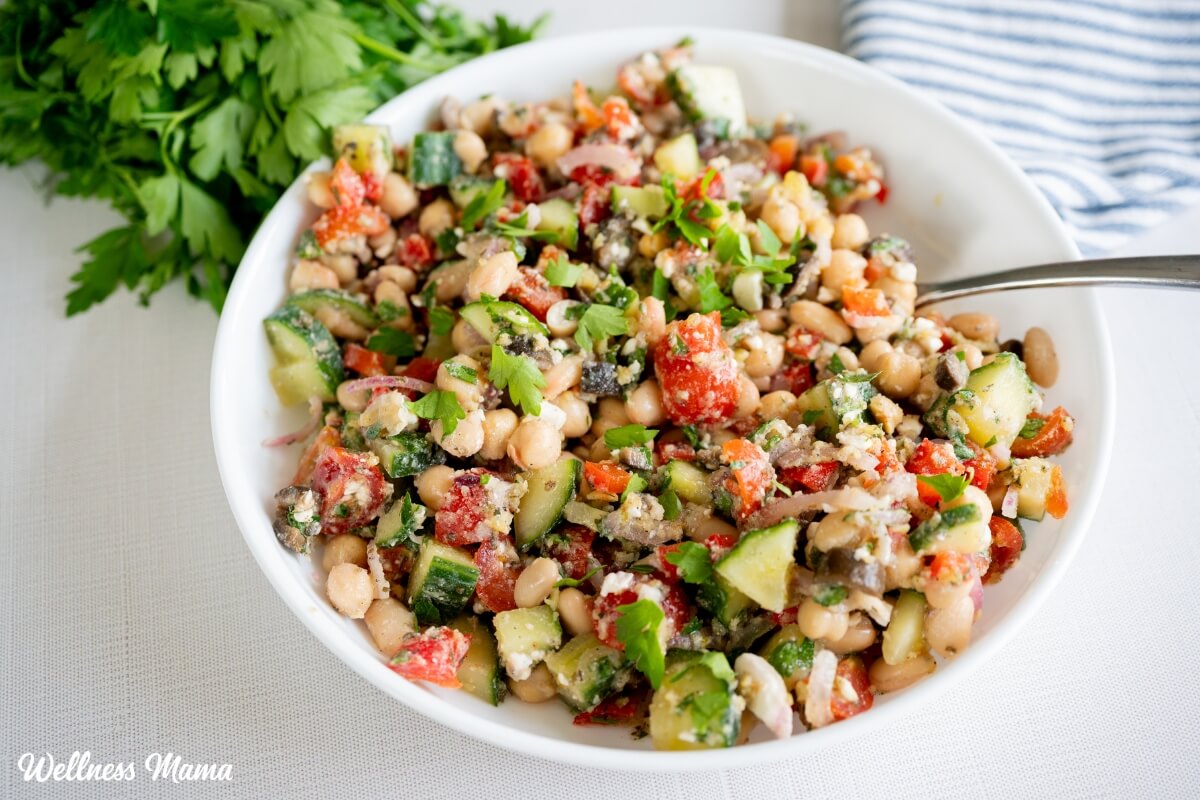
Furthermore, the recipe’s adaptability extends to its ingredient list, allowing cooks to substitute components based on availability and personal preference. Cannellini beans can be readily swapped for Great Northern beans or butter beans, while Kalamata olives can be introduced for individuals seeking a more pronounced flavor profile. The addition of diced avocado just prior to serving offers an extra layer of creaminess for those looking to modify the texture.
The preparation process itself emphasizes simplicity and resourcefulness. Rather than requiring specialized culinary equipment, the dressing can be mixed quickly by combining the ingredients in a pint-sized Mason jar, capping it securely, and shaking vigorously. This approach aligns with broader trends toward homemade dressings, which proponents argue offer superior freshness, simplicity, and affordability compared to commercially manufactured alternatives.
Nutritional Profile and Community Engagement
From a nutritional standpoint, a standard one-cup serving of the Mediterranean bean salad delivers a balanced profile designed to meet the demands of a health-conscious diet. Each serving contains approximately 200 calories, with 11 grams of fat derived primarily from heart-healthy monounsaturated fats found in the olive oil. The dish provides 20 grams of carbohydrates, anchored by 6 grams of dietary fiber—representing roughly 25 percent of the recommended daily value—along with 8 grams of protein.
Micronutrient contributions are similarly notable, with the salad supplying significant percentages of daily vitamin A, vitamin C, calcium, and iron, largely driven by the inclusion of fresh vegetables and herbs. Because the recipe yields a generous quantity, it scales easily for larger gatherings, making it a popular choice for potlucks, picnics, and barbecues where dishes need to maintain their quality whether served chilled or at room temperature.
Culinary advocates emphasize that allowing the salad to rest for at least fifteen minutes before serving is essential for optimal flavor development, as it permits the citrus and herb dressing to fully penetrate the beans and vegetables. For those preparing the dish days in advance, a quick toss prior to serving—along with an optional final squeeze of fresh lemon juice—ensures the flavors remain vibrant.
As individuals continue to seek out efficient ways to balance nutrition and busy schedules, simple yet complex dishes like this Mediterranean bean salad highlight a growing preference for meals that prioritize preparation efficiency without compromising on wholesome ingredients or culinary satisfaction.
