Faith and Democracy: How Interfaith America’s Vote is Sacred Fellows are Safeguarding the 2026 Midterms
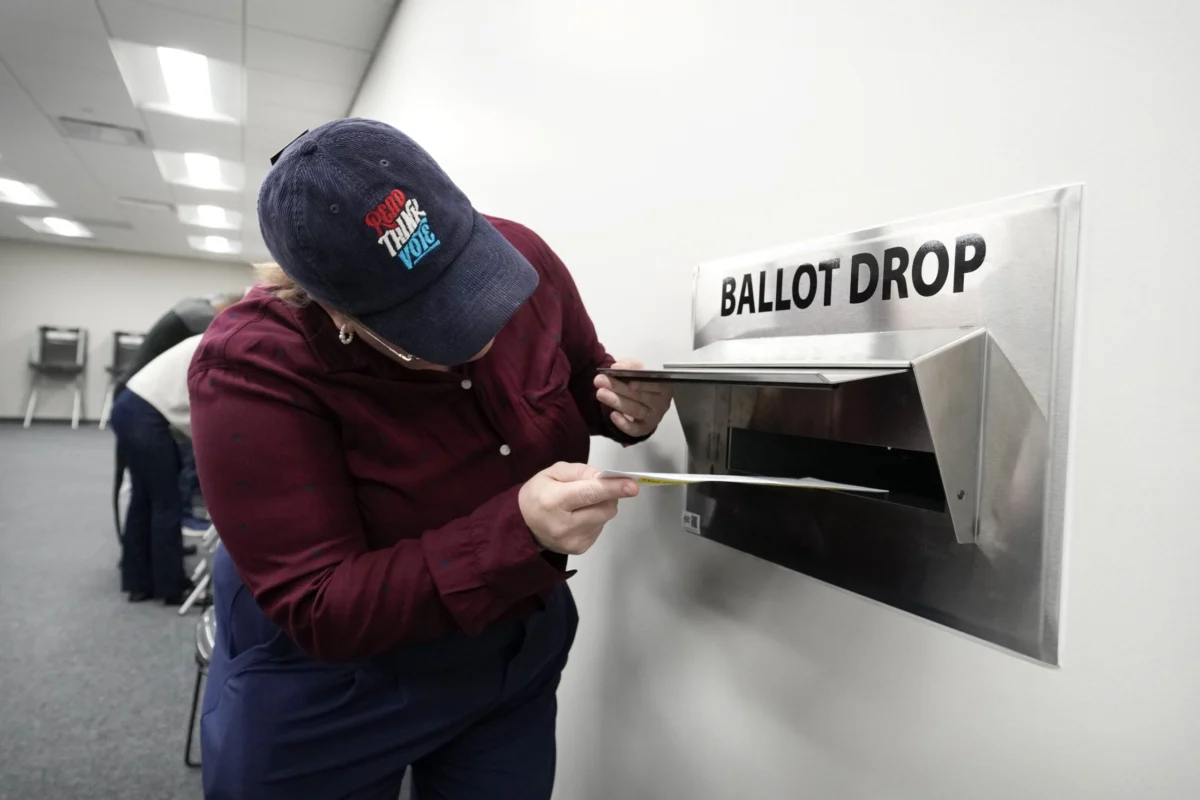
As the 2026 midterm elections draw closer, civil society and faith-based leaders across the United States are stepping up their efforts to protect free and fair elections. Grounded in a shared commitment to fostering trust, respecting diverse viewpoints, and cooperating across deep community differences, these organizations are addressing the unique anxieties of an increasingly polarized political landscape. Ahead of the legislative and congressional matchups, Interfaith America connected with three leaders participating in the Vote is Sacred (VIS) fellowship. These fellows shared insights into the distinct challenges facing their regions, outlined how they are working to safeguard democracy at both the state and local levels, and offered advice on how people of faith can meaningfully support their communities during a high-stakes electoral season.
Meeting the Challenges of the Midterm Season
This election cycle, Americans are grappling with widespread uncertainty and fear. While the specific concerns surrounding the ballot box look different from one community to the next, an essential component of building pluralism and restoring trust—both in the integrity of the electoral process and in fellow citizens—is the willingness to acknowledge these challenges openly rather than sweeping them under the rug.
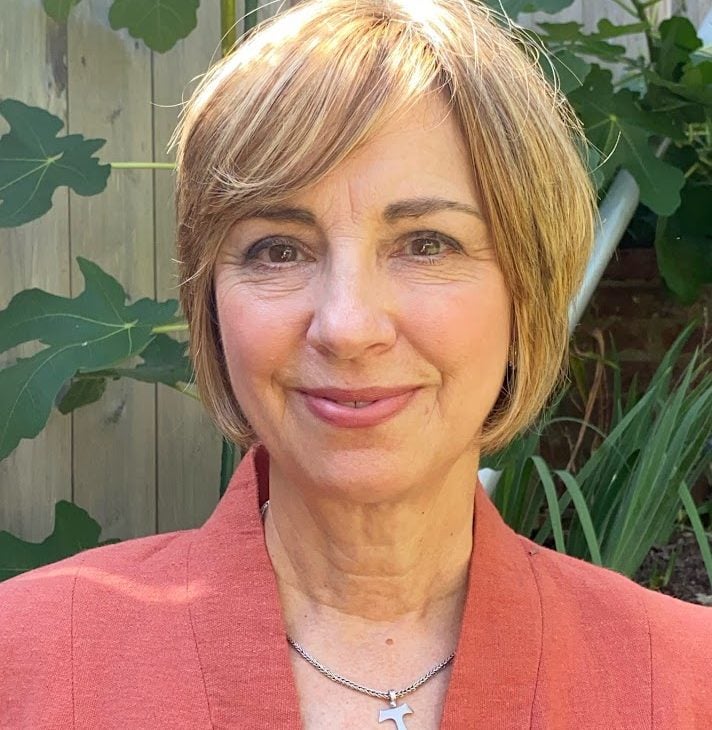
Michele Dunne, Executive Director at the Franciscan Action Network, is quick to point out that the issues dominating this midterm season range from alarming threats of electoral sabotage to systemic voter suppression, all of which manifest differently at the local level. Ensuring that the electorate has access to accurate information is a primary obstacle. One thing that will be a concern everywhere, she notes, is getting proper information and getting correct information to the voters who need it most.
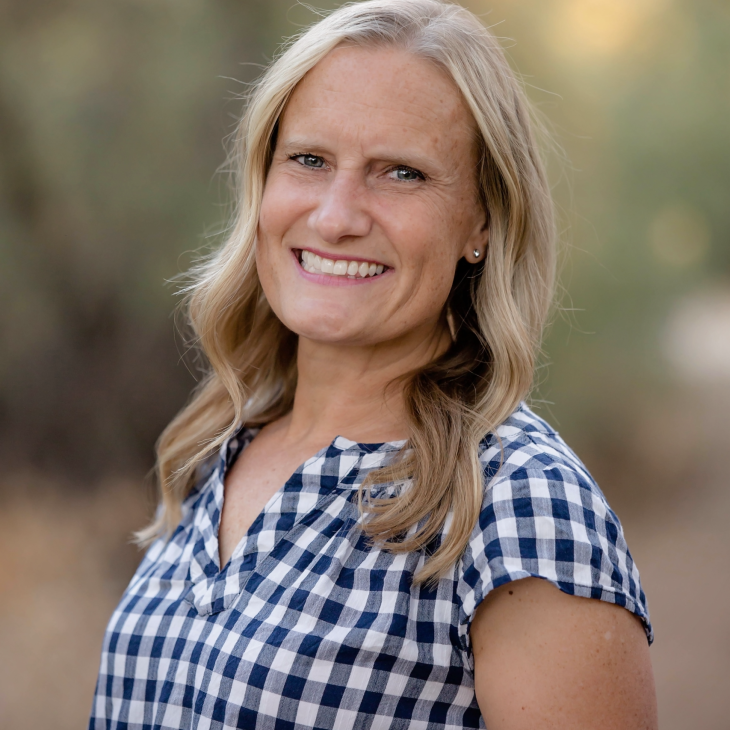
For Jane Andersen, the Arizona Director at Mormon Women for Ethical Government (MWEG), voter apathy presents an equally formidable barrier to civic health. Everyday voters are increasingly overwhelmed by the sheer volume of news and quasi-news that bombards them daily through digital media channels, traditional outlets, and social networks. Consequently, people are becoming less and less willing to buck the trend of what modern politics looks like and dive into the hard work of civic participation. That phenomenon worries her the most, she explains, because as individual citizens, people really do hold an immense amount of foundational power.
Compounding these structural and informational hurdles is a growing fear surrounding the very act of engaging with the democratic process in certain vulnerable populations. Dunne highlights anxieties about the potential presence of law enforcement or federal immigration officials, such as Immigration and Customs Enforcement (ICE), deployed in communities and stationed near polling places on election day, and how such a presence could create a severe intimidating effect on immigrant communities and minority voters.
Ria Chakrabarty, Senior Policy Director at Hindus for Human Rights (HfHR), identifies escalating hate directed toward South Asian communities, rising Islamophobia, and persistent anti-immigrant sentiment as significant and dangerous issues defining this midterm season. This hostile climate makes people genuinely afraid to even want to participate in democracy, she observes, referencing recent political vitriol targeting South Asian Americans as well as hateful rhetoric aimed at Haitian immigrants. Under those circumstances, individuals often default to a survival instinct, wanting to keep their heads down and avoid engaging with anything controversial. That retreat from civic life creates a profound problem for the health of the republic.
Different Communities, Shared Democratic Commitments
In response to the myriad challenges facing modern democracy, VIS fellows remain steadfastly committed to mobilizing their respective communities in support of free and fair elections. Just as local neighborhoods and diverse constituencies face a wide variety of obstacles, the practical approaches to election protection and civic engagement differ significantly from one organization to another.
Mormon Women for Ethical Government embraces a diverse group in terms of its composition, reflecting a broad range of viewpoints even across the political spectrum. Participating in the fellowship has proven encouraging for Andersen, who notes the creativity other leaders use to reach their respective audiences. For MWEG, this work translates directly into demystifying the electoral process for its constituency. Months leading up to the midterms have focused on familiarizing women with the mechanics of running an election. These efforts are illuminated by scheduled visits with elected officials, shared media literacy content designed to combat misinformation, hosted educational trips to the Maricopa County Tabulation Office and Election Center, and specialized voter preparation parties.
Meanwhile, the Franciscan Action Network remains firmly dedicated to the nonpartisan work of upholding a free and fair election process. This mission includes the careful recruitment and training of poll chaplains—individuals organized in teams with other people of faith who station themselves outside polling places. These chaplains assist voters in any practical way they might need, helping to create a peaceful and positive atmosphere while actively working to de-escalate potential conflicts before they disrupt voting sites.
At Hindus for Human Rights, election protection takes the form of identifying and tracking how domestic threats to democracy and international authoritarianism are linked. The organization strives to create a reliable landing place for individuals whose deep commitment to democracy compels them to act, even when they face the persistent fear of retaliation or deportation. Chakrabarty underscores the importance of encouraging constituents to stay engaged far beyond election season as HfHR builds a new chapter and cultivates strong community ties in Georgia. After the elections conclude, constituents are equipped to continue talking about the issues they care about. Once the candidates they have elected take office, HfHR ensures that local officials in the Atlanta metro area continue hearing from the community consistently throughout the legislative term.
Advice for Showing Up as People of Faith
As communities navigate the complexities of the upcoming midterms, faith leaders emphasize the necessity of rooting civic action in deep spiritual principles. It is important for each organization or faith tradition to spend a little time discerning the spiritual grounding they are bringing to this critical work, Dunne notes. For the Franciscans, operating as a completely nonpartisan organization is guided by a foundational commitment to nonviolence and to democracy as the primary system available in the United States for resolving political differences peacefully.
Drawing on her membership in the Church of Jesus Christ of Latter-Day Saints, Andersen invokes a call from LDS President Dallin H. Oaks urging believers to act as agents of peacemaking in modern culture. This religious imperative serves as a vital motivation for her civic engagement with MWEG. Empowering people to recognize that, as people of faith, core moral principles guide how they create specific societal impacts is what separates them from individuals who are solely politically motivated. Approaching politics from a viewpoint of faith provides a fresh and badly needed perspective in polarized times, she adds.

For Chakrabarty, the essential first step to effective democracy work—particularly when attempting to welcome individuals who are hesitant to make their voices heard—involves simply showing up, listening carefully to people, and providing them with the concrete tools they can use to feel back in control of their civic lives. Providing accessible materials and resources for practical ways to get involved helps empower everyday constituents to take meaningful action. Democracies are just as strong as the people who are involved in them, she notes.
Looking ahead toward the 2026 midterms, Dunne maintains a sense of enduring hope. People are stepping forward, she observes, expressing a profound belief in the necessity of a peaceful and properly functioning democracy in the country. They want to be present, and they want to play a constructive role in shaping the future of the nation.
