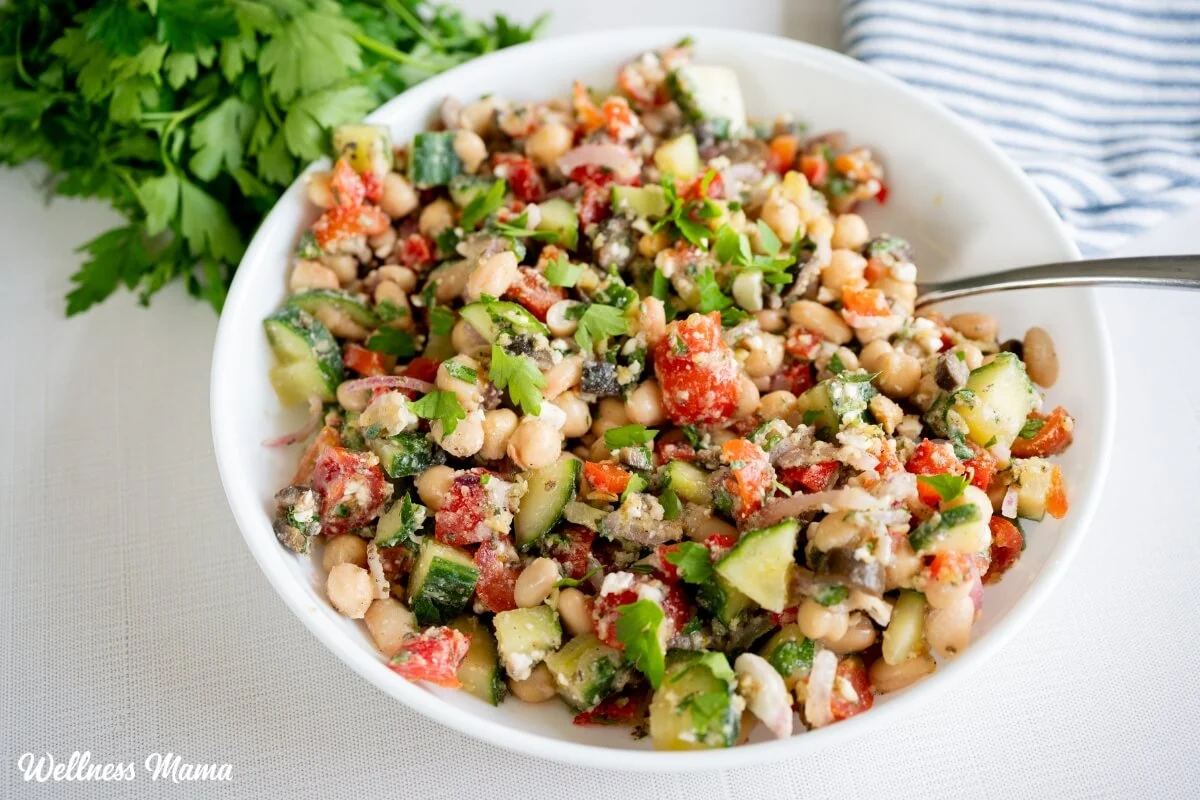
In an era where consumers are constantly searching for quick, nutritious meal options that do not sacrifice flavor, a remarkably simple yet vibrant Mediterranean bean salad is gaining traction as a versatile staple for home kitchens. Designed to bridge the gap between wholesome nutrition and effortless preparation, this dish offers a refreshing solution for busy households looking to streamline their weekly meal planning.
The culinary landscape has increasingly favored dishes that can be prepared in advance without losing their structural integrity or taste. Traditional leafy green salads, while popular, often present a logistical challenge when stored, quickly wilting and turning soggy within hours of dressing. By shifting the base away from delicate greens and centering it on nutrient-dense legumes, this Mediterranean-inspired recipe provides a durable, reliable option that actually improves in flavor over time as the ingredients meld together in the refrigerator.
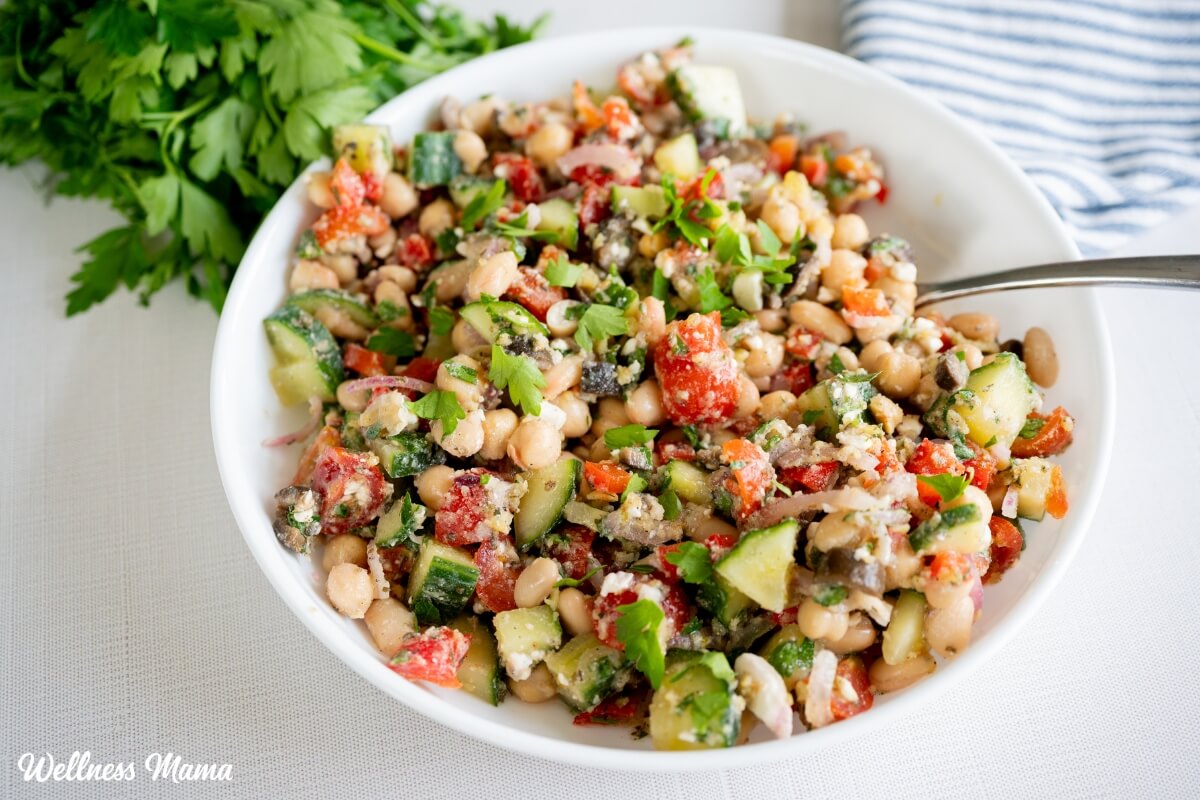
At the heart of the dish is a thoughtful combination of chickpeas and cannellini beans. This protein- and fiber-rich duo delivers a satisfying, hearty texture while supplying complex carbohydrates designed to keep hunger at bay. Complementing the beans is a colorful medley of fresh, crunchy vegetables, including crisp cucumbers, juicy tomatoes, and vibrant bell peppers. To elevate the profile and lean into a classic Greek-inspired flavor profile, savory olives and crumbled feta cheese are folded into the mix, offering a salty bite that ties the entire dish together.
The dressing relies on a straightforward, minimalist approach that highlights the quality of its components. Real extra virgin olive oil serves as the foundation, providing essential healthy fats and a robust flavor, while fresh lemon juice cuts through with a bright, clean tang. Enhanced by aromatic herbs such as mint, oregano, garlic, and parsley, the dressing transforms the simple ingredients into a complex, flavorful dish suitable for a wide variety of dining occasions.
The Versatility of Make-Ahead Preparation
One of the primary appeals of this bean salad is its exceptional flexibility in meal planning. Capable of maintaining its fresh texture and vibrant taste for three to four days in the refrigerator, it functions seamlessly as a quick lunch, a reliable side dish for grilled meats, or a straightforward dinner option on hectic evenings. Because the ingredients do not break down rapidly under refrigeration, cooks can easily prepare a batch ahead of time and rely on it throughout the workweek.
Culinary enthusiasts and home cooks often emphasize the efficiency of preparing homemade salad dressings rather than relying on store-bought alternatives, which can be costly and laden with preservatives. By utilizing simple kitchen tools—such as a standard glass mason jar—dressings can be emulsified instantly through a vigorous shake, merging the olive oil, lemon juice, and herbs into a cohesive mixture with minimal effort.
Furthermore, the recipe’s inherent adaptability makes it easy to modify based on pantry inventory and personal preferences. Cannellini beans can be readily swapped for Great Northern beans or butter beans, while Kalamata olives can be introduced for a more robust flavor profile. For those seeking additional creaminess, diced avocado can be folded in just prior to serving. The dish scales effortlessly, making it an ideal candidate for large family gatherings, potlucks, picnics, or outdoor barbecues where food needs to hold up well at varying temperatures.
Maximizing Flavor and Culinary Integration
Achieving the optimal flavor profile requires minimal yet deliberate timing. Culinary experts recommend allowing the salad to rest for at least fifteen minutes before serving, giving the dressing adequate time to permeate the beans and vegetables. For those preparing the dish in advance, a quick final toss before plating, accompanied by an optional fresh squeeze of lemon juice, revitalizes the flavors entirely.
With nutritional metrics indicating a balanced profile featuring substantial dietary fiber, plant-based protein, and essential vitamins derived from fresh produce, the salad aligns well with modern nutritional priorities. It delivers a dense array of nutrients per single-cup serving, balancing healthy monounsaturated fats with complex carbohydrates and vital micronutrients like vitamin C and iron.
As individuals continue to navigate demanding daily schedules, the demand for straightforward, nutrient-dense recipes that require minimal active preparation time remains high. This Mediterranean bean salad stands out as a practical response to that need, proving that convenience and wholesome ingredients can coexist harmoniously on the modern dinner table.
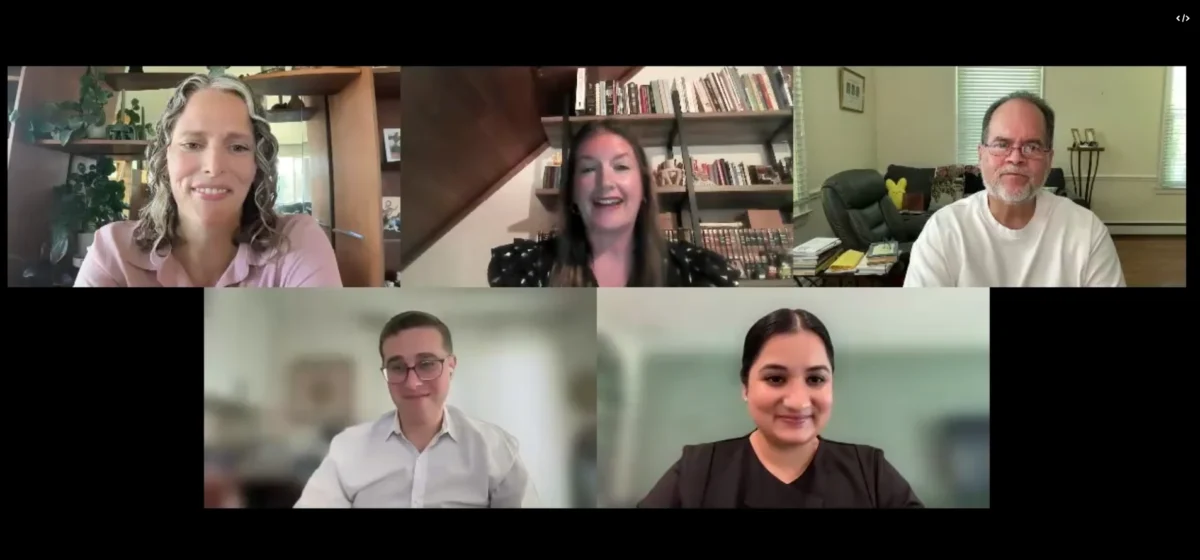
As the United States looks ahead to the crucial 2026 midterm elections, civic and religious organizations are ramping up efforts to safeguard the democratic process. In a recent virtual gathering, four prominent faith and civic leaders—all designated as 2026 Vote is Sacred Fellows through Interfaith America—came together to discuss the intersection of spirituality, community engagement, and election protection.
The initiative brings together leaders who are deeply committed to ensuring that upcoming elections remain free, fair, and peaceful. For this specific session, the fellows utilized the "Living Room Conversation" format, a structured dialogue model designed to empower everyday citizens to engage in meaningful discussions about critical national issues with peers from diverse backgrounds and political affiliations.
Moderated by Becca Kearl, Director of Empowerment for Mormon Women for Ethical Government, the discussion provided a platform for these leaders to reflect on how their respective faith traditions inform their civic duties. Furthermore, the participants explored the unique challenges facing modern American democracy and identified practical opportunities to restore and build public trust in the electoral system.
Faith in Elections
The role of religion in public life is often viewed through a lens of division, but the Vote is Sacred Fellows highlighted how their spiritual traditions serve as powerful motivators for unity, justice, and protection of the ballot box. Rather than separating faith from civic participation, these leaders draw directly from their religious and philosophical roots to justify their dedication to electoral integrity.
Aasees Kaur, Community Development Director at the Sikh Coalition, emphasized that her daily work protecting the vote is an extension of her deepest spiritual convictions.
"I lean on the Sikh principle that there is nothing higher than truthful living," Kaur explained during the virtual dialogue. "The work that we do to share accurate information, make sure everyone knows their rights at the polls, empower each and every human being, [and] honor their inherent dignity as they show up to cast their vote" is entirely rooted in this foundational principle of truth and service to others.
For Jeremy Bannett, Vice President of Programs and Partnerships at A More Perfect Union, the motivation to ensure free, fair, safe, and accessible elections stems directly from his Jewish identity and historical awareness. Bannett pointed out that the stability and openness of the American political system have provided a unique environment for minority communities to thrive.
"American democracy has really enabled the Jewish community here to flourish in a way that is pretty remarkable across the scope of world history," Bannett noted. He added a critical caveat that underpins the entire democratic experiment: "We know that the rights and the freedoms and the opportunities that democracy provides only work if they’re available equally to everybody."
Throughout the discussion, the fellows underscored that protecting the right to vote is not merely a partisan political preference, but a profound moral and ethical obligation. By connecting civic duty to enduring spiritual values, these leaders aim to inspire broader participation and deeper respect for the democratic institutions that govern American society.
Building Trust in Democracy
Moving beyond the philosophical motivations rooted in faith, the conversation quickly shifted to actionable strategies for addressing the pervasive distrust currently affecting American elections. Polarization, misinformation, and skepticism regarding election administration pose significant threats to the democratic fabric, making the restoration of public confidence a top priority for civic organizations.
Becca Kearl, who guided the discussion as moderator, emphasized that public confidence cannot be manufactured through public relations campaigns alone; rather, it requires intentional, grassroots effort and interpersonal connection.
"Trust just doesn’t happen," Kearl observed. "You invest in it through connection, asking hard questions, trying to understand another person better, appreciate our differences, and finding common ground."
This theme of local connection was strongly echoed by Jennifer Daniels, President of the Faith Citizenship Institute. Daniels drew attention to the inherently localized nature of American elections, arguing that the decentralized structure of voting is one of the nation’s greatest democratic strengths rather than a vulnerability.
"I think that’s a really beautiful part of our democracy," Daniels said. "While we may be voting about controversial and polarizing issues that are happening far away from us, we’re actually doing it together as a community right in our own backyard […] so personal relationships and even understanding the process can give a sense of positivity and hope."
By focusing on the local level—where neighbors interact with neighbors at polling places, serve as poll workers, and manage local election boards—citizens can witness firsthand the integrity and transparency of the voting process. This localized engagement serves as an antidote to the abstract fear and suspicion often amplified on national media platforms.
Despite acknowledging the formidable challenges that lie ahead on the road to the 2026 midterms, the participants maintained a shared sense of optimism. They argued that hope is a necessary component of civic leadership, one that sustains communities through periods of intense political friction.
The Rev. Carlos Malave, founder of the Latino Christian National Network, pointed to the enduring nature of human decency and shared American values as the primary source of his optimism.
"What is giving me hope right now is the resiliency of our sense of commonality," Malave reflected. "The bottom line is that I do trust the common good. I do trust the heart of people. And if we continue to work together towards educating people and coming out of goodwill, people will see that."
As Interfaith America’s Vote is Sacred Fellows continue their work leading up to the 2026 midterm elections, initiatives like these Living Room Conversations provide a vital blueprint for how communities can bridge divides, honor diverse faith traditions, and reaffirm their collective commitment to a peaceful and democratic society.