Navigating Childhood Trauma: The Essential Role of Trauma-Informed Therapy in Adoption and Foster Care

Raising children comes with a diverse array of triumphs and challenges, but when young people face significant emotional or behavioral hurdles, families frequently find themselves searching for specialized professional guidance. For many households, particularly those navigating the complexities of adoption and foster care, these struggles—ranging from generalized anxiety and depression to intense family conflict and sudden behavioral changes—are deeply rooted in past trauma. Recognizing and addressing these underlying experiences is critical, which is why mental health advocates and child development organizations are increasingly emphasizing the profound difference trauma-informed therapy can make in helping a child begin the healing process.
At its core, trauma-informed therapy represents a fundamental shift in how mental health professionals approach psychological distress in young people. Rather than examining a child through a lens of pathology and asking the traditional, often isolating question, "What’s wrong with this child?", a trauma-informed therapist reframes the inquiry entirely. They ask, "What has this child experienced, and what do they need to feel safe?" This shift in perspective allows the therapist to understand how trauma impacts the whole child, shaping every therapeutic intervention and interaction around that foundational comprehension.
In a dedicated trauma-informed setting, clinicians are trained to recognize the subtle and overt signs and symptoms of trauma, actively working toward constructive solutions rather than merely managing symptoms. Throughout this intricate process, the therapist takes profound care to avoid any potential re-traumatization, a risk that is often inadvertently heightened in traditional clinical environments. Furthermore, these specialized practitioners work collaboratively with children, parents, and primary caregivers, equipping them with practical regulation activities and coping mechanisms that can be seamlessly integrated into daily life at home.
The distinction between trauma-informed therapy and traditional therapeutic models is significant, particularly for vulnerable youth. While conventional therapy approaches may be entirely suitable and effective for certain individuals, some of their standard methodologies can inadvertently prove more harmful than helpful for children with a history of trauma. For instance, traditional techniques might involve asking a child to recount their traumatic experiences in detailed narrative form or sharing their deeply personal histories in a group therapy setting. For children whose nervous systems are already hyper-vigilant due to past adversity, such practices can trigger intense fear responses and reinforce distress rather than fostering true healing.
In contrast, trauma-informed therapy deliberately moves at the individual child’s unique pace. It places an unwavering priority on establishing physical and psychological safety, building mutual trust, and nurturing a secure connection. By anchoring the therapeutic journey in a foundation of reliability and predictability, the child is eventually better equipped to engage in the difficult, necessary work of recovery without feeling overwhelmed or threatened.
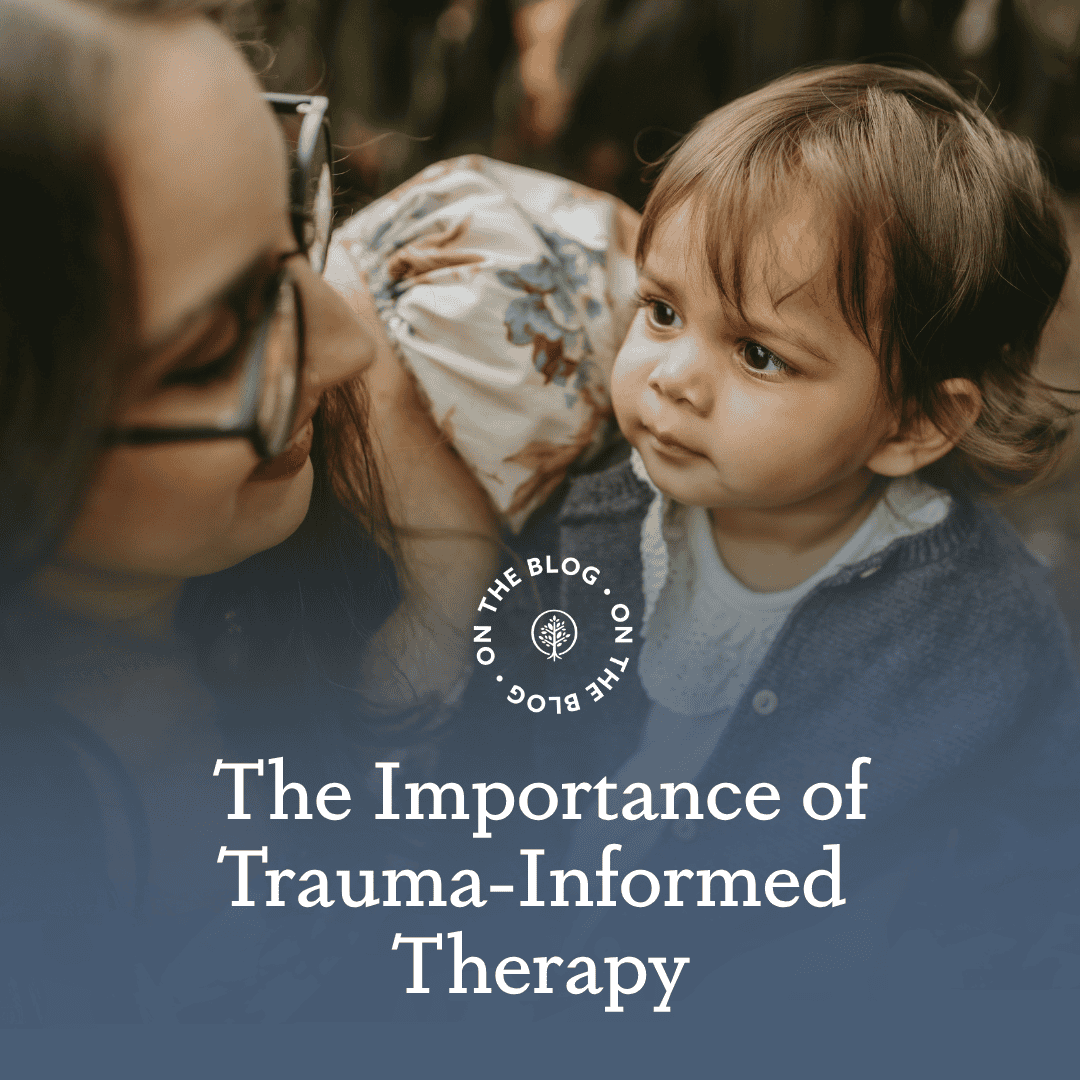
This specialized approach remains vital even for children who were welcomed into their families through adoption as infants, a demographic where trauma is frequently overlooked by the general public. It is a common misconception that a baby adopted at birth or during early infancy escapes the impact of early adversity. However, the initial separation from a birth mother or primary caregiver, even very early in life, can result in significant developmental and attachment trauma. The psychological and neurological effects of this early disruption often do not manifest until later developmental stages, such as childhood or adolescence, when academic, social, and emotional demands increase. Consequently, maintaining a trauma-informed lens is an invaluable asset for families navigating the long-term realities of adoption and foster care.
For parents and caregivers of children and teens who have experienced adoption or the foster care system, experts recommend seeking out counselors who possess specific training and expertise in adoption-related mental health. Resources such as the national directory provided by the Center for Adoption Support and Education offer structured avenues for families to locate qualified professionals who understand these specialized dynamics.
Organizations like Show Hope have long been at the forefront of advocating for these specialized care models, partnering extensively with entities such as the Karyn Purvis Institute of Child Development to champion Trust-Based Relational Intervention, commonly known as TBRI. According to the KPICD, TBRI offers a practical, highly compassionate framework designed to help the whole child heal. Grounded in contemporary best practices drawn from neuroscience, attachment theory, and developmental research, TBRI provides caregivers with tools to address a child’s complex physical, emotional, and developmental needs. Proponents note that this approach offers what traditional punitive or behavior-modification approaches cannot: authentic connection, neurological regulation, and lasting, generational change within the family unit.
While TBRI principles can be profoundly effective when implemented directly within the home environment, families can also access specialized support by identifying certified TBRI practitioners. These trained professionals work alongside parents and children to incorporate relational and regulation-focused strategies into professional counseling sessions, bridging the gap between clinical intervention and daily family life.
Nevertheless, navigating the mental health landscape often introduces practical hurdles, prominent among them being the financial cost of specialized care. Advocates maintain that financial barriers should never stand in the way of a child receiving the vital mental health services they require. To help alleviate this burden, organizations such as Show Hope offer targeted medical care grants directed to select mental health providers. These financial supports are designed to lower the medical and economic barriers associated with adoption-related care, ensuring that families can access the professional resources they need.
As families walk this complex journey together, mental health professionals and advocacy groups emphasize that there is no shame in seeking external help, counseling, or therapy. Children and adolescents—particularly those whose lives have been shaped by the transitions and challenges of adoption and foster care—often present with unique, intricate needs that require professional expertise to address effectively. Leaders in the field stress that the need for specialized counseling is in no way a reflection of a parent’s or caregiver’s capabilities, dedication, or love. As families begin the search for a qualified therapist or counselor, acknowledging this reality and embracing it as an act of proactive care remains an essential step toward healing for the entire household.
