If you are asking whether you can really homeschool, you are in good company. Almost every Classical Conversations parent started with the exact same question. Some were nervous. Some were sure they would mess it up entirely.
They started anyway. Then thousands of them went back and wrote about their experiences, creating a massive digital archive of real-world feedback from families navigating home education.
An analysis of more than 4,000 Classical Conversations reviews on Google reveals that the same fundamental questions come up again and again among prospective parents. So do the same answers. Across more than 4,150 Google reviews, Classical Conversations communities maintain an average rating of 4.97 stars, with an overwhelming 98 percent of those reviews earning a perfect five-star score.
Behind those ratings are thousands of personal narratives from parents, Tutors, and graduates who have walked the path of classical Christian education from kindergarten through high school graduation. Their collective insights offer a candid look at what it truly takes to homeschool, addressing common anxieties about qualifications, difficulty, socialization, and long-term outcomes.
Quick Answers from Experienced Families
For parents standing on the threshold of home education, the initial inquiries are usually direct and practical. Can I actually teach my child? Is homeschooling overwhelmingly difficult? Will my kids have friends? Is the daily sacrifice ultimately worth it?
According to veteran parents who are eight, ten, and fifteen years into the journey, the answers provide both reassurance and realism. Yes, parents can successfully homeschool their children without a teaching degree, provided they are willing to learn alongside them and plug into a supportive community. While homeschooling certainly has hard days, having a weekly community to lean on makes those challenging moments significantly lighter. As for socialization, parents frequently report that the friendships formed within their local groups are one of the most unexpected and rewarding blessings of the program.
Understanding Classical Conversations
To understand why these communities maintain such high satisfaction ratings, it helps to examine the structure of the program itself. Classical Conversations operates as a Christian, classical homeschool program where families gather in local communities one day a week. During this community day, a trained Tutor leads each class, guiding students through memory work, presentations, and discussions. For the remainder of the week, parents serve as the primary educators at home, utilizing the same integrated curriculum materials provided by the program.
The educational continuum is divided into distinct stages, starting at age four with Foundations and running all the way through high school with the Challenge programs. What many prospective parents fail to realize at first is that enrolling in a community does not relinquish their role as the primary teacher. Instead, the program provides a comprehensive plan, ongoing adult training, and a built-in peer group, allowing parents to retain the profound experience of watching their children master difficult concepts.
Parents across the country frequently emphasize this dynamic in their public reviews. Ania W., a reviewer from West Michigan, noted that families remain responsible for their children’s education while the community provides essential accountability, shared creative ideas, and lasting friendships. Similarly, Claudia B. from Nevada highlighted how weekly community days offer encouragement and accountability, while the daily at-home guides make the curriculum simple to follow. For Stephanie T. in the Greenville, North Carolina area, encountering classical education for the first time served as a complete retraining of her own thinking, teaching her how to learn all over again alongside her children.
Tackling the Fear of Unpreparedness
One of the most persistent barriers for prospective homeschoolers is the fear of inadequacy. Many parents assume that educating a child requires a formal background in pedagogy or a specific college degree. In reality, most states do not require teaching credentials for parents who educate their own children at home.
To bridge the knowledge gap, Classical Conversations trains parents through specialized events such as the Parent Practicum, which focuses on the principles of classical learning. On community days, Tutors model these methods so parents can replicate them effectively at home. Furthermore, many parents experience what the community calls "redeeming your own education," discovering that they are learning right along with their students.
Heather C., an eight-year veteran of the program in Northeast Georgia, recalled feeling entirely overwhelmed and unsure of herself when she started homeschooling her oldest child in first grade. Though her initial year felt like drinking from a firehose, she recognized the long-term potential. Krista J. in North Alabama echoed those sentiments, noting that despite initial overwhelm, her family jumped in nine years ago and has never regretted the decision. Julie G., a Florida Panhandle parent who transitioned her children after ten years in the public school system, encourages hesitant parents to take the plunge as early as possible, assuring them that the daunting transition is entirely manageable.
Navigating the Hard Days and Overwhelming Seasons
Experienced homeschoolers are quick to dismiss the notion that home education is effortless. Some days are undeniably hard, and any parent claiming otherwise is likely overlooking the daily grind of lesson planning, behavioral management, and academic friction. However, veteran families emphasize that having a structured curriculum and a reliable community prevents a difficult Tuesday from derailing an entire academic year.
Katie S., a reviewer from South Alabama, acknowledged that the journey includes tough days, but credited the local community with providing the perseverance and companionship needed to keep moving forward. Alyssa C. in Central Virginia noted that whenever her family struggles or fails to understand a complex topic, their community is consistently there to patiently walk them through it until comprehension is achieved. Tatiana T., navigating her first year of homeschooling in Miami, Florida, described her local group as the essential village required to push through difficult moments, while Esther C. in Downstate Illinois praised her peers for offering genuine friendship, hospitality, and tangible support during exhausting seasons.
Cultivating Confidence and Community for Children
Beyond academic rigor, parents frequently evaluate homeschool programs based on their children’s social and emotional development. Classical Conversations addresses this by incorporating weekly public speaking presentations beginning at age four, helping young children build poise and confidence early in life. Memory work is frequently set to music, allowing complex historical facts, scientific formulas, and linguistic rules to stick in students’ minds for years.
Angela S. from Central Virginia observed that her children harbor no fear of public speaking simply because they have practiced it in front of peers since early childhood. Pavel F. in Western New York marveled at how naturally his children recall foundational facts years later because they originally learned them through song.
Socialization concerns are similarly put to rest by the consistent weekly structure of the program. Children interact with the same classmates year after year, building deep friendships that extend far beyond the classroom into regular playdates, field trips, and study groups. As students reach high school, the program introduces more advanced social and academic milestones, including debate, mock trials, and formal capstone events like Protocol, which families describe as pivotal highlights of their adolescent education. Rachael F., reflecting on nine years in Bismarck, North Dakota, stated that she could not have managed the journey without her local community, noting that her children have formed lifelong, positive friendships.
Long-Term Outcomes and Real-World Success
When evaluating whether the daily sacrifices of homeschooling are worthwhile, veteran families point to the ultimate results: well-adjusted graduates who successfully transition into higher education, the military, skilled trades, and the professional world. Lori O., a former public school teacher from Southern Mississippi, admitted she initially thought she knew everything necessary about education, only to find her perspective completely transformed. Her oldest child graduated from the program and is currently pursuing a nursing degree with a flawless academic record. Andrew H., a graduate of the program from Southern Maryland, credited the classical curriculum with helping him grow from a young boy learning basic academic disciplines into a cybersecurity engineer who applies those foundational reasoning principles in his daily professional career.
As thousands of reviews indicate, the journey of classical homeschooling requires dedication, faith, and patience. Yet for families willing to step out in community, the accumulated rewards—measured in strong family bonds, resilient faith, academic competence, and lifelong friendships—make the daily effort a profound and lasting success.
The mental health and meditation platform Calm has announced a major new collaboration with BBC Studios, bringing the breathtaking beauty, peaceful power, and soothing spirit of the ocean directly to users through an immersive content collection inspired by the landmark natural history series Blue Planet III.
The partnership taps into the profound emotional and psychological resonance of the natural world, offering users a digital escape into some of Earth’s most majestic and least understood aquatic environments. By combining the cinematic majesty of the BBC’s flagship underwater documentary franchise with Calm’s suite of science-backed mindfulness tools, the collaboration aims to provide a reliable sanctuary for individuals looking to decompress, center themselves, and find moments of quiet reflection in an increasingly fast-paced world.
The Science of the Sea: Understanding the Blue Mind Theory
For generations, humans have intuitively sought out the water for comfort, recreation, and spiritual renewal. Whether listening to the rhythmic crashing of waves on a shoreline or gazing out over the boundless horizon of the open sea, time spent near or thinking about water has a universally recognized ability to alter human consciousness and emotional states.
According to psychological concepts often referred to as the Blue Mind Theory, this phenomenon is far more than just a poetic sentiment; it is a scientifically supported reality. Extensive research has increasingly revealed a tangible, positive correlation between time spent near aquatic environments—particularly coastal regions—and measurable improvements in overall psychological well-being. Studies have shown that immersion in or exposure to natural aquatic settings can significantly lower psychological distress, reduce cortisol levels, and promote a state of mild, meditative calm that restores cognitive fatigue.
The ocean possesses an extraordinary capacity to transform emotional states through multiple sensory pathways. Its natural rhythms gently slow down human physiology, encouraging deeper breathing and a more relaxed heart rate. The sheer vastness of the marine landscape helps individuals gain crucial perspective on their personal challenges, dwarfing daily anxieties against the backdrop of deep-time geological and ecological processes. Furthermore, the sheer aesthetic beauty of marine ecosystems invites people to pause, while the remarkable resilience of ocean life provides a deep wellspring of hope and inspiration.
Recognizing these profound mental health benefits, Calm has teamed up with Blue Planet III from BBC Studios to translate the therapeutic qualities of the marine world into a digital format. The initiative encourages individuals to take mindful moments throughout their day to release stress, experience a sense of childlike awe, and escape beneath the waves, regardless of their physical location.
A Quarter Century of Oceanic Discovery
The partnership arrives at a significant milestone for natural history television. Twenty-five years have passed since the groundbreaking original Blue Planet series first premiered, fundamentally transforming how global audiences perceived the marine environment and bringing the hidden wonders of the deep ocean directly into living rooms around the world. Over the intervening decades, subsequent iterations and related programming have continually redefined wildlife cinematography and raised global awareness regarding the fragile state of marine ecosystems.
Now, Blue Planet III continues this storied legacy by illuminating incredible new stories from some of the planet’s most important and least understood habitats. The new series delves into cutting-edge marine research, behavioral discoveries, and environmental realities that affect creatures ranging from microscopic coastal organisms to the largest cetaceans on Earth.
In this new collaboration, the most calming, mesmerizing elements of the landmark television series have been thoughtfully reimagined and adapted for the Calm application. Rather than focusing strictly on the dramatic narratives of survival or the stark realities of climate change that often characterize nature documentaries, this curated collection deliberately isolates the tranquil, awe-inspiring, and meditative aspects of the footage to serve as a digital sanctuary for mental well-being.
Inside the Calm and Blue Planet III Collection
The newly launched content collection features a diverse array of immersive soundscapes, meditative visual montages, and musical compositions designed to engage the senses and quiet the active mind.
Among the standout offerings is an immersive audio experience titled Dive into Blue Planet III. This carefully crafted soundscape takes listeners on a rhythmic, auditory journey through vibrant tropical seas alive with the high-frequency communications of dolphins, out across the boundless and quiet expanse of the open ocean, and finally into seasonal seas characterized by the haunting, resonant mating calls of southern right whales. The audio design places the listener directly into the aquatic environment, utilizing authentic field recordings captured during the production of the television series.
For those seeking visual meditation, Drift Through the Reef offers a mesmerizing and hypnotic montage showcasing the kaleidoscopic colors and intricate structures of living coral reefs. The slow, rhythmic movement of the polyps and the gentle drift of ambient water currents create a visual anchor designed to help users settle their thoughts and practice present-moment awareness.
Another dynamic offering within the series is Find Your Flow, which captures a graceful, synchronized dance between playful sea lions and a massive bait ball—a natural phenomenon where thousands of small fish swim in unison to form a fluid, shifting cloud of silver. The harmonious movement of the school provides a visual metaphor for cognitive flow and mental alignment.
Users can also Bask in the Blue, an entrancing visualscape that follows a solitary seahorse drifting serenely through glistening sunbeams piercing the upper layers of the ocean. The play of light and water creates a warm, comforting atmosphere intended to soothe feelings of anxiety and promote deep relaxation.
Rounding out the collection is The Sound of Blue Planet III, featuring the enchanting and sweeping theme song composed by Hans Zimmer, Thom Lukas, and Laurentia Editha for Bleeding Fingers Music. The orchestral piece captures the grand scale, emotional depth, and mysterious allure of the world’s oceans, providing a stirring backdrop for reflection and mental unwinding.
Making Mental Health Support Accessible
The collaboration between Calm and BBC Studios underscores a broader, ongoing effort within the digital wellness sector to make mental health support more accessible, engaging, and culturally resonant. Modern life presents continuous challenges to emotional resilience, with stress and anxiety affecting millions of individuals globally. While professional therapy and counseling remain cornerstones of mental healthcare, daily self-care tools have become increasingly vital for preventive well-being and stress management.
By integrating the natural wonders of the earth into its platform, Calm continues to position itself as a versatile resource for individuals navigating the complexities of modern mental health. The integration of Blue Planet III content demonstrates how art, science, and nature can intersect to provide practical solutions for psychological stress.
As the pressures of daily life persist, initiatives that encourage individuals to step back, reconnect with the natural world—even digitally—and practice mindfulness offer a valuable pathway toward emotional balance. Through this unique partnership, viewers of the iconic television series and users of the mindfulness platform alike are invited to dive into the mindful magic of the ocean, explore the quiet majesty of the deep blue sea, and discover new ways to cultivate inner peace in an interconnected world.
SANTA CLARA, Calif. — In an era where the divisions between modern science and spiritual traditions often seem pronounced, a major initiative at Santa Clara University is actively weaving the two back together. Awarded in 2024, the Interfaith America Faith & Health Grant has become a transformative catalyst for the university, shaping its academic trajectory across multiple fields and placing the institution squarely in the global conversation surrounding holistic well-being.
The grant, which provides critical funding for projects blending faith and health, has empowered faculty members to pursue deep interdisciplinary research, revamp curricula, and foster a robust campus network dedicated to this unique intersection.
According to religious studies professor Jaime Wright, who serves as one of the principal investigators for the grant, the funding arrived at an ideal time to support long-held academic passions.
"It gave us some funding to do the things that we’re passionate about, things we want to study, and also to strengthen a network of other faculty on campus who are also working at this intersection of faith and health," Wright said. As a principal investigator, Wright’s role involves not only securing the financial support but also organizing and directing how the grant resources are utilized across the university.
To fully understand the scope of the projects supported by the initiative, Wright emphasizes that both "faith" and "health" are intentionally defined in broad terms.
"When I say faith in health, both are defined very broadly," Wright explained. "So faith can be something like official religion, something like Catholicism or Buddhism, it could be someone’s spirituality, it could be frameworks for meaning, or groups that function to bring people together. And then when we talk about health, we’re not just talking about clinical settings. We’re also talking about mental health, and we’re also talking about public health."
This expansive vision has allowed the university to translate theoretical concepts into tangible campus events and community engagements. Among the most anticipated offerings funded by the grant is a campus viewing of the 2025 documentary The Chaplain and the Doctor, directed by acclaimed filmmaker Jessica Zitter. Scheduled for October 20 at the Recital Hall within the Music and Dance Building, the film presents a real-world look at how medical doctors and hospital chaplains can collaborate effectively within high-stakes clinical environments.
Psychology professor Thomas Plante, who joins Wright as a principal investigator for the grant, noted that the documentary screening will offer students and faculty a rare interactive experience. Following the film, attendees will participate in a remote Q&A session with individuals directly featured in the documentary, offering direct insight into the practical realities of integrating spiritual care into medical practice.
Beyond major screenings, the grant has underwritten an active speaker series, bringing diverse voices directly into classrooms and auditoriums to discuss faith- and health-related subjects.
"In terms of bringing people on campus, some of these speakers have just come to people’s classes," Wright said. "Some have been opened up to kind of a broader faculty and students on campus. But we’ve had community health activists come speak, we’ve had a spiritual care minister speak."
Expanding Academic Horizons
The impact of the Interfaith America grant is perhaps most visibly felt in the classroom, where it has directly facilitated the development and refinement of specialized courses. New and updated classes now span undergraduate and graduate levels, creating dedicated spaces for students to critically examine the relationship between spiritual traditions and modern medical care.
Among these offerings are courses such as Religion, Spirituality, and Global Health, Sacred Nature: Indigenous Relations with the Earth, and a specialized graduate-level class titled Suffering and Human Flourishing: Moral and Pastoral Reflections. These courses are carefully designed to help university students navigate the complex and often overlooked spaces where healthcare systems intersect with human belief systems, and vice versa.
Beyond the boundaries of standard coursework, the grant has also provided essential financial backing for cutting-edge faculty research. Professor Plante is currently spearheading an innovative study examining whether structured prayer reflection can significantly improve mental health outcomes among struggling patients.
In this study, Plante’s research team is comparing outcomes among a group receiving secular treatments, a group utilizing prayer reflection, and a standard control group. While the study is pioneering in its methodology, it is not slated to be the last of its kind. The research group is already expanding its scope internationally, conducting a parallel study at a specialized drug and treatment facility in Mexico.
Plante compares the potential trajectory of this research to cultural phenomena that have crossed over from traditional spiritual practices into mainstream secular wellness.
"A lot of people know about yoga. They may or may not care that it comes from Hinduism," Plante said, describing the study. "This could be the next yoga. It could be something that could be used in a spiritual, religious way, or it could be used in a secular way. But we think it can be quite effective to help people with a variety of issues, and so we’re trying to do a variety of studies to demonstrate that."
A Historical Intersection for a Modern Jesuit Institution
The intersection of faith and health is by no means a novel concept in human history; areas of overlap have been foundational to many ancient cultures and traditional societies. However, this holistic overlap is frequently marginalized or overlooked in modern, highly technocratic medical environments. As a Jesuit institution, Santa Clara University occupies a unique position to spearhead new paradigms for integrating spiritual dimensions into the professional medical world.
Classics professor Daniel Turkeltaub, who serves as a third principal investigator for the grant, emphasized the heightened relevance of this work in the current historical moment.
"People have different ideas about the role of health and medicine in their lives, about their relationship between health and religion, between their own relationship with their faith traditions," Turkeltaub observed.
Because of these diverse perspectives, Turkeltaub points out that the grant plays a vital role in supporting the university’s medical humanities minor. The curriculum aims to equip students pursuing future careers in healthcare with a foundation that goes beyond basic cultural awareness, cultivating genuine cultural sensitivity toward patients’ spiritual and existential needs.
"We’re really kind of in an interesting place to begin thinking about health more holistically," Wright added. "We should really be taking the whole person into consideration, and I think that our grant helps to create a foundation for that kind of work that’s already being done on campus."
Timing and Future Leadership
The arrival of the Interfaith America Faith & Health grant preceded several monumental announcements for Santa Clara University, amplifying its strategic impact. The funding was secured prior to the public announcement of the new Mark and Mary Stevens School of Medicine. Furthermore, these developments coincide with the historic physical relocation of the Jesuit School of Theology from Berkeley directly to the Santa Clara University campus.
Together, these developments have converged to make the study of faith, ethics, and healthcare more pertinent to the university’s mission than ever before.
"This gives us an added opportunity to establish a reputation for being concerned with healthcare in a more serious way, for integrating the University mission with an University identity with the healthcare education that it provides," Turkeltaub said.
Looking toward the horizon, Plante expressed immense optimism for the university’s future, capturing the collective enthusiasm of the campus community by remarking that it is "a great time to be a Bronco."
"We have a very unique opportunity to be really leaders, you know, nationally and globally, on some of these issues," Plante concluded. "And the pieces are all coming together to help us do so. We’re in Silicon Valley. We’re gonna get a medical school. We have the Jesuit School of Theology. There’s a lot of things coming together that can put Santa Clara really up the forefront, which I think is terrific for our students, for our faculty, really for the world."
The profound academic, emotional, and psychological benefits of reading aloud to children have long been a central focus for educators and parents alike. Past discussions on literacy platforms have frequently highlighted how sharing books aloud fosters resilience, builds empathy, cultivates virtue, and even measurably reduces physiological stress in young minds. However, a recent episode of the popular literacy podcast Read-Aloud Revival shifts the spotlight away from the intake of stories and directly toward the output, exploring the fundamental question: Why do we write, anyway?
In episode 286 of the podcast, titled "Why We Write," host Sarah Mackenzie and co-host Audrey turn their attention to the flip side of the reading equation. While books cannot exist without writers, the act of creating stories to share with an audience is only part of the equation. According to the discussion, the physical and cognitive act of sitting down and putting words onto a page yields profound personal benefits for the writer themselves, extending far beyond the eventual publication or sharing of a completed text.
The episode examines the myriad reasons why parents should invite not only their children, but themselves, into the writing process. Writing serves as a vital tool for processing thoughts, clarifying ideas, and understanding the world. By exploring why penning one’s own thoughts matters so deeply, the hosts dive into a handful of favorite exercises and practical tips designed to spark creativity and help writers of all ages get past the mental blocks that often accompany a blank page.
For families navigating home education or simply looking for ways to deepen their children’s engagement with literacy, the conversation offers a fresh perspective. Rather than viewing writing merely as an academic chore or a mandatory school assignment, the podcast encourages listeners to see it as a natural extension of human expression. When children see writing as a meaningful way to communicate their inner lives, the resistance often associated with composition begins to dissolve.
The broader conversation surrounding literacy often places heavy emphasis on comprehension, vocabulary acquisition, and decoding skills. While these components are undeniably crucial for academic success, the expressive side of literacy is equally important. Putting thoughts into written form requires a higher level of cognitive organization. It forces the brain to sequence events, choose precise vocabulary, and evaluate the emotional weight of language.
By bridging the gap between reading and writing, educators and parents can help children become more active participants in the literary world. When a child understands how a story is constructed from the inside out, their appreciation for the books they read deepens significantly. They begin to notice the deliberate choices an author makes, recognizing pacing, character development, and narrative arcs with greater clarity.
Beyond its academic and cognitive advantages, the episode underscores the emotional release that writing can provide. Just as listening to a comforting story or discussing a poignant novel helps children process complex emotions, the act of writing allows individuals to articulate feelings that might otherwise remain trapped beneath the surface. It provides a safe, private space for self-discovery, allowing young writers to test out different perspectives, imagine alternative realities, and make sense of their daily experiences.
To support families in their literacy journeys beyond the podcast itself, the creators of Read-Aloud Revival have made a variety of resources available to listeners. These offerings are designed to complement the concepts discussed on the show, providing practical avenues for parents to engage with their children about literature in meaningful ways.
Among these resources is a complimentary guide titled Make Meaningful Conversations About Books a Snap. Developed by Sarah Mackenzie, the guide is aimed at addressing a common challenge faced by many parents: how to engage in rich, substantive discussions about books without feeling overwhelmed. The resource offers three straightforward strategies for talking with children about the stories they are reading, structured in a way that remains effective even for adults who have not personally read the books in question.
The philosophy behind the guide aligns closely with the core mission of the podcast, which seeks to make literacy accessible, joyful, and deeply relational for families. By emphasizing conversation alongside reading and writing, the platform advocates for a holistic approach to education—one where stories serve as the common thread connecting parents and children in shared exploration.
As the literary landscape continues to evolve in a digital age filled with fast-paced distractions, initiatives that champion slow, intentional engagement with reading and writing remain vital. Episodes like "Why We Write" serve as a timely reminder that the fundamental human desire to tell stories, record experiences, and communicate through written language is as relevant today as it has ever been. By encouraging both children and adults to embrace the blank page without fear, the podcast opens the door to new avenues of creativity, self-awareness, and lifelong learning.
In the high-stakes environment of contemporary maternity care, the prevailing clinical culture is often defined by a singular, persistent objective: the identification and mitigation of risk. From the earliest stages of pregnancy through the final moments of labor and delivery, healthcare providers are rigorously trained to monitor for complications, assess potential hazards, and prepare for interventions. While this risk-averse framework has undoubtedly contributed to the survival rates seen in modern obstetrics, many practitioners and birth advocates are beginning to argue that this narrow lens has come at a cost. In the pursuit of safety, the fundamental conditions that support physiological health, patient trust, and the natural unfolding of birth are frequently sidelined.
A growing movement within the birth community is now challenging this status quo, proposing a fundamentally different starting point for care: salutophysiology. This model, which shifts the clinical focus from the prevention of disease to the cultivation of health, is gaining traction as a transformative approach for birth professionals seeking to reconcile clinical safety with the human experience of childbirth.
Defining Salutophysiology
At its core, salutophysiology is rooted in the concept of salutogenesis—a term popularized by medical sociologist Aaron Antonovsky, who famously asked, "What causes health to flourish?" rather than the traditional medical inquiry, "What causes disease?" In the context of maternity care, this theory was further developed and refined by midwife Verena Schmid.
Schmid’s work suggests that birth should not be viewed merely as a mechanical process prone to failure, but as a complex, dynamic event that is inherently responsive. By integrating the physical, emotional, and environmental factors that surround a birthing person, salutophysiology creates a holistic picture that allows providers to better understand how birth progresses. Rather than separating the biological mechanics of labor from the psychological state of the mother, this model recognizes that physiology is inherently relational. It is deeply influenced by the environment, the quality of care, and the sense of safety—or lack thereof—that a birthing person experiences.
The Impact of Risk-Focused Care on Physiology
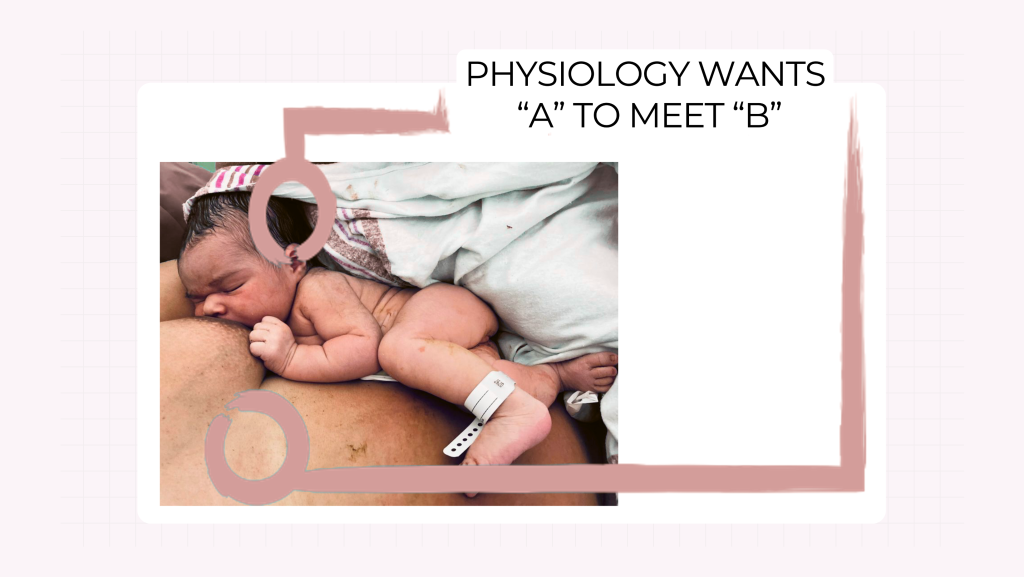
The significance of this perspective shift cannot be overstated. Birth does not occur in a vacuum; it is a profound physiological event dictated by the body’s internal nervous system. This system is constantly scanning the environment, adjusting hormone flow, influencing muscle tone, and determining the body’s readiness for labor based on external cues.
When a clinical environment is dominated by a primary focus on risk, it can unintentionally trigger a sympathetic nervous system response in the birthing person. This "fight or flight" state, often induced by stress, fear, or a perceived lack of control, can physically inhibit the progress of labor. Conversely, a salutophysiologic approach seeks to understand the body’s responses rather than merely treating them as obstacles to be overcome. By centering trust, relational connection, and the creation of a supportive environment, providers can foster conditions where physiology is better equipped to function effectively, even when complications arise. This does not mean ignoring the reality of clinical risk or the necessity of medical intervention; rather, it means building a foundation of health that supports the body’s natural capacity to navigate the birth process.
Aligning with the Spinning Babies® Approach
For the many professionals already familiar with the Spinning Babies® approach, the principles of salutophysiology will feel like a natural evolution. Spinning Babies® has long championed the importance of fetal positioning, balance, and maternal movement as the keys to a more comfortable and efficient birth. By looking beyond the purely mechanical aspects of childbirth to consider the body as a whole, the approach aligns seamlessly with the salutophysiologic philosophy.
Both frameworks emphasize that birth is a dynamic interaction between the body’s structure and its function. Salutophysiology deepens the technical understanding of Spinning Babies® by providing a broader theoretical context, helping birth professionals move beyond the simple application of techniques. Instead of merely performing a maneuver, a practitioner trained in this model learns to be in a responsive relationship with the physiology of birth. It bridges the gap between technical skill and intuitive, patient-centered presence, allowing the professional to ask, "What is this body responding to?" rather than defaulting to, "What should I do next?"
A Practical Shift in Clinical Practice
For many birth workers, the transition from theory to practice is the most significant hurdle. The salutophysiologic lens offers a practical toolkit for managing this. It encourages practitioners to observe the subtle cues of the body—the changes in breathing, the shifts in tension, and the non-verbal indicators of safety or distress. By learning to interpret these signals, professionals can adjust their support in real-time, creating an environment that encourages the physiology to work in its most optimal state.
This shift represents a fundamental move from fear to trust. In a fear-based model, the birthing person is often treated as a patient whose body is potentially fragile or prone to breakdown. In a trust-based, salutophysiologic model, the birthing person is viewed as capable and responsive. This perspective validates the inherent power of the birthing process, empowering both the professional and the family to engage with birth as a developmental experience rather than a medical crisis to be managed.
Expanding the Horizon of Education
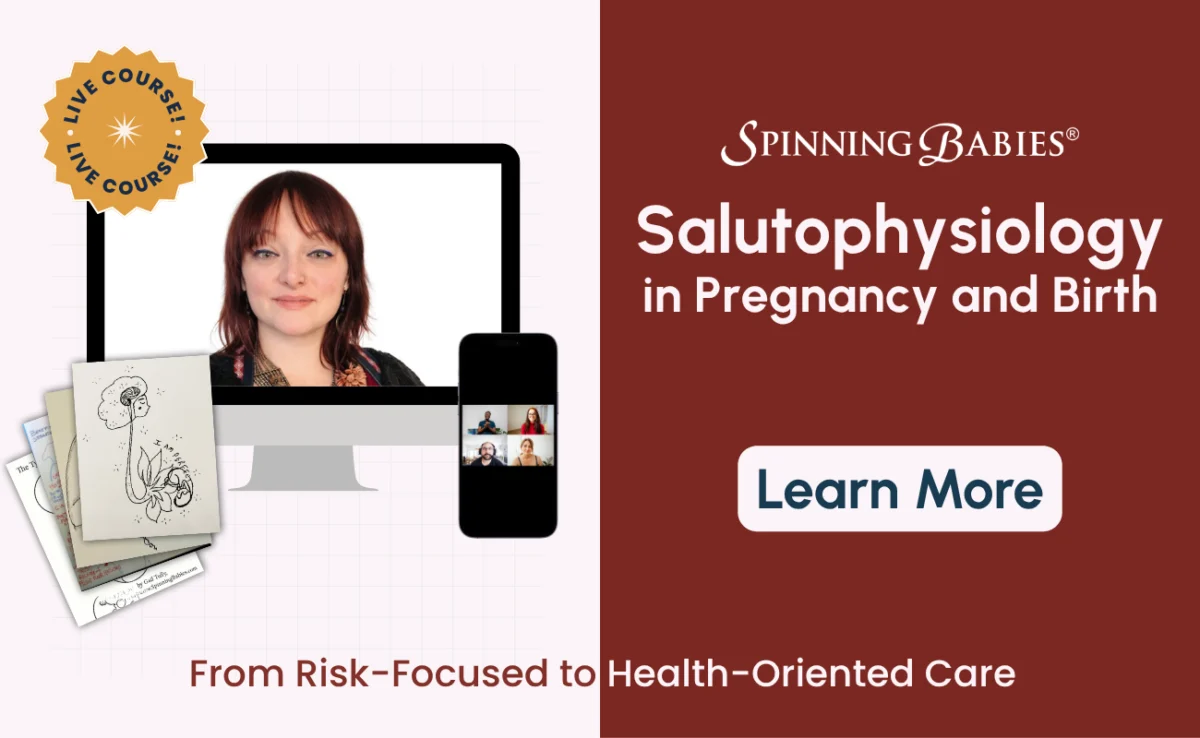
Recognizing the need for a more comprehensive approach to training, Spinning Babies® has announced a strategic partnership with Anna Maria Rossetti to offer a new, in-depth learning experience focused on these concepts. The course, titled "Salutophysiology in Pregnancy and Birth: From Risk-Focused to Health-Oriented Care," is designed to equip birth professionals with the tools to integrate these concepts into their daily work.
The curriculum explores the intricate interplay between the nervous system, the birth environment, and maternal physiology throughout the pregnancy, labor, and postpartum periods. Utilizing a combination of expert-led content and live, interactive sessions, the course provides a space for practitioners to reflect on their own clinical biases, integrate new understandings of physiological function, and discuss the practical application of these ideas in diverse birth settings.
The collaboration, which is a joint effort between Spinning Babies® and SEAO, is intended for midwives, obstetricians, doulas, and other birth professionals who are looking to move beyond traditional, reactive care. By joining a community of like-minded professionals, participants are encouraged to engage in the deeper, more challenging questions about what it truly means to provide supportive, high-quality care.
Registration for the course is currently open for those looking to expand their professional practice. As the global conversation around maternity care continues to evolve, the adoption of a salutophysiologic framework may well represent the next frontier in improving birth outcomes and experiences, ensuring that the focus remains firmly fixed on the flourishing of health.
As the autumn leaves settle and communities prepare to gather around the dinner table, families across the country are seeking meaningful ways to cultivate a spirit of thankfulness. While expressions of gratitude are encouraged throughout the entire year, the Thanksgiving holiday offers a natural and deliberate opportunity for households to pause, reflect, and instill a lasting heart of thankfulness in the next generation.
Child development and family experts have long noted that intentional holiday traditions do more than simply decorate a home; they shape character. By engaging children in hands-on activities, parents can anchor the Thanksgiving season in its foundational purpose: giving thanks for the blessings of the past year and finding ways to steward those gifts responsibly. This year, families are exploring a blend of classic crafts, purposeful decluttering, and community outreach to bring the true meaning of the holiday to life.
Links of Thankfulness
One of the most engaging ways to spark conversations about gratitude at home involves a simple yet colorful craft project. Families are utilizing strips of multi-colored construction paper, with each shade representing a different category of blessings to ponder. Once mixed together in a decorative bowl, family members draw slips at random and articulate specific things they are grateful for based on the color selected.
The physical act of writing these reflections down transforms the exercise into a shared visual record. As the strips are stapled together into a paper chain, households create a custom garland that can be draped across the mantel or around the dining room. This ongoing display serves as a daily reminder of individual and collective blessings throughout the lead-up to the holiday meal.
Donating Clothes and Toys to Charity
In a culture often focused on accumulation, the holiday season presents an ideal juncture to counter materialism through intentional giving. Families are setting aside time to carefully sort through closets, playrooms, and living spaces to identify clothing, toys, and household items that can be donated to local charities.
Rather than treating the process as a rushed chore, parents are encouraging children to approach the donation pile with mindfulness. By asking kids to write down the items they use and appreciate daily, the activity reinforces a dual message: cultivating appreciation for what one currently owns while recognizing the privilege of sharing surplus with neighbors in need. Social service agencies frequently report an increased demand for warm winter garments and gifts during the late autumn months, making this seasonal habit particularly impactful for local communities.
Memory Leaves
Capitalizing on the natural beauty of the autumn season, many households are incorporating falling leaves into their
holiday gratitude practices. Whether gathering foliage from the backyard and local parks or utilizing artificial leaves purchased from neighborhood craft stores, this activity bridges the gap between outdoor exploration and reflective indoor crafting.
Children are encouraged to paint expressive faces on one side of the leaves, while reserving the reverse side to write down a specific, cherished memory from the past year. This exercise not only prompts families to reminisce about shared experiences and milestones but also yields a whimsical, seasonal decoration for the Thanksgiving table. It turns a simple walk in the crisp air into a tangible reflection on the year’s journey.
Thanksgiving Service
For families with older children and teenagers, stepping outside the home to engage in community service has become a cornerstone of the holiday season. When financial resources are tight, the gift of time remains one of the most valuable offerings a family can provide to its neighbors.
Opportunities for service abound during November. Many local soup kitchens, community shelters, and faith-based organizations ramp up their operations to provide hot meals and holiday food baskets. Assisting with meal preparation, serving guests, or helping assemble provisions gives children a firsthand look at compassion in action. Observers note that true thankfulness often extends beyond private reflection, manifesting outward as an active desire to serve others as an overflow of personal gratitude.
Thankful Placemats
Decorating the holiday table can also double as an exercise in relational appreciation. Using large sheets of construction or butcher paper, families are crafting personalized placemats for their Thanksgiving feast.
Rather than standard holiday artwork, these placemats invite participants to write down specific reasons why they appreciate the friends and family members seated around them. Through a combination of doodles, drawings, and heartfelt written notes, the activity fosters an atmosphere of affirmation during the holiday meal, ensuring that every guest feels seen, valued, and thanked.
Truth Hand Turkeys
No discussion of Thanksgiving crafts would be complete without the traditional hand turkey. However, families are putting a reflective twist on the classroom classic this season. By tracing their hands onto paper to form the body of a turkey, children are turning the paper feathers into a canvas for scripture memorization and spiritual reflection.
On each individual feather, kids write out notable Bible verses centered on thankfulness and gratitude. In the days leading up to the holiday, families review these verses together, using the craft as a vehicle for meditation and memorization. The practice grounds the festive atmosphere in a deeper acknowledgement of spiritual blessings and traditional faith.
Final Thoughts on Thanksgiving Activities for Families
Ultimately, experts emphasize that the enduring value of Thanksgiving lies not in the complexity of the crafts or the scale of the preparations, but in the intentionality of the time spent together. Whether a family chooses to donate gently used toys, craft paper chains, or simply take a quiet walk in the autumn air, the core objective remains the same.
Taking deliberate steps to remind children and one another to cultivate gratitude creates ripples that extend far beyond a single November afternoon. By embedding these habits into yearly rhythms, families build a foundation of thankfulness that endures all year round.
In an environment where community leaders argue that Islamophobia has been purposely and artificially stirred up in the United States by bad-faith actors, an open letter has been issued encouraging Christian, Jewish, and other interfaith friends to stand firmly with the Muslim community. The appeal comes in the wake of recent political rhetoric that has left many Muslim Americans feeling marginalized and deeply hurt, prompting a broader national conversation about dignity, respect, and the public use of sacred names.
To understand the weight of the recent events, one only needs to imagine a crowd at a political rally laughing openly at the name Mary, Moses, or Joseph. For most Americans across various religious traditions, such a reaction would provoke an immediate wince. Those names belong to figures held deeply holy, and they are shared by loved ones at home—a mother, a grandfather, a son.
Yet, that exact kind of wince was felt by Muslim neighbors recently following remarks made during a political rally. At an event in Dalton, Georgia, former President Donald Trump addressed a crowd by suggesting that when an individual is unsure of someone’s name from the Middle East, they should "just say ‘Mohammad.’ You have about a 65% chance." He then directed the name toward a Muslim Senate candidate from Michigan, declaring, "I can call you whatever the hell I want."
According to reports from Reuters, the immediate response from the crowd at the rally was notably muted. Observers noted that this quiet reaction carries significance, reflecting a widespread awareness among many Americans that mocking a person’s name, and the revered historical and religious figure it honors, falls well beneath the dignity expected of the nation’s highest office.
For Muslim Americans, the impact of such rhetoric reverberates deeply. Many individuals within the community—as well as their fathers, sons, and brothers—proudly carry the name Muhammad. They bear the name out of a profound love for the Prophet, upon whom they invoke peace and blessings. In the wake of these remarks, community advocates and interfaith allies are examining ways to offer meaningful support and solidarity to those affected.
The Broader Context: Attacks on Muslims in the Name of Sharia
Community leaders point out that the political joke regarding the name Muhammad did not occur in a vacuum. For months, Muslim Americans have frequently been framed as a societal threat under the guise of opposing "Sharia law." Advocates emphasize that no American Muslim organization has ever requested the implementation of religious law, nor are Muslims asking any court to replace the United States legal framework with religious jurisprudence. Despite this reality, political speeches and legislative proposals continue to emerge as though such a threat were imminent.
When viewed as part of a larger pattern, these occurrences cannot easily
be dismissed as isolated incidents. A casual joke about the name Muhammad at a political rally, classroom characterizations depicting the Prophet in a derogatory light, and legislative efforts targeting a nonexistent Sharia threat all converge on a singular underlying message: that Muslims do not belong in the broader American fabric. People of faith from various traditions are increasingly recognizing where such exclusionary messaging historically leads and are stepping forward to counter it.
Muhammad Ali and the Meaning of a Name
To explore the deeper cultural significance and resilience associated with the name Muhammad, historians and interfaith advocates often look back at the legacy of the legendary heavyweight boxing champion. When Cassius Clay officially changed his name to Muhammad Ali in 1964, a significant portion of the sports media and general public vehemently refused to adopt his new name, with some openly mocking the choice.
Ali’s commitment to his identity and faith faced an even greater test in 1967 when he refused military induction due to his religious convictions. The decision resulted in the stripping of his boxing title and a prolonged legal battle that nearly landed him in prison. However, his perseverance ultimately reached the highest levels of American justice when the Supreme Court ruled in his favor in a unanimous eight-to-zero decision in 1971.
Over the ensuing decades, Ali’s standing transformed profoundly. By the end of his life, Americans of virtually every background and religious tradition embraced him as a national icon. He was chosen to light the Olympic flame in Atlanta in 1996 and was awarded the Presidential Medal of Freedom in 2005. When he passed away in 2016, his memorial service in Louisville, Kentucky, was intentionally structured as an interfaith gathering featuring participation from Muslim, Christian, Jewish, and other religious leaders—an arrangement Ali had personally planned in advance.
The life of Muhammad Ali demonstrated that a man bearing the name Muhammad could ultimately become the pride of an entire nation. His enduring story serves as a powerful reference point for interfaith groups seeking constructive ways to discuss faith, identity, and human dignity in public life. As communities navigate ongoing tensions and rhetoric, the message from advocates remains clear: mutual understanding and steadfast solidarity across religious lines are essential in countering division. Interfaith partners continue to express gratitude for shared support, reinforcing the commitment to stand together in defense of respect and community cohesion.
In an era when most students can type on a keyboard far faster than they can form words with a pen, it is easy to question whether traditional handwriting and cursive instruction still hold any practical value in modern classrooms. Yet, a rapidly expanding body of neurological and educational research suggests that these seemingly old-fashioned skills are far from obsolete. Writing by hand engages sensory, motor, and cognitive regions of the brain in complex ways that digital typing simply cannot replicate, fundamentally shaping how young minds learn, remember, and process information.
What Handwriting Does in the Brain
When a student picks up a pen to write by hand, multiple regions of the brain—spanning sensory, motor, and cognitive networks—must work in close coordination. This physical act activates far more neural pathways than tapping keys on a keyboard, paving the way for deeper learning and significantly stronger memory formation.
This neurological advantage was highlighted in a 2024 study published in Frontiers in Psychology, which utilized high-density electroencephalography (EEG) to compare real-time brain activity during handwriting versus typing tasks. The findings revealed that handwriting produced far more elaborate and widespread neural connectivity, actively engaging brain networks associated with attention, language, and memory. Existing scientific literature indicates that these specific connectivity patterns are crucial for encoding new information and cementing long-term memories, making the physical act of writing an invaluable tool for education. The study’s authors concluded that handwriting directly supports the foundational neural architectures required for effective learning and should therefore remain central to school curricula.
This deeper cognitive processing is not an isolated finding and has been documented across numerous international studies. For instance, a 2021 study published on PubMed Central examined adult foreign language learners and the semantic encoding of new vocabulary words. The research confirmed that handwriting—whether executed with a traditional pen on paper or a digital stylus on a tablet—builds substantially stronger memory traces and fosters more robust language comprehension than standard keyboarding.
Perhaps one of the most widely cited investigations into this phenomenon examines how student engagement shifts depending on the medium used to take notes. In a landmark series of experiments conducted by psychologists Pam Mueller and Daniel Oppenheimer in 2014, college students who took traditional longhand notes consistently outperformed their laptop-using peers on conceptual questions regarding lecture material. While typing allowed students to transcribe lectures nearly verbatim, it unfortunately encouraged shallow cognitive processing. Writing by hand, by contrast, forced students to actively digest, rephrase, and summarize complex ideas in real time.
Whether examining young children learning their first letters or adults mastering a new language, the scientific evidence consistently points toward a single conclusion: handwriting fundamentally improves how the human brain thinks and retains information.
Building the Foundations of Literacy
The cognitive benefits of writing by hand extend far beyond mere note-taking, playing a critical role in the foundational development of human literacy. When children first learn to write, the active formation of physical letters—rather than simply recognizing them visually or typing them on a screen—helps the developing brain construct the complex neural circuitry required for fluent reading.
Handwriting is an intricate visual-motor skill supported by a widespread neural system encompassing ventral-temporal, parietal, and frontal motor regions. As young children learn to read and write, their brains are actively building and strengthening these vital pathways. Recent scientific literature provides strong support for this connection. Independent studies conducted by researchers Wiley and Rapp in 2021, as well as Vinci-Booher and James in the same year, both demonstrated that hands-on writing experience accelerates literacy acquisition while directly engaging the visual-motor areas that are critical for reading comprehension.
Students who engaged in literacy exercises incorporating handwriting showed faster learning curves and greater generalization capabilities compared to peers who learned exclusively through non-motor practices. Researchers suggest this occurs because handwriting practice teaches the brain both motor and amodal symbolic letter representations. In simpler terms, writing by hand helps the brain forge a direct connection between the physical formation of a letter and the underlying meaning of a word—a cognitive link that typing does not forge as effectively.
Earlier foundational work by Karin James and Laura Engelhardt in 2012 similarly revealed that when young children practiced writing letters by hand, their brains subsequently activated specialized reading networks automatically whenever those letters were viewed later. Neither standard typing nor visual tracing produced this same neurological response.
Additional research into visual processing, such as a 2014 study led by Pegado, demonstrated that hands-on handwriting experience helps the developing brain easily distinguish between notoriously tricky mirror-image letters, such as lowercase b and d. Taken together, these findings reinforce the overarching reality that forming letters by hand literally shapes the physical architecture of the brain to read more efficiently.
Cursive Writing: Flow, Focus, and Fluency
Cursive writing, once a mandatory component of elementary education across the globe, has been quietly phased out of many modern school curricula. Yet, both contemporary research and classroom experience suggest that continuous-script writing offers unique developmental advantages that print writing and typing lack.
Because cursive relies on a continuous, flowing motion rather than disjointed strokes, it demands sustained attention, precise spatial coordination, and fine-motor control. Advanced neuroimaging studies indicate that writing in a continuous script fosters high levels of synchronization across various brain regions responsible for motor planning and language processing.
Research conducted in Norway involving the EEG recordings of 12-year-olds—led by Audrey van der Meer, Frida van der Weel, and Elin Ose Askvik in 2020—demonstrated that strengthened connections between the hand and the brain directly improve letter recognition, spelling accuracy, and overall reading fluency.
Beyond its cognitive utility, cursive writing also serves an invaluable cultural and historical function. As noted by Smithsonian Magazine in 2023, the ability to read and write in cursive grants individuals direct access to centuries of handwritten history, ranging from intimate personal correspondence to foundational national documents. Losing cursive literacy risks cutting future generations off from their own historical past, making them unable to read original manuscripts without digital transcription.
Handwriting in the Future
Ultimately, handwriting and cursive writing serve as vital bridges connecting key areas of the human brain tied to motor skills, memory retention, information processing, and comprehensive understanding. Relegating these skills to the status of nostalgic relics is short-sighted at best and educationally detrimental at worst.
In a world increasingly saturated with digital screens and endless keyboard typing, handwriting remains an essential, irreplaceable tool for building thoughtful, deeply connected, and capable learners. Educational philosophies that prioritize the development of the whole child—such as Waldorf education, which maintains a steadfast commitment to traditional handwriting and cursive instruction—find strong validation in contemporary cognitive research.
For generations, readers seeking deeper spiritual insight, emotional grounding, and daily philosophical enrichment have turned to a beloved fixture of Guide for Spiritual Living: Science of Mind
magazine: the Daily Guides. Curated month after month by thoughtful practitioners and spiritual leaders from Centers for Spiritual Living communities worldwide, these daily reflections offer a lifelong wellspring of wisdom that cannot be found anywhere else. As the publication looks toward the late autumn season, the eagerly anticipated November 2026 Daily Guides have been officially announced, crafted this month by the accomplished Rev. Ryan Alexander.
The tradition of the Daily Guides remains a cornerstone of the magazine’s mission, providing readers with a structured yet deeply personal rhythm for daily contemplation. Each entry is meticulously designed to nourish the mind and spirit, bringing together a rich tapestry of inspirational elements. Every single day features two carefully selected quotes from diverse wisdom teachers spanning philosophy, literature, and spiritual history, offering a broad canvas of human insight. These are paired with an intimate personal reflection drawn directly from the author’s own lived experience, bridging abstract philosophical concepts with the practical, often messy realities of everyday life. Finally, each daily entry culminates in a powerful, affirmative statement meant to anchor the reader’s intentions for the hours ahead.
This unique formula of dual quotes, personal narrative, and targeted affirmation has profoundly impacted generations of spiritual seekers. By blending timeless metaphysical principles with contemporary vulnerabilities, the Daily Guides help individuals navigate personal challenges, foster emotional resilience, and cultivate a more expansive worldview.
To offer prospective readers and long-time subscribers alike a glimpse into the depth and tone of the upcoming month, a featured excerpt from Rev. Ryan Alexander’s November 2026 contributions has been made publicly available. Entitled "My Perspective Isn’t the Only One?", the sample entry tackles one of the most fundamental yet elusive hurdles of human connection: stepping outside the boundaries of individual perception.
My Perspective Isn’t the Only One?
In the featured November entry, Rev. Ryan Alexander poses a deceptively straightforward question to the reader, immediately following it with a candid and grounding answer. When asking whether our own point of view is the only one that exists, the blunt and honest response is simple: "Nope."
While Alexander notes that he could easily leave the answer at that single word, the reality of human existence quickly complicates matters. As anyone striving to live a conscious, compassionate life knows all too well, life is frequently much simpler in word than it is in deed. Acknowledging a truth conceptually is vastly different from embodying it under pressure.
One of the foundational tenets of empathy is the practice of perspective-taking. At the very root of this psychological and spiritual skill is a basic, yet occasionally difficult, awareness: our own immediate experience of life is not the universal blueprint. It is merely one lens among billions. Alexander explores why an idea that sounds so straightforward on the surface can frequently prove so elusive to grasp in the heat of daily interactions.
The struggle to look beyond our own immediate reactions stems from the reality of the human condition. Every single individual functions as a unique expression of the divine, carrying a distinct internal ecosystem of thoughts, hidden fears, lived experiences, innate strengths, unique gifts, historical traumas, and highly personalized ways of interacting with the surrounding world. This profound realization of human individuality was a central theme championed by Ernest Holmes, the founder of the Science of Mind philosophy, who taught this principle to anyone who would listen.
According to the teachings embedded within the Science of Mind tradition, this deep awareness of individual uniqueness serves as the absolute pinnacle of oneness and wholeness. Rather than dividing humanity, recognizing our differences allows us to consciously step outside the narrow confines of our personal autobiographies. It challenges us to imagine what life might feel like from an entirely different vantage point. When we stretch our imagination in this way, we open the vital door to understanding how our everyday actions, casual words, and deeply held beliefs ripple outward, impacting others far beyond our immediate field of vision.
Empathy as a Living Practice and Adventure
This recognition marks the true starting point for any genuine adventure into empathy. As Rev. Alexander points out, empathy is not a static state of being; it is an active, ongoing adventure. It calls every seeker into a deeper, more demanding understanding of not only themselves, but also of the complex, interconnected world around them.
Empathy, in this light, is effectively love in action. It completely shatters the isolated illusion that human beings create, think, and suffer in a vacuum. We are social, spiritual beings whose lives are inextricably bound together by invisible threads of shared humanity.
When individuals begin to genuinely see the world through the unvarnished eyes of another person, a profound shift occurs. This shift activates both a profound personal power and a sober moral responsibility: the capacity to consciously help create a world rooted in justice, inclusion, and a deep sense of belonging. It establishes a social and spiritual reality where we constantly remind ourselves—and one another—that our own perspective is never the only one that matters. Ultimately, human society is collectively better off for embracing this truth.
Timeless Wisdom and Philosophical Foundations
Reflecting the rich intellectual and spiritual lineage of the Daily Guides, the November 2026 contributions are anchored by profound words from historical thinkers and spiritual pioneers. The selections for the featured sample beautifully underscore the themes of internal evolution and divine individuation.
Bridging literary art and philosophical introspection, author Virginia Woolf captured the essence of ongoing human transformation when she wrote: "A self that goes on changing is a self that goes on living." This sentiment speaks directly to the dynamic nature of consciousness that the Daily Guides seek to nurture day after day.
Complementing Woolf’s literary insight is the metaphysical foundation laid by Ernest Holmes. In his Beverly Hills Lectures, found on page 16.4, Holmes articulated the core theological perspective of the Science of Mind tradition with striking clarity: "Our whole theory is that every person individualizes God."
Through the upcoming November 2026 Daily Guides by Rev. Ryan Alexander, readers of Guide for Spiritual Living: Science of Mind magazine will once again be invited to explore what it means to individualize that infinite divine presence while remaining deeply, compassionately connected to the diverse perspectives of the world around them.
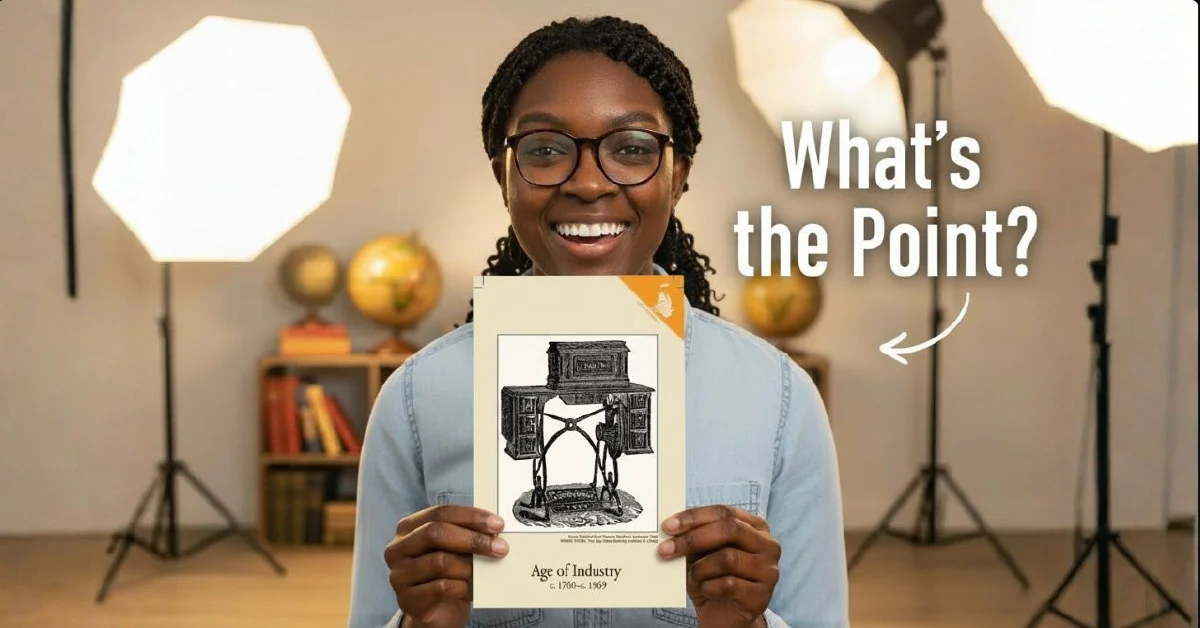
Classical education has long relied on a distinct, time-tested framework: building a rich store of knowledge in a child’s earliest years, training them to reason with those facts as they grow, and ultimately teaching them to express wisdom with clarity and grace. To help homeschooling families visualize this developmental design unfold week by week, Classical Conversations has introduced a new YouTube series titled What’s the Point?.
Designed specifically for Foundations parents, the series walks viewers through each week of Cycle 3 memory work. Every episode uncovers surprising and intricate connections between different academic subjects, while simultaneously demonstrating where individual facts will reappear later in the Challenge program. By bridging early childhood memorization with advanced secondary studies, the series offers parents a vivid, reassuring picture of why classical education shapes students so effectively, emphasizing that every memorized fact has a future.
Why Classical Education?
At its core, classical education follows a natural pattern as old as learning itself: knowledge first, then understanding, and finally wisdom. Young children naturally delight in names, numbers, songs, and Scripture, absorbing this information with remarkable ease
and unbridled joy.
The Week 1 episode of the series describes this formative season of childhood as a storehouse with its wide-open doors—a prime time to fill the shelves while gathering still feels like pure play. Later in life, when students are mature enough to think deeply and argue persuasively, they will have a well-stocked reservoir of real facts to think and argue with. As the episode aptly notes, students cannot analyze a fact that they were never given.
Classical Conversations pairs this historical educational model with a deeply rooted biblical worldview. In that same opening episode, the hosts highlight the week’s science fact concerning the four types of tissue, lingering particularly on connective tissue. The sole biological function of connective tissue is to hold the human body together. Within a classical Christian framework, God serves as the ultimate connective tissue of every academic subject, harmoniously uniting history, mathematics, Latin, geography, and science into a single, cohesive story for His glory. Drawing from Colossians 1:17, which affirms that Christ is before all things and in Him all things hold together, the overarching purpose of this educational journey is simply to know God and to make Him known.
Furthermore, classical education thrives within a vibrant community. Families chant memory work together on Community Day, Tutors actively map connections between subjects on whiteboards, and parents find themselves learning right alongside their children.
The Trivium in Plain Words
The structural framework at the heart of classical education is the trivium, a Latin word meaning "three ways." Often described historically as the crossroads where three roads meet, the trivium names the three distinct arts that shepherd a student from basic knowledge to profound understanding and, ultimately, to wisdom.
This progression can easily be visualized through the metaphor of a well-stocked pantry. Grammar fills the shelves with names, facts, definitions, and rules. Dialectic learns what each individual ingredient is for and how those ingredients interact and work together. Rhetoric then prepares a meal worth sharing, expressing what is true with clarity, eloquence, and grace. Classical Conversations frequently summarizes these three developmental stages with memorable biblical imagery: name like Adam, question like Jesus, and persuade like Paul.
Students intentionally practice these arts through fifteen core skills. The five core habits of grammar—naming, attending, memorizing, expressing, and storytelling—build the initial pantry of knowledge. The five common topics of dialectic—definition, comparison, relationship, circumstance, and testimony—teach students how to ask rigorous, probing questions. Finally, the five canons of rhetoric—invention, arrangement, elocution, memory, and delivery—shape the ways students speak and write. These foundational terms recur frequently throughout the What’s the Point? series as children advance through their studies.
How the What’s the Point? Series Works
Each week, a new episode of the series meticulously breaks down the Cycle 3 Foundations memory work subject by subject, covering history, science, English, Latin, geography, math, timeline, and fine arts. Along the journey, the hosts uncover hidden threads that tie seemingly unrelated subjects together, subsequently looking ahead to where those specific facts will reemerge in the rigorous Challenge program.
These interwoven threads explain why Foundations students are encouraged to memorize across numerous subjects simultaneously. As observed in the Week 9 episode, the surrounding conditions of a historical event rarely reside neatly within the same subject category as the event itself. During that specific week, students skip-count by 15s in math, while historical records note that in the year 1850, the United States contained precisely 15 free states and 15 slave states, with California’s pending request for statehood threatening to break the delicate national balance. A child who learns only the isolated history sentence can report what happened, but a child who simultaneously holds the math, the geography, and the timeline in their memory can begin to comprehend how and why historical events were possible.
Every episode concludes with practical, straightforward ideas for review at home, offering a gentle reminder that true learning is a sustainable lifestyle rather than a checklist of tasks.
A Journey Through the Trivium, One Week at a Time
When watching multiple episodes of the series, a clear overarching pattern quickly emerges. While each week’s memory work strictly belongs to the foundational art of grammar, every single episode quietly and intentionally previews the dialectic and rhetoric stages that lie ahead in the student’s future.
The series delights in demonstrating what it genuinely means for a child to simply hold a fact in their mind. In the Week 1 episode, the grammatical definition of an infinitive serves as a vivid picture of all early memory work: unconjugated, full of inherent meaning, and patiently waiting for the day it is put to active use. Christopher Columbus similarly set sail across the Atlantic without knowing what his monumental voyage would ultimately become.
The Week 4 episode introduces another striking concept: a memorized fact is the only form of knowledge that requires zero travel time. To illustrate, imagine two children setting up seven rows of eight chairs. One child simply knows instantly that there are 56 chairs. The other child laboriously adds eight seven times to arrive at the same total, spending their mental attention entirely on basic arithmetic. Only the first child retains enough mental bandwidth to notice a wobbly chair that urgently needs replacement. That same episode reminds families that historical figures like Homer and Confucius left behind no original books of their own, yet their powerful words outlasted fallen empires simply because generations of people memorized them with exact precision.
As students move into the dialectic phase, the series models the critical questions children must learn to ask. In the Week 4 episode, learning the principal parts of a verb transforms into a profound lesson in personal accountability. Children quickly learn that stating something is broken reports objective damage while conveniently leaving the speaker entirely out of the narrative. Walking that verb backward to confess responsibility restores the true order of events, uncovers the underlying cause, and establishes a truthful story that can be properly evaluated.
Similarly, the Week 9 episode introduces the concept of circumstance, a common topic that investigates what made a particular historical event possible. When gold was discovered in California in 1848, local shopkeeper Sam Brannan had already thoughtfully stocked his shelves with mining equipment, whereas John Sutter, who legally owned the land where the gold was discovered, ultimately lost nearly everything. The exact same historical gold yielded vastly different outcomes for two men operating under different circumstances. Even a musical note demonstrates this principle: a quarter note placed on the bottom line of the treble staff is called an E, yet the identical note placed on the top line is called an F, with the circumstances of its placement entirely altering its sound.
Eventually, the series points forward to the ultimate goal: the day when acquired knowledge transforms into personal conviction, expressed both in speech and in action. The Week 6 episode highlights the historic courage of Davy Crockett, the sole member of the Tennessee congressional delegation who voted against the controversial Indian Removal Act of 1830, choosing to stand apart from his president, his peers, and many of his own constituents. Crockett never fully articulated the deep-seated conviction behind that vote, but someone had instilled those enduring principles in him long before he could read, allowing him to stand firm when it mattered most.
Where Foundations Memory Work Leads in Challenge
One of the most valuable aspects of the What’s the Point? series is its ability to grant parents a clear, unobstructed view of the educational road ahead. The facts that students chant during their weekly Foundations meetings are the exact intellectual building blocks they will use to reason, debate, and analyze during their secondary years in the Challenge program.
New episodes of the series continue to release weekly throughout the academic semester. Families can access the content via the Classical Conversations YouTube channel and the dedicated playlist, utilizing the videos either to preview upcoming concepts before Community Day or to reinforce lessons during home review sessions. Through consistent memory work, thoughtful questioning, and a supportive community, Classical Conversations aims to help families set the ideal conditions for lifelong learning, one week and one fact at a time.