Navigating the Playground: How Muslim Parents Can Protect and Support Their Children Amid Rising Islamophobia
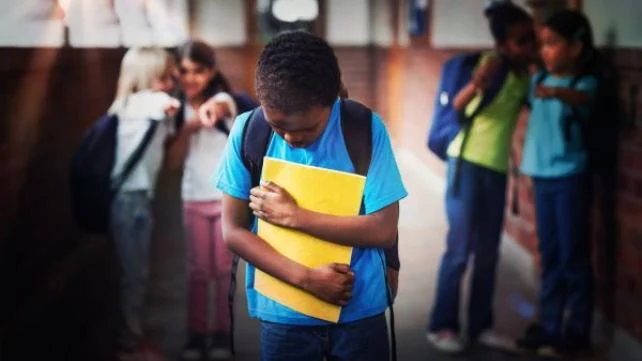
In households across the country, quiet evenings are increasingly interrupted by silent struggles unfolding at the dinner table. A young boy might quietly push his rice around the plate, hesitating before looking up to share a heavy truth: at recess, a classmate repeatedly singled him out with a mockery of his name, greeted by the laughter of the surrounding playground.
For countless Muslim families, scenarios like this are becoming an alarming reality during a period marked by heightened, politically motivated Islamophobia. Recent public rhetoric has demonstrated how easily careless remarks from political stages cascade down into the social spheres of children. When prominent figures make casual jokes targeting Middle Eastern names or identities at political rallies, those remarks rarely stay contained within the adult world. Instead, they quickly find their way onto school playgrounds, transforming into tools for teasing and alienation among children who bear no responsibility for the broader political climate.
The challenges extend beyond social interactions among peers into formal educational environments as well. In certain regions, children face curriculum materials that depict their faith and its foundational figures through a biased or derogatory lens. These overlapping pressures—social marginalization by peers and institutional bias—mean that Muslim children are navigating an increasingly hostile landscape. They did not ask for this environment, but the reality demands that parents and communities be thoroughly prepared to support them.
According to child educators, school counselors, and anti-bullying specialists, the message for parents is clear and foundational: children manage hurtful words and discrimination significantly better when a calm, loving adult has prepared them ahead of time. Rather than waiting for a crisis to emerge, proactive dialogue is essential.
Statistical research underscores the urgency of addressing this issue before it surfaces at home. Findings from the 2022 American Muslim Poll, conducted by the Institute for Social Policy and Understanding, reveal a startling prevalence of hostility in educational settings. Nearly half—specifically 48 percent—of Muslim families with school-age children reported experiencing a religion-based bullying incident within the preceding year. Even more concerning, approximately one in five families indicated that such incidents occurred on a nearly daily basis. Compounding the issue, reports frequently highlight that this animosity does not originate solely from fellow students; in some instances, children have faced inappropriate remarks or differential treatment from adults within the school system. Given that many children internalize their distress and never bring up these incidents voluntarily, experts stress that parents must remain vigilant and open-ended in their check-ins.
Child development experts emphasize that effective intervention must be tailored to the developmental stage of the child. For young children between the ages of four and seven, the focus centers on building a strong sense of self-worth and emotional literacy. At this age, children are just beginning to understand identity, and simple, reassuring conversations about their names, heritage, and faith lay the groundwork for resilience against casual exclusion.
As children transition into the eight-to-twelve age bracket, the nature of peer interactions shifts, and teasing regarding names, cultural backgrounds, and religious practices often begins to crystallize. Preteens require more nuanced conversations about empathy, peer dynamics, and the difference between playful banter and targeted harassment. Equipping them with clear, calm phrases to assert their boundaries helps them navigate these social hurdles without internalizing the negativity directed at them.
For teenagers, the dynamics shift once again as adolescents develop a broader, more global understanding of sociopolitical trends. Teens are capable of comprehending the larger context behind Islamophobia, and they require safe spaces to discuss the news, public rhetoric, and systemic biases they observe in society. Open dialogue allows teenagers to process their frustrations constructively rather than carrying the emotional weight in isolation.
A central pillar in safeguarding a child’s identity involves strengthening their connection to their heritage and faith within the home environment. Educators and cultural advocates suggest that when children possess a deep, positive familiarity with their religious history—such as the character and teachings of the Prophet Muhammad—they are far less vulnerable to being shaken by disparaging remarks or mockery outside the home. Simple, engaging activities that bring these stories to life in family settings help anchor a child’s self-esteem in a positive narrative rather than a defensive one.
Furthermore, children absorb lessons primarily through daily observation of family life. When parents model patience, gentleness, and kindness in their interactions at home, children witness character values in action. This lived example provides a powerful counterweight to external negativity.
For families whose children bear the name Muhammad, the conversation often begins with the profound significance of the name itself. Parents are encouraged to share the personal story behind choosing the name, reminding their children of the day they were born and the deep historical and cultural honor the name carries. Authors and cultural commentators note that a child should understand their name as a source of pride rather than a burden. Experts advise against shortening or altering a child’s given name to appease peers or avoid teasing, unless the child expresses a genuine personal desire to do so, emphasizing that honoring one’s identity starts within the family.
Inevitably, there are instances where informal conversations and parental guidance are not enough, and formal intervention with a school becomes necessary. Educational advocates outline specific thresholds for when parents should escalate an issue to teachers, school counselors, or administrators. Persistent targeting, physical intimidation, emotional distress affecting a child’s academic performance or attendance, and any involvement by school staff in discriminatory behavior are clear indicators that institutional intervention is required. Documenting incidents carefully and approaching school leadership with a collaborative yet firm stance helps ensure that institutions are held accountable for maintaining a safe, inclusive learning environment for all students.
At the same time, parents bear the responsibility of teaching children to extend the same respect and protection to others. The ethical framework provided by religious teachings explicitly prohibits defamation and the use of offensive nicknames. Children must be guided to recognize that empathy is universal; they are encouraged to stand up for any classmate facing mistreatment, whether due to a name, skin color, physical ability, or religious background. By learning to defend their peers, children cultivate a compassionate worldview and embody the principles of justice and kindness in their daily lives.
Ultimately, the rapid spread of public rhetoric to the school playground underscores the profound influence of a parent’s voice in a child’s life. When a child returns home bearing the emotional scars of a difficult day, the most vital resource is not a flawless, instantaneous solution, but rather a calm, safe environment where they can express their feelings and ask difficult questions without fear of judgment.
