In an era defined by antibacterial wipes, hand sanitizers, and meticulously scrubbed living environments, a growing body of scientific inquiry is confronting a provocative question: Have we become too hygienic for our own good?
As modern societies grapple with a steady and concerning rise in childhood allergies, chronic skin conditions, asthma, and gastrointestinal disorders, researchers are increasingly examining the hidden consequences of an overly sanitized world. While modern hygiene has undeniably played a crucial role in eradicating dangerous pathogens and keeping harmful microbes at bay, experts suggest that our relentless pursuit of sterility may be coming at a heavy cost to our internal ecosystems. Specifically, this hyper-clean lifestyle is threatening the delicate balance of beneficial microorganisms that inhabit the human body, collectively known as the microbiome.
Microbiome research has rapidly emerged as a dynamic frontier in health science, offering profound insights into a hidden world of microbes that were once poorly understood. Scientists are uncovering mounting evidence that the microbiome is not merely a passive passenger within the human body, but rather a vital physiological regulator. This complex community of bacteria, fungi, and viruses plays an indispensable role in protecting children from chronic health conditions, bolstering mental health, and significantly reducing the risk of developing severe allergies. Yet, modern lifestyles are actively disrupting this delicate internal balance.
How is a Child’s Microbiome Established?
Understanding the vulnerability of this internal ecosystem requires looking closely at its origins. A child’s microbiome is primarily established during a critical window known as the first one thousand days of life. This foundational period means that the composition of a developing microbiome is heavily dependent upon the nature of a child’s birth, early breastfeeding experiences, and their nutritional and environmental journey through toddlerhood.
When these early developmental stages experience disruptions—such as the necessary administration of antibiotics to fight off infections—children frequently require additional, targeted support to help them cultivate a healthy and diverse microbiome. Without this intentional support, the long-term diversity of their gut flora can remain compromised, leaving them more susceptible to immune and metabolic challenges later in life.
This growing understanding has prompted health advocates and researchers to reevaluate everyday parenting practices and environmental exposures. Rather than shielding children from every speck of dirt, experts argue that a certain amount of environmental exposure is not only harmless, but biologically necessary.
Letting Children Get Dirty
Among the most discussed shifts in modern parenting philosophy is the reevaluation of mud and soil. Allowing children to play freely among dirt and outdoor elements is increasingly recognized as a powerful way to promote microbial diversity within the gut.
Scientific studies examining environmental exposures have found that the rich array of microbes naturally present in soil can actively help populate and diversify the human gut microbiome. Beyond merely serving as a vehicle for beneficial bacteria, contact with soil has also been linked to specific types of bacteria known to stimulate the serotonergic system. This interaction suggests that when children engage in outdoor play and get their hands dirty, their bodies can naturally release serotonin, widely recognized as the body’s natural mood-regulating hormone.
Nourishing the Internal Ecosystem with Probiotics and Prebiotics
Once a child’s microbiome has navigated the critical milestones of its first thousand days, maintaining its health and resilience requires ongoing nutritional support. Incorporating probiotic-rich and prebiotic foods into a child’s daily diet is essential for feeding and sustaining these beneficial microbial populations.
Dietary choices directly influence which bacterial strains thrive within the gut. Without a steady supply of nourishing fibers and fermented foods, the diverse communities of beneficial microbes struggle to maintain dominance over opportunistic strains that do not serve long-term health.
The Impact of Organic Diets on Developing Systems
In the broader context of nutritional health, the choice of agricultural practices also plays a vital role in protecting fragile internal systems. While the preference for organic food is often discussed in wellness circles, its relevance to microbiome health is particularly acute during childhood.
Non-organic produce is frequently treated with a battery of pesticides, fungicides, and herbicides—substances that are chemically engineered to kill living organisms, including bacteria. When ingested by young children, these chemical residues can inadvertently damage the delicate and still-developing microbiome. Furthermore, because children possess immature detoxification pathways, they struggle to rid their bodies of the heavy metals and toxins that can coat conventionally grown foods. For families navigating these choices, prioritizing organic produce or engaging in home gardening represents a practical defense for children’s internal health.
Navigating Sugar Consumption and Gut Balance
Another significant challenge in modern nutrition is managing children’s consumption of refined sugar. While children naturally gravitate toward sweet foods, navigating this preference can be a persistent source of frustration for parents.
The biological driver behind these intense cravings is often rooted directly in the gut microbiome. Sugars serve as the primary fuel source for the less desirable, pathogenic bacteria residing in the digestive tract. Consequently, the more sugar children consume, the more dominant these populations become, triggering a self-reinforcing cycle of escalating sugar cravings.
To help break this cycle, health advocates suggest introducing intentional sugar-free days and gradually substituting conventional sweets with nutrient-dense alternatives disguised as familiar treats. This incremental approach helps shift the balance of gut flora away from sugar-dependent strains, fostering a more harmonious internal environment.
Cultivating Health Through Gardening
Engaging children in the process of growing their own food offers a dual benefit for both behavior and biology. It is widely observed that children who participate in cultivating greens are significantly more likely to consume vegetables and fruits.
These plant-based foods are indispensable for supplying the dietary fiber needed to feed beneficial gut bacteria. By connecting children directly to the source of their food, families not only encourage healthier nutritional habits but also naturally increase their exposure to the beneficial microbes found in garden soil and fresh produce.
Rethinking Everyday Cleanliness and Soap Selection
When it comes to personal hygiene, experts advise a more discerning approach to cleanliness. Rather than relying on harsh antibacterial soaps for everyday use—which should ideally be reserved for genuine hazards like handling contaminated materials—families are encouraged to choose ultra-gentle soaps that respect the skin’s natural barrier.
Children do not need to be rigorously scrubbed with soap during every bath or shower. Overzealous washing strips away the beneficial resident bacteria that naturally inhabit the skin, disrupting the body’s first line of defense against harmful pathogens.
When to Seek Professional Guidance
Despite best efforts at home, parents may occasionally notice persistent signs that a child’s microbiome is out of balance. Common indicators include recurrent colds, lingering infections, persistent skin conditions, chronic gut issues, or a history of repeated antibiotic use.
Because the underlying causes of microbiome disruption can vary widely from one individual to another, identifying the root issue requires a personalized approach. Families experiencing these persistent health challenges are advised to consult with qualified healthcare practitioners, such as naturopaths or clinical nutritionists, to determine the most effective strategies for supporting their child’s long-term health and microbial diversity.
The insights were originally compiled by Laila Helena for the Endeavour College of Natural Health, reflecting a broader scientific shift toward understanding the complex symbiotic relationship between humans and the microbial world.
In the rhythm of modern daily life, finding moments of genuine relaxation can often feel like a challenge. While health experts have long championed the simple, restorative power of a warm bath, a growing emphasis is being placed on specialized detox baths as an effective, inexpensive way to address skin issues, combat everyday toxin overload, and boost overall wellness. Far from being a complicated medical procedure, proponents of natural wellness note that these targeted soaks harness simple pantry staples to support the body’s innate detoxification systems while offering a soothing end to a long day.
Health advocates emphasize that the human body is naturally equipped with sophisticated mechanisms for eliminating toxins. Organs such as the liver, kidneys, and skin work continuously around the clock to filter and remove waste products. However, the unique demands and exposures of contemporary living can occasionally leave these natural systems needing a little extra, targeted support. Rather than viewing a detox bath as a forced medical intervention, wellness practitioners frame it as an intentional way to enhance the body’s self-cleaning processes while promoting deep physical and mental relaxation. For individuals who may not have the time for a full-length soak, experts suggest that a simple foot bath utilizing the same natural ingredients can still deliver many of the therapeutic benefits.
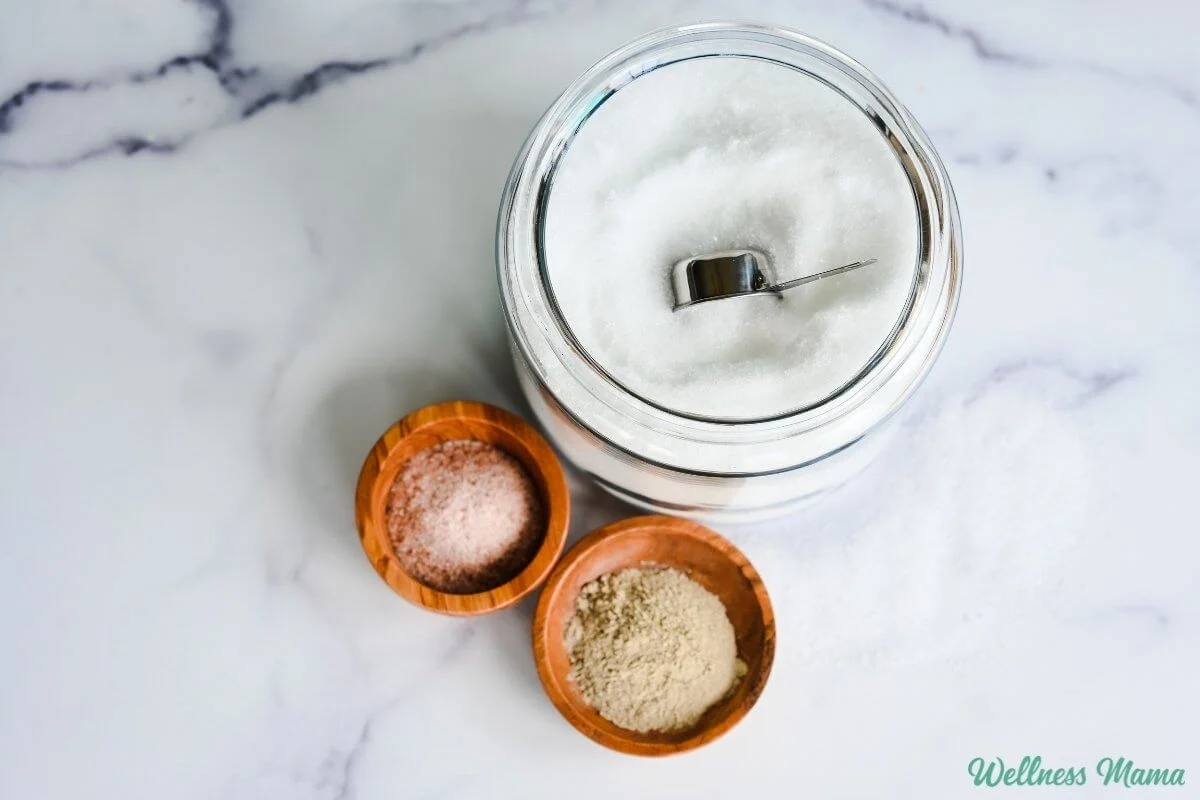
The foundation of many traditional natural soaking routines relies on the basic Epsom salt bath. Epsom magnesium sulfate salts have long been utilized not only to encourage gentle detoxification and soothe skin irritation, but also to help replenish the body’s magnesium stores transdermally. Beyond basic salts, however, a variety of alternative bath formulations have gained attention for their specific health applications, incorporating everyday items like baking soda, organic apple cider vinegar, bentonite clay, and even targeted spices like mustard powder.
Natural Detox Bath Recipes
Over the years, the understanding of how detoxification functions within the human body has evolved significantly. While popular culture often associates the term "detox" with extreme cleanses or drastic dietary restrictions, clinical perspectives increasingly view it as a continuous, biological reality managed by the liver, kidneys, and skin. Modern lifestyles, characterized by increased environmental exposures and chronic stress, mean that targeted external support can occasionally assist these organs in performing their daily functions more efficiently.
While the humble Epsom salt bath serves as the baseline for many home wellness routines, alternative preparations such as clay baths, vinegar-based soaks, and herbal or spice infusions offer specialized benefits. Many of the required ingredients are already commonly found in household pantries, yet they serve remarkably versatile purposes. Minerals, acids, and botanical elements work synergistically when dissolved in warm water, helping to stimulate circulation, encourage perspiration, soften skin, and provide profound nervous system relaxation. Furthermore, these natural preparations are generally considered safe and soothing for children, provided that parents exercise careful discretion when selecting and diluting essential oils.
Basic Epsom Salt Detox Bath Recipe
The cornerstone of home hydrotherapy remains the classic Epsom salt bath. This straightforward preparation is widely recommended for individuals seeking to soothe minor skin irritations, elevate systemic magnesium levels, and encourage general relaxation and toxin elimination. Medical professionals generally advise starting slowly when introducing any new health routine, including therapeutic baths, to observe how the body responds. For families looking to incorporate these practices more broadly, wellness literature and lifestyle guides—such as the resources compiled by practitioners and authors in the field—frequently highlight Epsom salts as a versatile, low-risk starting point. To ensure the highest quality experience, experts also recommend utilizing specialized filtration systems, such as bathtub water filters, to minimize exposure to chlorine and other chemicals often found in municipal tap water.
Clay Detox Bath Recipe
Among the more specialized home soaking techniques, clay baths have garnered attention for their unique ability to interact with environmental pollutants. Bentonite clay, a natural volcanic ash derivative commonly utilized in cosmetic face masks and natural oral care products, possesses a strong physical property for absorbing heavy metals and other impurities that can accumulate within the body over time.
When preparing a bentonite clay bath, practitioners emphasize the importance of practical plumbing precautions. Because the clay particles can easily settle and accumulate within household drainage systems, experts recommend utilizing a specialized drain filter or a cloth strainer during and after the bath to prevent potential pipe clogs.
The preparation process involves dissolving Epsom salts in a comfortably warm or hot bath, incorporating essential oils if desired, and carefully mixing in the bentonite clay using specialized blending methods to ensure an even suspension. The therapeutic mechanism relies on a dual-action approach: the clay actively binds to heavy metals and surface impurities, while the dissolved Epsom salts help draw out secondary metabolic waste products while simultaneously replenishing the bather’s transdermal magnesium levels.
Oxygen Detox Bath Recipe
For individuals navigating seasonal illnesses, congestion, or heightened inflammatory responses, specialized botanical soaks offer targeted relief. Incorporating ingredients like fresh or powdered ginger into a warm bath can significantly assist the body during periods of immune challenge. Ginger is widely recognized for its ability to clear respiratory congestion, alleviate muscular body aches, and stimulate peripheral circulation, which in turn supports faster recovery and healing times.
In addition to easing the symptoms of common colds and flus, these warming botanical baths can provide comfort for individuals suffering from seasonal allergies or stubborn skin irritations. A common preparation method involves brewing a strong ginger tea, allowing it to steep, straining the botanical matter after fifteen minutes, and pouring the infused liquid directly into the bathwater. This method allows the volatile oils and active compounds of the ginger to interact with the skin and steam, providing both aromatic and physical relief.
Vinegar Detox Bath Recipe
While the pungent aroma of vinegar may not appeal to everyone, vinegar-based baths are frequently recommended by skin health advocates for their exceptional ability to balance the skin’s natural pH levels. Families often turn to apple cider vinegar soaks when managing specific dermatological concerns, ranging from acute sunburns and eczema to chronic dandruff and dry, itchy skin.
Apple cider vinegar boasts a wide array of traditional uses and purported benefits. Beyond its clarifying effects on the skin’s acid mantle, many users report that a vinegar bath leaves the skin feeling remarkably soft and imparts a natural shine to the hair. The standard application involves adding a measured amount of apple cider vinegar to a warm bath. Following the soak, many individuals prefer to rinse off briefly in a cool shower, though some traditional protocols suggest allowing the residual vinegar solution to air-dry on the skin for maximum localized benefit.
Mustard Detox Bath Recipe
The inclusion of mustard in a therapeutic bath may sound unconventional to modern sensibilities, but the practice is rooted in centuries of traditional healing. Historical cultures frequently utilized organic mustard powder—distinct entirely from the prepared yellow condiment found in food bottles—as a warming spice preparation to soothe the onset of colds, flus, and deep-seated muscular soreness.
Mustard powder possesses natural rubefacient properties, meaning it gently stimulates peripheral blood circulation, drawing blood flow to the surface of the skin and creating a warming sensation that helps relax tense muscles. When combined with Epsom salts and carefully selected aromatic essential oils, a mustard bath functions as both a deeply detoxifying treatment and an invigorating sensory experience.
Medical review of these traditional wellness practices consistently emphasizes that while home remedies can offer significant comfort and supportive care, they are intended to complement, rather than replace, professional medical advice. Individuals who are pregnant, nursing, or managing pre-existing health conditions are strongly encouraged to consult with a qualified healthcare professional before making significant changes to their wellness or bathing routines.
When individuals and couples decide to embark on the journey toward parenthood, the desire is rarely just about achieving a healthy pregnancy—it is almost universally accompanied by the hope that it will happen quickly and successfully. Behind the scenes of clinical practice, fertility specialists and naturopaths navigate these hopes on a daily basis, guiding prospective parents through the biological realities of bringing new life into the world.
A fundamental biological fact often overlooked by those just beginning their family-planning journey is the timeline of egg maturation. It takes approximately 90 days for an oocyte, or egg, to fully mature before ovulation occurs. This critical three-month window serves as an ideal timeframe for individuals to get their overall health in check, optimise their nutritional status, and prepare their bodies for the physiological demands of growing a healthy baby.
Health professionals generally advise starting a structured preconception regimen a minimum of three months before actively trying to conceive. For those who manage prior health conditions or hormonal imbalances—such as polycystic ovary syndrome (PCOS) or endometriosis—an even longer preparation window is frequently recommended to help balance the body’s internal environment.
In clinical practice, such as at Mungbean Health, the process begins well before any supplementation is prescribed. Practitioners typically review comprehensive pathology and diagnostic testing to pinpoint specific areas requiring extra support. Only then is a personalised, evidence-based preconception treatment plan developed. While every patient receives a tailored protocol, clinical experience highlights three common supplements frequently recommended to support fertility, egg quality, and early embryonic development: N-acetyl cysteine (NAC), ubiquinol, and quality essential fatty acids.
First up is N-acetyl cysteine (NAC)
Among the primary supplements utilised in clinical fertility care is N-acetyl cysteine, commonly known as NAC. This compound is an amino acid that functions simultaneously as a potent antioxidant, playing a crucial role in supporting egg quality and cellular maturation. Its significance is particularly pronounced for women over the age of forty who are navigating the challenges of conceiving.
A substantial body of scientific literature has demonstrated the efficacy of NAC in supporting female fertility through various physiological mechanisms. Research has highlighted its specific benefits in improving ovulation frequency and enhancing pregnancy rates among patients diagnosed with PCOS, as well as those experiencing unexplained infertility. The primary mechanism involves mitigating oxidative stress—a destructive process driven by free radicals that can damage and compromise reproductive cells.
Furthermore, NAC is recognized for its ability to help lower circulating insulin levels, balance specific reproductive hormones in women with PCOS, and support healthy, predictable ovulation by helping to regulate the menstrual cycle. Additionally, clinical observations note that NAC can assist in optimising cervical mucus consistency, helping it to thin appropriately so that sperm can pass through more easily to fertilise the egg.
Beyond general ovulation support, NAC is frequently utilized in clinical settings like Mungbean Health to assist women managing endometriosis or those with a history of recurrent miscarriage. Because dosages must be carefully calibrated to the individual, practitioners emphasize that these compounds are integrated into personalised treatment regimens rather than administered universally.
Second is ubiquinol – the active form of coenzyme Q10
The second major player in many preconception protocols is ubiquinol, which is the active and readily absorbed form of coenzyme Q10, or CoQ10. CoQ10 is a naturally occurring enzyme distributed throughout the body that functions essentially like a cellular power pack, supplying vital energy to cellular structures. Alongside its energy-producing capabilities, it acts as a powerful antioxidant, shielding the body and its delicate reproductive cells from the damaging impact of harmful free radicals.
CoQ10 has become a staple in modern preconception care, particularly for individuals undergoing assisted reproductive technologies such as in vitro fertilization (IVF). Because egg maturation and early embryonic division demand immense amounts of cellular energy, supplementing with CoQ10 can help boost overall fertility potential in both women and men.
For patients undergoing IVF cycles, the addition of CoQ10 has been shown to meaningfully improve egg quality and enhance the ovaries’ physiological response to the rigorous hormonal stimulation required during the procedure. Clinical data comparing IVF cycles among women supplementing with CoQ10 versus those who did not have demonstrated notable differences. Specifically, the CoQ10 groups frequently showed higher overall egg yields, improved embryo quality, a greater number of viable embryos available for freezing, and a reduced rate of cancelled cycles.
And thirdly, the beautiful essential fatty acids found in diet and quality supplementation
The third cornerstone of a comprehensive preconception plan involves essential fatty acids, sourced through both a nutrient-dense diet and targeted, high-quality supplementation. Naturopaths often view essential fatty acids as a non-negotiable component of preconception care, primarily due to the profound impact they have on early brain development in the growing fetus during the first trimester.
In clinical practice, the preferred method for ensuring adequate intake is through high-quality, practitioner-only fish oil formulations that feature a higher concentration of docosahexaenoic acid, commonly known as DHA. The biological rationale behind this recommendation is rooted in fetal development demands. If a mother’s body does not maintain sufficient levels of essential fatty acids to support the baby’s rapid neural growth, the maternal body will prioritize the fetus, essentially drawing from its own internal reserves to pass the nutrients along to the baby.
This depletion of maternal stores can leave the mother vulnerable to a diminished nutrient supply, leading to low moods, cognitive decline—commonly referred to in everyday language as "baby brain"—and an increased statistical risk of developing prenatal or postnatal depression and anxiety. Because these risks extend well beyond the first trimester, the benefits of maintaining healthy fatty acid levels continue steadily throughout pregnancy and well into the postpartum and breastfeeding phases.
While DHA can certainly be obtained through dietary sources such as oily fish, nuts, and seeds, practitioners frequently advise patients to actively increase their intake of healthy fats. However, timing is a critical consideration in supplementation; healthcare providers typically advise pausing high-dose essential fatty acid supplementation around 36 weeks of gestation to mitigate the risk of increased bleeding during delivery. Supplementation can then be safely resumed after the baby is born to continue providing vital fats through breast milk, should the mother choose and be able to breastfeed.
Fast-track your results
Implementing targeted nutritional supplementation under professional guidance represents one of the most effective ways to support optimal egg quality, fertilisation rates, and successful implantation. For individuals eager to navigate their fertility journey efficiently, targeted nutritional therapy can help streamline the biological preparations required for conception.
Importantly, preconception health is not an endeavor restricted solely to women. As contemporary scientific research continues to expand our understanding of fertility, it is increasingly clear that male reproductive health plays an equally vital role in the conception equation. The same fundamental principles of nutrition, antioxidant support, and lifestyle optimization apply equally to prospective fathers.
Nevertheless, health professionals continuously caution against the practice of self-prescribing supplements. Because every individual’s biological chemistry, pathology results, and health history are unique, prospective parents are strongly encouraged to seek personalised guidance from a qualified naturopath or integrative healthcare provider.
For those preparing to take the next step, fertility specialists generally advise initiating contact with a practitioner approximately three to six months prior to the intended time of conception to achieve the most favorable clinical outcomes. Navigational success in the preconception journey relies on addressing a wide array of interconnected factors, including individualized diet, daily lifestyle habits, and environmental exposures, making professional clinical support an invaluable asset for growing families.
Reporting by Riannon Page for the Endeavour College of Natural Health.
Cancer remains one of the most pressing health challenges in the United States, standing firmly as the second leading cause of death nationwide. While this serious medical condition can impact individuals across all demographics, public health data highlights that women face a uniquely heightened risk. According to the American Cancer Society, a broad spectrum of cancers commonly affects women, including breast, lung, colorectal, endometrial, cervical, ovarian, and skin cancers. Among these, breast cancer emerges as the most prevalent diagnosis among women in the United States. Statistical projections from the National Breast Cancer Foundation indicate that approximately one in eight women in America will receive a breast cancer diagnosis at some point in their lifetime.
These sobering statistics carry profound implications for communities across the country. The women who form the foundation of our families and neighborhoods—mothers, daughters, sisters, and friends—deserve robust community support and active encouragement to prioritize their personal health and wellness.
Medical researchers note that a variety of factors can influence an individual woman’s risk of developing breast cancer. These include increasing age, physical inactivity, carrying excess weight after menopause, never having experienced a full-term pregnancy, giving birth to a first child after the age of 35, foregoing breastfeeding, and utilizing specific hormonal contraceptives or alternative hormone replacement therapies. While certain risk factors are entirely beyond a woman’s control, addressing modifiable elements offers meaningful opportunities to reduce overall risk. Cultivating habits such as carving out time for regular physical activity, striving to maintain a healthy body weight, and engaging in open dialogues regarding individual risk factors with a qualified healthcare professional represent critical steps toward long-term wellness.
Despite the importance of these preventive measures, women—particularly mothers—frequently neglect their own fundamental needs while intensely devoted to caring for their loved ones. Society often places heavy expectations on women to act selflessly, shouldering domestic responsibilities and making constant personal sacrifices for the sake of their families. Fulfilling these demanding expectations, however, frequently happens at the direct expense of their own physical and psychological health. This dynamic underscores why intentional self-care is not merely a luxury, but a vital necessity. Setting aside time for oneself is essential to preserving physical stamina, psychological balance, emotional resilience, and spiritual strength. Finding a workable equilibrium between daily responsibilities and necessary relaxation remains a persistent challenge, yet it is indispensable for anyone attempting to sustain personal health amidst life’s relentless demands.
Self-Care for Moms
Addressing these realities requires shifting cultural perspectives to establish a clear truth: self-care is fundamentally unselfish. Caring for one’s own health must be treated as a top priority, encompassing daily habits and attentive monitoring that actively support disease prevention. Individuals possess an intimate awareness of their own physical states, making it crucial to pay close attention to subtle bodily changes and seek prompt medical guidance when unusual symptoms arise. Women can begin taking a more proactive role in managing their personal health by easing into sustainable, balanced wellness routines.
A primary step involves maintaining regular medical and dental check-ups. In many households, mothers function as the primary healthcare coordinators, diligently scheduling appointments for children, aging parents, and spouses. Consequently, the medical needs of loved ones routinely take precedence, while the mother’s own healthcare requirements are pushed to the background. Health advocates emphasize that mothers require routine check-ups just as much as anyone else in the family. Giving personal health the same meticulous attention dedicated to family members requires intentional effort to schedule and attend necessary medical appointments.
Equally important is familiarizing oneself with the recognized signs and symptoms of cancer. When consulting with healthcare providers regarding appropriate cancer screenings, patients benefit significantly from understanding specific warning signs that warrant professional evaluation. An informed patient is an empowered patient. Rather than dismissing a persistent health concern or postponing a consultation while attending to family obligations, individuals are encouraged to seek timely medical guidance. Recognizing early indicators and following through on recommended diagnostic screenings play a vital role in supporting early detection efforts.
Beyond clinical visits, carving out dedicated time for personal rest is essential. The societal expectations placed upon women are frequently unrealistic, demanding high levels of productivity, pristine home maintenance, and financial contribution, often alongside systemic hurdles such as workplace discrimination and unequal pay. Establishing firm personal boundaries and creating space for rest and recreation helps counteract chronic stress, which can negatively impact immune function and overall health. Simple breaks that require little to no financial investment—such as enjoying a favorite meal, taking a quiet walk, or spending a few moments in uninterrupted solitude—can provide significant mental refreshment.
Establishing a manageable exercise routine is another cornerstone of long-term wellness. For many busy women, transitioning physical activity into a consistent habit presents a formidable hurdle. Experts suggest beginning with manageable activities and gradually building endurance over time. Available options range from brisk walking and strength training to martial arts, yoga, cycling, and dance. Exercising alongside a friend or family member can enhance motivation, while others may opt to engage professional trainers for structured guidance.
Maintaining social connections with loved ones also contributes profoundly to overall well-being. Individuals who have navigated serious illnesses frequently reflect on the profound value of spending quality time with family and friends. Fostering these connections through visits, shared meals, or simple conversations offers emotional comfort, affection, and essential companionship during difficult times.
For many individuals, personal wellness is deeply intertwined with spiritual and dietary traditions. Dietary guidance found within religious frameworks encourages the consumption of wholesome, nourishing foods and adequate hydration while avoiding overindulgence in processed, fatty, or sugary items. Incorporating traditional foods mentioned in classical texts, such as honey, dates, and black seed, can further support individual nutritional needs. Simultaneously, building a consistent spiritual routine—incorporating prayer, meditation, and quiet reflection—provides psychological comfort, instills patience, and serves as a powerful reminder that individuals do not navigate life’s challenges in isolation.
Cancer’s widespread impact ensures that nearly every community encounters the disease either directly through personal diagnosis or indirectly through the experiences of loved ones. These sobering realities underscore the critical importance of championing preventive care and supporting the women and mothers who form the bedrock of our communities. While adopting healthy lifestyle habits and preventive measures cannot completely eliminate the risk of illness, these practices fortify overall well-being and help mitigate potential health hazards. Ultimately, tending to one’s health serves as an expression of gratitude for life itself, balancing proactive personal care with deep trust in eventual healing.