Finding the Village: Why Community Remains Essential for Families Impacted by Adoption and Foster Care
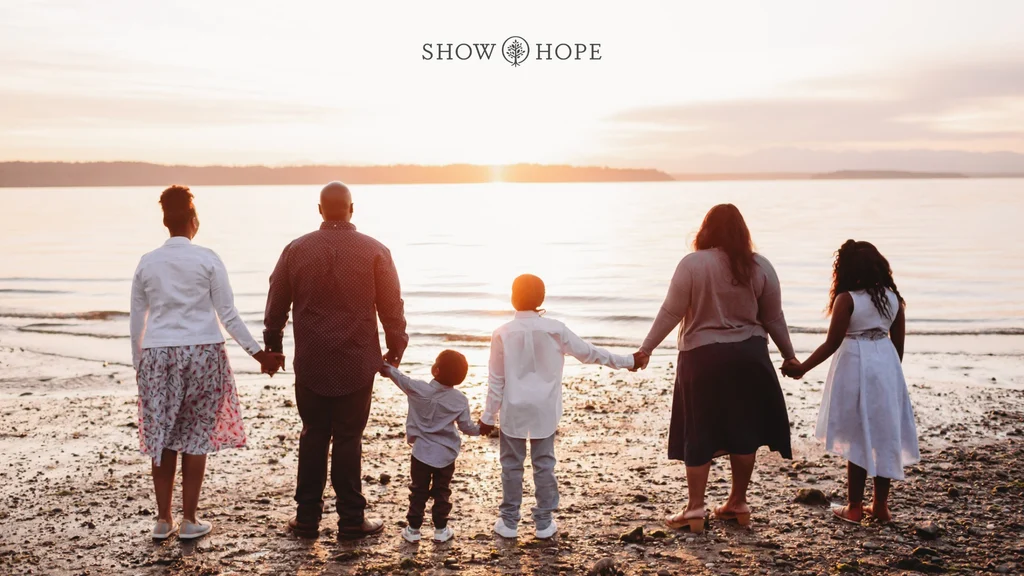
The enduring adage that it takes a village to raise a child resonates deeply across many households, but for families formed or impacted by adoption and foster care, that sentiment carries an extraordinary weight. While the daily demands of family life can sometimes tempt parents to retreat inward or limit social engagements to the immediate household, advocates and family support organizations emphasize that building and maintaining an adoption community offers profound, irreplaceable benefits. Navigating the unique landscape of adoption and foster care is a journey that thrives on connection, shared wisdom, and collective support.
Understanding and Support
As Mary Beth Chapman, co-founder of the adoption advocacy organization Show Hope, has frequently observed, adoption is gloriously hard. This duality of immense joy paired with complex challenges means that adoptive parents often find themselves in the position of explaining the intricate nuances of adoption to well-meaning friends and extended family members. While educating loved ones is an important part of the journey, it can also become emotionally and mentally exhausting.
Within a dedicated adoption community comprising other families who share similar life experiences, a distinct level of understanding exists that requires no explanation. This foundational empathy creates a safe space where families can freely encourage one another, exchange practical advice, and find solace in the shared realities of their journeys. Rather than expending energy to make others understand the subtleties of trauma, attachment, and identity, parents in these communities find immediate validation and mutual support.
In a Village
Practical assistance is another critical advantage of embedding oneself within a supportive adoption network. Families with direct adoption and foster care experience often possess a heightened awareness of the specific needs inherent to children who have experienced early childhood trauma, disruption, or loss. This specialized understanding translates into more effective and intuitive help with everyday logistics, ranging from specialized childcare and respite care to navigating complex administrative paperwork and systemic processes. When a support network truly comprehends the dynamics of trauma-informed care, practical assistance becomes far more targeted and genuinely relieving.
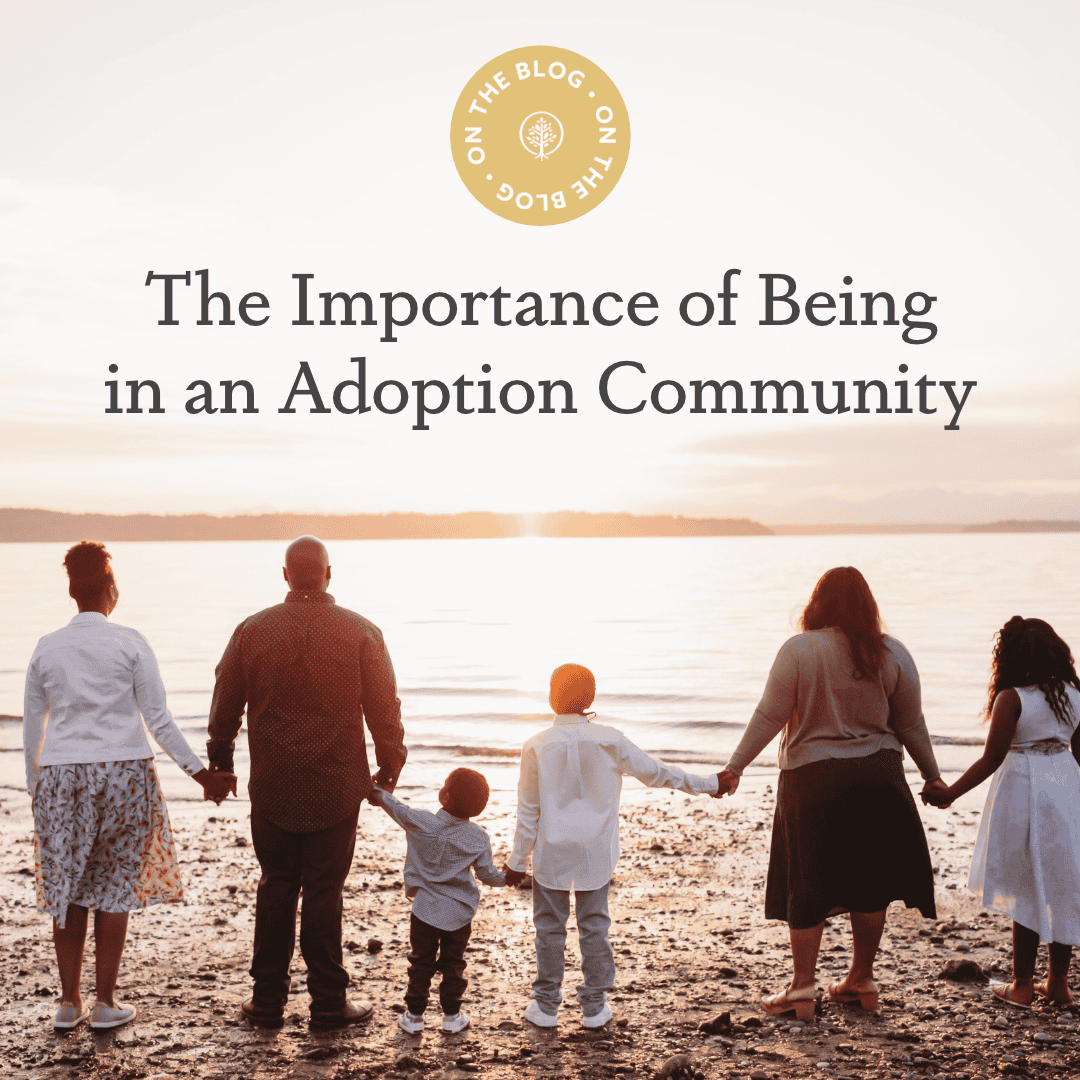
When Times Are Tough
Every household encounters difficult seasons, but for families brought together through adoption or foster care, those challenging periods can manifest in distinct ways. Whether a family is navigating a difficult developmental transition, holding heavy and sensitive conversations about a child’s personal history, or simply trying to survive a week when everyone is running on empty, having reliable people to lean on is vital.
Crucially, this supportive ecosystem does not need to consist exclusively of other adoptive or foster families. Friends, neighbors, church members, and extended family members who demonstrate a willingness to learn, listen, and show up can be equally meaningful. A meal left quietly on the doorstep, a thoughtful text message checking in during a turbulent week, or an hour of practical help around the house can serve as a powerful reminder to overwhelmed parents that they are never truly alone in their struggles.
Shared Experiences for Children
Beyond the undeniable benefits afforded to parents, child welfare advocates stress that it is equally essential for children with adoption or foster care backgrounds to spend time with peers who share similar life stories. This connection provides adoptees with a crucial avenue to explore their developing identities, process their thoughts, and learn how to articulate their feelings surrounding adoption. Just as shared experiences validate adults, peer connections offer children a vital sense of mutual understanding, ensuring they realize they are part of a broader community of kids who walk similar paths.
The Best Support
Adoption and foster care remain experiences defined by a delicate balance of beauty and profound challenge, and the underlying reality remains that no one is meant to walk that road in isolation. Whether the support comes from a peer who instinctively understands the complexities of parenting, a neighbor who knows precisely how to lend a hand, or a playmate who shares a child’s unique story, community lightens the collective load. For families still searching for their place within this landscape, advocates encourage taking that initial step outward. The most resilient support networks are frequently built upon a thoughtful blend of individuals who understand adoption firsthand and those who simply excel at loving a family well.
