As families and educators prepare to transition into the middle of summer, efforts to keep the Catholic liturgical year vibrant at home and in the classroom are receiving a seasonal boost. The popular faith-based resource platform Catholic Icing, in collaboration with Real Life at Home, has announced the release of a complimentary July Saint of the Day Calendar printable. Designed to make the rich traditions of the Catholic calendar accessible and engaging for children, the newly available resource brings daily reminders of holy men and women directly to home altars, prayer tables, and classrooms.
The announcement comes as part of the broader outreach efforts associated with the Catholic Icing Monthly Membership, a subscription service that provides continuous creative content to help families live out their faith throughout the year. While the core materials of the monthly membership rotate regularly, platform creators decided to select one decorative printable Saint of the Day Calendar from each month and offer it to the public as a free download. With July rapidly approaching, organizers determined the timing was ideal to share the mid-summer calendar, which was originally featured in the July 2025 membership package.
Liturgical living—the practice of integrating the rhythms, seasons, and feast days of the Church into daily domestic life—can often feel overwhelming for parents and teachers. Organizers note that many families struggle to find the time or resources to keep up with changing church seasons, sometimes leaving holiday decorations up months after a liturgical period has ended. The new free printable aims to lower the barrier to entry, offering a simple, visually appealing way to maintain a connection to the faith without requiring extensive preparation or crafting supplies.
The July Printable Saint of the Day Calendar set includes two standard U.S. letter-sized pages featuring a Litany of Saints for July, with a dedicated saint or blessed listed for every single day of the month. To accommodate different aesthetic preferences and reading environments, the set provides two distinct font choices. Families and educators can easily display the pages by placing them in standard 8.5-by-11-inch frames, pinning them to refrigerators, or hanging them on display lines. Beyond serving as decoration, the calendar is designed to serve as a daily prompt, encouraging children and adults alike to look up the lives of the featured saints and incorporate brief discussions about their lives into daily routines.
In addition to celebrating individual saint feast days, the month of July holds a special designation within the traditional Catholic calendar. The entire month is dedicated to the Most Precious Blood of Jesus, a major focus that complements the various saint celebrations occurring during the summer weeks. Catholic Icing provides a wide array of supplementary resources, including themed recipes, activity pages, coloring sheets, and craft ideas centered on the Eucharist and the Precious Blood, giving parents numerous avenues to engage children during the summer break.
For educators and parents looking to take a more structured approach to seasonal celebrations, the platform also offers comprehensive planning tools. Among these is Weaving the Faith, a liturgical living ebook and binder system designed to help families organize resources, track sacrament anniversaries, and build a customized library of faith-based activities that can be reused year after year. The system serves as a central hub for organizing everything from major church feasts to everyday prayer table decorations.
The free July Saint of the Day Calendar is currently available to subscribers of the platform’s weekly newsletter. Those interested in obtaining the download can request the files directly through the Catholic Icing website. While the offer requires newsletter sign-up, participants retain the option to manage their subscription preferences at any time, though creators hope families will choose to remain connected to receive ongoing weekly inspiration for liturgical living throughout the year.
A homeschool graduation ceremony begins with an intention that echoes the very first steps a child takes. It represents a significant milestone, weaving together cherished memories and bright hope in a rich bouquet of learning and affection. However, as families complete the rigorous Challenge program, they frequently approach this transitional season with very practical inquiries: what the ceremony ought to include, the level of formality required, and whether a homeschool diploma holds genuine weight with universities, colleges, and prospective employers.
Leigh Bortins addresses this pivotal season directly within Chapter Twelve and the epilogue of The Conversation, reassuring parents that graduation—much like every preceding stretch of the high school journey—is simply another task to learn and execute successfully as a cohesive family unit. Classical Conversations families have celebrated this major milestone for decades, hosting gatherings in cozy living rooms, rented community halls, and even at sea. This collective experience has helped shape a clear understanding of what practices truly work for families navigating the transition.
Planning the Ceremony: Practical Ideas for a Meaningful Celebration
A homeschool graduation ceremony does not demand a massive stadium, a marching band, or an extensive guest list to mark the occasion properly. Instead, the event requires intention—a clear sense of purpose regarding the meaning of the day and the individuals who should be present in the room. Most families choose to build their ceremonies around three fundamental elements: a formal diploma presentation, a brief reflection detailing the student’s unique learning journey, and dedicated time with the community that shaped them, including parents, Tutors, Directors, and community day friends who sat alongside the graduate through years of rigorous memory work, essays, and debate.
Some families prefer to keep the ceremony intimate and personal, hosting it at home or folding the celebration into their local Challenge community’s final gathering of the academic year. Conversely, others opt for larger celebrations. Classical Conversations hosts a National Commencement, complete with traditional academic regalia and a comprehensive ceremony, specifically for families who desire to mark their graduate’s achievement on a grander scale alongside their broader community. Members can order their official graduation packages and diplomas through partner providers to ensure all traditional elements are met.
Reflecting on the Journey: What the Classical Model Built Over the Years
Graduation naturally invites families to look backward and evaluate the long-term impact of their educational choices. Long before the cap and gown are fitted, the classical model is already at work across three distinct movements corresponding to the traditional trivium arts.
During the Foundations years, the study of grammar provides students with a robust body of essential knowledge, encompassing memory work in history, science, and Latin that families recite together. As students advance into Essentials and the early Challenge levels, the dialectic stage teaches them how to ask probing questions and effectively sort through that accumulated knowledge. By the time students reach Challenge II, III, and IV, rhetoric brings these elements together cohesively. Graduates learn to craft sophisticated papers, defend complex positions, and speak persuasively about principles they have come to understand as true. From the age of four all the way to commencement, these students practice the liberal arts of grammar, dialectic, and rhetoric as they steadily grow toward wisdom and freedom.
Along this demanding path, most graduates also acquire invaluable leadership skills that may not appear directly on a formal transcript. Challenge students frequently lead academic strands, mentor younger classmates, and hone their public speaking abilities through rigorous formats like Policy Debate and Lincoln-Douglas Debate long before they ever step onto a graduation stage. Furthermore, they forge enduring friendships that persist well beyond the final ceremony—bonds born from years of shared songs, wrestling with profound intellectual topics, and debating challenging issues side by side.
Looking Ahead: Encouragement for the Next Chapter
As a graduate prepares for the next phase of life—whether that involves pursuing higher education, entering a technical trade, joining the military, or stepping directly into full-time employment—the fifteen foundational skills developed through Foundations, Essentials, and Challenge travel with them into every endeavor.
Parents finishing this demanding season often experience a profound sense of personal graduation as well. Following years of managing memory work and mentoring adolescents through advanced coursework, parents possess a deeper understanding of their own capabilities: knowing how to ask insightful questions, weigh complex options, and seek wisdom within a supportive community of fellow educators. This newly forged confidence translates directly into helping their graduate evaluate colleges, select specific career programs, or secure a first job.
Families looking forward to life beyond high school can draw upon a wealth of established resources designed to ease the transition. Guides detailing why families choose to homeschool through high school, how the classical model prepares students and parents for post-graduation endeavors, and how to properly document years of academic effort through a comprehensive homeschool transcript provide essential support for the road ahead.
Navigating Legal Recognition and Practical Realities
A frequent concern among transitioning families involves the legal standing and acceptance of home-education credentials. A parent-issued homeschool diploma is legally valid nationwide and is widely accepted by institutions of higher education, military branches, and employers. While specific recognition can occasionally vary by state, admissions offices generally place the greatest emphasis on the student’s detailed academic transcript rather than the diploma document itself. For this reason, maintaining a meticulous, well-documented transcript alongside the diploma remains a vital practice for every graduating family.
Ultimately, a homeschool graduation ceremony marks the beautiful close of a season that began with uncertain first steps and blossomed, year by year, into rigorous memory work, thoughtful essays, engaging debates, and late-night discussions around the kitchen table. When families plan the day with genuine intention, the event becomes a profound opportunity to look back with deep gratitude at the knowledge, understanding, and wisdom cultivated in the student over the years. Though the ceremony itself eventually concludes, the deeper reality it celebrates—a mind and heart shaped to know and glorify God—continues to resonate in whatever path the graduate pursues next.
The holiday season arrives each year laden with expectations of warmth, joy, and familial harmony. Yet, for many, the reality of December involves navigating a complex landscape of emotional exhaustion, financial pressure, and deep-seated holiday baggage. Between the arduous task of selecting thoughtful gifts, braving crowded retail stores, and recreating labor-intensive generational recipes, the festive period can quickly transform from a season of comfort into a source of significant stress.
Rather than succumbing to the rigid script of what Christmas is ostensibly "supposed" to be, a growing cultural shift is encouraging people to slow down, reset, and design holiday traditions that genuinely serve their mental health and foster authentic connections with family and chosen circles. Experts note that traditions do not require perfection or adherence to external standards; instead, their true value lies in their capacity to cultivate shared laughter, emotional bonding, and a sense of ease.
The pressure to maintain perpetual gratitude and cheer—even when facing underwhelming gift exchanges or family friction—often leaves individuals feeling isolated in their overwhelm. By shifting focus away from historical baggage and perfectionism, households are discovering that meaningful rituals can be remarkably simple, low-stakes, and tailored to the emotional needs of those involved.
A foundational aspect of this seasonal reset involves reimagining familiar activities, starting with the decoration of the home. While "decking the halls" is traditionally viewed as a mandatory aesthetic checklist, it can be reframed as a collaborative team effort. Rather than stressing over a meticulously styled interior, individuals are turning ornament hanging and light stringing into relaxed bonding opportunities accompanied by music, shared memories, and lighthearted competition. Mental health advocates suggest anchoring these moments in mindfulness by taking time to discuss the stories behind specific decorations and setting intentional expectations for the weeks ahead.
Similarly, traditional holiday movie nights offer an antidote to the relentless hustle of "doing" during December. Escaping the pressure of constant productivity by gathering under blankets for a classic film allows families and friends to practice quality time without agenda. When disagreements arise over viewing selections, scheduling a rotating film marathon ensures that everyone gets a chance to share a favorite piece of cinema, reinforcing inclusivity and mutual appreciation.
Creative pursuits, such as crafting personalized ornaments or designing homemade keepsakes, further strip away the demand for flawlessness. Embracing imperfect creations—such as a friend’s accidentally eccentric handmade decoration—fosters an atmosphere of humor and warmth that a sterile, magazine-worthy home cannot replicate. Focusing on the sensory process of working with one’s hands, accompanied by seasonal acoustic music, helps ground individuals in the present moment.
Acts of service and philanthropy also take on a more manageable form when approached through the lens of personal capacity. While large-scale volunteering is admirable, packed holiday schedules can make it difficult to sustain. Communities are finding that smaller, collective gestures—such as a group gathering to donate a single unused item or book to a local charity—provide the emotional benefits of giving back without inducing guilt or burnout. Following these activities with reflective conversations about gratitude helps reinforce a sense of community connection.
Communication rituals are likewise evolving. While children traditionally write letters to Santa Claus, adults and peers are increasingly adopting letter-writing practices directed at one another. Expressing gratitude, highlighting cherished memories, and sharing hopes for the upcoming year through handwritten notes creates a lasting emotional archive. These letters, saved and read aloud on Christmas Eve or morning, anchor the holiday in genuine appreciation rather than material exchange.
Musical traditions, too, are being adapted to modern comfort levels. While traditional door-to-door caroling remains a classic custom, many prefer hosting intimate karaoke nights featuring holiday playlists or simply singing along during home decorating sessions. The emphasis remains on shared joy and playfulness rather than performance quality, allowing participants to set a collective intention of levity and connection.
Culinary traditions are undergoing a similar relaxation of standards. Baking holiday treats together provides a multisensory experience where the quality of the final product matters far less than the shared laughter around the kitchen counter. Savoring the aromas, textures, and tastes of seasonal baking encourages mindful engagement, while packaging leftover goods for neighbors and coworkers extends the spirit of generosity outward.
For those seeking respite from technology and seasonal acceleration, quiet rituals such as shared reading offer a deliberate pause. Reading aloud from a favorite holiday book or listening to an atmospheric winter audio story while enjoying warm beverages creates a sanctuary of calm within a typically hectic schedule. These practices encourage mental stillness and offer a reliable buffer against holiday fatigue.
Reflecting on the passage of time is another way individuals process the conclusion of the calendar year. Rather than viewing December’s arrival with melancholy, people are utilizing scrapbook-making sessions or digital photo slideshows to celebrate annual highlights. Compiling ticket stubs, photographs, and meaningful keepsakes together provides a tangible record of shared experiences, anchoring the family unit in a collective sense of gratitude.
The desire for genuine rest has also popularized the concept of dedicated pajama days. By carving out a single day to remain in comfortable loungewear, share a simple meal, and disconnect from external pressures, loved ones can reclaim the holiday as a period of true restoration. Experts emphasize that making such days screen-free enhances interpersonal presence, allowing individuals to notice and appreciate small, humorous details of shared domestic life.
Anticipation can likewise be cultivated through flexible advent calendars centered on shared experiences rather than material consumption. Exchanging small cards inscribed with simple, low-effort activities—such as brewing hot chocolate or hanging a specific decoration—ensures that every day holds a small point of connection.
Finally, engaging with seasonal displays, such as driving through local light installations or walking through decorated neighborhoods, offers a zero-pressure way to appreciate the aesthetic beauty of the season. Pausing amidst glittering lights with a warm beverage allows individuals to practice situational awareness and embrace the present moment.
As cultural attitudes shift toward mental health awareness, the reinvention of Christmas traditions highlights a collective desire for authenticity. By releasing the burden of perfection and focusing on connection, rest, and shared joy, individuals and families continue to forge holiday customs that genuinely nourish their well-being.
For many prospective parents, the journey of adoption is as emotionally profound as it is financially demanding. Recognizing the significant monetary hurdles that often accompany bringing a child home, organizations dedicated to easing this burden play a critical role in the child welfare landscape. Among them, Show Hope remains a prominent pillar of support, having recently issued a comprehensive set of recommendations designed to streamline the application process for its well-known Adoption Aid grants.
Show Hope’s financial assistance program has long served as a vital resource for families committed to domestic and international adoption. Ranging between $8,000 and $12,000 per award, these grants are structured to cover approximately 20% to 30% of total adoption expenses. Since its inception, the initiative has achieved a remarkable milestone, impacting the lives of 10,000 children and distributing more than $52 million in financial aid. As the organization prepares to welcome a new cohort of applicants, leadership has emphasized the importance of thorough preparation to ensure that families can navigate the administrative requirements as smoothly as possible.
Embarking on the grant application journey requires careful attention to detail, beginning well before a prospective parent submits their paperwork. According to the organization, understanding the foundational criteria of the program is the most critical first step. Show Hope Adoption Aid grants are specifically designated for adoptions facilitated exclusively through a licensed, 501(c)(3) nonprofit placing agency. Ensuring that an adoption arrangement aligns precisely with this organizational status prevents administrative delays and ensures eligibility from the outset.
Timing also plays a pivotal role in the application lifecycle, particularly for families utilizing complex adoption structures. Prospective parents who are currently working with an adoption consultant or engaging multiple agencies simultaneously are advised to exercise patience. The organization strongly encourages applicants to hold off on submitting their paperwork until they have achieved an official, confirmed match with a single placing agency. Conversely, families who are already paired with a single agency are cleared to proceed with their submissions whenever they feel prepared.
Beyond financial and structural alignment, the organization places significant emphasis on cultural and ideological compatibility. Prospective applicants are encouraged to take ample time to thoroughly review Show Hope’s Statement of Faith before initiating the application process. This foundational document outlines the core values and beliefs of the organization, providing crucial context for the mission and philosophy that drive its ongoing philanthropic efforts.
Administrative preparedness is another area where many applicants encounter avoidable bottlenecks. Gathering all necessary documentation ahead of time is highlighted as one of the most effective ways to accelerate the review process. While financial and legal records are essential components of any adoption dossier, the organization offers a specific, security-conscious recommendation regarding sensitive information: applicants are strongly advised to black out all social security numbers before uploading their documents to the portal.
Once the documentation is assembled, meticulousness becomes paramount. Organization officials stress the importance of completing every section of the application thoroughly and deliberately. Much like a rigorous academic assignment, taking the time to address each prompt fully helps paint a comprehensive picture of the family’s readiness and circumstances, ultimately facilitating a smoother evaluation by the review committee.
Before hitting the final submission button, applicants are urged to engage in a rigorous quality-control check. Ensuring that all required attachments and documents are properly uploaded prevents frustrating delays that can occur when administrative staff must track down missing files. Furthermore, because adoption journeys are inherently dynamic, the organization emphasizes the necessity of ongoing communication. If significant life changes occur after an application has been submitted—ranging from adjustments in timelines to shifts in financial circumstances—families are encouraged to notify the organization promptly. This transparent dialogue ensures that applicant files remain current and that the staff can continue to serve each family effectively.
For those encountering questions or uncertainties along the way, a wealth of resources remains accessible. The organization maintains a dedicated frequently asked questions section on its platform, designed to address common inquiries regarding eligibility, documentation, and the review timeline. Additionally, recognizing that the broader adoption process can occasionally feel overwhelming, leadership has pointed families toward supplemental educational resources, including the specialized portal HowToAdopt.org, which aims to support parents through every phase of the journey, from initial preparation to post-placement integration.
For families standing at the threshold of this transformative experience, the path forward begins with careful planning, attention to detail, and a clear understanding of available support systems. As Show Hope continues its mission of mobilizing communities and individuals to reduce the barriers to adoption, the release of these practical insights underscores the organization’s enduring commitment to walking alongside families every step of the way.
It is all too easy to worry. In an age defined by economic shifts, health concerns, and the daily pressures of raising a family, uncertainties about the future can quickly spiral into deep-seated anxiety and fear for parents. Yet, the foundational truths found in ancient texts remind individuals to cast their anxieties away because they are cared for. Knowing that a higher power is in absolute control—even when earthly circumstances feel chaotic—offers a profound anchor. Long before modern psychology mapped the physical toll of chronic worry, timeless wisdom recognized human vulnerability, advising generations not to be afraid.
Anxiety in Sarah’s Family
The reality of this struggle plays out in households across the country every single day. It was 2 a.m. when Sarah found herself staring at the ceiling yet again, her mind racing through a familiar, exhausting loop: What if Jacob’s cough turns into something worse? What if we can’t cover the bills this month? What if I’m failing at this whole parenting thing? Down the hall, she could hear her seven-year-old shifting restlessly in his sleep, and she wondered—not for the first time—if he could somehow feel the tension she carried, even in her silence.
The next morning, Jacob refused to eat breakfast and snapped at his sister over nothing. Sarah recognized the pattern immediately, because she’d seen it in the mirror the night before. Anxiety, she was learning, doesn’t stay contained to one person in a household—it moves through a family like a current, quietly shaping how everyone responds to the world. If she wanted peace for her children, she realized, she would first have to find it for herself.
As parents, child development experts and mental health professionals note, it is critical to train oneself to manage fears and anxiety in order to protect children and train them to be resilient. Overcoming anxiety and caring for a family’s overall mental health all starts with the adults in charge. Keeping anxious thoughts in check and helping children navigate their own emotional landscapes requires a deliberate, grounded approach to daily life.
Understanding the Nature of Anxiety
It is very likely that nearly every adult has experienced anxiety at some point. The physical symptoms are unmistakable: a pounding heart, sweaty palms, and an inability to catch a breath, all triggered by an impending worry. While some people experience these sensations only on occasion, others find that anxiousness and anxiety disorders are an everyday occurrence that disrupts their professional and personal lives.
Clinically and practically speaking, anxiety almost always manifests in the form of "what if" questions. A person might ask themselves what will happen if their health fails, or if they lose their job and cannot make mortgage payments or feed their family. By its very definition, anxiety focuses exclusively on the future and never on the present moment.
Consider this psychological reality: Does the future actually exist yet? No. And how much control does any individual have over things that do not yet exist? Zero.
This disconnect makes it remarkably easy to feel like life is completely out of control. Imagining all of the possible ways for events to unfold can quickly turn into an endless, exhausting mental road. Before long, the world feels like it is spinning out of control, and anxiety has the individual firmly in its grip.
Why Worry Fails to Change Tomorrow
Human beings cannot live in the future, nor can they realistically control every variable that happens there. However, people can and should plan for the future. The concrete actions taken today make a measurable impact on what happens tomorrow, next month, or next year. Wise choices and careful planning remain essential components of responsible living.
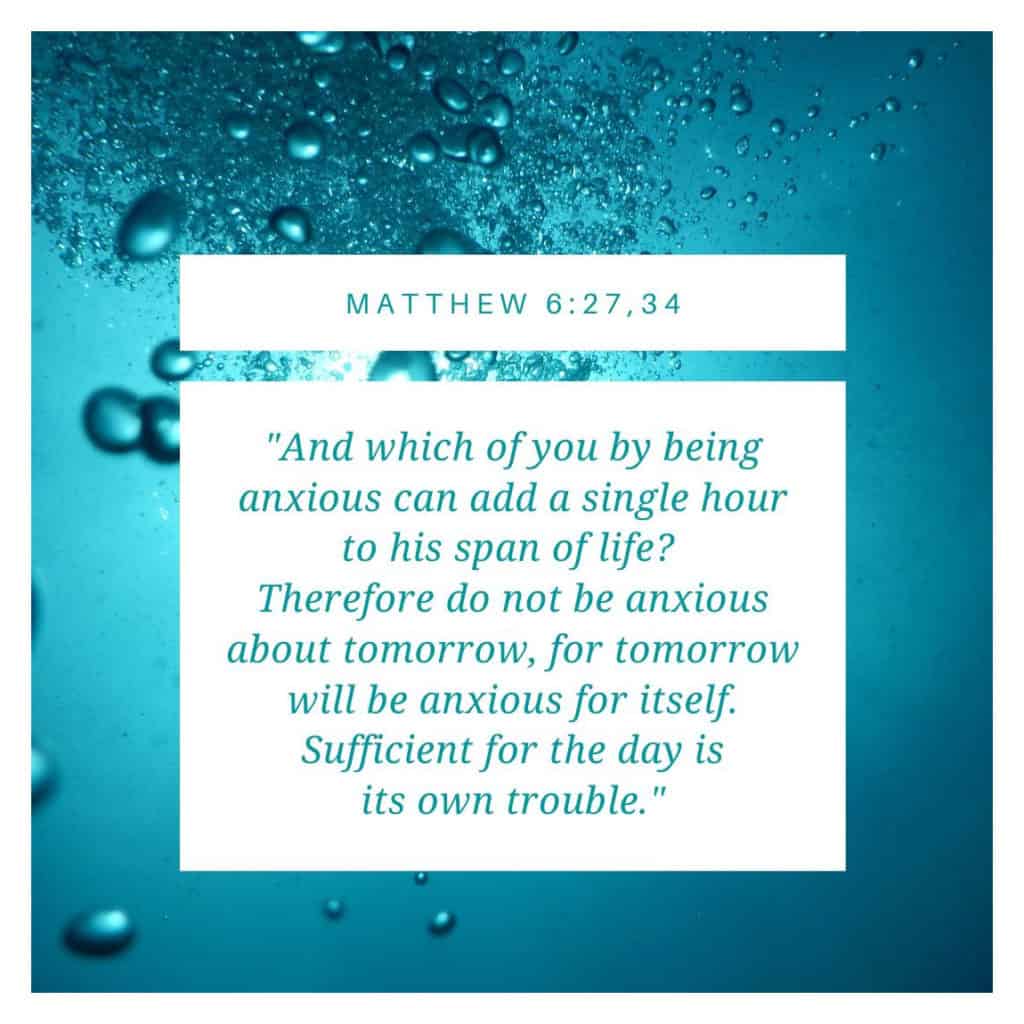
However, excessive worry about the future does nothing to help anyone prepare for it. Historical texts record lengthy discourses on this exact topic, pointing out that fretting cannot add a single hour to a person’s life span. The pragmatic advice remains to focus on the immediate day, as each day carries enough challenges of its own.
Beyond the mental exhaustion, anxiety takes a severe physical toll on the human body. Medical science shows that brains simply do not function well under constant, elevated levels of stress. Anxiety forces the brain to use excessive amounts of serotonin, the vital neurotransmitter that contributes directly to feelings of happiness and well-being. Chronic anxiety can rapidly deplete the brain’s stores of serotonin, a shortage that can eventually cause the brain to slip into clinical depression. Once that threshold is crossed, the cycle can become extremely difficult to reverse. Recognizing these physiological risks makes it imperative for individuals to take active steps to overcome anxiety before it takes a permanent toll.
Practical Ways to Control Anxious Thoughts
Because anxiety feeds on speculative "what if" questions about an unwritten future, the most effective antidote is keeping the mind firmly grounded in the present. Achieving this, however, requires deliberate, intentional practice. Mental health advocates often compare the untrained mind to a large, powerful dog on a leash. A massive St. Bernard might trot happily beside its owner until a rabbit suddenly darts from the bushes. If the dog is untrained, it will dive into the brush, dragging the owner along for a chaotic chase. If the dog is properly trained, the owner can simply pull the leash, call the animal back, and continue enjoying the peaceful walk.
The human mind operates in much the same way. Thoughts will inevitably drift toward the future, sparking anxious inquiries. The deciding factor is whether an individual has trained their mind to return to the present moment or chosen to let runaway thoughts drag them down endless mental trails.
Training the mind requires active participation rather than passive reading. Over time, consistent practice builds psychological resilience, making calm responses much more automatic when anxiety flares up. Professionals recommend several practical techniques to anchor wandering thoughts back to the present.
One popular method used by clinical directors is an observational grounding exercise designed to pull attention away from abstract worries and direct it toward immediate surroundings by cataloging specific sights, sounds, and tactile sensations in the immediate environment. Concluding this mental inventory by asking a simple, direct question—such as what needs attention right now—helps reset the cognitive focus.
In addition to observational techniques, simple physiological interventions yield rapid results. Taking several slow, deep breaths immediately signals the nervous system to calm down, relaxing the physical body and tightening focus on the present. Maintaining structured daily routines also fosters a deep sense of stability and control, whether that means preserving existing habits or establishing predictable new schedules during times of disruption. Physical exercise—particularly activities that demand complete hand-eye coordination or continuous movement, such as a fast-paced game of sports—leaves little cognitive bandwidth for worry, effectively clearing the mind.
Finally, spiritual disciplines offer a powerful framework for peace. Many individuals find profound relief by turning to prayer, meditation, and the study of foundational texts that explicitly address fear and worry. Surrendering heavy thoughts to a higher power provides a psychological and emotional release that helps individuals trust that they are not carrying their burdens alone.
Navigating Anxiety in Children
As family counselors frequently point out, adults must learn to manage their own anxiety before they can effectively teach those vital skills to their children. Adults often underestimate how perceptive children are; even with exceptional acting skills, parents cannot completely hide deep-seated anxiety from their kids. Children absorb tension effortlessly, leading to the clinical observation that anxiety breeds anxiety. Ensuring positive family mental health must start with the parents.
Just like adults, children experience real anxiety, though younger kids often lack the vocabulary to articulate what they are feeling. Instead, anxiety in children typically manifests in behavioral extremes. A child may become unusually quiet and withdrawn, or they may exhibit boundless, frantic energy. Physically, children frequently express anxiety as a somatic complaint, such as a persistent "tummy ache," alongside rapid breathing, sweating, or restless sensations.
Regardless of a child’s age or how their anxiety presents itself, the core strategy remains the same: gently guiding them back to the present moment. Children, too, fall into the trap of worrying about future uncertainties. Helping them focus on the here and now diffuses their fears.
When children face difficult circumstances—such as family illnesses, financial strains, or job losses—they inevitably ask tough questions. They may voice fears about what will happen if a parent gets sick or loses employment. During such moments, parents must resist the temptation to overwhelm children with every detail of a complicated situation, operating under the false illusion that total information equals total control.
Instead, parents can respond by reassuring children that the adults are actively thinking about and planning for the situation. Keeping explanations consistent, age-appropriate, and strictly focused on what the family is doing right now to remain safe and supported helps children feel secure without bearing adult burdens.
When to Seek Professional Support
While everyday strategies help manage normal levels of stress, some individuals experience anxiety that is so frequent, intense, and disruptive that professional intervention becomes necessary. Clinicians look for specific indicators of Generalized Anxiety Disorder, including persistent restlessness, chronic fatigue, severe lack of focus, irritability, muscle tension, sleep disorders, and deliberate avoidance of everyday situations.
When these symptoms significantly impair daily functioning for an adult, a spouse, or a child, consulting a licensed mental health professional is strongly recommended. Organizations such as Focus on the Family offer consultation sessions through professional counselors, and individuals can also connect with qualified local care providers through regional networks, ensuring that families have access to the comprehensive support they need to navigate mental health challenges successfully.
In the contemporary digital landscape, navigating daily life without relying on technology and the internet has become virtually impossible. As children and adolescents increasingly seek—and often require—greater digital access for education, socialization, and everyday functioning, parents and caregivers frequently find themselves weighing the benefits against significant hesitation. This apprehension is particularly acute among families formed through adoption and foster care, where children may have already encountered early adversity, trauma, loss, or broken trust. Within these households, the online world can present unique risks and emotional challenges that hit vulnerable youth much harder.
Child welfare advocates and family support organizations emphasize that the primary responsibility for parents is not merely restricting access, but rather establishing healthy boundaries and walking alongside young people as they learn to navigate technology safely while remaining closely connected to their caregivers. Experts point to several core strategies that families can utilize to build sustainable, healthy tech habits, tailoring their approaches to meet the individual developmental needs of children rather than relying on rigid age-based rules.
Choose devices and access based on your child’s needs, not just their age
A foundational principle in managing youth technology use is that a one-size-fits-all approach rarely succeeds. When establishing household policies, parents are encouraged to look beyond chronological age to consider a child’s overall maturity level, specific functional needs, and developmental history. While a young child has no need for unmonitored smartphone access, an older teenager who drives independently may require reliable communication tools for safety and coordination.
For children impacted by trauma and early loss, developmental age often diverges significantly from chronological age. A teenager who is fourteen years old on paper may still struggle considerably with self-regulation, impulse control, and critical decision-making. Child development specialists note that this discrepancy is a natural reflection of a young person’s unique history, serving as a reminder that heightened guidance and structural support are necessary, particularly during the initial stages of introducing new technology.
To address these varying needs, many families begin with restricted devices designed specifically for younger users or adolescents taking their first steps into digital communication. These alternatives often include basic mobile devices lacking internet capabilities, restricting communication strictly to pre-approved contacts. Alternatively, parents frequently implement comprehensive parental control applications that allow them to monitor online activity, limit specific application usage, and adjust security settings remotely.
Create screen-free zones and times—and provide needed support during transitions
Establishing physical and temporal boundaries is widely regarded as an effective method for maintaining a healthy balance between online engagement and offline family life. Many households designate specific areas—such as bedrooms, bathrooms, and dining spaces—as strictly screen-free zones. To reinforce this boundary, families often set up a designated charging station in a common area, sometimes referred to as a household "phone home," where devices must be placed at specific times of the day. This physical arrangement creates a centralized communication hub while preventing nighttime device usage.
Ensuring adequate rest is another critical factor in youth development, particularly for children whose developing brains and nervous systems are continuously working to build a sense of safety and regulation. Consequently, many parents establish definitive offline hours extending from bedtime through breakfast, utilizing shared charging locations or parental oversight tools to enforce the routine.
Because abruptly turning off a screen represents a significant disruption, navigating digital transitions can prove challenging, especially for children with trauma histories who may experience heightened anxiety during shifts in activity. Child and family advocates suggest that providing proactive warnings—such as giving a five-minute notice before a device must be plugged in—or offering structured choices regarding where a device is stored can prevent emotional dysregulation and help young people feel empowered rather than controlled.
Normalize monitoring and rules
Transparency plays a vital role in establishing household digital policies. Experts advise parents to clearly communicate to children and teens that their online activity, including text messages, contact lists, social media interactions, and downloaded applications, will be subject to regular monitoring. Framing these measures not as a punishment, but as a shared commitment to personal safety and trust-building, helps children view oversight as a form of protection rather than an invasion of privacy.
For adolescents engaging with social media platforms, common practices include requiring accounts to be maintained with private settings while keeping open awareness of their digital networks and connections. By communicating these expectations openly and consistently from the outset, families can foster an environment of shared safety. Furthermore, professionals note that parents set the most powerful precedent through their own modeling of healthy digital boundaries and device usage in daily life.
Keep discussions open around tech use
Maintaining ongoing, open dialogue regarding technology is essential for long-term digital literacy and safety. Rather than treating online safety as a one-time conversation, families benefit from making technology a regular topic of discussion. Encouraging children and teens to report any uncomfortable, strange, or unsafe online encounters without fear of punitive consequences helps ensure that parental connection remains a young person’s strongest safeguard.
Regularly checking in on emerging digital trends, popular applications, and online culture allows families to evaluate potential risks collaboratively. When children approach caregivers with reasonable compromises or alternative suggestions regarding household tech guidelines, experts suggest that listening and working through solutions together reinforces valuable communication and negotiation skills. Remaining receptive to these discussions ultimately demonstrates to children and teens that their voices are heard and valued within the family dynamic, fostering mutual respect as they navigate the modern digital world.