Shifting the Paradigm: How Salutophysiology is Transforming Modern Maternity Care
In the high-stakes environment of contemporary maternity care, the prevailing clinical culture is often defined by a singular, persistent objective: the identification and mitigation of risk. From the earliest stages of pregnancy through the final moments of labor and delivery, healthcare providers are rigorously trained to monitor for complications, assess potential hazards, and prepare for interventions. While this risk-averse framework has undoubtedly contributed to the survival rates seen in modern obstetrics, many practitioners and birth advocates are beginning to argue that this narrow lens has come at a cost. In the pursuit of safety, the fundamental conditions that support physiological health, patient trust, and the natural unfolding of birth are frequently sidelined.
A growing movement within the birth community is now challenging this status quo, proposing a fundamentally different starting point for care: salutophysiology. This model, which shifts the clinical focus from the prevention of disease to the cultivation of health, is gaining traction as a transformative approach for birth professionals seeking to reconcile clinical safety with the human experience of childbirth.
Defining Salutophysiology
At its core, salutophysiology is rooted in the concept of salutogenesis—a term popularized by medical sociologist Aaron Antonovsky, who famously asked, "What causes health to flourish?" rather than the traditional medical inquiry, "What causes disease?" In the context of maternity care, this theory was further developed and refined by midwife Verena Schmid.
Schmid’s work suggests that birth should not be viewed merely as a mechanical process prone to failure, but as a complex, dynamic event that is inherently responsive. By integrating the physical, emotional, and environmental factors that surround a birthing person, salutophysiology creates a holistic picture that allows providers to better understand how birth progresses. Rather than separating the biological mechanics of labor from the psychological state of the mother, this model recognizes that physiology is inherently relational. It is deeply influenced by the environment, the quality of care, and the sense of safety—or lack thereof—that a birthing person experiences.
The Impact of Risk-Focused Care on Physiology
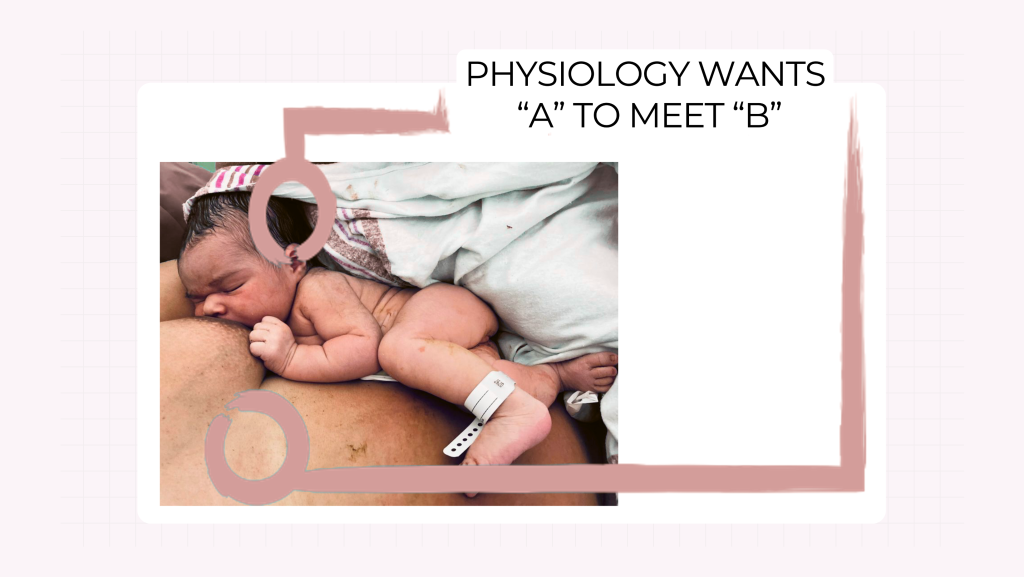
The significance of this perspective shift cannot be overstated. Birth does not occur in a vacuum; it is a profound physiological event dictated by the body’s internal nervous system. This system is constantly scanning the environment, adjusting hormone flow, influencing muscle tone, and determining the body’s readiness for labor based on external cues.
When a clinical environment is dominated by a primary focus on risk, it can unintentionally trigger a sympathetic nervous system response in the birthing person. This "fight or flight" state, often induced by stress, fear, or a perceived lack of control, can physically inhibit the progress of labor. Conversely, a salutophysiologic approach seeks to understand the body’s responses rather than merely treating them as obstacles to be overcome. By centering trust, relational connection, and the creation of a supportive environment, providers can foster conditions where physiology is better equipped to function effectively, even when complications arise. This does not mean ignoring the reality of clinical risk or the necessity of medical intervention; rather, it means building a foundation of health that supports the body’s natural capacity to navigate the birth process.
Aligning with the Spinning Babies® Approach
For the many professionals already familiar with the Spinning Babies® approach, the principles of salutophysiology will feel like a natural evolution. Spinning Babies® has long championed the importance of fetal positioning, balance, and maternal movement as the keys to a more comfortable and efficient birth. By looking beyond the purely mechanical aspects of childbirth to consider the body as a whole, the approach aligns seamlessly with the salutophysiologic philosophy.
Both frameworks emphasize that birth is a dynamic interaction between the body’s structure and its function. Salutophysiology deepens the technical understanding of Spinning Babies® by providing a broader theoretical context, helping birth professionals move beyond the simple application of techniques. Instead of merely performing a maneuver, a practitioner trained in this model learns to be in a responsive relationship with the physiology of birth. It bridges the gap between technical skill and intuitive, patient-centered presence, allowing the professional to ask, "What is this body responding to?" rather than defaulting to, "What should I do next?"
A Practical Shift in Clinical Practice
For many birth workers, the transition from theory to practice is the most significant hurdle. The salutophysiologic lens offers a practical toolkit for managing this. It encourages practitioners to observe the subtle cues of the body—the changes in breathing, the shifts in tension, and the non-verbal indicators of safety or distress. By learning to interpret these signals, professionals can adjust their support in real-time, creating an environment that encourages the physiology to work in its most optimal state.
This shift represents a fundamental move from fear to trust. In a fear-based model, the birthing person is often treated as a patient whose body is potentially fragile or prone to breakdown. In a trust-based, salutophysiologic model, the birthing person is viewed as capable and responsive. This perspective validates the inherent power of the birthing process, empowering both the professional and the family to engage with birth as a developmental experience rather than a medical crisis to be managed.
Expanding the Horizon of Education
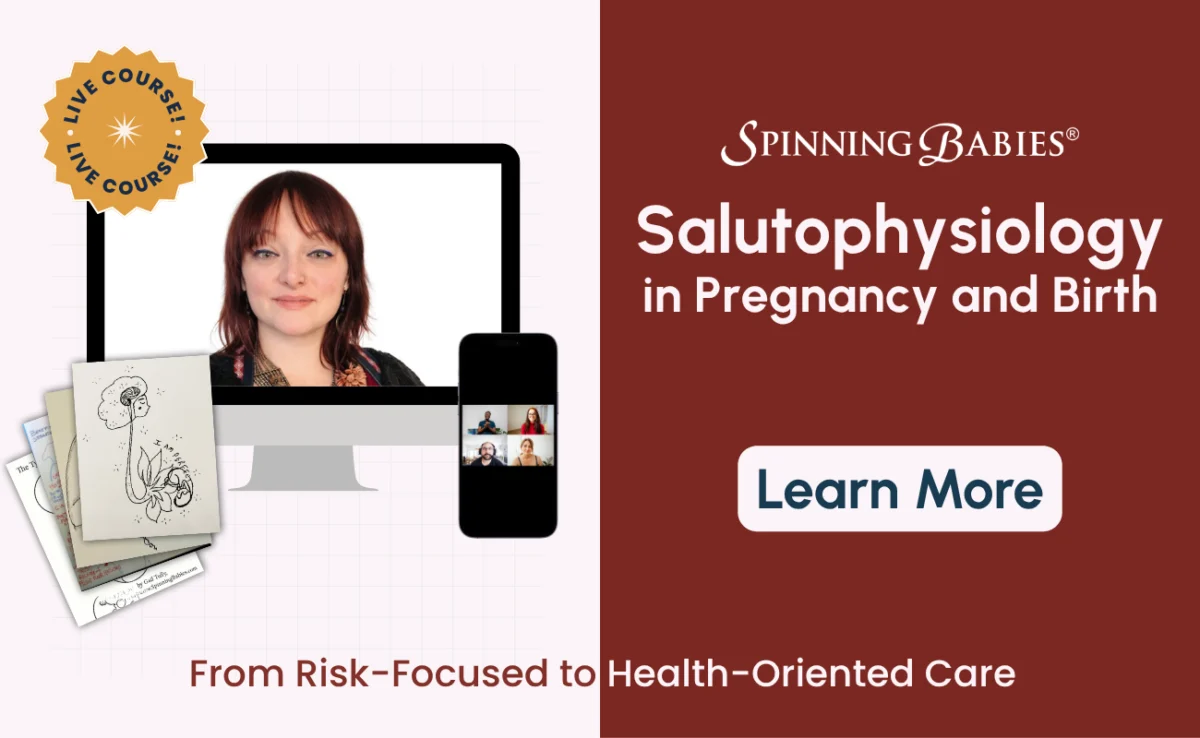
Recognizing the need for a more comprehensive approach to training, Spinning Babies® has announced a strategic partnership with Anna Maria Rossetti to offer a new, in-depth learning experience focused on these concepts. The course, titled "Salutophysiology in Pregnancy and Birth: From Risk-Focused to Health-Oriented Care," is designed to equip birth professionals with the tools to integrate these concepts into their daily work.
The curriculum explores the intricate interplay between the nervous system, the birth environment, and maternal physiology throughout the pregnancy, labor, and postpartum periods. Utilizing a combination of expert-led content and live, interactive sessions, the course provides a space for practitioners to reflect on their own clinical biases, integrate new understandings of physiological function, and discuss the practical application of these ideas in diverse birth settings.
The collaboration, which is a joint effort between Spinning Babies® and SEAO, is intended for midwives, obstetricians, doulas, and other birth professionals who are looking to move beyond traditional, reactive care. By joining a community of like-minded professionals, participants are encouraged to engage in the deeper, more challenging questions about what it truly means to provide supportive, high-quality care.
Registration for the course is currently open for those looking to expand their professional practice. As the global conversation around maternity care continues to evolve, the adoption of a salutophysiologic framework may well represent the next frontier in improving birth outcomes and experiences, ensuring that the focus remains firmly fixed on the flourishing of health.
