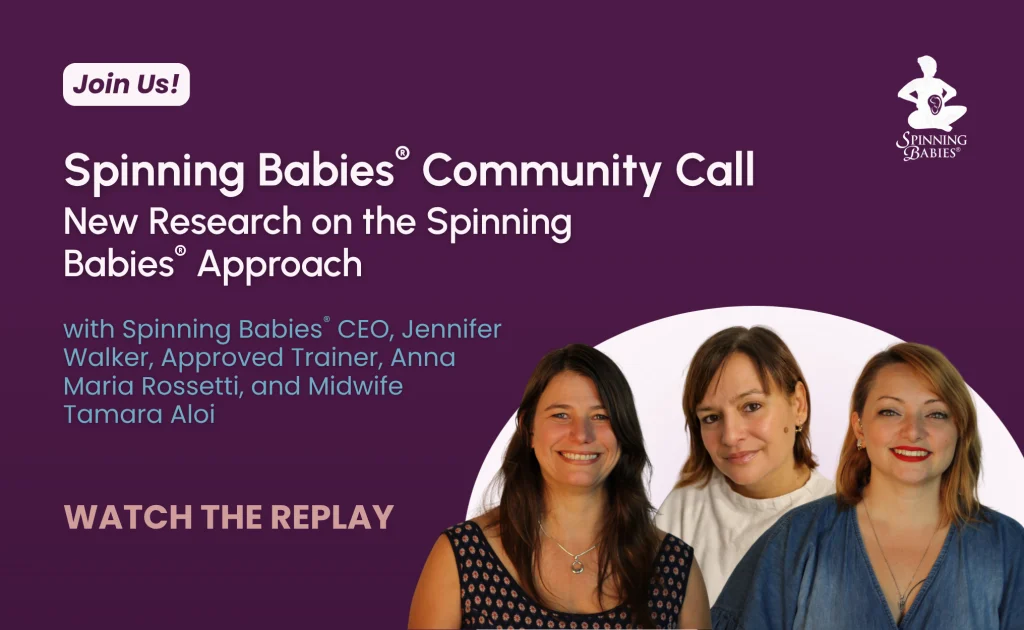
On November 5, 2025, the global birth community marked a significant milestone as Spinning Babies® hosted a virtual assembly that bridged the gap between intuitive clinical practice and empirical academic research. The event, held via Zoom, featured CEO Jennifer Walker, Approved Trainer Anna Maria Rossetti, and midwife Tamara Aloi. The primary focus of the gathering was a landmark article recently published in the European Journal of Midwifery, representing one of the first formal, peer-reviewed studies to specifically examine the efficacy of the Spinning Babies® framework in facilitating fetal rotation during labor.
For many birth professionals—including obstetricians, midwives, doulas, and childbirth educators—the study serves as a long-awaited bridge. It provides a formal, scientific language to describe the patterns and successful outcomes that practitioners have observed for years while utilizing the "Balance Before Force" and "Pelvic Levels Solutions™" frameworks. The virtual call served not only as a presentation of the findings but as a communal recognition that the practical wisdom honed in birthing rooms worldwide is increasingly being mirrored in the halls of clinical research.
A Collaboration Rooted in Real-World Practice
The genesis of the study lies in the professional partnership and shared history between Anna Maria Rossetti and Tamara Aloi. Rossetti, an Approved Trainer for Spinning Babies® and a pivotal figure at the Scuola Elementale di Arte Ostetrica (SEAO) in Italy, has spent years advocating for midwifery-led education and the preservation of physiological birth. Her work has been instrumental in shifting the conversation around labor management in Italy, emphasizing that birth is a dynamic, physiological event rather than a purely clinical problem to be solved with intervention.
Rossetti and Aloi are longtime contemporaries who completed their midwifery training together. This foundational bond, rooted in a mutual commitment to physiological birth, defined their respective career paths. The research project emerged organically after Aloi attended one of Rossetti’s Spinning Babies® workshops. Inspired by the principles of the framework, Aloi began integrating these techniques into her clinical practice within a hospital setting. The immediate, observable positive impact on labor outcomes became the catalyst for a formal investigation. The study is a testament to the power of frontline practitioners identifying a clinical improvement and seeking to document it through rigorous research methods.
During the virtual community call, Jennifer Walker provided a broader vision for the organization and the significance of this development. Walker emphasized that the research aligns perfectly with a global movement toward prioritizing physiology over force. This paradigm shift acknowledges that the baby is an active participant in the birthing process, capable of navigating the pelvic canal if given the correct environmental and physical conditions. The sentiment expressed by the practitioners in attendance—many of whom flooded the chat with messages of validation—was clear: the findings resonated deeply with their own lived experiences. The collective reaction was one of "we see this, too," underscoring that the research serves to confirm the efficacy of techniques that have been utilized successfully at the bedside for a significant period.
What the Study Shows
The publication in the European Journal of Midwifery offers a rigorous examination of fetal rotation from occiput-posterior (OP) and occiput-transverse (OT) positions. Historically, these positions have been associated with prolonged labor and higher rates of clinical intervention. By applying the Spinning Babies® approach—which focuses on the mobility and balance of the maternal pelvis and soft tissues—the study found a statistically significant increase in rotation to the anterior position among those who received the intervention compared to control groups.
The importance of this finding cannot be overstated. By demonstrating that targeted, physiological techniques can influence fetal positioning during the labor process, the study provides a vital piece of evidence for those who advocate for non-invasive approaches to managing labor dystocia. The Pelvic Levels Solutions™ framework, which posits that a baby must pass through distinct levels of the pelvis to descend and rotate, forms the backbone of this methodology. The research suggests that when providers focus on balancing the maternal anatomy before applying physical force or medical intervention, the baby is better positioned to navigate the pelvis autonomously.
This research does not exist in a vacuum; it is part of a growing body of evidence supporting the idea that birth outcomes are deeply influenced by the preparation and movement of the birthing person. By documenting these successes, the study invites further academic inquiry into how physiological, body-based techniques can be integrated into standard maternity care protocols, potentially reducing the need for more invasive procedures.
Engaging with the Research and Community
The virtual call was designed to be accessible to a diverse, international audience. Recognizing the global nature of the birth professional community, Spinning Babies® has made the full recording of the event available to the public. To ensure that the information is accessible across language barriers, the recording is provided in Italian, the native language of the primary researchers, and features English captions. Furthermore, the organization has released a highlights reel specifically for English-speaking audiences to distill the key takeaways from the discussion.
For those who wish to watch the full proceedings, the recording is hosted on the organization’s official YouTube channel. Similarly, the English-language highlights are available for those seeking a more concise summary of the presentation. In an effort to make this research truly global, the organization has provided clear instructions on how viewers can utilize the built-in translation features on video platforms. By clicking on the settings icon on the video player, viewers can access the subtitles/CC menu, select the "Auto-translate" option, and choose their preferred language. This commitment to accessibility reflects the organization’s broader mission to democratize knowledge about physiological birth.
The conversation held on November 5 was more than just a review of a study; it was an acknowledgment of the evolving relationship between professional intuition and peer-reviewed science. As more birth professionals adopt these methods, the role of research becomes increasingly important in standardizing care and advocating for the physiological safety of birthing people worldwide.
The Spinning Babies® leadership expressed their profound gratitude to the community for their ongoing participation in this journey. Whether a practitioner is just beginning their career or is a seasoned expert in the field, their role in these conversations is critical. By sharing real-world experiences, reporting outcomes, and engaging with new research, birth professionals are contributing to a global dialogue that is fundamentally reshaping the future of maternity care. As the community continues to explore the intersections of physiology, movement, and birth, the focus remains firmly on supporting the innate capacity of the baby to navigate the pelvis and the power of the birthing person to lead the process. The organization remains dedicated to fostering these connections and ensuring that evidence-based, physiological care remains at the heart of the birth experience for families everywhere.
In the contemporary landscape of maternity care, the standard approach is often defined by a vigilant, almost defensive posture. Birth professionals are rigorously trained to act as sentinels, constantly scanning for potential complications, assessing risk, and preparing for the worst-case scenarios. While this model of care has undeniably saved lives and provided necessary interventions in emergencies, many practitioners have begun to voice a growing concern: in our clinical obsession with what could go wrong, we may be inadvertently losing sight of what is required to support health, trust, and the natural physiological process of birth.
A paradigm shift is now emerging in the form of "salutophysiology," a model of care that proposes a fundamental change in the starting point of the patient-provider relationship. Rather than beginning with a checklist of risks, salutophysiology invites clinicians to ask a different, more foundational question: What are the conditions that allow health to flourish?
The Origins and Philosophy of Salutophysiology
The term "salutophysiology" is rooted in the concept of salutogenesis, a term coined by medical sociologist Aaron Antonovsky, which shifts the focus of health research from the pathogenesis—the origins of disease—to the origins of health. In the context of maternity care, this framework was further theorized and refined by midwife Verena Schmid.
At its heart, salutophysiology rejects the idea that physiology is merely a series of mechanical steps that either function or fail. Instead, it posits that the human body is inherently responsive, deeply relational, and profoundly influenced by the environment. When a laboring person feels safe, respected, and supported, the body’s internal systems are far more likely to work in harmony. By viewing the birth process as a holistic event rather than a series of isolated medical tasks, professionals can gain a much deeper understanding of how labor unfolds, recognizing that the emotional, environmental, and physical aspects of birth are inextricably linked.
Why the Shift to Health-Oriented Care Matters
Birth is a profoundly embodied experience that does not occur in a vacuum. A person’s nervous system is in constant, rapid communication with their environment, and this ongoing assessment of safety directly dictates the hormonal cascade, muscle tone, and the body’s overall readiness for labor.
When a care environment is primarily driven by a risk-focused mindset, it often inadvertently creates an atmosphere of surveillance and anxiety. Even if well-intentioned, this clinical pressure can trigger a sympathetic nervous system response—the "fight or flight" mode—which can, in turn, hinder the physiological progression of labor. By focusing exclusively on avoiding risk, the healthcare system may paradoxically create the very stress that interferes with the natural birth process.
Salutophysiology provides a necessary corrective to this dynamic. It does not advocate for ignoring the realities of clinical risk or the necessity of medical intervention when complications arise. Rather, it builds a foundation of health that allows physiology to function more effectively, even within complex situations. By prioritizing the conditions that support the nervous system—such as trust, autonomy, and environmental safety—practitioners can foster a space where the body’s innate capabilities are maximized, making the labor process smoother and more predictable.
Aligning with the Spinning Babies® Approach
For the many birth professionals already utilizing the Spinning Babies® approach, the principles of salutophysiology will feel like a natural evolution. Spinning Babies® has long championed the idea that birth is a dynamic interaction between the body’s anatomy and the movement of the fetus. By focusing on balance, gravity, and maternal positioning, the approach looks beyond mechanical intervention to support the body’s ability to function as a unified system.
The integration of salutophysiology deepens this perspective. While Spinning Babies® provides the tools to support movement and fetal positioning, salutophysiology provides the philosophical framework to understand why those interventions are so effective. Together, they encourage a shift away from a "technique-based" mindset, where a provider simply applies a maneuver, and toward a "relationship-based" mindset, where the provider is in deep, active communication with the physiology of the laboring person. This shift allows for more nuanced care, where the professional is not just doing something to the patient, but working with the patient’s body as it navigates the birth process.
Transforming Practice in Real-Time
One of the most persistent challenges for birth professionals is the gap between theoretical knowledge of physiology and the practical application of that knowledge during the intensity of a birth. Salutophysiology offers a practical bridge for this gap. It provides a lens through which providers can interpret the signals of a laboring body in real-time.
Instead of reflexively asking, "What is the next clinical step I should take?" a provider trained in salutophysiology learns to pause and observe. They learn to ask: "What is this body responding to right now, and how can I adjust the environment or the support I am providing to better facilitate this process?" This inquiry changes the nature of clinical decision-making, turning it into a collaborative effort that honors the expertise of the laboring person and the wisdom of their physiology.
This shift is fundamentally a transition from fear to trust. It invites professionals to move away from the assumption that the body is a fragile, unpredictable machine that must be managed, and instead view it as a resilient, intelligent system that is highly capable when provided with the right support. It encourages providers to move away from the reactive nature of fear-based protocols and toward a proactive, trust-based model that honors the inherent capability of the birthing person.
New Educational Opportunities
Recognizing the need to bring this framework into clinical practice, Spinning Babies® has entered into a strategic collaboration with Anna Maria Rossetti to offer a new, in-depth learning experience for birth professionals. This course is designed to explore the complex intersections of the nervous system, the birth environment, and human physiology throughout the pregnancy, labor, and postpartum periods.
The curriculum is structured to include live sessions that provide participants with the time and space to reflect on their own clinical biases, integrate new concepts into their existing practice, and apply these ideas in a supportive, community-based setting. This is an opportunity for midwives, obstetricians, nurses, doulas, and other birth workers to expand their clinical horizons alongside a community of like-minded peers who are also questioning the status quo and seeking to elevate the standard of care.
The course, titled Salutophysiology in Pregnancy and Birth: From Risk-Focused to Health-Oriented Care, is a joint initiative between Spinning Babies® and SEAO. It is designed for those who are ready to move beyond the traditional limitations of risk assessment and deepen their professional presence. By fostering a more connected and responsive way of supporting birth, this training aims to empower professionals to provide care that is not only safer but more aligned with the holistic needs of families. Registration for this program is now open, marking a significant step forward in the movement to integrate health-oriented, salutogenic principles into the modern maternity care system.
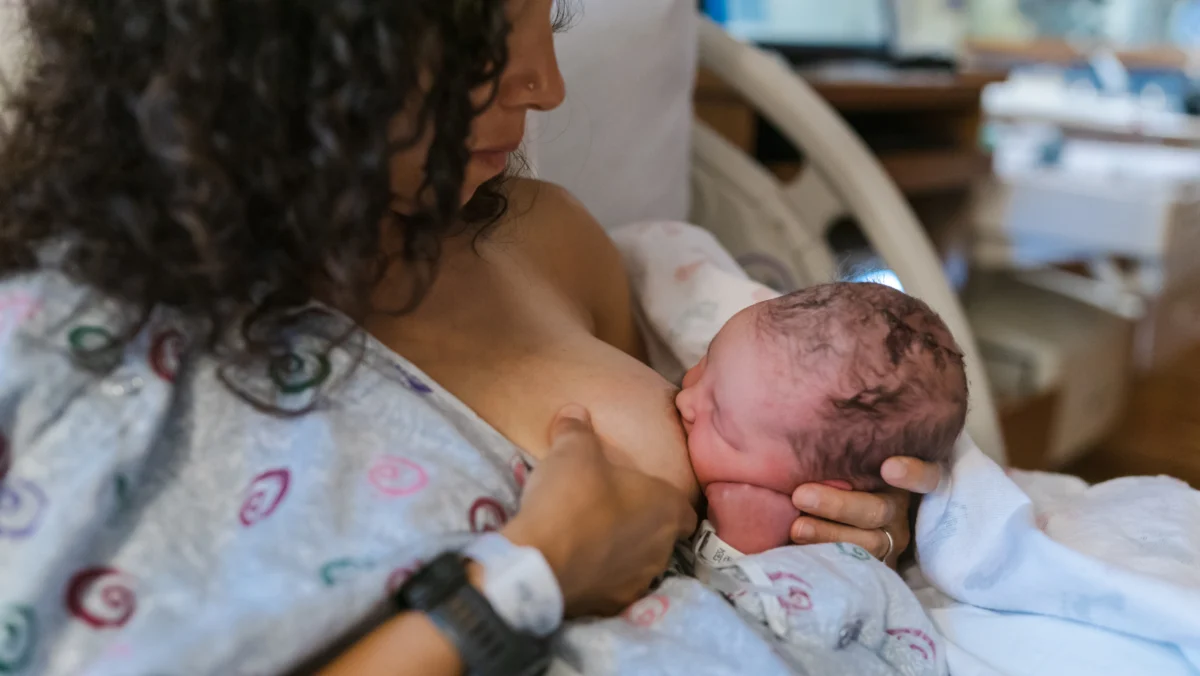
For many expectant parents, the months leading up to birth are filled with planning, classes, and anticipation. While the primary focus is often on the labor experience itself, new research suggests that birth preparation may have far-reaching consequences that extend well into the postpartum period. A study involving 3,080 mothers has revealed a compelling correlation: women who described their birth experiences in positive terms were significantly more likely to initiate breastfeeding and maintain the practice for longer durations.
While the study does not establish a direct causal link—meaning a positive birth does not automatically guarantee breastfeeding success—it highlights a crucial, often overlooked connection between the transition into motherhood and the subsequent physiological journey of nursing. This evidence is prompting experts to advocate for a broader, more integrated view of birth preparation, one that encompasses not just the mechanics of labor, but also the emotional and physiological continuity of the postpartum experience.
A Wider Lens on Birth Preparation
Taking a holistic approach to childbirth education involves moving beyond the basics of labor and delivery. According to current perspectives in maternity care, effective preparation should include an exploration of physiology, common clinical decisions, postpartum recovery, and, perhaps most importantly, the cultivation of a deep, intuitive connection between the parent and their baby.
Antenatal education that emphasizes these elements has been shown to improve childbirth self-efficacy while simultaneously reducing fear. When parents enter the delivery room feeling informed, confident, and prepared for various possibilities, they are better equipped to navigate the intense physical and hormonal transition that follows birth. For those who prioritize breastfeeding, this means thinking ahead to the "golden hour"—the period immediately following delivery—and considering the importance of skin-to-skin contact, early feeding opportunities, and the specific lactation support they might require. By bridging the gap between pregnancy, birth, and the postpartum phase, parents can create a more cohesive and less overwhelming transition.
Defining the Positive Birth Experience
One of the most persistent misconceptions in maternity care is that a "positive" birth experience is defined by a single set of circumstances. In reality, as noted by the World Health Organization (WHO), a positive childbirth experience is centered on respectful, individualized care, clear communication, emotional support, and the parent’s meaningful involvement in decision-making.
A vaginal birth is not inherently positive, just as a surgical birth, an induction, or an epidural is not inherently negative. Regardless of the medical interventions required, the quality of the experience is often dictated by how much the parent felt respected, heard, and included in the process. Comprehensive birth preparation acts as a foundation for this involvement. By understanding the wide range of possibilities that can arise during labor, parents can nurture a sense of self-awareness that allows them to trust their intuition, ask informed questions, and remain engaged in their care, even when clinical circumstances shift unexpectedly.
Birth and Postpartum as a Continuous Narrative
It is common for families to spend months preparing for the labor process while giving relatively little thought to the immediate postpartum recovery. Amara Cashion, a Spinning Babies® Certified Parent Educator, birth doula, and breastfeeding counselor, notes that many parents find themselves caught off guard by the intensity of the days following birth. Learning about the realities of the early postpartum period and creating a mental framework for what that transition might look like can significantly reduce the sense of unfamiliarity that often accompanies those first few days at home.
Rhonda McGregor, a Registered Nurse and International Board Certified Lactation Consultant, views the journey from pregnancy to breastfeeding as a single, continuous physiological process. She suggests that physiology does not simply pause at the moment of birth; rather, it is a fluid story where birth is merely one chapter. For the breastfeeding parent, this transition involves a complex hormonal shift. After the baby is born, the body begins the work of establishing milk production, a process heavily supported by the infant’s suckling and the biological closeness fostered by skin-to-skin contact.
The Significance of Early Interaction
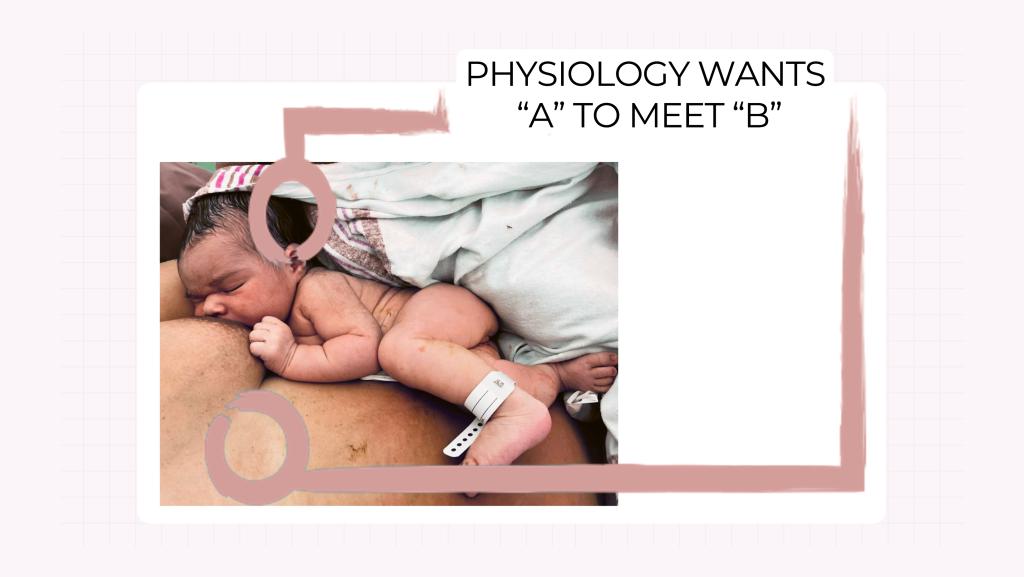
When it is medically safe and feasible, early skin-to-skin contact provides a vital period for both parent and baby to regulate and settle together. The WHO strongly recommends supporting uninterrupted skin-to-skin contact as soon as possible, citing evidence that this practice is a significant driver of breastfeeding initiation and longer duration.
These formative moments do more than just facilitate feeding; they serve as the bedrock for attachment and emotional regulation. While newborns possess innate instincts that drive them toward the breast, the manifestation of these behaviors can be influenced by the nature of the birth itself. Understanding these early cues and recognizing that every baby’s journey is unique helps parents feel more supported during the early days of parenthood.
Navigating Information Overload
In the digital age, expectant parents are often inundated with conflicting advice from social media, peer groups, and an endless array of online sources. Experts like Cashion and McGregor warn that not all information is created equal, and much of it may not be applicable to an individual’s specific pregnancy or health needs.
Instead of attempting to consume every piece of content available, parents are encouraged to curate a small circle of trusted resources. Engaging with midwives, physicians, doulas, and childbirth educators allows for personalized guidance that respects the individual’s goals. An understanding of the fundamentals of birth and breastfeeding is essential, but it is ultimately the parent’s prerogative to decide how that knowledge fits into their own life.
Preparing for the Unforeseen
Even the most thorough preparation cannot eliminate the possibility of the unexpected. A surgical birth, premature delivery, a stay in the NICU, or unforeseen medical challenges can separate a parent and baby, potentially complicating the initial feeding plan. When these situations arise, the focus must shift toward compassionate, practical support rather than judgment or rigid expectations of how things "should" have gone.
Missing immediate skin-to-skin contact does not mean the opportunity for bonding is lost; these moments can be reclaimed in the days and weeks that follow. If temporary separation occurs, lactation professionals can provide guidance on techniques like hand expression or pumping to maintain supply.
Furthermore, mental health plays a critical role in the breastfeeding journey. A 2025 systematic review highlighted that traumatic birth experiences and associated post-traumatic stress symptoms are consistently linked to poorer breastfeeding outcomes. For many, professional emotional support is just as vital as clinical breastfeeding guidance.
Crucially, it is important to remember that breastfeeding is not the sole metric of a parent-child bond. Families may find their path involves pumping, donor milk, combination feeding, or formula, and all these choices are part of a valid, loving story. The goal of birth and postpartum preparation is not to establish a new, unattainable standard of perfection, but to provide parents with a toolkit of options and the confidence to navigate whatever path unfolds. By fostering an environment of support, connection, and informed choice, families can enter the postpartum period with the resilience to adapt as their needs and their baby’s needs evolve.