As the autumn leaves settle and households across the country prepare for the annual gathering around the dinner table, the tradition of expressing gratitude takes center stage. While the phrase “Happy Thanksgiving” remains a timeless classic, contemporary communication trends show a growing desire for more personalized, heartfelt expressions of appreciation. Whether addressing close family members, lifelong friends, professional colleagues, or corporate partners, crafting a message that stands out requires a thoughtful blend of sincerity, context, and warmth.
Experts and communication specialists note that the holiday season offers a unique social window to deepen interpersonal bonds through targeted messages. Moving beyond generic greetings allows individuals to articulate specific feelings and acknowledge the distinct roles that different people play in their lives throughout the year.
Moving Beyond "Happy Thanksgiving"
For generations, the standard holiday greeting has relied on the familiar three-word phrase. However, expanding our vocabulary during the autumn holiday can significantly enhance the emotional resonance of a message. Instead of defaulting to the standard greeting, writers can incorporate phrases such as wishing someone a Thanksgiving filled with love, laughter, and cherished memories, or mixing in a touch of lighthearted humor by hoping for a great holiday accompanied by a few slices of pie.
For individuals who hold a particularly significant place in one’s life, going a step further becomes essential. Expressing just how much someone means through specific details or personal examples transforms a standard holiday text into a memorable keepsake. The underlying principle across all forms of communication remains simple: speaking directly from the heart creates an authentic connection that generic holiday wishes often fail to achieve.
Personalizing Messages for Family, Friends, and Colleagues
The process of personalizing a Thanksgiving message naturally begins with evaluating the nature of the relationship shared with the recipient. When addressing family members, the most effective approach often involves leaning into shared traditions, nostalgic memories, and the unique rituals that make the holiday special for the household. Recalling past moments, such as gathering around a relative’s table or watching football together before the meal, grounds the message in a shared history and demonstrates a deep appreciation for familial bonds.
When turning attention to friends, the focus shifts toward highlighting the specific qualities that define and enrich the friendship. Acknowledging a friend’s consistent kindness, humor, or unwavering support over the past twelve months can brighten the recipient’s day and reinforce the strength of the relationship.
Meanwhile, communicating with colleagues requires a careful balance of professional decorum and genuine warmth. Expressing gratitude for a coworker’s dedication, teamwork, or everyday positivity helps foster a supportive workplace culture. Highlighting how a teammate’s daily contributions inspire others bridges the gap between professional respect and personal appreciation.
Balancing Warmth and Professionalism for Clients and Business Partners
In the realm of commerce and corporate relations, sending Thanksgiving greetings to clients and business partners demands a polished approach. The tone must carefully balance professional respect with genuine appreciation for ongoing trust and collaboration. A message expressing deep gratitude for continued support, paired with warm wishes for the recipient and their loved ones, conveys both corporate reliability and human warmth.
For business relationships that have navigated complex challenges or achieved major milestones together over the past year, incorporating those specific milestones adds a thoughtful layer to the correspondence. Acknowledging how a partnership contributed to shared successes not only validates the importance of the client but also lays a strong foundation for continued cooperation in the upcoming year.
Cultivating Gratitude Practices During the Holiday Season
Beyond written correspondence, the Thanksgiving season encourages broader practices of thankfulness within daily life and community gatherings. One of the most enduring traditions involves gathering around the dinner table and inviting every guest to share a personal reflection on what they are most grateful for during the year.
Writing brief, focused thank-you notes to individuals who have made a positive impact serves as another meaningful way to extend the spirit of the holiday. These expressions of appreciation do not require length; even a few sincere sentences can make a colleague, neighbor, or acquaintance feel deeply valued.
Furthermore, many individuals and families choose to channel their gratitude into community action. Volunteering at local shelters, supporting neighborhood food banks, or offering direct assistance to neighbors in need translates internal feelings of thankfulness into tangible acts of kindness. These community-focused practices enrich the holiday experience while leaving a lasting, positive impression on the surrounding community.
Creative Approaches to Thanksgiving Cards and Personal Stationery
Physical and digital greeting cards continue to serve as a primary vehicle for seasonal appreciation. Enhancing these cards with creative elements can transform a simple piece of correspondence into a cherished memento. Incorporating visual elements, such as a recent family portrait, a snapshot of a workplace team, or a nostalgic image from a past holiday celebration, instantly personalizes the card and evokes warm memories.
Writers can also pair their visuals with short, heartfelt poetry or reflective prose centered around the themes of the season. Those with a penchant for crafts often opt for do-it-yourself card designs featuring autumnal motifs, warm color palettes, and tactile details like handwritten calligraphy or delicate ribbon accents. Digital alternatives and e-cards, when paired with a thoughtful and carefully composed message, offer a modern yet personal way to maintain traditions across geographic distances. Ultimately, the true value of any Thanksgiving card lies in the time, care, and intention invested by the sender.
What to Write in a Greeting Card
When sitting down to write out a card, the most effective messages identify the recipient by name and highlight a specific reason for appreciation. Depending on the depth of the relationship, this can range from a single, impactful line to a more expansive note. For close friends and family members, expressing gratitude for steadfast support throughout the year sets a resonant tone. For neighbors, teachers, or community members, acknowledging everyday kindness paired with wishes for a restful holiday creates an appropriate and welcoming sentiment.
Because greeting cards offer significantly more space than a standard text message, they provide an ideal format for recalling shared memories or inside jokes known only to the sender and recipient. When writers find themselves searching for the right phrasing, adopting a conversational tone often yields the most natural results, concluded gracefully with traditional sign-offs such as "With gratitude" or "Thinking of you."
PHILADELPHIA — Amid the political fallout and post-election analysis following the midterm elections, Republican Utah Gov. Spencer Cox has offered a measured perspective on the state of American democracy, calling on his party to engage in deep self-reflection while celebrating the growing religious diversity represented in the incoming Congress.
Speaking exclusively to Religion News Service on Monday (Nov. 16) at Interfaith America’s "The Next 250" conference in Philadelphia, Cox emphasized that the presence of multiple faiths across the political spectrum is fundamentally healthy for the nation. However, the Utah governor also issued a stark warning regarding the spiritualization of political partisanship, arguing that an unhealthy obsession with politics has begun to mimic organized religion, driving unprecedented toxicity in American civic life.
"Faith should not be the provision of one party," Cox told RNS during the gathering, which brought together civic and religious leaders to discuss the future of American pluralism and democracy as the nation approaches its 250th anniversary.
Cox, a prominent member of the Church of Jesus Christ of Latter-day Saints, addressed a wide range of issues during his appearance at the conference, focusing heavily on the cultural and social divisions that continue to strain the American political fabric. While acknowledging that the recent midterm election cycle provided significant lessons and a necessary moment of introspection for the Republican Party, he shifted much of his focus toward the broader psychological and cultural relationship citizens have with governance.
According to Cox, the core of the nation’s current political toxicity stems from an unhealthy elevation of political identity above all else. For a growing number of Americans, he observed, politics has ceased to be merely a mechanism for managing public policy and has instead morphed into a primary source of personal identity and existential meaning.
"Politics has become ‘too important’ for too many," Cox said. "It’s become an identity for so many people, it’s become a religion for so many people, and I think that’s led to some of the toxicity that we’re seeing."
This blurring of lines between religious devotion and political allegiance, the governor suggested, creates an environment of zero-sum thinking where political opponents are no longer viewed simply as fellow citizens with differing ideas, but rather as existential threats. When political affiliation adopts the dogmatic certainty and moral urgency of a religion, compromise becomes nearly impossible, and civic discourse inevitably degrades.
Cox’s commentary on the intersection of faith, politics, and civil discourse aligns closely with initiatives he has spearheaded outside of his official duties as governor. During his tenure as the chair of the National Governors Association in 2023, Cox championed the launch of the "Disagree Better" project. The initiative, which has since transitioned into an independent nonprofit organization, was designed to challenge the hyper-partisan status quo by actively promoting constructive dialogue, empathy, and cooperation between people holding divergent political opinions. Through public service announcements, bipartisan events, and educational campaigns, the project seeks to model a healthier way for elected officials and everyday citizens to handle disagreement.
Building upon the themes of the Disagree Better initiative, Cox turned his attention on Monday to the composition of the next Congress, highlighting the heartening presence of a broad plurality of religious traditions. Recent election analysis, including reporting by Religion News Service on election night, has underscored the resurgence and visibility of the religious left alongside the traditional presence of the religious right, creating a diverse mosaic of faith traditions represented in federal governance.
Cox expressed strong support for this development, arguing that a diverse tapestry of religious beliefs across the political aisle serves as a stabilizing force for American democracy.
"For a long time, religion was seen as the domain of the right — as the Republicans," Cox said. "To see people of faith on the left getting elected, Christians in red states who are Democrats, I think that’s healthy for our country."
The Utah governor reiterated his belief that faith should occupy a space entirely separate from and superior to partisan squabbling. By tethering religious identity strictly to one political party, he warned, society risks domesticating faith and reducing sacred traditions to mere talking points in campaign strategy.
"Faith should not be the provision of one party; faith should transcend all parties and transcend politics," Cox concluded, emphasizing the need for a return to a broader, more inclusive understanding of moral responsibility that unites rather than divides the American electorate.
The Wilderness Awareness School has officially announced the retirement of the name "Anake Outdoor School" for its prominent residential nature program, renaming it "The Immersion at Wilderness Awareness School." School leadership explained that the decision marks a vital step in the organization’s ongoing evolution and its deepening commitment to justice, equity, diversity, and inclusion.
For more than a decade, the flagship experience has operated under the Anake banner, drawing hundreds of graduates seeking intensive wilderness education, community building, and personal transformation. However, institutional reflection and a growing awareness of cultural sensitivity have prompted the organization to reevaluate the origins and appropriateness of the title. School administrators have recognized that continuing to use a term rooted in a culture with which the school no longer maintains an active, authentic relationship runs counter to their core values of respect and right relations.
The program originally began in 2009 as the Wilderness Awareness Residential Program, commonly referred to as WARP. Seeking a more resonant title that captured the spirit of community service and dedication fostered by the curriculum, the school chose the name Anake, a Kikamba word. At the time, the moniker was selected to honor the legacy of Ingwe, a co-founder of the Wilderness Awareness School who maintained direct personal relationships with members of the Akamba people in East Africa. School leadership understood the term to signify "one who is ready to step into service for their community."
In the years following its adoption, the name became deeply integrated into the identity of the program, serving as a unifying touchstone for more than 500 graduates who passed through the intensive residential experience. Yet, as institutional awareness regarding cultural appropriation, equity, and post-colonial practices evolved, staff members began a critical examination of the name’s history and continued usage.
Through deeper reflection, school leadership came to realize that the organization lacked a complete understanding of the name’s full story and original cultural context. Furthermore, staff members recognized that there are no current personnel at the Wilderness Awareness School with an active connection to the Akamba people or the Kikamba language. Despite the positive intentions behind the original selection and the meaningful spirit the name evoked for students and alumni, administrators concluded that utilizing an element of a culture without maintaining right relations with the people who live within that culture constitutes appropriation.
Acknowledging these realizations, the organization determined that the most respectful and responsible course of action was to release the name "Anake" entirely. This decision forms part of a broader, systemic effort by the school to disentangle itself from the ongoing patterns of cultural appropriation and colonization that occur when organizations adopt terminology from external cultures for branding purposes while ascribing their own localized meanings to those words.
The newly designated name, The Immersion at Wilderness Awareness School, was chosen to reflect the profound, all-encompassing nature of the educational journey. While the title is new, school leadership has emphasized that the core curriculum, guiding philosophy, and transformative intentions of the program remain completely unchanged.
The Immersion is designed as a once-in-a-lifetime, experiential deep dive into the comprehensive teachings offered by the Wilderness Awareness School. It serves as a dedicated space where participants can build meaningful connections with themselves, their peers, and the living natural world around them, ultimately empowering them to navigate their lives with greater awareness and intentionality.
The enduring impact of the program and its core philosophy was underscored by Rees Maxwell, an alumnus of the class of 2006, who reflected on the nature of the experience. Describing the profound sense of belonging cultivated during the program, Maxwell noted that experiencing life as an immersion means moving beyond merely being physically present in an environment to experiencing oneself as an intrinsic part of it. These moments of connection, he suggested, allow individuals to move beyond ordinary boundaries until they feel intimately linked to all things, recognizing themselves not just alongside nature, but as a living part of it.
The renaming of the outdoor school is viewed by administration as a milestone rather than a final destination in the organization’s equity journey. School representatives noted that substantial work remains to be done as the institution continues to evaluate its practices, language, and organizational structures. The shift supports a broader framework of active equity initiatives that the school has committed to expanding in the coming years. By addressing foundational elements like institutional naming conventions, the Wilderness Awareness School aims to foster a more liberated, equitable, and culturally respectful learning environment for all current and future students.
Human beings are more than the sum of their hardships. That is a vital truth highlighted by partners at the Christian Alliance for Orphans (CAFO) in a recent examination of findings from the Global Flourishing Study. Organizations working in the adoption and foster care sectors widely agree with this perspective, yet for children and teens impacted by early trauma, those hardships frequently present profound barriers to thriving. Understanding this reality is what drives ongoing pre- and post-adoption support initiatives, particularly those centered around Trust-Based Relational Intervention, commonly known as TBRI parenting.
Trauma Affects the Whole Child
Children and teens impacted by adoption and foster care have frequently experienced significant trauma stemming from early loss, abuse, and neglect. This trauma can manifest in complex and confusing ways that are frequently misunderstood or mislabeled by observers. In some communities, a trauma-induced behavioral response is incorrectly categorized as mere defiance or moral failure, without addressing the underlying causes. TBRI, however, offers a much deeper, holistic framework designed to address the root of these challenges.
Trauma impacts the entire individual—encompassing the brain, biology, body, beliefs, and behaviors—which naturally leads to subsequent social, emotional, and behavioral hurdles. According to specialists at the Karyn Purvis Institute of Child Development (KPICD) at Texas Christian University, TBRI provides a practical and compassionate methodology to help the whole child heal. Grounded in contemporary best practices drawn from neuroscience, attachment theory, and developmental research, TBRI equips caregivers to comprehensively address children’s physical, emotional, and developmental needs. Supporters note that this approach offers what traditional, punitive methods often cannot: genuine connection, biological regulation, and lasting behavioral change.
For parents and caregivers, developing an acute awareness and understanding of a child’s complete being is critical. This level of attunement requires deep mindfulness regarding the specific life experiences that have shaped a young person’s heart, soul, and mind. Advocates of resource programs like "Created to Connect" emphasize that by nurturing children in a holistic manner, families can provide a stable environment for healing and wholeness, while simultaneously introducing children to enduring spiritual foundations of hope.
See the Need Behind the Behavior
A foundational principle frequently emphasized within the TBRI framework is both simple yet profound: see the need behind the behavior.
In everyday family life, maintaining this perspective can prove difficult, particularly when navigating the turbulent pre-teen and teenage years. Yet, child welfare experts stress that looking past surface-level actions is precisely what children from hard places require. More often than not, children and adolescents exhibiting challenging behaviors are operating from a place of unaddressed vulnerability. Sometimes, these underlying needs are straightforward, such as physical hunger, extreme exhaustion, or sensory overload. On other occasions, the drivers are far more complicated, rooted in profound experiences of loss, abuse, or abandonment that leave a young person trapped in cycles of fear, confusion, or shame.
Trauma inherently breeds shame, confusion, and fear, and those intense emotions frequently drive out-of-range behaviors. In such volatile situations, if a caregiver’s immediate reaction is governed by anger, or if they hastily resort to punitive consequences without addressing dysregulation, the intervention typically fails to de-escalate the situation and may inadvertently exacerbate the emotional distress.
Evaluating the Balance of Nurture and Structure
Some critics of TBRI parenting have historically argued that the model leans too heavily toward leniency, characterizing it as all nurture and no structure. However, proponents and creators of the framework maintain that effective TBRI implementation actively promotes a healthy, intentional balance of both elements.
Dr. Karyn Purvis, co-creator of TBRI, frequently addressed this tension directly, responding to the common parental question concerning the fundamental responsibility to teach right from wrong and administer appropriate discipline. Her perspective shifted the focus toward the ultimate objective of the interaction. If a caregiver’s primary goal is defined strictly as securing immediate, compliant behavior, that narrow target will shape every single interaction with the child. Conversely, if the overarching goal is the cultivation of a strong, secure, and healthy relationship, both the applied approach and the long-term outcomes look fundamentally different.
Parallels in Narrative and Application
The philosophy of looking beyond surface actions to address fundamental human needs finds historical parallels in traditional narratives as well. In biblical accounts, figures such as Jesus are depicted as looking past immediate social presentations to address deeper relational needs, such as encounters recorded in the Book of John involving individuals seeking connection and community to fill profound personal voids. In such accounts, behavioral roadblocks are acknowledged without being allowed to define an individual’s entire narrative, pointing instead toward connection and internal restoration.
For modern families navigating the complexities of adoption and foster care, this translates to a necessary shift in daily strategy: moving away from a strictly correction-driven model toward a connection-driven approach. Caregivers are encouraged to first understand and nurture the authentic needs underlying a child’s actions. Only from that established foundation of safety and trust can effective, loving correction take place, guiding young people toward stability and long-term flourishing.
Families and professionals seeking to explore these concepts further frequently utilize resources such as the Hope for the Journey initiative, which provides practical, TBRI-based tools and strategies designed to support children and caregivers alike.
As she stands on the precipice of a major family milestone, veteran homeschooling parent and educator Shawna Wingert is finding herself caught between two distinct educational eras. With her oldest son just six weeks away from completing his final high school requirements and her youngest child preparing to step across the threshold into ninth grade, Wingert has been spending her time reflecting on a seven-year journey that has proven to be as rewarding as it has been demanding.
Wingert, who shares her insights through her platform Different by Design Learning and has contributed to educational discussions on platforms such as Simple Homeschool, began her family’s homeschooling journey when her oldest child was eleven and her youngest was eight. Now, looking back at the whirlwind of the past four high school years, she notes that while the final phase of home education passed by at an unexpectedly rapid pace, it also brought some of the most engaging and enjoyable moments of the entire experience.
The evolution of their daily routine stands out as a primary highlight for Wingert. As her children matured, their developing interests began to intersect more closely with her own intellectual pursuits, transforming routine lessons into lively, sophisticated discussions regarding current events, historical developments, and artistic movements. Yet, reaching this stage required letting go of preconceived notions about what secondary education at home is supposed to look like—notions that often cause unnecessary anxiety for families transitioning out of the elementary and middle school years.
Based on her firsthand experience navigating the secondary education landscape, Wingert has outlined five key realizations that she wishes she had known before her oldest son entered the ninth grade. Her reflections offer a candid look at the realities of guiding a teenager through a home-based high school program, addressing common fears surrounding academic rigor, administrative requirements, shifting parental roles, and the emotional complexities of raising an independent learner.
Homeschooling High School Doesn’t Have To Be Totally Different From The Younger Years
When preparing for her oldest son to enter high school, Wingert initially assumed that the methodology would need a complete overhaul. Cultural expectations often dictate that high school must immediately pivot toward rigid, traditional structures, prioritizing intense academic rigor and standardized testing over the exploratory, dynamic approaches used in earlier grades.
However, Wingert discovered that attempting to force her son into a conventional high school mold was entirely unnecessary. Instead, his high school education continued to reflect the interest-led, hands-on, and project-based learning strategies that had proven successful throughout his childhood. By honoring his unique learning style rather than altering the curriculum to satisfy external expectations, Wingert found that the educational approach remained effective all the way through his senior year. The realization that secondary education at home does not require abandoning personalized, creative learning methods serves as a reassuring counterweight to the pressures often placed on homeschooling families.
Don’t Be Afraid Of High School Transcripts and Course Credits
For many parents embarking on the high school homeschooling journey, the prospect of generating official transcripts and calculating course credits looms large as a source of significant stress. Wingert admits that she was initially terrified by the formal and administrative language surrounding high school documentation, viewing the transcript process as a threatening hurdle rather than a practical tool.
Over time, however, that apprehension dissipated. Wingert found that once she established a manageable system for tracking her son’s academic achievements, compiling the transcript each semester actually became a welcome task. Far from being an insurmountable obstacle, the transcript provided a tangible, observable measure of academic progress—a milestone that can occasionally prove elusive for educators working outside a traditional school building. Relying on resources and advice from experienced community members helped ease her initial anxieties, turning a bureaucratic requirement into a straightforward component of the educational process.
Your Role Will Change Over The Four Years (and that’s OK)
As teenagers progress through secondary education, the nature of parental involvement inevitably shifts. Wingert notes that she was initially taken aback by how rapidly her day-to-day responsibilities transformed. Rather than acting as the primary instructor delivering direct lessons across every subject, her role evolved into that of a facilitator, logistical coordinator, and chauffeur—managing resources, acquiring necessary materials, and transporting her son to various activities and commitments.
While this transition initially felt disconcerting, Wingert quickly recognized that the shifting dynamic was both necessary and beneficial. Stepping back from the traditional teaching role allowed her son to cultivate a genuine sense of personal responsibility, engagement, and independence that had not been evident in earlier years. Embracing the role of an administrative manager rather than a daily instructor proved to be a vital step in preparing a teenager for adult life.
Your Child Will Have More Opinions (and that’s OK)
Parenting a teenager inherently involves navigating stronger personal opinions, and homeschooling is no exception. Wingert experienced this firsthand when her son developed firm convictions regarding his post-secondary plans—specifically his desire to apply to four-year colleges, a path Wingert initially questioned for him based on her assessment of his needs.
Navigating these disagreements required a deliberate shift in perspective, reminding Wingert that homeschooling a high schooler is, at its core, simply parenting an adolescent. This phase demands that parents practice the difficult art of letting go and trusting their children to make their own choices as they approach adulthood. While watching a child assert their independence can occasionally evoke a sense of nostalgia for the earlier years when educational decisions rested solely with the parent, it represents a crucial milestone in personal growth and maturity.
The Memories Are Irreplaceable
Perhaps the most profound takeaway from Wingert’s journey is the depth of the personal connection that develops during the high school years. As her son matured into an independent young adult, the shared experiences and conversations created a distinct collection of memories that hold a unique and cherished place in her family life.
Wingert observes that the high school phase is frequently when the reality of spending extensive time together at home truly yields its richest rewards. The combination of mature dialogue, shared intellectual exploration, and mutual respect results in a deeply fulfilling dynamic that differs significantly from the elementary school years. Looking back on the past four years, Wingert emphasizes that the memories forged during this time are invaluable and entirely worth the challenges of the journey.
As her oldest son prepares to transition to college in the fall—a step accompanied by both pride and understandable anxiety about the road ahead—Wingert remains profoundly grateful for the experience of homeschooling high school. With her youngest child now poised to begin the exact same journey, Wingert looks forward to navigating the high school years once more, bringing a wealth of hard-earned wisdom and perspective to the next chapter of her family’s educational life.
For decades, the public consciousness has relied upon a singular, tidy framework to understand human loss: the “Five Stages of Grief.” Comprising denial, anger, bargaining, depression, and acceptance, this psychological model has become so deeply embedded in modern culture that grieving individuals frequently internalize the belief that they are supposed to experience heartbreak in a specific, orderly sequence, eventually arriving at a definitive destination known as acceptance. However, mental health professionals, grief counselors, and bereaved families are increasingly speaking out about a fundamental flaw in this widespread assumption—grief simply does not work that way.
For many bereaved parents, grandparents, and siblings who have lived through the profound and shattering experience of losing a loved one, the traditional five-stage model often feels frustrating, misleading, and occasionally damaging. Instead of providing comfort or serving
as a helpful map for an unfamiliar emotional terrain, the framework can inadvertently create unrealistic expectations regarding what grief should look like, how it ought to manifest, and how long the process is supposed to last. In reality, experts emphasize that grief is not a series of boxes to check off, nor does it follow a predictable trajectory. Most importantly, it is not a condition or an illness that can be successfully treated, completed, and left behind in the past.
The origins of the five-stage model trace back to 1969, when psychiatrist Elisabeth Kübler-Ross introduced the concept in her landmark book, On Death and Dying. Crucially, Kübler-Ross developed her observations by studying individuals facing their own terminal illnesses, focusing on how people process the impending reality of their own mortality. Over time, however, the model was co-opted and applied broadly to all forms of loss and grief, including the devastating bereavement experienced by those who survive the death of a family member. As the framework drifted from its original clinical context, society began interpreting the stages as a universal roadmap that every mourner was expected to follow.
This widespread cultural misunderstanding has left countless grieving individuals questioning their own emotional responses. When people feel anger years after a loss, or when they experience sudden waves of profound sadness long after society assumes they should have achieved “closure,” they often wonder if they are failing at grief, getting stuck in a particular phase, or handling their tragedy incorrectly.
The definitive answer from grief experts is straightforward: grief is not a linear process. Anyone who has lived through significant, life-altering loss knows intimately that grief operates with a startling degree of unpredictability. An individual might feel relatively stable and grounded on any given day, only to find themselves overwhelmed by sadness triggered by something as ordinary as a song, a photograph, a shared memory, an upcoming birthday, or even a fleeting, mundane moment in a grocery store aisle. Years or even decades after a loss, tears can still emerge unexpectedly. At the same time, genuine moments of joy, laughter, and peace can and do coexist with deep heartbreak. Experts stress that this fluid duality does not mean something is fundamentally wrong with the mourner; rather, it is a profound testament to their humanity.
Families navigating profound loss frequently describe grief as moving in waves rather than advancing through rigid stages. While those emotional waves may gradually soften or become less intense as time passes, they can still return without warning, crashing over a person during anniversaries, milestone life events, major holidays, and standard seasonal transitions that reopen emotions which never truly disappear.
Consider the long-term reality for families who have suffered the loss of a child or sibling. A parent whose son or child died twenty years ago may still feel tears welling up simply when speaking their child’s name aloud. A sibling may still feel a sharp ache when noticing an empty chair at a family holiday gathering, while a grandparent might quietly wonder what milestones and achievements their grandchild would have reached had they lived. Counselors emphasize that these enduring experiences are never signs of unfinished or unresolved grief. Instead, they are clear, undeniable signs of enduring love.
One of the most pervasive and damaging misconceptions perpetuated by the stage model is the societal expectation that grief possesses a definitive finish line. Grieving individuals are frequently subjected subtle or overt pressure from friends, colleagues, and society at large to “move on,” “find closure,” or simply “get over it.” The popular interpretation of the five stages unintentionally reinforces the cultural belief that there should eventually be a point where grief is fully resolved, wrapped up, and put away. Yet, grief is fundamentally not a problem that needs to be solved. Grief exists simply because love exists.
When an important person dies, the nature of the relationship changes profoundly, but the relationship itself does not disappear. Survivors continue to carry internal memories, lingering hopes, unfulfilled dreams, and deep emotional connections with those they have lost. The physical absence of the loved one becomes an indelible part of the survivor’s ongoing life story. For bereaved parents, in particular, no emotional stage can ever remove the stark reality that their child is missing from the world. No level of intellectual or emotional acceptance can completely erase the deep longing to hold them again.
Rather than coming to an end, grief typically evolves. Over time, survivors learn how to carry the weight differently, finding ways to integrate the profound loss into the fabric of their daily lives. They create personal meaning, lasting memories, quiet rituals, and ongoing spiritual or emotional connections that allow them to move forward into the future while simultaneously continuing to honor the person who died.
Another significant challenge inherent in the stage model is its implicit suggestion that grief should look and feel similar for every person. In practice, however, grief is an intensely personal and individualized experience. Some individuals cry frequently and openly, while others rarely shed a tear. Some people find comfort in talking about their departed loved one constantly, keeping their memory vivid in every conversation, whereas others require long, uninterrupted periods of quiet reflection. Some mourners find solace and community in support groups, while others discover healing through creative writing, spiritual faith, visual art, nature, public service, or private remembrance. There is no universal timeline, no standard progression, and no standardized checklist for successful grieving. What truly matters is not whether a person’s emotional trajectory matches a psychological theory, but whether they are discovering healthy, sustainable ways to navigate their loss while honoring their unique personal experience.
Rather than viewing grief as a series of hurdles or stages to complete and put behind them, professionals suggest it is far more helpful to conceptualize grief as a lifelong journey of adaptation. As the years pass, many bereaved individuals discover that they are fully capable of experiencing both profound grief and genuine joy side by side. They find they can laugh freely again without loving their lost family member any less. They can construct meaningful, fulfilling lives while continuing to deeply miss the person who passed away.
The ultimate goal of mourning is not to stop grieving or to eliminate the pain of loss. The goal is to learn how to carry grief alongside the ongoing experience of living. Some days, grief takes center stage, demanding attention and emotional energy. On other days, it quietly accompanies the individual in the background, a subtle hum beneath the daily routine. Both of these experiences are entirely normal and expected. What many bereaved people eventually discover is that true healing does not mean forgetting, it does not mean achieving clinical closure, and it does not mean reaching a final stage where grief vanishes entirely. Healing means learning to live day-to-day with a profound love that no longer has a physical place to go.
Ultimately, counselors note that perhaps the greatest gift grieving individuals can offer themselves is explicit permission to grieve in their own unique way. Mourners do not need to force their complicated, messy experiences into five neat categories. They do not need to measure their personal progress against an imaginary, societal timeline, nor do they need to harbor feelings of guilt when grief resurfaces unexpectedly years down the road. Grief is not a psychological disorder that requires a cure, nor is it a household task to be completed. It is simply the natural, human response to loving someone deeply and losing their physical presence.
Recently, a grief counselor spoke with a bereaved mother who felt immense anxiety because she believed she was not progressing along the expected path of recovery. Three years after the tragic death of her son, she still found herself crying daily, frequently experiencing intense waves of anger and rage. When the counselor reassured her that she was moving forward at the exact pace she needed for herself, the realization proved entirely eye-opening.
The underlying reality is that grief naturally changes, grows, and transforms across the span of a human life. It may soften over time, and the edges may become quieter. But for many people—particularly those who have endured the devastating death of a child, sibling, or grandchild—the grief never completely disappears. And that reality is completely acceptable. Because grief is never evidence that an individual is failing to heal; rather, it remains permanent, undeniable evidence that someone they loved deeply mattered. And that love continues.
For families seeking a way to cross oceans, scale mountains, and step into entirely different eras and cultures without ever leaving their living rooms, the answer may be resting right on the bookshelf. In a recent installment of the Read-Aloud Revival (RAR) podcast, Episode 280 titled “Books Take Us Places,” host and creator Sarah Mackenzie sits down with her eldest daughter and the platform’s Creative Director, Audrey, to discuss the profound ability of literature to serve as a passport to the world.
While physical travel remains a cherished goal for many families, it is not always a logistical or financial reality. Budget constraints, scheduling conflicts, and everyday responsibilities can keep families close to home for months or even years at a time. However, Mackenzie and her co-host explore how reading aloud with children bridges that gap, offering a unique and powerful alternative that can sometimes surpass physical tourism in its ability to foster deep human connection and understanding.
Through stories, children are given windows into unfamiliar worlds, introducing them to landscapes, belief systems, and daily routines they might never encounter in their immediate communities. Rather than remaining passive observers of a foreign location, readers of all ages are invited to actively engage with another person’s lived experiences. This literary journey cultivates empathy in ways that can run even deeper than visiting a destination in the real world, where tourists often view cultures from a distance rather than living intimately within them.
The Power of Shared Stories in Family Life
The discussion highlights the irreplaceable role that reading together plays in family dynamics and childhood development. When parents and children share a story, they are not merely practicing literacy skills; they are embarking on a collective adventure. As Audrey points out during the episode, the shared imagination required to visualize a story creates a communal bond between the listener and the storyteller, transforming a quiet afternoon of reading into a shared voyage across time and space.
This conversation builds upon the ongoing mission of Read-Aloud Revival, which has long championed the idea that reading aloud is one of the most impactful investments parents can make in their children’s lives. By prioritizing books that transport readers to different settings, families can expand their worldview and cultivate a lifelong curiosity about people and places beyond their own borders.
For families looking to dive deeper into the themes discussed in Episode 280, the complete conversation is available to watch and listen to online through the Read-Aloud Revival platform and its official YouTube channel.
Fostering Meaningful Literary Conversations
Beyond the journey into distant lands, the dialogue naturally extends into how parents can help their children process and reflect upon the stories they consume. Reading a book is only the first step in a broader intellectual and emotional engagement; the conversations that follow are what truly solidify the experience.
To support parents in this endeavor, Read-Aloud Revival provides supplementary resources designed to help adults facilitate meaningful discussions about literature with their children. Even parents who may not have read a particular book themselves can utilize practical strategies to engage their kids in thoughtful dialogue, transforming simple reading time into rich, interactive exchanges. Through structured conversation guides and expert tips, the platform continues to equip families with the tools they need to make the most of their reading journeys, proving that the greatest adventures often begin with the turn of a page.
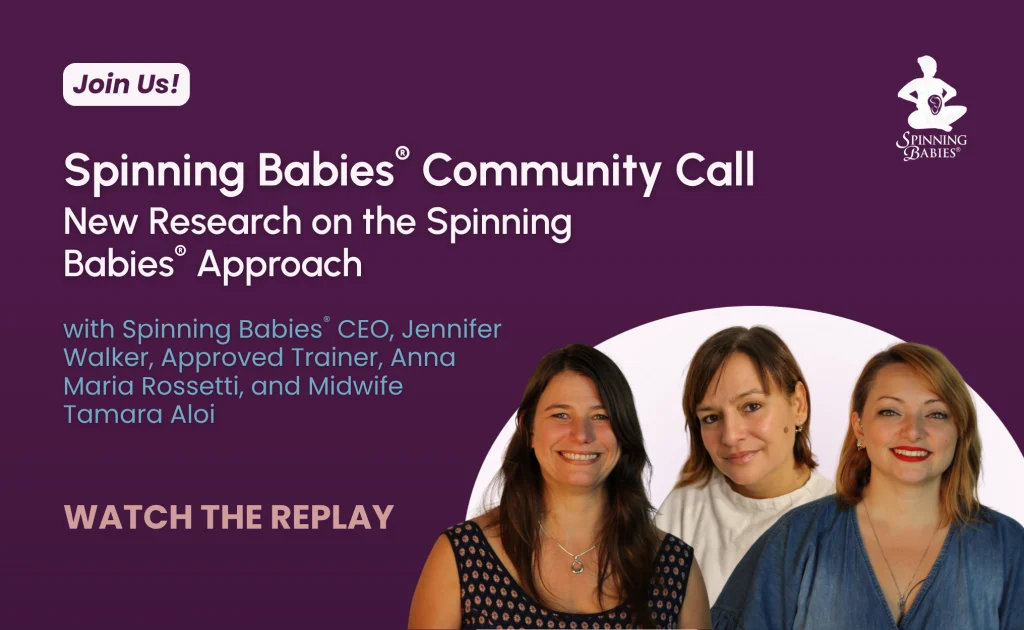
On November 5, 2025, the global birth community gathered for a pivotal virtual event hosted by Spinning Babies®. The Zoom-based community call brought together a distinguished panel—including CEO Jennifer Walker, Approved Trainer Anna Maria Rossetti, and midwife Tamara Aloi—to discuss the implications of a landmark study recently published in the European Journal of Midwifery. This peer-reviewed research marks a significant milestone for the organization, as it represents one of the first formal investigations to specifically analyze the efficacy of the Spinning Babies® framework in facilitating fetal rotation during labor.
For many professionals in the field, the publication of this study serves as a long-awaited validation of clinical observations. For years, midwives, doulas, and obstetric providers have applied the "Balance Before Force" and "Pelvic Levels Solutions™" frameworks with anecdotal success. The study finally provides a rigorous, scientific language to describe the patterns of physiological birth that providers have witnessed in delivery rooms worldwide. By bridging the gap between hands-on clinical practice and formal academic inquiry, the research offers a new foundation for understanding how the body can be supported to optimize fetal positioning.
A Collaboration Rooted in Real-World Practice
The origins of this study are deeply rooted in a professional partnership and a shared commitment to physiological birth. Anna Maria Rossetti, a Spinning Babies® Approved Trainer, has been instrumental in shaping midwifery education in Italy through her work at the Scuola Elementale di Arte Ostetrica (SEAO). Her efforts have long focused on the intersection of evidence-based practice and the natural mechanics of birth.
Rossetti and Tamara Aloi share a history that dates back to their time together in midwifery school. Their professional paths remained intertwined as they both cultivated a deep dedication to understanding the physiology of labor. The study was born from a transformative experience: after attending one of Rossetti’s Spinning Babies® workshops, Aloi began integrating these techniques into her clinical practice within a hospital setting. The results she witnessed—a noticeable shift in the ease and progression of labors—provided the empirical spark necessary to pursue formal research.
During the community call, the panel emphasized that this study is not merely an academic exercise; it is the culmination of real-world clinical application. By examining the results of these techniques in a hospital environment, the researchers were able to demonstrate the tangible impact of the Spinning Babies® approach. Jennifer Walker, CEO of Spinning Babies®, placed the study within the context of a broader, global movement. She noted that the healthcare community is increasingly shifting away from a model of "force"—where intervention is the primary tool for managing stalled labor—toward a model that honors physiological movement and recognizes the fetus as an active, capable participant in the journey through the pelvis.
The resonance of this message was immediate. During the call, the live chat function became a forum for collective affirmation, with providers from various corners of the globe sharing comments like, “Yes, this is what we see too.” This consensus highlights a growing professional realization that when the maternal pelvis is balanced and the baby is supported in navigating the pelvic levels, the need for surgical or mechanical intervention can often be reduced.
What the Study Shows: Evidence for Fetal Rotation
The core findings of the study offer compelling evidence regarding fetal rotation from occiput-posterior (OP) and occiput-transverse (OT) positions. In these positions, the baby’s head is oriented in a way that often results in longer, more difficult, and more painful labors, frequently leading to the use of medical interventions or cesarean sections.
The study found a significantly higher rate of rotation to an anterior position among those who received the Spinning Babies® approach compared to control groups who did not. This data adds substantial weight to the long-standing community understanding that the "Balance Before Force" framework is not just a theory, but a practical, effective method for assisting labor progression. By focusing on the soft tissues and pelvic alignment, providers can create the space necessary for the fetus to rotate into an optimal position, thereby facilitating a smoother descent through the birth canal.
For the international midwifery community, this research provides a vital tool for advocacy. Having peer-reviewed data published in the European Journal of Midwifery allows practitioners to communicate the value of physiological birth techniques to hospital administrators and medical colleagues who may require quantitative evidence before adopting new protocols. The study reinforces the premise that by preparing the maternal body through specific positioning and balancing techniques, the natural mechanism of birth is enhanced rather than overridden.
Accessing the Conversation and Resources
Recognizing the global interest in these findings, the organizers have made the full recording of the November 5th event available to the public. The primary recording is presented in Italian, reflecting the origin of the research, and includes English captions for accessibility. In addition to the full-length session, the organization has provided a highlights video specifically for English-speaking audiences, condensing the key takeaways and the panel’s most significant insights into a more digestible format.
For those interested in reviewing the discussion, the full recording can be found on YouTube at https://www.youtube.com/watch?v=RfQAjQRwmOc. The English highlights are also available at youtu.be/HyJEtuho3bw?si=odpIYJSt2Q7ScADF.
The organization has taken steps to ensure that the material remains accessible to as many people as possible. Viewers who wish to utilize captions or translations can easily do so through the YouTube interface. By selecting the settings icon on the video player, users can access the "Subtitles/CC" menu, where they can turn on captions and use the "Auto-translate" feature to view the content in their preferred language. This commitment to accessibility underscores the organization’s desire to keep the global conversation on physiological birth as inclusive as possible.
Moving Forward: The Future of Physiological Birth
The event concluded with an expression of gratitude toward the community that has supported the growth of the Spinning Babies® approach over the years. By engaging with new research and sharing their real-world experiences, birth professionals are helping to redefine the standards of care in maternity units around the world.
As the medical community continues to process the results of this study, the hope among the panel members is that it will encourage more hospital-based providers to explore the benefits of non-invasive, physiology-based techniques. The study acts as a bridge between the traditional wisdom of midwifery and the modern demands of evidence-based medicine. Whether one is a seasoned practitioner or a student just beginning their journey, the conversation surrounding fetal rotation and pelvic health remains one of the most critical areas of development in contemporary obstetrics.
The organization remains dedicated to fostering this growing dialogue. As more data is gathered and more practitioners share their success stories, the collective understanding of how to support the birthing body will continue to evolve. This milestone is not the end of the research, but rather an invitation for further study and continued integration of these techniques into standard practice. For now, the birth community has a verified, peer-reviewed piece of evidence that confirms what many have known for years: when we prioritize balance and respect the physiology of the fetus, we create the best possible conditions for birth.
Raising children is widely recognized as one of life’s most demanding endeavors, yet the profound impact this monumental task has on a romantic partnership is frequently underestimated until the strain becomes palpable. For many couples, the transition into parenthood introduces a relentless cycle of fatigue, financial pressure, and time scarcity that steadily erodes the foundation of their union. When a partnership begins to fracture under these immense daily pressures, couples inevitably face a daunting and emotional crossroad: how to navigate the turbulent waters when love feels like it is slipping away, and when the prospect of staying versus going becomes a daily debate.
When many couples first exchange vows, they enter marriage under the shadow of cultural statistics warning that a significant percentage of unions will ultimately end in divorce. While these figures rarely offer comfort at the start of a lifelong commitment, the reality of modern family life often tests the resilience of even the strongest bonds. The arrival of children transforms the dynamic of a relationship almost overnight, replacing spontaneity and quiet companionship with endless schedules, sleepless nights, and competing responsibilities.
For some couples, the accumulated strain reaches a point where separation becomes an unavoidable necessity, despite the profound emotional difficulty involved. However, the decision to leave a relationship—particularly when it involves dismantling a shared household and separating a family—is rarely straightforward. It forces individuals to weigh the immediate pain of staying against the daunting, uncharted territory of single parenthood and the long-term impact on their children.
Why Couples Become Unhappy
While every relationship is unique, the underlying catalysts for marital unhappiness often share common themes. According to Elisabeth Shaw, Chief Executive Officer of Relationships Australia NSW, the erosion of a partnership commonly traces back to fundamental breakdowns in communication.
"This means many things from too much, too little, too repetitive without action, too inflammatory, or too risky," Shaw explains, highlighting how negative patterns can insidiously damage a union. "Repetitive negative experiences with communication in themselves erode confidence in the couple relationship, as they start to see themselves as lacking skills and start to go quiet when things get difficult. There can be big silences when they need to be talking… Further difficulties can stem from there, such as avoiding couple time, stopping their sexual intimacy, and turning to other distractions such as friends, work, or other partners."
This communication breakdown can become particularly acute for parents who are deeply immersed in the daily grind of careers and child-rearing. During these busy years, partners often function effectively as a domestic team, coordinating logistics, school runs, and household management with precision. Yet, Shaw notes that this functional partnership can mask a growing emotional distance. Once the children grow older and require less constant attention, parents may look across the kitchen table and discover that the shared foundation of their relationship has eroded, leaving them with little in common once the parenting duties subside.
A Line in the Sand
For an unhappy partner watching friends embrace new chapters or romantic freedoms, the internal debate often turns to whether staying in a stagnant relationship is truly worth the emotional toll. At this critical juncture, before taking irreversible steps, relationship experts often recommend establishing a deliberate point of evaluation.
Shaw suggests that couples facing this profound uncertainty draw a clear line in the sand rather than letting dissatisfaction simmer indefinitely in the background of their daily lives.
"Embarking on a clear period of ‘working on the relationship’ is valuable, as it is like a new start gun going off," Shaw says. "Sometimes this is best framed by seeing a couple therapist, creating momentum that ‘we are really doing something different’."
This intentional approach involves making a conscious decision to recommit, carving out dedicated time to reconnect both as a couple and within social settings. According to Shaw, these deliberate opportunities provide vital clarity, offering fresh perspective on whether mutual feelings have genuinely vanished or if the couple has simply drifted out of touch through years of distraction. When communication breaks down, partners frequently construct internal narratives about what the other person is thinking or feeling—stories that may bear little resemblance to reality. Re-establishing open channels through structured effort can either breathe new life into the union or confirm that the partnership has run its course.
If You Do Decide to Go
When concerted efforts fail to bridge the emotional divide, some individuals ultimately conclude that separation is the only viable path forward. Jacinta Tynan, a journalist and author of The Single Mother’s Social Club, faced this exact reality when her marriage reached a point where staying became untenable. The choice was fraught with anguish, accompanied by a heavy sense of responsibility for dismantling the family unit she had worked to build.
"Making the decision is the hardest part," Tynan reflects on the agonizing deliberation that preceded her exit. "You go back and forth making deals with yourself and trying to find another way. Any other way. But once I had actually made that decision, it got easier. I then started focusing on the logistics of getting us out of that situation and monitoring the fallout on my two boys. When you’re clear that it’s the right move—for all concerned—then it’s all systems go."
Tynan’s subsequent writing explores how she managed to transform that deeply painful and disruptive experience into a profound period of personal growth and self-discovery. Leaving a established life and a co-parenting household is undeniably frightening, but she cautions against letting fear dictate life-altering choices.
"Leaving a relationship with kids is scary and disconcerting—but don’t let fear be the thing that stops you… It’s a reckoning," Tynan says. "When we go through the fire and surrender to suffering, it’s an opportunity to see what you’re capable of, to find strength you never knew you had and to draw on resources deep within us. It’s a catalyst for transformation and for deciding how to do life differently. You get to be the woman and mother you desire to be. With no other adult to defer to, it’s on us, and that is a gift."
If You’re Still Not Sure
For those caught in the agonizing middle ground—unable to find peace in staying, yet terrified of the consequences of leaving—the pressure to reach a definitive verdict can be overwhelming. However, John Armstrong, a philosopher associated with The School of Life, suggests that lingering indecision should not be treated as a personal failure or a sign of weakness.
"We live in a world that wants us to be decisive," Armstrong observes. "Go or stay, which is it? Make up your mind! But perhaps the intelligent, sensible position is to say ‘I can’t decide.’ The pros and cons, the unknowns and the very likely complications, the fears and the hopes don’t stack up neatly on one side or the other…"
In complex human relationships, where emotional histories, financial realities, and the well-being of children are inextricably linked, clear-cut answers are rarely readily available. Acknowledging the complexity of the situation, even without a resolution in sight, is often an honest response to an extraordinarily difficult predicament.
"I’m not saying it’s comfortable to be indecisive, I’m not saying it’s good," Armstrong adds. "लेकिन it is very natural and understandable—and very normal."
Ultimately, experts emphasize that outside of extreme circumstances involving domestic abuse or severe addiction, the choice of whether to preserve a marriage or embark on a path of separation is deeply personal. It is a resolution that must ultimately emerge from an individual’s own internal reflection and vulnerability. While no outside voice can make that choice for a parent, navigating the crossroad requires confronting difficult truths, trusting one’s inner resilience, and seeking a path where personal well-being and family stability can eventually be restored.
The path to starting a family is often envisioned as an exciting and straightforward chapter in a couple’s life. However, for many, the journey to conception can introduce unexpected emotional hurdles, medical evaluations, and relational strain. According to medical experts and relationship counselors, understanding both the physiological aspects of fertility and the emotional toll the process can take is vital for couples hoping to conceive.
Dr. W. David Hager, an experienced gynecologist and longtime member of Focus on the Family’s Physicians Resource Council, emphasizes that while there are numerous practical steps couples can take to maximize their chances of pregnancy, preparing for the emotional realities of the process is equally important. Drawing on decades of clinical experience, Dr. Hager outlines key considerations for couples embarking on the journey to parenthood, highlighting the intersection of physical health, timing, and relational resilience.
The Emotional Toll on Marriage
The stress associated with trying to conceive can quietly erode a marriage if couples are not prepared for the psychological weight. In the book Making Your Marriage a Fortress by Gary Thomas, a couple identified as Joe and Janelle shared candidly about the strain they experienced while trying to have children.
"What it did to us emotionally was horrible," Janelle shares in the book. "We both felt inadequate, and at various times we ended up blaming each other and fighting depression, and Joe even underwent surgery. It was one thing after another that took a large toll on us and our marriage."
Stories like Joe and Janelle’s highlight a common pitfall: the tendency for fertility struggles to breed feelings of inadequacy, frustration, and misplaced blame. Relationship experts and medical professionals alike advise couples to anticipate these pressures. Recognizing that conception can take time—and that challenges do not reflect personal worth—helps partners support one another through the uncertainty.
Managing Stress and Understanding Timelines
One of the primary pieces of advice offered by Dr. Hager is to manage stress and avoid rushing the process. While easier said than done for couples eagerly awaiting a positive test, Dr. Hager notes that chronic worry and high stress levels can have physiological impacts, potentially altering ovulation patterns and sperm counts.
"Try your very best to relax and not rush the process," Dr. Hager advises, reminding couples that the statistical outlook for conception remains favorable. Even among couples who encounter difficulties with infertility, approximately 50% of those seeking treatment are eventually able to conceive, though a subset may face challenges carrying a pregnancy to term.
Medical guidelines generally suggest a specific timeline before seeking professional intervention. For women of reproductive age, if conception has not occurred after one year of regular intercourse without contraception, consulting a physician is recommended. For women over the age of 35, that window is shortened to six months due to natural declines in age-related fertility.
However, Dr. Hager points out that the one-year mark should be viewed as a helpful benchmark rather than an absolute rule. "Maybe the doctors aren’t going to find anything and you just need 18 months," he says. "Very often I’ve had people come in saying they’ve been unable to conceive, and it’s been 14 or 15 months. I’m able to reassure them, and two months later I get a call that they’re pregnant."
Optimizing the Chances of Conception
For couples actively trying to conceive, medical professionals recommend several practical strategies to maximize their physiological readiness. Chief among these is understanding and tracking the woman’s menstrual cycle to accurately predict ovulation, the window when an ovary releases an egg.
Cycle lengths can vary significantly from person to person, with some women experiencing a standard 28-day cycle while others have a 35-day cycle. Because ovulation typically occurs roughly 14 days prior to the start of the next menstrual period, tracking cycle history is invaluable. Women can monitor their cycles using ovulation predictor kits available at pharmacies or by tracking basal body temperature using a specialized basal body thermometer. Dr. Hager explains that a woman’s basal body temperature experiences a slight dip just prior to ovulation, followed by a rise of a few tenths of a degree on the day ovulation occurs.
While timing intercourse around ovulation is critical, Dr. Hager cautions against overexertion. Engaging in intercourse more than once a day can dilute sperm count, potentially reducing the overall likelihood of conception.
Evaluating Medical Factors and Medications
External factors, including everyday medications, can also play an unexpected role in fertility. Dr. Hager points out that common prescriptions—such as blood pressure medications for men that may alter sperm count, or treatments for hyperthyroidism in women that can interfere with normal ovulation—should be reviewed by a primary care physician. In many cases, a doctor may suggest adjusting the dosage, switching to an alternative medication, or temporarily pausing a prescription while a couple is trying to conceive.
When initial attempts at conception are unsuccessful, obstetricians and gynecologists typically begin a stepwise medical evaluation. Physicians often start with basic laboratory tests to screen for underlying health conditions that could impact fertility, such as diabetes, hypertension, or disorders affecting the heart, liver, kidneys, or endocrine system. If routine tests yield no answers, physicians will evaluate specific markers of reproductive health, including ovarian function, pituitary and hypothalamic regulation, and comprehensive sperm analysis.
While discovering an underlying medical condition—such as an underactive thyroid—can feel alarming, Dr. Hager encourages patients to trust the diagnostic process. Many identified medical and surgical conditions can be effectively treated, clearing the path for successful conception. When necessary, primary care physicians or OB-GYNs will refer couples to a reproductive endocrinologist for specialized care.
Nurturing the Relationship and Shared Faith
Maintaining a strong emotional bond throughout the fertility journey requires intentional effort, positivity, and mutual encouragement. Blaming a partner for delays in conception only deepens emotional wounds and isolates both individuals. Dr. Hager stresses the importance of attending medical appointments together, noting that husbands should actively participate in consultations as couples navigate the evaluation process.
For many couples, incorporating spiritual practices provides an additional layer of emotional and relational support. Dr. Hager highlights the importance of praying together, noting that partners are not always initially on the same page regarding their timeline or emotional readiness to conceive. Shared prayer can help align their goals and provide comfort. He also points to biblical narratives of women such as Sarah, Anna, and Elizabeth, who faced prolonged infertility before ultimately conceiving by grace.
Looking Toward Alternatives
While medical interventions and lifestyle adjustments enable the majority of couples to achieve pregnancy, a small percentage of couples will ultimately face permanent infertility. For those who exhaust medical options, including multiple rounds of in vitro fertilization, Dr. Hager emphasizes that alternative paths to building a family remain available.
"If you’ve tried everything and gone the route of in vitro fertilization, maybe even a couple of trials of in vitro fertilization, and you’re unsuccessful, it may be that you’re not going to be able to conceive," Dr. Hager notes. In these instances, he encourages couples to consider foster care and adoption, pointing out that thousands of children are in need of stable, loving homes.
"It may not happen, but He has a plan for you," Dr. Hager tells his patients, offering a message of enduring hope for couples navigating the deeply emotional landscape of building a family.