That unlikely origin story serves as the premise for "You Had to Be There: How the Toronto Godspell Ignited the Comedy Revolution, Spread Love & Overalls, and Created a Community That Changed the World (In a Canadian Kind of Way)," a vibrant new documentary directed by Nick Davis and executive produced by Judd Apatow.
The thesis that a 1972 regional production of "Godspell" at Toronto’s Royal Alexandra Theatre could fundamentally alter the trajectory of North American comedy might sound far-fetched at first glance. Yet, when examining the roster of talent involved, the claim holds up with undeniable weight. The cast featured Victor Garber, Eugene Levy, Gilda Radner, Martin Short, and Andrea Martin, complemented by Paul Shaffer serving as the musical director.
Comprised of candid interviews with the original cast and creative team, vividly whimsical animation, and archival footage and recordings, "You Had to Be There" introduces viewers to these entertainment powerhouses before they became household names. Back in 1972, Garber, Levy, Radner, Short, Martin, and Shaffer were simply a group of ambitious 20-somethings trying to secure a foothold in the entertainment industry. Through a combination of raw passion, word-of-mouth momentum, and pure serendipity, they converged on open auditions in Canada, unknowingly forming a creative collective that would forever change the cultural zeitgeist.
The documentary naturally explores the inherent irony of a musical deeply entrenched in Christian theology serving as the launching pad for the careers of so many iconic Jewish performers. For Eugene Levy, however, the theological backdrop never presented a moral or cultural dilemma. Reflecting on the production in the film, Levy succinctly recalled his mindset during the performance, particularly regarding the emotional scene following the crucifixion where the disciples lift Jesus’s body to symbolize the resurrection. He noted that he never once considered whether the scene might be troublesome for a Jewish person, focusing instead on the sheer artistic power of the material, viewing it simply as really great theater.
That sentiment of experiencing theatrical and comedic magic is echoed repeatedly by those who witnessed the production firsthand. Composer Stephen Schwartz recalls in the documentary that it was abundantly clear from the very beginning that
the Toronto cast of "Godspell" possessed an extraordinary, unmatched level of humor. Comedian Dave Thomas, who sat in the audience on opening night before eventually joining the cast himself, marveled at the sheer concentration of talent on stage. He highlighted Andrea Martin’s wonderful presence, Martin Short serving as an unstoppable rocket of unbelievable energy, Eugene Levy bringing his signature dry and deadpan delivery, and Victor Garber acting as a gentle, soft-spoken anchor holding the entire enterprise together, ultimately describing it as an incredible show.
Among the most compelling elements of the documentary are the glimpses into the cast interacting with one another across the decades, bridging their youth with the present day. The film features illicit tape recordings made by Martin Short during the original run, which inject an undeniable electric energy into the narrative. Director Nick Davis also manages to unearth the only known video clip from the actual production—a brief snippet of a costumed rehearsal that proves to be nothing short of astounding for entertainment historians and fans alike. The emotional resonance deepens toward the end of the film when the remaining living members of the original cast reunite for a private gathering and a sentimental sing-along.
In an ideal world, the entirety of the 1972 Toronto production would have been professionally filmed, or time travel would exist to allow modern audiences to experience the magic from the theater seats. Lacking both options, "You Had to Be There" serves as a fitting and beautiful substitute, offering a loving tribute to a pivotal moment in comedy history and, more specifically, the rich legacy of Jewish comedic genius that helped shape it.
In households across the country, quiet evenings are increasingly interrupted by silent struggles unfolding at the dinner table. A young boy might quietly push his rice around the plate, hesitating before looking up to share a heavy truth: at recess, a classmate repeatedly singled him out with a mockery of his name, greeted by the laughter of the surrounding playground.
For countless Muslim families, scenarios like this are becoming an alarming reality during a period marked by heightened, politically motivated Islamophobia. Recent public rhetoric has demonstrated how easily careless remarks from political stages cascade down into the social spheres of children. When prominent figures make casual jokes targeting Middle Eastern names or identities at political rallies, those remarks rarely stay contained within the adult world. Instead, they quickly find their way onto school playgrounds, transforming into tools for teasing and alienation among children who bear no responsibility for the broader political climate.
The challenges extend beyond social interactions among peers into formal educational environments as well. In certain regions, children face curriculum materials that depict their faith and its foundational figures through a biased or derogatory lens. These overlapping pressures—social marginalization by peers and institutional bias—mean that Muslim children are navigating an increasingly hostile landscape. They did not ask for this environment, but the reality demands that parents and communities be thoroughly prepared to support them.
According to child educators, school counselors, and anti-bullying specialists, the message for parents is clear and foundational: children manage hurtful words and discrimination significantly better when a calm, loving adult has prepared them ahead of time. Rather than waiting for a crisis to emerge, proactive dialogue is essential.
Statistical research underscores the urgency of addressing this issue before it surfaces at home. Findings from the 2022 American Muslim Poll, conducted by the Institute for Social Policy and Understanding, reveal a startling prevalence of hostility in educational settings. Nearly half—specifically 48 percent—of Muslim families with school-age children reported experiencing a religion-based bullying incident within the preceding year. Even more concerning, approximately one in five families indicated that such incidents occurred on a nearly daily basis. Compounding the issue, reports frequently highlight that this animosity does not originate solely from fellow students; in some instances, children have faced inappropriate remarks or differential treatment from adults within the school system. Given that many children internalize their distress and never bring up these incidents voluntarily, experts stress that parents must remain vigilant and open-ended in their check-ins.
Child development experts emphasize that effective intervention must be tailored to the developmental stage of the child. For young children between the ages of four and seven, the focus centers on building a strong sense of self-worth and emotional literacy. At this age, children are just beginning to understand identity, and simple, reassuring conversations about their names, heritage, and faith lay the groundwork for resilience against casual exclusion.
As children transition into the eight-to-twelve age bracket, the nature of peer interactions shifts, and teasing regarding names, cultural backgrounds, and religious practices often begins to crystallize. Preteens require more nuanced conversations about empathy, peer dynamics, and the difference between playful banter and targeted harassment. Equipping them with clear, calm phrases to assert their boundaries helps them navigate these social hurdles without internalizing the negativity directed at them.
For teenagers, the dynamics shift once again as adolescents develop a broader, more global understanding of sociopolitical trends. Teens are capable of comprehending the larger context behind Islamophobia, and they require safe spaces to discuss the news, public rhetoric, and systemic biases they observe in society. Open dialogue allows teenagers to process their frustrations constructively rather than carrying the emotional weight in isolation.
A central pillar in safeguarding a child’s identity involves strengthening their connection to their heritage and faith within the home environment. Educators and cultural advocates suggest that when children possess a deep, positive familiarity with their religious history—such as the character and teachings of the Prophet Muhammad—they are far less vulnerable to being shaken by disparaging remarks or mockery outside the home. Simple, engaging activities that bring these stories to life in family settings help anchor a child’s self-esteem in a positive narrative rather than a defensive one.
Furthermore, children absorb lessons primarily through daily observation of family life. When parents model patience, gentleness, and kindness in their interactions at home, children witness character values in action. This lived example provides a powerful counterweight to external negativity.
For families whose children bear the name Muhammad, the conversation often begins with the profound significance of the name itself. Parents are encouraged to share the personal story behind choosing the name, reminding their children of the day they were born and the deep historical and cultural honor the name carries. Authors and cultural commentators note that a child should understand their name as a source of pride rather than a burden. Experts advise against shortening or altering a child’s given name to appease peers or avoid teasing, unless the child expresses a genuine personal desire to do so, emphasizing that honoring one’s identity starts within the family.
Inevitably, there are instances where informal conversations and parental guidance are not enough, and formal intervention with a school becomes necessary. Educational advocates outline specific thresholds for when parents should escalate an issue to teachers, school counselors, or administrators. Persistent targeting, physical intimidation, emotional distress affecting a child’s academic performance or attendance, and any involvement by school staff in discriminatory behavior are clear indicators that institutional intervention is required. Documenting incidents carefully and approaching school leadership with a collaborative yet firm stance helps ensure that institutions are held accountable for maintaining a safe, inclusive learning environment for all students.
At the same time, parents bear the responsibility of teaching children to extend the same respect and protection to others. The ethical framework provided by religious teachings explicitly prohibits defamation and the use of offensive nicknames. Children must be guided to recognize that empathy is universal; they are encouraged to stand up for any classmate facing mistreatment, whether due to a name, skin color, physical ability, or religious background. By learning to defend their peers, children cultivate a compassionate worldview and embody the principles of justice and kindness in their daily lives.
Ultimately, the rapid spread of public rhetoric to the school playground underscores the profound influence of a parent’s voice in a child’s life. When a child returns home bearing the emotional scars of a difficult day, the most vital resource is not a flawless, instantaneous solution, but rather a calm, safe environment where they can express their feelings and ask difficult questions without fear of judgment.
There is a distinct and enduring magic associated with Christmas morning, particularly the moment when individuals of all ages discover a stocking lumpy with small surprises. Whether it is waking up as a child with boundless excitement or experiencing the nostalgic joy as an adult, pulling hidden items out to reveal small gifts holds a special place in holiday celebrations. From something as simple as a pack of gum or a nostalgic sweet treat to practical necessities like a fresh pair of cozy, fuzzy socks, these miniature packages deliver an outsized amount of holiday cheer. Compiling these concepts into a single comprehensive overview aims to simplify seasonal shopping, offering practical assistance even for those who may have missed out on early holiday retail events like Black Friday promotions.
The Tradition of Christmas Stockings
Thanks largely to the famous holiday poem “The Night Before Christmas,” generations have grown up knowing that Christmas stockings have been hung by the chimney with care for more than two centuries. However, the precise origins of how this tradition began and why it achieved such widespread popularity remain less widely understood by the general public. Historians and holiday scholars largely agree that the custom of the Christmas stocking pays tribute to St. Nicholas, the historical figure whose generosity and legacy laid the groundwork for modern interpretations of Santa Claus.
The foundational legend of the tradition tells the story of St. Nicholas hearing about a destitute, widowed man who was unable to afford the necessary marriage dowries for his three daughters—a desperate economic and social predicament during that era. Moved by their plight, St. Nicholas reportedly traveled to the home by night and dropped gold coins down the widower’s chimney. Legend has it that one of the coins miraculously fell directly into a stocking that had been hung by the fireplace to dry. The following morning, the widower and his daughters awoke to find the unexpected financial relief, completely erasing their financial worries and securing their future.
This powerful example of anonymous generosity and care continues to shape contemporary understandings of the true spirit of the Christmas season. Beyond the traditional Christmas morning routine, many families maintain parallel customs, such as participating in St. Nicholas Day traditions on December 6th. On this day, children leave a boot or shoe out overnight in anticipation of small treats left behind by St. Nick, bridging centuries-old European folklore with modern family celebrations.
Best Stocking Stuffer Ideas for the Whole Family
Navigating holiday shopping can often feel overwhelming, particularly when trying to balance festive treats with health-conscious choices. Over the years, parents and gift-givers have curated alternative gift ideas that lean toward the healthier side, moving away from heavily processed items and toward practical, wholesome, and engaging alternatives. These concepts often complement broader holiday planning resources, such as comprehensive seasonal gift guides that break down recommendations by specific demographics, including dedicated guides for children, women, and men. By categorizing these small gifts, shoppers can easily find appropriate items for various age groups and personal preferences, ensuring that even the smallest gifts tucked into a stocking feel intentional and appreciated.
Edible Stocking Stuffer Gift Ideas
Food enthusiasts and casual snackers alike look forward to the edible treasures hidden within their holiday stockings. Moving away from standard, highly processed candies, gift-givers frequently turn to gourmet or health-conscious treats to satisfy the foodie on their list. Artisanal chocolates with high cacao content, organic dried fruits, small-batch nut butters in travel-sized squeeze packs, and locally harvested honey sticks offer a delightful culinary experience without compromising dietary priorities. These edible surprises provide an immediate, comforting treat to enjoy while unwrapping larger gifts around the Christmas tree.
DIY and Beauty Christmas Gift Ideas
Self-care items consistently rank among the most popular holiday gifts, and stockings provide an ideal venue for miniature beauty products. While commercial skincare gift sets often line retail shelves during December, many contain synthetic additives and ingredients that health-conscious consumers prefer to avoid. Consequently, many shoppers opt to create custom, homemade skincare items or seek out natural, clean-beauty alternatives. Items such as organic lip balms, natural mineral bath salts, botanical facial oils, and handmade soaps infused with essential oils offer a luxurious self-care experience that feels both personal and wholesome.
For those interested in supporting health and wellness goals through everyday products, health-focused stocking stuffers have gained significant traction. Supplements and wellness-oriented lifestyle products cater specifically to the health enthusiasts on holiday shopping lists. Options range from immune-supporting elderberry syrups and daily vitamins to targeted brain-support supplements and organic herbal teas. Many of these formulations are now available in kid-friendly versions, making it simple to incorporate healthy habits into the holiday routine for family members of all ages.
Experiences and Sentimental Gifts
Amidst the commercial bustle of the holiday season, one of the most valuable offerings a person can give is the gift of time, attention, and shared memory-making. Experiential and sentimental gifts tucked into a stocking can range from simple vouchers for a future one-on-one outing, such as a movie date or a trip to a favorite local café, to handwritten notes expressing appreciation and love. These tokens hold immense value when given to children, romantic partners, or grandparents, creating lasting emotional connections that far outlast material goods.
Perfectly Practical Stocking Stuffers
Skepticism often surrounds the classic gift of socks, yet practical items remain a cornerstone of successful stocking design. Even for individuals who do not typically express excitement over wardrobe basics, cleverly chosen practical items bridge the gap between utility and fun. High-performance athletic socks made from breathable or insulating materials, compact multi-tools, reusable pocket-sized hand warmers, sleek dental care kits, and durable travel-sized grooming tools offer genuine everyday utility while maintaining the playful spirit of holiday gift-giving.
Games, Fun, and Crafty Surprises
The inclusion of games and creative supplies in holiday stockings serves a dual purpose of providing immediate entertainment while encouraging cognitive development and artistic expression. Compact card games, travel-sized brain teasers, and portable puzzle cubes keep minds active and are frequently utilized during family game nights throughout the winter months. Similarly, art supplies such as miniature watercolor sets, colored pencils, sketchpads, and modeling clay appeal directly to the crafters and creative spirits within the household, providing materials for collaborative family art sessions long after the holiday decorations have been packed away.
Rather than relying entirely on a random assortment of unrelated items, some holiday shoppers choose to organize stockings around a cohesive theme. Themed stocking stuffers can be tailored to specific personal interests, such as a coffee-lover theme featuring specialized beans and a travel mug, or an outdoor-adventure theme packed with trail mix, compass keychains, and portable gear. This approach streamlines the shopping process while delivering a curated and thoughtful presentation for both children and adults.
Extending the Tradition Through the Twelve Days of Christmas
A unique twist on the traditional stocking stuffer custom involves stretching out the excitement across the entirety of the holiday season. Instead of depositing all the gifts at once on Christmas morning, participants place one small, new item into the stockings on each of the twelve days of the Christmas season. Traditionally running from December 25th through the Feast of the Epiphany on January 6th, this practice allows children and family members to look forward to a continuous series of daily surprises, helping to maintain a prolonged focus on the celebratory spirit of the winter season well past Christmas Day.
Waldorf education has stepped into the national spotlight, featuring prominently in the August issue of Parents magazine. The publication explores a growing conversation surrounding early childhood education in a detailed story titled "How Boys May Benefit From ‘Redshirting’ in Kindergarten." While the prominent parenting publication examines the modern trend of delaying kindergarten entry for young children—particularly boys—it touches upon the unique philosophical approach of Waldorf schools, prompting educators to clarify common misconceptions about how children enter the classroom.
The article in Parents asserts that "Waldorf schools advocate for redshirting," but Waldorf educators and representatives are keen to provide deeper context to that statement. In reality, the approach taken by Waldorf institutions transcends the contemporary practice of redshirting, which typically involves holding a child back from starting traditional kindergarten by a year to give them an advantage in age, size, or maturity. Instead, Waldorf education is built from the ground up on a foundation of developmentally appropriate education where formal academics do not begin until first grade, naturally aligning with an older starting age without viewing it as a delayed intervention.
To better understand this distinction, industry leaders point to the foundational philosophy of Waldorf pedagogy, which was established more than a century ago. The approach emphasizes experiential, hands-on learning, artistic expression, and imaginative play during early childhood, rather than early academic instruction, standardized testing, or rigorous desk work. Because the standard curriculum is specifically designed to meet the developmental milestones of children at specific ages, the natural entry point for first grade aligns with children who are turning seven years old.
Beverly Amico, the executive director of advancement at the Association of Waldorf Schools of North America, sheds light on the broader philosophy guiding these educational choices and the research backing them up.
"Research shows that starting formal schooling closer to age seven supports stronger self-regulation, social skills, and cognitive readiness," says Beverly Amico, the executive director of advancement at the Association of Waldorf Schools of North America.
The distinction between traditional redshirting and the Waldorf model lies in the intent and the environment provided to the child. While parents who redshirt their children in traditional public or private schools often do so to give them a competitive edge in sports or early academic testing, the Waldorf philosophy views childhood development as an organic process that should not be rushed or pressured. Amico emphasizes that the approach is fundamentally about honoring the natural timeline of human development rather than playing catch-up within a rigid system.
"This is not about holding children back, but about ensuring that each student is ready to learn without undue stress at a young age," Amico adds. "This is one factor in supporting the love of learning."
The timing of the Parents magazine feature coincides with a broader national dialogue among educators, pediatricians, and parents regarding the changing expectations of kindergarten. Over recent decades, kindergarten classrooms have increasingly mirrored the academic rigor and structured testing environments once reserved for older elementary grades. As expectations shift toward earlier literacy and numeracy milestones, a growing number of families are reevaluating when their children—particularly boys, who often mature at different rates than girls in terms of fine motor skills and self-regulation—are truly prepared to enter a formal school setting.
Waldorf schools have long anticipated these developmental realities by structuring their early childhood programs to nurture physical coordination, emotional resilience, and social competence through play, storytelling, practical arts, and outdoor exploration. By delaying the introduction of formal academic subjects like reading, writing, and complex mathematics until the child reaches around seven years of age, Waldorf educators aim to build a robust internal foundation. Proponents argue that this approach fosters a lifelong enthusiasm for education, reducing burnout and anxiety by allowing children to master fundamental human capacities before tackling abstract intellectual concepts.
The mention in Parents magazine brings these alternative educational philosophies to a wider mainstream audience, sparking important conversations in households across the country about how best to support young learners. As parents continue to navigate complex decisions surrounding school readiness, age requirements, and educational environments, insights from organizations like the Association of Waldorf Schools of North America offer a different perspective on what it means to prepare a child for academic success.
For those interested in exploring the full discussion on kindergarten readiness, child development, and the specific dynamics surrounding young boys in the educational system, the complete article can be read directly at Parents.
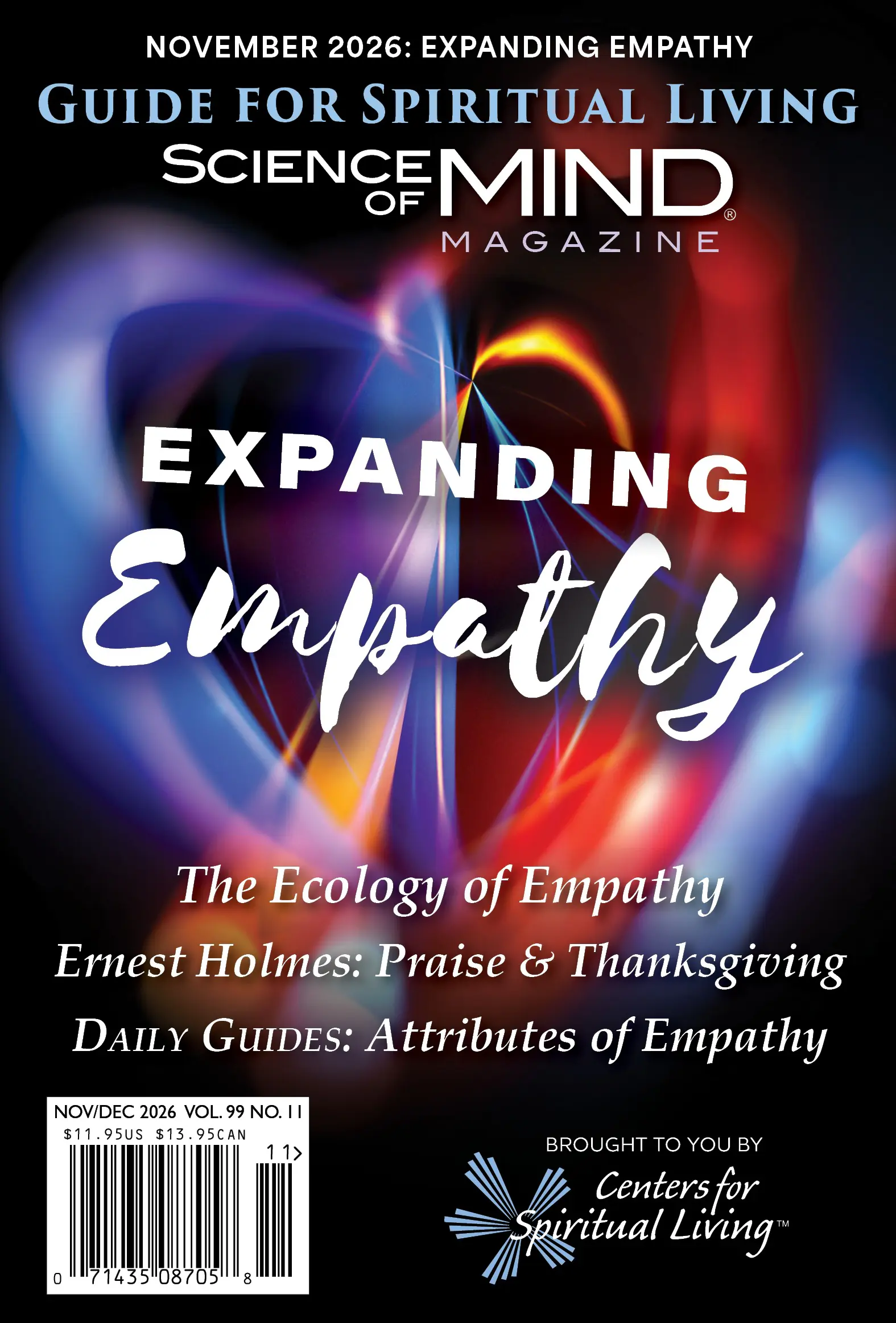
Readers and subscribers looking to explore new perspectives on human connection, emotional intelligence, and cognitive science can now access the latest edition of the publication. The November 2026 issue, centered around the overarching theme of Expanding Empathy, has officially been released to the public and is available across multiple digital and print platforms.
This month’s publication delves deep into the mechanisms of human understanding, examining how individuals, communities, and societies cultivate deeper emotional resonance in an increasingly complex world. As contemporary society grapples with shifting social landscapes, technological advancements, and evolving interpersonal dynamics, the November 2026 issue offers timely insights into the science and practice of empathy. Journalists, researchers, and cultural commentators have contributed thought-provoking pieces that examine empathy not merely as a passive feeling, but as an active, dynamic skill that can be developed, nurtured, and applied across various disciplines.
Access Your Online Issue Here
For current subscribers and digital readers eager to dive into the latest content, immediate access is just a click away. Readers can seamlessly transition to the digital platform by visiting the official online portal. By accessing the publication online, readers can immediately view the complete November 2026 edition, complete with all feature articles, special reports, and multimedia elements designed to enhance the reading experience.
The digital edition provides an accessible, eco-friendly way to engage with the publication’s journalism from anywhere in the world. Whether viewed on a desktop computer, a tablet, or a smartphone, the digital layout ensures that readers have immediate access to the entire catalogue of stories featured in the Expanding Empathy release. Current subscribers are encouraged to log in using their credentials to explore the new content immediately.
Get 12 Digital Issues for Just $19.95
For those who have not yet subscribed or who wish to extend their reading experience, a special promotional offer is currently available. New and prospective readers can secure a full year of digital access—totaling 12 comprehensive digital issues—for the remarkable price of just $19.95.
This subscription model ensures that readers stay informed, inspired, and engaged month after month without interruption. In an era where staying connected to high-quality journalism and in-depth reporting is more important than ever, this accessible pricing tier makes it easier for a broader audience to enjoy consistent access to premium content. Each monthly installment brings fresh reporting, compelling narratives, and expert analysis directly to the reader’s preferred digital devices, making continuous learning and cultural exploration both affordable and convenient.
Subscribe Online to Receive the Print Issue in the Mail
For traditionalists and collectors who prefer the tangible feel of paper, the tactile experience of reading a physical magazine remains unmatched. Readers have the opportunity to subscribe online to receive the official print issue delivered directly to their mailboxes.
Opting for the print subscription offers a comprehensive reading experience that bridges the best of both worlds. By choosing the combined subscription option, readers receive both the physical print edition in the mail and full access to the digital editions for one low, bundled price. This dual-format approach ensures that subscribers can enjoy the aesthetic pleasure and focus of reading a physical magazine at home, while retaining the portability and immediacy of digital access when they are on the go.
To take advantage of this comprehensive offering, interested individuals can visit the online subscription portal to complete their registration and ensure that the November 2026 edition—and all subsequent releases—arrive promptly at their doorsteps.
As the autumn leaves settle and community days across the country find their steady rhythm, homeschooling families participating in Classical Conversations are encountering a familiar milestone. Somewhere around Week 7 of the academic term, parents often pause to reflect on the daily routine and ask a fundamental question: What is all this memory work really for?
To address that inquiry and provide ongoing encouragement, Classical Conversations has released its October 2026 Parent Connections Newsletter. Designed specifically for member families, this month’s edition centers on helping parents see the deeper purpose behind memory work, offering a newly launched video series, curated reading recommendations for adult learners, exciting academic competition updates, and immersive field trip opportunities for the autumn season.
Unlocking the Purpose Behind Foundations Memory Work
The heart of the October newsletter tackles a common moment of reflection experienced by families navigating the Foundations program. For instance, families studying Week 7 of Foundations Cycle 3 face a diverse array of subjects all at once: the 13s multiplication facts, Latin noun vocabulary, the human excretory system, the English verb conjugation of “to rise,” the historical context of the Monroe Doctrine, and memorizing United States states and capitals.
Viewed strictly on paper, these subjects can easily appear as a disparate collection of unrelated facts. However, classical education is fundamentally built upon the art of discovering how seemingly separate pieces of knowledge connect. A child who learns to recognize order and numerical patterns in mathematics is actively exercising the very same cognitive skill required to trace cause and effect through complex historical eras or accurately map out a nation’s geography.
To bridge the gap between rote memorization and true comprehension, Classical Conversations has introduced a new multimedia resource titled "What’s the Point?" This weekly video series is crafted to guide parents through the curriculum week by week. Each short segment breaks down the corresponding memory work to demonstrate how foundational facts cultivate lasting habits of thought rather than remaining isolated pieces of trivia. The initiative is intended to equip parents with the insights needed to discuss the deeper significance of daily lessons with their children, transforming study time into meaningful conversations about why education matters.
The series kicked off with a dedicated feature on Foundations Cycle 3, Week 7, providing an overview of what children are learning and why those specific concepts are vital. Families are encouraged to incorporate the full series into their weekly homeschooling rhythms as a tool for ongoing clarity and inspiration.
Addressing Common Misconceptions About Classical Education
Another major focus of the October newsletter centers on a frequent critique often directed at classical learning models: the notion that classical education relies solely on rote memorization. Through discussions highlighted on the official Classical Conversations blog and the Everyday Educator podcast, educational leaders are actively addressing this misconception this fall.
Educators emphasize that within a classical framework, memorization serves as a foundational tool rather than the ultimate destination. Young children naturally possess a remarkable capacity for storing facts during developmental stages when memorization comes with ease. Over time, as students mature into the later stages of learning, those stored facts provide the essential raw material needed to analyze, reason, and articulate original ideas with clarity and precision. The curriculum is deliberately structured to transition students from gathering information to synthesizing and expressing knowledge effectively.
For families seeking further encouragement, the broader catalog of classical, Christian education articles on the CC blog and episodes of the Everyday Educator podcast offer practical insights designed to make home-centered learning a sustainable and vibrant lifestyle.
Growing Parent Education Through Dedicated Reading
Classical Conversations maintains that education is a lifelong pursuit that extends well beyond childhood and the K-12 years. To help parents fall in love with learning all over again, the October newsletter highlights specific literary resources designed to nurture adult education and deepen parental understanding of the classical model.
Among the featured titles is "The Habits of a Classical Education: Practicing the Art of Grammar," published as a companion for the entire homeschool journey. The book provides practical guidance across a wide range of subjects, including reading, writing, math, geography, history, science, and the fine arts. Each chapter is structured to help parents live out the Five Core Habits alongside their children, bridging the gap between theory and daily home instruction.
Additionally, families are invited to download a complimentary digital copy of "Echo in Celebration: A Call to Home-Centered Education." This ebook details the personal homeschool journey of Leigh Bortins, the founder of Classical Conversations. The publication offers a look into the origins of the organization and explores the enduring benefits of educating children at home through time-tested classical and Christian methods, with further selections available through the Cultivating Christian Leaders section of the online CC Bookstore.
Putting Mental Math into Practice with National Number Knockout
To demonstrate the practical application of habits of thought in a dynamic setting, the October newsletter turns its attention to the National Number Knockout, commonly known as N2K. This mental math competition challenges students to engage with numbers rapidly and creatively. During gameplay, participants roll three dice and are given a strict sixty-second timeframe to construct as many valid mathematical equations as possible that correspond to numbers featured on a specialized game board.
The competition is designed to foster enthusiasm for mathematics, build academic confidence, and encourage the pursuit of personal excellence among students. Participation for the upcoming 2027 season is open to students between the ages of 11 and 14 who are enrolled in Essentials, Challenge A, or Challenge B programs. The tournament culminates in an anticipated championship event hosted aboard the 2027 CC Family Cruise, with interested families encouraged to subscribe to the dedicated N2K newsletter for ongoing updates and preparation guidelines.
Taking Learning on the Road with Museum Field Trips
As part of the member benefits highlighted for October, Classical Conversations is encouraging families to utilize the autumn season for educational field trips. A primary recommendation for the month directs homeschool communities toward Homeschool Days at the Museum of the Bible.
As the nation marks its 250th anniversary, the museum’s specialized exhibits offer an immersive exploration of how historical texts and biblical principles shaped the founding, ideals, and historical trajectory of the United States. The programming features hands-on learning environments tailored to accommodate students across various grade levels. To assist families traveling to the nation’s capital, accompanying travel resources such as Washington, D.C., field trip guides provide practical advice for organizing a comprehensive day of experiential learning.
Staying Connected Across Communities
The Parent Connections newsletter continues to serve as a vital monthly communication channel for Classical Conversations member families, bridging the gap between local community days and nationwide initiatives. Between regular publication cycles, members remain connected through official channels on social media platforms, including Facebook, Instagram, YouTube, and BAND.
The current edition also highlights seasonal promotions from the CC Bookstore, including the ongoing Fall into Savings Sale and the Best Equation of the Year features, alongside partner resources provided by Heritage Defense and College Prep Genius. Furthermore, individuals interested in contributing to the broader mission of home-centered education are invited to review current career opportunities available through the home office.
As the fall term progresses, Classical Conversations remains committed to providing parents with the tools, community support, and intellectual resources necessary to navigate the classical homeschooling journey with confidence and joy.
As professionals approach the culmination of their careers, the final days at the office often bring a mix of anticipation, nostalgia, and logistical loose ends. Among the various tasks involved in wrapping up a tenure—transitioning projects, handing over credentials, and clearing out desks—one subtle yet significant task remains: crafting a final farewell message to colleagues. While not strictly mandatory, composing a thoughtful sign-off has long been considered one of the simplest and most effective ways to close a major chapter of professional life with grace.
For many workers, spending years or even decades alongside the same group of people creates deep bonds. Writing a short, thoughtful message can help employees leave the workplace on a kind and memorable note. Furthermore, departing workers are often surprised to find how meaningful even a few simple lines can feel, both for the individual writing them and for the colleagues who read them on their final day.
When it comes to the content of these messages, there is no single right way to say goodbye. The approach largely depends on an individual’s personal style, comfort level, and the specific atmosphere of their office. Some professionals prefer a lighthearted or casual touch to break the tension of a bittersweet moment. For instance, an employee with a tenure of a decade and a half might opt for humor, writing something along the lines of spending their newfound freedom finding out if daytime television truly lives up to the hype, while thanking their peers for the ongoing talks, laughs, and shared memories.
Others lean toward a more heartfelt and earnest expression of gratitude. A traditional sentiment often reflects the genuine honor of working alongside a talented group of people, leaving the organization with a deep sense of appreciation for the time spent together and for the colleagues who made the journey worthwhile.
For environments where humor is the preferred currency, a light-edged joke about remote work quirks can also hit the right note. A modern farewell might playfully acknowledge the universal workplace phenomenon of accidentally remaining muted during virtual meetings, joking that despite years of experience, the technological lesson never quite stuck. These playful touches often resonate deeply with teams that have navigated years of remote or hybrid collaboration together.
Ultimately, the tone of a retirement announcement should align naturally with an individual’s personality and the prevailing culture of their workplace. Employees working within highly formal corporate environments generally find that a traditional, professional message is the most appropriate path forward. Conversely, in workplaces where daily communication routinely features office memes and inside jokes, a more relaxed and humorous approach is completely acceptable.
In general, the most effective retirement messages sound genuinely like the person writing them. Trusting one’s own voice and embracing authenticity allows departing workers to say goodbye entirely on their own terms, reflecting the professional identity they built throughout their careers.
While there is no rigid checklist or standardized formula that every professional must follow, certain themes tend to emerge naturally in well-crafted farewells. These touchpoints often help writers find their flow, ensuring they acknowledge their time at the company while looking forward to the future.
When it comes to the medium of delivery, email has firmly established itself as the preferred format in the modern workplace. Distributing a farewell note via email allows an employee to reach an entire department or organization efficiently while giving recipients a convenient opportunity to reply with their own well-wishes.
Whether an employee chooses to broadcast their message to a broad team or limit it to a close-knit group of immediate colleagues, a well-timed email offers a low-stress yet high-impact way to say farewell. Experienced professionals often joke about the ultimate deadline for this task: remembering to hit the send button just before the IT department officially deactivates their system access.
In addition to the broader farewell announcement, many retiring workers choose to send specific thank-you messages to colleagues who played a significant role in their professional journeys. These expressions of gratitude work best when they clearly identify the individuals being thanked and highlight specific contributions they made. Such notes can be integrated directly into the general retirement announcement or sent out as separate, individualized correspondence.
For an entire team, a few concise lines expressing appreciation for patience and camaraderie are often sufficient to convey the sentiment that working alongside the group was the highlight of the job. For individual colleagues, naming specific actions—such as a veteran employee who patiently answered questions during a newcomer’s first year—adds a personal touch that underscores the value of mentorship and peer support. Similarly, when colleagues organize a formal send-off or contribute toward a retirement gift, a brief follow-up note serves as a warm and polite way to express renewed gratitude before officially stepping away.
Interfaith America has officially welcomed 35 dynamic change-makers to its newly reimagined Building Interfaith America Grant cohort. Representing a diverse cross-section of the country, these emerging leaders span various sectors, geographical regions, and approaches to social change, yet they are united by a common catalyst: identifying an urgent need within their local communities and stepping forward to address it through collaborative, faith-inspired action.
The announcement marks a significant evolution for the Building Interfaith America Emerging Leader grant program, which has been thoughtfully redesigned to provide grantees with deeper resources, comprehensive support networks, and an enhanced capacity to generate meaningful impact both locally and on a broader national scale. Under the newly structured initiative, individual award amounts have been substantially increased, rising from a previous maximum of $1,500 to up to $5,000 per project. These expanded funds are specifically earmarked to support grassroots, community-based projects that foster understanding, bridge divides, and address tangible neighborhood challenges.
Beyond financial investment, the reimagined program introduces a robust cohort model designed to foster peer connection and professional development. Grantees participate in a comprehensive support ecosystem that includes group and individual coaching, specialized storytelling assistance, and an immersive in-person retreat. This holistic approach ensures that leaders are not only funded but are also equipped with the strategic skills, narrative tools, and collaborative networks necessary to sustain and amplify their work. Furthermore, Interfaith America has emphasized geographical inclusivity in this year’s selection process, with 30 percent of the total grants directly awarded to leaders supporting rural communities, ensuring that marginalized or geographically isolated populations are represented and resourced.
The funded projects reflect the vast and multifaceted nature of American community life, touching nearly every corner of civic and social engagement. Some initiatives focus on bringing people together across generational divides and religious traditions to build social cohesion. For example, one grantee has launched a quarterly interfaith intramural sports series in Boston, cleverly pairing physical play with community service to foster organic relationships among participants from different backgrounds. Other projects tackle complex, existential questions that often lack easy answers—ranging from grief and caregiving to public health and disability advocacy. Among these is a specialized dialogue series where Sikh and Hindu caregivers and advocates convene to explore the intersections of faith, caregiving, and disability, offering a vital space for shared vulnerability and mutual support.
Storytelling serves as a powerful, unifying thread running through the entire cohort. Several projects utilize diverse mediums—including drawing, film, and community archiving—to capture and preserve the lived experiences of neighbors. One notable national multimedia effort is built around a single, resonant question: "How did your family become American?" By collecting and sharing these diverse origin stories, the project highlights the pluralistic fabric of the nation and encourages deeper empathy across cultural lines.
In addition to narrative and relational projects, the cohort engages in the practical, daily work of civic life and neighborly support. These initiatives include grassroots efforts to help rural Georgians secure the official identification documents they need to vote and navigate everyday administrative tasks. Alongside these civic engagement projects are targeted interventions addressing critical societal issues such as hunger, homelessness, and local conflict resolution.
These diverse examples represent only a fraction of the innovative work being generated by the cohort. The ideas driving these initiatives originate from individuals who possess an intimate understanding of their local communities and are uniquely positioned to leverage the distinct strengths, assets, and relationships of their neighbors and collaborators. By providing expanded financial resources and comprehensive cohort support, Interfaith America is honored to resource these leaders, facilitate connections among them, and elevate their stories for national audiences. Over the coming year, these grantees will document their journeys, insights, and lessons learned through articles and updates published on IA Today.
Anne Coyne, Program Manager, and Ali Khaleel, Assistant Director of the Emerging Leaders Network at Interfaith America, expressed enthusiasm for the incoming cohort, extending formal congratulations and a warm welcome to the 35 selected grantees as they embark on this collaborative journey to build a more inclusive and interconnected society.
For years, Jamie C. Martin maintained an image of a high-achieving homeschool educator, author, and community leader. Known to thousands through her work co-founding Simple Homeschool and leading Introverted Moms, Martin appeared to successfully balance the demands of running a digital platform, writing books, and educating three teenagers, two of whom have special needs.
However, beneath the surface of productivity and outward stability lay a deeply hidden inner world of chronic pain, emotional exhaustion, and unaddressed trauma. In a deeply personal and vulnerable essay published on her platform, Martin has detailed a grueling five-year personal transformation that began unexpectedly during the COVID-19 pandemic and ultimately reshaped her understanding of her life, her mental health, and her approach to motherhood.
An Unexpected Catalyst for Change
The profound shift in Martin’s life began quietly in 2020. As global disruptions forced families indoors and upended daily routines, her husband made the unexpected decision to enter therapy. For Martin, whose British upbringing emphasized the stoic "keep calm and carry on" philosophy, the move was entirely out of character.
After observing her husband’s therapeutic process for six months, Martin decided to seek counseling herself. Initially, her goal was modest: she hoped therapy would provide practical coping mechanisms to navigate the intense stress of homeschooling three teenagers during a global crisis. She anticipated learning strategies to manage daily burnout, completely unaware that the process would dismantle her worldview and force her to confront a past she had long kept suppressed.
Early in her sessions, her therapist asked her to recount an early childhood memory. Martin shared an episode that she had always viewed as typical, even mildly humorous. Her therapist, however, noted that the narrative reflected unusual cognitive patterns for a preschooler, suggesting deeper underlying issues that warranted exploration with a trauma specialist.
Around the same time, while selecting reading material for her Introverted Moms book club community, Martin chose Holley Gerth’s The Powerful Purpose of Introverts. Within its pages, she encountered a term she had never previously considered: "high-functioning depression."
Confronting High-Functioning Depression
Reading the characteristics of high-functioning depression proved to be a profound turning point. To Martin’s astonishment, she resonated with the majority of the traits outlined in the book.
Yet, acknowledging the reality of depression conflicted heavily with her daily reality. She consistently got out of bed every morning, homeschooled her children, authored books, penned blog posts, and guided a growing online community of women. On the outside, she was a pillar of reliability and success. On the inside, however, she frequently experienced debilitating physical aches, severe insomnia, profound feelings of unworthiness, and a deep, internal sense of despair.
Despite the internal turmoil, Martin held her responsibilities together, viewing her ability to function as proof of resilience. Looking back, she recognizes this period not merely as a struggle, but as a grace-driven awakening that brought buried truths to the surface.
The Cost of Public Leadership While Healing
The subsequent five years unfolded as a complex, grief-laden arc of psychological death and resurrection. As Martin began unpacking repressed negative emotions, she felt as though the protective mechanisms she had relied upon for decades were breaking down.
While she continued her final years of homeschooling, writing, and leading her online teams, the dual burden of public-facing work and private internal restructuring took a heavy toll. At the end of one particularly grueling year, Martin confessed to a friend that everything she created seemed to wound her.
The emotional weight ultimately forced painful professional decisions. In one instance, she broke down in tears during a Zoom call with her literary agent while pausing a major book project. It felt as though everything she valued was falling apart, a realization that was true in the sense that her old identity was disintegrating to make space for genuine healing.
Although her platform was built on emotional authenticity, she initially lacked the language to share her experience publicly. She questioned how she might explain her situation without alarming her audience, humorously summarizing the dilemma as stepping forward to announce a nervous breakdown.
Instead of broadcasting her struggles immediately, Martin turned to her journals. Writing exclusively for herself for the first time in years, she engaged in the vital work of rewriting her life story.
A Transformation Within and Beyond
Slowly, as she processed years of accumulated grief and repressed pain, the internal landscape began to shift. The transformation was so profound that long-time acquaintances frequently remarked on her physical and emotional changes. Martin described developing an authentic inner confidence that she had previously believed was accessible only to others.
While her pain has not completely vanished, her relationship to it has transformed. She understands the origins of her burdens and recognizes that they are not her fault. Most importantly, she arrived at a place where she feels fundamentally safe.
She is now able to experience sadness without being consumed by it, allowing her to model healthy emotional regulation for her children. Big emotions are no longer perceived as terrifying threats, but as natural human experiences that can be navigated with grace.
Five years after first encountering Holley Gerth’s checklist for high-functioning depression, Martin revisited the diagnostic traits. To her astonishment, she no longer resonated with a single one.
To mark her transformation on the eve of her 50th birthday, Martin chose a permanent symbol, getting a tattoo to commemorate the milestone and the arduous journey that preceded it.
Rather than offering a prescriptive list of steps or a simplified guide to surviving trauma, Martin chose to share her narrative authentically and on her own terms. By opening up about her journey, she aims to offer solidarity and hope to other parents who find themselves navigating dark internal or external circumstances without an immediate promise of resolution.
Addressing those who find themselves simply trying to make it through another day while homeschooling and carrying hidden wounds, Martin offered a message of validation. Treading water, she noted, is not failure; it is courage, endurance, and survival.
TEXAS — For families navigating the profound loss of a child, the journey through grief is frequently described as uncharted and unpredictable territory. There are days when the absence of a loved one feels like a quiet companion, an enduring presence woven into the fabric of daily life, and other days when it feels like a dense, disorienting fog that obscures any clear path forward. For Kay Barclay, a mother and grandmother living in Texas, this reality has become a deeply personal education in endurance. Since the passing of her daughter, Jennifer, in 2019, Barclay has sought to understand the complex emotional landscape of bereavement, ultimately discovering a truth that many grieving parents eventually confront: the capacity for grief and joy to coexist.
In a reflective essay published through The Compassionate Friends—a national organization dedicated to supporting families after the death of a child—Barclay shared her personal insights into the non-linear nature of healing. Her reflections shed light on the silent, often isolating phase that follows a major loss, and the gradual, surprising realization that moving forward does not mean leaving the past behind.
Reflecting on the initial period following Jennifer’s death, Barclay described the mechanical nature of daily survival. For several months, she walked through the motions of everyday life, speaking when necessary, fulfilling obligations, and showing up wherever life required her presence. The world had fundamentally shifted, and she was acutely aware that everything was different. Survival during that time required a conscious, minute-by-minute effort—reminding herself simply to breathe and to put one foot in front of the other, which was often the absolute limit of her emotional capacity.
Over time, however, a subtle shift occurred. Without a precise starting point, Barclay began to notice sensations other than numbness. It manifested as a quiet, unexpected sense of peace, akin to a physical release after years of holding one’s breath. She described feeling, for lack of a better word, okay. While not indicative of happiness or complete healing, this state of okay-ness allowed a profound emotional breakthrough. In that stillness, Barclay found she could simultaneously feel the immense weight of Jennifer’s absence and a deep, abiding gratitude for the life her daughter lived, as well as the beautiful children she left behind.
This realization challenged her prior understanding of emotional recovery. For a long period, Barclay, like many navigating deep sorrow, wrestled with the fear that experiencing joy would somehow constitute a betrayal of her daughter’s memory. However, the unexpected moment of peace reframed that internal conflict. She came to understand that sadness and joy are not opposing forces taking turns within the human heart; rather, they can reside there simultaneously. Joy does not replace grief, nor does grief cancel out joy. Instead, experiencing joy represents a form of moving forward rather than moving on—a way to allow love to continue to function actively within a broken heart.
The emotional weather of grief, Barclay noted, remains variable. The fog still rolls in, and there are days when Jennifer’s absence manifests as an unbearable ache. Yet, those moments now share space with lighter experiences. In the warmth of a sunrise or the sound of her grandchildren’s laughter, Barclay senses her daughter’s enduring presence and the enduring gift of her life—a gift that continually invites her to remain engaged in her own.
This evolving perspective has fundamentally shifted her definition of healing. Rather than viewing recovery as the process of "getting over" a devastating loss, she now views it as the art of learning how to carry it. It involves embracing both love and sorrow simultaneously, welcoming moments of light without pretending that the underlying pain has vanished.
As Barclay continues to navigate this path one day at a time, acknowledging that some days bring strength while others bring struggle, her message to others facing similar tragedies is clear. Allowing oneself to experience joy, even in the smallest and most fleeting moments, is not an act of forgetting. It is an act of honor, a way of carrying a beloved child forward into the days to come.