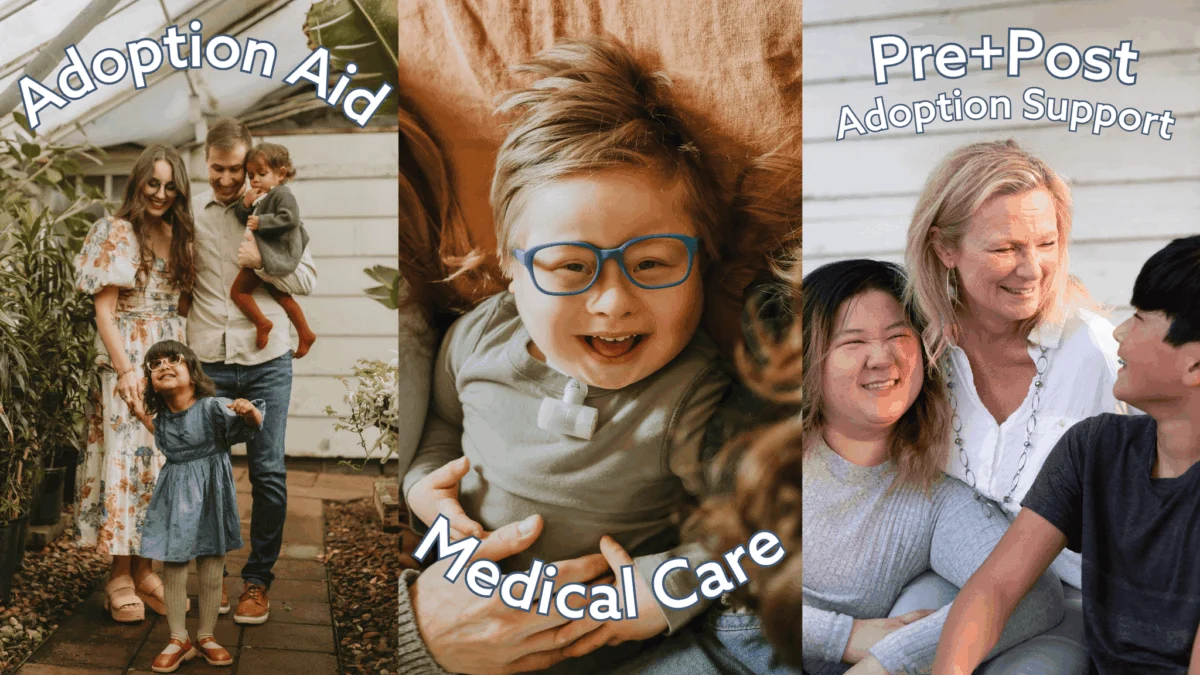
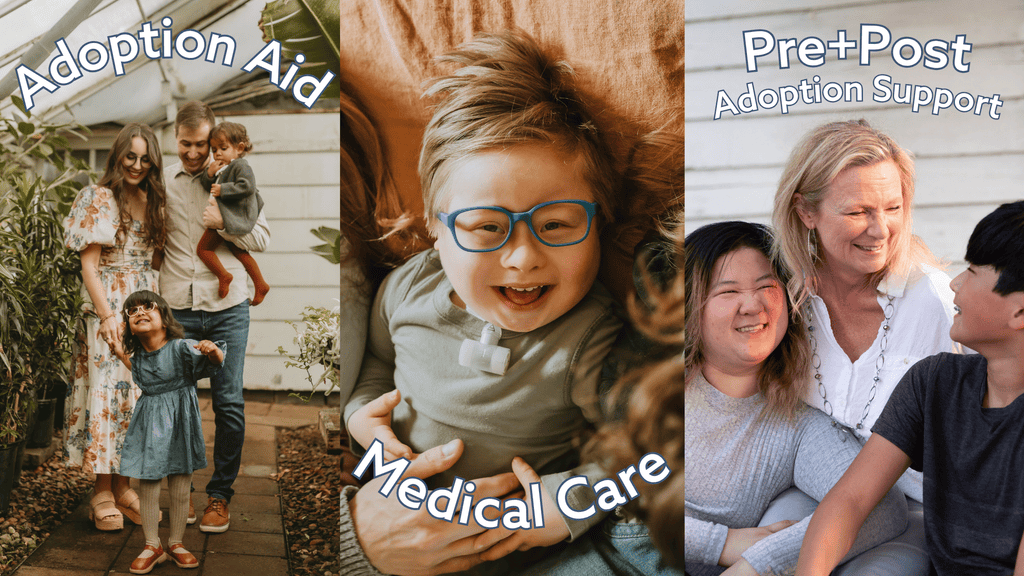
Reflecting on more than seven years of dedicated service with the organization, Show Hope Executive Director Kristin E. Parks recently shared an inspiring look back at the organization’s foundational milestones and its ongoing mission to support children and families. Published as part of Show Hope’s annual "Miracles" book, the executive director’s letter highlights remarkable growth across multiple core programs, most notably surpassing 10,000 children reached through Adoption Aid grants—a milestone made possible by the enduring vision and personal investment of founders Mary Beth and Steven Chapman.
When the organization was first established, the founders set out with a deep love for the Lord and a calling to care for orphans by engaging the Church and reducing the financial, emotional, and systemic barriers to adoption. Over the years, that initial calling has blossomed into a nationwide movement. Parks noted that what continues to strike her today, just as it did when she first joined the Show Hope family, is how deeply invested the Chapmans remain in the day-to-day mission of the organization. Their personal commitment has served as a driving force behind the expansion of support systems that touch thousands of lives each year.
However, as leadership frequently emphasizes, the conclusion of the adoption process—the day a child is officially welcomed home—is not the end of the journey, but rather the beginning. Recognizing the complex, lifelong needs that often accompany adoption and foster care, Show Hope has deliberately expanded its scope to go deep with families, addressing financial, medical, and educational barriers both pre- and post-adoption.
A cornerstone of this holistic approach is the "Hope for the Journey" resource, which has now impacted more than 172,000 individuals. Through this initiative, parents, caregivers, church leaders, and educators gain a deeper, more practical understanding of the realities of childhood trauma. Equipped with gospel-centered strategies, these individuals learn how to effectively address trauma responses, creating environments of healing and stability that help children and teens truly flourish.
In addition to financial aid for adoption and trauma-informed educational resources, Show Hope has experienced significant momentum in its specialized Medical Care grants, which were launched nearly six years ago to the month. Like many new and ambitious endeavors, the growth of the medical grant program started at a deliberate, steady pace. Over the past year, however, the organization witnessed a dramatic surge, with applications and awards growing by more than 50 percent.
To date, more than 330 Medical Care grants have been awarded, totaling an investment of more than $2.5 million. This vital funding bridges a critical gap for adoptive families, meeting children and teens with much-needed medical and mental health care and intervention. By doing so, the grants not only improve the overall quality of life and long-term health outcomes for vulnerable youth but also alleviate a tremendous amount of financial stress and strain for their parents, allowing them to focus entirely on nurturing and supporting their children.
Parks emphasized that these achievements are a direct reflection of a dedicated community of supporters. She noted that because of faithful donors and partners, the core mission of caring for orphans by engaging the Church and reducing barriers to adoption is far more than just a conceptual statement written on a page—it is a daily reality. As she frequently reminds the community, this profound work is simply not possible without the collective love, support, and generosity of those who stand alongside the organization.
As Show Hope looks ahead to the future and sets its sights on upcoming goals, leadership acknowledges that the needs of children and families remain great. Yet, that reality is met with an equally unwavering resolve. The organization continues to cast a vision for the coming year, stepping forward with faith and purpose.
To some outside observers, the ambitious goals set by Show Hope for the future might occasionally seem out of reach. But leadership and supporters alike draw profound encouragement from a shared foundation of faith. Turning to scripture, Parks pointed to Ephesians 3:20, noting that the community serves a God who is able to do "far more abundantly than all that we ask or think, according to the power at work within us."
The reflections shared by Parks serve as both a celebration of past milestones and an invitation into the road ahead. The ongoing work of Show Hope relies entirely on the continued partnership of faithful individuals who share a heart for vulnerable children and families. Those wishing to learn more about the organization’s initiatives or participate in its ongoing mission through a financial gift can visit the official Show Hope website at showhope.org/give.
When faced with the unimaginable choice to let her daughter go, one mother discovered that the wisdom she needed had been speaking to her all along.
The first time Julie Peoples-Clark remembers hearing the voice, she was nine years old, hanging upside down from a branch of the weeping cherry tree in her family’s front yard. It was one of those lazy, golden afternoons when the sky feels impossibly big and the world still seems to hold a child gently. The tree was in full bloom, with soft pink blossoms drifting in the breeze like scraps of silk. Its branches hung low, and from below, the entire canopy looked like a giant pillow—safe and inviting, as if it might catch her if she fell.
Get down, the voice said. It was clear, calm, and certain.
She didn’t listen. The branch cracked, and she fell, striking her head on the metal trellis at the base of the tree. For a moment, everything went dark. Her friend Jenny screamed and ran into the house, announcing to Julie’s mother that Julie had fallen out of a tree and was dead. By the time they reached her, she was sitting upright beneath the tree, dazed, with an egg-sized lump blooming on her forehead. Her mother handed her a dishtowel filled with ice and told her to lie down and watch The Love Boat—it was the 1970s, after all.
That afternoon taught her two foundational lessons: listen when the voice speaks, and even a tree that looks like a pillow can let you fall. She didn’t understand it fully back then, but she had encountered something that would become her life’s compass. It was a quiet knowing that arrived without explanation, often before her conscious mind could make sense of what was happening. Years later, that exact same voice would guide her through the most difficult decision of her life: allowing her daughter, Ella, to die peacefully in the arms of her father and her.
A Knowing Beneath Words
When Ella was born, she was placed on her mother’s chest, slick with birth, silent and still. She wasn’t breathing. Julie looked at her, looked through her, and instantly knew.
“Something is wrong,” she said, already handing her newborn back.
Before the medical tests, before the hospital alarms, and before anyone else could explain what was happening, her body had spoken. Ella was rushed to the hospital. Julie’s husband, Dave, stood beside the bed, frozen between staying with his wife—who was still bleeding and dazed from childbirth—and following their daughter, who was actively struggling for life.
“Should I go with her?” he asked.
Julie nodded, though she was not sure she actually spoke. He kissed her cheek and left. Julie remained at the birthing center, her body still open and aching, her arms empty. The room that had so recently been filled with breath and hope now echoed with the sound of absolute nothingness. She did not yet know the exact shape of Ella’s suffering, the profound complexity of her medical needs, or the ways this unexpected love would stretch her beyond anything she could have previously imagined. But something deep inside her already knew that their lives had changed forever.
Ella lived for eleven years. While eleven years is a remarkably short span in the grand arc of time, it constituted an entire lifetime for her mother. Julie served as her mother, her primary caregiver, her translator, and her fierce advocate. Ella was entirely dependent on Dave and Julie for feeding, bathing, dressing, carrying, and comforting. The responsibility was enormous, sacred, beautiful, and relentlessly exhausting.
Some days were filled with ordinary, comforting choices: what Ella would wear, what color to paint her tiny fingernails, when she would bathe, or how many drops of essential oil to place on her pillow. Other days carried the crushing weight of impossible medical decisions, involving feeding tubes, spinal surgery, complex medications, and choosing between two risky outcomes that both felt inherently wrong. Every single day brought a series of choices, and behind each one hovered the same central question: What does Ella need?
She listened to the doctors, gathered critical information, and asked countless questions. But she also learned to listen inwardly, tuning in to the place beneath the daily noise of fear and urgency. The inner voice did not always arrive as spoken words. Sometimes it manifested as a sudden tightening in her stomach, an abrupt stillness, or a profound feeling that settled deep in her chest. Other times, it was a sudden wave of clarity that seemed to move through her entire physical body.
As a somatic movement artist and Senior Lecturer in Dance at the University of Vermont, Julie had spent much of her life exploring the intricate relationship between the body, movement, and consciousness. Yet Ella ultimately became her greatest teacher. Through her daughter, she learned that listening is not always an act of hearing; sometimes it is an act of feeling. Ella taught her how to love without condition, how to live comfortably within the mystery, and how to hold joy and sorrow in the exact same breath. Most importantly, she taught her that the deepest knowing often arrives when a person stops trying so hard to find a forced answer.
When Hope Begins to Change
Ella began her gradual physical decline a year before she died. It started with a bout of pneumonia and a prolonged hospital stay. There were endless antibiotics, breathing treatments, blood transfusions, and long days spent watching her fragile body struggle to recover. Eventually, her family brought her home, but something fundamental had shifted.
Ella, who had once seemed fiercely determined to stay awake so she wouldn’t miss a single moment of life, now slept through mornings, afternoons, and entire days. Julie would cradle her head, stroke her cheek, and whisper her name, hoping she would open her beautiful blue eyes. Sometimes she stirred just enough to swallow a little food; other times, she didn’t. Each attempt felt like reaching across a widening distance.
They continued seeking answers, working closely with her physicians while also exploring gentler forms of healing, including craniosacral therapy, acupuncture, Reiki, sound healing, and prayer. Ella would lie beneath rainbow lights while singing bowls resonated around her. They held on to hope—not because they realistically expected a miraculous physical cure, but because loving her meant trying every avenue available.
Still, her condition continued to decline. There is a very particular, grinding exhaustion that comes from being responsible for a child whose needs are extraordinarily complex and whose future is deeply uncertain. A parent becomes accustomed to living in a permanent state of high vigilance, learning to interpret the smallest, most subtle changes in breathing, skin color, muscle tone, and expression. You become an expert in your child’s physical form. And somewhere within that constant vigilance, you must also carve out room for your own inner knowing.
When Ella was six years old, Dave and Julie had met with a pediatric palliative care physician to discuss what they wanted for her if her health ever deteriorated. It was a conversation that Julie had both deeply feared and quietly longed for. She remembered holding Ella in her arms as they entered the conference room. The physician bent down until his eyes were level with Ella’s and greeted her with immense tenderness. He saw her—not her cerebral palsy diagnosis, her physical limitations, or the immense weight of her medical care, but the beautiful child sitting before him. In that moment, something inside Julie loosened.
Together, they discussed what a peaceful death might look like for Ella if the time ever came. They agreed they did not want extraordinary medical measures that would merely prolong her suffering without offering a meaningful chance of genuine recovery. They wanted her to be comfortable, they wanted her to be surrounded by love, and they wanted to honor the authentic life she had lived. That painful conversation ultimately gave them a stable place to return to when the decisions later became too large to carry alone.
The Day the Voice Returned
Spring eventually arrived in Vermont. The geese returned, and the frogs began singing in the pond beyond the stone wall outside their window, their voices rising through the soft, thawing earth in a familiar chorus announcing the seasonal renewal of life. But Ella was not improving.
One morning in early May, while Julie was feeding her, Ella fell asleep mid-bite. Her body went entirely limp in her mother’s arms. Her skin turned a dull gray, and the familiar light seemed to disappear from her blue eyes. Julie whispered her name and gently shook her, but there was no response. They packed the family van and drove straight to the hospital, holding her close and hoping for some flicker of responsiveness.
Ella slept through check-in as her vital signs triggered the hospital alarms. Julie immediately asked for palliative care. When the physician they had met years earlier arrived, Julie fell into his arms and sobbed, comforted by his steady and familiar presence. He understood the previous conversations they had shared and the decisions they had made together.
Then, another physician entered the room. Ella’s lungs were filled with fluid, and he explained that she needed to be moved immediately to the Pediatric Intensive Care Unit and placed on a respirator.
Julie looked at him, took a deep breath, and from somewhere deep inside her, the voice rose once more.
No.
It was calm and unwavering. Her body knew precisely what to do, and her voice followed through. She could see the clinical concern in the physician’s eyes; he was simply trying to help her daughter, and his understanding of what needed to happen differed fundamentally from her own. But Julie knew Ella. She knew the years of medical interventions, the long hospital stays, the intrusive procedures, the difficult recoveries, and the cumulative suffering her daughter had already endured. She knew the child who had laughed at the sound of her father’s ukulele, who loved the soothing sensation of her vibrating respiratory vest, and who could communicate volumes with the smallest movement of her eyes.
And she knew that the little girl she had spent eleven years protecting was finally ready to rest.
Her firm refusal was not a rejection of Ella’s life; rather, it was a profound affirmation of everything she knew about her child. It was love speaking directly through her body. And beneath that singular word no lay another, equally powerful word: yes. Yes to comfort. Yes to peace. Yes to allowing Ella to leave this world surrounded by the people who loved her most. Yes to letting her go with grace.
The Courage to Listen
Julie has returned to that specific hospital room moment many times since Ella’s passing. She has often wondered about the extraordinary clarity that moved through her, questioning how she could have been so certain when the decision before her was so enormous. How could a mother whose entire life had been devoted to keeping her child alive suddenly find the strength to say no to further medical intervention?
The answer, she believes, lives somewhere in the delicate relationship between the body and the soul. For eleven years, she had been immersed in learning Ella’s unique language, coming to know her rhythms, expressions, discomforts, and joys through thousands of ordinary, physical acts of caregiving. Their communication had long since transcended spoken words, living instead in the quiet spaces between them. When the critical moment finally arrived, she did not need to intellectually reason her way toward an answer; the deep knowing had been quietly growing within her for over a decade.
This does not mean the decision was easy, nor does it mean that every grieving parent will experience that exact same clarity. There are simply no easy answers when a family is asked to make decisions concerning the life of a beloved child, and every individual journey is entirely unique. However, Julie has come to firmly believe that a parent’s inner voice deserves a valid place alongside cold medical data, professional advice, and the loving counsel of family and friends.
Sometimes that inner voice is difficult to hear beneath the overwhelming noise of fear, guilt, and the relentless questioning of whether one is doing enough. Sometimes it asks a parent to do something that feels entirely contrary to conventional understandings of what it means to care for a child. For Julie, listening ultimately meant recognizing that protecting Ella no longer meant keeping her alive at all costs—it meant allowing her to die.
What I Know Now
Ella’s birth had been filled with clinical confusion, urgency, and immediate physical separation. Her departure, thankfully, was entirely different. Her family was able to bring her home, where she passed away peacefully in the arms of both her mother and her father.
Julie notes that she has never been more certain of any decision in her entire life. That profound certainty, however, does not magically erase the grief. She still misses her daughter deeply—the physical weight of Ella in her arms, the softness of her golden curls, her bright blue eyes, and the unique way she inhabited the world. Grief has fundamentally altered her relationship with her own body, bringing moments when sorrow arrives before thought, and days when her physical self remembers Ella’s absence long before her conscious mind catches up.
Yet she has also learned that the exact same body that carries grief is the body that carries enduring love. It remembers the child they held, the rhythms of caregiving, the tenderness of touch, and the thousands of small gestures through which their love was continually expressed. Somewhere within that ongoing remembering, the quiet inner voice remains.
Reflecting on the little girl hanging upside down in the weeping cherry tree, the young mother holding a silent newborn, and the grieving woman standing in a hospital room eleven years later, she recognizes that the voice was always the same. It had been with her through every stage of her life. While she cannot say whether human beings are born with this innate knowing or if it is forged through the experiences that break us open, she knows that Ella taught her how to truly listen.
And even now, navigating a life without her daughter’s physical presence, she continues to return to that quiet place within herself. She listens, she trusts, and she carries Ella forward with her every day.
Modern life has a way of expanding quietly until our daily routines are completely overshadowed by endless obligations. For many parents, especially mothers balancing the multifaceted demands of education, home management, and daily care, the concept of a to-do list has evolved far beyond physical paper and ink. It now encompasses an invisible, ever-growing catalog of mental expectations, unspoken pressures, and societal standards that can quickly become overwhelming.
In a recent episode of the Read-Aloud Revival podcast, host and veteran mother of nearly 25 years addressed this pervasive cultural exhaustion head-on. Titled "Finding Rest in the Mess," the episode takes a candid look at the quiet burnout experienced by countless families, examining not just the symptoms of a busy life, but the deeper, often overlooked motivations that drive parents to constantly pile more onto their plates.
While talking about being busy can sometimes feel like a cliché—a default response to casual inquiries about daily life—acknowledging the reality of chronic fatigue is an essential first step toward meaningful change. Most modern caregivers operate at least a little bit fried, juggling professional duties, domestic maintenance, child-rearing, and educational responsibilities with little margin for actual recovery.
Yet, the central question remains: why do parents continually subject themselves to this cycle of overextension?
When examining the underlying structure of a typical daily schedule, the answer rarely points back to mere efficiency or a love of administrative tasks. Instead, the root cause is deeply rooted in relationships. To-do lists grow exponentially long not out of obligation alone, but out of a profound love for children and a sincere desire to make them feel valued, supported, and nurtured. Whether it is planning enriching educational activities, preparing nourishing meals, maintaining an orderly household, or balancing work outside the home, every task on that extensive list is usually tied to an intention to care for the family.
However, nearly a quarter-century of personal motherhood experience has revealed a difficult and transformative truth to the podcast host: restless busyness can often become counterproductive. When parents are perpetually rushed, stressed, and physically depleted, it becomes significantly harder to engage in the very activities that truly nurture children, foster deep and fruitful relationships with them, and authentically model patience and love. The constant state of urgency can inadvertently crowd out the peace and connection that families crave most.
To help listeners navigate this tension, the latest episode focuses on practical pathways toward finding rest amidst the unavoidable mess of daily family life. The goal is to help parents show up in all of their relationships with a renewed sense of peace and genuine joy, rather than operating from a place of chronic depletion.
To illustrate these themes, the episode features a retrospective look at some of the most resonant and impactful moments from "Circle With Sarah" over the past year. As one of the most popular features among Read-Aloud Revival Premium members, Circle With Sarah functions as an exclusive community space. It incorporates a private podcast feed, live virtual events, and biannual virtual retreats, all specifically tailored to support mothers in the intentional educational and relational journey they have chosen for their families.
Throughout the broadcast, the conversation bridges the gap between the idealistic goals parents set for themselves and the messy, beautiful reality of day-to-day living. By examining the subtle pressures that lead to burnout, the program encourages listeners to reassess their priorities and embrace a posture of rest.
The episode also highlights supportive literary resources designed to ease the burden of home education and parenting, including the influential book "Teaching from Rest: A Homeschooler’s Guide to Unshakable Peace." Written to address the anxiety and perfectionism that frequently plague modern educational environments, the resource aligns closely with the podcast’s core message of finding tranquility within routine.
As families continue to navigate the complexities of balancing education, relationships, and daily responsibilities, conversations like the one featured on the Read-Aloud Revival provide a welcome reminder that sustainable parenting is rooted not in doing everything, but in cultivating peace where it matters most.
With some gentle guidance, our children can soar to success, yet modern parenting remains one of the most complex and demanding roles in society. There are no official awards for good parenting, even though caregivers everywhere are performing an almighty job on a daily basis. Parents are tasked with a deeply contradictory mission: bringing a fragile human being into the world, keeping them not only alive and thriving, but also ensuring they take care of their own physical, mental, and emotional well-being along the way.
As generic as the sentiment may sound, every parent ultimately hopes for the best for their children, striving to raise individuals who are healthy, happy, and empowered. Every little sparkle in a child’s eye serves as a quiet consolation for the sleepless nights, frantic days, and teary moments that caregivers endure. While parents across the globe are doing a remarkable job, certain figures have managed to raise the bar of successful child-rearing to a new level.
Prominent educator and writer Esther Wojcicki is one such figure. Based in the United States, she has frequently been dubbed in the media as the mother “who raised two Silicon Valley CEOs and a doctor.” Her approach to parenting is remarkably straightforward and free of unnecessary fluff. She remains adamant that certain fundamental qualities have been missing from modern domestic life, and that by reinstating these values, parents can give their children the absolute best shot at long-term success.
Reflecting on her decades in the field, Wojcicki shares insights from her extensive background. “Through my decades of experience as a mother, grandmother, and educator, I’ve identified five fundamental values that help us all become capable, successful people. They’re an antidote to our parenting and teaching problems, a way to fight against the anxiety, discipline problems, power struggles, peer pressure, and fear of technology,” she explains.
Wojcicki boils her formula down to an acronym she calls TRICK, which stands for trust, respect, independence, collaboration, and kindness. In her published work, including the book How to Raise Successful People: Simple Lessons for Radical Results, she provides numerous real-world examples of how placing genuine trust in her children’s abilities allowed them to flourish across various stages of life.
She notes that sometimes this approach is as simple as letting a teenager shop for school supplies entirely alone, or giving a toddler the chance to pick out their own clothing for the day. Ultimately, Wojcicki’s framework fosters an empowering mindset that avoids looking down on children simply because of their age. Her own daughters have noted that their mother consistently treated them almost like mini adults, which provided a significant, lasting boost to their self-confidence.
At the same time, Wojcicki reminds caregivers that children still rely heavily on responsible, capable adults to handle the heavy lifting. Nevertheless, if families grant children greater autonomy over matters that are not strictly related to safety or health, young people can begin learning how to make meaningful choices for themselves.
Other developmental experts largely agree that value-based parenting lays a critical foundation for future achievement. Ashley Vigil-Otero, a Harvard-educated psychologist with a professional focus on teaching resilience, emphasizes that children thrive when adults begin championing not only their accomplishments, but their failures as well.
From a developmental standpoint, children tend to display profound confidence in their own abilities up until approximately age seven. However, self-confidence frequently experiences a noticeable decline between the ages of eight and 12, a developmental window during which children require robust and steady support from the adults around them.
Addressing how caregivers can navigate this phase, Vigil-Otero offers concrete developmental perspectives. “Teach them that success is often built on failure and everything they do is part of a process, not a particular outcome. Rather than praising good marks, reinforce good habits and trying one’s best. You can also create a family mantra for times when your child fails or seems defeated,” she notes.
By actively cultivating these core capabilities—including sound decision-making, genuine trust in personal abilities, kindness, resilience, and flexibility—parents enable their children to unlock the door to a more fulfilled and capable life.
Other Science-Backed Formulas to Raise Successful Kids
Beyond specific frameworks like TRICK, various psychological studies and educational research highlight additional parenting approaches linked to long-term success. Research into family dynamics consistently points to the impact of everyday parental interactions on a child’s psychological development.
Maintaining a warm and responsive parental dynamic remains a cornerstone of healthy development. In a landmark study conducted at Harvard University, researchers discovered that a nurturing, supportive relationship between children and their parents serves as one of the single most reliable predictors of adult success, overall well-being, and general life satisfaction later in life.
Mastering emotional regulation within the household is another vital component identified by child development professionals. As noted by psychologist Laura Markham, children act as sensitive barometers for the moods and tensions of the adults around them. When parents manage to remain calm during temper tantrums and other high-stress episodes, children observe that self-regulation is entirely possible. By allowing young people to express upset feelings, adults validate those emotions and teach children how to eventually calm themselves down.
According to renowned psychologist John Gottman, the true success of emotional regulation is deeply rooted in empathy. Adults should actively strive to understand a child’s underlying feelings before offering advice, attempting hasty problem-solving, or establishing strict limits. Often, when this foundational empathy is established, a child’s challenging behavior shifts naturally.
Conscious and mindful parenting practices are also widely credited as effective methods for fostering long-term happiness and competence. This approach relies on a careful combination of kindness, appropriate authority, and mutual respect. Being both kind and firm are far from contradictory concepts; rather, they signify that a parent can communicate boundaries with profound respect and warmth while simultaneously reinforcing those limits with consistency.
Finding the right balance requires patience and practice, but the relational benefits are substantial. Counselor Mary Anne Sylvester points out that an exemplary model of authoritative parenting involves statements such as, “I love you AND the answer is no.” This formulation simultaneously reminds the child of unconditional affection while maintaining a clear, unwavering limit.
Finally, modeling positive social interactions plays a profound role in shaping well-rounded individuals. Operating as a kind, empathetic friend, neighbor, and colleague allows adults to thrive across both personal and professional spheres while demonstrating positive social habits. Teaching basic manners remains essential because socially adept children frequently navigate broader social environments with greater ease and confidence. When adults model polite behavior—such as offering a seat to someone vulnerable, holding a door for an elder, or writing personal thank-you notes—they help cultivate individuals who develop positive relationships wherever they go.
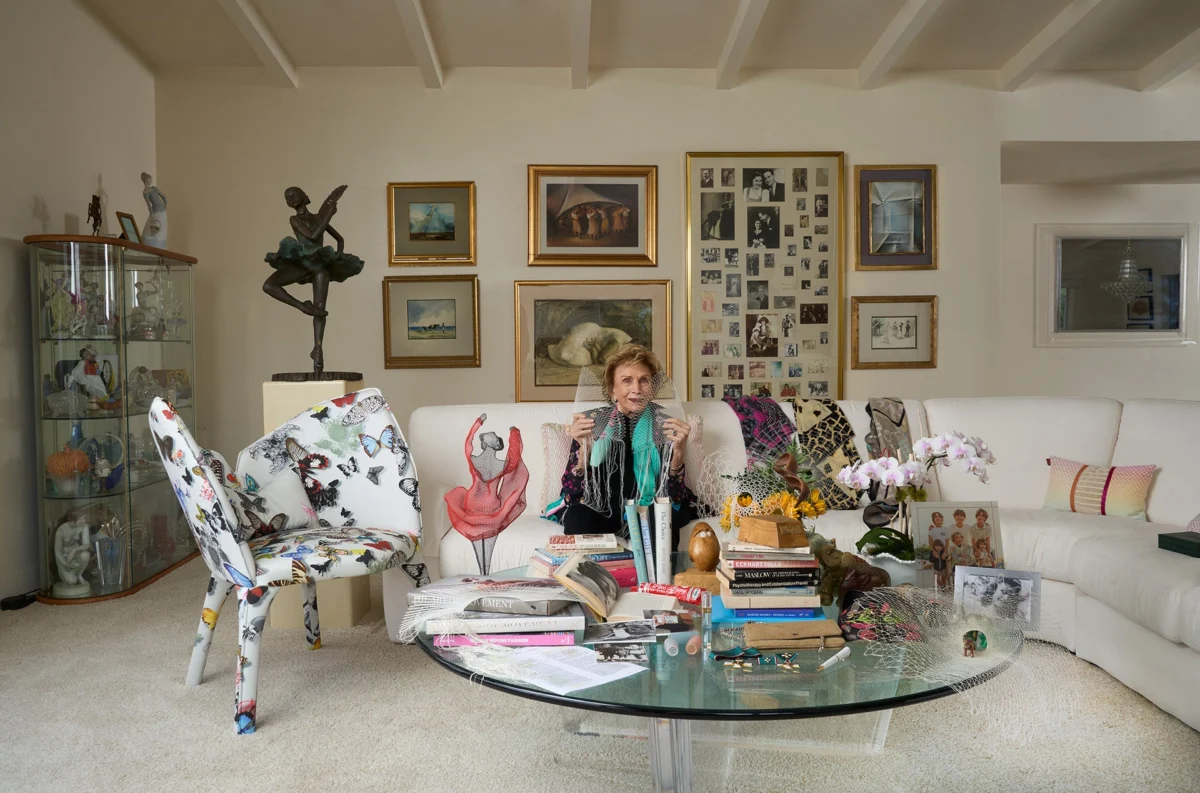
NEW YORK — Long before she became globally recognized as one of the most influential Jewish voices on grief, loss, and psychological resilience, Dr. Edith "Edie" Eger often described herself as an "ugly duckling." At just 16 years old, Edie was a slight, flexible dancer living in Kassa, Hungary, before she and her family were violently uprooted and deported to the Auschwitz concentration camp. There, her parents were immediately sent to the gas chambers, while Edie was forced to dance for the infamous Dr. Josef Mengele. She was so fragile in appearance prior to her deportation that upon her eventual return to her hometown, her neighbors could scarcely believe she had survived the atrocities of the Holocaust.
Today, Dr. Eger’s profound teachings on trauma and recovery continue to reverberate across generations. Her wisdom forms the bedrock of a powerful new documentary, "The Choice," directed by John David Coles, which is slated for release on January 15, 2027. Weaving together extraordinary perspectives on finding light in the darkest of times, the film centers on three remarkable women: Iris Haim, Sapir Cohen, and Dr. Eger herself.
Audiences recently had a chance to preview the film at The Tribeca Screening Room, followed by an intimate post-screening conversation featuring Dr. Eger’s daughter, Dr. Marianne Engle, and fashion icon Diane von Furstenberg. As the theater lights dimmed over an audience spanning multiple generations, viewers braced themselves not only for the harrowing historical tragedies depicted on screen, but also for the contemporary echoes of violence, holding fast to Dr. Eger’s simple yet transformative words of empowerment.
The foundational thesis of both Dr. Eger’s bestselling 2017 memoir, "The Choice: Embrace the Possible," and Coles’ upcoming film lies in a fundamental shift in mindset. As Dr. Eger famously recounted to Oprah Winfrey during a 2019 interview for the Super Soul Sunday series, trauma often traps individuals in the paralyzing question of "Why me?" By consciously shifting that internal inquiry to "What now?", a person takes back their power, transforming passive victimization into active agency.
This dynamic is explored deeply throughout the documentary. When Dr. Eger spoke of being forced to dance in the barracks of Auschwitz, she simultaneously shared how, within the theater of her own mind, she was performing "Romeo and Juliet" on a stage in Budapest. It is this haunting, beautiful image that defines the documentary: Edie’s graceful hands evoking a waterfall in quiet, internal rebellion, asserting an autonomy that no captor could strip away.
That exact strain of unyielding resilience reappears when Iris Haim walks through the demolished ruins of the kibbutz where her son, Yotam, once lived. Amidst devastating footage from the October 7, 2023, attacks leading up to Yotam and Sapir Cohen’s abductions, Iris deliberately focuses her attention outward—on the vibrant leaves of a surviving tree, the brilliant blue sky, and the quiet hope those natural elements represent.
When Iris appears on screen, the steady, metronomic rhythm of drums keeps time with her retelling of the agonizing days surrounding her son’s abduction and eventual tragic death. Iris, who had read Dr. Eger’s memoir prior to the October 7 attacks, stubbornly held on to hope, even when advised against optimism by those around her. Even after receiving the shattering news that Yotam had been accidentally shot and killed by Israeli Defense Forces, Iris refused to succumb to consuming bitterness or rage. Guided by Dr. Eger’s teachings, she chose forgiveness over the prison of her grief.
For Sapir Cohen, who was held hostage by Hamas in Gaza for 55 days, the concept of choice was initially complicated and difficult to access. Early in her captivity, Sapir was overwhelmed by looping questions of "what if?" and "why me?" Believing that every external circumstance was entirely beyond her control, she eventually realized that within the crushing weight of the moment, she still retained the ability to make a difference for her fellow hostages by actively choosing hope. While Sapir arrived at this realization intuitively, other trauma survivors require extensive psychological navigation. The film incorporates audio recordings of Dr. Eger working with Vietnam combat veterans, demonstrating her steadfast belief that choosing hope is never easy and that authentic grief must always be honored and experienced first.
The documentary’s emotional resonance was further underscored by real-world continuity. In June 2024, Iris and her surviving son, Tuval, visited Dr. Eger at her home in San Diego. This poignant meeting, which took place nearly two years before Dr. Eger’s passing in April 2026, highlighted the profound, enduring influence her life’s work has had on individuals grappling with fresh trauma and immense personal loss.
As the film’s credits rolled at the Tribeca Screening Room, the collective tension in the theater was palpable. Viewers who had spent the screening sitting with crossed arms, subconsciously shielding themselves from the heavy narratives, found a momentary physical release as Diane von Furstenberg took the stage. Von Furstenberg shared the survival story of her own mother, Lily, who also survived Auschwitz and came face to face with Dr. Mengele. Explaining that her mother’s fierce survival instilled in her a lifelong fearlessness, von Furstenberg noted that for her family, "fear was not an option."
Seated beside her, Dr. Marianne Engle joined in passing down the inherited wisdom of women who survived the unimaginable. At one point during the conversation, Dr. Engle and von Furstenberg playfully ping-ponged classic directives back and forth to the audience: "Don’t blame, don’t feel shame, don’t complain," drawing warm laughter from a room full of attendees familiar with the catharsis of cultural endurance.
Much of the subsequent discussion focused on effective strategies for managing grief following traumatic events, alongside urgent questions regarding how contemporary younger generations might navigate a rising wave of global antisemitism. Dr. Marianne offered a perspective deeply aligned with her mother’s worldview, suggesting that young people learn to find a way to pity those who remain perpetually imprisoned by their own hatred. Von Furstenberg echoed this sentiment by emphasizing the necessity of human kindness, comparing it to the common denominator in an algebraic equation.
The universality of Dr. Eger’s message transcends both time and specific historical atrocities, offering a mirror to descendants of survivors who carry the psychological weight of ancestral trauma. Coles’ documentary ultimately serves as a testament that while the Jewish narrative is undeniably marked by profound hardships, it is equally defined by an unbreakable spirit of resilience.
As the evening’s programming drew to a close, von Furstenberg folded her hands neatly in her lap and offered a final, definitive distinction that captured the essence of the entire gathering: "There are two types of survivors: those who did not die, and those who chose life."
Through "The Choice" and the lasting foundation of Dr. Edie Eger’s legacy, that distinction remains explicitly clear, reminding audiences that even in the darkest and most desolate of times, human beings retain the ultimate power to choose life.
What if the modern parenting playbook, designed to make family life smoother and more emotionally connected, is actually achieving the exact opposite? Across households, a growing number of mothers and fathers are finding that what they understand as "gentle parenting" leaves them utterly exhausted, constantly second-guessing their every move, and struggling to establish basic limits with their children.
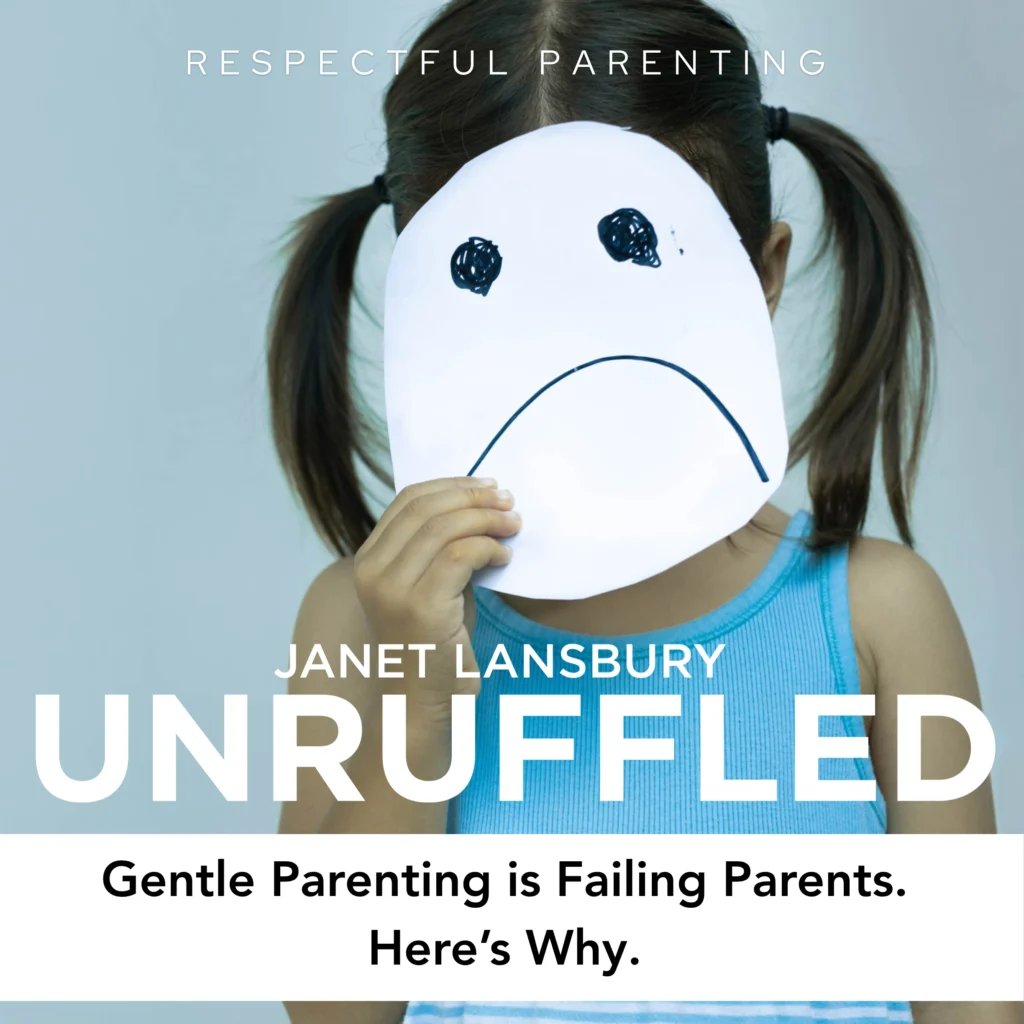
Parenting expert and author Janet Lansbury addressed this widespread cultural fatigue in a recent episode of her Unruffled podcast, arguing that the solution to family friction is not swapping one rigid label for another. Instead, she advocates for a transition toward confident leadership—a shift that she contends can transform domestic life, strengthen family bonds, and make parenting far clearer and more effective.
The conversation surrounding gentle parenting has reached a boiling point in recent years. While the approach gained massive traction among Millennial and Gen Z parents throughout the early 2020s for its emphasis on open and calm communication, it has simultaneously faced heavy public criticism. Critics from outside and even within the younger generations have frequently targeted the style, blaming it for raising entitled children or complaining that it forces parents to awkwardly tiptoe around their children’s daily emotional outbursts.
Reflecting this cultural pendulum swing, recent parenting reports indicate that some younger parents are already beginning to move away from softer styles. Instead, they are looking toward more blunt, consequence-driven trends circulating online—colloquially referred to by acronyms like "FAFO" (short for "F-Around and Find Out"). This reactionary style relies on the premise that while parents can issue warnings, they should step back and let children face natural repercussions without interference, such as making a child walk in the rain because they refused to bring a raincoat.
Lansbury cautions against jumping blindly from one extreme parenting trend to another. She suggests that these abrupt shifts often stem from parental resentment—a lingering frustration that being overly nice hasn’t yielded the expected compliance, leading parents to flirt with harsher, almost punitive methods out of sheer exhaustion. Neither extreme, she notes, ultimately delivers what parents truly want: a genuine, peaceful relationship with children who behave well and make family life enjoyable.
At the core of the issue, Lansbury argues, is the very word "gentle." Taken at face value, leading with gentleness as a primary parenting philosophy can cause adults to stifle themselves. It often forces them to manage household rules and behavioral issues in a tentative, overly cautious manner, constantly waiting on children, over-explaining decisions, and trying to analyze every emotional micro-movement.
While Lansbury has long championed "respect"—a philosophy centered on honoring children as whole, capable individuals from birth—she emphasizes that respect and gentleness alone are often not enough when parents need to step up during a crisis. When a child’s behavior goes off the rails, what they truly need is a leader who is stronger and more secure than they are. Without that, children are left leaning on a wobbly, hesitant authority figure, which can actually heighten their anxiety.
To move away from this cycle of exhaustion, Lansbury outlines foundational shifts designed to help parents cultivate true confidence. Rather than viewing young children as intimidating adversaries or master manipulators, parents are encouraged to take a step back and view them with perspective. Toddlers and young children are, at their core, immature little people who need adults to be bigger and more decisive than they are.
Understanding the true mechanics of why children misbehave is another critical piece of the puzzle. When parents recognize that misbehavior is rarely a calculated, malicious attack, but rather a sign that a child has lost emotional control and needs a steady anchor, they can respond with significantly less energy and worry. This perspective aligns with accepting a fundamental daily dynamic: parents set a boundary, and children are entirely entitled to feel however they want about it. Whether it is taking away an unsafe object or declaring that it is time to leave a park, parents must accept that resistance and loud feelings are simply part of the package, requiring steady execution rather than endless negotiation.
Contrasting her approach with contemporary interpretations of gentle parenting, Lansbury highlights common pitfalls found in modern advice columns. Reviewing guidelines published by Brown University Health authored by Dr. Laura H. Dawson, Lansbury pushes back against specific recommendations that advise parents to talk through tantrums by labeling a child’s emotions—such as telling a crying toddler, "You look frustrated."
According to Lansbury, attempting to engage a melting-down child in a rational dialogue or asking them to brainstorm alternative behaviors right in the middle of an impulsive emotional storm often backfires. Studies suggest that talking extensively during a tantrum can actually prolong the episode because it forces the child to process language when their emotional brain is completely offline. Just as an adult on a diet would likely feel disconnected and frustrated if a friend lectured them about nutrition while they grabbed a piece of chocolate, children experiencing big feelings primarily need safe physical holding, acceptance, and clear boundaries—not a verbal processing session.
Similarly, Lansbury addresses the immense time and energy investment often associated with modern gentle parenting practices. When parents feel obligated to maintain infinite patience, deliver long explanations for every household rule, and unpack complex emotions on the spot, burnout is virtually guaranteed. True respect and effective leadership do not require endless verbal gymnastics; they require calm, authentic communication, clear boundary-setting, and the emotional resilience to let children experience disappointment.
Ultimately, Lansbury emphasizes that parenting is an ongoing relationship and a dynamic process rather than a flawless performance. By aiming for confident leadership roughly half of the time, parents can release the impossible burden of perfection. Embracing the inherent messiness of family life—including making mistakes and offering sincere apologies afterward—allows parents to step out of the exhausting cycle of trends and build lasting, secure relationships with their children.
As the holiday season approaches, planners and gift-givers alike are beginning their preparations well in advance to navigate extended shipping times and secure the best seasonal deals. For those who prefer a structured approach to holiday shopping, early planning not only guarantees timely deliveries but also transforms a potentially stressful chore into an enjoyable tradition. With companies rolling out holiday promotions earlier than ever, consumers have ample opportunity to secure thoughtful items, even if they ultimately fall into the category of last-minute shoppers.
When it comes to selecting presents, a growing number of households are shifting their focus away from material excess and transient novelties. While family traditions often lean toward gifting shared experiences rather than physical goods, there remains a distinct joy in exchanging thoughtful, well-chosen items that enrich daily life. The primary objective for this season’s curated selections centers on sustainability, eco-conscious manufacturing, and health-promoting qualities. By deliberately avoiding low-quality plastics and items destined for landfills, gift-givers can prioritize natural, organic, and durable products that align with wellness-focused lifestyles.
The comprehensive holiday gift-giving guide for 2026 encompasses carefully vetted options tailored to every member of the household, spanning various age groups and personal interests. Ranging from specialized picks for parents and young children to targeted ideas for culinary enthusiasts, outdoor adventurers, and avid readers, the collection emphasizes practicality combined with high standards for ingredient transparency and environmental responsibility.
Among the standout top picks for the 2026 season are several trusted brands known for their commitment to health, quality, and innovative design. Leading the selection is BON CHARGE, a brand recognized for its versatile wellness technology. Their portable infrared sauna blankets and Pulsed Electromagnetic Field (PEMF) mats offer accessible recovery tools for home use. Additionally, their line features targeted wellness devices such as red light toothbrushes—combining oral health with light therapy—alongside red light face masks designed for clearer skin and specialized hats aimed at improving hair and scalp health.
Another prominent selection is Toups & Co, a family-owned and operated enterprise that originated from humble home-based beginnings. Specializing in clean, simple formulations, the brand has earned a loyal following among consumers who scrutinize skincare ingredients for both adults and children. Their signature tallow balm and liquid foundation serve as staples for those seeking reliable cosmetics and personal care items free of harsh synthetics, extending to natural deodorants, serums, and handmade soap bars.
Rounding out the top tier of skincare recommendations is Annmarie Gianni, a line celebrated for utilizing organic and wildcrafted ingredients that meet rigorous purity standards. Products such as the Aloe Herb Cleanser and Anti-Aging Serum have become household favorites for individuals seeking effective botanical skin care. Holiday gift sets, including curated sample trios and facial oil combinations, provide an approachable introduction to clean beauty for friends and family members alike.
Finding appropriate presents for women—whether mothers, wives, sisters, or close friends—often involves balancing practical utility with personal pampering. Reflecting on generational shifts in gift-giving, many note how practical items once viewed as mundane household obligations, such as high-end kitchen gear, eventually transform into cherished tools for those who find genuine joy in culinary arts and home hospitality.
Conversely, shopping for the men in the family traditionally presents a unique challenge, frequently resulting in repetitive selections like neckties or loungewear. Recent trends emphasize moving away from conventional clichés in favor of items tailored to specific hobbies, such as frequent travel, outdoor exploration, or daily functional utility.
For older children and teenagers, who notoriously present a difficult demographic for gift selection, success lies in items that bridge the gap between youthful independence and practical durability. Similarly, the strategy for younger children centers heavily on longevity. Experienced parents frequently advise steering clear of inexpensive plastic toys that break easily and contribute to environmental waste, opting instead for open-ended, durable items that encourage sustained creativity and withstand rigorous everyday use.
The criteria for infants and expecting parents demand an even higher level of scrutiny. With thousands of juvenile products flooding the market, many contain endocrine-disrupting plastics or functional redundancies that go unused. Relying on years of parenting experience helps isolate the essential gear, toys, and nursery items that meet safety standards and prove genuinely useful during the early stages of childhood.
Culinary enthusiasts and foodies benefit greatly from gifts that enhance the cooking and dining experience, turning routine meal preparation into an engaging craft. For grandparents, who often play an integral role in family dynamics, the ideal presents combine heartfelt sentiment—frequently expressed through handmade items from grandchildren—with practical comforts that acknowledge their enduring support.
To accommodate the social demands of the season, maintaining a reserve of "just in case" or hostess gifts provides a practical solution for unexpected visitors or party invitations. Inexpensive, thoughtfully wrapped items kept on hand ensure that gift-givers are always prepared for impromptu exchanges. Furthermore, aligning holiday goals with an active, outdoor lifestyle encourages families to spend less time indoors and more time engaging with nature through adventure-oriented equipment and gear.
For communal gatherings, white elephant events and Dirty Santa gift exchanges offer an opportunity for lighthearted humor through novelty items designed to generate shared laughter among participants. Meanwhile, family-oriented gifts focus on collective well-being, featuring shared outdoor activities or household wellness equipment that benefits the entire household.
For readers and intellectuals, books remain an enduring medium for inspiration and education. Drawing from extensive interviews with diverse guests and experts, curated reading lists often incorporate a balanced mix of fiction, motivational titles, and educational literature designed to spark curiosity and broaden perspectives. As the holiday shopping window progresses, many of these carefully chosen items become eligible for seasonal promotions, particularly during Black Friday and Cyber Monday sales events, offering consumers an opportunity to streamline their holiday preparations while staying true to their values of health, sustainability, and mindful giving.
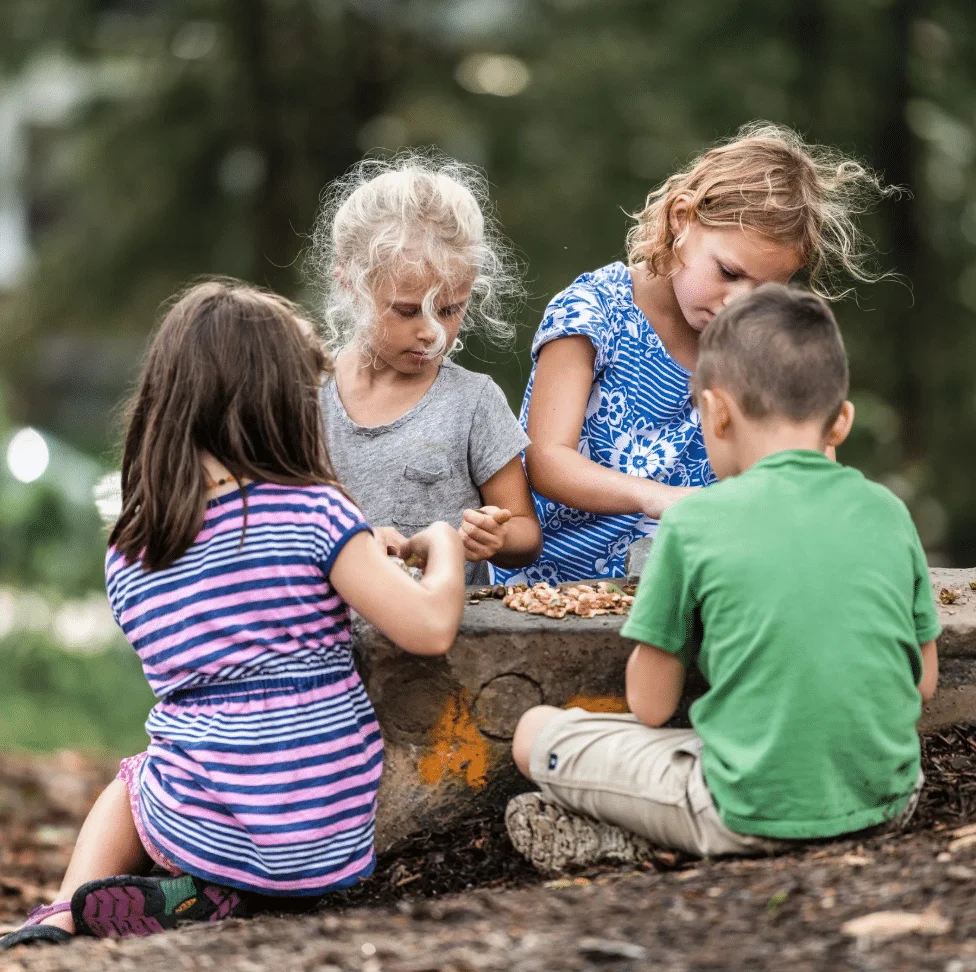
Play is often dismissed as a mere pastime or a break from serious learning, but a growing body of interdisciplinary research confirms what educators and parents have long known intuitively: play is not a luxury. It is foundational to healthy childhood development. Across the physical, cognitive, emotional, and social domains, unstructured and child-led play builds critical capacities that shape how children navigate the world and prepare for the future.
Over the past 25 years, thousands of academic and clinical studies have explored the profound impact of play on executive function, self-regulation, emotional intelligence, cognition, creativity, and physical development. The empirical findings are strikingly consistent, pointing toward an undeniable truth that play is the primary vehicle through which young minds and bodies develop the tools they need to thrive.
A Strong Start: Physical and Cognitive Development
Society easily recognizes play’s role in motor development. Whether children are climbing trees, building structures with blocks, or balancing on logs, they strengthen both fine and gross motor skills through movement-rich environments. These physical activities lay the groundwork for spatial awareness, coordination, and physical confidence.
Yet, play does much more than build muscles; it builds the brain. A rapidly expanding body of research demonstrates that executive functions—such as working memory, cognitive flexibility, and impulse control—all develop dynamically through playful activity. Complex problem-solving, creativity, long-term planning, and symbolic thinking are nurtured most effectively through hands-on, open-ended engagement rather than rote memorization or rigid instruction.
Recent academic literature underscores this connection. A 2025 systematic review published in the Journal of Intelligence analyzed 25 empirical studies and discovered that loose parts play, which involves providing children with open-ended materials that can be moved, manipulated, and combined, significantly enhances problem-solving abilities, divergent thinking, and overall academic readiness. When children are given the freedom to invent their own uses for everyday objects, their brains form flexible pathways that support higher-order thinking.
In addition, a 2024 review published in Frontiers confirmed that physical play is a critical contributor to early motor coordination. Pretend play, in particular, allows children to explore the consequences of actions, integrate new learning on the fly, and safely simulate real-life scenarios. The same review noted that both structured and unstructured play in preschool environments significantly improved motor and cognitive skills, especially when programs dedicated substantial time—specifically exceeding 3,000 minutes—to play-based activities.
The Brain at Play
To gain a granular look at the brain’s inner workings during play, researchers have frequently turned to animal models to observe neurological development. A notable 2018 study published in Science Direct focusing on juvenile rats demonstrated that social play is absolutely essential for the development of inhibitory synapses in the medial prefrontal cortex. This region of the brain is critical for complex decision-making and impulse control. Notably, rats that were experimentally deprived of social play displayed lasting, permanent deficits in cognitive flexibility, underscoring the absolute biological necessity of early, unstructured social interaction.
These neurobiological findings are consistently echoed in human developmental studies. A comprehensive longitudinal Australian study published in Science Direct in 2022 followed children from the age of two through age seven. The researchers discovered that just one to five hours of active, unstructured play per day predicted significantly stronger self-regulation later in life, regardless of the children’s earlier cognitive baselines. Play, therefore, acts as a great equalizer, building emotional and cognitive resilience independently of initial intellectual advantages.
Intrinsic Motivation and Lifelong Learning
Beyond immediate cognitive and social gains, play fosters something much deeper and more enduring: intrinsic motivation. When children play, they engage in the activity for its own sake, driven purely by the joy of discovery, mastery, and creative expression, rather than for external rewards, grades, or praise. This internal drive is the absolute cornerstone of lifelong learning.
Extensive research backs up the link between self-directed play and sustained educational curiosity. The aforementioned longitudinal study, Free Play Predicts Self-Regulation Years Later, demonstrates a clear, measurable connection between early free play and long-term personal autonomy and creative problem-solving capacities. Furthermore, the Encyclopedia of Early Childhood Development confirmed in its 2023 reports that exploratory play environments successfully nurture imagination, independence, and an authentic love of learning that persists well into adulthood.
Mental Health and Emotional Resilience
Among the most compelling and frequently overlooked benefits of play are those related to mental health and emotional well-being. In an era marked by rising rates of childhood anxiety, play serves as a vital psychological buffer. It helps children regulate stress, builds emotional resilience, and protects against the onset of anxiety and depression.
Recognizing these profound mental health benefits, the American Academy of Pediatrics issued a landmark 2018 policy statement titled The Power of Play: A Pediatric Role in Enhancing Development. The organization formally recommended that pediatricians advocate for play with the same urgency and emphasis they place on sleep, physical safety, and proper nutrition. According to the policy, imaginative and physical play actively reduce toxic stress and foster foundational emotional well-being.
Further reinforcing this clinical perspective, a 2020 study published by the National Library of Medicine demonstrated measurable, significant increases in children’s reported happiness and overall playfulness following targeted play-based interventions.
The Bottom Line for Educators and Policymakers
When it comes to shaping modern school curricula, educational pedagogies, and public policy, the scientific research is unequivocally clear. Play is not an optional extra or a reward to be earned after real work is done; it is the essential work of childhood. It forms the biological and psychological foundation of executive function, creativity, social well-being, and emotional resilience. Reducing or entirely marginalizing playtime in schools under the guise of an increased "academic focus" not only contradicts decades of robust research, but it actively undermines the very cognitive and emotional capacities children need to succeed both inside the classroom and throughout their lives.
Educational models like Waldorf education have long placed play at the absolute heart of early childhood learning. By intentionally integrating imaginative play, rich sensory experiences, and uninterrupted unstructured exploration into the daily schedule, Waldorf schools offer children the deep developmental foundation they require to grow into capable, resilient, and joyful learners.
Ultimately, by investing in environments, educational practices, and public policies that prioritize and protect play, society is investing not just in the immediate well-being of children, but in the cultivation of healthier, more capable, and far more adaptable adults.
Communities seeking deeper connections and meaningful dialogue now have a new pathway to explore shared spiritual values, thanks to an ongoing initiative designed to bring people together around thoughtful literary content. The Spiritual Living Circles program offers individuals an accessible framework to foster profound conversations right within their own neighborhoods, living rooms, and local gathering spaces. By leveraging the insights found within the pages of Guide for Spiritual Living: Science of Mind magazine, participants can engage in discussions that transcend ordinary daily chatter and delve into the principles of an awakened, mindful existence.
The underlying concept of the program is deliberately straightforward and inclusive, welcoming participants from all walks of life and varying backgrounds of spiritual exploration. Anyone with an interest in personal growth, philosophical inquiry, and community building can step forward to organize a gathering. The primary requirement is the willingness to invite a circle of friends, acquaintances, or fellow seekers together to discuss ideas concerning living a spiritual life as articulated in the publication. Rather than requiring formal moderation or extensive preparation from the host, the structure relies on organic conversation supported by structured resources provided directly by the organization.
To ensure that every gathering remains engaging and substantive, the organizers supply complimentary monthly discussion guides tailored to support the conversations taking place within each circle. These curated materials are designed to spark dialogue, encourage diverse perspectives, and help participants apply broader philosophical concepts to their everyday experiences. Whether a group meets in a traditional living room setting, a local park, a community center, or via virtual gathering spaces, these discussion guides serve as a steady anchor for exploring complex and uplifting themes throughout the year.
Participation in the program also yields practical literary benefits for everyone involved in a registered circle. Once a group is officially registered through the designated channels, both the host and the individual circle members receive an email containing a direct link for a complimentary, six-month digital subscription to Science of Mind magazine. This offering ensures that every participant has direct, ongoing access to the foundational essays, articles, and insights that fuel the monthly discussions, allowing individuals to read ahead, reflect independently, and bring fresh perspectives back to their local gatherings.
While the publication is currently produced and distributed in English only, the organizers acknowledge and embrace the diverse linguistic needs of modern communities. They note that there are many translation options available online, enabling individuals who prefer reading or discussing in other languages to fully engage with the material and participate meaningfully in their local circles. This flexibility underscores the broader mission of the program, which seeks to tear down barriers to spiritual exploration and make thoughtful community dialogue as accessible as possible to a wide audience.
Organizers emphasize that launching a circle does not require elaborate planning or previous experience in community leadership. The process is streamlined to encourage spontaneous participation and community-led engagement. Individuals interested in learning more about the initiative, obtaining further details, or taking the initial steps to start their own group can easily connect with the administrative team. Inquiries, registrations, and requests for additional information can be directed to the dedicated support email at [email protected], where representatives are available to assist new hosts and provide guidance on nurturing vibrant, awakened conversations within their communities.
As high school graduation approaches, families across the homeschooling community inevitably face a pivotal question: What comes next? For years, parents and educators have guided students from their earliest memory work through the rigorous milestones of Challenge IV. Today, graduates stand at a wide door looking out at a horizon full of promise, with numerous viable avenues before them. Whether pursuing a traditional four-year college, entering the skilled trades, serving in the military, or launching a business, modern graduates have more faithful next steps available than ever before.
For more than 28 years, organizations like Classical Conversations have walked beside parents through every phase of the homeschool journey. Over decades of observation, educators have watched graduates flourish across a diverse spectrum of callings. Weighing these options requires looking beyond conventional expectations to focus on what matters most: individual calling, personal character, and the unique gifts and talents God has placed within each student.
The Traditional Four-Year College Route
For many families, the four-year university has remained the primary destination since the earliest days of homeschooling. Parents often hold a cherished mental image of their graduate unpacking boxes in a dorm room, preparing for engaging lectures, new friendships, and late-night conversations about profound ideas.
Homeschool parents pursuing this path often shoulder a multifaceted responsibility, acting simultaneously as educator, guidance counselor, testing administrator, registrar, and principal. While these cumulative roles can initially feel overwhelming, communities of experienced veteran families frequently help newcomers navigate the landscape quickly. Maintaining a clear, well-kept academic transcript effectively tells the comprehensive story of a student’s high school years to admissions boards.
Rigorous high school programs, such as the Challenge curriculum, traditionally prepare students thoroughly for advanced college coursework. Adolescents accustomed to reading great books, writing persuasive essays, debating complex ideas, and mastering upper-level mathematics and sciences typically arrive on university campuses prepared to think, speak, and write with distinct confidence. Additionally, families seeking an accelerated start can earn college credit during the high school years through concurrent enrollment programs, effectively shortening the overall timeline toward a degree.
Expanding Horizons Through Online Undergraduate Degrees
For a growing number of graduates, the most effective college classroom is located at home. Online undergraduate programs, such as those offered in partnership with accredited Christian institutions like Southeastern University in Lakeland, Florida, provide viable pathways to associate and bachelor’s degrees completed entirely online.
Distance learning allows young adults to cultivate multiple facets of their lives simultaneously. Students can complete coursework from the family table, maintain part-time employment, serve actively in local churches, and remain close to a supportive home network. This flexibility empowers graduates to proceed at a pace tailored specifically to their personal goals and financial budgets.
Classical education graduates frequently find the transition to online learning remarkably natural. Having spent years developing independent study habits, managing personal workloads, and discussing foundational ideas with peers, these students already possess the exact behavioral traits that foster success in virtual academic environments. Graduates frequently pair their online studies with ongoing classical fellowship programs, ensuring their intellectual and spiritual formation continues uninterrupted alongside their formal degree work.
Community College as a Bridge
Community colleges continue to offer cost-effective entries into higher education, serving as gentle bridges between the home environment and bustling university campuses. Many students choose to live at home while completing general education requirements, subsequently transferring credits to four-year institutions to finish bachelor’s degrees. Others utilize community colleges to earn specialized associate degrees or vocational certificates that lead directly into professional careers.
Trade Schools, Apprenticeships, and the Dignity of Skilled Labor
Skilled trades represent some of the most rewarding and economically stable careers achievable without a traditional university degree. Professional electricians, plumbers, and heating, ventilation, and air conditioning technicians perform essential services that sustain local communities every day. Historical and scriptural traditions consistently honor this form of labor; foundational texts note that Jesus Himself worked as a carpenter, while apostolic writings encourage believers to work heartily in all endeavors as if serving a higher purpose.
Most trade professionals enter the workforce through structured apprenticeship programs that pair paid, hands-on training with targeted classroom instruction. According to data from the U.S. Bureau of Labor Statistics, the vast majority of electricians, plumbers, and mechanics acquire their expertise through practical on-the-job training. Alternatively, dedicated trade schools offer specialized instructional programs lasting anywhere from several months to two years.
The economic outlook for these skilled professions remains exceptionally robust. Apprentices typically advance to become licensed journeymen, progress further to master tradesmen, and eventually establish independent businesses or train the next generation of workers. An eighteen-year-old entering the trades can build a secure career that provides long-term stability, supports a family, and serves the surrounding community for decades.
Military Service, Discipline, and Leadership
Enlisting in the military offers graduates a distinct opportunity to serve their country while cultivating deep personal discipline, foundational leadership skills, and lifelong camaraderie. Each branch provides comprehensive technical job training, and numerous service members utilize military education benefits to pursue academic degrees either during active duty or following their service commitment.
Students evaluating this path typically complete the Armed Services Vocational Aptitude Battery, an assessment designed to match recruits with roles aligned with their specific strengths. Consultations with military recruiters and families with firsthand experience in military life help graduates carefully evaluate the commitments and opportunities involved.
Mission Work and Cross-Cultural Ministry
Some graduates feel an immediate call to engage in cross-cultural ministry and carry the gospel internationally. Opportunities for young adults range from short-term mission trips lasting a few weeks or months to long-term commitments extending a year or more. Numerous local churches and established mission organizations provide structured training, mentorship, and logistical placement for recent graduates.
Short-term excursions grant students introductory experiences in cross-cultural environments, illuminating how their unique skills might serve global communities. Long-term service typically involves raising financial support, acquiring new languages, and integrating directly into the daily lives of local populations. Both avenues profoundly shape a young person’s worldview and faith.
Continuing Classical Fellowship and Lifelong Community
For students immersed in classical education, graduation does not mark the end of intellectual formation. Programs like Classical Fellowship allow graduates to extend their classical Christian formation well beyond their high school years, maintaining the supportive friendships and habits of the mind cultivated during their earlier studies.
These fellowship programs operate through structured seminar series, encouraging young adults to continue developing articulate expression and a cohesive worldview alongside their peers. Classical Fellowship can be seamlessly paired with virtually any post-graduation path, allowing a student to attend seminars while simultaneously completing an apprenticeship, holding a job, or pursuing an online university degree.
Entering the Workforce and Entrepreneurship
Direct entry into the workforce serves as a rigorous, practical classroom. Showing up reliably, serving customers with excellence, and learning from seasoned colleagues builds essential character and real-world wisdom.
For young adults displaying entrepreneurial aptitude, business ownership offers a compelling alternative. While modern digital infrastructure has reduced the financial barriers to launching a enterprise, the foundational skills required to sustain a business take time to develop. Many aspiring entrepreneurs acquire these competencies by working under experienced business owners for extended seasons. Modern employment networking platforms tailored for values-aligned talent further assist young job seekers in connecting with businesses that share their foundational principles.
Ultimately, whether a graduate chooses a four-year residential university, an online degree program, a technical apprenticeship, military service, foreign missions, or direct employment, the transition represents the natural culmination of years of dedicated preparation. Guided by thoughtful family discussions, prayer, and mentorship, graduates step forward into their adult lives equipped to pursue their callings with wisdom, courage, and purpose.