Breaking the Cycle: How Parents Can Overcome Anxiety and Guide Their Families Toward Peace

It is all too easy to worry. In an age defined by economic shifts, health concerns, and the daily pressures of raising a family, uncertainties about the future can quickly spiral into deep-seated anxiety and fear for parents. Yet, the foundational truths found in ancient texts remind individuals to cast their anxieties away because they are cared for. Knowing that a higher power is in absolute control—even when earthly circumstances feel chaotic—offers a profound anchor. Long before modern psychology mapped the physical toll of chronic worry, timeless wisdom recognized human vulnerability, advising generations not to be afraid.
Anxiety in Sarah’s Family
The reality of this struggle plays out in households across the country every single day. It was 2 a.m. when Sarah found herself staring at the ceiling yet again, her mind racing through a familiar, exhausting loop: What if Jacob’s cough turns into something worse? What if we can’t cover the bills this month? What if I’m failing at this whole parenting thing? Down the hall, she could hear her seven-year-old shifting restlessly in his sleep, and she wondered—not for the first time—if he could somehow feel the tension she carried, even in her silence.
The next morning, Jacob refused to eat breakfast and snapped at his sister over nothing. Sarah recognized the pattern immediately, because she’d seen it in the mirror the night before. Anxiety, she was learning, doesn’t stay contained to one person in a household—it moves through a family like a current, quietly shaping how everyone responds to the world. If she wanted peace for her children, she realized, she would first have to find it for herself.
As parents, child development experts and mental health professionals note, it is critical to train oneself to manage fears and anxiety in order to protect children and train them to be resilient. Overcoming anxiety and caring for a family’s overall mental health all starts with the adults in charge. Keeping anxious thoughts in check and helping children navigate their own emotional landscapes requires a deliberate, grounded approach to daily life.
Understanding the Nature of Anxiety
It is very likely that nearly every adult has experienced anxiety at some point. The physical symptoms are unmistakable: a pounding heart, sweaty palms, and an inability to catch a breath, all triggered by an impending worry. While some people experience these sensations only on occasion, others find that anxiousness and anxiety disorders are an everyday occurrence that disrupts their professional and personal lives.
Clinically and practically speaking, anxiety almost always manifests in the form of "what if" questions. A person might ask themselves what will happen if their health fails, or if they lose their job and cannot make mortgage payments or feed their family. By its very definition, anxiety focuses exclusively on the future and never on the present moment.
Consider this psychological reality: Does the future actually exist yet? No. And how much control does any individual have over things that do not yet exist? Zero.
This disconnect makes it remarkably easy to feel like life is completely out of control. Imagining all of the possible ways for events to unfold can quickly turn into an endless, exhausting mental road. Before long, the world feels like it is spinning out of control, and anxiety has the individual firmly in its grip.

Why Worry Fails to Change Tomorrow
Human beings cannot live in the future, nor can they realistically control every variable that happens there. However, people can and should plan for the future. The concrete actions taken today make a measurable impact on what happens tomorrow, next month, or next year. Wise choices and careful planning remain essential components of responsible living.
However, excessive worry about the future does nothing to help anyone prepare for it. Historical texts record lengthy discourses on this exact topic, pointing out that fretting cannot add a single hour to a person’s life span. The pragmatic advice remains to focus on the immediate day, as each day carries enough challenges of its own.
Beyond the mental exhaustion, anxiety takes a severe physical toll on the human body. Medical science shows that brains simply do not function well under constant, elevated levels of stress. Anxiety forces the brain to use excessive amounts of serotonin, the vital neurotransmitter that contributes directly to feelings of happiness and well-being. Chronic anxiety can rapidly deplete the brain’s stores of serotonin, a shortage that can eventually cause the brain to slip into clinical depression. Once that threshold is crossed, the cycle can become extremely difficult to reverse. Recognizing these physiological risks makes it imperative for individuals to take active steps to overcome anxiety before it takes a permanent toll.
Practical Ways to Control Anxious Thoughts
Because anxiety feeds on speculative "what if" questions about an unwritten future, the most effective antidote is keeping the mind firmly grounded in the present. Achieving this, however, requires deliberate, intentional practice. Mental health advocates often compare the untrained mind to a large, powerful dog on a leash. A massive St. Bernard might trot happily beside its owner until a rabbit suddenly darts from the bushes. If the dog is untrained, it will dive into the brush, dragging the owner along for a chaotic chase. If the dog is properly trained, the owner can simply pull the leash, call the animal back, and continue enjoying the peaceful walk.
The human mind operates in much the same way. Thoughts will inevitably drift toward the future, sparking anxious inquiries. The deciding factor is whether an individual has trained their mind to return to the present moment or chosen to let runaway thoughts drag them down endless mental trails.
Training the mind requires active participation rather than passive reading. Over time, consistent practice builds psychological resilience, making calm responses much more automatic when anxiety flares up. Professionals recommend several practical techniques to anchor wandering thoughts back to the present.
One popular method used by clinical directors is an observational grounding exercise designed to pull attention away from abstract worries and direct it toward immediate surroundings by cataloging specific sights, sounds, and tactile sensations in the immediate environment. Concluding this mental inventory by asking a simple, direct question—such as what needs attention right now—helps reset the cognitive focus.
In addition to observational techniques, simple physiological interventions yield rapid results. Taking several slow, deep breaths immediately signals the nervous system to calm down, relaxing the physical body and tightening focus on the present. Maintaining structured daily routines also fosters a deep sense of stability and control, whether that means preserving existing habits or establishing predictable new schedules during times of disruption. Physical exercise—particularly activities that demand complete hand-eye coordination or continuous movement, such as a fast-paced game of sports—leaves little cognitive bandwidth for worry, effectively clearing the mind.
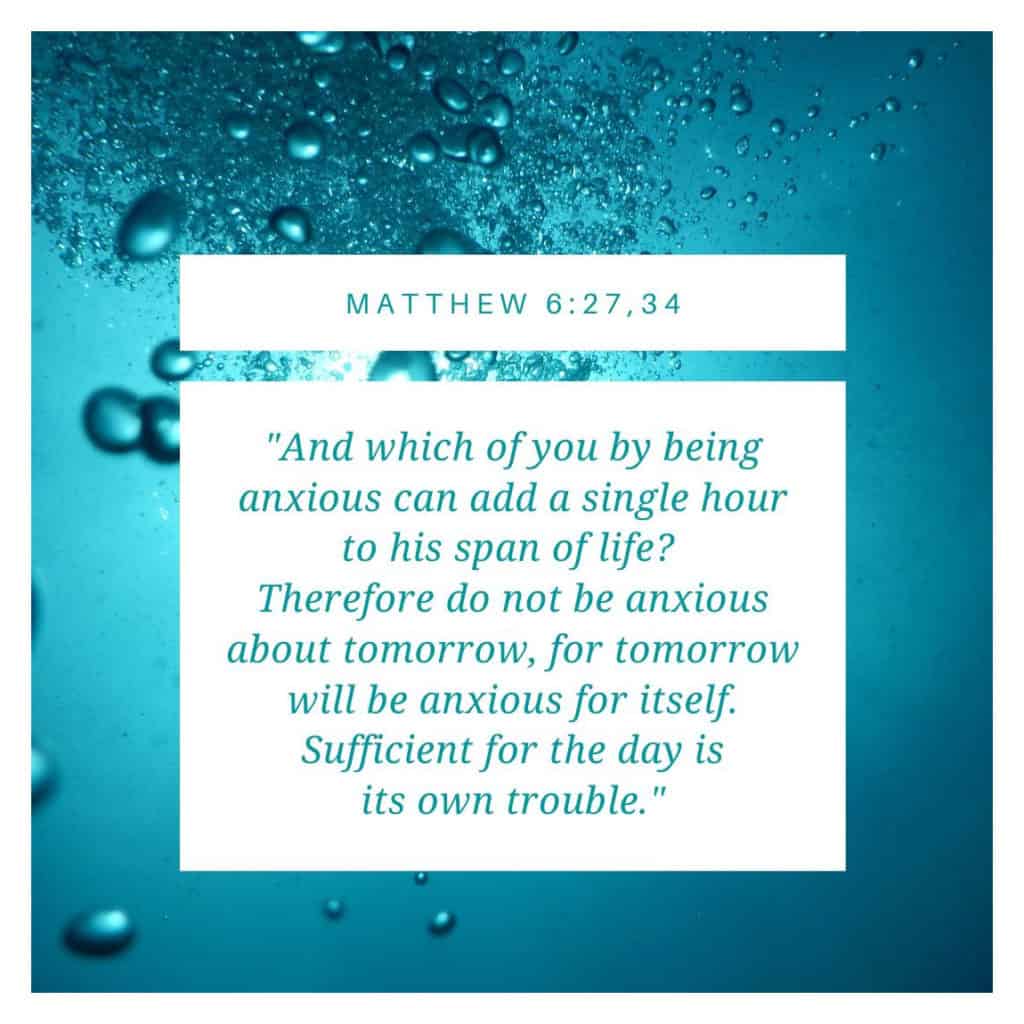
Finally, spiritual disciplines offer a powerful framework for peace. Many individuals find profound relief by turning to prayer, meditation, and the study of foundational texts that explicitly address fear and worry. Surrendering heavy thoughts to a higher power provides a psychological and emotional release that helps individuals trust that they are not carrying their burdens alone.
Navigating Anxiety in Children
As family counselors frequently point out, adults must learn to manage their own anxiety before they can effectively teach those vital skills to their children. Adults often underestimate how perceptive children are; even with exceptional acting skills, parents cannot completely hide deep-seated anxiety from their kids. Children absorb tension effortlessly, leading to the clinical observation that anxiety breeds anxiety. Ensuring positive family mental health must start with the parents.
Just like adults, children experience real anxiety, though younger kids often lack the vocabulary to articulate what they are feeling. Instead, anxiety in children typically manifests in behavioral extremes. A child may become unusually quiet and withdrawn, or they may exhibit boundless, frantic energy. Physically, children frequently express anxiety as a somatic complaint, such as a persistent "tummy ache," alongside rapid breathing, sweating, or restless sensations.
Regardless of a child’s age or how their anxiety presents itself, the core strategy remains the same: gently guiding them back to the present moment. Children, too, fall into the trap of worrying about future uncertainties. Helping them focus on the here and now diffuses their fears.
When children face difficult circumstances—such as family illnesses, financial strains, or job losses—they inevitably ask tough questions. They may voice fears about what will happen if a parent gets sick or loses employment. During such moments, parents must resist the temptation to overwhelm children with every detail of a complicated situation, operating under the false illusion that total information equals total control.
Instead, parents can respond by reassuring children that the adults are actively thinking about and planning for the situation. Keeping explanations consistent, age-appropriate, and strictly focused on what the family is doing right now to remain safe and supported helps children feel secure without bearing adult burdens.
When to Seek Professional Support
While everyday strategies help manage normal levels of stress, some individuals experience anxiety that is so frequent, intense, and disruptive that professional intervention becomes necessary. Clinicians look for specific indicators of Generalized Anxiety Disorder, including persistent restlessness, chronic fatigue, severe lack of focus, irritability, muscle tension, sleep disorders, and deliberate avoidance of everyday situations.
When these symptoms significantly impair daily functioning for an adult, a spouse, or a child, consulting a licensed mental health professional is strongly recommended. Organizations such as Focus on the Family offer consultation sessions through professional counselors, and individuals can also connect with qualified local care providers through regional networks, ensuring that families have access to the comprehensive support they need to navigate mental health challenges successfully.
