Understanding Trauma and Healing: How Trust-Based Relational Intervention Helps Children Flourish
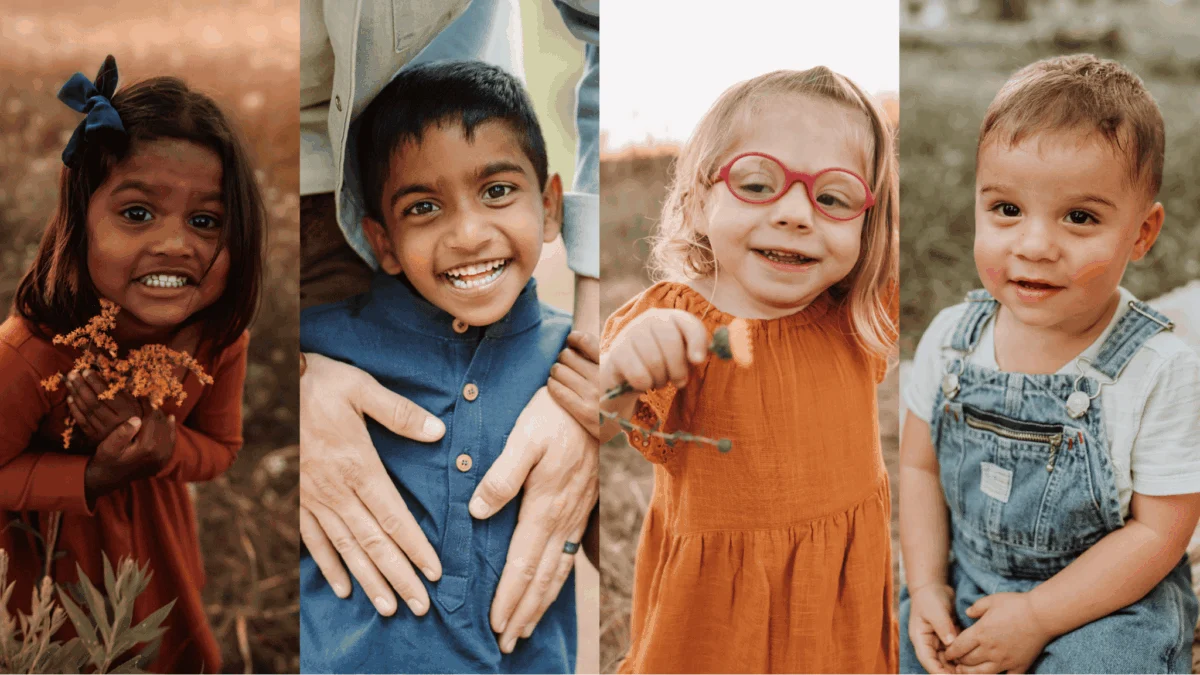
Human beings are more than the sum of their hardships. That is a vital truth highlighted by partners at the Christian Alliance for Orphans (CAFO) in a recent examination of findings from the Global Flourishing Study. Organizations working in the adoption and foster care sectors widely agree with this perspective, yet for children and teens impacted by early trauma, those hardships frequently present profound barriers to thriving. Understanding this reality is what drives ongoing pre- and post-adoption support initiatives, particularly those centered around Trust-Based Relational Intervention, commonly known as TBRI parenting.
Trauma Affects the Whole Child
Children and teens impacted by adoption and foster care have frequently experienced significant trauma stemming from early loss, abuse, and neglect. This trauma can manifest in complex and confusing ways that are frequently misunderstood or mislabeled by observers. In some communities, a trauma-induced behavioral response is incorrectly categorized as mere defiance or moral failure, without addressing the underlying causes. TBRI, however, offers a much deeper, holistic framework designed to address the root of these challenges.
Trauma impacts the entire individual—encompassing the brain, biology, body, beliefs, and behaviors—which naturally leads to subsequent social, emotional, and behavioral hurdles. According to specialists at the Karyn Purvis Institute of Child Development (KPICD) at Texas Christian University, TBRI provides a practical and compassionate methodology to help the whole child heal. Grounded in contemporary best practices drawn from neuroscience, attachment theory, and developmental research, TBRI equips caregivers to comprehensively address children’s physical, emotional, and developmental needs. Supporters note that this approach offers what traditional, punitive methods often cannot: genuine connection, biological regulation, and lasting behavioral change.
For parents and caregivers, developing an acute awareness and understanding of a child’s complete being is critical. This level of attunement requires deep mindfulness regarding the specific life experiences that have shaped a young person’s heart, soul, and mind. Advocates of resource programs like "Created to Connect" emphasize that by nurturing children in a holistic manner, families can provide a stable environment for healing and wholeness, while simultaneously introducing children to enduring spiritual foundations of hope.
See the Need Behind the Behavior
A foundational principle frequently emphasized within the TBRI framework is both simple yet profound: see the need behind the behavior.
In everyday family life, maintaining this perspective can prove difficult, particularly when navigating the turbulent pre-teen and teenage years. Yet, child welfare experts stress that looking past surface-level actions is precisely what children from hard places require. More often than not, children and adolescents exhibiting challenging behaviors are operating from a place of unaddressed vulnerability. Sometimes, these underlying needs are straightforward, such as physical hunger, extreme exhaustion, or sensory overload. On other occasions, the drivers are far more complicated, rooted in profound experiences of loss, abuse, or abandonment that leave a young person trapped in cycles of fear, confusion, or shame.
Trauma inherently breeds shame, confusion, and fear, and those intense emotions frequently drive out-of-range behaviors. In such volatile situations, if a caregiver’s immediate reaction is governed by anger, or if they hastily resort to punitive consequences without addressing dysregulation, the intervention typically fails to de-escalate the situation and may inadvertently exacerbate the emotional distress.
Evaluating the Balance of Nurture and Structure
Some critics of TBRI parenting have historically argued that the model leans too heavily toward leniency, characterizing it as all nurture and no structure. However, proponents and creators of the framework maintain that effective TBRI implementation actively promotes a healthy, intentional balance of both elements.
Dr. Karyn Purvis, co-creator of TBRI, frequently addressed this tension directly, responding to the common parental question concerning the fundamental responsibility to teach right from wrong and administer appropriate discipline. Her perspective shifted the focus toward the ultimate objective of the interaction. If a caregiver’s primary goal is defined strictly as securing immediate, compliant behavior, that narrow target will shape every single interaction with the child. Conversely, if the overarching goal is the cultivation of a strong, secure, and healthy relationship, both the applied approach and the long-term outcomes look fundamentally different.
Parallels in Narrative and Application
The philosophy of looking beyond surface actions to address fundamental human needs finds historical parallels in traditional narratives as well. In biblical accounts, figures such as Jesus are depicted as looking past immediate social presentations to address deeper relational needs, such as encounters recorded in the Book of John involving individuals seeking connection and community to fill profound personal voids. In such accounts, behavioral roadblocks are acknowledged without being allowed to define an individual’s entire narrative, pointing instead toward connection and internal restoration.
For modern families navigating the complexities of adoption and foster care, this translates to a necessary shift in daily strategy: moving away from a strictly correction-driven model toward a connection-driven approach. Caregivers are encouraged to first understand and nurture the authentic needs underlying a child’s actions. Only from that established foundation of safety and trust can effective, loving correction take place, guiding young people toward stability and long-term flourishing.
Families and professionals seeking to explore these concepts further frequently utilize resources such as the Hope for the Journey initiative, which provides practical, TBRI-based tools and strategies designed to support children and caregivers alike.
