Reflections on Homeschooling High School: A Veteran Parent Shares Seven Years of Growth, Surprises, and Milestones
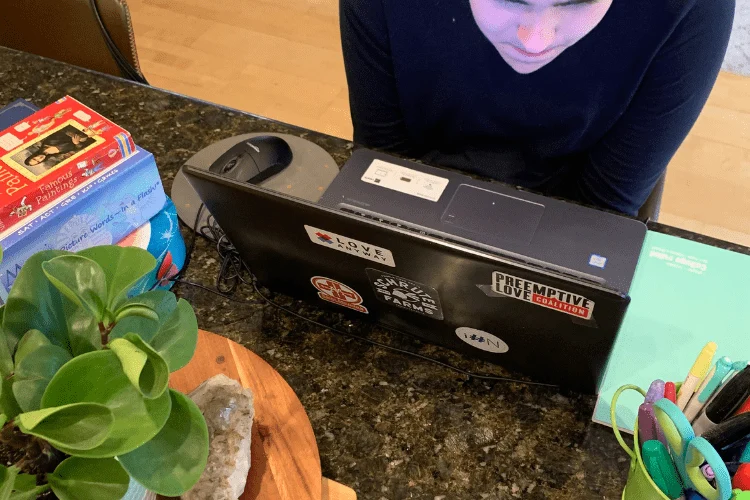
As she stands on the precipice of a major family milestone, veteran homeschooling parent and educator Shawna Wingert is finding herself caught between two distinct educational eras. With her oldest son just six weeks away from completing his final high school requirements and her youngest child preparing to step across the threshold into ninth grade, Wingert has been spending her time reflecting on a seven-year journey that has proven to be as rewarding as it has been demanding.
Wingert, who shares her insights through her platform Different by Design Learning and has contributed to educational discussions on platforms such as Simple Homeschool, began her family’s homeschooling journey when her oldest child was eleven and her youngest was eight. Now, looking back at the whirlwind of the past four high school years, she notes that while the final phase of home education passed by at an unexpectedly rapid pace, it also brought some of the most engaging and enjoyable moments of the entire experience.
The evolution of their daily routine stands out as a primary highlight for Wingert. As her children matured, their developing interests began to intersect more closely with her own intellectual pursuits, transforming routine lessons into lively, sophisticated discussions regarding current events, historical developments, and artistic movements. Yet, reaching this stage required letting go of preconceived notions about what secondary education at home is supposed to look like—notions that often cause unnecessary anxiety for families transitioning out of the elementary and middle school years.
Based on her firsthand experience navigating the secondary education landscape, Wingert has outlined five key realizations that she wishes she had known before her oldest son entered the ninth grade. Her reflections offer a candid look at the realities of guiding a teenager through a home-based high school program, addressing common fears surrounding academic rigor, administrative requirements, shifting parental roles, and the emotional complexities of raising an independent learner.

Homeschooling High School Doesn’t Have To Be Totally Different From The Younger Years
When preparing for her oldest son to enter high school, Wingert initially assumed that the methodology would need a complete overhaul. Cultural expectations often dictate that high school must immediately pivot toward rigid, traditional structures, prioritizing intense academic rigor and standardized testing over the exploratory, dynamic approaches used in earlier grades.
However, Wingert discovered that attempting to force her son into a conventional high school mold was entirely unnecessary. Instead, his high school education continued to reflect the interest-led, hands-on, and project-based learning strategies that had proven successful throughout his childhood. By honoring his unique learning style rather than altering the curriculum to satisfy external expectations, Wingert found that the educational approach remained effective all the way through his senior year. The realization that secondary education at home does not require abandoning personalized, creative learning methods serves as a reassuring counterweight to the pressures often placed on homeschooling families.
Don’t Be Afraid Of High School Transcripts and Course Credits
For many parents embarking on the high school homeschooling journey, the prospect of generating official transcripts and calculating course credits looms large as a source of significant stress. Wingert admits that she was initially terrified by the formal and administrative language surrounding high school documentation, viewing the transcript process as a threatening hurdle rather than a practical tool.
Over time, however, that apprehension dissipated. Wingert found that once she established a manageable system for tracking her son’s academic achievements, compiling the transcript each semester actually became a welcome task. Far from being an insurmountable obstacle, the transcript provided a tangible, observable measure of academic progress—a milestone that can occasionally prove elusive for educators working outside a traditional school building. Relying on resources and advice from experienced community members helped ease her initial anxieties, turning a bureaucratic requirement into a straightforward component of the educational process.

Your Role Will Change Over The Four Years (and that’s OK)
As teenagers progress through secondary education, the nature of parental involvement inevitably shifts. Wingert notes that she was initially taken aback by how rapidly her day-to-day responsibilities transformed. Rather than acting as the primary instructor delivering direct lessons across every subject, her role evolved into that of a facilitator, logistical coordinator, and chauffeur—managing resources, acquiring necessary materials, and transporting her son to various activities and commitments.
While this transition initially felt disconcerting, Wingert quickly recognized that the shifting dynamic was both necessary and beneficial. Stepping back from the traditional teaching role allowed her son to cultivate a genuine sense of personal responsibility, engagement, and independence that had not been evident in earlier years. Embracing the role of an administrative manager rather than a daily instructor proved to be a vital step in preparing a teenager for adult life.
Your Child Will Have More Opinions (and that’s OK)
Parenting a teenager inherently involves navigating stronger personal opinions, and homeschooling is no exception. Wingert experienced this firsthand when her son developed firm convictions regarding his post-secondary plans—specifically his desire to apply to four-year colleges, a path Wingert initially questioned for him based on her assessment of his needs.
Navigating these disagreements required a deliberate shift in perspective, reminding Wingert that homeschooling a high schooler is, at its core, simply parenting an adolescent. This phase demands that parents practice the difficult art of letting go and trusting their children to make their own choices as they approach adulthood. While watching a child assert their independence can occasionally evoke a sense of nostalgia for the earlier years when educational decisions rested solely with the parent, it represents a crucial milestone in personal growth and maturity.

The Memories Are Irreplaceable
Perhaps the most profound takeaway from Wingert’s journey is the depth of the personal connection that develops during the high school years. As her son matured into an independent young adult, the shared experiences and conversations created a distinct collection of memories that hold a unique and cherished place in her family life.
Wingert observes that the high school phase is frequently when the reality of spending extensive time together at home truly yields its richest rewards. The combination of mature dialogue, shared intellectual exploration, and mutual respect results in a deeply fulfilling dynamic that differs significantly from the elementary school years. Looking back on the past four years, Wingert emphasizes that the memories forged during this time are invaluable and entirely worth the challenges of the journey.
As her oldest son prepares to transition to college in the fall—a step accompanied by both pride and understandable anxiety about the road ahead—Wingert remains profoundly grateful for the experience of homeschooling high school. With her youngest child now poised to begin the exact same journey, Wingert looks forward to navigating the high school years once more, bringing a wealth of hard-earned wisdom and perspective to the next chapter of her family’s educational life.
