For more than a century, educators, cognitive scientists, and researchers have recognized a fundamental truth about human development: the arts are far more than mere enrichment or optional extracurricular activities; they are foundational to the learning process itself. From the cadence of music and the expressive reach of drama to the fine motor control of drawing and the cognitive scaffolding of storytelling, artistic expression has consistently been shown to strengthen academic achievement, foster boundless creativity, enhance memory retention, and build critical social-emotional skills. While many contemporary school districts continue to debate whether creative programs should be treated as essential or optional, a robust body of empirical research demonstrates that the arts are central to holistic student growth and long-term academic success.
Education as an Art
The foundational concept that teaching itself is an art form has deep roots in pedagogical history. Truly effective educators are not simply passive conveyors of standardized information; rather, they function as creative guides who awaken natural curiosity, invite rigorous exploration, and help students perceive the world through fresh lenses. Lessons that are thoughtfully infused with rhythm, imagination, and narrative allow children to bridge the gap between abstract knowledge and lived experience.
A major randomized trial conducted in Texas, titled Investigating Causal Effects of Arts Education Experiences, evaluated the tangible impacts of enhanced arts programming in Houston schools. The findings revealed that students immersed in these enriched environments not only performed significantly better on standardized writing assessments, but they also displayed a notable reduction in disciplinary infractions alongside markedly higher levels of empathy toward their peers. When teaching is approached as an intentional art form, the scope of learning extends far beyond traditional academic metrics, reaching deeply into the realms of character development, community building, and shared humanity.
Academic Achievement and the Arts
For decades, learning environments rich in the arts have been directly correlated with superior academic performance across diverse student populations. A landmark federal study, Arts and Achievement in At-Risk Youth, revealed that students who maintain deep and sustained involvement in the arts consistently earn better grades, graduate from high school at higher rates, and exhibit significantly greater aspirations regarding higher education. More recently, reports published by the National Endowment for the Arts (NEA), including Snapshots of Arts Education in Childhood and Adolescence, have reaffirmed these patterns, documenting consistent, measurable gains in reading comprehension, mathematical proficiency, and general language skills when arts participation is prioritized within the curriculum.
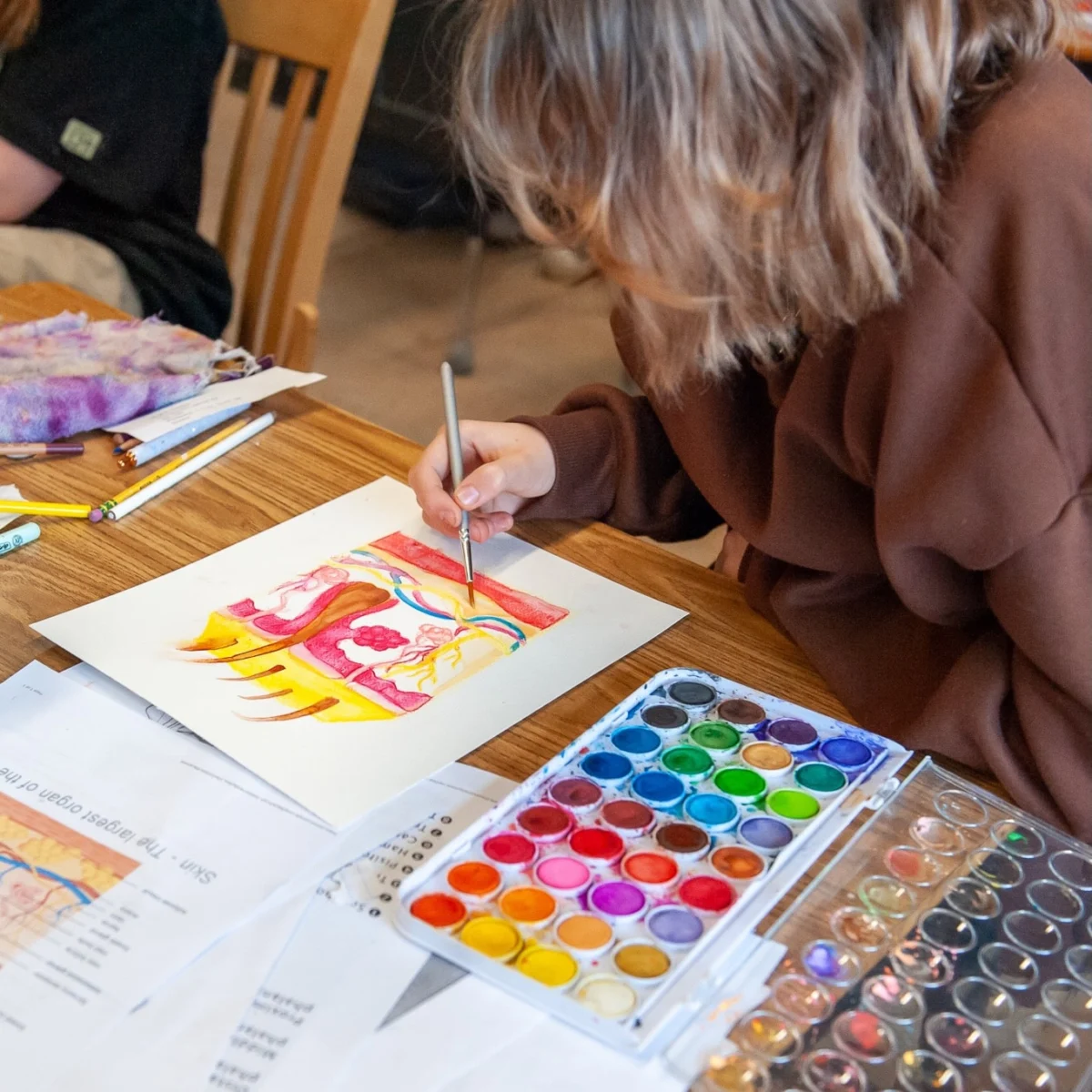
Further reinforcing these findings, a prominent 2019 study led by researcher Mariale Hardiman and her colleagues, titled The Effects of Arts-Integrated Instruction on Memory for Science Content, discovered that students who acquired scientific concepts through arts-based methodologies retained that knowledge far more effectively than their peers who were taught through traditional, lecture-based instruction. This phenomenon illuminates a practice already embraced by innovative classrooms: complex or abstract concepts become remarkably more accessible when introduced via artistic exploration. For instance, students who draw geometric forms before tackling formal geometry formulas, or those who illustrate the stages of a scientific experiment as part of their daily coursework, establish stronger cognitive connections to the material.
Creativity and Critical Thinking
In the modern economic and social landscape, creativity is no longer viewed as an optional luxury, but rather as an essential competency. A comprehensive report from the Organisation for Economic Co-operation and Development (OECD), titled Art for Art’s Sake?, highlights how dedicated arts education directly nurtures flexible, innovative modes of thinking. Numerous empirical studies consistently confirm that students who engage deeply in artistic disciplines develop superior divergent thinking skills. This cognitive flexibility empowers them to generate original ideas, synthesize disparate concepts, and adapt fluidly to novel, unexpected situations.
Whether students are composing original musical arrangements, performing in theatrical productions, or painting detailed landscapes, the creative process deliberately cultivates persistence, originality, and advanced problem-solving capacities. These are transferable skills that seamlessly translate across all academic disciplines and prepare learners for the complexities of the modern workforce.
Memory, Engagement, and Multisensory Learning
The cognitive mechanics underlying artistic practice also play a vital role in strengthening both memory retention and daily student engagement. Research spearheaded by Hardiman and her research team demonstrates that arts-integrated instruction leads to deeper, more durable long-term recall of academic content. This occurs primarily because the arts naturally activate multiple sensory pathways simultaneously—encompassing visual, auditory, and kinesthetic dimensions—which successfully anchors newly acquired knowledge within embodied physical experience.
Engaging in activities such as reciting poetry with rhythmic movement, singing a complex mathematical formula, or creating detailed historical illustrations embeds learning far more powerfully and permanently than passive rote memorization could ever achieve on its own.
Social-Emotional Growth
The profound benefits of a comprehensive arts education extend far beyond cognitive and academic metrics, reaching deeply into the social-emotional domain of child development. The aforementioned Houston study documented increased levels of compassion and vastly improved classroom engagement among students who experienced high levels of arts exposure. Similarly, research compiled in the NEA publication Arts in Early Childhood: Social and Emotional Benefits of Arts Participation demonstrated that collaborative activities involving storytelling, group music-making, and drama actively build cooperation, empathy, and psychological resilience in young learners.
Participating in collective endeavors—such as rehearsing a theatrical play, singing in a school choir, or collaborating on a large-scale visual art project—requires high levels of communication, patience, shared responsibility, and mutual respect. These collaborative exercises foster essential life skills that serve students well beyond the classroom walls.
Equity and Access
Despite the overwhelming volume of empirical evidence supporting their value, arts programs are frequently targeted as the first areas for budget reductions during financial downturns. Yet, extensive research indicates that robust arts engagement can serve as a remarkably powerful equalizer for disadvantaged populations. NEA studies have consistently shown that low-income students who maintain deep involvement in the arts frequently outperform their socioeconomic peers academically, demonstrate higher rates of college enrollment, and exhibit greater civic engagement later in life.
Furthermore, initiatives like the Kennedy Center’s Turnaround Arts program confirm these outcomes on a systemic level, documenting measurable improvements in daily student attendance, behavioral metrics, and overall school climate in underfunded schools that choose to embrace comprehensive arts integration.
A Universal Call
The accumulated body of evidence remains unequivocal: the arts are not peripheral additions, but rather core components of a complete education. They elevate academic performance, spark creative innovation, deepen cognitive memory retention, and nurture vital human empathy. Schools that fully integrate the arts into their daily curricula—whether through music, visual arts, physical movement, drama, or narrative storytelling—actively embody what contemporary educational research affirms as best practice for human learning.
For well over a century, independent educational movements, such as Waldorf schools, have provided a living model of what this holistic integration looks like in everyday practice, weaving the arts into every academic subject as a matter of foundational principle. Within these environments, the arts are recognized not as optional add-ons, but as the very medium through which traditional academics are brought vividly to life.
Communities seeking deeper connections and meaningful dialogue now have a new pathway for engagement through a recently highlighted community initiative. Organizers are inviting individuals from all walks of life to participate in the Spiritual Living Circles program, an ongoing effort designed to foster purposeful discussions centered around modern spiritual principles, personal growth, and conscious living.
The underlying concept of the program is remarkably straightforward, emphasizing accessibility and interpersonal connection over formal organization. Anyone with an interest in exploring philosophical and spiritual concepts can step forward to become a host. The process begins when an individual invites a circle of friends, neighbors, or colleagues to gather regularly for open conversations. These gatherings focus on the ideas and perspectives on living a spiritual life as described within the pages of Guide for Spiritual Living: Science of Mind magazine.
Rather than requiring extensive preparation or specialized training from hosts, the program is fully supported by the publication’s administrative team. Organizers provide complimentary monthly discussion guides tailored specifically to support these conversations. These resources are crafted to spark dialogue, encourage introspection, and help participants delve deeper into the themes presented in each issue of the magazine, ensuring that every gathering remains engaging, focused, and thought-provoking.
The initiative also offers a tangible incentive for those who choose to take part. Once registered through the official channels, both the host and the members of their respective circles receive an email containing a special link. This link grants access to a complimentary, six-month digital subscription to Science of Mind magazine, allowing participants to explore the publication’s rich archive of articles, essays, and insights directly on their personal digital devices.
While the magazine itself is currently published in English only, program coordinators note that accessibility remains a priority for diverse groups. Participants who may require assistance with language translation can readily utilize the many translation options available online, ensuring that language barriers do not prevent interested individuals from engaging with the core concepts of the curriculum.
The Spiritual Living Circles program reflects a growing broader interest in community-based dialogue and shared intellectual exploration. In an era where digital communication often risks isolating individuals behind screens, initiatives that encourage face-to-face or intimate group conversations about meaningful topics continue to resonate strongly with the public. By bringing people together around shared readings and guided reflections, the program aims to cultivate supportive local networks where participants can explore spiritual philosophies in an open, welcoming environment.
For individuals seeking more information on how to participate, or for those who are ready to take a simple first step toward establishing a local circle, organizers have made direct contact channels available. Interested parties can reach out to the program administration by sending an email to [email protected] to receive further details on registration, community resources, and how to acquire the monthly discussion materials.
As the crisp air of autumn settles across the country and local communities find their steady rhythm, homeschooling families often reach a familiar milestone. Around Week 7 of the academic term, parents frequently pause to reflect and ask a fundamental question regarding their daily routine: What is all this memory work really for?
Addressing this inquiry directly, Classical Conversations has released its October 2026 Parent Connections newsletter. Designed to inspire and support member families, this month’s edition centers on helping parents rediscover the deeper purpose behind classical education. By offering a blend of insightful new video programming, recommended reading materials, and practical nationwide events, the latest newsletter aims to reinforce why the classical method remains a powerful foundation for lifelong learning.
At the heart of this month’s updates is a new resource addressing the everyday realities of the Foundations curriculum. When families look at a typical week, such as Week 7 of Foundations Cycle 3, the curriculum presents a diverse array of subjects. Students might find themselves tackling the 13s multiplication facts, Latin noun vocabulary, the human excretory system, the conjugation of the verb “to rise,” the historical context of the Monroe Doctrine, and the geography of states and capitals.
Viewed strictly on paper, these topics can occasionally appear as a collection of unrelated facts destined for temporary memorization. However, classical education is intentionally constructed around the art of discovering connections. A child who learns to recognize order and patterns within mathematical equations is actively exercising the very same cognitive skill required to trace cause and effect across historical epochs or accurately map a nation’s geographical layout.
To help families visualize these conceptual bridges, Classical Conversations has launched a new weekly video series titled "What’s the Point?" Each short segment walks parents and students through a specific week’s memory work, demonstrating how isolated facts systematically build lasting habits of thought. The initiative is designed to equip parents with the perspective needed to discuss the significance behind their children’s studies, moving beyond simply tracking what is being learned to understanding why it matters.
The weekly series kicked off with a dedicated focus on Foundations Cycle 3, Week 7, and the complete collection is rolling out as an accessible tool for home study routines. Organizers note that the series serves as a practical bridge between daily recitation and long-term cognitive development.
The release of these resources also aligns with ongoing efforts by the Classical Conversations community to address common misconceptions about the classical model. A recurring narrative surrounding classical education is the assumption that it relies entirely on rote memorization. Through channels such as the official CC blog and the Everyday Educator podcast, educational leaders have spent the fall term exploring this myth and other frequently discussed topics. These platforms continue to serve as a hub for homeschool encouragement, reinforcing the concept that learning is a lifestyle rather than a checklist of academic tasks.
Beyond digital media, the October newsletter places a strong emphasis on continuous adult learning, maintaining that classical education is designed to enrich parents just as much as their children. To support parents in growing their own understanding, the organization is highlighting several key literary resources.
Among them is the book "The Habits of a Classical Education: Practicing the Art of Grammar," which functions as a comprehensive companion for the entire homeschool journey. The publication offers guidance across multiple disciplines, including reading, writing, math, geography, history, science, and the fine arts, complete with practical suggestions for integrating the Five Core Habits into daily home life.
Additionally, families are being encouraged to explore "Echo in Celebration: A Call to Home-Centered Education," a free ebook detailing the personal homeschool journey of Leigh Bortins, the founder of Classical Conversations. The text provides historical context on the origins of the organization and explores the philosophical roots of home-centered, classical Christian education.
For students looking to apply their habits of thought in a competitive setting, the newsletter highlights the upcoming National Number Knockout mental math competition. Known as N2K, the program challenges participants to roll three dice and use their mathematical agility to build as many equations as possible matching a game board within a strict 60-second time limit. The competition is structured to foster a genuine appreciation for mathematics, build academic confidence, and encourage excellence among students. Participation for the upcoming cycle is open to students ages 11 to 14 currently enrolled in Essentials, Challenge A, or Challenge B, with the tournament culminating in a championship event held during the 2027 CC Family Cruise.
In addition to academic and competitive milestones, the October newsletter features member benefits designed to take learning beyond the traditional home environment. As the nation approaches its 250th anniversary, homeschool families are being encouraged to participate in Homeschool Days at the Museum of the Bible in Washington, D.C. These immersive, hands-on exhibits explore the historical influence of the Bible on the nation’s founding principles and cultural development, offering tailored educational programming suitable for all grade levels. Families planning excursions can also utilize supplementary guides designed to help structure educational day trips throughout the nation’s capital.
As these resources circulate among member communities, Classical Conversations continues to maintain active communication channels through its official Parent Connections newsletter, alongside updates shared across major social media platforms and community forums. Member families are also reminded to complete the annual parent survey, which remains open through October, offering participants an opportunity to share feedback while entering a drawing for bookstore merchandise.
As individuals increasingly seek out ways to incorporate mindfulness, reflection, and mental clarity into their daily routines, the wellness platform Calm has detailed comprehensive information regarding its latest physical product offerings, including the Calm 365 Journal and the Calm Calendar. Alongside product specifications, shipping guidelines, and app integration details, the brand has rolled out a limited-time promotional discount across its newly expanded shop ecosystem.
The introduction of these physical tools marks an extension of Calm’s digital wellness ecosystem into tangible daily practice. Designed around a structured curriculum of monthly themes, the products aim to offer users a blend of quick daily touchpoints and deeper reflective writing exercises. With the holiday shopping season approaching and individuals beginning to map out their routines for the year ahead, the brand has released an extensive overview of how these items function, how they integrate with the broader Calm application, and what customers need to know regarding fulfillment and availability.
Current Promotions and Purchasing Options
To celebrate the availability of the new product line, Calm has introduced three separate discount codes, allowing customers to receive 30 percent off their purchases. Shoppers are required to apply the specific promotional code that corresponds directly to the item in their digital cart at checkout.
For those wondering whether the items must be purchased as a bundle, the platform has confirmed that both the Calm 365 Journal and the Calm Calendar are sold entirely on an individual basis. Customers are welcome to acquire just one of the items depending on their specific organizational preferences and daily habits.
The items have also been positioned as popular gifting choices for birthdays, holiday seasons, or milestone celebrations. Due to the print-on-demand nature of the production process, however, customers planning to secure the items as holiday gifts have been advised to plan their purchases accordingly. Standard production takes between three and five business days, extending to seven to ten business days during peak holiday periods, with an additional fourteen to eighteen business days required for standard delivery. To ensure arrival before major winter holidays, the brand recommends placing orders by early to mid-December, though expedited shipping options remain available at checkout for last-minute shoppers. Currently, physical shipping for these items is limited to the United States, the United Kingdom, and Canada, though the company has indicated a desire to expand its logistical footprint in the future.
Comparing the Calm 365 Journal and the Calm Calendar
While both products share a unified thematic foundation rooted in the Calm app, they serve distinctly different roles in a user’s daily life.
The Calm Calendar is designed as a quick, at-a-glance physical reference intended to live in a prominent location where it will be seen throughout the day. It features one daily prompt per page and measures eleven by eight and a half inches, making it suitable for hanging or displaying on a desk or wall. Crucially, the calendar is specifically dated for the year 2027, making it an ideal tool to begin utilizing closely aligned with the start of the new calendar year.
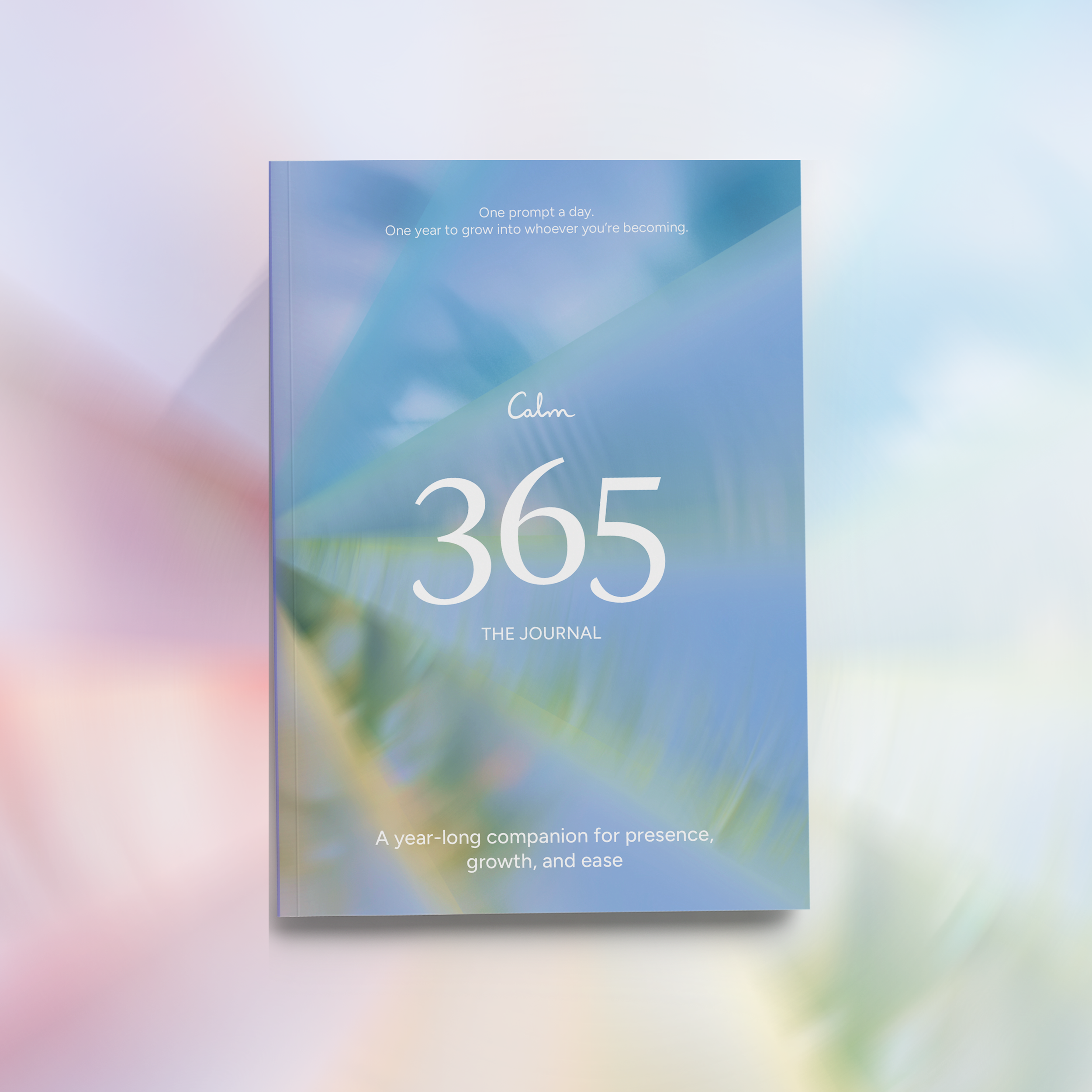
The Calm Journal, by contrast, takes the underlying mindfulness framework much further by providing dedicated physical space for writing, processing, and personal reflection each day. Formatted as an A5 book measuring 5.8 by 8.3 inches and spanning 300 pages, the journal offers considerably more room for inward exploration. Furthermore, the journal includes specialized sections that the calendar omits, such as dedicated Look Back and Look Ahead chapters, guided rituals, letter-writing prompts, and vision-boarding exercises. These components are specifically structured to help individuals process the events of the preceding year while deliberately setting a clear direction for the year to come.
Unlike the calendar, the journal is not tied to a specific calendar year, allowing users the flexibility to begin utilizing its pages whenever it feels most appropriate for their personal journey rather than being restricted to a January start date.
The Twelve Monthly Themes and App Integration
At the core of both the Calm Journal and the Calm Calendar is a curriculum organized around twelve distinct monthly themes. Running consecutively from January through December, the themes consist of Clarity, Connection, Nourishment, Growth, Kindness, Flow, Presence, Ease, Balance, Release, Gratitude, and Stillness.
Each of these themes corresponds to a dedicated content collection housed within the Calm app. Users often inquire whether an active paid subscription to the digital platform is necessary to access these associated app collections. Calm has clarified that a paid subscription is not strictly required. Every monthly theme features a dedicated collection within the application, and users can access a portion of this content without any subscription at all. For those wishing to explore the material more thoroughly, a free trial of the full application can be initiated at any time.
For individuals who already maintain an active Calm subscription, the physical products are designed to complement their existing digital routines seamlessly. The journal and calendar function identically whether an individual is experiencing the Calm platform for the very first time or is a longtime subscriber utilizing the app daily.
Fulfillment Policies and Order Management
Because each copy of the journal and calendar is printed on demand specifically for the individual customer, the platform maintains strict operational policies regarding returns, exchanges, and order modifications.
Due to the customized manufacturing process, returns or exchanges driven by a change of mind cannot be accommodated. However, the company stands by the physical quality of its printed goods; if an item arrives damaged, flawed, or misprinted, customers are encouraged to reach out to support within fourteen days of receipt so that the issue can be resolved.
Additionally, once an order has been transmitted to the production facility and printing has officially commenced, order details can no longer be modified or cancelled. The company strongly encourages shoppers to double-check their cart selections, shipping addresses, and applicable promotional discount codes prior to finalizing their purchase.
For nine years, Rev. Hannah Kardon has called Rogers Park home. Situated on the far northern edge of Chicago along the shores of Lake Michigan, the neighborhood represents the longest single place of residence in her life, following a childhood characterized by frequent moves. Over nearly a decade, building a genuine, enduring community in Rogers Park has grown into one of the defining experiences of her life.
Walking through the neighborhood often unfolds as a series of familiar, comforting connections. A trip to the local grocery store regularly yields a cheerful greeting from a classmate of one of her children shouting, "Hi, Annabel’s mom!" Passing by a neighborhood bar brings back memories of meeting someone who has since become a close friend. Across the street, a familiar voice calls out, "What’s up, Pastor!" For Kardon, these spontaneous moments feel nothing short of a miracle—a source of ongoing gratitude and pleasant surprise.
Yet, these familiar streets carry a heavier atmosphere today. Recent walks around the block are haunted by a mixture of joyful memories, deep sorrow, and lingering anger. The physical landscape of the neighborhood now bears silent witness to absences, marked by the lost voices of neighbors who are no longer present.
The Shadow of Operation Midway Blitz
The disruption came swiftly last year during the Department of Homeland Security’s "Operation Midway Blitz" campaign, an immigration enforcement surge that targeted communities across Chicago and its suburbs. Rogers Park, like many other local neighborhoods, was hit hard.
The impacts were immediate and personal. Someone was abducted from the alleyway directly behind Kardon’s apartment building. A local corner where residents regularly gathered to buy tacos transformed overnight into a site of trauma, where two neighbors were detained during the early days of the campaign. Even as community members rushed into the streets to the north and south, desperately trying to intervene, the individuals were torn away.
Kardon recalls the terrifying atmosphere of those early operations, including an afternoon when a friend called in sheer desperation, whispering quietly into her phone while masked federal agents stalked outside her door. On one particularly dark day, the neighborhood lost ten people to sudden detentions.
For months, nearly everyone in the community—alongside countless others across Chicago and the broader United States—spent their days navigating a climate of profound fear. Residents hid in their homes, mourned those who had been taken, and took on risky, unprecedented tasks to protect one another. For many, that fear remains a daily reality. Kardon notes that text notifications regarding nearby detentions continue to arrive, serving as a grim reminder that the enforcement campaign to intimidate and destabilize immigrant families has not ended.
Hope as an Act of Resilience
Despite the ongoing climate of anxiety, Kardon reflects that her faith has taught her a fundamental truth: continuing to live, to serve, and to foster realities of love and liberation in the face of hatred requires active, resilient hope. In response to the trauma inflicted on the neighborhood, she and her neighbors have added new, deeply meaningful stops to their daily walks.
These walks now trace the geography of community resistance and solidarity. Kardon highlights a specific street corner where residents of all ages, occupations, cultural backgrounds, and walks of life took turns standing guard with whistles to ensure that vulnerable neighbors felt safe enough to visit the local food pantry.
She points to sidewalks where parents coordinated to escort children home from school, stepping in when it became too dangerous for the children’s own families to leave their homes. She remembers running to her church alongside fellow congregants when the sound of whistles echoed just outside the sanctuary doors, raising their voices in prayer and protest in a desperate plea to drive federal immigration enforcement vehicles away.
That same afternoon, a church across the street realized that federal agents were waiting outside their doors for worship services to conclude. Word spread rapidly through an urgent neighborhood call-out. People of diverse religious traditions—and many with no religious affiliation at all—poured into the streets. They held hands, formed human chains, escorted congregants safely to their vehicles, and successfully prevented the planned enforcement actions.
The following day, unaffiliated neighborhood organizers reached out via text message, coordinating a comprehensive schedule of worship times across all at-risk faith communities in the area. They mobilized volunteers to stand outside these spaces during every service, ensuring that such an incident could never happen again.
Choosing Community Over Fear
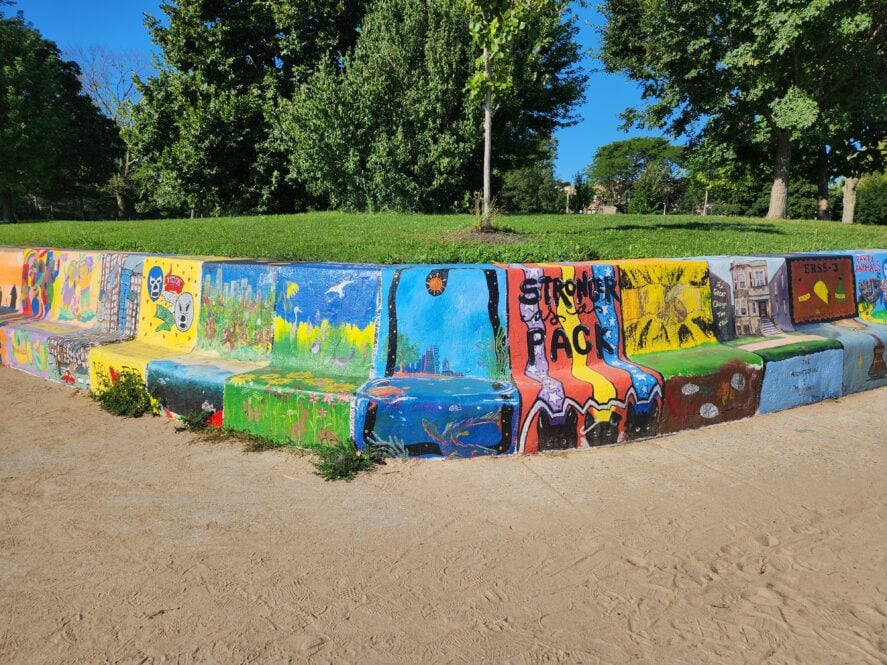
While the corners of Rogers Park bear the visible scars of pain and loss, they also serve as permanent reminders of the resilience of the community. The events of the past year demonstrated that ordinary people were willing to set aside potential divisions, putting their hearts and bodies on the line to protect one another.
Residents repeatedly chose community over fear and courage over silence. They committed themselves to building a neighborhood where diverse people can coexist, rather than accepting an environment where groups are systematically targeted and forced out one by one until no one is left.
For Kardon and her neighbors, these actions reflect the true spirit of their city and their neighborhood. Rogers Park remains a place where every person is recognized as having inherent value, where residents defend one another, and where attempts to divide the community are met with a steadfast commitment to stay together.
Rev. Hannah Kardon serves as the pastor of the United Church of Rogers Park, a United Methodist community in Chicago. She lives in the Rogers Park neighborhood with her husband and two children.
The Wilderness Awareness School has officially announced the retirement of the name Anake Outdoor School, marking a significant milestone in the institution’s ongoing evolution and its institutional commitment to justice, equity, diversity, and inclusion. The beloved flagship program, which has shaped the lives and careers of more than 500 graduates over the years, will henceforth be known as The Immersion at Wilderness Awareness School.
Administrators and staff at the school emphasize that this rebranding effort is far more than a superficial title change. Instead, it represents a deep and thoughtful step toward organizational growth, cultural responsibility, and liberation from systemic appropriation. By releasing the name "Anake," the school seeks to address and rectify the subtle yet harmful forms of cultural appropriation that can occur when educational organizations adopt terminology from cultures with which they no longer maintain a direct or rightful connection.
To understand the weight of this decision, it is helpful to look back at the history of the program’s nomenclature. Originally established as the Wilderness Awareness Residential Program, or WARP, the initiative underwent its first major name change in 2009. At that time, the leadership chose the name Anake, a Kikamba word, to honor the rich legacy of Ingwe, one of the school’s co-founders. Ingwe maintained direct and personal relationships with members of the Akamba people located in East Africa. According to the understanding of the school’s founders and leadership at that period, the word was translated to mean "one who is ready to step into service for their community." For over a decade, this definition served as a guiding ethos for the curriculum, inspiring hundreds of students to approach nature connection and community leadership with dedication and purpose.
However, as cultural awareness has deepened within the broader educational landscape and among the school’s internal community in recent years, staff members began a critical reassessment of the name’s origins and usage. Through ongoing dialogue and self-reflection, the organization came to a sobering realization: the current staff and leadership do not actually know the full story behind the name, nor do they possess a true understanding of its original cultural context. Furthermore, the Wilderness Awareness School currently has no members on its team who maintain an active, living connection to the Akamba people or the Kikamba language.
Despite the undeniably positive intentions that guided the selection of the name in 2009, and recognizing the powerful, transformative spirit the name evoked for generations of students and graduates, the school’s leadership confronted a difficult truth. They concluded that utilizing an element of a culture without being in right relations with the people who actually live and exist within that culture constitutes cultural appropriation. In alignment with their core values of integrity, equity, and respect, leadership determined that the only ethical path forward was to release the name "Anake" from the organization entirely.
The new designation chosen for the program—The Immersion at Wilderness Awareness School—was selected to reflect the profound, all-encompassing nature of the educational experience itself. School officials note that The Immersion is designed to be much more than a standard educational program; it is characterized as a once-in-a-lifetime experience. It offers participants an experiential deep dive into the comprehensive teachings, philosophies, and wilderness skills that Wilderness Awareness School has cultivated and refined over decades.
While the title of the program is changing, school leadership has offered firm reassurance that the core curriculum, values, and transformative intentions of the experience will remain entirely intact. The Immersion will continue to serve as a vital space where students from diverse backgrounds can forge meaningful connections with themselves, their peers, and the living world around them. Through this intensive journey, participants are encouraged to move deeper into their personal lives, developing a heightened sense of empowerment, resilience, and ecological literacy.
The philosophy underpinning the program’s unique format has long resonated deeply with its alumni. Expressing the enduring essence of the experience, Rees Maxwell, a proud graduate of the Class of 2006, reflected on what it truly means to undergo the program. When we experience life as an immersion, Maxwell noted, participants are not merely observing nature from an external vantage point; rather, they are given the rare and precious opportunity to experience being fundamentally of it. Those special, fleeting moments of recognizing oneself as part of the natural fabric of the world transcend ordinary perception, creating an intimate state of connection where individuals realize they are not merely connected to all things, but that they essentially are all things. Being fully immersed, in this view, is a transformative state of radical belonging.
Choosing a new name for this foundational program is viewed by the administration as a crucial component of a much broader, ongoing institutional effort. The leadership team acknowledges that organizations engaged in outdoor education, wilderness survival, and nature awareness must actively work to disentangle themselves from the lingering impacts of colonization. Such colonization frequently manifests when mainstream institutions adopt linguistic elements, sacred concepts, or cultural markers from Indigenous or international cultures for their own branding purposes, subsequently ascribing their own localized meanings to those words without authentic community consent or stewardship.
For the Wilderness Awareness School, abandoning the use of unearned cultural terminology is seen as an essential prerequisite for evolving into a more liberated, equitable, and honest organization. Leadership is candid about the fact that this rebranding is not a standalone solution, but rather one step along a much longer, continuous path of action. The school remains firmly dedicated to supporting and expanding its institutional equity initiatives, ensuring that the internal culture of the school matches the regenerative, respectful relationship it encourages students to build with the natural environment. As the organization moves forward under the banner of The Immersion at Wilderness Awareness School, staff and students alike are invited to embrace this new chapter with open hearts, maintaining a steadfast focus on community service, ecological awareness, and deep-seated respect for all cultures.
For decades, society has introduced individuals to the profound shock of loss through a familiar framework: the "Five Stages of Grief." Comprising denial, anger, bargaining, depression, and acceptance, this psychological model has become so deeply embedded in Western culture that many grieving people are led to believe they are meant to experience loss in a strict chronological order. The implicit promise of the model is that if one endures the discomfort of each phase, they will eventually arrive at a definitive final destination known as acceptance. However, mental health professionals, grief counselors, and the bereaved themselves are increasingly recognizing that grief rarely, if ever, operates in such a predictable manner.
For many parents, grandparents, and siblings who have lived through the profound and shattering experience of losing a loved one, the rigid application of the five stages can feel frustrating, misleading, and occasionally harmful. Rather than serving as a comforting tool to help make sense of deep sorrow, the model frequently creates unrealistic expectations about what the grieving process should look like, how it should manifest in daily life, and how long it should take. The fundamental truth that emerges from those who navigate significant loss is that grief is not a series of tidy boxes to check off, nor is it a linear progression that can be successfully completed and left in the past.
The origins of the five stages trace back to 1969, when psychiatrist Elisabeth Kübler-Ross introduced the concept in her seminal book On Death and Dying. Crucially, Kübler-Ross developed her observations by studying individuals who were facing their own terminal illnesses, focusing on how people process the impending reality of their own mortality. Over time, however, this model was generalized and applied broadly to all forms of loss and grief, including the devastating bereavement experienced by those mourning the death of a family member or close friend. Unfortunately, as the model permeated popular culture, many people began interpreting the descriptive stages as a prescriptive roadmap that every grieving person was expected to follow.
This widespread misunderstanding has left countless individuals grappling with self-doubt when their personal experiences do not align with the traditional framework. Grieving people frequently find themselves questioning their emotional stability, wondering why they have regressed to anger years after a loss, or asking why acceptance feels so perpetually out of reach.
The definitive answer from grief experts is that grief is inherently non-linear. Anyone who has navigated the waters of significant loss knows firsthand how unpredictable the emotional landscape can be. An individual might feel relatively stable and grounded one day, only to find that an ordinary moment—a stray song, a passing photograph, a calendar date, or a sudden memory—brings an overwhelming wave of sadness the next. Years after a loss has occurred, tears may still fall unexpectedly. Furthermore, moments of genuine joy can and often do coexist with moments of deep heartbreak. Experiencing these fluctuations does not indicate that something is broken within the grieving person; rather, it is a testament to the complex reality of being human.
Families who navigate profound bereavement often share that grief moves more like a series of ocean waves rather than distinct, static stages. While those emotional waves may gradually become less intense and less frequent as time passes, they can still return without warning. Significant milestones, anniversaries, holidays, and unexpected life transitions frequently reopen emotional reservoirs that never completely disappear. A parent whose child died two decades ago may still weep when speaking their child’s name aloud. A sibling may still feel the sharp, undeniable ache of an empty chair at family gatherings. A grandparent may still quietly wonder what milestones their grandchild would have achieved had they lived. Far from being signs of unfinished or pathological grief, these enduring experiences are profound manifestations of lasting love.
One of the most damaging misconceptions perpetuated by the stage model is the societal expectation that grief possesses a clear finish line. Grieving individuals often face subtle or overt pressure from friends, colleagues, and society at large to "move on," "find closure," or "get over it." The traditional five-stage framework can unintentionally reinforce the harmful belief that there should eventually be a point where grief is fully resolved, wrapped up, and left behind. In reality, grief is not a technical problem waiting to be solved. Grief exists because love exists.
When someone of immense importance passes away, the nature of the relationship changes fundamentally, but the relationship itself does not disappear. The living continue to carry memories, unspoken hopes, shared dreams, and deep connections with those they have lost. Their absence weaves itself directly into the fabric of life’s ongoing story. For bereaved parents, there is no psychological stage that can remove the stark reality that their child is missing from the world. There is no level of acceptance that completely erases the deep-seated longing to hold them once more. Rather than coming to an end, grief evolves over time. Individuals learn how to carry the weight differently, finding ways to integrate the monumental loss into the ongoing narrative of their lives. They build meaning, establish new memories, create personal rituals, and foster connections that allow them to move forward while simultaneously honoring the person who died.
Another significant limitation of the stage model is its implication that grief should look and feel similar for everyone. In truth, grief is a deeply individual and personal experience. Some people express their sorrow through frequent tears, while others may rarely cry at all. Some individuals need to speak about their departed loved one constantly to keep their memory vibrant, while others require long, uninterrupted periods of quiet contemplation. Some find profound comfort in organized support groups, whereas others discover healing through writing, faith, artistic expression, engagement with nature, community service, or private remembrance. There is no universal timeline, no standard progression, and no checklist for successful grieving. What truly matters is not whether an individual’s emotional journey matches a clinical theory, but whether they are finding healthy ways to navigate their loss while honoring their distinct, personal experience.
Rather than viewing grief as a series of hurdles to clear or stages to complete, many find it more helpful to conceptualize grief as a lifelong journey of adaptation. Over the course of years, many bereaved individuals discover that they possess the capacity to experience grief and joy simultaneously. They learn that they can laugh again without loving the deceased any less, and that they can construct meaningful, fulfilling lives while continuing to miss the person who is gone. The ultimate goal is not to stop grieving altogether, but rather to learn how to carry grief alongside the ongoing journey of daily life. On some days, grief may take center stage, demanding full attention; on other days, it may quietly accompany the individual in the background. Both of these experiences are entirely normal. What many bereaved people eventually discover is that true healing does not mean forgetting, it does not mean achieving final closure, and it does not mean reaching a stage where sadness vanishes entirely. Instead, healing means learning to live alongside a love that no longer has a physical place to direct its energy.
Ultimately, perhaps the greatest grace individuals can offer themselves is the explicit permission to grieve in their own unique way. There is no requirement to force complex human emotions into five rigid categories, nor is there any utility in measuring personal progress against an imaginary timeline. Experiencing a resurgence of grief years down the road is not a failure, nor is it a reason for guilt. Grief is neither a psychological disorder that needs to be cured nor a household chore to be completed. It is simply the natural, human response to loving someone deeply and subsequently experiencing their physical absence.
Conversations within the bereavement community often highlight the relief that comes from abandoning these external expectations. For instance, a bereaved mother three years into the loss of her son recently shared that she still found herself crying daily and wrestling with frequent waves of anger and rage, believing she was failing to progress at the expected pace of others. Realizing that she was simply moving along the exact path she needed for her own survival proved to be an eye-opening revelation.
The reality remains that grief changes, grows, and transforms across the span of a lifetime. While it may soften in its sharpest edges and become quieter with time, for many people—particularly those enduring the loss of a child, sibling, or grandchild—it never completely disappears. And that reality is entirely acceptable. Grief is not evidence that a person is failing to heal; rather, it is enduring evidence that someone deeply loved mattered profoundly, and that the love behind that grief continues to endure.
In the field of maternity care, the prevailing medical approach has long been rooted in a model of risk assessment. Professionals are trained to scan for potential complications, monitor vital signs with clinical precision, and prepare for interventions. While this vigilance is undeniably vital for ensuring safety, practitioners and advocates are increasingly concerned that the heavy emphasis on pathology—what can go wrong—often obscures the very conditions that foster physiological health, trust, and the natural progression of birth.
A growing movement in the birth community is now challenging this status quo by introducing a different starting point: salutophysiology. Rather than centering on the prevention of disease or the mitigation of risk, this model shifts the focus toward the active support of health. It is a philosophy that seeks to understand not just how to intervene when a problem arises, but how to create the optimal environment for birth to flourish.
A New Foundation: From Pathogenesis to Salutogenesis
The term "salutophysiology" is a conceptual evolution of salutogenesis, a term originally coined by medical sociologist Aaron Antonovsky. While traditional medicine often asks, "What causes disease?", salutogenesis shifts the inquiry to "What supports health to flourish?"
In the context of maternity care, this theory was further developed by midwife Verena Schmid. It invites practitioners to look at the entire landscape of a pregnancy and birth. Instead of treating the biological, psychological, social, and environmental elements of birth as separate, disparate factors to be managed, salutophysiology integrates them into a holistic framework. It acknowledges that human physiology is not a mechanical process that operates in a vacuum; it is profoundly responsive and relational. A person’s ability to birth is deeply influenced by their internal sense of safety and the external support they receive.
The Role of the Nervous System in Birth
Birth is an inherently social and physiological event that does not happen in isolation. The human nervous system acts as a constant mediator, scanning the environment for cues of safety or threat. These environmental signals directly influence the body’s hormonal landscape—the delicate dance of oxytocin, adrenaline, and endorphins that drive labor.
When the care model is primarily risk-focused, the environment can unintentionally become a source of stress for the birthing person. Constant monitoring, a clinical atmosphere, and a focus on potential failure can trigger the body’s "fight or flight" response, which may disrupt the physiological processes necessary for labor to progress. Salutophysiology posits that by prioritizing a supportive, calm, and trusting environment, providers can help the body’s innate wisdom function more effectively. This does not mean ignoring clinical risks or complex medical situations; rather, it means building a foundation of health that allows physiology to remain resilient even when challenges arise.
Alignment with the Spinning Babies® Philosophy
For many birth professionals, this shift toward salutophysiology feels like a natural extension of the work already being done through the Spinning Babies® approach. For years, the Spinning Babies® method has emphasized the importance of balance, gravity, and movement, encouraging providers to look beyond the mechanical "mechanics" of birth to support the body as a functional whole.
By integrating the concepts of salutophysiology, this approach is deepened. It encourages birth professionals to transition from simply performing technical interventions to being in a conscious, attuned relationship with the physiology of birth. It moves the practitioner away from the question, "What should I do next?"—which often leads to reactive, procedural interventions—and toward the more profound inquiry: "What is this body responding to, and how can I best support it?"
This change in mindset is transformative for clinical practice. It allows professionals to bridge the gap between their theoretical knowledge of physiology and their real-time application of support. When a provider views the birthing person through the lens of salutophysiology, they begin to recognize the subtle cues of the body, the impact of the environment on labor progress, and the essential nature of the provider-patient relationship.
Shifting from Fear to Trust
At its core, the adoption of salutophysiology represents a cultural shift within the birth community—a movement away from a fear-based model and toward one of trust. It challenges the traditional view of the birthing body as a fragile, unpredictable machine that must be managed by external authorities. Instead, it invites practitioners to see physiology as inherently responsive and capable, provided it is supported by the right conditions.
This shift does not eliminate the need for medical expertise or emergency care; instead, it reframes the role of the provider. The professional becomes a facilitator of health, someone who understands that by tending to the nervous system and the emotional environment, they are directly impacting the physical outcome of the birth.
Bridging the Gap: New Educational Initiatives
To help birth professionals translate these theories into tangible, bedside practice, Spinning Babies® has partnered with educator Anna Maria Rossetti. Together, they have launched a comprehensive learning experience designed to explore how the nervous system, environment, and physiological processes interact throughout the pregnancy, birth, and postpartum periods.
This collaborative course is structured to move beyond textbook learning, utilizing live sessions that allow for reflection, integration, and community discussion. Participants are encouraged to examine their own practices, question traditional risk-based narratives, and build a new repertoire of skills that prioritize health-oriented care.
The curriculum covers a range of critical topics, including the biological mechanisms of labor, the importance of environmental safety, and the development of clinical presence. By engaging with these ideas in a community of peers, birth professionals are given the space to ask deeper questions about how they show up for the families they serve.
Registration is currently open for the course, titled Salutophysiology in Pregnancy and Birth: From Risk-Focused to Health-Oriented Care. This program, a collaboration between Spinning Babies® and SEAO, is designed for those who are ready to deepen their understanding of human physiology and move toward a more connected, responsive model of care.
For professionals who feel the strain of a purely risk-focused system and are looking for a way to align their practice with their desire to support healthy, physiological outcomes, this journey offers both the theoretical foundation and the practical tools to make that change. It is an invitation to redefine what it means to care for someone during the most transformative time in their lives, moving the focus from managing the possibility of failure to nurturing the reality of health.
For months, discussions surrounding children’s literacy have focused heavily on the profound benefits of reading aloud. Educators, parents, and researchers have highlighted how sharing books together builds academic foundations, fosters resilience, develops empathy and virtue, and even lowers physiological stress levels in young listeners. But while the consumption of stories has justifiably claimed a central role in childhood development, a fundamental counterpart often goes overlooked: the act of writing itself.
In a recent episode of the popular literacy podcast Read-Aloud Revival, hosts Sarah Mackenzie and Audrey turned their attention to the flip side of the literary coin, exploring the core question: Why do we write, anyway?
While it is easy to view writing purely as a transactional tool—a mechanism required to produce the stories and textbooks that line library shelves—the hosts emphasize that creating external content is only part of the equation. Writing yields immense, immediate benefits for the person sitting down with a pencil, pen, or keyboard, transforming internal thoughts into tangible expression.
The Dual Purpose of the Written Word
Without writing, human culture would lack the vast library of narratives that shape our understanding of the world. Yet, the personal utility of writing extends far beyond the publication of a finished novel or article. For both children and adults, putting words on a page serves as a cognitive and emotional processing tool. It clarifies thinking, anchors memories, and provides a safe outlet for complex feelings that may be difficult to articulate verbally.
During the episode, the hosts examined why parents should intentionally invite their children—and themselves—into the writing process. Writing does not have to be framed as an intimidating academic chore or an obligatory school assignment. Instead, it can be approached as a natural extension of storytelling and communication. By introducing low-pressure writing exercises and creative tips, caregivers can help unlock a sense of ownership and expression in young learners, ensuring that creativity flows naturally rather than under duress.
Fostering Creativity and Meaningful Literary Connections
The conversation also touches on the broader ecosystem of reading and discussing literature within families. Reading a book together is often just the beginning of a larger journey; the real impact frequently materializes during the conversations that follow. To help bridge the gap between reading and deeper family engagement, resources have been developed to guide parents through meaningful discussions, making conversations about books a seamless part of daily life. Even for parents who may not have read the specific titles their children are exploring, simple frameworks can transform casual talk into rich literary analysis and connection.
As the discussion illustrates, writing and reading are deeply intertwined practices that mutually reinforce a child’s intellectual and emotional growth. By encouraging children to pick up the pen and record their own thoughts, stories, and observations, parents and educators provide them with a powerful voice—one that not only consumes the stories of others, but actively contributes to the world’s ongoing narrative.
Every parent knows the powerful, instinctive pull to shield their children from pain, struggle, and discomfort. Whether dealing with a toddler taking a tumble on the playground or a teenager navigating the complex social pressures of high school, the natural urge is to intervene, shoulder the burden, and make things right. After all, the deepest desire of any parent is to see their children happy, thriving, and safe.
However, experts increasingly warn that this well-intentioned intervention often disrupts the natural course of development. By rushing to remove obstacles, parents risk robbing children and teenagers of the vital opportunities to grow, adapt, and build inner strength. True parenting is not about creating a frictionless path through life, but rather about raising independent individuals anchored by a strong foundation of core values capable of weathering life’s inevitable ups and downs.
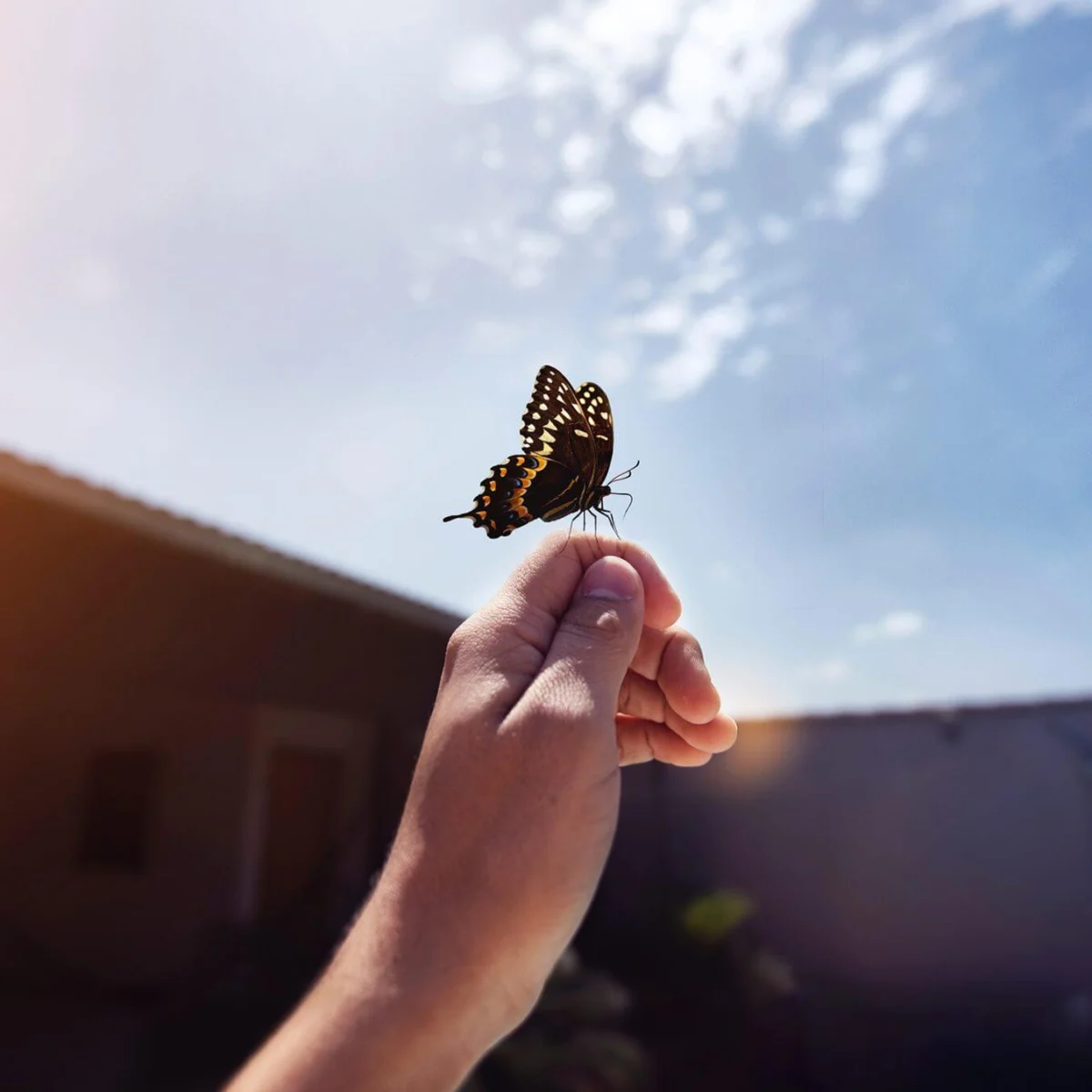
To understand why struggle is so crucial, child development advocates frequently point to a classic parable about a boy and a butterfly. The story tells of a young child who found a butterfly cocoon and brought it indoors to watch the miracle of metamorphosis. For hours, the boy observed as the insect struggled desperately to force its way through a tiny opening it had created in the casing. Exhausted and seemingly making no progress, the butterfly stopped moving.
Moved by pity, the boy took a pair of scissors and snipped open the rest of the cocoon, expecting the creature to emerge effortlessly and take flight. Instead, the butterfly crawled out with a swollen, deformed body and shriveled wings. It never flew. The boy did not realize that the arduous physical struggle of forcing its way through the narrow exit was a biological necessity designed to push fluid from the butterfly’s body into its wings, granting it the strength required for flight. It was the struggle itself that made the butterfly strong.
This protective instinct manifests early in family life. Children frequently show an innate sweetness and empathy toward the struggles of others—such as rescuing trapped insects from spider webs or relocating grasshoppers to safety—mirroring the exact impulses parents feel toward their own offspring. Yet, just like the boy with the butterfly, bypassing the struggle stunts growth.
When children face everyday setbacks—whether falling on the playground, experiencing rejection in team sports, failing an exam, navigating difficult peer dynamics, or coping with job dissatisfaction and personal loss—swooping in to fix the problem is rarely the most beneficial long-term tactic. Instead, fostering resilience requires a fundamental shift in perspective from merely helping children to actively encouraging personal responsibility and agency.
Psychological experts emphasize that this developmental journey begins remarkably early, often in the toddler years. Young children naturally gravitate toward responsibility because it provides a profound sense of achievement and introduces them to both internal and external rewards. However, professionals stress that any assigned responsibilities must strictly align with a child’s developmental age.
Many modern households find it easier to exclude young children from routine domestic tasks such as cooking, gardening, cleaning, and tidying up. While involving young children in these chores inevitably takes longer and creates considerable messes, these shared activities are foundational. They establish self-confidence, foster an understanding of teamwork, teach children to take pride in their actions, and inspire consideration for others. Over time, mastering these small domestic contributions builds a baseline for grit, determination, and effective problem-solving.
At the same time, experts caution against granting children and teenagers absolute freedom without appropriate guardrails. Maintaining a healthy parent-child dynamic requires clear, consistent boundaries. While toddlers should be encouraged to brush their own teeth, assist with meal preparation, and manage basic personal agency, those same capabilities do not equip them to determine their own bedtimes or navigate the digital world unsupervised. The goal is guided autonomy, not complete independence without parental oversight.
As children mature into teenagers and young adults, the nature of the challenges shifts dramatically. Quarrels over toys and playground disputes are replaced by romantic crushes, complex social dynamics, and intense debates over personal values. Despite the changing landscape of adolescence, the underlying professional advice remains remarkably consistent.
Noted parenting author and adolescent development expert Annie Fox advocates for giving teenagers the necessary space to mature, lightheartedly referring to adolescents as "semi-formed humans." Creating this supportive environment requires deliberate, mindful communication strategies from parents.
First, parents are advised to talk less and listen more. Remaining a safe, available sounding board allows a teenager to speak openly without immediate interruption or judgment. This gives adolescents an invaluable chance to hear their own ideas articulated aloud, providing parents with a clear window into their children’s problem-solving strengths and limitations.
Second, respecting boundaries remains a constant challenge for caregivers who must grapple with granting increasing privacy and autonomy. Yet, developing sound judgment requires teenagers to have ample opportunities to make mistakes, experience the consequences, and learn from them independently.
Third, experts stress that children are perpetual observers. Parents who hope to raise trustworthy, responsible, honest, resilient, and compassionate individuals must actively model those exact values in their own daily lives and interactions.
Finally, authenticity matters. Holding parental authority does not mean possessing absolute omniscience. Admitting personal confusion, acknowledging mistakes, and offering sincere apologies when appropriate demonstrates to children that adults are also works-in-progress. Perfection is neither attainable nor expected; the true objective is continuous personal progress.
Observing a child navigate the world—discovering new words, refining motor skills, and shaping a distinct personality—evokes a complex mixture of emotions for any parent. There is a persistent desire to hold them close and freeze time, wishing them to remain forever small and sheltered. Yet wisdom reminds us that love is not about keeping children confined. True parenting means offering the universe, the stars, and the full spectrum of human experiences, trusting that the lessons learned through struggle will ultimately give them the strength to fly on their own.