Are We Too Clean? The Rise of Modern Hygiene and the Threat to Children’s Health
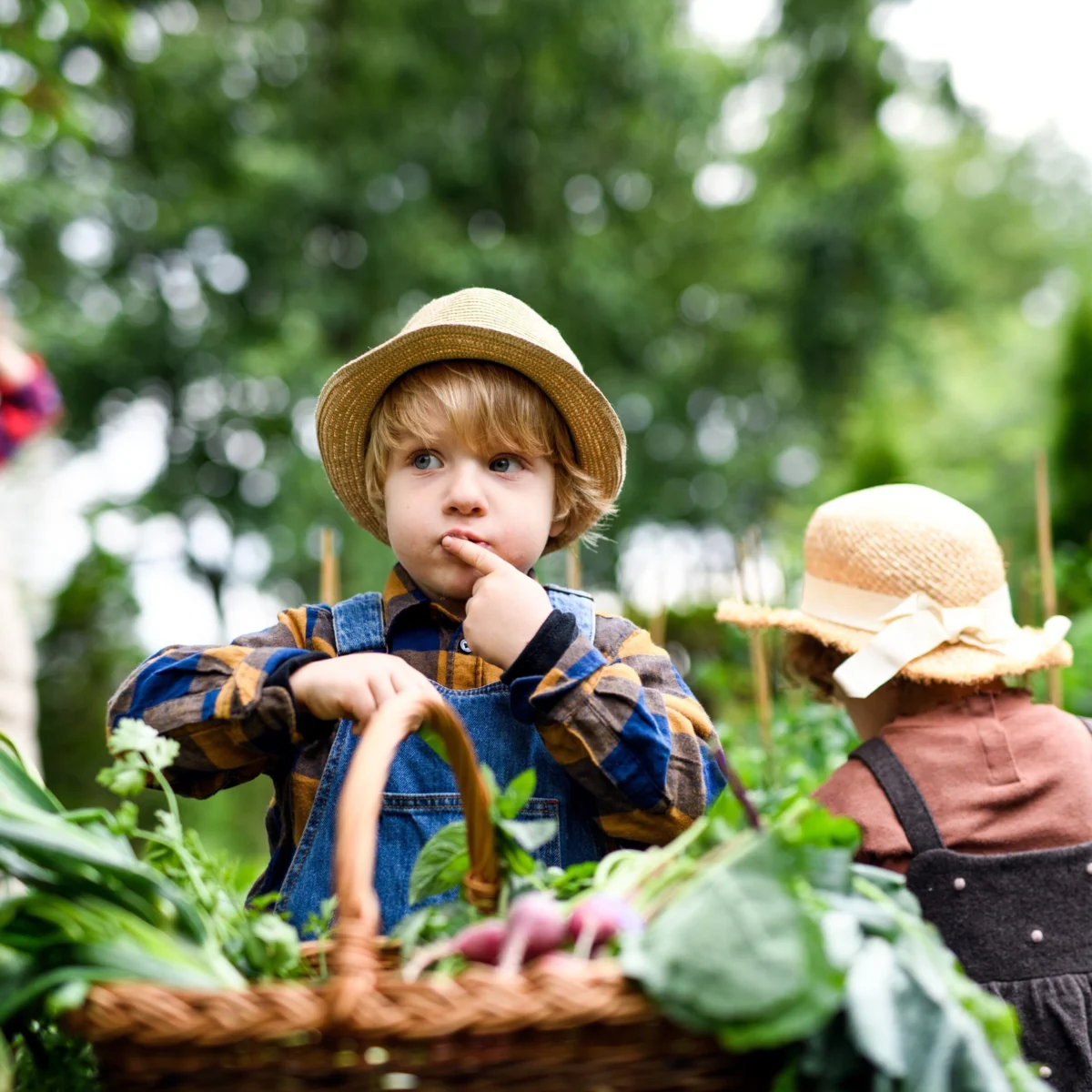
In an era defined by antibacterial wipes, hand sanitizers, and aggressively scrubbed surfaces, scientists are increasingly asking a provocative question: have we become too clean?
As rates of chronic health issues, allergies, skin conditions, asthma, and gastrointestinal problems continue to climb among the younger population, researchers are scrutinizing the modern obsession with sterility. While historical advancements in hygiene have undeniably protected humanity from dangerous pathogens and infectious diseases, experts suggest the pendulum may have swung too far. In eliminating the harmful microbes, modern society has inadvertently waged war on the beneficial microorganisms that are fundamental to human development.
This growing scientific inquiry centers around the human microbiome—the complex ecosystem of bacteria, fungi, and viruses that inhabit the body, particularly the gut. Far from being mere passengers, these microscopic communities act as vital health regulators. Emerging research highlights the microbiome’s critical role in training the immune system, protecting children from chronic illnesses, supporting mental health, and lowering the risk of allergic sensitivities. Yet, as daily life grows increasingly detached from the natural world, safeguarding this internal ecosystem has become an unprecedented parenting challenge.
How is a Child’s Microbiome Established?
Understanding how this internal ecosystem takes root is critical to recognizing how modern lifestyles disrupt it. Scientific consensus indicates that a child’s microbiome is primarily established during the first one thousand days of life. This critical developmental window encompasses the entire journey from birth and early feeding methods through the toddler years.
During this foundational period, the microbial community is exceptionally sensitive to external influences. Disruptions, such as the administration of antibiotics to treat early childhood illnesses, can profoundly alter the trajectory of microbial diversity. When such medical interventions occur, children frequently require additional environmental and nutritional support to help cultivate a resilient, diverse microbiome capable of withstanding future health challenges.
The Case for Letting Children Get Dirty
One of the most natural ways to support this developing internal ecosystem counters traditional parenting instincts: allowing children to embrace dirt. Rather than shielding children from outdoor environments, public health researchers suggest that permitting kids to play freely in soil, mud, and grass is an effective way to promote microbial diversity.
Studies examining environmental exposure reveal that microbes found naturally in soil play a crucial role in populating and diversifying the gut microbiome. Beyond introducing beneficial bacteria to the digestive tract, interacting with soil offers psychological benefits. Research indicates that certain non-pathogenic bacteria present in earth stimulate the human serotonergic system. When children dig in the garden or play outdoors, their bodies naturally facilitate the release of serotonin, commonly known as the happy hormone, bridging the gap between physical immunity and emotional well-being.
Nourishing the Ecosystem Through Diet
Once the foundational microbiome is established during the initial thousand days of life, maintaining its health requires conscious dietary choices. Incorporating specific nutritional elements into a child’s daily meals is essential for feeding and sustaining these beneficial populations.
Health experts emphasize the importance of regularly including prebiotic and probiotic foods in family meal planning. Prebiotics, which act as fuel for good bacteria, and probiotics, which introduce live beneficial cultures, work synergistically to maintain a thriving internal environment.
However, the efficacy of these healthy foods can be undermined by modern agricultural practices. Consequently, experts advocate for consuming organic produce whenever possible, particularly during childhood. Non-organic fruits and vegetables are frequently treated with pesticides, fungicides, and herbicides—chemicals deliberately engineered to eradicate biological organisms. When ingested by children, these residues can inadvertently harm their delicate, still-developing microbiomes. Furthermore, young bodies lack the full capacity to efficiently rid themselves of the heavy metals and environmental toxins that often coat conventionally grown produce. While organic options can present a financial hurdle for families, investing in organic foods or cultivating a backyard garden offers a practical strategy to shield children from unwanted chemical exposure.
Navigating the Challenges of Childhood Sugar Consumption
Maintaining a balanced microbiome also requires managing dietary pitfalls, most notably the omnipresence of refined sugar. While reducing sugar intake is a universally recognized health goal, enforcing it with children can prove exceptionally difficult due to natural biological cravings.
The physiological drive for sweets is often fueled by the microbiome itself. The undesirable, pathogenic bacteria residing in the gut thrive on sugar; as children consume sugary foods, these populations expand and dominate the intestinal landscape, triggering even stronger cravings in a continuous feedback loop. To break this cycle, health advocates suggest implementing designated sugar-free days and gradually substituting conventional sweets with nutrient-dense alternatives disguised as familiar treats, thereby gradually shifting the balance of the gut flora.
Choosing Gentle Cleansers Over Harsh Antibacterials
Beyond the dinner plate, the products used for personal care significantly impact microbial health. Dermatologists and microbiologists advise moving away from harsh antibacterial soaps for routine daily hygiene.
While strong antiseptic soaps serve a vital purpose in specific, high-risk situations—such as handling contaminated materials or addressing accidental encounters with animal waste—they are entirely unnecessary for everyday bathing. Frequent use of antibacterial cleansers strips away the beneficial bacteria that naturally reside on human skin, compromising the skin barrier. Experts recommend utilizing gentle, mild soaps for children and bypassing full-body soap applications during every single bath or shower to preserve the skin’s natural microbial defense system.
When to Seek Professional Guidance
Despite best efforts at home, parents may encounter persistent health hurdles that signal an underlying imbalance within a child’s internal ecosystem. Warning signs that a child’s microbiome requires clinical attention include recurrent colds, persistent infections, chronic skin complaints, ongoing gastrointestinal distress, or a history of frequent antibiotic use.
Because every individual possesses a unique microbial profile influenced by distinct environmental and genetic factors, identifying the root cause of these imbalances is crucial. Families navigating chronic health concerns are encouraged to consult qualified healthcare practitioners, such as naturopaths or clinical nutritionists, to develop personalized strategies tailored to supporting their child’s long-term health and microbial diversity.
Reporting by Laila Helena for the Endeavour College of Natural Health.
