Navigating America’s Pluralistic Calendar: A Look at the Religious, Spiritual, and Cultural Holidays Closing Out 2026
As the year 2026 draws to a close, the final two months bring a rich and diverse array of religious, spiritual, and cultural holidays. Building upon the observances that took place throughout September and October, communities across the United States and around the world prepare to engage in centuries-old traditions, commemorative services, and festive gatherings. This period highlights the deep tapestry of American pluralism, reflecting the varied worldviews, histories, and beliefs that shape the cultural landscape during November and December.
The transition from autumn to winter begins with ancient roots. Spanning October 31 and November 1, Samhain is observed as a significant Pagan and Wiccan festival. Marking the definitive end of the harvest season and the transition into the darker half of the year, Samhain is widely considered by practitioners to be the Wiccan new year, a time for reflection, honoring ancestors, and acknowledging the cyclical nature of life and agriculture.
November opens with a series of solemn and vibrant commemorations deeply rooted in Christian history and Mexican cultural heritage. On November 1, Christians observe All Saints Day, also known as All Hallows Day. This traditional day is dedicated to honoring all the saints from Christian history, reinforcing a spiritual connection believed to exist between heaven and earth.
Concurrently, November 1 and 2 mark the observance of Día de los Muertos, or the Day of the Dead. Traditionally celebrated in contemporary Mexico and among communities of Mexican heritage in the United States, this holiday is rooted in the belief that the souls of the dead return to visit their living family members. Communities and families celebrate this spiritual homecoming by visiting the graves of deceased loved ones and setting up elaborate ofrendas, or altars, decorated with photographs, candles, and the favorite foods and drinks of those who have passed. Prominent symbols associated with the Day of the Dead include calacas, representing skeletons, and calaveras, depicting skulls. Well-wishers frequently greet one another during this time with the traditional phrase, "Feliz día de los Muertos."
The solemn reflections continue immediately following these celebrations. November 2 marks All Souls Day, a Catholic holy day dedicated to prayer and worship commemorating the souls of all the faithful departed, offering a space for grief, remembrance, and communal prayer.
Shifting to traditions originating in South Asia, November 8 brings Dev Diwali, also known as Dev Deepavali. Often referred to as "the Diwali of the Gods," this full moon celebration takes place precisely 15 days after the main festival of Diwali. Dev Diwali commemorates the Hindu goddess Ganga ma, who serves as the divine personification of the sacred river Ganges. According to Hindu mythology, this is the auspicious time when the gods descend to Earth to bathe in the holy waters of the Ganges, prompting millions of devotees to participate in nighttime rituals, light earthen lamps, and gather along riverbanks in spiritual devotion.
Later in the month, on November 24, the Sikh community observes two deeply significant historical events. The first is the Martyrdom of Guru Tegh Bahadur Sahib, commemorating the supreme sacrifice made by the ninth Sikh Guru to protect the fundamental rights of religious freedom for Sikhs and non-Sikhs alike. Sharing this date is the celebration of Guru Nanak Dev Ji’s Birthday, which marks the birth of the founder of Sikhism, a pivotal figure whose teachings on equality, selfless service, and devotion continue to guide millions worldwide.
The final days of November encompass a variety of distinct global and faith-based observances. On November 28, followers of the Bahá’í faith observe the Ascension of Abdu'l-Bahá. This sacred day marks the passing of the Bahá'í leaderAbdu’l-Bahá, whose life is remembered for modeling the core humanitarian and spiritual principles of the faith, serving as an enduring moral example for its followers.
As the month closes, November 30 brings St. Andrew’s Day, a Christian feast day celebrating the life of St. Andrew, widely recognized as the "first-called" among the twelve disciples of Jesus. Additionally, November 29 marks the beginning of Advent, a season observed within the traditional Christian calendar spanning through December 24. Derived from the Latin word adventus, meaning "coming," Advent is a period of spiritual waiting, reflection, and active preparation for the celebration of the birth of Jesus at Christmas on December 25.
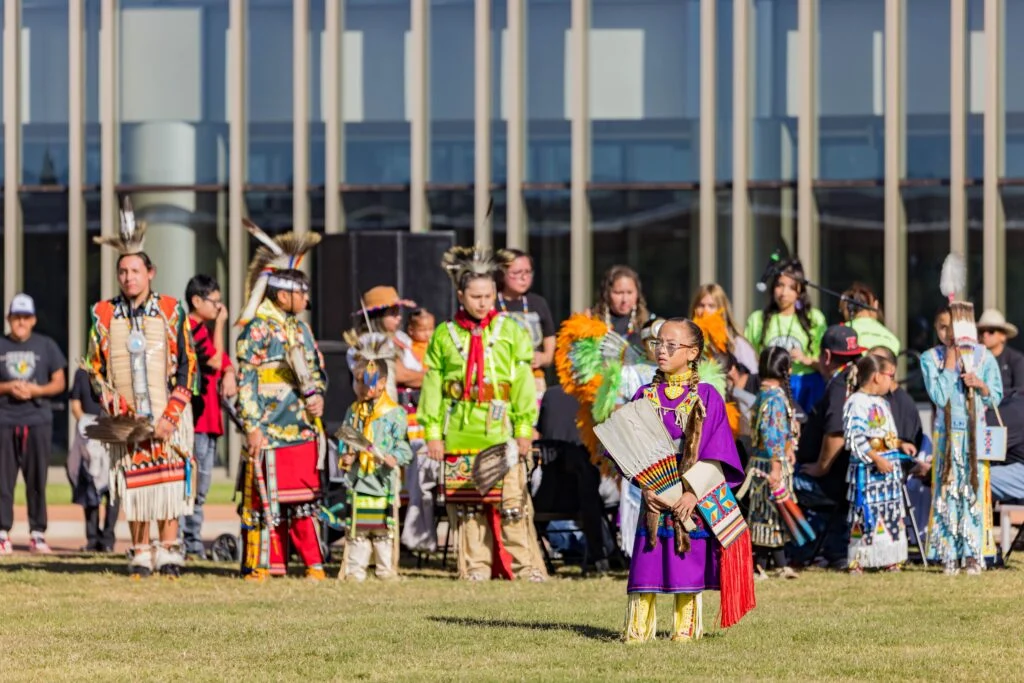
Beyond specific religious feast days, November is officially recognized as Native American Heritage Month. This federally designated month celebrates the profound contributions, rich cultures, diverse traditions, and complex histories of Indigenous peoples to the United States, providing an opportunity for education and broader cultural appreciation nationwide.
The momentum of cultural and spiritual observance carries strongly into December 2026. The month begins on December 6 with St. Nicholas Day, a Christian holiday that commemorates Saint Nicholas, historically revered as the patron saint of children and the historical figure who inspired modern holiday gift-giving traditions.
December 8 marks multiple significant observances across different religious traditions. In Buddhism, practitioners observe Bodhi Day, which commemorates the historic day that Gautama Buddha attained enlightenment, known as bodhi in Sanskrit and Pali. Bodhi Day is typically observed in a quiet, contemplative manner, often involving meditation, chanting practices, the decoration of bodhi trees with colorful lights or ornaments, and sharing simple cups of tea and cookies. Simultaneously, Roman Catholics observe the Feast of the Immaculate Conception, celebrating the theological doctrine that the Virgin Mary was conceived without original sin.
Just a few days later, on December 12, communities observe the Feast Day of Our Lady of Guadalupe. This important holiday commemorates the miraculous appearance of the Virgin Mary to St. Juan Diego, an Indigenous man in Mexico in 1531. The feast day holds deep significance in Mexico and among Mexican Americans, serving as a powerful expression of religious devotion and cultural identity.
Mid-December also brings the festival of Hanukkah, or Chanukah, which runs from December 5 to 12, with celebrations beginning at sundown on December 4. This eight-day Jewish festival of lights features the ritualistic lighting of a candle on the Menorah each evening, the giving of gifts, traditional games played with a dreidel, and the culinary preparation of foods fried in oil, most notably the traditional latke potato pancake.
Running from December 16 to 24 is Las Posadas, a traditional religious festival translating to "The Inns" in Spanish. Celebrated widely throughout Mexico and in various communities across the United States during the Christmas season, Las Posadas dramatically commemorates the difficult journey Joseph and Mary made from Nazareth to Bethlehem prior to the birth of Jesus. Each evening of the festival, children, often led by a child dressed as an angel, participate in a candlelit procession through neighborhood streets, reenacting the search for shelter.
As the winter solstice arrives on December 21, Pagan and Wiccan communities celebrate Yule. This ancient holiday honors the turning of the year and the return of the sun, characterized by common themes of light, fire, feasting, and community gathering.
Christmas follows closely on December 25, standing as one of the most widely recognized Christian holidays commemorating the birth of Jesus Christ. The sequence of holiday observances continues on December 26 with St. Stephen’s Feast Day, honoring the life, ministry, and ultimate martyrdom of St. Stephen, recognized as the first Christian martyr known for his dedicated service to the poor.
Finally, the year concludes with Kwanzaa, an annual celebration of African American culture observed from December 26 through January 1. Established to honor African heritage and community bonds, Kwanzaa traditions often incorporate elements from various traditional African harvest celebrations. The week-long holiday features storytelling, music, traditional dances, and culminates in a communal feast known as Karamu, usually held on the sixth day of the celebration.
Interfaith America continues to seek contributions that present a wide range of experiences and perspectives from a diverse set of worldviews, exploring both the opportunities and the ongoing challenges of American pluralism. The perspectives and details presented in this overview reflect the varied ways communities mark the closing months of the calendar year, though the opinions expressed within individual traditions do not necessarily reflect those of Interfaith America, its board of directors, or its employees.
