For nearly eight years, a simple terracotta dish garden sat as a sacred focal point on the patio potting bench of Alix Wright’s home in California’s Inland Empire. Created shortly after the October 2018 death of her 22-year-old daughter, Mia—who lost her life to addiction and the trauma surrounding a failed adoption reunion—the arrangement was more than just a collection of succulents. It was a living tribute.
The garden had been built using succulents from an arrangement sent by a relative for Mia’s memorial service. To make it a proper memorial, Wright had carefully chosen a set of miniature accessories: a gray bench inscribed with the words In Loving Memory, a beautiful angel, an angel dog, an angel cat, and a miniature horse representing Mia’s favorite animal. A winding river of tiny blue glass pieces balanced the gray decorations, shimmering against the gray-green tones of the living plants. Over the years, as individual succulents died or outgrew their space, Wright replaced them with new varieties, including a Bishop’s Mitre and a rosebud-shaped succulent. The terracotta bowl aged into a darker, richer shade, and the memorial stood resiliently through time.
Until an afternoon in April 2026.
While moving the dish garden to a sunnier spot on a small table on the patio, Wright accidentally bumped the furniture. The memorial fell to the concrete, shattering into multiple pieces. Plants, accessories, and potting soil were strewn across the patio and yard.
In that moment, the physical destruction of the pot carried a heavier emotional weight. To Wright, the accident felt symbolic of a deeper failure. It evoked painful echoes of her daughter’s short life and her family’s agonizing, ineffectual efforts to keep Mia from falling apart. The sudden disaster also brought a phantom wave of disapproval from Wright’s late husband, Oliver, whose memory cast a sharp shadow over the accident.
Desperate to erase the mistake without leaving a trace, Wright rushed to a local garden store to find a replacement terracotta dish. However, the new pot lacked the character, history, and emotional investment of the original. Standing unsatisfied with a pristine, store-bought container, Wright cast about for another solution, eventually turning to an ancient Japanese art form she had encountered nearly a year prior in a bereavement support group.
The art is known as kintsugi, the traditional Japanese practice of repairing broken pottery with a lacquer dusted or mixed with powdered precious metals, most commonly gold. During her bereavement group meeting, a facilitator had brought a kintsugi kit containing epoxy, silver, and gold dust, alongside broken mugs for the participants to practice with. While the instruction manuals depicted museum-quality masterpieces, the group’s initial attempts—including Wright’s—resulted in gloppy, messy tangles of mangled, gold-covered epoxy. Yet, the consensus among the grieving parents was profound: life itself is messy, and human creations do not need to be flawless to hold deep meaning.
Determined to restore Mia’s garden using kintsugi, Wright faced a significant hurdle: a self-admitted lack of artistic ability. Past attempts at ceramics had yielded misshapen figurines derisively dubbed "Kiln Gods" by an instructor, and a basic drawing class had left her producing only abstract geometric patterns. Yet, driven by the same determination that kept her moving forward through grief, she embarked on the project. Listening to the audiobook version of Ozzy Osbourne’s Last Rites for company, Wright began the painstaking process of piecing the container back together.
What followed was a painstaking, month-long labor of trial and error that transformed the pottery repair into a metaphor for her daughter’s life and the collective attempts of those who loved her. The initial results were far from smooth. The gold from the kit looked dull and brassy against the deep orange-red terracotta. The side pieces refused to align neatly, leaving thick seams resembling hasty surgical sutures, and the two large halves stubbornly refused to meet properly at the bottom.
True to the spirit of creative problem-solving, Wright adapted. She used an epoxy-sculpting clay to bridge gaps that couldn’t be glued, reinforced the shattered bottom with copper wire—drilling holes into the terracotta halves after studying a YouTube tutorial—and painted over the dull brass seams with a brilliantly bright, almost garish gold paint. When freehand painting gravestone symbols proved too difficult for her skill level, she substituted stencils.
By the time the container was fully reconstructed nearly a month later, Wright had recovered far more than a garden container. She had reclaimed her self-respect, discovering unexpected persistence, ingenuity, and artistic capability along the way. More importantly, she learned to extend to herself the same grace she so easily offered to others.
Oliver, she noted, would have been proud, and Mia would have approved. The reconstructed garden now rests securely on the patio in a safer location, its repaired structure and imperfect beauty reflecting the true, complex reality of her daughter’s memory far better than the original, unbroken pot ever could. While a brand-new terracotta dish sits forgotten in the back seat of her car for a future project, Wright remains focused on the present moment, embracing a hard-earned harmony of imperfect beauty and perfect grace.
Today marks a special occasion for literary enthusiasts and families alike as one of contemporary children’s literature’s most celebrated voices makes a triumphant return to the show. Having previously visited both the main program and RAR Premium on multiple occasions over the years, this recurring guest is always met with immense enthusiasm from listeners who cherish her profound contributions to storytelling.
Listeners and readers across the globe instantly recognize her as the creative force behind some of the most beloved and widely read books in modern children’s literature. Her extensive bibliography includes the charming and delightfully humorous Mercy Watson series, the Newbery Medal-winning masterpiece The Tale of Despereaux, and the deeply moving modern classic Because of Winn-Dixie. Now, the acclaimed author Kate DiCamillo is back in the spotlight to share exciting literary news and discuss her craft with devoted fans.
The primary focus of this highly anticipated return is the release of a brand-new, exceptionally gorgeous collector’s item: the 20th anniversary edition of The Miraculous Journey of Edward Tulane. For bibliophiles and collectors who harbor a weakness for beautifully crafted special editions, this new release promises to be an absolute treasure. It is the type of volume destined to secure a permanent place on family "keepers shelves" for generations to come, appealing just as much to adult collectors as it does to young readers experiencing the porcelain rabbit’s poignant journey for the very first time.
During the engaging and deeply reflective conversation, DiCamillo opens up about her artistic philosophy, discussing what it truly means to write in service of the story rather than tailoring one’s work merely to please outside audiences or critics. This commitment to artistic integrity has defined her illustrious career, allowing her to craft emotionally resonant narratives that speak directly to the hearts of readers young and old. Furthermore, the discussion delves into the fascinating real-life gift and personal experiences that originally inspired the creation of The Miraculous Journey of Edward Tulane, offering listeners a rare and intimate glimpse into the creative genesis of one of the 21st century’s most enduring literary fables.
The conversation serves as a masterclass in imaginative writing, emotional depth, and the enduring power of narrative art. As DiCamillo reflects on her decades-long journey as an author, she emphasizes the vital importance of staying true to the internal logic of a narrative. When a writer focuses entirely on honoring the emotional truth of the characters and the plot, the resulting work possesses a timeless quality that resonates across different demographics and eras. This philosophy explains why books like The Miraculous Journey of Edward Tulane continue to captivate audiences two decades after their initial publication.
The discussion also illuminates the surprising and poignant origins of Edward Tulane’s story. Far from being a calculated commercial endeavor, the book was sparked by a tangible, real-life object—a physical gift that stirred the author’s imagination and prompted her to explore themes of love, loss, redemption, and the capacity of the human (or porcelain) heart to open up to others. By exploring the backstory of how a haughty, well-dressed toy rabbit came to undergo a transformative odyssey across land and sea, DiCamillo reminds her audience of the mysterious and often unpredictable ways that inspiration strikes working artists.
Throughout the episode, the dialogue flows naturally between discussions of craft, the emotional weight of memory, and the physical beauty of the newly minted anniversary edition. For longtime fans of DiCamillo’s work, as well as newcomers discovering her bibliography through contemporary classroom reading lists or family storytimes, this conversation offers a profound appreciation for the dedication required to produce enduring literature. The 20th anniversary edition of The Miraculous Journey of Edward Tulane stands as a testament to the lasting impact of a story that teaches us how to love, how to lose love, and how to find our hearts once again.
There is a singular, profound moment during the process of childbirth that Kara, a midwife and Continuing Education Manager at Spinning Babies®, says never loses its intensity, no matter how many times she witnesses it. “Just before a newborn’s first cry, everyone in the room seems to hold their breath,” she reflects. After years of navigating the high-stakes environments of nursing and midwifery, she continues to feel the weight and the sanctity of that transition. It is this unique intersection of clinical precision and deeply human connection that leads her to describe the profession of midwifery as “the perfect mix of science and art.”
Midwives have served as the bedrock of family support through pregnancy and birth for generations, offering a blend of clinical expertise and communal care. Yet, in the contemporary healthcare landscape, the practice of midwifery is increasingly diverse, shaped heavily by geography, institutional policies, and cultural history. By examining the experiences of three distinct practitioners—Venus, a hospital-based nurse-midwife in the United States; Kara, whose career spans the United States and the Netherlands; and Claire, a homebirth midwife based in New Zealand with a teaching footprint across Europe—we can better understand how this ancient profession is evolving, the systemic challenges it faces, and the ways midwives are actively shaping the future of maternity care.
Midwifery’s Roots: Skilled Care Across Generations
The history of midwifery predates modern medical infrastructure by thousands of years. Long before the advent of hospitals, formal university-based medical education, or state-sanctioned licensing, birth knowledge was an oral and practical tradition passed down through families, communities, and rigorous hands-on observation. Traditional and Indigenous midwives were the primary architects of maternity care, developing practices that were deeply attuned to the specific needs, cultural beliefs, and environmental realities of their communities.
The International Confederation of Midwives (ICM) emphasizes this vast heritage, recognizing traditions that have persisted for millennia across Africa, Asia, Europe, and Indigenous communities worldwide. However, as the medical model of care expanded during the 19th and 20th centuries, the status of the midwife underwent a radical transformation. In some regions, midwifery was successfully integrated into formal healthcare systems, gaining professional autonomy and standardized education. In others, midwives faced severe professional marginalization, legal restrictions, or outright exclusion from hospital settings, leading to the displacement of community-based birth practices.
In the United States, this history is inextricably linked to the legacy of Black midwives. Venus highlights the critical role played by community matriarchs—often referred to as “granny” midwives—who provided essential care in regions where segregation and systemic discrimination barred families from hospital access. The contributions of these women, particularly in the rural South, are now being formally recognized and documented by institutions like the Smithsonian National Museum of African American History and Culture. They were the frontline providers of their time, ensuring that maternal and infant health was prioritized despite a lack of institutional support.
Today, while modern education and rigorous professional standards define the current landscape, it is a mistake to view the history of the profession as a linear progression from "primitive" to "advanced." The question of whose expertise is deemed valid remains a flashpoint. At the ICM’s June 2026 Congress in Lisbon, tensions surfaced when Indigenous midwives and their advocates protested a decision to suspend a position statement regarding partnerships between Indigenous and non-Indigenous practitioners. The controversy underscored a fundamental conflict: how do global organizations balance formal, state-recognized credentials with the ancestral, lived expertise of traditional practitioners? The ICM has committed to reviewing this position, with a revised statement expected in 2027, acknowledging that for many, the issue is not merely about professional titles, but about the preservation of knowledge and the respect due to communities that have carried birth traditions through centuries of change.
What Does It Mean to Be a Midwife Today?
To ask three different midwives to describe a "typical" workday is to receive three vastly different narratives. Venus, practicing as a nurse-midwife within a hospital in North Carolina, operates in a world of clinical appointments and high-acuity overnight shifts. Her autonomy is negotiated within the complex layers of hospital administration and state regulations. Conversely, Claire’s practice in New Zealand operates on a continuity-of-care model, where she may walk alongside a family from the earliest weeks of pregnancy, through labor and birth, and well into the postpartum period.
Kara, having trained in the U.S. and practiced in the Netherlands, notes the stark contrast in public perception. In the Netherlands, midwifery is the default, primary mode of care for uncomplicated pregnancies, with obstetricians brought in only when medical necessity dictates. In the U.S., however, Kara often finds herself acting as an educator, explaining to patients and colleagues alike that midwives are qualified to attend hospital births, work in collaborative teams with physicians, and manage medical interventions.
Despite these disparate settings, the core definition of the midwife—as provided by the ICM—remains consistent: a responsible, accountable professional who provides comprehensive care throughout pregnancy, labor, birth, and the postpartum period, including newborn care and the identification of complications. For families, this implies that choosing midwifery is not a singular choice to "avoid" hospitals or medicine. Instead, it is a choice to work with a practitioner whose primary focus is the holistic support of the family throughout the entire childbearing journey, regardless of the physical location of the birth.
Beyond Birth: Caring for the Whole Person
For the modern midwife, the responsibilities extend far beyond the physiological safety of the baby. Venus is a vocal proponent of redefining what constitutes a "successful" birth. She argues that the standard metric of a healthy parent and a healthy infant is insufficient if the patient felt disempowered or invisible during the process. Families, she asserts, deserve to be heard and respected.
This philosophy manifests in a simple but profound question Venus poses to her peers: “Who’s holding the mom?” Too often, the medical spotlight shifts immediately to the newborn, leaving the person who just gave birth to navigate the physical and emotional recovery in the shadows. Midwifery care, at its best, holds space for both, acknowledging that birth is a transformative event for the entire family unit.
This focus on the "whole person" is what drew Kara to the field, and it is what Claire observes in her own practice in New Zealand. Claire’s work often involves the entire extended family; she recalls prenatal visits where siblings, partners, and grandparents participate, turning the appointment into an opportunity for collective learning. These moments reinforce the reality that pregnancy and birth do not happen in a vacuum—they are events woven into the fabric of a person’s life, relationships, and circumstances.
The Challenges Behind the Calling
The profession is not without its heavy burdens. Long shifts, emotional exhaustion, and the pressure of navigating rigid healthcare systems can make the work difficult to sustain. Venus points out that professional recognition is a persistent hurdle. Even as her state recently expanded the scope of practice for certified nurse-midwives, she acknowledges that many colleagues still labor under outdated supervision requirements.
Furthermore, systemic bias remains a reality. Venus recalls a defining moment in nursing school when a Black professor, holding a PhD, told her she would need to be “twice as good to be considered half as good” as her white peers. It was a stark lesson on the double burden that Black professionals often carry—the necessity of over-performing just to have their competence recognized. For Venus, this highlights that the future of midwifery is not just a clinical issue; it is a matter of equity and professional respect.
Kara, meanwhile, notes that a lack of public understanding regarding what midwives actually do can create barriers for aspiring professionals. When the path is not clear or the role is misrepresented, the pipeline of new midwives suffers. Claire, observing the global landscape, notes that even the most dedicated birth professionals—doulas, nurses, and doctors alike—often find themselves in environments that prioritize speed and intervention over the attentive, individualized care they strive to provide.
Protecting Physiology Through Knowledge and Collaboration
A recurring theme among these midwives is the importance of physiological birth. Supporting this process requires deep clinical judgment: knowing when to intervene and, just as importantly, knowing when to step back. As Claire asks, “When do I need to step in and when do I need to step away?”
This is where the Spinning Babies® approach finds its utility. By emphasizing anatomy, body balance, and fetal positioning, it provides midwives with a common language. Kara explains that when labor stalls, her first instinct is no longer to reach for a medical intervention, but to ask, “Where is baby?” This shift in focus encourages the use of movement and positioning to facilitate birth. This is not an "all-or-nothing" philosophy; these techniques can be used alongside medical interventions like epidurals or induction when those measures are deemed necessary.
Venus, who teaches these workshops, views this as an exercise in shared learning. By encouraging nurses and doctors to reconsider the mechanics of birth, midwives are fostering a more collaborative, evidence-informed environment. It is about equipping the entire birth team with a deeper understanding of the body, ultimately leading to more thoughtful care.
The Future of Midwifery Is Already Taking Shape
The future of the profession is being actively built by midwives like Venus, Kara, and Claire. The World Health Organization has long advocated for a shift toward midwifery-led models of care, citing better outcomes and increased satisfaction for families. Venus hopes for a future defined by mutual respect and systemic equity; Kara looks toward a future where access to midwifery care is expanded and the barriers to entry are dismantled; and Claire remains committed to the simple, radical act of being fully present for the person in her care.
Whether they are in a bustling hospital, a small birth center, or a family home, the core of the midwife’s mission remains unchanged. Through continuing education, advocacy, and an unwavering commitment to the families they serve, midwives continue to influence the trajectory of global maternity care, ensuring that the art and science of birth remain in expert, compassionate hands.
As the 2026 midterm elections draw closer, civil society and faith-based leaders across the United States are stepping up their efforts to protect free and fair elections. Grounded in a shared commitment to fostering trust, respecting diverse viewpoints, and cooperating across deep community differences, these organizations are addressing the unique anxieties of an increasingly polarized political landscape. Ahead of the legislative and congressional matchups, Interfaith America connected with three leaders participating in the Vote is Sacred (VIS) fellowship. These fellows shared insights into the distinct challenges facing their regions, outlined how they are working to safeguard democracy at both the state and local levels, and offered advice on how people of faith can meaningfully support their communities during a high-stakes electoral season.
Meeting the Challenges of the Midterm Season
This election cycle, Americans are grappling with widespread uncertainty and fear. While the specific concerns surrounding the ballot box look different from one community to the next, an essential component of building pluralism and restoring trust—both in the integrity of the electoral process and in fellow citizens—is the willingness to acknowledge these challenges openly rather than sweeping them under the rug.
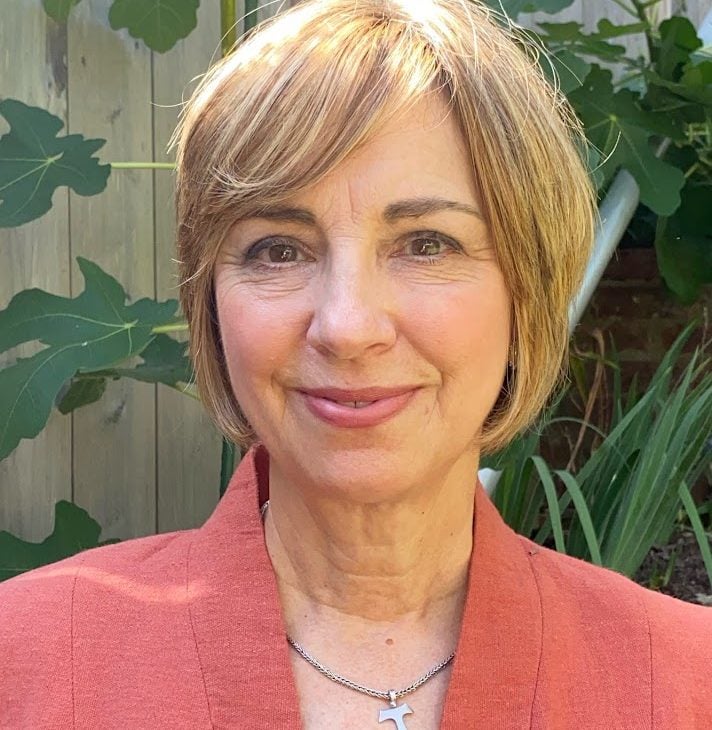
Michele Dunne, Executive Director at the Franciscan Action Network, is quick to point out that the issues dominating this midterm season range from alarming threats of electoral sabotage to systemic voter suppression, all of which manifest differently at the local level. Ensuring that the electorate has access to accurate information is a primary obstacle. One thing that will be a concern everywhere, she notes, is getting proper information and getting correct information to the voters who need it most.
For Jane Andersen, the Arizona Director at Mormon Women for Ethical Government (MWEG), voter apathy presents an equally formidable barrier to civic health. Everyday voters are increasingly overwhelmed by the sheer volume of news and quasi-news that bombards them daily through digital media channels, traditional outlets, and social networks. Consequently, people are becoming less and less willing to buck the trend of what modern politics looks like and dive into the hard work of civic participation. That phenomenon worries her the most, she explains, because as individual citizens, people really do hold an immense amount of foundational power.
Compounding these structural and informational hurdles is a growing fear surrounding the very act of engaging with the democratic process in certain vulnerable populations. Dunne highlights anxieties about the potential presence of law enforcement or federal immigration officials, such as Immigration and Customs Enforcement (ICE), deployed in communities and stationed near polling places on election day, and how such a presence could create a severe intimidating effect on immigrant communities and minority voters.
Ria Chakrabarty, Senior Policy Director at Hindus for Human Rights (HfHR), identifies escalating hate directed toward South Asian communities, rising Islamophobia, and persistent anti-immigrant sentiment as significant and dangerous issues defining this midterm season. This hostile climate makes people genuinely afraid to even want to participate in democracy, she observes, referencing recent political vitriol targeting South Asian Americans as well as hateful rhetoric aimed at Haitian immigrants. Under those circumstances, individuals often default to a survival instinct, wanting to keep their heads down and avoid engaging with anything controversial. That retreat from civic life creates a profound problem for the health of the republic.
Different Communities, Shared Democratic Commitments
In response to the myriad challenges facing modern democracy, VIS fellows remain steadfastly committed to mobilizing their respective communities in support of free and fair elections. Just as local neighborhoods and diverse constituencies face a wide variety of obstacles, the practical approaches to election protection and civic engagement differ significantly from one organization to another.
Mormon Women for Ethical Government embraces a diverse group in terms of its composition, reflecting a broad range of viewpoints even across the political spectrum. Participating in the fellowship has proven encouraging for Andersen, who notes the creativity other leaders use to reach their respective audiences. For MWEG, this work translates directly into demystifying the electoral process for its constituency. Months leading up to the midterms have focused on familiarizing women with the mechanics of running an election. These efforts are illuminated by scheduled visits with elected officials, shared media literacy content designed to combat misinformation, hosted educational trips to the Maricopa County Tabulation Office and Election Center, and specialized voter preparation parties.
Meanwhile, the Franciscan Action Network remains firmly dedicated to the nonpartisan work of upholding a free and fair election process. This mission includes the careful recruitment and training of poll chaplains—individuals organized in teams with other people of faith who station themselves outside polling places. These chaplains assist voters in any practical way they might need, helping to create a peaceful and positive atmosphere while actively working to de-escalate potential conflicts before they disrupt voting sites.
At Hindus for Human Rights, election protection takes the form of identifying and tracking how domestic threats to democracy and international authoritarianism are linked. The organization strives to create a reliable landing place for individuals whose deep commitment to democracy compels them to act, even when they face the persistent fear of retaliation or deportation. Chakrabarty underscores the importance of encouraging constituents to stay engaged far beyond election season as HfHR builds a new chapter and cultivates strong community ties in Georgia. After the elections conclude, constituents are equipped to continue talking about the issues they care about. Once the candidates they have elected take office, HfHR ensures that local officials in the Atlanta metro area continue hearing from the community consistently throughout the legislative term.
Advice for Showing Up as People of Faith
As communities navigate the complexities of the upcoming midterms, faith leaders emphasize the necessity of rooting civic action in deep spiritual principles. It is important for each organization or faith tradition to spend a little time discerning the spiritual grounding they are bringing to this critical work, Dunne notes. For the Franciscans, operating as a completely nonpartisan organization is guided by a foundational commitment to nonviolence and to democracy as the primary system available in the United States for resolving political differences peacefully.
Drawing on her membership in the Church of Jesus Christ of Latter-Day Saints, Andersen invokes a call from LDS President Dallin H. Oaks urging believers to act as agents of peacemaking in modern culture. This religious imperative serves as a vital motivation for her civic engagement with MWEG. Empowering people to recognize that, as people of faith, core moral principles guide how they create specific societal impacts is what separates them from individuals who are solely politically motivated. Approaching politics from a viewpoint of faith provides a fresh and badly needed perspective in polarized times, she adds.
For Chakrabarty, the essential first step to effective democracy work—particularly when attempting to welcome individuals who are hesitant to make their voices heard—involves simply showing up, listening carefully to people, and providing them with the concrete tools they can use to feel back in control of their civic lives. Providing accessible materials and resources for practical ways to get involved helps empower everyday constituents to take meaningful action. Democracies are just as strong as the people who are involved in them, she notes.
Looking ahead toward the 2026 midterms, Dunne maintains a sense of enduring hope. People are stepping forward, she observes, expressing a profound belief in the necessity of a peaceful and properly functioning democracy in the country. They want to be present, and they want to play a constructive role in shaping the future of the nation.
A growing body of large-scale, international research is fundamentally shifting how educational experts view effective instruction, affirming that experiential learning is the optimal way for students to acquire knowledge across all ages and subject areas. Defined broadly as an educational approach in which true understanding grows organically from lived experience, experiential learning moves away from passive listening and toward active engagement. Mastering fractions through the practical mechanics of baking, discovering physics by carefully observing the properties of light, exploring history through dramatic reenactment, or understanding biology through direct, outdoor observation are all classic examples of this hands-on paradigm in action.
When contemporary educational systems invite students into an active relationship with their daily work, learning ceases to be an abstract chore and instead becomes a natural extension of typical child development. Younger children learn primarily and most effectively through play, physical movement, storytelling, rich sensory experiences, and art. Meanwhile, as students transition into adolescence, their cognitive capacities deepen, allowing their education to expand through structured reflection, academic discourse, and meaningful experiences embedded within the broader community.
This comprehensive endorsement of hands-on methods is backed by decades of data. What follows is a detailed exploration of modern experiential learning research and the specific methodologies that most consistently support deep cognitive understanding, sustained student engagement, and lasting academic success.
Research Analysis
The empirical backing for hands-on education is anchored by extensive data compiled over the last thirty years. Two major umbrella meta-analyses, encompassing dozens of individual studies, clearly demonstrate the superior efficacy of experiential learning across a wide spectrum of academic subjects and diverse grade levels.
A landmark study published in 2023 evaluated traditional teaching models against project-based, inquiry-driven learning frameworks. The findings revealed that students exposed to experiential frameworks experienced significant improvements in core learning outcomes. These enhancements extended beyond simple test scores to encompass broader cognitive metrics, including higher academic achievement, the development of a growth mindset, and sharpened critical thinking skills.
Building directly upon those findings, a deeper-dive meta-analysis published in 2025 sought to deconstruct which specific subsets of experiential learning yielded the most pronounced positive outcomes. The researchers concluded that "fully embodied learning"—defined as educational activities that actively engage a student’s entire body and full suite of senses—exercised the single greatest positive effect on overall student success. Whether children were manipulating physical objects or moving through space to grasp an abstract concept, the physical anchoring of the lesson proved transformative.
Learning Across the Curriculum: Nature’s Role
It comes as little surprise that one of the most thoroughly documented and widely praised experiential learning methods involves taking the classroom outside the traditional four walls. A comprehensive systematic review spanning twenty years of research into nature-specific outdoor learning highlights the profound emotional, academic, and general wellbeing benefits associated with outdoor education.
The authors of this extensive review analyzed the results of various nature-based outdoor learning initiatives, which ranged from single curricular lessons held in schoolyards to dedicated fieldwork and multi-day residential programs conducted in rugged natural settings. The data consistently showed that sustained periods of time spent in nature—coupled with hands-on activities, peer collaboration, and guided reflection—were directly associated with overwhelmingly positive academic performance, heightened student engagement, and improved emotional health.
Deepening Language Comprehension: Movement and the Senses
The cognitive advantages of physical and sensory engagement extend deeply into language arts and literacy education. The authors of a study published in ScienceDirect reviewed three decades of research specifically examining embodied learning in language acquisition. They investigated how physical and sensory engagement supports the complex processes of learning a language, comprehending complex texts, and forming personal connections with the material.
The researchers discovered that whole-body, sensory-rich, experiential approaches consistently increased student participation. Furthermore, these methods allowed for deeper cognitive processing and reading comprehension across all grade levels. In particular, the data showed that physical gestures and purposeful physical activity were frequently linked to significantly improved vocabulary acquisition and a much deeper, more authentic engagement with everyday language tasks.
Arts-based activities—including drama, music, and the visual arts—contributed heavily not only to traditional language learning outcomes but also to noticeable emotional and motivational gains for the learners. Drama and role-play, in particular, created authentic, meaningful language-learning environments. By placing vocabulary and grammar within a narrative context, these methods successfully supported students’ practical language use in real-world scenarios.
Mastering Mathematics: Collaboration and Manipulatives
Mathematics education has traditionally relied heavily on abstract symbols and rote memorization, but recent data suggests that a hands-on approach yields far superior cognitive results. A meta-analysis focusing specifically on primary school mathematics learning outcomes determined that project-based learning vastly improved students’ collaborative abilities, problem-solving capacities, and critical thinking skills.
The strategy that proved most effective in this mathematical context was sustained, collaborative project work. In these settings, students engaged in multi-week projects where they worked collectively to explore, troubleshoot, and solve meaningful real-world problems using mathematical principles. By working through challenges in this collaborative fashion, students actively advanced their interpersonal skills. They learned how to promote one another’s viewpoints, speak out when necessary, listen attentively to divergent perspectives, and participate thoughtfully in complex mathematical discussions.
In tandem with collaborative projects, the use of physical manipulatives emerged as a universally beneficial experiential approach across all grade levels, extending all the way up to college-level instruction. However, the data highlighted that careful pedagogical guidance was the key to success in this realm. Students benefited most when manipulatives were explicitly and intentionally integrated into the core instruction, with teachers acting as facilitators by scaffolding the connection between the concrete physical tools and the underlying abstract mathematical concepts. Utilizing manipulatives ensured that students retained concepts over the long term, far outperforming peers who learned mathematics strictly through abstract symbols alone.
Strengthening Science: Inquiry and Project Learning
In the realm of science education, comparing traditional instructional approaches with modern inquiry-based methods reveals a stark contrast in student outcomes. A rigorous meta-analysis comparing inquiry-based models against conventional educational approaches demonstrated that inquiry-driven methods have a significantly large and positive impact on the development of students’ higher-order thinking skills.
Upon breaking down the data, the study’s authors compared various forms of inquiry and determined that guided inquiry, research-based inquiry, and argument-driven inquiry produced the largest positive effects. These frameworks were especially potent when students were required to actively investigate complex questions, rigorously analyze physical evidence, and independently justify their scientific conclusions based on data.
Furthermore, inquiry approaches that were deeply embedded in authentic, real-world problems yielded exceptionally strong outcomes. These real-world stakes naturally demanded deeper reasoning, careful self-reflection, and collaborative consideration of multiple viewpoints, ultimately driving a more profound application of scientific knowledge.
Lived Experiences: Learning in Waldorf Education
Viewed as a unified body of evidence, this extensive collection of modern educational research strongly affirms what alternative educational models, such as Waldorf education, have maintained at their core for generations: learning unfolds most fully when children encounter the world—both indoors and outdoors—through rich sensory experiences, hands-on, purposeful projects, and inquiry-based problem-solving.
In an era defined by an increasingly abstract and digital landscape, experiential education offers something that is simultaneously timeless and essential. It provides a form of learning that engages the entire child, fostering an understanding of the world that is lasting, deeply human, and vibrantly alive. Ultimately, true experiential learning invites students into a profound process of transformation, shaping both their sense of self and their comprehension of the world around them.
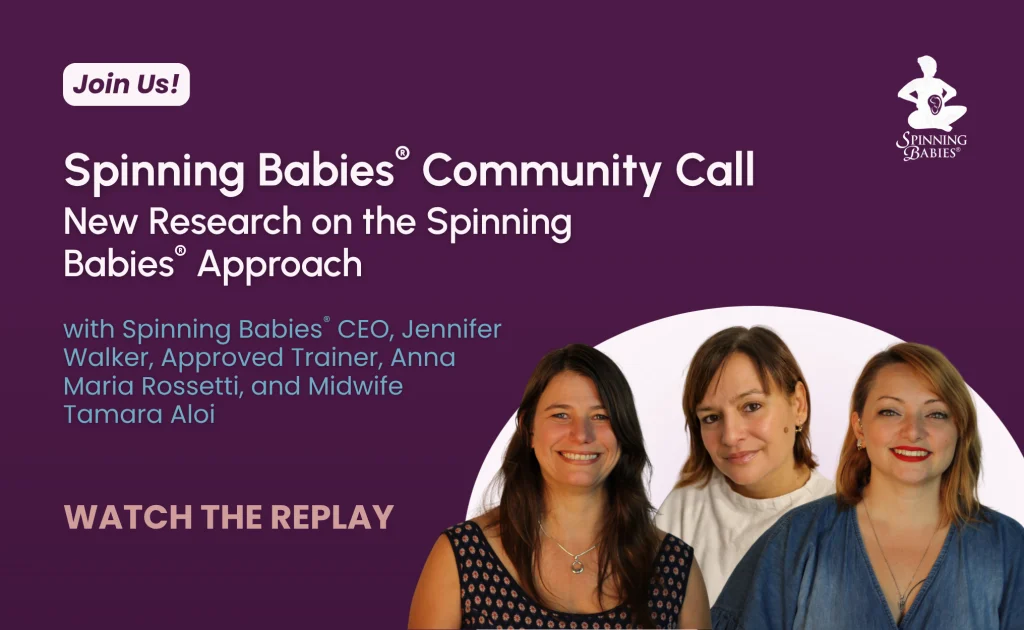
On November 5, 2025, the global birth community marked a significant milestone as Spinning Babies® hosted a virtual assembly that bridged the gap between intuitive clinical practice and empirical academic research. The event, held via Zoom, featured CEO Jennifer Walker, Approved Trainer Anna Maria Rossetti, and midwife Tamara Aloi. The primary focus of the gathering was a landmark article recently published in the European Journal of Midwifery, representing one of the first formal, peer-reviewed studies to specifically examine the efficacy of the Spinning Babies® framework in facilitating fetal rotation during labor.
For many birth professionals—including obstetricians, midwives, doulas, and childbirth educators—the study serves as a long-awaited bridge. It provides a formal, scientific language to describe the patterns and successful outcomes that practitioners have observed for years while utilizing the "Balance Before Force" and "Pelvic Levels Solutions™" frameworks. The virtual call served not only as a presentation of the findings but as a communal recognition that the practical wisdom honed in birthing rooms worldwide is increasingly being mirrored in the halls of clinical research.
A Collaboration Rooted in Real-World Practice
The genesis of the study lies in the professional partnership and shared history between Anna Maria Rossetti and Tamara Aloi. Rossetti, an Approved Trainer for Spinning Babies® and a pivotal figure at the Scuola Elementale di Arte Ostetrica (SEAO) in Italy, has spent years advocating for midwifery-led education and the preservation of physiological birth. Her work has been instrumental in shifting the conversation around labor management in Italy, emphasizing that birth is a dynamic, physiological event rather than a purely clinical problem to be solved with intervention.
Rossetti and Aloi are longtime contemporaries who completed their midwifery training together. This foundational bond, rooted in a mutual commitment to physiological birth, defined their respective career paths. The research project emerged organically after Aloi attended one of Rossetti’s Spinning Babies® workshops. Inspired by the principles of the framework, Aloi began integrating these techniques into her clinical practice within a hospital setting. The immediate, observable positive impact on labor outcomes became the catalyst for a formal investigation. The study is a testament to the power of frontline practitioners identifying a clinical improvement and seeking to document it through rigorous research methods.
During the virtual community call, Jennifer Walker provided a broader vision for the organization and the significance of this development. Walker emphasized that the research aligns perfectly with a global movement toward prioritizing physiology over force. This paradigm shift acknowledges that the baby is an active participant in the birthing process, capable of navigating the pelvic canal if given the correct environmental and physical conditions. The sentiment expressed by the practitioners in attendance—many of whom flooded the chat with messages of validation—was clear: the findings resonated deeply with their own lived experiences. The collective reaction was one of "we see this, too," underscoring that the research serves to confirm the efficacy of techniques that have been utilized successfully at the bedside for a significant period.
What the Study Shows
The publication in the European Journal of Midwifery offers a rigorous examination of fetal rotation from occiput-posterior (OP) and occiput-transverse (OT) positions. Historically, these positions have been associated with prolonged labor and higher rates of clinical intervention. By applying the Spinning Babies® approach—which focuses on the mobility and balance of the maternal pelvis and soft tissues—the study found a statistically significant increase in rotation to the anterior position among those who received the intervention compared to control groups.
The importance of this finding cannot be overstated. By demonstrating that targeted, physiological techniques can influence fetal positioning during the labor process, the study provides a vital piece of evidence for those who advocate for non-invasive approaches to managing labor dystocia. The Pelvic Levels Solutions™ framework, which posits that a baby must pass through distinct levels of the pelvis to descend and rotate, forms the backbone of this methodology. The research suggests that when providers focus on balancing the maternal anatomy before applying physical force or medical intervention, the baby is better positioned to navigate the pelvis autonomously.
This research does not exist in a vacuum; it is part of a growing body of evidence supporting the idea that birth outcomes are deeply influenced by the preparation and movement of the birthing person. By documenting these successes, the study invites further academic inquiry into how physiological, body-based techniques can be integrated into standard maternity care protocols, potentially reducing the need for more invasive procedures.
Engaging with the Research and Community
The virtual call was designed to be accessible to a diverse, international audience. Recognizing the global nature of the birth professional community, Spinning Babies® has made the full recording of the event available to the public. To ensure that the information is accessible across language barriers, the recording is provided in Italian, the native language of the primary researchers, and features English captions. Furthermore, the organization has released a highlights reel specifically for English-speaking audiences to distill the key takeaways from the discussion.
For those who wish to watch the full proceedings, the recording is hosted on the organization’s official YouTube channel. Similarly, the English-language highlights are available for those seeking a more concise summary of the presentation. In an effort to make this research truly global, the organization has provided clear instructions on how viewers can utilize the built-in translation features on video platforms. By clicking on the settings icon on the video player, viewers can access the subtitles/CC menu, select the "Auto-translate" option, and choose their preferred language. This commitment to accessibility reflects the organization’s broader mission to democratize knowledge about physiological birth.
The conversation held on November 5 was more than just a review of a study; it was an acknowledgment of the evolving relationship between professional intuition and peer-reviewed science. As more birth professionals adopt these methods, the role of research becomes increasingly important in standardizing care and advocating for the physiological safety of birthing people worldwide.
The Spinning Babies® leadership expressed their profound gratitude to the community for their ongoing participation in this journey. Whether a practitioner is just beginning their career or is a seasoned expert in the field, their role in these conversations is critical. By sharing real-world experiences, reporting outcomes, and engaging with new research, birth professionals are contributing to a global dialogue that is fundamentally reshaping the future of maternity care. As the community continues to explore the intersections of physiology, movement, and birth, the focus remains firmly on supporting the innate capacity of the baby to navigate the pelvis and the power of the birthing person to lead the process. The organization remains dedicated to fostering these connections and ensuring that evidence-based, physiological care remains at the heart of the birth experience for families everywhere.
In an era defined by antibacterial wipes, hand sanitizers, and meticulously scrubbed living environments, a growing body of scientific inquiry is confronting a provocative question: Have we become too hygienic for our own good?
As modern societies grapple with a steady and concerning rise in childhood allergies, chronic skin conditions, asthma, and gastrointestinal disorders, researchers are increasingly examining the hidden consequences of an overly sanitized world. While modern hygiene has undeniably played a crucial role in eradicating dangerous pathogens and keeping harmful microbes at bay, experts suggest that our relentless pursuit of sterility may be coming at a heavy cost to our internal ecosystems. Specifically, this hyper-clean lifestyle is threatening the delicate balance of beneficial microorganisms that inhabit the human body, collectively known as the microbiome.
Microbiome research has rapidly emerged as a dynamic frontier in health science, offering profound insights into a hidden world of microbes that were once poorly understood. Scientists are uncovering mounting evidence that the microbiome is not merely a passive passenger within the human body, but rather a vital physiological regulator. This complex community of bacteria, fungi, and viruses plays an indispensable role in protecting children from chronic health conditions, bolstering mental health, and significantly reducing the risk of developing severe allergies. Yet, modern lifestyles are actively disrupting this delicate internal balance.
How is a Child’s Microbiome Established?
Understanding the vulnerability of this internal ecosystem requires looking closely at its origins. A child’s microbiome is primarily established during a critical window known as the first one thousand days of life. This foundational period means that the composition of a developing microbiome is heavily dependent upon the nature of a child’s birth, early breastfeeding experiences, and their nutritional and environmental journey through toddlerhood.
When these early developmental stages experience disruptions—such as the necessary administration of antibiotics to fight off infections—children frequently require additional, targeted support to help them cultivate a healthy and diverse microbiome. Without this intentional support, the long-term diversity of their gut flora can remain compromised, leaving them more susceptible to immune and metabolic challenges later in life.
This growing understanding has prompted health advocates and researchers to reevaluate everyday parenting practices and environmental exposures. Rather than shielding children from every speck of dirt, experts argue that a certain amount of environmental exposure is not only harmless, but biologically necessary.
Letting Children Get Dirty
Among the most discussed shifts in modern parenting philosophy is the reevaluation of mud and soil. Allowing children to play freely among dirt and outdoor elements is increasingly recognized as a powerful way to promote microbial diversity within the gut.
Scientific studies examining environmental exposures have found that the rich array of microbes naturally present in soil can actively help populate and diversify the human gut microbiome. Beyond merely serving as a vehicle for beneficial bacteria, contact with soil has also been linked to specific types of bacteria known to stimulate the serotonergic system. This interaction suggests that when children engage in outdoor play and get their hands dirty, their bodies can naturally release serotonin, widely recognized as the body’s natural mood-regulating hormone.
Nourishing the Internal Ecosystem with Probiotics and Prebiotics
Once a child’s microbiome has navigated the critical milestones of its first thousand days, maintaining its health and resilience requires ongoing nutritional support. Incorporating probiotic-rich and prebiotic foods into a child’s daily diet is essential for feeding and sustaining these beneficial microbial populations.
Dietary choices directly influence which bacterial strains thrive within the gut. Without a steady supply of nourishing fibers and fermented foods, the diverse communities of beneficial microbes struggle to maintain dominance over opportunistic strains that do not serve long-term health.
The Impact of Organic Diets on Developing Systems
In the broader context of nutritional health, the choice of agricultural practices also plays a vital role in protecting fragile internal systems. While the preference for organic food is often discussed in wellness circles, its relevance to microbiome health is particularly acute during childhood.
Non-organic produce is frequently treated with a battery of pesticides, fungicides, and herbicides—substances that are chemically engineered to kill living organisms, including bacteria. When ingested by young children, these chemical residues can inadvertently damage the delicate and still-developing microbiome. Furthermore, because children possess immature detoxification pathways, they struggle to rid their bodies of the heavy metals and toxins that can coat conventionally grown foods. For families navigating these choices, prioritizing organic produce or engaging in home gardening represents a practical defense for children’s internal health.
Navigating Sugar Consumption and Gut Balance
Another significant challenge in modern nutrition is managing children’s consumption of refined sugar. While children naturally gravitate toward sweet foods, navigating this preference can be a persistent source of frustration for parents.
The biological driver behind these intense cravings is often rooted directly in the gut microbiome. Sugars serve as the primary fuel source for the less desirable, pathogenic bacteria residing in the digestive tract. Consequently, the more sugar children consume, the more dominant these populations become, triggering a self-reinforcing cycle of escalating sugar cravings.
To help break this cycle, health advocates suggest introducing intentional sugar-free days and gradually substituting conventional sweets with nutrient-dense alternatives disguised as familiar treats. This incremental approach helps shift the balance of gut flora away from sugar-dependent strains, fostering a more harmonious internal environment.
Cultivating Health Through Gardening
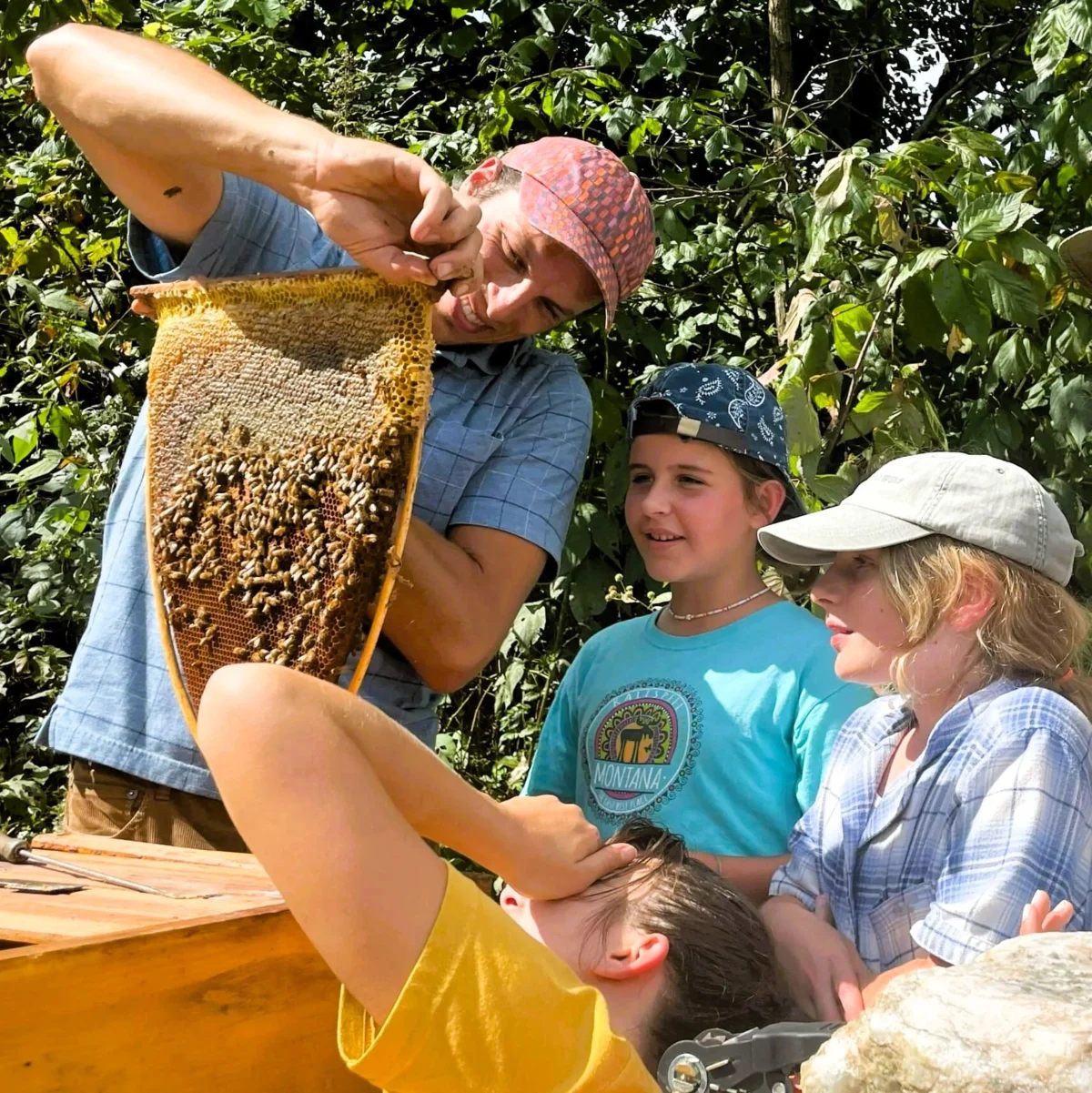
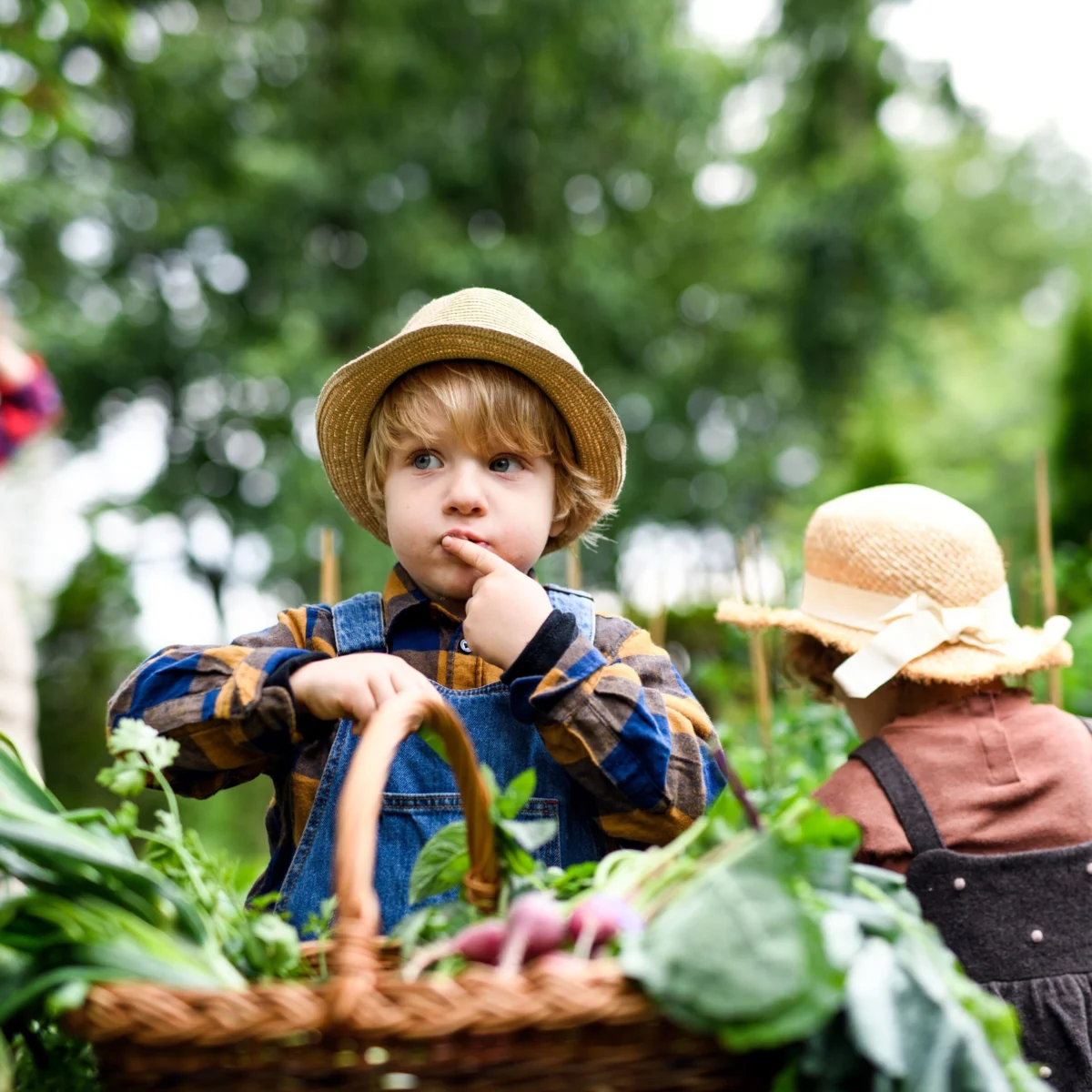
Engaging children in the process of growing their own food offers a dual benefit for both behavior and biology. It is widely observed that children who participate in cultivating greens are significantly more likely to consume vegetables and fruits.
These plant-based foods are indispensable for supplying the dietary fiber needed to feed beneficial gut bacteria. By connecting children directly to the source of their food, families not only encourage healthier nutritional habits but also naturally increase their exposure to the beneficial microbes found in garden soil and fresh produce.
Rethinking Everyday Cleanliness and Soap Selection
When it comes to personal hygiene, experts advise a more discerning approach to cleanliness. Rather than relying on harsh antibacterial soaps for everyday use—which should ideally be reserved for genuine hazards like handling contaminated materials—families are encouraged to choose ultra-gentle soaps that respect the skin’s natural barrier.
Children do not need to be rigorously scrubbed with soap during every bath or shower. Overzealous washing strips away the beneficial resident bacteria that naturally inhabit the skin, disrupting the body’s first line of defense against harmful pathogens.
When to Seek Professional Guidance
Despite best efforts at home, parents may occasionally notice persistent signs that a child’s microbiome is out of balance. Common indicators include recurrent colds, lingering infections, persistent skin conditions, chronic gut issues, or a history of repeated antibiotic use.
Because the underlying causes of microbiome disruption can vary widely from one individual to another, identifying the root issue requires a personalized approach. Families experiencing these persistent health challenges are advised to consult with qualified healthcare practitioners, such as naturopaths or clinical nutritionists, to determine the most effective strategies for supporting their child’s long-term health and microbial diversity.
The insights were originally compiled by Laila Helena for the Endeavour College of Natural Health, reflecting a broader scientific shift toward understanding the complex symbiotic relationship between humans and the microbial world.
Speaking into the lives of grandchildren through the timeless words of Scripture remains one of the most profound privileges afforded to older generations. Across dining room tables, during quiet moments after school, and throughout everyday family routines, grandparents are finding that sharing Bible verses is far more than an exercise in memorization—it is an active method of instilling faith, compassion, and enduring Christian values in the next generation.
For many, the journey of passing down these sacred texts begins with the simplest of truths. The earliest memories of Scripture often trace back to foundational verses taught in preschool circles and Sunday school classrooms, such as 1 John 4:8, which declares that "God is love." Generations of children have sat in circles reciting those words, absorbing the theological weight of a divine affection that defines the Christian faith. These early educational touchstones create a spiritual bedrock that individuals carry with them well into adulthood.
Why It Remains Vital to Read and Recite Scripture at Home
The practice of faith formation cannot be confined to weekend services or formal classroom settings. Families increasingly recognize the need to weave biblical literacy into the fabric of daily domestic life. This integration happens organically when grandparents repeat verses while sharing personal stories, discussing the historical context of a passage, or turning memorization into a lighthearted game around the dinner table. Over time, as children grow familiar with the material, the approach can shift from reading full verses aloud to simply providing a scriptural address and challenging young minds to recall the passage from memory.
This interactive approach yields surprising moments of connection across generations. During a recent evening meal, one grandfather asked his thirteen-year-old grandson to identify his favorite verse of Scripture. Without hesitation, the teenager named John 3:16, pointing to one of the most recognized pillars of Christian salvation. For generations, church leaders have encouraged congregations to personalize this verse, inviting believers to substitute their own names into the text—replacing "the world" and "whoever" with their personal identities—to fully grasp the personal nature of divine sacrifice and the promise of eternal life.
Connecting Personal History and Biblical Guidance
Passing down family heritage through the lens of Scripture also offers a unique avenue for grandparents to share their own life experiences. Passages like Philippians 4:13—"I can do all things through him who strengthens me"—have long served as anchors during times of personal uncertainty, academic pressure, or social anxiety. By sharing the specific moments in their own youth when they clung to such verses for strength and insight, older adults can bridge the generational gap, inviting their grandchildren to reflect on their own struggles and consider how faith provides practical resilience.
This storytelling approach extends into moments of discipline and redirection. When grandchildren make mistakes or face behavioral corrections, conversations grounded in love can incorporate verses like Colossians 3:20, which reminds children that honoring their parents pleases the Lord. Paired with passages reflecting on steadfast love, such as Psalm 107:1, these moments ensure that children leave a difficult conversation knowing that divine and familial love is not conditional. Grandparents frequently use these opportunities to remind young people that grace covers their mistakes, mirroring the unconditional love extended to their own parents.
Discussions often begin with simple, grounding questions about self-worth and identity. In a culture that often dismisses the capability of the young, 1 Timothy 4:12 encourages believers not to let anyone look down on them because of their youth, but instead to set an example in speech, conduct, love, faith, and purity. By encouraging grandchildren to lead among their peers and family members, older generations help foster a resilient, confident faith. Furthermore, turning to passages like Jeremiah 29:11 reassures young people that a purposeful divine plan governs their lives, offering hope and a future that far exceeds human expectations or anxieties.
Teaching Compassion, Empathy, and the Golden Rule
Biblical instruction also provides a vital framework for navigating complex social dynamics, including the challenges of forgiveness and compassion. Passages such as Ephesians 4:32—which urges believers to be kind, tenderhearted, and forgiving—often require deeper explanation, particularly when unpacked through real-world scenarios. Grandparents frequently use hypothetical or actual schoolyard dilemmas to help children process difficult social situations, such as standing by a peer during conflict or handling accusations and peer pressure.
Through these discussions, children learn that forgiveness is an essential component of human relationships. Because everyone makes mistakes, the capacity to forgive mirrors the grace extended to all humanity. This concept ties directly into foundational teachings like the Golden Rule found in Matthew 7:12, which instructs individuals to treat others as they wish to be treated. When children learn to pause and consider another person’s perspective rather than reacting purely out of self-defense, they begin to practice genuine empathy and respect.
Cultivating Trust and Overcoming Fear Through Faith
Learning Scripture also equips the younger generation with tools to combat fear and uncertainty. Passages like Psalm 46:10, which commands believers to "Be still, and know that I am God," emphasize the importance of daily focus on the divine. As individuals intentionally center their thoughts on God, they build a reservoir of spiritual memory that naturally surfaces during unusual or stressful life events.
Whether children are confronting the anxieties of a new school year, witnessing parental conflict, or dealing with the illness of a loved one, Scripture offers immediate refuge. Psalm 56:3 provides a direct response to fear, offering a simple declaration of trust: "When I am afraid, I put my trust in you." These verses serve as practical emotional and spiritual anchors during turbulent times.
Defining Truth and Eternal Life
Amid competing cultural philosophies that suggest moral adequacy or good deeds alone suffice for spiritual fulfillment, foundational texts like John 14:6 draw a clear line. Presenting Jesus as "the way, and the truth, and the life," Scripture outlines the central tenet of the Christian faith: that eternal life is attained through belief in Him and acceptance of His sacrifice. Grandparents view explaining this message not as an academic exercise, but as the transmission of the greatest gift imaginable.
Ultimately, the impact of sharing these verses extends far beyond rote memorization. Children observe faith in action when grandparents visit sick friends, pray openly for those in need, or welcome newcomers into their communities. By demonstrating unconditional love and integrating biblical principles into everyday actions, older generations provide a living example of the gospel message, ensuring that the legacy of faith endures for years to come.
As families and educators prepare to transition into the middle of summer, efforts to keep the Catholic liturgical year vibrant at home and in the classroom are receiving a seasonal boost. The popular faith-based resource platform Catholic Icing, in collaboration with Real Life at Home, has announced the release of a complimentary July Saint of the Day Calendar printable. Designed to make the rich traditions of the Catholic calendar accessible and engaging for children, the newly available resource brings daily reminders of holy men and women directly to home altars, prayer tables, and classrooms.
The announcement comes as part of the broader outreach efforts associated with the Catholic Icing Monthly Membership, a subscription service that provides continuous creative content to help families live out their faith throughout the year. While the core materials of the monthly membership rotate regularly, platform creators decided to select one decorative printable Saint of the Day Calendar from each month and offer it to the public as a free download. With July rapidly approaching, organizers determined the timing was ideal to share the mid-summer calendar, which was originally featured in the July 2025 membership package.
Liturgical living—the practice of integrating the rhythms, seasons, and feast days of the Church into daily domestic life—can often feel overwhelming for parents and teachers. Organizers note that many families struggle to find the time or resources to keep up with changing church seasons, sometimes leaving holiday decorations up months after a liturgical period has ended. The new free printable aims to lower the barrier to entry, offering a simple, visually appealing way to maintain a connection to the faith without requiring extensive preparation or crafting supplies.
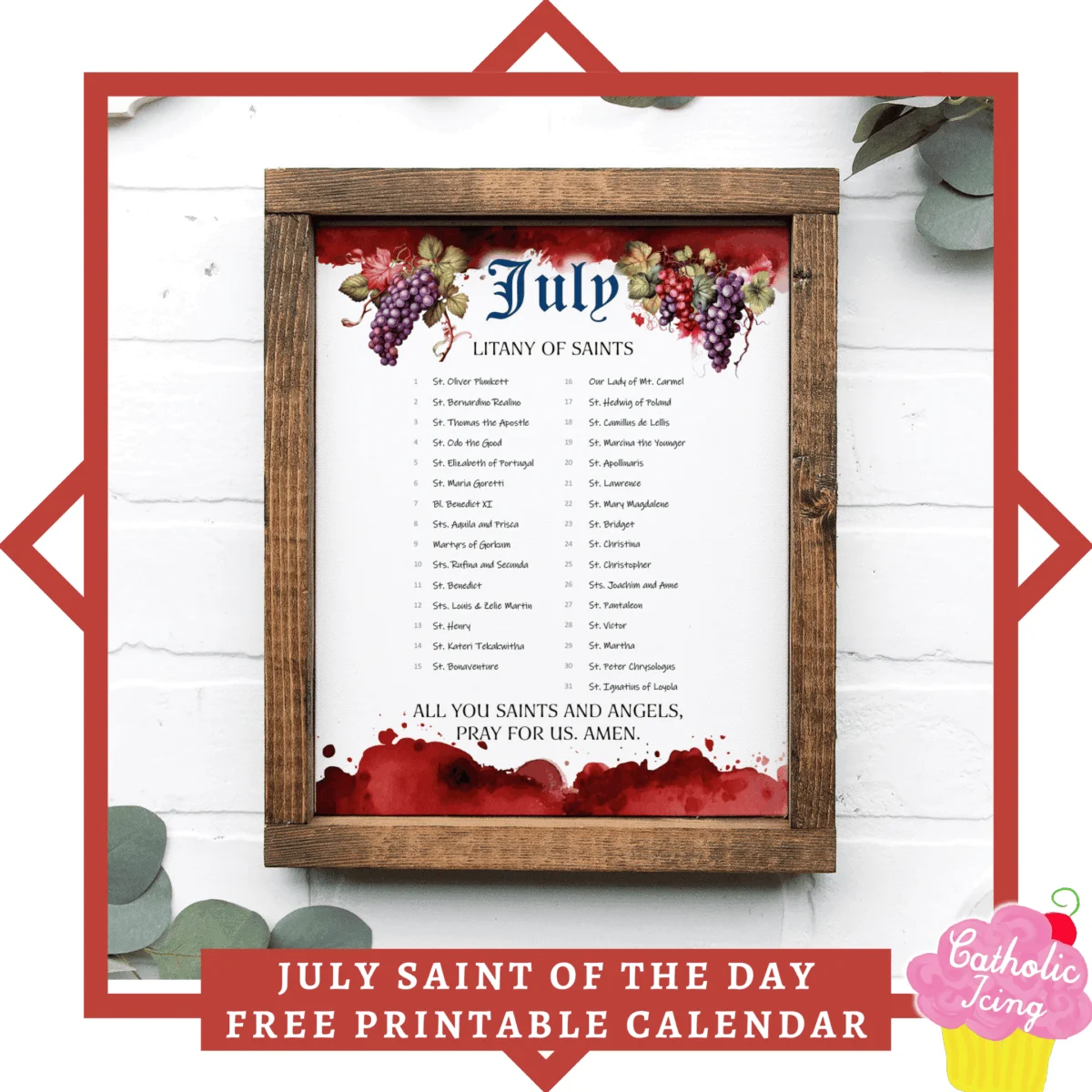
The July Printable Saint of the Day Calendar set includes two standard U.S. letter-sized pages featuring a Litany of Saints for July, with a dedicated saint or blessed listed for every single day of the month. To accommodate different aesthetic preferences and reading environments, the set provides two distinct font choices. Families and educators can easily display the pages by placing them in standard 8.5-by-11-inch frames, pinning them to refrigerators, or hanging them on display lines. Beyond serving as decoration, the calendar is designed to serve as a daily prompt, encouraging children and adults alike to look up the lives of the featured saints and incorporate brief discussions about their lives into daily routines.
In addition to celebrating individual saint feast days, the month of July holds a special designation within the traditional Catholic calendar. The entire month is dedicated to the Most Precious Blood of Jesus, a major focus that complements the various saint celebrations occurring during the summer weeks. Catholic Icing provides a wide array of supplementary resources, including themed recipes, activity pages, coloring sheets, and craft ideas centered on the Eucharist and the Precious Blood, giving parents numerous avenues to engage children during the summer break.
For educators and parents looking to take a more structured approach to seasonal celebrations, the platform also offers comprehensive planning tools. Among these is Weaving the Faith, a liturgical living ebook and binder system designed to help families organize resources, track sacrament anniversaries, and build a customized library of faith-based activities that can be reused year after year. The system serves as a central hub for organizing everything from major church feasts to everyday prayer table decorations.
The free July Saint of the Day Calendar is currently available to subscribers of the platform’s weekly newsletter. Those interested in obtaining the download can request the files directly through the Catholic Icing website. While the offer requires newsletter sign-up, participants retain the option to manage their subscription preferences at any time, though creators hope families will choose to remain connected to receive ongoing weekly inspiration for liturgical living throughout the year.
It is a typical Friday afternoon, and I am sitting in a hair salon chair. As the scissors snip around me, my stylist pauses, looks up through the mirror, and asks the familiar weekend question: “Do you have any plans tonight?”
Without hesitation, I reply, “Yeah, I’m Jewish.”
With eager excitement that immediately cuts through the hum of the salon, she beams and says, “So you have Shabbat?!”
I feel an instant wave of delight, grateful that I do not need to launch into a foundational explanation of weekly Jewish rituals. She continues, eager to share her connection: “My best friend growing up was Jewish and I always went to her house for Shabbat.”
A few minutes later, as we chat further, I mention that I am a rabbi. Her eyes light up again. “You know, I have to ask… there’s this show I was watching on Netflix…”
Before she can even finish the premise, I jump in. “‘Nobody Wants This’?”
She bursts out laughing. “I guess a lot of people ask you about it.”
I smile and nod. My response used to be cynical, almost defensive: “Yeah, and just like the title… I don’t want it.” But recently, I have started wondering if what the romantic comedy series actually offers is far more valuable than my initial nitpicky frustrations and professional grievances allowed me to see.
When the first season of the Netflix series premiered, I was still deep in my studies at rabbinical school. I watched it with a heavily critical, protective eye, deeply curious about how mainstream media would portray the sacred role I cared so profoundly about and the traditional world I was dedicating my entire life to. Naturally, I found myself rolling my eyes at all the exact same tropes and technical inaccuracies that cultural critics and commentators have already written about ad nauseam.
Then, during my final year of rabbinical training, I enrolled in a specialized course called Rabbis in the Media. The class forced me to dust off the film analysis skills I had largely abandoned since earning an undergraduate minor in media studies. It challenged me to do something I hadn’t really done when I first watched “Nobody Wants This”: stop viewing the show purely as a working rabbi looking for everything it got wrong, and start thinking about it as a narrative construct and a piece of storytelling.
So many people within our communities had expressed deep contempt for the unflattering portrayal of Jewish women in the show, and honestly, I was right there with them. But beginning to analyze how these characters function structurally to serve the larger plot was my first major shift in understanding the series. Many viewers have argued that the Jewish female characters are depicted as mean, demanding, and judgmental, while the protagonist, Joanne, and her sister, Morgan, serve as their carefree, free-willed foils. And I completely understand where that interpretation comes from. But looking back, I now think we might be viewing those dynamics through far too narrow a lens.
I am no longer convinced that the moral divide is actually as simplistic as the Jewish women being uniformly unlikeable while Joanne and Morgan are universally likable. In fact, if we look closely at prestige television as a whole, most of the compelling characters on successful shows are deeply flawed and unlikeable at times. Take Eleanor Shellstrop in the first season of “The Good Place,” for example. She starts out selfish, morally bankrupt, and unkind. Yet by the series finale, she transforms into an empathetic, fiercely loyal person deeply invested in the success of others. Fictional characters need narrative room—and valid reasons—to grow.
I wonder if, in our completely understandable cultural sensitivity to how Jewish women are represented on screen, we have occasionally fallen into the trap of treating these specific characters as universal representatives of all Jewish women, rather than simply allowing them to be flawed characters in a fictional story. The second season already provides those characters with significantly more dimension and depth, and I find myself genuinely curious about where a third season might allow them to go.
The second major revelation that changed my mind about the show was the realization—and the vital reminder—that it is fundamentally a conversion story, rather than a standard interfaith romance. And look, I am very much the product of an interfaith family myself; my mother is Ashkenazi, while my father is a non-religious Dominican. This perspective is not coming from a place of criticizing interfaith relationships. Instead, recognizing the narrative arc fundamentally shifts how a viewer experiences the emotional journey of the show.
Joanne is loosely based on Erin Foster, a podcaster who fell in love with a Jewish music industry executive and ultimately chose to convert to Judaism before their marriage. Naturally, the writers of a television comedy cannot possibly have the protagonist convert in the very first few seasons. Imagine if she converts in season one—where does the show structurally go from there? We need dramatic tension. We need plot progression. We need character growth.
So, if that is the trajectory of the series, and if a hypothetical third season centers heavily on Joanne’s formal conversion, we are looking at Kristen Bell—one of the coolest, funniest, and most recognizable actresses of our generation—portraying a spiritual journey to become a member of the Jewish people. She is actively entering the homes, the television screens, and the hearts of millions of non-Jewish viewers, showing them firsthand how meaningful and incredible it is to be part of our peoplehood. As she falls deeply in love with Noah, the rabbi character, she simultaneously falls in love with Judaism, and perhaps the audience watching at home does, too.
What a remarkably beautiful way to showcase the unique beauty, warmth, and depth of Judaism during a historical moment when global antisemitism feels completely out of control and overwhelming.
That does not mean the show suddenly gets every cultural nuance right. I firmly believe it could and should do a much better job reflecting the diverse, multicultural faces of contemporary Los Angeles Jewry, for instance. The Jewish spaces of Los Angeles are vibrant, beautiful mosaics full of Jewish Latinos, Persian Jews, Asian Jews, white Jews, Black Jews, and so much more. The show, at least thus far, has largely omitted that rich diversity.
And yet, I do not believe that the fact the show sometimes falls short means we need to completely abandon or discount the genuinely positive cultural impact it is having. I certainly have my ongoing criticisms, but I am deliberately allowing myself a wider, more generous lens. This show makes Jewish life, community, and tradition look desirable and compelling, and I am genuinely glad that wider audiences are being exposed to something I already know to be profoundly true: being Jewish is amazing.
My hair stylist was genuinely excited to meet an actual rabbi and have an open, enthusiastic conversation about Judaism and tradition. She is far from the first non-Jewish person who has eagerly wanted to talk to me about the show and what it represents.
We eventually parted ways that Friday afternoon—me with my freshly styled hair, and her eager for our next encounter in the salon chair, when we can finally catch up and talk about season three. And for the first time, I am genuinely looking forward to that conversation, too.