Every parent is familiar with the sudden, overwhelming transformation: a peaceful afternoon can evaporate in seconds when a child erupts into a full-blown, uncompromising tantrum. Navigating these intensely emotional episodes is arguably one of the most demanding trials of modern child-rearing. Addressing this universal parenting hurdle, Emmy Award-winning author, artist, and illustrator Loryn Brantz recently joined parenting expert Janet Lansbury on an episode of the Unruffled podcast to discuss her new children’s book, I Am a Spicy Nugget.
The conversation between Lansbury and Brantz offers a deep dive into the neurological and emotional reality of childhood meltdowns. Together, they unpack what is actually happening beneath the surface—both for the overwhelmed child and for the adult struggling to keep their own composure. The core message of Brantz’s work, shaped by her personal experiences raising strong-willed children, challenges conventional parenting instincts: rather than stepping in with immediate corrections or escalating interventions, the most effective response is frequently to do less, step back, and allow the emotional storm to pass naturally.
Brantz brings a uniquely creative background to her writing and parenting philosophy. Known for her extensive career that includes winning Emmys for puppet design and construction at Jim Henson’s workshop, Brantz has also authored numerous beloved children’s books, including the bestselling series Feminist Baby, It Had To Be You (A Love Poem Your Baby Can See), and the New York Times bestseller Poems of Parenting. Her latest release, I Am a Spicy Nugget, uses humor and grace to deliver a comforting message to both children navigating big feelings and parents trying to make sense of them.
During the podcast discussion, Lansbury expressed deep admiration for the book, noting that while she has spent hundreds of podcast episodes and blog posts trying to help parents understand and accept children’s anger, Brantz managed to encapsulate and masterfully demonstrate the concept entirely within the format of a picture book.
Anger remains one of the hardest emotions for adults to accept and manage in children. Reflecting on her creative process and personal journey, Brantz admitted that she and her husband have been through the gauntlet of parenting extreme emotional extremes. Early on, her daughter experienced frequent dysregulation, prompting Brantz to read extensively, consult psychologists, and seek advice from various specialists.
One particular piece of conventional advice regarding bedtime struggles—triggered after the birth of the family’s second child, which led to a grueling cycle of sleepless nights—served as a crucial breaking point. It made Brantz and her husband realize that not all expert advice is universally applicable. They recognized the necessity of reacting to their specific child, following their parental instincts, and tailoring their approach to her unique temperament. This journey also introduced Brantz to the concept of pathological demand avoidance, commonly known as PDA, where a child’s nervous system short-circuits under everyday demands due to underlying anxiety or feelings of capability mismatch.
By learning to meet their daughter where she was—such as swapping out sensory-triggering hand-washing routines for simple hand wipes—Brantz and her husband observed dramatic improvements in her calmness and development. They applied these lessons to raising their son as well, discovering that treating children with deep empathy requires acknowledging who they are without judgment. Brantz emphasizes that children desperately want to please their parents and often experience intense shame when they feel they are failing. This underlying embarrassment and lack of impulse control frequently manifest as rage, completely shifting the dynamic of how parents should respond.
Lansbury reinforced this perspective, noting that young children are constantly off-balance due to their rapidly developing brains and bodies, combined with immature self-regulation abilities. Brantz aptly summarized this dynamic in correspondence about her book, reminding parents that children are not on equal footing with adults. They are sweet, developing individuals with underdeveloped prefrontal cortexes who are still learning. Consequently, before reacting with frustration, adults need to see their children as clearly as possible and adjust their expectations accordingly.
Achieving this level of patience requires considerable internal work on the part of the parent. Brantz shared that managing her own severe OCD and anxiety led her to embrace meditation and mindfulness practices. Influenced heavily by Michael Singer’s book The Untethered Soul, Brantz learned the practice of radical acceptance and how to become an observer of her own thoughts and feelings rather than getting swept away by them. She realized a fundamental truth that applies as much to parenting as it does to the wider world: she cannot control her daughter’s feelings, nor can she control tantrums. Her role is simply to ensure her children are safe, loved, and supported as they grow.
This philosophical grounding directly informs how Brantz handles explosive moments in her home. Rather than attempting to reason with a child who is entirely dysregulated and operating outside of rational control, Brantz advocates for stepping back. Intervention during the height of a tantrum typically escalates the tension because the adult is often acting out of their own discomfort and desire for the noise to stop. Instead, Brantz allows the emotional wave to run its course. Once the child has naturally calmed down, they can reconnect, unpack what happened, and move forward without lingering shame or punishment.
The conversation also highlighted the role of imaginative play and humor in preventing or deescalating potential conflicts. Whether it is turning a routine exit from the house into a playful race against invisible animals or initiating a conga line at bedtime to entice reluctant toddlers, Brantz utilizes creativity to lower the emotional temperature of the household. The concept for I Am a Spicy Nugget itself emerged from a playful moment when her daughter was becoming upset, and Brantz jokingly threatened to dunk her like a chicken nugget into cold milk to cool her off. The lighthearted physical play instantly broke the tension.
Reflecting on the book’s narrative arc, Lansbury pointed to the poignant conclusion where the young protagonist looks up and wonders aloud what she was even mad about in the first place. This realistic depiction underscores the ephemeral nature of childhood meltdowns. Children in the grip of a tantrum are transported to an unreachable emotional state; once the wave passes, they frequently return to play as if nothing happened, while the adults are left picking up the pieces of their own frayed nerves.
Both Lansbury and Brantz emphasized that parents must learn to protect their own energy during these episodes rather than wasting it on futile attempts to reason with a dysregulated child. By practicing self-care, cultivating inner peace, and anchoring themselves rather than riding every emotional wave alongside their children, parents can foster a resilient, trusting relationship built on mutual respect. I Am a Spicy Nugget is scheduled for release, offering families a humorous, validating, and compassionate tool for navigating the stormy seas of childhood emotions.
In an era where consumers are constantly searching for quick, nutritious meal options that do not sacrifice flavor, a remarkably simple yet vibrant Mediterranean bean salad is gaining traction as a versatile staple for home kitchens. Designed to bridge the gap between wholesome nutrition and effortless preparation, this dish offers a refreshing solution for busy households looking to streamline their weekly meal planning.
The culinary landscape has increasingly favored dishes that can be prepared in advance without losing their structural integrity or taste. Traditional leafy green salads, while popular, often present a logistical challenge when stored, quickly wilting and turning soggy within hours of dressing. By shifting the base away from delicate greens and centering it on nutrient-dense legumes, this Mediterranean-inspired recipe provides a durable, reliable option that actually improves in flavor over time as the ingredients meld together in the refrigerator.
At the heart of the dish is a thoughtful combination of chickpeas and cannellini beans. This protein- and fiber-rich duo delivers a satisfying, hearty texture while supplying complex carbohydrates designed to keep hunger at bay. Complementing the beans is a colorful medley of fresh, crunchy vegetables, including crisp cucumbers, juicy tomatoes, and vibrant bell peppers. To elevate the profile and lean into a classic Greek-inspired flavor profile, savory olives and crumbled feta cheese are folded into the mix, offering a salty bite that ties the entire dish together.
The dressing relies on a straightforward, minimalist approach that highlights the quality of its components. Real extra virgin olive oil serves as the foundation, providing essential healthy fats and a robust flavor, while fresh lemon juice cuts through with a bright, clean tang. Enhanced by aromatic herbs such as mint, oregano, garlic, and parsley, the dressing transforms the simple ingredients into a complex, flavorful dish suitable for a wide variety of dining occasions.
The Versatility of Make-Ahead Preparation
One of the primary appeals of this bean salad is its exceptional flexibility in meal planning. Capable of maintaining its fresh texture and vibrant taste for three to four days in the refrigerator, it functions seamlessly as a quick lunch, a reliable side dish for grilled meats, or a straightforward dinner option on hectic evenings. Because the ingredients do not break down rapidly under refrigeration, cooks can easily prepare a batch ahead of time and rely on it throughout the workweek.
Culinary enthusiasts and home cooks often emphasize the efficiency of preparing homemade salad dressings rather than relying on store-bought alternatives, which can be costly and laden with preservatives. By utilizing simple kitchen tools—such as a standard glass mason jar—dressings can be emulsified instantly through a vigorous shake, merging the olive oil, lemon juice, and herbs into a cohesive mixture with minimal effort.
Furthermore, the recipe’s inherent adaptability makes it easy to modify based on pantry inventory and personal preferences. Cannellini beans can be readily swapped for Great Northern beans or butter beans, while Kalamata olives can be introduced for a more robust flavor profile. For those seeking additional creaminess, diced avocado can be folded in just prior to serving. The dish scales effortlessly, making it an ideal candidate for large family gatherings, potlucks, picnics, or outdoor barbecues where food needs to hold up well at varying temperatures.
Maximizing Flavor and Culinary Integration
Achieving the optimal flavor profile requires minimal yet deliberate timing. Culinary experts recommend allowing the salad to rest for at least fifteen minutes before serving, giving the dressing adequate time to permeate the beans and vegetables. For those preparing the dish in advance, a quick final toss before plating, accompanied by an optional fresh squeeze of lemon juice, revitalizes the flavors entirely.
With nutritional metrics indicating a balanced profile featuring substantial dietary fiber, plant-based protein, and essential vitamins derived from fresh produce, the salad aligns well with modern nutritional priorities. It delivers a dense array of nutrients per single-cup serving, balancing healthy monounsaturated fats with complex carbohydrates and vital micronutrients like vitamin C and iron.
As individuals continue to navigate demanding daily schedules, the demand for straightforward, nutrient-dense recipes that require minimal active preparation time remains high. This Mediterranean bean salad stands out as a practical response to that need, proving that convenience and wholesome ingredients can coexist harmoniously on the modern dinner table.
For more than a century, modern society has relied on a remarkably narrow assumption: that human intelligence is a commodity that can be neatly ranked, graded, and measured. This premise has quietly shaped school curricula, high-stakes assessment systems, and even our everyday language regarding what it means to be deemed "smart." In classrooms and corporate boardrooms alike, academic achievement, standardized test scores, and rigid subject mastery have long stood as the primary proxies for human capability.
And yet, the complex, volatile world that students and workers now inhabit is rapidly revealing the hard limits of that foundational assumption.
Across education, business, and public life, a growing consensus is emerging that the greatest challenges of our time are rarely problems of information scarcity. Instead, they are challenges of integration. Contemporary crises—ranging from climate instability and technological acceleration to deep social fragmentation—do not yield to isolated pockets of technical expertise. Solving them requires the capacity to hold multiple layers of complexity, to collaborate effectively across profound differences, and to act with steady discernment in situations where the right answer is neither obvious nor readily apparent.
A comprehensive report released by the World Economic Forum underscores this shifting landscape. The findings indicate that rapid technological, economic, and climate-related shifts will transform nearly 22% of jobs globally by the end of the decade, driving a dramatic increase in demand for a blend of technical proficiency and essential human capacities such as resilience, visionary leadership, and creative thinking. Within this evolving context, educators, economists, and leaders are increasingly invited to consider a broader, deeply human understanding of intelligence—one defined as integrated intelligence. This framework encompasses the ability to think clearly, to feel deeply and with high emotional awareness, to act with deliberate intention, and to navigate life with a clear sense of purpose.
The urgency of achieving this holistic integration has been dramatically heightened by the rapid advancement of artificial intelligence. As automated systems and machine learning models assume an increasing share of routine cognitive tasks, the comparative advantage of human beings is shifting. Skills that can be easily automated are becoming less defining in the modern marketplace. In their place, distinctively human capacities such as moral judgment, ethical reasoning, creative problem-solving, and relational intelligence are growing exponentially in importance and value.
This expanded interpretation of intelligence is not fundamentally new, but it has become newly necessary for survival and flourishing in the twenty-first century. Over the past several decades, rigorous research spanning psychology, neuroscience, and education has gradually articulated a far broader understanding of what it means for a human being to be intelligent.
Pioneering work in the field laid the groundwork decades ago. Howard Gardner famously developed his theory of multiple intelligences over forty years ago to challenge the prevailing, narrow views of both human achievement and standardized assessment. Shortly thereafter, Daniel Goleman’s seminal research on emotional intelligence further expanded the field, demonstrating empirically that the ability to understand, navigate, and manage one’s own emotions—while empathizing with the emotions of others—is a critical determinant of effective leadership and relational success.
Complementing these psychological insights, the influential academic paper Hard Evidence on Soft Skills reinforces Goleman’s findings by demonstrating how traditional measures of intelligence, such as standard achievement tests and IQ scores, routinely fail to capture many of the foundational skills that shape long-term personal and professional success. So-called "non-cognitive" skills and intrinsic traits—including motivation, personal persistence, adaptable personality profiles, and goal-setting capabilities—play a monumental role not only in individual human development but also in educational attainment and broader labor-market outcomes.
Recognizing the profound limitations of purely academic metrics, international education frameworks have increasingly shifted toward a much broader understanding of human capability. The Organisation for Economic Co-operation and Development, through its sweeping Future of Education and Skills 2030 initiative, articulates a visionary model of education that reaches far beyond the mere acquisition of academic knowledge. The initiative suggests that thriving in contemporary society requires the intentional integration of cognitive, social, and emotional dimensions of learning, positioning these diverse capacities not as optional supplements, but as the absolute foundation of human development.
Longitudinal research strongly supports this expanded, multidimensional view. Comprehensive evidence synthesized through the OECD’s ongoing research on social and emotional skills reveals that core competencies such as self-regulation, empathy, perseverance, and collaboration are robustly associated with long-term academic achievement, stable employment outcomes, and overall personal well-being. These empirical findings suggest that true educational success cannot be adequately understood solely through the narrow lens of academic knowledge retention. Instead, educational systems must actively account for the intentional development of the interpersonal and intrapersonal capacities that fundamentally shape how that knowledge is applied in the real world.
Modern cognitive science deepens this picture even further. The authoritative National Academies consensus study, How People Learn II: Learners, Contexts, and Cultures, highlights the intricate ways in which effective learning and meaningful action depend entirely on the integration of multiple forms of understanding. The capacity for genuine empathy, for instance, remains severely limited without the intellectual clarity required to discern truth. Similarly, the capacity to act effectively in complex environments is noticeably weakened without both rigorous domain knowledge and a deep-seated sense of purpose.
Additional research in cognitive science and human motivation demonstrates that critical thinking is deeply dependent on contextual background knowledge and the individual’s ability to anticipate future consequences. As ongoing technological and cultural shifts continue to reshape both personal and professional spheres, long-term success increasingly depends not just on raw analytical ability, but on the psychological capacity to sustain internal motivation, cultivate a genuine sense of belonging, and maintain holistic well-being. In this light, sustained, meaningful human action is significantly strengthened when individuals fully comprehend what they are doing and experience a profound connection to their work and community.
Contemporary research into effective educational practice offers vital guidance for institutions attempting to operationalize these insights. Numerous studies consistently show that learning is profoundly strengthened when students are engaged not merely on a cognitive level, but emotionally and socially as well. Classrooms characterized by strong, trusting relationships, structured opportunities for peer collaboration, and meaningful, experiential learning environments consistently produce developmental outcomes that extend far beyond traditional academic performance metrics.
What fundamentally unites this evolving approach is not a rigid adherence to a particular pedagogical methodology, but a shared, growing recognition: human development is inherently holistic. When educational systems and institutional practices engage the whole person, learning invariably becomes deeper, more readily transferable, and vastly more enduring.
What remains undeniably clear is that intelligence, when interpreted through a narrow lens, obscures far more of human potential than it reveals.
Moving forward, society must deliberately expand its view of intellectual pursuits and completely reorient the core purpose and design of education itself. This transformation requires designing learning experiences that actively connect disparate disciplines rather than isolate them, that invite deep personal reflection alongside decisive action, and that fully recognize the formative, irreplaceable role of human relationships and community in shaping a capable, resilient populace.
The Centers for Spiritual Living and its flagship publication, the Guide for Spiritual Living: Science of Mind magazine, have officially reaffirmed their longstanding commitment to human-authored content, standing firmly by the belief that genuine spiritual writing requires the lived consciousness, emotion, and authenticity that only human creators can provide.
For nearly a century, the editorial team behind Science of Mind magazine has worked diligently to preserve and expand the intellectual and spiritual legacy left behind by founder Ernest Holmes and his contemporaries. While maintaining a deep reverence for these historical foundations, the organization simultaneously keeps its sights set firmly on the future, blending perennial spiritual wisdom with cutting-edge insights to meet the evolving needs of its readership.
Throughout its nearly 100-year history, the publication has consistently welcomed diverse perspectives designed to enhance and elevate the daily lives of its readers. At the very heart of this enduring tradition is a core tenet rooted in the eternal truth of love and spiritual oneness. Today, editors and organizational leaders view this movement as not only relevant, but more urgently needed now than perhaps at any other time in modern history.
The material featured across the magazine’s pages directly addresses the multifaceted, deeply human approach to spirituality that Holmes originally envisioned. This vision has been continuously brought into the twenty-first century by a dedicated community of writers who approach complex philosophical, psychological, and spiritual issues with remarkable grace, profound humanity, and exceptional literary skill.
Religious Science, as championed by the publication and its parent organization, is explicitly recognized as a dynamic, evolving framework rather than a rigid, one-size-fits-all approach to spirituality. In alignment with this expansive worldview, the magazine actively honors and highlights the latest developments in whole-human growth, modern science, neuroscience, and contemporary psychology, weaving these discoveries together with timeless spiritual principles.
In an era defined by the rapid proliferation of artificial intelligence and automated content generation, the editorial team at Science of Mind is drawing a clear, uncompromising line regarding the origin of its published material. The writers who contribute to the magazine bring their distinct consciousness, personal journeys, and unique talents to its pages, carefully crafting prose that is inherently more thoughtful, more truthful, and more genuinely spiritual than anything artificial intelligence could ever hope to produce.
Editors firmly believe that the brilliance, vulnerability, and authenticity embedded within the work of their writers and creative teams are essential for supporting readers with genuine care and the deliberate articulation of complex metaphysical concepts. While proponents of technology often speculate about the future capabilities of artificial intelligence, the magazine’s leadership maintains that even if machines eventually manage to replicate or refashion the structural mechanics of writing, they will never be able to do so with the unique beauty, empathy, and love that human contributors extend to their audience.
As part of this foundational stance, the editorial team is offering a clear reassurance to its loyal readership: the publication will exclusively feature works created by human beings. Simultaneously, the organization is sending a clear message to its valued community of writers and contributors, assuring them that nothing less than their original work, expressed purely in their own authentic voices, will be accepted or published.
By upholding this rigorous standard, the magazine pays profound homage to the original intent established by Ernest Holmes and the founders of Science of Mind, honors every single author who has ever graced its pages, and respects every individual reader who turns to the publication for insight, comfort, and spiritual growth.
As the holiday season approaches, homeschooling families are once again looking for ways to blend the joy of Christmas morning with the rich, ongoing rhythms of education at home. Rather than focusing solely on transient entertainment, the best homeschool gift ideas invite families to continue learning together. These thoughtful presents include beautiful books for shared read-aloud sessions, simple musical instruments and games that sharpen young minds, and small, meaningful reminders of the faith and community that shape each day.
Prepared for the holiday shopping season, the latest classical gift guide organizes recommendations by educational program—spanning Foundations, Essentials, and Challenge students—while also offering dedicated sections for homeschool mothers, stocking stuffers, and budget-friendly splurges. Designed to keep education alive throughout the winter break and beyond, these gifts emphasize that the most enduring presents are those that continue teaching long after the wrapping paper has been cleared away.
Homeschool Gift Ideas by Program
Every developmental stage of a child’s education invites a distinct approach to learning and gift-giving. Younger children naturally gravitate toward tactile experiences, music, and repetition. Middle school students thrive on sorting, comparing, and asking probing questions about the world around them. Meanwhile, teenagers are ready to wrestle with profound ideas and articulate their convictions.
For Foundations students and younger learners aged four to twelve, education centers around practicing the art of grammar through the Five Core Habits: Naming, Attending, Memorizing, Expressing, and Storytelling. These foundational practices cultivate a deep sense of wonder at creation. Consequently, gifts that encourage singing, reading aloud, and hands-on discovery find a natural home in this age group, exemplified by traditional instruments like the tin whistle in the key of D.
Moving into the Essentials program, students sharpen their command of English grammar, writing, and arithmetic. By building habits of careful analysis, they strengthen their grasp of the dialectic arts. For these students, gifts that make daily study feel personal, organized, and engaging are a welcome match, ranging from specialized highlighters to practical desk supplies.
In the Challenge years, students transition from questioning to persuading. Through rigorous seminars, structured debates, and engagement with great books, they practice the arts of dialectic and rhetoric. Appropriate gifts for Challenge students honor both their growing intellectual independence and their deepening convictions, offering apparel, literature, and resources that reflect their academic journey.
Clothing and Everyday Wear
New clothing under the tree remains a cherished Christmas tradition in many households. Official Classical Conversations apparel allows families to wear their dedication to learning, faith, and community spirit proudly.
Among the most popular items are cozy layers and caps suited for nature walks, field trips, and outdoor afternoons. The lineup features standard CC caps alongside specialized options like the ponytail baseball cap, designed specifically for moms and female students with a hidden opening for all-day comfort. Timeline socks, featuring the historical milestone cards that many families sing through each week, offer a playful nod to history education.
Warmer options include sweatshirts and hoodies. The "Keepers of the Books" sweatshirt draws inspiration from educational leadership to celebrate families who champion the written word. Officially licensed pullover hoodies provide warmth during Community Day gatherings, while long-sleeve tees and Scripture-themed shirts, featuring John 1:1 in Latin, bring the language of the early church into daily family life.
Accessories such as friendship bracelets, enamel pins, and themed footwear charms allow students and tutors to personalize their gear with subtle nods to their educational community.
Books and Literature Collections
Books occupy a central place in classical education, serving as a bridge to the greatest minds and ideas in history while cultivating wonder, wisdom, and virtue. Young learners benefit immensely from illustrated retellings of classical mythology, such as Nathaniel Hawthorne’s Tanglewood Tales, and family storybooks that bring American history to life. Guides like Gladys Hunt’s Honey for a Child’s Heart provide parents with invaluable recommendations for building a rich family read-aloud culture.
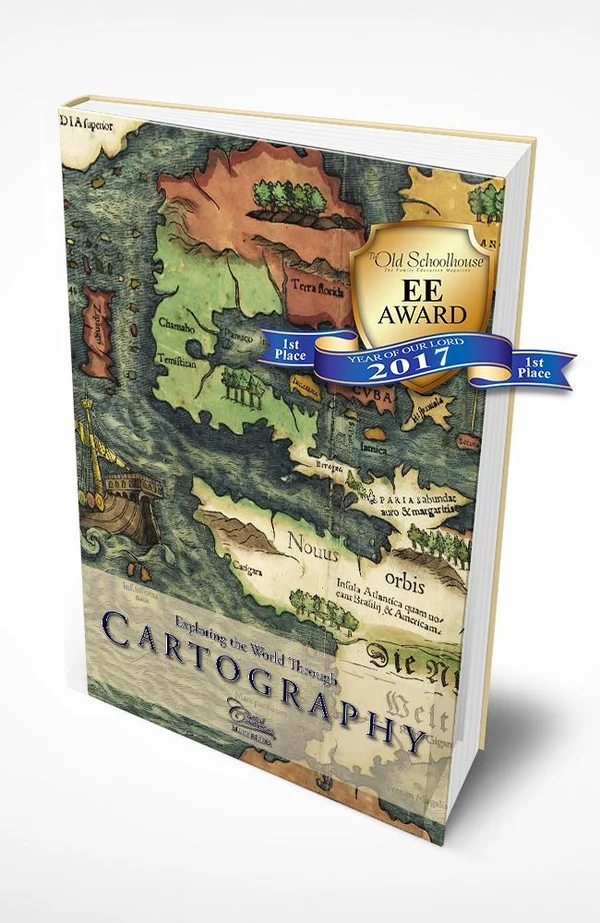
For the home library, museum-quality art books like Marvelous to Behold and visually striking cartography volumes offer breathtaking views of masterworks and mapmaking. Meanwhile, the Copper Lodge Library series provides curated collections of myths, folk tales, and historical narratives. Anthologies such as the Echoes trilogy and the chronological Roman series—tracing history from the kings of Rome through the republic and the age of emperors—offer families structured material for cozy reading sessions by the fire.
For older students, timeless literature selections include The Secret Garden, Jane Austen’s Pride and Prejudice, C.S. Lewis’s The Lion, the Witch, and the Wardrobe, J.R.R. Tolkien’s The Hobbit, and Jack London’s Call of the Wild. These works challenge tweens and teens to reflect on freedom, morality, human nature, and perseverance.
Educational Supplies and Homeschool Gear
Practical learning supplies support the daily logistics of classical education, from meticulous memory work review to outdoor nature sketching. Stocking favorites include Latin Scripture pencils, vinyl laptop stickers, and the comprehensive Lead Learner Supply Kit, which packages essential writing instruments in a coordinated palette.
Everyday gear designed for students and parents includes embossed journals for note-taking, stainless steel insulated tumblers to keep beverages warm during long study sessions, and notecards featuring foundational leadership quotes. Rugged backpacks and utility totes ensure that books, binders, and lunches are easily transported to community gatherings. For those uncertain of specific needs, bookstore gift certificates provide a flexible option that arrives digitally with printable presentation cards.
Gifts for Homeschool Moms
Homeschooling mothers generally treasure three specific things during the holiday season: uninterrupted time to rest, encouragement for their educational calling, and resources that nourish their own minds. Books such as The Habits of a Classical Education: Practicing the Art of Grammar, Classical Christian Education Made Approachable, Stratford Caldecott’s Beauty for Truth’s Sake, and Neil Postman’s Amusing Ourselves to Death offer deep intellectual refreshment.
Beyond reading material, physical comforts such as warm loungewear, specialty coffees, teas, and practical meal-assistance gifts help restore energy for the demanding daily work of home instruction.
Spiritual Growth and Traditional Toys
Rooting all education in the worship of God remains a central pillar of the classical Christian model. Gifts that support spiritual growth include study Bibles, Donald Whitney’s Praying the Bible, and John Bunyan’s classic allegory The Pilgrim’s Progress.
In keeping with a traditional approach to play, simple toys and games reinforce vital cognitive skills such as strategic thinking, patience, memory, and face-to-face communication. Standard playing cards, chess sets, backgammon boards, and dominoes encourage mathematical reasoning and logical planning. Building blocks, puzzles, and active outdoor equipment support spatial reasoning, physical health, and imaginative development.
Experiences, Hobbies, and Subscriptions
Shared memories and skill-building hobbies offer enduring value. Experience gifts—such as tickets to theatrical performances, passes to national parks, or enrollment in hands-on classes for cooking, painting, or woodworking—turn abstract concepts into lived reality. Subscription services, including monthly learning boxes, specialized children’s magazines, and curated video platforms like RightNow Media, sustain intellectual curiosity throughout the entire year.
Family memberships to zoos, aquariums, museums, and botanical gardens transform occasional educational outings into regular habits, reinforcing scientific and historical inquiry through repeated observation. As families evaluate options ranging from stocking stuffers under ten dollars to major literary collections, these resources ensure that the spirit of Christmas and the joy of learning continue hand in hand into the new year.
In an era defined by relentless connectivity and shifting workplace dynamics, the conversation around productivity has undergone a fundamental transformation. Professionals across industries are increasingly re-evaluating what it means to work effectively, moving away from grueling hours and toward cognitive sustainability. Recent insights from psychological research, neuroscience, and workplace behavior highlight that achieving more is less about sheer willpower and more about understanding human cognitive architecture, managing internal states, and recognizing the hidden traps that masquerade as industriousness.
At the heart of modern productivity discussions is the challenge of building sustainable habits. Rather than forcing drastic lifestyle overhauls, experts suggest that meaningful progress comes from gradually incorporating small, manageable changes into daily routines. These might include identifying a single top priority for the day, committing to single-tasking rather than juggling multiple streams of information, and actively reducing digital interruptions.
However, building these routines requires patience. Behavioral research indicates that establishing a new, automatic behavior is rarely an overnight process. A widely cited psychological study found that adopting a new habit takes an average of 66 days to feel automatic, with individual timelines varying dramatically anywhere from 18 to 254 days depending on the person and the complexity of the task. This wide variance underscores the importance of self-compassion and persistence when attempting to reshape daily work patterns.
Navigating Neurodiversity and Executive Function in the Workplace
For a significant portion of the workforce, traditional productivity advice often falls flat, not due to a lack of effort or discipline, but because of neurological differences. Individuals with Attention-Deficit/Hyperactivity Disorder (ADHD) frequently encounter distinct hurdles when attempting to manage workloads, prioritize tasks, and maintain focus.
These challenges stem from variations in executive function—the complex set of mental skills governed by the brain that enables individuals to initiate tasks, organize projects, plan ahead, and sustain attention over time. Because executive dysfunction affects the brain’s ability to transition into action, even starting a task that a person genuinely wants to complete can feel insurmountable. While foundational productivity strategies remain applicable, professionals navigating ADHD often require tailored adaptations that align with how their unique cognitive pathways operate, rather than forcing themselves into neurotypical molds.
Compounding these structural challenges is a modern workplace phenomenon known as "productivity peacocking." This behavioral trap occurs when individuals channel their energy into performing busyness rather than executing meaningful work. Classic manifestations include instantly replying to low-priority messages instead of finishing the substantive task at hand, or obsessively reorganizing a to-do list for the third time rather than actually crossing items off. In these instances, the superficial optics of labor replace true output, creating an illusion of high performance that ultimately drains cognitive reserves without advancing core objectives.
The Myth of the Universal Schedule and the Toll of Task-Switching
Another persistent misconception in modern work culture is the existence of a universal schedule for peak performance. Conventional wisdom has long championed the early bird approach, yet research into circadian rhythms demonstrates that human energy levels fluctuate according to individual biological clocks.
Rather than forcing oneself to adhere to an arbitrary timetable dictated by colleagues or corporate culture, professionals are encouraged to observe their own natural energy cycles. By identifying the specific window during which alertness and cognitive vitality peak, individuals can strategically reserve that precious time for their most demanding, high-stakes analytical work, leaving routine administrative tasks for lower-energy periods.
Maximizing efficiency also requires confronting the hidden tax of task-switching and chronic interruptions. Contrary to the popular belief that working longer hours yields higher output, studies show that a substantial amount of working time is squandered on shifting between disparate tasks and reacting to constant pings. Protecting dedicated blocks of focused time, committing to a single task until completion, and permitting adequate rest are essential components of sustainable output. A fatigued brain inherently processes information more slowly, making deliberate rest a critical driver rather than an impediment to overall productivity.
Managing Stress and Environmental Distractions
Internal cognitive states play an equally decisive role in professional output. Stress exerts a direct and detrimental effect on productivity by impairing the brain’s capacity to focus, plan, and think critically. Under high-stress conditions, neurological resources are diverted away from the prefrontal cortex—the region responsible for executive control, working memory, and sustained attention—and redirected toward survival responses. Mitigating this physiological reaction through brief interventions, such as controlled slow breathing exercises, can help calm the nervous system and restore cognitive clarity.
Environmental factors are equally influential, prompting many experts to advocate for preventative measures rather than relying solely on in-the-moment willpower to resist distractions. Establishing an environment conducive to deep work involves neutralizing potential interruptions before they occur: silencing digital notifications, closing superfluous browser tabs, and placing smartphones completely out of reach. When the mind inevitably wanders—a natural cognitive tendency—the most effective approach is to gently redirect attention back to the task without self-criticism.
Complementing these external adjustments are internal training methods, such as mindfulness and meditation. While meditation does not directly execute tasks, clinical research demonstrates its indirect benefits for professional output. A randomized study examining the effects of a two-week mindfulness course revealed measurable improvements in participants’ working memory and a significant reduction in task-irrelevant mind-wandering.
Crucially, these cognitive benefits do not require hours of daily practice. Even short, consistent sessions focused on anchoring attention to the breath help condition the very mental muscle required to stay on track, filter out noise, and navigate the complexities of the modern working day.
As the United States looks ahead to the crucial 2026 midterm elections, civic and religious organizations are ramping up efforts to safeguard the democratic process. In a recent virtual gathering, four prominent faith and civic leaders—all designated as 2026 Vote is Sacred Fellows through Interfaith America—came together to discuss the intersection of spirituality, community engagement, and election protection.
The initiative brings together leaders who are deeply committed to ensuring that upcoming elections remain free, fair, and peaceful. For this specific session, the fellows utilized the "Living Room Conversation" format, a structured dialogue model designed to empower everyday citizens to engage in meaningful discussions about critical national issues with peers from diverse backgrounds and political affiliations.
Moderated by Becca Kearl, Director of Empowerment for Mormon Women for Ethical Government, the discussion provided a platform for these leaders to reflect on how their respective faith traditions inform their civic duties. Furthermore, the participants explored the unique challenges facing modern American democracy and identified practical opportunities to restore and build public trust in the electoral system.
Faith in Elections
The role of religion in public life is often viewed through a lens of division, but the Vote is Sacred Fellows highlighted how their spiritual traditions serve as powerful motivators for unity, justice, and protection of the ballot box. Rather than separating faith from civic participation, these leaders draw directly from their religious and philosophical roots to justify their dedication to electoral integrity.
Aasees Kaur, Community Development Director at the Sikh Coalition, emphasized that her daily work protecting the vote is an extension of her deepest spiritual convictions.
"I lean on the Sikh principle that there is nothing higher than truthful living," Kaur explained during the virtual dialogue. "The work that we do to share accurate information, make sure everyone knows their rights at the polls, empower each and every human being, [and] honor their inherent dignity as they show up to cast their vote" is entirely rooted in this foundational principle of truth and service to others.
For Jeremy Bannett, Vice President of Programs and Partnerships at A More Perfect Union, the motivation to ensure free, fair, safe, and accessible elections stems directly from his Jewish identity and historical awareness. Bannett pointed out that the stability and openness of the American political system have provided a unique environment for minority communities to thrive.
"American democracy has really enabled the Jewish community here to flourish in a way that is pretty remarkable across the scope of world history," Bannett noted. He added a critical caveat that underpins the entire democratic experiment: "We know that the rights and the freedoms and the opportunities that democracy provides only work if they’re available equally to everybody."
Throughout the discussion, the fellows underscored that protecting the right to vote is not merely a partisan political preference, but a profound moral and ethical obligation. By connecting civic duty to enduring spiritual values, these leaders aim to inspire broader participation and deeper respect for the democratic institutions that govern American society.
Building Trust in Democracy
Moving beyond the philosophical motivations rooted in faith, the conversation quickly shifted to actionable strategies for addressing the pervasive distrust currently affecting American elections. Polarization, misinformation, and skepticism regarding election administration pose significant threats to the democratic fabric, making the restoration of public confidence a top priority for civic organizations.
Becca Kearl, who guided the discussion as moderator, emphasized that public confidence cannot be manufactured through public relations campaigns alone; rather, it requires intentional, grassroots effort and interpersonal connection.
"Trust just doesn’t happen," Kearl observed. "You invest in it through connection, asking hard questions, trying to understand another person better, appreciate our differences, and finding common ground."
This theme of local connection was strongly echoed by Jennifer Daniels, President of the Faith Citizenship Institute. Daniels drew attention to the inherently localized nature of American elections, arguing that the decentralized structure of voting is one of the nation’s greatest democratic strengths rather than a vulnerability.
"I think that’s a really beautiful part of our democracy," Daniels said. "While we may be voting about controversial and polarizing issues that are happening far away from us, we’re actually doing it together as a community right in our own backyard […] so personal relationships and even understanding the process can give a sense of positivity and hope."
By focusing on the local level—where neighbors interact with neighbors at polling places, serve as poll workers, and manage local election boards—citizens can witness firsthand the integrity and transparency of the voting process. This localized engagement serves as an antidote to the abstract fear and suspicion often amplified on national media platforms.
Despite acknowledging the formidable challenges that lie ahead on the road to the 2026 midterms, the participants maintained a shared sense of optimism. They argued that hope is a necessary component of civic leadership, one that sustains communities through periods of intense political friction.
The Rev. Carlos Malave, founder of the Latino Christian National Network, pointed to the enduring nature of human decency and shared American values as the primary source of his optimism.
"What is giving me hope right now is the resiliency of our sense of commonality," Malave reflected. "The bottom line is that I do trust the common good. I do trust the heart of people. And if we continue to work together towards educating people and coming out of goodwill, people will see that."
As Interfaith America’s Vote is Sacred Fellows continue their work leading up to the 2026 midterm elections, initiatives like these Living Room Conversations provide a vital blueprint for how communities can bridge divides, honor diverse faith traditions, and reaffirm their collective commitment to a peaceful and democratic society.
For Carlin Gettliffe, the turning point arrived not with a breakthrough meeting or a successful product launch, but with a profound, bone-deep exhaustion. Like countless professionals caught in the relentless gravity of the modern tech economy, Gettliffe spent years tethered to a digital existence defined by ten to fifteen phone calls a day, endless hours staring unblinkingly at a computer screen, and an accumulating weight of chronic burnout. The startup world, with its frantic pace and constant demand for productivity, had become a cage of blue light and escalating stress.
Seeking an escape from the relentless loop of planning, scheming, and digital connectivity, Gettliffe made a dramatic leap. He stepped away from the corporate grind entirely to enroll in a demanding nine-month adult immersion program at the Wilderness Awareness School, nestled in the Pacific Northwest landscape of Duvall, Washington. It was an environment as far removed from the corporate boardroom as one could imagine—a sprawling expanse of towering conifers, moss-draped earth, and unpredictable weather where the primary currency was not data or capital, but attention, endurance, and direct relationship with the natural world.
Tucked quietly near the conclusion of that rigorous curriculum, Gettliffe encountered something entirely unexpected: wilderness rites of passage. It was far from a cinematic or glamorous introduction. The experience was gritty, strange, and deeply uncomfortable, yet subtly laced with transient moments of grace. Stripped of the usual creature comforts and isolated in the wilderness for days and nights on end, the rigid scaffolding of modern life began to dissolve. Plans, schedules, and strategic schemes faded from memory. In their place emerged a raw, instinctual rhythm of survival and presence. Gettliffe moved when the autumn air grew too cold, curled up directly into the damp moss when fatigue overtook him, ate strictly when hunger struck, and paused instantly to listen when the primal instinct of fear flared up. The human body reclaimed its role as the primary navigator, communicating through an ancient, visceral language of belly grumbles, shivers, muscle tension, and eventual release.
One particular night stands out as emblematic of this profound shift. After a long, disorienting wander through the pitch-black woods, Gettliffe laid his head down directly upon the earth. Hovering precisely on the delicate threshold between waking consciousness and deep sleep, a subtle sound caught his attention. Nearby in the tall grass, a family of mice was quietly chattering and cooing to one another in the dark. Paralyzed by a sudden fear of disturbing them, he lay completely motionless, listening intently for what felt like hours. In that suspended interval, he felt a mysterious, unbreakable link to those unseen, wild beings, bound together by a microscopic universe of sound.
Yet, this immersion was not a continuous sequence of serene nature poetry. At other moments, the psychological landscape felt entirely different, akin to free-falling blindly through empty space. The rigid structures of old personal stories, coping mechanisms, and deeply ingrained assumptions cracked and crumbled under the pressure of solitude. Fear seized him with sudden intensity, shaking him to his core. He was swallowed, both literally and figuratively, by the enveloping dark of the forest. Yet, it was precisely in allowing himself to be swallowed—in surrendering the frantic, desperate struggle for control, comfort, and intellectual comprehension—that true space finally opened up for something altogether different.
Articulating that "something" remains a formidable challenge, defying easy categorization or neat professional terminology. It might be described as a heightened sense of presence, an underlying resonance, or the quiet, sobering vulnerability of true belonging. Yet, Gettliffe notes, it would be just as accurate to simply call it an oak tree, an owl, water, or wind. Ultimately, it functions less as a novel discovery and more as a profound remembering—a long-awaited return to what the poet Mary Oliver memorably termed "our place in the family of things."
Viewed through this lens, a genuine rite of passage reveals itself not as an arbitrary test of physical endurance or bushcraft skill, but rather as a rigorous test of a person’s willingness to be pierced. It demands an openness to being pierced by raw beauty, by sudden grief, by fear, and by the stark realization of how deeply humans need the natural world, and how urgently the world needs humans in return. Within this crucible, individuals discover something far more precious and enduring than individual ambition, corporate recognition, or status: a deep-seated kinship and devotion to life itself. This devotion does not arise from abstract, heady notions of "doing good" or philanthropy; rather, it is anchored firmly in the dirt under one’s fingernails, the texture of moss beneath one’s cheek, and the haunting, nocturnal call of the saw-whet owl at midnight.
This particular variety of remembrance, Gettliffe emphasizes, is not a notch to add to a resume, a professional credential, or a marketable skill designed to climb a corporate ladder. It is unlikely to yield financial riches, and it certainly will not bring fame. It may not even make a person happier in the conventional sense; in fact, it is far more likely to put participants in direct touch with dormant grief they never knew they carried. It operates as an absolute trust fall into the unknown, offering zero guarantees, no official sureties, and no neatly paved pathways.
What it does accomplish, however, is a decisive shattering of several pervasive illusions. It breaks the comforting yet isolating myth that human beings are meant to navigate existence entirely on their own—a premise that is categorically false. It dismantles the assumption that an individual’s frantic daily scramble for comfort, validation, and control sits at the center of the universe. Furthermore, it permanently dismantles the delusion that a person could ever be anything other than desperately needed by the living world around them.
When these sobering truths finally land, they arrive simultaneously as a profound, physical relief and as a renewed call to active devotion. Our primary and ultimate responsibility as human beings, Gettliffe argues, is directed toward the intricate web of relationality and ecological wholeness that sustains us and, in turn, depends upon our care. Traditional rites of passage represent ancient methods for tending to this delicate web and repairing the fraying edges of human culture. Crucially, they are not designed "for" the individual ego; rather, they exist fundamentally for the village and the community. Modern society, it turns out, has a desperate need for people capable of inhabiting the complex paradox of being tiny, seemingly insignificant drops in a vast ocean, while simultaneously executing the vital work that life calls them to do—all while remaining consciously and irrevocably woven into the whole.
In response to this cultural deficit, Gettliffe developed Shadowcraft, serving as a personal ode to the power of rites of passage and an offering to what he describes as the Wild God waiting patiently to meet each individual within the forest. Authentic thresholds in modern life are remarkably rare. Over the span of a typical human lifetime, an individual might consider themselves fortunate to encounter even a small handful of genuine transformative gateways. In a contemporary culture that rarely pauses to witness, honor, or acknowledge moments of real import and profound personal transformation, programs like the Shadowcraft Intensive offer an intentional alternative. They provide a structured, communal opportunity to traverse a vital threshold in, with, and in direct service to both human community and the wider, more-than-human world.
Carlin Gettliffe serves as the lead instructor for the Shadowcraft Intensive, as well as the Sacred Dark weekend program at the Wilderness Awareness School in Duvall, Washington, guiding modern adults away from the glare of computer screens and back toward the grounding shadows of the natural world.
Raising children often brings moments of profound joy, but it can also present unexpected challenges that require professional guidance and support. For families navigating issues such as anxiety, depression, persistent family conflict, and sudden emotional or behavioral shifts, finding the right kind of help is essential. This is particularly true for children and teenagers who have been impacted by adoption or foster care, where everyday developmental hurdles are frequently intertwined with complex past trauma. In these instances, traditional approaches to counseling may fall short, making trauma-informed therapy an invaluable resource for helping young people begin a sustainable journey toward healing.
What Is Trauma-Informed Therapy?
At its core, trauma-informed therapy is built on a fundamental shift in perspective. Rather than examining a child through a lens of judgment and asking, "What is wrong with this child?", a trauma-informed therapist approaches the situation with curiosity and compassion, asking instead, "What has this child experienced, and what do they need to feel safe?"
In a dedicated trauma-informed setting, a trained mental health professional is equipped to recognize the subtle and overt signs and symptoms of trauma, working actively and sensitively toward constructive solutions. Throughout this delicate process, the clinician takes meticulous care to avoid re-traumatizing the child. Instead of forcing painful disclosures, the therapist focuses on teaching both the children and their parents or caregivers practical emotional and physical regulation activities that can be seamlessly integrated into daily life at home.
Trauma-Informed vs. Traditional Therapy
The distinction between trauma-informed care and traditional therapeutic methods can mean the difference between meaningful progress and inadvertent harm. While traditional therapy styles may be acceptable or even effective for certain populations, some of their standard practices can prove counterproductive or distressing for young people carrying deep wounds. For instance, traditional approaches might involve asking a child to recount their traumatic experiences in vivid detail or compelling them to share sensitive history in a group setting. For children whose nervous systems are already sensitized by trauma, such demands can reinforce chronic fear rather than foster healing.
In contrast, trauma-informed therapy is designed to move strictly at the child’s own pace. It places a foundational emphasis on safety, trust, and interpersonal connection. By establishing this secure base first, the therapist ensures that the difficult and necessary work of emotional healing is built on a stable foundation that the child can reliably trust.
Why It Matters Even for Children Adopted as Infants
A common misconception among families is that a child welcomed home through adoption during infancy has escaped the imprint of early trauma. However, child development experts emphasize that separation from a birth mother or primary caregiver, even very early in life, can result in significant attachment trauma.
The neurological and psychological effects of this early disruption may remain dormant for years, only surfacing later in childhood or adolescence as the individual encounters new developmental stages and social pressures. This latency highlights why maintaining a trauma-informed lens is critically important for families formed through adoption and foster care, regardless of the child’s age at the time of placement. For parents seeking specialized guidance, professionals recommend looking for counselors who focus specifically on adoption-related challenges through trusted national directories, such as the resource maintained by the Center for Adoption Support and Education.
What Is TBRI®?
Organizations dedicated to child welfare and family support often advocate for specialized frameworks that align with trauma-informed principles. For example, Show Hope frequently collaborates with the Karyn Purvis Institute of Child Development (KPICD) to promote Trust-Based Relational Intervention, commonly known as TBRI®.
According to the KPICD, TBRI offers a practical, compassionate approach designed to help the whole child heal. Grounded in contemporary best practices drawn from neuroscience, attachment theory, and developmental research, the intervention equips caregivers to effectively address a child’s underlying physical, emotional, and developmental needs. Proponents note that this methodology offers what punitive parenting or traditional behavioral approaches often cannot: genuine connection, biological regulation, and lasting behavioral change. While TBRI techniques can be implemented successfully within the home environment, families can also seek out certified TBRI Practitioners to assist them and their children in navigating complex therapeutic goals.
Help Paying for Therapy
For many families, financial constraints can present a formidable barrier when trying to access specialized mental health care. Advocates and organizational leaders maintain that the cost of treatment should never stand in the way of a child receiving the medical and psychological support they require. To help alleviate this burden, organizations such as Show Hope offer targeted Medical Care grants designed to assist select mental health providers and lower the economic obstacles often associated with adoption-related care.
There Is No Shame in Seeking Help
As families embark on the complex journey of recovery and growth, professionals emphasize that seeking therapy or counseling carries no shame. Children and teens who have experienced the disruptions of adoption and foster care often navigate unique and intricate emotional landscapes that require specialized professional intervention. Experts remind parents and caregivers that seeking this level of support is in no way a reflection of their parenting capabilities. Recognizing the need for outside expertise and embracing that reality is a vital step toward long-term family well-being.
Every new academic year brings with it a familiar wave of anticipation, pristine planners, and sharpened pencils. But for thousands of parents choosing to educate their children at home, it also brings a heavy, quiet companion: the nagging, persistent anxiety of not doing enough.
Several months ago, an informal survey of readers conducted by the educational platform Simple Homeschool set out to uncover the primary concerns keeping parents awake at night. The response was overwhelming, yielding hundreds of detailed replies from families across various backgrounds. Yet, despite the vast differences in household dynamics, learning styles, and children’s personalities, a striking trend emerged. Over 75 percent of the responses centered on the exact same core insecurity: the paralyzing fear that their educational efforts simply fall short.
This shared vulnerability highlights a universal truth among educators and parents alike—different families and different children consistently grapple with the exact same doubts. As a new term begins, educators and advocates are encouraging families to examine this elusive concept of "enough," understand how it haunts daily routines, and discover pathways to break free from unrealistic expectations.
Understanding the Set Point of ‘Enough’
To understand why the pressure of "enough" is so difficult to shake, it helps to examine how society applies a similar concept to another major aspect of modern life: money. Financial studies have long shown that most people rarely feel they possess quite enough of this commodity. Regardless of income level, individuals tend to harbor a persistent hope for just a bit more financial security.
However, behavioral and economic research has revealed a fascinating threshold regarding wealth and well-being. Studies indicate that increased income correlates with heightened happiness only up to a certain point—typically around $75,000 annually, where basic needs and foundational desires are comfortably met. Beyond that specific financial threshold, accumulating more cash does not automatically translate to a proportional increase in joy or life satisfaction.
This financial parallel offers a valuable lesson for education. "Enough" possesses a distinct, definable set point. When families fall below that baseline, they genuinely feel the lack of essential academic engagement. However, continuing to pile on endless tasks, extra assignments, and rigorous extracurricular demands yields diminishing returns. The endless pursuit of more does not enrich the educational experience; instead, it often breeds burnout. The goal for any home-educating household is to identify and settle into that magical, balanced set point rather than chasing an infinite, exhausting standard of productivity.
Deconstructing the Myth of the Perfect Schedule
That realization becomes vital the next time a parent sits down with open digital spreadsheets, color-coded calendars, and rigid curriculum trackers. The foundational truth remains that the most meticulously designed, perfect schedule will never feel like enough if the educator does not believe that they already are.
No magic checklist or comprehensive daily planner can ever validate a parent’s worth or measure their dedication. Homeschooling plans, academic milestones, and completed workbooks do not define the value of a family or the character of the educator. The constant quest for validation through relentless productivity often masks a deeper internal doubt.
This internal wrestling is not unique to parents teaching around the kitchen table. Professional educators working within institutional school systems face the exact same psychological pressures. A conversation with a local public school teacher revealed a shared professional anxiety. When asked if she ever felt like she was not doing enough in her classroom, her response was immediate and unequivocal: all the time. She explained that whenever a student struggles academically or personally, she pours her energy into helping them, yet invariably lies awake wondering if she could have done more.
Realizing that dedicated teachers—whether operating at home or within traditional schools—wrestle with these identical doubts can offer profound comfort to anxious parents. It demonstrates that the feeling of inadequacy is not a sign of failure, but rather a byproduct of genuine care and commitment.
Challenging the Illusion of Institutional Efficiency
Furthermore, it is helpful to look closely at how traditional educational systems actually function, noting that they are rarely the seamless, high-efficiency machines they are often perceived to be. The reality of public and private schooling often includes downtime, administrative delays, and pedagogical methods that might surprise parents who hold institutional learning to an idealized standard.
Consider the reality of modern high school classrooms. When one parent recently reviewed the paperwork brought home by her niece on her first day of the eleventh grade, she discovered an Advanced Placement Psychology syllabus. The document outlined the challenging academic concepts the teenagers would be mastering throughout the semester, but the reverse side listed over a dozen feature-length films the class would be watching in full during instructional hours as part of the formal curriculum.
Discovering that an AP high school course includes a dozen cinematic viewings—ranging from classic comedies to beloved dramas—serves as an eye-opening reminder. Parents who frequently berate themselves for taking an afternoon to watch a history documentary or explore a nature trail are often holding themselves to an impossible, nonexistent standard of productivity. The point is not to criticize traditional institutions, but to highlight that the relentless, machine-like productivity expected in homeschool environments simply does not exist anywhere in the educational world.
Redefining Education Around the Power of Home
Rather than attempting to replicate a flawed and exhausting institutional model inside a residential dwelling, families have a unique, powerful advantage that traditional schools can never match: the warmth, flexibility, and individuality of a home.
Parents are encouraged to resist the urge to turn their living spaces into rigid institutions. Instead, the definition of "enough" should be tailored directly to what unique children need in their specific developmental moments. Families who anticipate homeschooling for the long term are urged to release artificially constructed grade-level boxes and embrace the freedom to live and learn outside conventional boundaries.
For families who might eventually need to transition their children back into a traditional school environment, anxieties surrounding academic progress can be eased through slow, steady, and incremental consistency. Incorporating a modest, manageable routine centered on the foundational fundamentals—reading instruction, writing, and arithmetic—can quiet the internal voice of doubt.
This approach can be as straightforward as utilizing standard, age-appropriate educational workbooks. By committing to completing a very small number of pages each day, students make consistent, measurable progress without feeling overwhelmed by vast amounts of blank paper. When children can see that their daily workload is contained and achievable, resistance fades.
To reinforce these positive habits, successful home educators often pair completion of core daily tasks with simple, joyful celebrations—such as sharing a cup of hot chocolate, exchanging high fives, or enjoying a favorite family video. Rather than serving as an indulgence, these moments establish positive behavioral patterns and effectively silence the persistent internal critique questioning whether enough work was accomplished.
Crucially, completing these foundational tasks should not signal the end of engagement, nor should it mean isolating children for the remainder of the day. Once the baseline academic requirements are met, the remainder of the day can be filled with the rich, organic learning opportunities that home life naturally provides.
Families can immerse themselves in read-aloud sessions and deep discussions, bake and cook meals together, navigate the inevitable relational squabbles that reflect real-world social development, and tackle household chores as a team. Educational documentaries, board games, complex building projects, hands-on science kits, audiobooks paired with snacks, and community co-ops all contribute to a vibrant, multi-dimensional learning environment.
Ultimately, welcoming a sustainable sense of "enough" means embracing a balanced rhythm of life where both parents and children can genuinely enjoy the educational journey. By letting go of impossible standards and leaning into the natural strengths of the home, families can foster a lifelong love of learning and a deeper appreciation for one another.