As autumn arrives, the changing leaves and steady rhythm of community days signal that homeschool families are settling deeply into their academic year. Around Week 7 of the fall term, however, parents frequently pause to reflect on a fundamental question: what is all this memory work really for?
To address that core inquiry, Classical Conversations has released its October 2026 Parent Connections newsletter. Designed specifically to encourage and equip member families, the latest edition introduces a new multimedia video series, recommended reading for parental continuing education, exciting extracurricular opportunities like the National Number Knockout, and enriching historical field trip ideas as the nation approaches its 250th anniversary.
What’s the Point? Seeing the Connections in Foundations Memory Work
The heart of the October newsletter tackles the apparent disconnect that parents often notice when looking at a single week of study. For instance, in Week 7 of Foundations Cycle 3, a typical family might find themselves tackling the 13s multiplication facts, Latin noun vocabulary, the human excretory system, the conjugation of the verb “to rise,” the historical context of the Monroe Doctrine, and memorizing United States states and capitals.
Viewed strictly on paper as isolated data points, these subjects can appear entirely unrelated. Yet, the foundational philosophy of classical education relies heavily on helping students recognize underlying patterns and connections. A child who learns to perceive order and mathematical patterns in arithmetic is simultaneously exercising the exact same cognitive skill required to trace cause and effect through complex historical eras or accurately map out a nation’s geography.
To bridge the gap between rote memorization and meaningful comprehension, Classical Conversations has launched a new video series titled "What’s the Point?" Featuring short, accessible weekly segments, the series walks parents and students through specific weekly memory work, demonstrating how seemingly disparate facts build lasting, interconnected habits of mind. Rather than focusing solely on what children are learning, the series equips parents to discuss why that learning matters in the broader context of a classical education.
The weekly rollout begins with the featured segment on Foundations Cycle 3, Week 7, guiding families on how to integrate the series into their regular home routines.
Memorization Is Just the Beginning
A persistent challenge for families new to the classical model is overcoming the common misconception that classical education is defined entirely by rote memorization. Addressing this head-on, the Classical Conversations blog and the Everyday Educator podcast have dedicated their fall programming to dismantling this myth and exploring the true scope of classical, Christian education.
Through ongoing discussions and practical episodes, the Everyday Educator podcast continues to serve as a companion for homeschool parents, emphasizing that classical learning is not merely a curriculum, but an entire lifestyle. These resources aim to provide daily encouragement, showing how early memorization acts simply as the raw material for later stages of logic, reasoning, and articulate expression.
Books to Grow Your Own Classical Education
Recognizing that classical education is a lifelong journey meant for parents as well as children, the October newsletter highlights several literary resources designed to foster adult learning and professional growth within the homeschool community.
Among the top recommendations is The Habits of a Classical Education: Practicing the Art of Grammar. Serving as a comprehensive guide for the entire homeschool journey, the book offers practical insights across traditional academic disciplines, including reading, writing, math, geography, history, science, and the fine arts. Each chapter is thoughtfully structured to help parents actively live out the Five Core Habits alongside their children.
Additionally, families are encouraged to download Echo in Celebration: A Call to Home-Centered Education, a complimentary ebook detailing the personal homeschool journey of Leigh Bortins, the founder of Classical Conversations. The text provides historical context on the origins of the organization and explores the enduring benefits of educating children at home using time-tested classical Christian methods. Additional reading can be found through the Cultivating Christian Leaders collection in the official CC Bookstore.
Putting Knowledge into Practice with National Number Knockout
For students looking to put their mathematical habits of mind to the test, the October update brings exciting news regarding the National Number Knockout competition. Often referred to as N2K, this mental math tournament challenges students to roll three dice and race against a 60-second timer to construct as many valid mathematical equations as possible to match numbers on a dedicated game board.
Designed to foster a genuine love for mathematics, build academic confidence, and encourage excellence, the competition is open to students ages 11 to 14 participating in Essentials, Challenge A, or Challenge B programs. The 2027 tournament cycle will culminate in an exciting championship event held aboard the 2027 CC Family Cruise, with interested families encouraged to subscribe to the N2K newsletter for updates and preparation guidelines.
Taking Learning on the Road: Museum of the Bible Homeschool Days
Beyond the home and community day classrooms, the October newsletter highlights hands-on member benefits that turn travel into education. As the United States prepares to celebrate 250 years of history, homeschool families are invited to participate in Homeschool Days at the Museum of the Bible in Washington, D.C.
The immersive exhibits are designed to engage students of all grade levels by exploring the historical impact of the Bible on the nation’s founding, cultural ideals, and historical development. To assist families in making the most of their journey, the organization also provides comprehensive guides for planning broader Washington, D.C. educational field trips.
Staying Connected with Classical Conversations
The Parent Connections newsletter remains a staple communication channel for member families each month, keeping communities informed alongside active updates on platforms such as Facebook, Instagram, YouTube, and BAND.
The current edition also directs members toward seasonal promotions, including the CC Bookstore’s Fall into Savings Sale and Best Equation of the Year features, alongside partner resources from Heritage Defense and College Prep Genius. Furthermore, community members interested in expanding their involvement with the organization can explore ongoing career opportunities through the Classical Conversations home office.
In contemporary dating culture, the landscape of interpersonal relationships has expanded far beyond the traditional binary of casual dating and committed partnership. Among the various modern dynamics, the friends-with-benefits (FWB) arrangement has become an increasingly common phenomenon. Sitting squarely in the gray area between platonic friendship and romantic entanglement, these relationships offer a unique blend of physical intimacy and emotional independence. However, as many individuals discover, navigating this territory requires a delicate balance of boundary-setting, emotional awareness, and open communication.
At its core, a friends-with-benefits relationship means that two people who are already friends engage in physical intimacy without the traditional commitments associated with a romantic relationship. Within this dynamic, there is typically no assumed exclusivity and no defined future. It is an arrangement that exists somewhere between friendship and romance, built on mutual consent and convenience. For many, the appeal lies in the desire for physical connection without the heavy time investments, societal expectations, or future-focused pressures of conventional dating.
Despite the initial appeal of a low-pressure connection, these arrangements frequently encounter hurdles. Friends-with-benefits relationships often get complicated when feelings become one-sided. In the course of a physical and emotional connection, one participant may develop deeper feelings while the other does not. Furthermore, the situation can quickly turn tricky when expectations shift without an explicit conversation, when one person starts dating someone else outside the arrangement, or when the physical side of the dynamic begins to overshadow the foundational friendship that preceded it.
When assessing the viability of such an arrangement, questions often arise regarding its longevity. In practice, there is no set timeline for an FWB relationship. Some arrangements naturally run their course over a few months, while others endure successfully for years. Ultimately, the lifespan of the arrangement depends heavily on whether both individuals remain genuinely comfortable with the dynamic, whether communication stays transparent, and whether their respective feelings remain compatible over time as their lives evolve.
Deciding whether a friends-with-benefits relationship is a good idea requires careful personal evaluation. Such an arrangement may serve as a positive and satisfying choice if both individuals are completely aligned on what they are looking for and what they are willing to offer. Under the right circumstances, it can provide a comfortable, low-pressure space. Conversely, it can easily transform into a source of confusion and hurt if expectations are left undiscussed. Relationship experts frequently point out that open communication and regular self-reflection give this type of relationship the best possible chance of working without causing unintended harm to either party.
A common question that arises among participants is whether these casual dynamics can ever evolve into something more serious. The reality is that some FWB arrangements do indeed transition into fully committed relationships. This typically happens when both individuals happen to develop romantic feelings around the same time and find themselves mutually open to deepening their connection. That being said, remaining in a casual arrangement in the secret hope that it will eventually transform into a traditional romance carries a significant risk. Individuals who stay in this mindset often end up deeply hurt if the other person ultimately does not share the same romantic perspective.
Emotional hurdles are also a frequent reality, prompting many to wonder about the normalcy of experiencing jealousy within a casual framework. Experts note that jealousy is a completely normal reaction, even in FWB arrangements that are explicitly meant to be casual and non-exclusive. This emotional response occurs because physical intimacy naturally triggers human attachment and bonding hormones. When jealousy arises, it often serves as an important psychological signal that the current situation may no longer align with an individual’s true emotional needs and desires.
Eventually, many friends-with-benefits arrangements reach a natural conclusion, raising the delicate question of how to end the dynamic without destroying the underlying friendship. According to relationship specialists, the most effective approach is to be direct and honest. Ghosting, making excuses, or actively avoiding the other person typically inflicts far more damage to the platonic bond than having an adult conversation. Successful navigation of this phase involves being clear about why circumstances have changed, expressing genuine appreciation for the positive aspects of the experience, and allowing both individuals to give each other some necessary space afterward to readjust the boundaries of their friendship.
As the mother of three children ages 14, 12, and 10, the daily rhythm of life is defined by a familiar and relentless routine of logistical management. Between keeping track of who needs their violin for school, searching for a misplaced lunchbox, or wondering how the household has managed to run out of groceries yet again, my mind is constantly occupied by the immediate needs of my family. Yet, somewhere between the endless cycle of school pickups, evening gymnastics practices, and folding towering piles of laundry, my thoughts inevitably drift toward a much larger, weightier question: What kind of future are we actively creating for our children, and what sort of country will they ultimately inherit?
Like most parents navigating the complexities of modern life, I want my kids to grow up in an America where differences are not viewed as existential threats, but rather as valuable opportunities to learn from one another. I want them to witness living examples of mutual respect, peaceful engagement, and active civic responsibility. With midterm elections now just weeks away, the present moment offers a critical window to model those essential values directly within our own homes, dinner tables, and local neighborhoods.
Election seasons have historically brought out the best in American democracy. There is a palpable sense of shared purpose when we proudly wear our bright red, white, and blue "I Voted" stickers, serving as a reminder that ordinary citizens possess a direct voice in shaping the trajectory of our communities and our nation. At the same time, however, election cycles can starkly expose real and present risks. Contemporary political seasons are frequently complicated by widespread disinformation campaigns, deep and enduring societal divisions, a measurable decline in public trust in democratic institutions, and the looming, persistent threat of political violence.
These complex challenges extend far beyond the outcome of any single election. They serve as a stress test for the democratic norms and the foundational civic trust that have successfully sustained the United nation for generations. At times, it can certainly feel as though our political differences are widening into unbridgeable chasms while our collective ability to converse across those divides is rapidly shrinking. Too often, contemporary American culture encourages citizens to view one another with deep suspicion rather than assuming the best intentions of our fellow community members.
In truth, however, a functioning democracy has never depended on uniform agreement. In fact, disagreement is inherently baked into the American experiment. What truly matters is our ongoing willingness to engage constructively despite our deep-seated differences.
In moments of societal uncertainty and polarization, faith communities are uniquely positioned to model what that constructive engagement looks like in practice. Religious and spiritual organizations have the capacity to demonstrate that political disagreement is fundamentally distinct from personal disrespect. They can show that people holding vastly different theological and political beliefs can still work collaboratively toward common goals, and that enduring human values like dignity, humility, and compassion far transcend temporary political labels and partisan affiliations.
That vital mission sits directly at the heart of the ongoing work at Interfaith America. The organization is dedicated to activating leaders across the country to respect, relate, and cooperate across deep-seated differences for the sake of the common good. At a time when partisan division frequently dominates our daily news headlines and social media feeds, Interfaith America helps everyday people develop the practical skills and interpersonal relationships necessary to strengthen our shared civic life.
For members of various faith communities seeking guidance during this tense period, resources are readily available. The Interfaith America "Faith in Elections Playbook," for instance, offers practical guidance tailored specifically for faith leaders, local congregations, and individual community members who are actively seeking to support peaceful and constructive civic engagement. The playbook includes concrete tools designed to encourage respectful dialogue, effectively respond to pervasive misinformation, and help local communities navigate high-stakes election seasons with integrity, patience, and care.
The urgent need for this type of intentional work has arguably never been greater in modern history. Democracy is not a self-sustaining entity that runs on autopilot; rather, it relies entirely upon citizens who are genuinely willing to invest time in relationships, uphold essential democratic norms, and consistently resist the easy temptation to demonize those with whom they disagree. Faith communities occupy a uniquely trusted position to model these vital habits for the broader public.
As part of these ongoing efforts, community members are invited to participate in the upcoming "Praying for America" gathering scheduled for November 1, hosted in partnership with organizations like Braver Angels. This event will bring together people from a wide multitude of faith traditions in a shared spirit of humility, hope, and collective concern for the future of the nation.
The Goal Is a Commitment to the Common Good and Human Dignity
The ultimate objective of these initiatives is not to manufacture superficial political agreement among citizens. It is something much deeper and more enduring: a steadfast commitment to the common good, the peaceful participation in our democratic processes, and the deliberate practice of treating one another with inherent dignity during a deeply consequential election season.
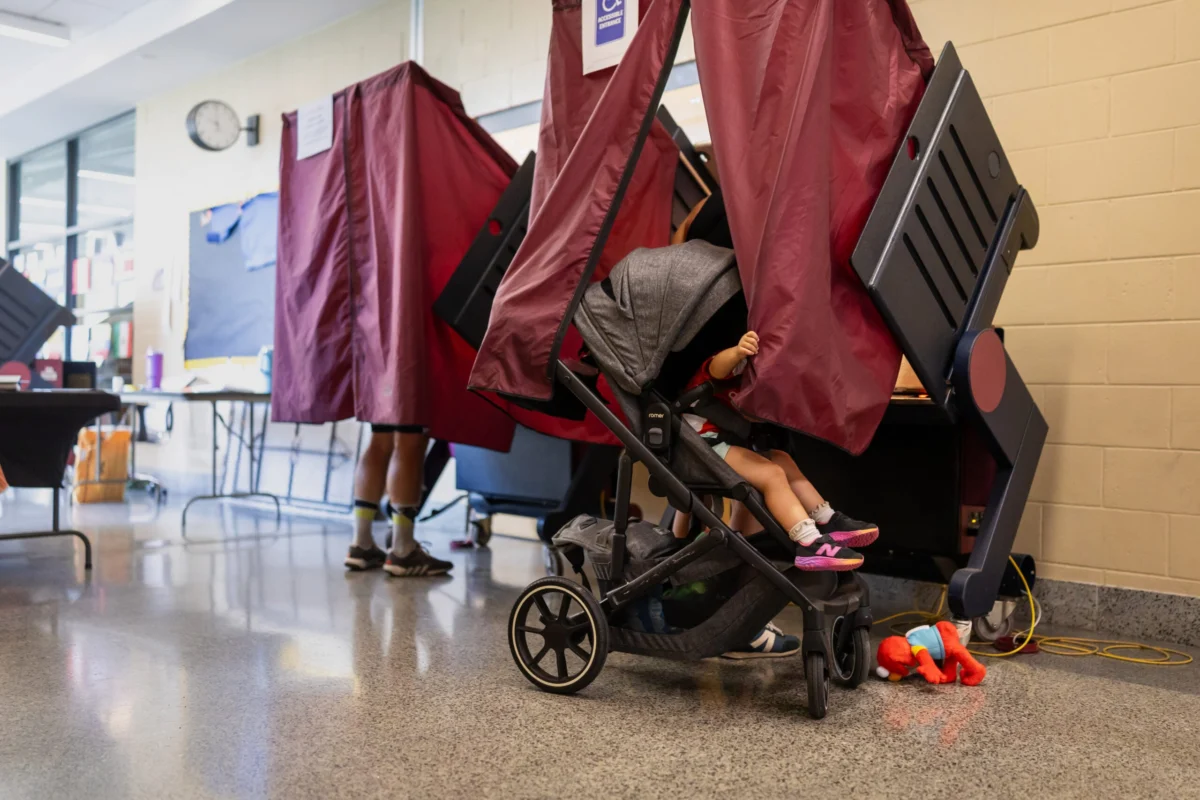
As Election Day draws closer, I sincerely hope my children observe far more than the incessant stream of campaign texts constantly lighting up my mobile phone screen. When I take them with me to the local polling place, I hope they witness neighbors treating one another with genuine civility and respect. I hope they see everyday people standing together across ideological lines in support of a healthier, more resilient civic culture.
Our children are constantly watching how we navigate the complexities of public life. Let us ensure we give them an example truly worth following.
The Wilderness Awareness School has officially announced the retirement of the name "Anake Outdoor School" for its renowned experiential outdoor education program. Moving forward, the multi-month residential program will be known as "The Immersion at Wilderness Awareness School." Organizers state that the rebranding is a crucial step in the institution’s ongoing commitment to justice, equity, diversity, and inclusion, as well as a deliberate effort to correct practices of cultural appropriation within its organizational branding.
Originally launched under the name Wilderness Awareness Residential Program (WARP), the curriculum underwent its first major re-naming in 2009 to become the Anake Outdoor School. At the time, the term "Anake"—a Kikamba word—was selected to pay tribute to the legacy of Ingwe, a co-founder of the school who maintained direct personal relationships with members of the Akamba people in East Africa. School leadership understood the term to mean "one who is ready to step into service for their community," and the title was adopted with positive intentions to inspire students embarking on intensive outdoor leadership training.
However, over the past several years, the staff and leadership at the Wilderness Awareness School engaged in deep institutional reflection regarding the origins and utilization of the name. Administrators ultimately realized that the organization no longer possessed the full story behind the term, nor did it maintain a proper understanding of its authentic cultural context. Furthermore, the school currently has no active members connected to the Akamba people or fluent in the Kikamba language.
Recognizing these realities, school officials determined that utilizing an element of an external culture without maintaining right relations with the people who actually live within that culture constitutes cultural appropriation. Despite the strong positive spirit the name evoked for hundreds of students and graduates over the years, the leadership concluded that the organization had a moral responsibility to release the name "Anake" from its identity.
The newly designated title, "The Immersion at Wilderness Awareness School," has been chosen to better reflect the true nature of the experience itself. Organizers describe the program as a once-in-a-lifetime journey and an experiential deep dive into the core teachings offered across the entire institution. While the title is changing, the foundational curriculum, daily rhythms, and core intentions that have defined the program for more than 500 graduates will remain completely intact.
The program continues to serve as a vital space where participants connect meaningfully with themselves, their peers, and the living world around them. The educational framework aims to empower students to move forward into their lives with greater awareness, resilience, and connection to nature.
Reflecting on the nature of the experience, Rees Maxwell, a graduate from the Class of 2006, captured the philosophy behind the curriculum: "When we experience life as immersion, we aren’t only ‘in it’ – we are given the opportunity to experience being ‘of it’. Those special moments of being ‘it’ are moments of being beyond ourselves, where we are more than intimately connected to all things, we are all things. We are immersed."
School leadership emphasizes that updating the program’s title is merely one component of a broader, systemic effort to disentangle the organization from the subtle yet harmful effects of ongoing colonization. Institutional branding that incorporates language from external cultures while ascribing self-determined meanings to those words is a practice the school is actively working to dismantle.
Administrators acknowledge that this renaming is an essential milestone in the school’s ongoing evolution toward becoming a more liberated, equitable, and culturally responsible organization. At the same time, leadership stresses that the transition is part of a larger continuum of work rather than a single, isolated fix. The organization remains dedicated to expanding and supporting the equity initiatives it has formally established, recognizing that substantive institutional change requires sustained effort, accountability, and ongoing action.
Founded in 2003 with a deeply personal mission to care for orphans by engaging the Church and reducing systemic barriers to adoption, the organization Show Hope has spent more than two decades transforming the landscape of child welfare and family reunification. Established by founders Mary Beth and Steven Curtis Chapman, whose own life-changing adoption journey opened their eyes to the immense needs of orphaned children around the world, the organization initially set out to tackle a glaring and immediate obstacle: the high financial costs associated with the adoption process.
In those early days, the primary mechanism for driving change was the creation and distribution of Adoption Aid grants. These financial awards were specifically designed to bridge the gap for waiting families who longed to welcome home children through the miracle of adoption but found themselves stalled by prohibitive expenses. By lifting these financial burdens, Show Hope successfully cleared the runway for countless families, setting the stage for what would eventually evolve into a multifaceted global child advocacy ministry.
More than fifteen years ago, the scope of Show Hope expanded significantly with the launch of its second major programmatic area: supporting the vital work of the New Hope Foundation and establishing dedicated Care Centers in China. This new direction was born out of a profound calling—what the founders often describe as a distinct tap on the shoulder from God—to care specifically for little ones in China who were facing acute medical needs and specialized health challenges.
This chapter of the organization’s history took on a deeply poignant and enduring meaning in 2009. Following the tragic passing of their daughter, Maria, the family and the broader community rallied to establish a physical beacon of hope in Luoyang, China. Known affectionately as the "Big Blue Building," this facility was adorned with white clouds and featured a flower beautifully drawn by Maria herself. Standing tall in the Chinese sky, the facility became a testament to Maria Sue Chapman’s legacy, providing specialized care, safety, and love to vulnerable children who otherwise might have slipped through the cracks of the medical and social support systems.
Over nearly fifteen years of sustained love, community support, and dedicated financial backing, the impact of the Care Centers in China was monumental. More than 2,700 children received comprehensive, compassionate care within the walls of these facilities. Furthermore, more than 800 of those children transitioned from institutional care into the permanent love, stability, and security of a family through adoption. The legacy of the "Big Blue Building" demonstrated conclusively that specialized medical care combined with family-focused advocacy could radically change the trajectory of a child’s life.
However, the landscape of international child welfare is ever-evolving, and organizations dedicated to this work must frequently reassess how they can best deploy their resources to meet the changing needs of children and families. At the beginning of 2020, following extensive prayer, strategic evaluation, and careful consideration, Show Hope announced a major transition. The organization made the difficult decision to officially conclude its financial support of the New Hope Foundation and the Care Centers in China at the close of its fiscal year on June 30, 2020.
While the conclusion of this chapter was undeniably met with deep sadness, the leadership recognized a fundamental truth about organizational growth and ministry: certain chapters must come to a close and be planted deep within the heart in order for new seeds of hope to take root and flourish. The end of the China Care Centers program did not signal a retreat from the core mission of orphan care, but rather an opportunity to pivot, listen, and reimagine how Show Hope could serve the adoption community on an even deeper level.
Drawing inspiration from the original heart and soul of the Care Centers program—which had always centered on addressing the complex medical needs of orphaned children—the leadership team took a reflective step back to listen, dream, and hope. They began asking a pivotal question: What if the organization could continue to journey alongside children and families long after an adoption has been finalized, specifically by offering Medical Care grants designed to help offset mounting healthcare expenses?
This vision was brought to the leadership table, engaging the then-Executive Director—Mary Beth and Steven Curtis Chapman’s daughter, Emily Chapman Richards—alongside the broader organizational team. The process of shaping this new initiative was described as collaborative and inspiring. Building directly upon the extensive expertise, administrative rigor, and intricate processes already established through the successful Adoption Aid grants program, Show Hope found itself uniquely positioned to expand its financial assistance into the realm of specialized medical care. By introducing this new avenue of support, Show Hope prepared once again to address two of the most formidable barriers to adoption head-on: the initial financial costs and the ongoing medical and health-related expenses.
The development of the Medical Care grants program was not rushed. It followed diligent research, numerous in-depth conversations with pediatric healthcare professionals, and the accumulation of years of institutional experience. Through this exhaustive process, the leadership became thoroughly convinced of a pressing reality: families who have welcomed children impacted by adoption would undeniably benefit from additional, targeted support when trying to access quality care for complex medical and mental health needs.
The core hope driving this new initiative is straightforward yet profound. As families come to realize that these financial resources are available to help shoulder the weight of specialized healthcare, the leadership hopes they will feel profoundly supported and emboldened in their ongoing journeys to love well the children who have been entrusted to them through adoption.
Looking toward the horizon, the broader Show Hope family continues to expand as more children and families join the ongoing story. As the organization casts its vision wide for the Medical Care grants program, the founders and staff often reflect on the future with a sense of holy curiosity, wondering which children they will meet next and how many families they will be able to reach. In their most imaginative moments, they even allow themselves to dream about the future, jokingly wondering if there could one day be a figurative "Big Blue Building" right here in the United States, covered with white clouds and Maria’s signature flower.
While acknowledging that it is easy to get carried away by such grand visions, the leadership anchors itself in a steadfast trust in a very big God. Leaning heavily on faith for guidance, they view this next phase as part of a continued "Great Adventure." It has been described as the wildest and most rewarding of rides, made possible entirely by the unwavering dedication, prayers, and generosity of supporters, partners, and friends who have played a part in the story from its earliest days.
As this chapter unfolds and the organization looks ahead to the work that remains to be done, the call to action for the community remains as urgent as ever. Citing a favorite songwriter’s sentiment to saddle up the horses and blaze a new trail, the founders are inviting individuals, churches, and communities to step up and join the next phase of Show Hope’s journey by exploring how they can become a part of the newly established Medical Care grants program.
Moving forward into this next season of ministry, Mary Beth and Steven Curtis Chapman, alongside the entire Show Hope team, remain dedicated to reducing barriers, championing vulnerable children, and supporting families every step of the way.
For decades, many people have been introduced to the complex landscape of bereavement through a single, familiar framework: the "Five Stages of Grief." Comprising denial, anger, bargaining, depression, and acceptance, this psychological model has become so deeply embedded in modern culture that countless individuals believe they are supposed to experience loss in a strict, orderly sequence and eventually arrive at a definitive final destination known as acceptance. However, for those who navigate profound personal tragedies, the reality of loss proves that grief rarely works that way.
For many bereaved parents, grandparents, and siblings who have lived through the profound and permanent loss of a loved one, the traditional five-stage model can feel frustrating, misleading, and at times actively harmful. Rather than serving as a comforting tool to help them understand their internal world, the rigid structure often creates unrealistic expectations about what grief should look like, how it should manifest, and how long it should take to resolve.
The fundamental truth is that grief is not a series of boxes to be checked off on a list. It is not a process that follows a predictable path, and it certainly is not a condition or ailment that can be completely finished or cured.
The origins of this widespread cultural misunderstanding trace back to psychiatrist Elisabeth Kübler-Ross, who introduced the five stages in her seminal 1969 book, On Death and Dying. Crucially, Kübler-Ross developed her observations while studying individuals facing their own terminal illnesses, focusing on how people process the anticipation of their own mortality. Over time, however, the model was broadened and generalized to apply to all forms of loss, particularly those left behind by bereaved individuals grieving the death of a loved one. Unfortunately, society gradually began interpreting these descriptive stages as a prescriptive roadmap that every grieving person was expected to follow.
This misinterpretation has left countless individuals grappling with internal doubt, wondering why their personal experiences do not align with the textbook trajectory. The answer, clinicians and grief support advocates emphasize, is simple: grief is not a linear process.
Anyone who has lived through significant loss knows intimately that grief is profoundly unpredictable. An individual may feel relatively stable and grounded on one day, only for an ordinary moment—a familiar song, a casual photograph, a birthday, or a fleeting memory—to trigger an overwhelming wave of sadness. Years after a devastating loss, tears may still fall unexpectedly. Moments of profound joy and laughter can, and frequently do, coexist alongside moments of deep heartbreak. Experiencing these fluctuating emotions does not mean that something is wrong with the grieving person; it simply means they are human.
Families who navigate these waters frequently share that grief moves more like a series of ocean waves rather than distinct, static stages. While those emotional waves may become less intense or overwhelming over time, they can still return without warning. Anniversaries, milestone life events, holidays, and everyday transitions frequently reopen emotions that never truly disappear. A parent whose child died twenty years ago may still choke up when speaking their child’s name aloud. A sibling may still feel the heavy ache of an empty chair at family gatherings, while a grandparent continues to wonder what milestones their grandchild might have reached in life. Far from being signs of unfinished grief or a failure to heal, these enduring emotional responses are powerful testaments to enduring love.
One of the most damaging misconceptions perpetuated by the stage model is the pervasive societal myth that grief has a clear finish line. Many grieving people face intense external pressure from society to "move on," "find closure," or simply "get over it." The popular perception of the five stages can unintentionally reinforce the belief that there should eventually be a definitive point at which grief is entirely resolved and left safely in the past. But grief is not a technical problem waiting to be solved. Grief exists fundamentally because love exists.
When someone of immense importance passes away, the nature of the relationship changes profoundly, but it does not disappear. Survivors continue to carry memories, unrealized hopes, future dreams, and deep emotional connections with those they have lost. The absence of the loved one becomes an indelible part of the survivor’s ongoing life story. For bereaved parents especially, no psychological stage can remove the stark reality that their child is missing from the world. No level of acceptance can completely erase the deep longing to hold them again. Instead of ending entirely, grief evolves. Survivors learn how to carry it differently, finding ways to integrate the loss into the fabric of their daily lives. They create meaning, build lasting memories, establish rituals, and maintain connections that allow them to move forward while continuously honoring the person who died.
Another significant challenge inherent in the stage model is the implication that grief should look and feel similar for everyone. In reality, the experience of bereavement is intensely personal and idiosyncratic. Some people cry frequently and openly, while others rarely shed a tear. Some individuals need to talk about their deceased loved one constantly to keep their memory vibrant, whereas others require long, quiet periods of internal reflection. Some find immense comfort and validation in organized support groups, while others discover a pathway to healing through writing, personal faith, artistic expression, time spent in nature, community service, or quiet, private remembrance.
There is no universal timeline for loss. There is no standard progression of emotions, nor is there a checklist for successful grieving. What matters most is not whether a person’s individual journey matches a textbook psychological theory, but whether they are finding healthy ways to navigate their loss while honoring their unique emotional reality.
Rather than viewing grief as a series of hurdles or stages to complete, many find it more constructive to think of grief as a lifelong journey of adaptation. Over time, many bereaved individuals discover that they possess the capacity to experience profound grief and genuine joy simultaneously. They learn that they can laugh again without loving the deceased any less, and that they can build meaningful, fulfilling lives while continuing to deeply miss the person who passed away. The ultimate goal of grief support is not to stop grieving altogether, but rather to learn how to carry grief alongside the ongoing demands of daily life. Some days, grief takes center stage, demanding full attention, while on other days, it quietly accompanies the individual in the background. Both of these experiences are entirely normal.
What many bereaved people eventually discover is that true healing does not mean forgetting. It does not mean achieving a clinical sense of closure, nor does it mean reaching a final stage where grief vanishes completely. Healing simply means learning to live with a profound love that no longer has a physical place to go.
Perhaps the greatest gift grieving individuals can offer themselves is the explicit permission to grieve in their own distinct way. There is no need to force personal experiences into five rigid categories, nor is there any utility in measuring emotional progress against an imaginary timeline. Guilt should not accompany the resurgence of grief, even when those feelings reappear years after the initial loss. Grief is not a psychological disorder that requires a cure, nor is it a routine task to be completed. It is the completely natural human response to loving someone deeply and subsequently losing their physical presence.
Recently, a conversation with a bereaved mother highlighted this exact struggle; she felt she was failing to progress because, three years after the death of her son, she still found herself crying daily and grappling with days filled with anger and frustration. Reassuring her that she was moving along at the exact pace she needed to for her own healing was an eye-opening moment for her.
The ultimate reality of bereavement is that grief changes, grows, and transforms across the span of a lifetime. It may soften in its sharpest edges, and it may become quieter as the years pass. Yet, for many people—particularly those who have endured the devastating loss of a child, a sibling, or a grandchild—it never completely disappears. And that reality is entirely acceptable. Grief is not evidence that a person is failing to heal or move forward; it is enduring evidence that someone deeply loved mattered immensely. And that love continues.
In the ongoing conversation about childhood literacy, academic achievement, and emotional development, educators and parents frequently focus on the profound benefits of reading. Over the past few months on the Read-Aloud Revival podcast, discussions have heavily centered on how reading aloud benefits kids academically, how it develops their resilience, empathy, and virtue, and even how the simple act of sharing a book reduces physiological stress in both children and adults. However, the ecosystem of literacy is incomplete without examining its counterpart. Recently, the podcast turned its attention to the flip side of reading, diving deeply into the fundamental question: Why do we write, anyway?
Without writing, the literary world as we know it would cease to exist, leaving readers with no stories to consume, explore, or share. Yet, creating books for a broader audience is merely one facet of a much larger picture. Writing offers tremendous, transformative benefits to the individual who sits down with a blank page and puts pen to paper. In a recent episode, host Sarah Mackenzie and co-host Audrey explored the multifaceted reasons to invite children—and adults alike—to pick up a writing utensil and begin creating. The episode also highlighted a selection of favorite exercises and practical tips designed to get creative juices flowing for writers of all ages.
The connection between literacy practices and cognitive development is well-documented, but the act of writing engages a unique set of neurological and emotional pathways. While reading allows individuals to absorb narratives, empathize with unfamiliar characters, and explore distant worlds, writing requires the active generation of thought, structure, and voice. It transforms passive consumption into active creation. By articulating ideas, structuring arguments, or weaving fictional narratives, individuals learn to organize their internal thoughts and communicate them effectively to the external world.
Throughout the episode, the discussion emphasized that writing should not be viewed merely as an academic chore assigned in classrooms, but as a vital human practice that helps individuals process their experiences. When children write, they are given a low-stakes environment to test out ideas, explore complex emotions, and build a distinct personal voice. This process fosters a deeper sense of autonomy and self-expression, which naturally reinforces the resilience and empathy that advocates frequently associate with reading aloud.
Furthermore, the hosts addressed the intimidation factor that often accompanies writing. Staring at a blank page can induce anxiety for seasoned authors and young learners alike. To counter this, the episode shared engaging exercises and strategies aimed at dismantling creative blocks. By lowering the barrier to entry and framing writing as an exploration rather than a formal test, parents and educators can inspire a lifelong appreciation for the written word. These techniques encourage writers to focus on expression and imagination rather than immediate perfection, allowing creativity to flow more naturally.
As discussions surrounding education continue to evolve, integrating reading and writing as complementary pillars of literacy remains essential. The insights shared in this episode serve as a reminder that the act of writing is not just about producing a final product for others to read; it is a powerful tool for personal growth, self-discovery, and cognitive enrichment. Whether through journaling, storytelling, or creative exercises, the invitation to write is an invitation to engage more deeply with one’s own mind and the world at large.
For listeners and families looking to extend these conversations beyond the podcast, numerous resources are available. The Read-Aloud Revival platform offers continuous support for parents seeking to foster meaningful connections through literature. Among these offerings is a complimentary guide designed to help parents facilitate deep and engaging discussions about books with their children, titled "How to Talk with Your Kids About Books." Featuring practical strategies and video content, the guide provides simple methods for discussing literary themes even when parents have not read the specific books themselves, bridging the gap between independent reading and shared family conversations. Additional resources, book lists, and episode notes can be found directly on the Read-Aloud Revival website, where a variety of tools are accessible to support families on their literacy journeys.
In the contemporary landscape of maternity care, the prevailing clinical approach is often defined by the meticulous identification and mitigation of risk. Birth professionals are extensively trained to monitor parameters, assess potential complications, and prepare for the unexpected. While this vigilance is undeniably essential for modern obstetric safety, the medical community is increasingly acknowledging that an exclusive focus on what could go wrong often obscures the very conditions that foster health, trust, and the natural physiological progression of birth.
To address this imbalance, a growing movement is championing a model known as "salutophysiology"—a framework that invites a radical shift in the starting point of clinical care. By centering on the conditions that allow health to flourish rather than merely focusing on the prevention of pathology, this model offers a holistic lens through which to view the birthing experience.
The Origins and Philosophy of Salutophysiology
The concept of salutophysiology, originally theorized by the midwife Verena Schmid, draws its inspiration from the broader medical framework of "salutogenesis." Coined by sociologist Aaron Antonovsky, salutogenesis poses a fundamental question that differs sharply from the traditional medical query: instead of asking "What causes disease?" it asks "What supports health to flourish?"
When applied to pregnancy and birth, salutophysiology demands that care providers look at the entire landscape of the birthing person’s experience. It rejects the idea that physiology is merely a series of mechanical events to be managed. Instead, it posits that the body is inherently responsive and relational, deeply influenced by the emotional, psychological, and environmental cues of safety and support. By bringing these disparate elements together, salutophysiology provides a comprehensive map of how birth unfolds, moving beyond the binary of "normal" versus "pathological" to understand the nuanced continuum of human physiology.
Redefining the Environment of Birth
A central tenet of this perspective is the recognition that birth does not occur in a vacuum. A laboring person’s nervous system is in a state of constant, reflexive dialogue with their environment. Every sound, every interaction, and every clinical intervention sends signals that dictate the flow of hormones, the tone of musculature, and the body’s ultimate readiness for labor.
In a clinical setting where care is primarily driven by risk-aversion, these subtle physiological cues are often overlooked. When the focus is strictly on avoiding complications, the environment can unintentionally become a source of stress. For a laboring person, this perceived threat can trigger a sympathetic nervous system response—often called the "fight or flight" mode—which can, in turn, affect the progress of labor. Salutophysiology proposes a different path: by prioritizing the conditions that support physiological health, care providers can create a foundation where the body is more likely to function effectively, even in the presence of clinical complexity. This approach does not seek to ignore or diminish the reality of medical risk; rather, it aims to cultivate a physiological environment that is inherently more resilient.
Synergy with the Spinning Babies® Approach
The philosophy of salutophysiology finds a natural partner in the principles of Spinning Babies®. Long recognized for its emphasis on balance, movement, and the functional relationship between the anatomy and the birth process, the Spinning Babies® approach has always encouraged birth professionals to look beyond the mechanics of delivery.
By integrating salutophysiology, the Spinning Babies® framework is deepened. The two models share a commitment to viewing the body as a cohesive whole. Together, they guide birth professionals away from the urge to simply apply techniques—such as specific maternal positioning or maneuvers—and toward the practice of being in a responsive relationship with the physiology of birth. This transition is profound; it changes the clinician’s role from an external manager of labor to an informed partner who understands the body’s innate logic.
Bridging the Gap in Clinical Practice
For many practitioners, the most significant challenge lies in translating theoretical knowledge into real-time bedside support. The transition to a salutophysiological lens offers a practical solution to this dilemma. It fundamentally changes the internal dialogue of the birth professional. Instead of the anxious, hyper-vigilant question, "What should I do next?" the practitioner learns to pause and observe, asking instead, "What is this body responding to, and how can I best support that response?"
This shift from a posture of fear to a posture of trust is the hallmark of the model. It invites professionals to abandon the perception of the laboring body as a fragile, error-prone machine. Instead, they learn to view physiology as a robust, responsive, and capable system that, when provided with the right environmental and emotional scaffolding, is remarkably adept at navigating the birth process.
Professional Development and Future Learning
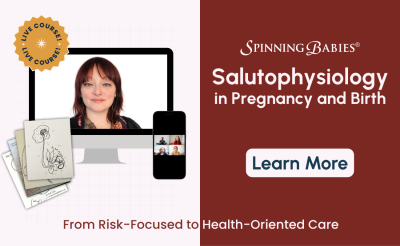
To facilitate this shift in clinical practice, Spinning Babies® has announced a strategic partnership with Anna Maria Rossetti to offer a specialized learning experience for birth professionals. This new course, titled "Salutophysiology in Pregnancy and Birth: From Risk-Focused to Health-Oriented Care," is designed as a collaborative effort between Spinning Babies® and SEAO (the School of European Midwifery and Obstetrics).
The curriculum is structured to explore the intricate connections between the nervous system, the birth environment, and maternal physiology across the entire perinatal period. A key feature of the program is the inclusion of live sessions, which are intended to provide practitioners with the space to reflect on their own biases, integrate new concepts, and apply these strategies in their actual practice settings.
Over the course of the program, participants are expected to gain a more sophisticated understanding of how to hold space for the physiological process of birth, strengthening their clinical presence and their ability to provide responsive care. This educational initiative serves as an invitation for birth workers to join a community of peers who are collectively interrogating the standard norms of maternity care and seeking to refine their support strategies.
Registration for the program is currently open, marking a significant step forward for those looking to align their clinical work with a model that prioritizes human physiology and emotional safety. By moving toward a more connected, responsive, and health-oriented paradigm, birth professionals hope to ensure that the journey of childbirth is defined not just by the absence of disease, but by the flourishing of health and trust.
Every parent feels an innate, powerful instinct to shield their children from pain, struggle, and discomfort. Whether a child is navigating playground politics, facing academic disappointment, or grappling with deeper emotional turmoil, the automatic parental response is often to step in, shoulder the burden, and smooth the path ahead. The underlying motivation is pure: seeing one’s children happy and thriving is every parent’s deepest desire. Yet, child development experts warn that this well-intentioned intervention frequently disrupts the natural course of growth, inadvertently robbing young people of the essential lessons that accompany hardship.
Giving children the space to fall down, experience discomfort, and figure out how to get back up on their own is fundamental to imparting two of life’s most critical traits: responsibility and resilience. Without the opportunity to face challenges head-on, children and teenagers are denied the chance to build the psychological fortitude they will need to navigate the unpredictable ups and downs of life.
To understand why struggle is so vital to development, experts often point to a classic, profound allegory about a boy and a butterfly. In the tale, a young boy discovers a butterfly cocoon inside his home and spends hours watching the insect struggle to force its way through a tiny opening. Exhausted and seemingly stuck, the butterfly paused in its efforts. Wanting to help, the boy took a pair of scissors and snipped a larger opening in the cocoon, expecting the insect to emerge effortlessly and take flight. Instead, the butterfly crawled out with a swollen, deformed body and shrivelled wings. It was entirely incapable of flight, condemned to drag its underdeveloped body along the ground for the rest of its short life.
The boy did not realize that the arduous process of forcing its way through the narrow confines of the cocoon was nature’s way of driving fluid from the butterfly’s body into its wings, preparing it for flight. The struggle itself was what gave the insect strength.
This dynamic mirrors human growth. When children encounter the inevitable trials of growing up—falling on the playground, facing rejection in team sports, failing an exam, struggling with job dissatisfaction, or even confronting grief and loss—the parental impulse to swoop in and make everything right can ultimately stunt their emotional development.
Child psychologists emphasize that fostering independence must begin early, shifting the focus from constantly helping children to encouraging personal agency and responsibility. Young children naturally gravitate toward responsibility, finding a deep sense of achievement in mastering new tasks. According to Melanie Kelly, a psychologist based on the Central Coast of New South Wales, engaging children in everyday household chores is a vital first step in this process.
Young children love responsibility, Kelly notes, because it gives them a chance to learn about both internal and external rewards. However, she stresses that the type of responsibility assigned must match the child’s developmental age. While modern parents often find it faster and easier to complete household tasks like cooking, gardening, and cleaning independently, excluding children from these routines misses a crucial developmental opportunity. Although involving children makes the process messier and significantly more time-consuming, it establishes self-confidence and teaches them what it means to be part of a team. It fosters pride in their own actions, encourages consideration for others, and inspires them to tackle more demanding challenges down the road.
As children learn to navigate responsibility and independence, they require consistent encouragement. This includes both external validation for their sincere efforts—even when the outcome falls short—and gentle reinforcement to keep trying. This supportive environment helps children build resilience, hone their problem-solving skills, and establish a baseline for grit and determination.
At the same time, experts caution against granting children and teenagers absolute freedom without appropriate guardrails. Maintaining a healthy parent-child dynamic requires clear boundaries, with adults firmly holding the ultimate authority. While a young child should be encouraged to brush their own teeth, manage personal hygiene, and help prepare dinner, that autonomy does not mean they are equipped to determine their own bedtime or safely navigate the digital world unsupervised.
As children transition into adolescence and young adulthood, the nature of the challenges they face shifts dramatically. Debates over manners and shared toys are replaced by romantic heartbreaks, peer pressure, and complex discussions surrounding personal values. Despite these changes, the fundamental parenting approach remains remarkably consistent.
Parenting expert and author Annie Fox, who specializes in healthy tween and teen development, advocates for giving adolescents the necessary space to grow. In her writings on the subject, Fox tongue-in-cheek refers to adolescents as "semi-formed humans," emphasizing that parents must allow them room to fully develop.
Creating this space mindfully requires a conscious shift in communication. Parents are encouraged to talk less and listen more, serving as a safe, available sounding board for their children. This does not mean parents must endorse or agree with every adolescent perspective; rather, allowing young people to speak openly without immediate interruption gives them the chance to hear their own ideas articulated aloud. It also provides parents with a valuable window into their teenagers’ problem-solving capabilities and limitations.
Furthermore, respecting adolescent boundaries is essential. While granting increasing privacy and autonomy can be uncomfortable for parents, young people need ample opportunities to make mistakes and experience the consequences firsthand in order to develop sound judgment.
Parents must also recognize the profound impact of their own behavior. Because children and teenagers constantly observe the adults in their lives, parents who hope to raise trustworthy, responsible, honest, and resilient individuals must actively model those exact values in their day-to-day existence. Authenticity is equally critical; acknowledging personal confusion, admitting mistakes, and offering sincere apologies demonstrates to children that adults are also works-in-progress. True growth, for parents and children alike, is about continuous progress rather than unattainable perfection.
Observing a child grow, learn new skills, and slowly shape the person they will eventually become evokes a complex mix of emotions for any parent. There is a natural desire to hold them close and shield them from the passage of time. Yet true parental love extends far beyond protection; it is found in offering children the world, along with the full spectrum of human experiences required to find their own footing in it.
As the crisp winds of October usher in a seasonal shift characterized by vibrant autumn foliage, pumpkin-flavored treats, and community festivals, families across the globe prepare for the arrival of one of the calendar’s most culturally prominent events: Halloween. For many households, the late-October holiday provides a straightforward outlet for creative costume-making, neighborhood socializing, and traditional candy collection. However, for a significant demographic of Christian parents, the annual occasion prompts deeper deliberation regarding cultural participation versus potential spiritual compromise.
The central question facing many believers each autumn remains straightforward yet complex: Should Christians celebrate Halloween? According to ministry leaders and family counselors, the answer is rarely a simple binary, instead depending heavily on individual family convictions, biblical interpretation, and the manner in which the holiday is observed. Rather than yielding to a universal mandate, faith leaders suggest that Halloween offers Christian families a distinct opportunity to model intentional decision-making, open family communication, and thoughtful engagement with the surrounding culture.
Understanding the Historical Roots of Halloween
To properly evaluate the holiday, families often examine its complex historical origins, which stretch back centuries before modern commercialization. Historically, the evolution of Halloween is tied to ancient traditions such as Samhain, a Celtic festival marking the end of the harvest season and the beginning of the dark, cold winter—a time often associated with the boundary between the physical and spiritual worlds. Throughout centuries, these observances mutated and interacted with various cultural shifts.
Around 609 A.D., Pope Boniface IV established All Saints’ Day, originally celebrated in May to honor Christian martyrs and saints. By the eighth century, Pope Gregory III moved the observance to November 1 to coincide with the autumn season. Over time, the evening prior to All Saints’ Day became known as "All Hallows’ Eve," which eventually contracted into the modern term Halloween. While ancient sacrificial practices eventually morphed into modern traditions like handing out candy, the holiday’s historical entanglement with paganism and themes of mortality remains a focal point for contemporary discussions within the church.
The Modern Debate: Rejection, Acceptance, and Redemption
Within contemporary Christian communities, responses to Halloween generally fall into three distinct categories: rejection, acceptance, or redemption. The debate is largely fueled by the holiday’s massive commercial footprint and its association with dark themes. In recent decades, Halloween has evolved into one of the most heavily marketed events of the year, bolstered by seasonal television programming, streaming releases, and retail spending that routinely crosses multi-billion-dollar thresholds in the United States alone.
Critics of the holiday point to its ongoing association with occult practices and modern spiritual movements. Advocates of Wicca, recognized as a contemporary form of witchcraft, view October 31 as a significant date when the veil between the spiritual and physical realms is believed to be thinnest. Furthermore, critics argue that the holiday promotes imagery, mischief, and behaviors that run contrary to Christian standards of conduct. For families holding this perspective, complete abstention or alternative church-sponsored harvest festivals represent the most faithful response.
Conversely, many Christians argue that letting children wear harmless costumes—such as superheroes or historical figures—and collecting candy from neighbors possesses no inherent evil. Proponents of this view emphasize that a child dressing as an astronaut or an animal is entirely distinct from participating in occult rituals. However, theologians and family ministry advocates generally agree that if Christians choose to participate, their behavior, presence, and witness should consistently reflect their faith in God and His victory over sin and death.
Examining the Biblical Perspective on Halloween
While the Bible contains no direct references to Halloween by name, Scripture offers overarching principles regarding how believers should interact with worldly celebrations, pagan influences, and practices associated with the occult. In the Old Testament, passages such as Deuteronomy 18:10-12 outline strict prohibitions against practices like sorcery, divination, and consulting mediums, establishing clear boundaries for ancient Israel regarding spiritual compromises.
In the New Testament, the Apostle Paul addresses similar challenges in his letters to early Christian communities. In 1 Corinthians 10:31, Paul writes, "So, whether you eat or drink, or whatever you do, do all to the glory of God." This foundational verse reminds believers that every daily choice, including holiday participation, should be measured by how it honors God and reflects His character to the surrounding community. Furthermore, passages in Ephesians 5 contrast the deeds of darkness with walking as children of light, urging believers to maintain discernment in their daily lives.
Scriptural accounts also address encounters between early believers and individuals practicing magic. In the eighth chapter of Acts, the narrative of Simon the Magician illustrates the danger of viewing spiritual power through a transactional or consumer-based lens. When Simon attempts to purchase the power of the Holy Spirit, the Apostle Peter rebukes him sharply, urging repentance and a realignment of his heart. Later in Acts 19, new believers who previously practiced magic arts publicly burned their books, demonstrating a decisive break from their former practices so that the word of the Lord might increase and prevail.
For contemporary believers, these accounts suggest that the primary concern is not merely the external activity of walking through a neighborhood, but the internal posture of the heart, the nature of personal interactions, and the clarity of one’s Christian witness. Participating in neighborhood festivities can serve as a natural conversation starter, providing an avenue to build positive relationships with neighbors, coworkers, and local families who may be searching for deeper meaning.
Making a Faithful Choice for Your Family
Ultimately, church leaders emphasize that the decision to celebrate Halloween is a matter of personal conscience guided by prayer, study of the Word, and the conviction of the Holy Spirit. Families are encouraged to discuss their expectations, examine their boundaries, and arrive at a unified decision that aligns with their spiritual convictions.
Whether a family decides to participate by handing out candy and greeting neighbors, chooses to attend alternative church events, or opts out of the holiday entirely, the guiding principle remains the same. Ministry advocates stress that whatever choice a household makes, it should be approached with intentionality, grace toward those with differing views, and a consistent desire to represent Christ faithfully in the community.