A Paradigm Shift in Maternity Care: Moving from Risk Management to Salutophysiology
In the contemporary landscape of maternity care, the prevailing clinical approach is often defined by the meticulous identification and mitigation of risk. Birth professionals are extensively trained to monitor parameters, assess potential complications, and prepare for the unexpected. While this vigilance is undeniably essential for modern obstetric safety, the medical community is increasingly acknowledging that an exclusive focus on what could go wrong often obscures the very conditions that foster health, trust, and the natural physiological progression of birth.
To address this imbalance, a growing movement is championing a model known as "salutophysiology"—a framework that invites a radical shift in the starting point of clinical care. By centering on the conditions that allow health to flourish rather than merely focusing on the prevention of pathology, this model offers a holistic lens through which to view the birthing experience.
The Origins and Philosophy of Salutophysiology
The concept of salutophysiology, originally theorized by the midwife Verena Schmid, draws its inspiration from the broader medical framework of "salutogenesis." Coined by sociologist Aaron Antonovsky, salutogenesis poses a fundamental question that differs sharply from the traditional medical query: instead of asking "What causes disease?" it asks "What supports health to flourish?"
When applied to pregnancy and birth, salutophysiology demands that care providers look at the entire landscape of the birthing person’s experience. It rejects the idea that physiology is merely a series of mechanical events to be managed. Instead, it posits that the body is inherently responsive and relational, deeply influenced by the emotional, psychological, and environmental cues of safety and support. By bringing these disparate elements together, salutophysiology provides a comprehensive map of how birth unfolds, moving beyond the binary of "normal" versus "pathological" to understand the nuanced continuum of human physiology.
Redefining the Environment of Birth
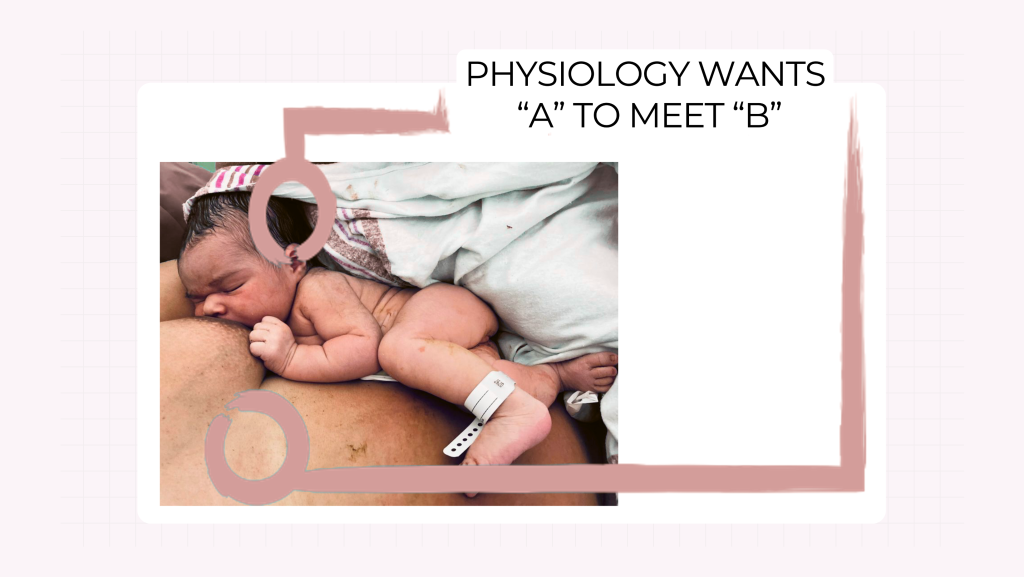
A central tenet of this perspective is the recognition that birth does not occur in a vacuum. A laboring person’s nervous system is in a state of constant, reflexive dialogue with their environment. Every sound, every interaction, and every clinical intervention sends signals that dictate the flow of hormones, the tone of musculature, and the body’s ultimate readiness for labor.
In a clinical setting where care is primarily driven by risk-aversion, these subtle physiological cues are often overlooked. When the focus is strictly on avoiding complications, the environment can unintentionally become a source of stress. For a laboring person, this perceived threat can trigger a sympathetic nervous system response—often called the "fight or flight" mode—which can, in turn, affect the progress of labor. Salutophysiology proposes a different path: by prioritizing the conditions that support physiological health, care providers can create a foundation where the body is more likely to function effectively, even in the presence of clinical complexity. This approach does not seek to ignore or diminish the reality of medical risk; rather, it aims to cultivate a physiological environment that is inherently more resilient.
Synergy with the Spinning Babies® Approach
The philosophy of salutophysiology finds a natural partner in the principles of Spinning Babies®. Long recognized for its emphasis on balance, movement, and the functional relationship between the anatomy and the birth process, the Spinning Babies® approach has always encouraged birth professionals to look beyond the mechanics of delivery.
By integrating salutophysiology, the Spinning Babies® framework is deepened. The two models share a commitment to viewing the body as a cohesive whole. Together, they guide birth professionals away from the urge to simply apply techniques—such as specific maternal positioning or maneuvers—and toward the practice of being in a responsive relationship with the physiology of birth. This transition is profound; it changes the clinician’s role from an external manager of labor to an informed partner who understands the body’s innate logic.
Bridging the Gap in Clinical Practice
For many practitioners, the most significant challenge lies in translating theoretical knowledge into real-time bedside support. The transition to a salutophysiological lens offers a practical solution to this dilemma. It fundamentally changes the internal dialogue of the birth professional. Instead of the anxious, hyper-vigilant question, "What should I do next?" the practitioner learns to pause and observe, asking instead, "What is this body responding to, and how can I best support that response?"
This shift from a posture of fear to a posture of trust is the hallmark of the model. It invites professionals to abandon the perception of the laboring body as a fragile, error-prone machine. Instead, they learn to view physiology as a robust, responsive, and capable system that, when provided with the right environmental and emotional scaffolding, is remarkably adept at navigating the birth process.
Professional Development and Future Learning
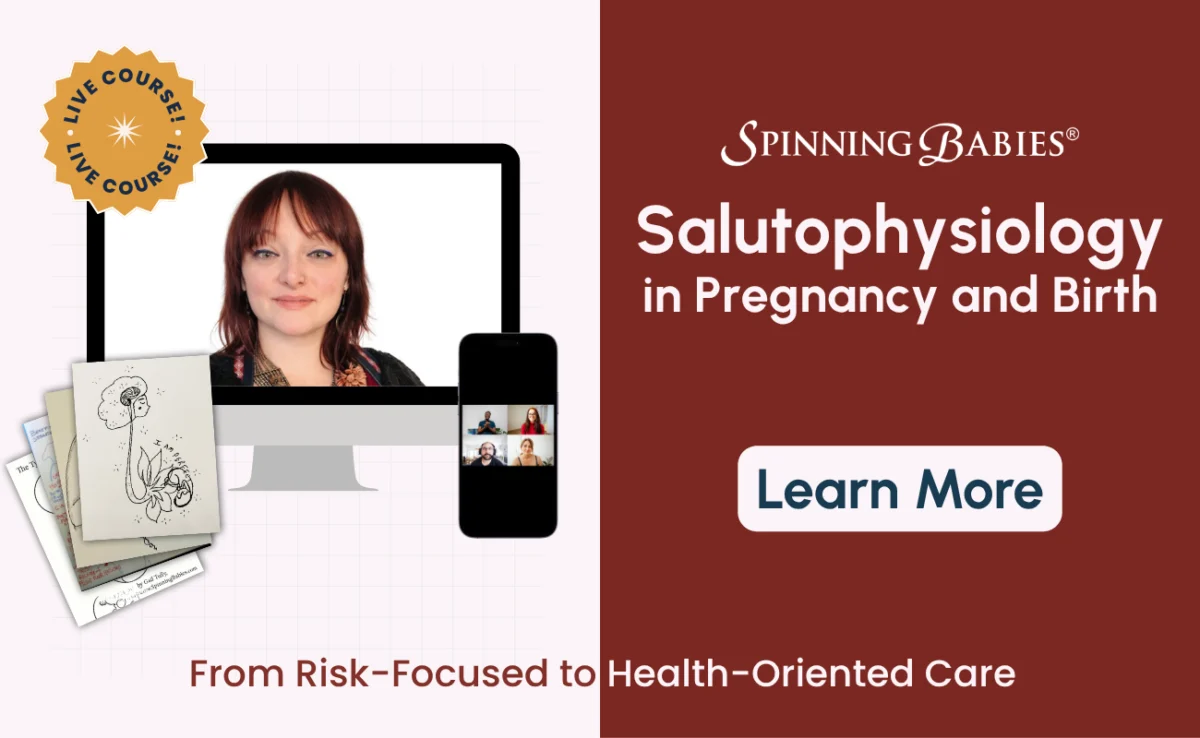
To facilitate this shift in clinical practice, Spinning Babies® has announced a strategic partnership with Anna Maria Rossetti to offer a specialized learning experience for birth professionals. This new course, titled "Salutophysiology in Pregnancy and Birth: From Risk-Focused to Health-Oriented Care," is designed as a collaborative effort between Spinning Babies® and SEAO (the School of European Midwifery and Obstetrics).
The curriculum is structured to explore the intricate connections between the nervous system, the birth environment, and maternal physiology across the entire perinatal period. A key feature of the program is the inclusion of live sessions, which are intended to provide practitioners with the space to reflect on their own biases, integrate new concepts, and apply these strategies in their actual practice settings.
Over the course of the program, participants are expected to gain a more sophisticated understanding of how to hold space for the physiological process of birth, strengthening their clinical presence and their ability to provide responsive care. This educational initiative serves as an invitation for birth workers to join a community of peers who are collectively interrogating the standard norms of maternity care and seeking to refine their support strategies.
Registration for the program is currently open, marking a significant step forward for those looking to align their clinical work with a model that prioritizes human physiology and emotional safety. By moving toward a more connected, responsive, and health-oriented paradigm, birth professionals hope to ensure that the journey of childbirth is defined not just by the absence of disease, but by the flourishing of health and trust.
