Every year, as autumn settles in, a familiar retail race begins. For Rabbi Yael Buechler, the annual guessing game is always the same: Will the High Holidays arrive first, or will the very first Hanukkah items appear on the shelves at HomeGoods? In most cases, HomeGoods wins.
These annual excursions have evolved into a shopping tradition of their own, marked by the thrill of spotting that first familiar patch of blue from across a sprawling retail floor. Yet, finding the seasonal display is merely the opening act. The true challenge of the hunt lies in distinguishing authentic Hanukkah merchandise from the vast sea of generic blue, white, and silver decor that gets conveniently drafted into service for the holiday season.
The 2026 HomeGoods Hanukkah collection offers a particularly fascinating mix of items, ranging from the genuinely charming to the profoundly bizarre.
Ceramic Hanukkah Bear
Among the standout pieces this season is a ceramic teddy bear that has been lovingly, if informally, dubbed "Maccabear." Featuring classic black button eyes, an endearing facial expression, and an undeniable old-fashioned charm, the bear sports a cream-colored sweater with a distinct preppy, Ralph Lauren-meets-Hanukkah aesthetic.
Upon closer inspection, the design holds up under scrutiny. The navy hanukkiyah printed on the bear’s sweater is fully kosher, with all nine branches properly accounted for. The piece also functions as a cookie jar, though practical questions immediately arise: Hanukkah is not traditionally a cookie-centric holiday, and the jar is far too large to store traditional chocolate gelt. It is a piece that is easily cute enough to stand on its own without needing a hollow interior. Still, once a mascot receives a name, a shopper’s emotional investment is all but guaranteed.
Hanukkah Gingerbread Houses
HomeGoods has notably expanded its inventory of ceramic Hanukkah "gingerbread" houses this year, and unlike previous iterations, these decorative structures actually light up.
The execution varies wildly across the lineup. One model successfully captures the spirit of the concept, featuring brown cookie-colored walls, blue-and-white twisted icing trim, and blue dreidels bearing the correct Hebrew letters across the front facade.
Other models, however, take a vastly different architectural approach. Some lean heavily into an almost entirely white color scheme with blue trim, while others showcase brown, stone-like facades that closely resemble old European village buildings. Aside from a small hanukkiyah placed above the doorway, these structures bear little resemblance to gingerbread houses, looking far more like miniature synagogues.
This unexpected aesthetic actually carries a surprising historical precedent. In various parts of Eastern Europe, particularly in Poland, historical Jewish communities faced strict government regulations regarding how prominent their synagogues could be in comparison to neighboring churches. This often resulted in understated, modest exteriors that blended seamlessly into the surrounding neighborhood architecture.
While the historical justification is clear, the reason behind miniature shuls becoming mainstream holiday decor remains a mystery. Nevertheless, the charm is undeniable, leading shoppers to find unique ways to incorporate the tiny buildings into their seasonal displays.
3D Star of David
Not every item in the collection hits the mark. A freestanding, three-dimensional Star of David, constructed from a gold wire frame wrapped in faux pearls and seated on a shiny gold base, proves to be a perplexing addition.
Initial impressions might lead a shopper to mistake it for a tree topper, though it thankfully stands independently. HomeGoods previously released a Passover Star of David utilizing a remarkably similar framework, though that version incorporated floral details and a clear "Happy Passover" greeting in the center. By comparison, the Hanukkah variant feels somewhat redundant—as though leftover wire and pearls were hastily repurposed to ensure the Festival of Lights was represented in the metalwork aisle. It is a piece that ultimately struggles to find its audience.
Stemless Hanukkah Wine Glass
On a much more successful note, the seasonal glassware offerings feature a stemless wine glass adorned with a metallic-gold hanukkiyah, beautifully surrounded by pale blue and navy presents and Stars of David.
A careful inspection reveals a clever design choice: each branch of the hanukkiyah terminates in a blue dreidel, topped with a small gem representing the flame. After years of reviewing repetitive holiday merchandise, this specific hybrid of dreidel and hanukkiyah stands out as a genuinely original concept. It is a thoughtful piece of design that suggests manufacturers are finding fresh ways to innovate within traditional iconography.
Hanukkah Ornament Garland
The six-foot ornament garlands found in stores this season mix chunky, glittery Stars of David with metallic baubles. The color palettes offer some diversion from the norm, with one version utilizing pink, aqua, and light green, while a more traditional option sticks to navy, silver, and gold.
However, the execution falters upon closer inspection. With no dreidels or hanukkiyot visible, the garlands feel unmistakably like Christmas decorations that have simply been rebranded for Hanukkah. Compounding the issue is a high-shedding glitter problem that evokes memories of elementary school art projects from eras long before loose craft glitter was rightly restricted. It is an item likely to leave traces of holiday cheer scattered across household floors well past the winter months.
The Bedazzled Hanukkiyah
HomeGoods leans heavily into high-shine rhinestones with a decorative wall hanukkiyah completely covered in faceted clear stones, accented by amber teardrop-shaped gems that serve as the flames.
While the rhinestones provide a playful, costume-jewelry aesthetic for household walls, and the amber flames add a whimsical touch, the piece is undeniably clunky. It represents a bold design choice that demands a specific type of interior space, proving to be an entertaining conversation starter for anyone willing to commit to high-glam holiday decor.
Hanukkah-Themed Candles
Candles are abundantly available this season, ranging from deep blue tapers to clear glass vessels decorated with Stars of David, hanukkiyot, and raised dreidels. Marketed under names like "Festival of Lights" and "Joyous Hanukkah," the candles feature sophisticated fragrance profiles such as "Ambered Teakwood & Mahogany" and "Opulent Woods & Herbs."
The heavy, woodsy aromas might seem entirely disconnected from traditional Jewish motifs, unless one considers their potential utility in masking the lingering aroma of fried latke oil—in which case, the choice becomes a stroke of practical genius. Given the mixed historical reactions to overly literal holiday food scents in the retail market, sophisticated ambient fragrances offer a safer, more pleasant alternative.
Hanukkah Throw Pillows
The textile department features a wide assortment of throw pillows, spanning needlepoint-style "Happy Hanukkah" and "Love & Light" designs to heavily embroidered options. The color stories introduce welcome variety, incorporating pink and blue florals alongside gold hanukkiyot set against pink candles.
The standout piece in the category features a group of illustrated dogs outfitted in blue-and-white sweaters and scarves, gathered around a properly proportioned hanukkiyah and gifts. While some of the pillow designs lean heavily into the "ugly holiday sweater" aesthetic, the animal-themed options successfully bridge the gap between whimsical and approachable home decor.
The 2026 HomeGoods Hanukkah collection demonstrates a continued expansion of holiday representation in mainstream retail, offering everything from historically inspired miniatures to playful novelty items. As shoppers continue to navigate the aisles in search of the season’s best finds, the marketplace proves that the intersection of modern home decor and Jewish tradition continues to evolve in unexpected ways.
Cancer remains one of the most formidable health challenges in the United States, standing firmly as the second leading cause of death nationwide. While this serious medical condition can impact individuals across all demographics, public health data indicates that women face distinct and heightened risks. According to figures from the American Cancer Society, the spectrum of cancers frequently diagnosed among women encompasses breast, lung, colorectal, endometrial, cervical, ovarian, and skin cancers. Among these, breast cancer emerges as the most prevalent diagnosis for women in the United States.
Statistics provided by the National Breast Cancer Foundation underscore the scale of this issue, estimating that approximately one in eight women in America will receive a breast cancer diagnosis during their lifetime. These figures resonate deeply within communities, highlighting the reality that mothers, daughters, sisters, and friends are all vulnerable. Ensuring that the women in our lives receive the encouragement and support necessary to prioritize their health is a collective responsibility that extends beyond individual households and into the fabric of society.
Medical research demonstrates that several distinct factors can influence a woman’s likelihood of developing breast cancer. These variables include advancing age, physical inactivity, carrying excess weight following menopause, never experiencing a full-term pregnancy, delivering a first child after the age of 35, abstaining from breastfeeding, and utilizing specific hormonal contraceptives or alternative hormone replacement therapies. While certain risk factors, such as aging, remain entirely beyond personal control, addressing modifiable lifestyle elements can offer meaningful pathways toward risk reduction. Integrating regular physical activity into daily routines, striving to maintain a healthy body weight, and engaging in open, proactive discussions regarding individual risk profiles with qualified healthcare professionals represent critical steps toward long-term wellness.
Despite the clear importance of preventative health measures, women—particularly mothers—frequently set aside their own personal needs to care for family members and dependents. The demands of daily life often require immense emotional and physical investment, leading many women to lose sight of their own well-being. Societal expectations often place immense pressure on women to act selflessly and make continuous sacrifices for their families. However, fulfilling these traditional expectations frequently comes at a direct cost to their physical and mental health. This dynamic underscores why intentional self-care is not a luxury, but a fundamental necessity. Dedicating time to personal well-being is vital for preserving physical stamina, psychological resilience, emotional balance, and spiritual strength. Finding a workable equilibrium between familial responsibilities and personal rest remains a formidable challenge, yet it is essential for maintaining health amidst the competing demands of modern life.
Self-Care and Cancer Prevention for Mothers
Establishing a foundational understanding of self-care requires dismantling the misconception that caring for oneself is an inherently selfish act. Prioritizing personal health must stand as a primary concern, and effective personal care naturally encompasses habits that contribute to cancer prevention. Individuals possess an intimate awareness of their own bodies, making it crucial to pay close attention to unusual physiological changes and seek professional medical guidance promptly when concerns arise. Transitioning toward a more active and intentional role in personal healthcare can begin by gradually incorporating sustainable self-care habits into a daily routine.
A significant hurdle for many mothers involves managing routine medical and dental evaluations. In many households, mothers routinely coordinate healthcare appointments for children, aging parents, and spouses, inadvertently allowing their own medical evaluations to fall to the wayside. Reversing this pattern requires extending the same level of diligence to one’s own health that is readily provided to loved ones, ensuring that personal appointments are scheduled and attended with equal priority.
Concurrently, familiarizing oneself with the recognized signs and symptoms of cancer equips individuals to advocate more effectively for their own health during consultations with medical providers. An informed patient is better positioned to identify subtle physiological changes and bring them to the attention of a physician. Rather than dismissing symptoms or postponing evaluations while tending to family obligations, seeking timely medical insight supports the critical goal of early detection.
Addressing the unrealistic expectations often placed upon women—who are frequently pressured to maintain high productivity, uphold social standards of appearance, manage immaculate households, and contribute financially, often while navigating systemic barriers such as workplace discrimination and unequal pay—requires the intentional establishment of personal boundaries. Creating space for rest, recreation, and quiet solitude is vital. Taking time for a favored meal, a brief walk, or moments of uninterrupted quiet does not require substantial financial expenditure or high levels of productivity. Carving out moments of solitude helps mitigate chronic stress, a factor known to contribute to various physical ailments.
Integrating Lifestyle Modifications and Holistic Well-Being
Developing a sustainable exercise routine presents a common challenge for busy women. Initiating physical activity often requires overcoming initial inertia, but routines typically become more manageable over time. Commencing with modest, achievable physical activities—such as walking, strength training, yoga, cycling, dance, or martial arts—allows individuals to build endurance gradually. Partnering with friends or family members can provide mutual motivation, while professional guidance from a certified personal trainer can offer structure and accountability for those with the means to do so.
In addition to physical activity, maintaining social connections with friends and family plays a vital role in emotional resilience. Individuals who have navigated serious illnesses frequently emphasize the profound value of meaningful time spent with loved ones. Cultivating these relationships through regular visits, shared meals, or simple conversations provides essential comfort, affection, and companionship.
Nutritional habits also form a central component of overall health maintenance. Traditional and religious frameworks often offer specific guidance regarding dietary choices, encouraging individuals to consume wholesome, nourishing foods and maintain adequate hydration while avoiding overindulgence in heavily processed, sugary, or fatty items. Incorporating traditional dietary elements recognized in historical texts, such as honey, black seed, dates, and vinegar, can also align with individual nutritional strategies and personal health requirements.
Finally, cultivating a strong spiritual routine can provide profound psychological and emotional support when facing life’s adversities, including health-related crises. Engaging in regular practices such as prayer, reflection, and focused supplication helps individuals navigate hardships with patience and resilience. Establishing small, consistent spiritual habits integrates seamlessly into daily life, offering a sense of comfort and the reassuring reminder that personal struggles are not borne in isolation.
The pervasive reach of cancer ensures that nearly every community is touched by the disease, whether through personal diagnosis or the experiences of friends and family members. Witnessing the profound impact of cancer underscores the vital importance of encouraging preventative care and supporting women in carving out the time necessary to protect their health. While proactive health measures cannot offer absolute immunity against illness, they significantly support overall well-being and help mitigate specific health risks. Ultimately, maintaining health serves as an expression of gratitude for life, anchored in the trust that proper care and resilience will guide individuals through their health journeys.
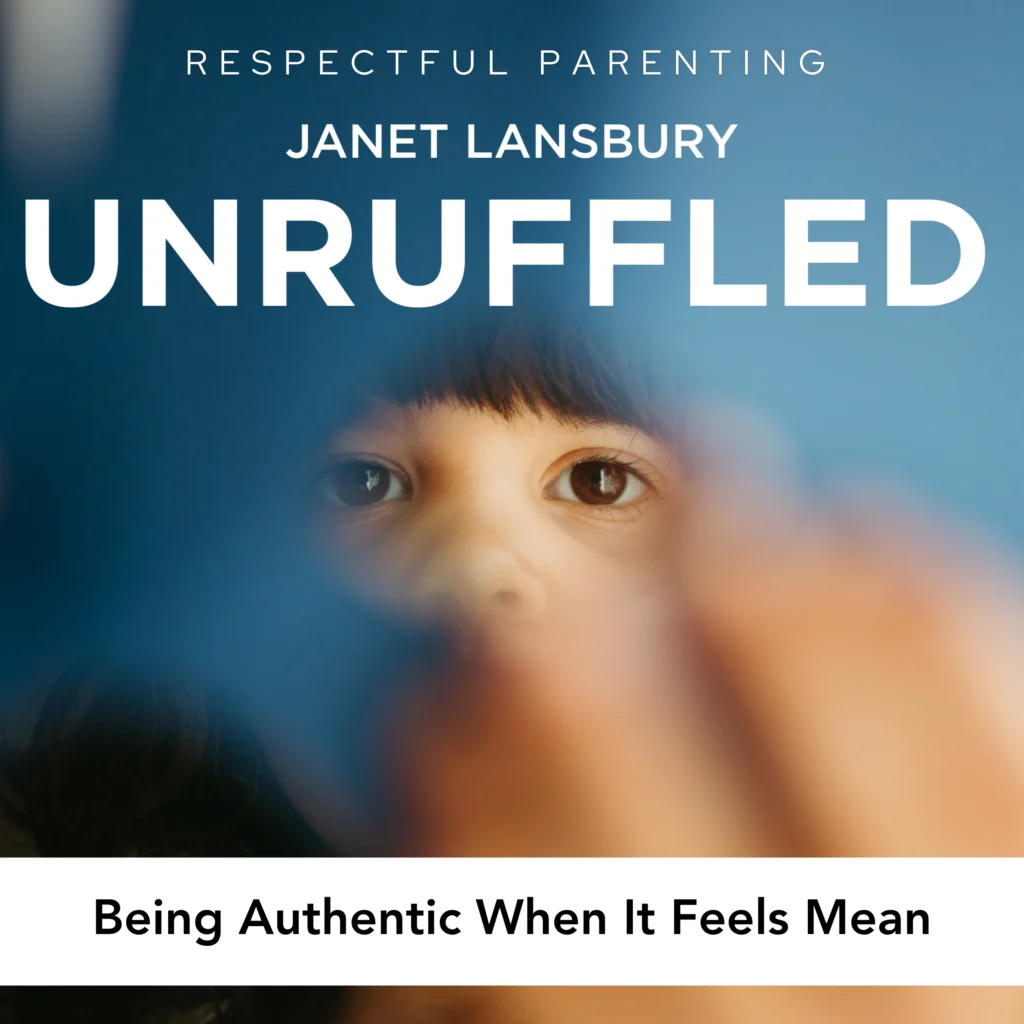
In the complex landscape of modern parenting, few concepts are championed as fiercely as emotional authenticity. Parents are continually urged by therapists and child development experts to identify their feelings, abandon old habits of emotional suppression, and remain true to themselves in front of their children. Yet, this well-intentioned advice often collides with the messy reality of daily family life, leaving caregivers grappling with a difficult paradox: How can a parent remain entirely authentic without making a young child feel rejected or unloved?
This central dilemma recently captured the attention of renowned parenting author, consultant, and podcast host Janet Lansbury. On an episode of her parenting podcast, Unruffled, Lansbury addressed a deeply honest and vulnerable email from a mother struggling with the friction between her own emotional triggers and her three-year-old son’s behavior. The listener, who also cares for a nine-month-old infant, posed a question that resonates with countless caregivers: Is it wrong to decline a hug and express frustration when a child’s actions make a parent feel annoyed, or does doing so cross the line into unloading adult baggage onto a toddler?
The mother’s dilemma centered on a routine scenario. Her three-year-old son, operating out of impulse rather than malice, would frequently throw items around a room that she had just painstakingly tidied. When confronted with a boundary—such as the mother calmly explaining that she would not allow the items to be thrown because she preferred a neat home—the child would initially accept the redirection and move on. However, shortly thereafter, the toddler would ask for a hug on the couch.
Caught in a lingering wave of annoyance, the mother found herself reluctant to offer the physical affection. She worried that forcing a hug would feel completely inauthentic, violating her own boundaries and sending a poor message regarding bodily autonomy and consent. Conversely, she feared that bluntly stating she did not want to hug him because she was annoyed and grumpy would make her feel like a bad person and lead her son to believe he was only loved when he was "good."
In her detailed response, Lansbury validated the mother’s intense self-reflective work while offering a broader perspective on the developmental realities of toddlerhood. Lansbury noted that the struggle of feeling that emotions were unwelcome during one’s own childhood is a burden shared by at least half of the parenting population. When adults grow up learning to push their feelings down to secure parental acceptance, the emergence of strong emotions—particularly anger—can often act as a secondary defense mechanism masking a deeper, more primal root emotion. In many cases, Lansbury suggested, that root emotion is fear: specifically, the terrifying prospect of losing a parent’s regard or facing rejection.
Expanding on the child’s perspective, Lansbury challenged the notion that the three-year-old was throwing items simply for fun or with the deliberate intention of making his mother’s day more difficult. She emphasized that young children possess a high degree of awareness regarding their parents’ moods, often soaking up ambient tension long before they can articulate their internal experiences. Rather than viewing the toddler’s actions as a calculated annoyance, Lansbury reframed the behavior as an unconscious cry for help or connection.
This behavior, Lansbury pointed out, frequently intensifies during major life transitions, such as the arrival of a new sibling. With a nine-month-old baby now crawling around and demanding significant parental time, energy, and attention, an older toddler often experiences underlying anxiety about their place in the family dynamic. When children feel unsettled or insecure, they frequently resort to impulsive, repetitive actions that pull a reaction from their caregivers, serving as an unconscious signal of distress.
By understanding this underlying vulnerability, Lansbury argued, parents can significantly reduce their own immediate irritation. Recognizing that the child’s behavior stems from discomfort rather than defiance allows caregivers to rise above the momentary friction, transforming a potentially adversarial interaction into an opportunity for calm, confident boundary setting.
Addressing the specific question of the rejected hug, Lansbury supported the mother’s instinct not to force physical affection when her internal state did not match the external gesture. She noted that faking a warm, enthusiastic hug while harboring feelings of annoyance is ultimately more uncomfortable and confusing for a child than a calm, honest boundary. Children rely on the consistency between a parent’s internal state and external expression to feel secure; forced positivity can undermine that trust.
However, Lansbury also cautioned against over-explaining or unloading adult emotional struggles onto a young child. She advised that the mother did not need to deliver a detailed monologue about feeling grumpy, explaining her mood, or assigning blame, as the toddler was already well aware of the dynamic. Instead, Lansbury suggested a simpler, more concise approach: a parent can maintain a clear boundary by stating simply that they are not ready for a hug right then, while reassuring the child of their enduring love and promising to reconnect later.
This approach, according to Lansbury, preserves authenticity and respects bodily autonomy without overwhelming a three-year-old with adult introspection. It allows the parent to set a firm boundary from a place of self-respect rather than punitive withholding. By separating the necessary enforcement of limits from the urge to justify or vent, caregivers can model genuine emotional honesty without causing unnecessary alarm to their children.
Lansbury concluded her analysis by praising the listener’s remarkable self-awareness and dedication to breaking generational cycles of emotional suppression. She emphasized that the ongoing work of identifying personal triggers, combined with a deeper empathy for a child’s developmental point of view, provides a powerful foundation for resilient parent-child relationships. Through thoughtful reflection and a commitment to honest, respectful communication, parents can navigate the difficult moments of daily life with confidence, assuring both themselves and their children that a temporary lapse in warmth does not diminish a lifelong bond.
Navigating busy morning routines often forces a compromise between saving time and maintaining a nutritious diet. While traditional quick fixes like smoothies and overnight oats certainly have their place in a morning rotation, prioritizing protein early in the day remains a key goal for many health-conscious individuals and busy families. Addressing this common nutritional challenge, a simple and approachable recipe—the broccoli cheddar egg bake—has emerged as an effortless way to deliver a satisfying, high-protein meal without requiring extensive kitchen prep during the rush of a weekday morning.
The appeal of the dish lies largely in its low-effort, high-reward nature. Designed for minimal preparation, the recipe requires only a few minutes to whisk and combine ingredients before the oven takes over the heavy lifting. This streamlined process allows home cooks to prep the casserole while waiting for their morning coffee to brew, sliding it into the oven to bake steadily while they transition into their daily routines. Furthermore, the dish is built for convenience, reheating exceptionally well. Many busy individuals choose to assemble the casserole over the weekend, enjoying the leftover portions as a quick breakfast or lunch throughout the busy week ahead.
Why I Love This Broccoli Cheddar Egg Bake
Egg casseroles have long served as a cornerstone of effective meal prepping due to their inherent versatility. This particular iteration elevates the standard breakfast bake by blending traditional eggs with cottage cheese. The addition of cottage cheese introduces a significant boost of protein while contributing a rich, creamy texture that completely eliminates the need for heavy cream. Meanwhile, shredded cheddar cheese infuses the dish with a savory, robust flavor profile, and chopped broccoli steps in to provide vibrant color, essential dietary fiber, and a wide array of vital nutrients.
Practicality is another major advantage of the recipe, which relies heavily on straightforward staples that home cooks almost always keep stocked in their kitchens. Fresh broccoli works wonderfully, but frozen broccoli serves as an equally effective substitute, ensuring that a healthy breakfast can be whipped together spontaneously without necessitating a special trip to the grocery store. The seasoning profile is kept deliberately minimal, allowing the natural, wholesome flavors of the rich cheese and earthy broccoli to take center stage.
Naturally gluten-free, this adaptable breakfast casserole transitions seamlessly from rushed weekday mornings to relaxed weekend brunches. It pairs effortlessly with complementary side dishes such as fresh seasonal fruit, sliced avocado, or roasted potatoes, helping to round out a more complete and substantial meal. Because a single batch yields multiple generous servings, it proves to be an exceptionally practical option when feeding a hungry household—such as young children—or when simply attempting to stay a few steps ahead of a demanding weekly schedule.
Tips for the Best Egg Casserole
Fortunately, the recipe is remarkably forgiving and accessible to cooks of all skill levels. Whisking the cottage cheese directly into the eggs is a crucial technique that helps yield an exceptionally smooth and fluffy texture, while the broccoli cooks evenly right inside the casserole without ever turning unpleasantly mushy. Allowing the baked dish to rest quietly for a few minutes before slicing is another small yet vital step that helps the contents fully set, ensuring clean and neat portions when it comes time to serve.
Leftovers store exceptionally well in the refrigerator for several days, cementing the dish’s status as a premier make-ahead breakfast solution. Reheating is a straightforward affair; warming an individual slice in a conventional oven, toaster oven, or air fryer revives the meal remarkably well, yielding a texture and taste that closely mirrors a freshly baked batch.
Whether the goal is to streamline weekly meal prep, host a weekend brunch gathering, or simply discover a deeply nourishing breakfast option that eliminates the need to stand vigilantly over a hot stove, the broccoli cheddar egg bake offers a reliable solution. By combining simplicity, satisfying nutritional value, and wholesome ingredients, the dish proves to be a practical culinary tool for smoothing out the friction of busy mornings.
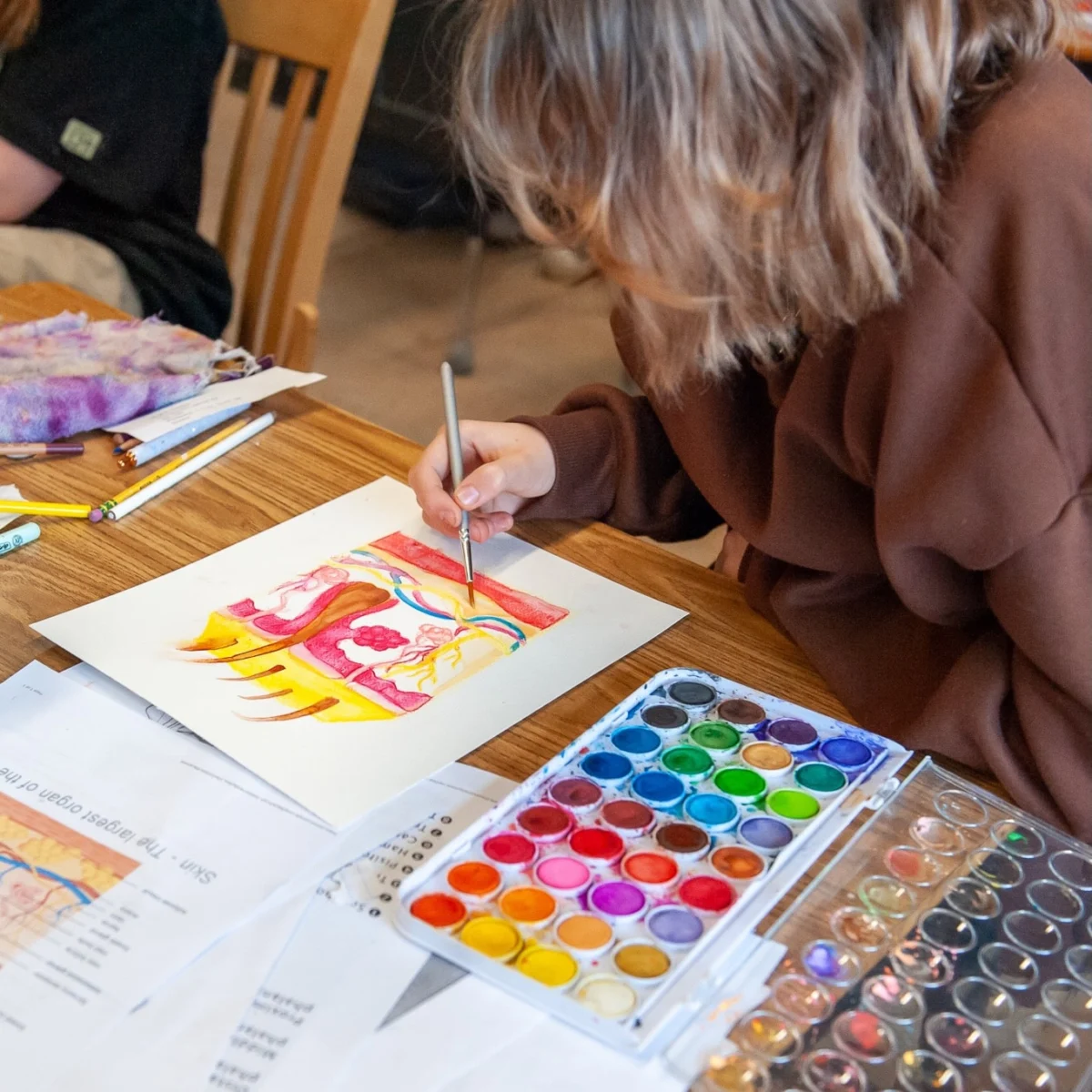
For more than a century, educators, cognitive scientists, and researchers have recognized a fundamental truth about human development: the arts are far more than mere enrichment or optional extracurricular activities; they are foundational to the learning process itself. From the cadence of music and the expressive reach of drama to the fine motor control of drawing and the cognitive scaffolding of storytelling, artistic expression has consistently been shown to strengthen academic achievement, foster boundless creativity, enhance memory retention, and build critical social-emotional skills. While many contemporary school districts continue to debate whether creative programs should be treated as essential or optional, a robust body of empirical research demonstrates that the arts are central to holistic student growth and long-term academic success.
Education as an Art
The foundational concept that teaching itself is an art form has deep roots in pedagogical history. Truly effective educators are not simply passive conveyors of standardized information; rather, they function as creative guides who awaken natural curiosity, invite rigorous exploration, and help students perceive the world through fresh lenses. Lessons that are thoughtfully infused with rhythm, imagination, and narrative allow children to bridge the gap between abstract knowledge and lived experience.
A major randomized trial conducted in Texas, titled Investigating Causal Effects of Arts Education Experiences, evaluated the tangible impacts of enhanced arts programming in Houston schools. The findings revealed that students immersed in these enriched environments not only performed significantly better on standardized writing assessments, but they also displayed a notable reduction in disciplinary infractions alongside markedly higher levels of empathy toward their peers. When teaching is approached as an intentional art form, the scope of learning extends far beyond traditional academic metrics, reaching deeply into the realms of character development, community building, and shared humanity.
Academic Achievement and the Arts
For decades, learning environments rich in the arts have been directly correlated with superior academic performance across diverse student populations. A landmark federal study, Arts and Achievement in At-Risk Youth, revealed that students who maintain deep and sustained involvement in the arts consistently earn better grades, graduate from high school at higher rates, and exhibit significantly greater aspirations regarding higher education. More recently, reports published by the National Endowment for the Arts (NEA), including Snapshots of Arts Education in Childhood and Adolescence, have reaffirmed these patterns, documenting consistent, measurable gains in reading comprehension, mathematical proficiency, and general language skills when arts participation is prioritized within the curriculum.
Further reinforcing these findings, a prominent 2019 study led by researcher Mariale Hardiman and her colleagues, titled The Effects of Arts-Integrated Instruction on Memory for Science Content, discovered that students who acquired scientific concepts through arts-based methodologies retained that knowledge far more effectively than their peers who were taught through traditional, lecture-based instruction. This phenomenon illuminates a practice already embraced by innovative classrooms: complex or abstract concepts become remarkably more accessible when introduced via artistic exploration. For instance, students who draw geometric forms before tackling formal geometry formulas, or those who illustrate the stages of a scientific experiment as part of their daily coursework, establish stronger cognitive connections to the material.
Creativity and Critical Thinking
In the modern economic and social landscape, creativity is no longer viewed as an optional luxury, but rather as an essential competency. A comprehensive report from the Organisation for Economic Co-operation and Development (OECD), titled Art for Art’s Sake?, highlights how dedicated arts education directly nurtures flexible, innovative modes of thinking. Numerous empirical studies consistently confirm that students who engage deeply in artistic disciplines develop superior divergent thinking skills. This cognitive flexibility empowers them to generate original ideas, synthesize disparate concepts, and adapt fluidly to novel, unexpected situations.
Whether students are composing original musical arrangements, performing in theatrical productions, or painting detailed landscapes, the creative process deliberately cultivates persistence, originality, and advanced problem-solving capacities. These are transferable skills that seamlessly translate across all academic disciplines and prepare learners for the complexities of the modern workforce.
Memory, Engagement, and Multisensory Learning
The cognitive mechanics underlying artistic practice also play a vital role in strengthening both memory retention and daily student engagement. Research spearheaded by Hardiman and her research team demonstrates that arts-integrated instruction leads to deeper, more durable long-term recall of academic content. This occurs primarily because the arts naturally activate multiple sensory pathways simultaneously—encompassing visual, auditory, and kinesthetic dimensions—which successfully anchors newly acquired knowledge within embodied physical experience.
Engaging in activities such as reciting poetry with rhythmic movement, singing a complex mathematical formula, or creating detailed historical illustrations embeds learning far more powerfully and permanently than passive rote memorization could ever achieve on its own.
Social-Emotional Growth
The profound benefits of a comprehensive arts education extend far beyond cognitive and academic metrics, reaching deeply into the social-emotional domain of child development. The aforementioned Houston study documented increased levels of compassion and vastly improved classroom engagement among students who experienced high levels of arts exposure. Similarly, research compiled in the NEA publication Arts in Early Childhood: Social and Emotional Benefits of Arts Participation demonstrated that collaborative activities involving storytelling, group music-making, and drama actively build cooperation, empathy, and psychological resilience in young learners.
Participating in collective endeavors—such as rehearsing a theatrical play, singing in a school choir, or collaborating on a large-scale visual art project—requires high levels of communication, patience, shared responsibility, and mutual respect. These collaborative exercises foster essential life skills that serve students well beyond the classroom walls.
Equity and Access
Despite the overwhelming volume of empirical evidence supporting their value, arts programs are frequently targeted as the first areas for budget reductions during financial downturns. Yet, extensive research indicates that robust arts engagement can serve as a remarkably powerful equalizer for disadvantaged populations. NEA studies have consistently shown that low-income students who maintain deep involvement in the arts frequently outperform their socioeconomic peers academically, demonstrate higher rates of college enrollment, and exhibit greater civic engagement later in life.
Furthermore, initiatives like the Kennedy Center’s Turnaround Arts program confirm these outcomes on a systemic level, documenting measurable improvements in daily student attendance, behavioral metrics, and overall school climate in underfunded schools that choose to embrace comprehensive arts integration.
A Universal Call
The accumulated body of evidence remains unequivocal: the arts are not peripheral additions, but rather core components of a complete education. They elevate academic performance, spark creative innovation, deepen cognitive memory retention, and nurture vital human empathy. Schools that fully integrate the arts into their daily curricula—whether through music, visual arts, physical movement, drama, or narrative storytelling—actively embody what contemporary educational research affirms as best practice for human learning.
For well over a century, independent educational movements, such as Waldorf schools, have provided a living model of what this holistic integration looks like in everyday practice, weaving the arts into every academic subject as a matter of foundational principle. Within these environments, the arts are recognized not as optional add-ons, but as the very medium through which traditional academics are brought vividly to life.
Communities seeking deeper connections and meaningful dialogue now have a new pathway for engagement through a recently highlighted community initiative. Organizers are inviting individuals from all walks of life to participate in the Spiritual Living Circles program, an ongoing effort designed to foster purposeful discussions centered around modern spiritual principles, personal growth, and conscious living.
The underlying concept of the program is remarkably straightforward, emphasizing accessibility and interpersonal connection over formal organization. Anyone with an interest in exploring philosophical and spiritual concepts can step forward to become a host. The process begins when an individual invites a circle of friends, neighbors, or colleagues to gather regularly for open conversations. These gatherings focus on the ideas and perspectives on living a spiritual life as described within the pages of Guide for Spiritual Living: Science of Mind magazine.
Rather than requiring extensive preparation or specialized training from hosts, the program is fully supported by the publication’s administrative team. Organizers provide complimentary monthly discussion guides tailored specifically to support these conversations. These resources are crafted to spark dialogue, encourage introspection, and help participants delve deeper into the themes presented in each issue of the magazine, ensuring that every gathering remains engaging, focused, and thought-provoking.
The initiative also offers a tangible incentive for those who choose to take part. Once registered through the official channels, both the host and the members of their respective circles receive an email containing a special link. This link grants access to a complimentary, six-month digital subscription to Science of Mind magazine, allowing participants to explore the publication’s rich archive of articles, essays, and insights directly on their personal digital devices.
While the magazine itself is currently published in English only, program coordinators note that accessibility remains a priority for diverse groups. Participants who may require assistance with language translation can readily utilize the many translation options available online, ensuring that language barriers do not prevent interested individuals from engaging with the core concepts of the curriculum.
The Spiritual Living Circles program reflects a growing broader interest in community-based dialogue and shared intellectual exploration. In an era where digital communication often risks isolating individuals behind screens, initiatives that encourage face-to-face or intimate group conversations about meaningful topics continue to resonate strongly with the public. By bringing people together around shared readings and guided reflections, the program aims to cultivate supportive local networks where participants can explore spiritual philosophies in an open, welcoming environment.
For individuals seeking more information on how to participate, or for those who are ready to take a simple first step toward establishing a local circle, organizers have made direct contact channels available. Interested parties can reach out to the program administration by sending an email to [email protected] to receive further details on registration, community resources, and how to acquire the monthly discussion materials.
As the crisp air of autumn settles across the country and local communities find their steady rhythm, homeschooling families often reach a familiar milestone. Around Week 7 of the academic term, parents frequently pause to reflect and ask a fundamental question regarding their daily routine: What is all this memory work really for?
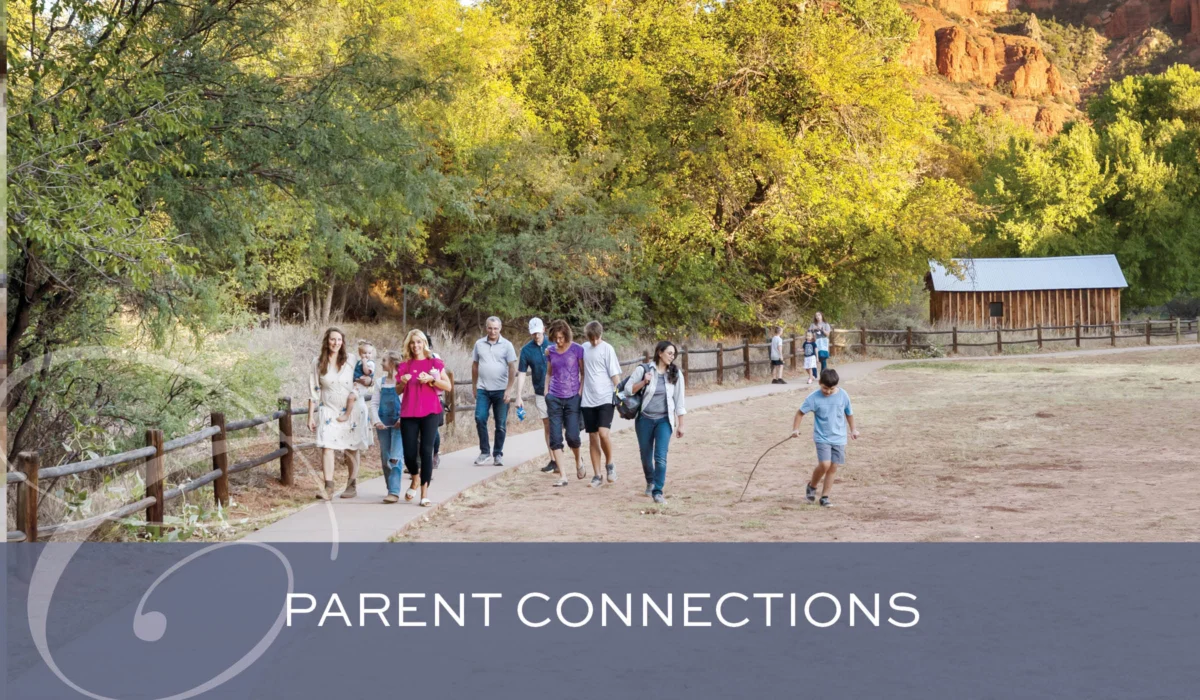
Addressing this inquiry directly, Classical Conversations has released its October 2026 Parent Connections newsletter. Designed to inspire and support member families, this month’s edition centers on helping parents rediscover the deeper purpose behind classical education. By offering a blend of insightful new video programming, recommended reading materials, and practical nationwide events, the latest newsletter aims to reinforce why the classical method remains a powerful foundation for lifelong learning.
At the heart of this month’s updates is a new resource addressing the everyday realities of the Foundations curriculum. When families look at a typical week, such as Week 7 of Foundations Cycle 3, the curriculum presents a diverse array of subjects. Students might find themselves tackling the 13s multiplication facts, Latin noun vocabulary, the human excretory system, the conjugation of the verb “to rise,” the historical context of the Monroe Doctrine, and the geography of states and capitals.
Viewed strictly on paper, these topics can occasionally appear as a collection of unrelated facts destined for temporary memorization. However, classical education is intentionally constructed around the art of discovering connections. A child who learns to recognize order and patterns within mathematical equations is actively exercising the very same cognitive skill required to trace cause and effect across historical epochs or accurately map a nation’s geographical layout.
To help families visualize these conceptual bridges, Classical Conversations has launched a new weekly video series titled "What’s the Point?" Each short segment walks parents and students through a specific week’s memory work, demonstrating how isolated facts systematically build lasting habits of thought. The initiative is designed to equip parents with the perspective needed to discuss the significance behind their children’s studies, moving beyond simply tracking what is being learned to understanding why it matters.
The weekly series kicked off with a dedicated focus on Foundations Cycle 3, Week 7, and the complete collection is rolling out as an accessible tool for home study routines. Organizers note that the series serves as a practical bridge between daily recitation and long-term cognitive development.
The release of these resources also aligns with ongoing efforts by the Classical Conversations community to address common misconceptions about the classical model. A recurring narrative surrounding classical education is the assumption that it relies entirely on rote memorization. Through channels such as the official CC blog and the Everyday Educator podcast, educational leaders have spent the fall term exploring this myth and other frequently discussed topics. These platforms continue to serve as a hub for homeschool encouragement, reinforcing the concept that learning is a lifestyle rather than a checklist of academic tasks.
Beyond digital media, the October newsletter places a strong emphasis on continuous adult learning, maintaining that classical education is designed to enrich parents just as much as their children. To support parents in growing their own understanding, the organization is highlighting several key literary resources.
Among them is the book "The Habits of a Classical Education: Practicing the Art of Grammar," which functions as a comprehensive companion for the entire homeschool journey. The publication offers guidance across multiple disciplines, including reading, writing, math, geography, history, science, and the fine arts, complete with practical suggestions for integrating the Five Core Habits into daily home life.
Additionally, families are being encouraged to explore "Echo in Celebration: A Call to Home-Centered Education," a free ebook detailing the personal homeschool journey of Leigh Bortins, the founder of Classical Conversations. The text provides historical context on the origins of the organization and explores the philosophical roots of home-centered, classical Christian education.
For students looking to apply their habits of thought in a competitive setting, the newsletter highlights the upcoming National Number Knockout mental math competition. Known as N2K, the program challenges participants to roll three dice and use their mathematical agility to build as many equations as possible matching a game board within a strict 60-second time limit. The competition is structured to foster a genuine appreciation for mathematics, build academic confidence, and encourage excellence among students. Participation for the upcoming cycle is open to students ages 11 to 14 currently enrolled in Essentials, Challenge A, or Challenge B, with the tournament culminating in a championship event held during the 2027 CC Family Cruise.
In addition to academic and competitive milestones, the October newsletter features member benefits designed to take learning beyond the traditional home environment. As the nation approaches its 250th anniversary, homeschool families are being encouraged to participate in Homeschool Days at the Museum of the Bible in Washington, D.C. These immersive, hands-on exhibits explore the historical influence of the Bible on the nation’s founding principles and cultural development, offering tailored educational programming suitable for all grade levels. Families planning excursions can also utilize supplementary guides designed to help structure educational day trips throughout the nation’s capital.
As these resources circulate among member communities, Classical Conversations continues to maintain active communication channels through its official Parent Connections newsletter, alongside updates shared across major social media platforms and community forums. Member families are also reminded to complete the annual parent survey, which remains open through October, offering participants an opportunity to share feedback while entering a drawing for bookstore merchandise.
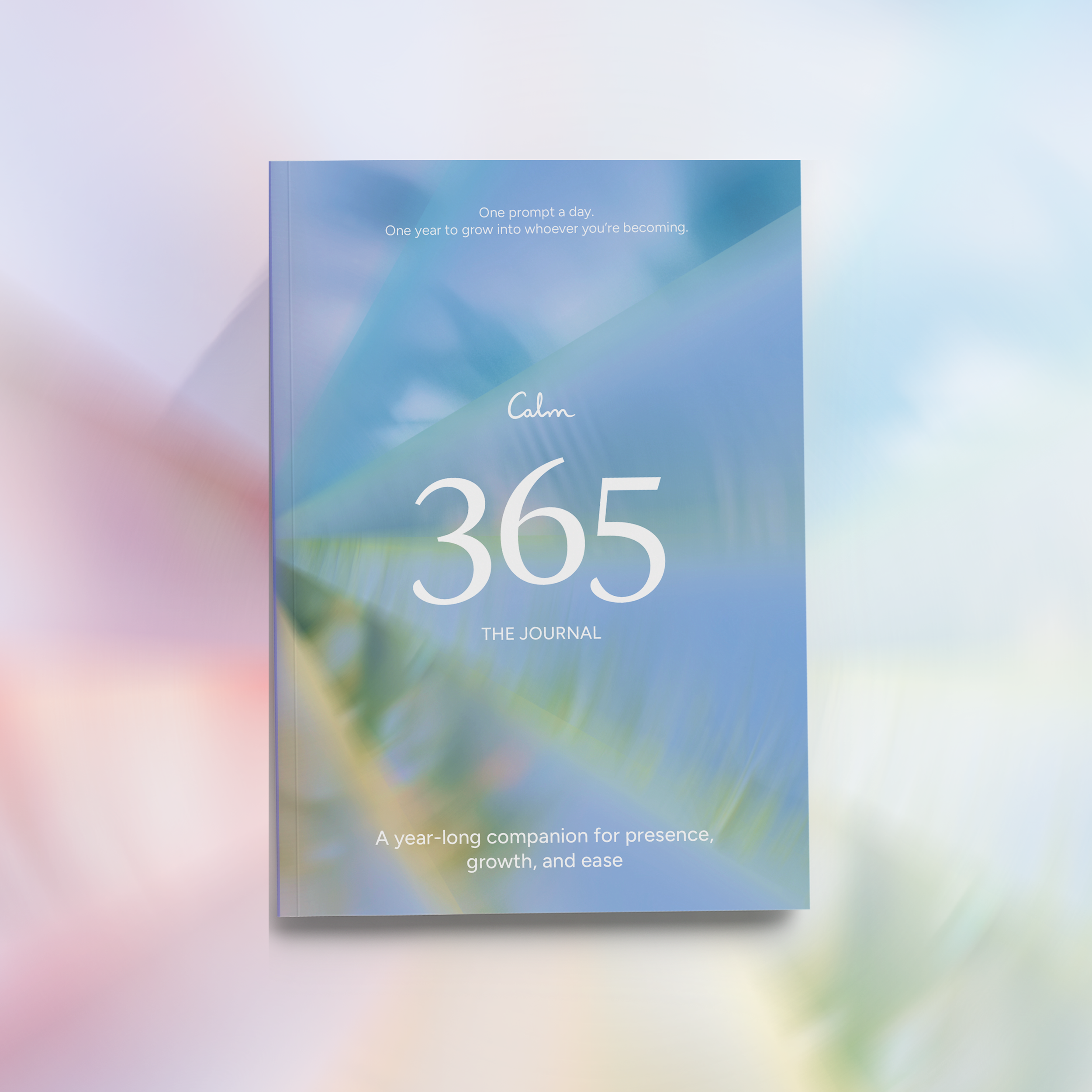
As individuals increasingly seek out ways to incorporate mindfulness, reflection, and mental clarity into their daily routines, the wellness platform Calm has detailed comprehensive information regarding its latest physical product offerings, including the Calm 365 Journal and the Calm Calendar. Alongside product specifications, shipping guidelines, and app integration details, the brand has rolled out a limited-time promotional discount across its newly expanded shop ecosystem.
The introduction of these physical tools marks an extension of Calm’s digital wellness ecosystem into tangible daily practice. Designed around a structured curriculum of monthly themes, the products aim to offer users a blend of quick daily touchpoints and deeper reflective writing exercises. With the holiday shopping season approaching and individuals beginning to map out their routines for the year ahead, the brand has released an extensive overview of how these items function, how they integrate with the broader Calm application, and what customers need to know regarding fulfillment and availability.
Current Promotions and Purchasing Options
To celebrate the availability of the new product line, Calm has introduced three separate discount codes, allowing customers to receive 30 percent off their purchases. Shoppers are required to apply the specific promotional code that corresponds directly to the item in their digital cart at checkout.
For those wondering whether the items must be purchased as a bundle, the platform has confirmed that both the Calm 365 Journal and the Calm Calendar are sold entirely on an individual basis. Customers are welcome to acquire just one of the items depending on their specific organizational preferences and daily habits.
The items have also been positioned as popular gifting choices for birthdays, holiday seasons, or milestone celebrations. Due to the print-on-demand nature of the production process, however, customers planning to secure the items as holiday gifts have been advised to plan their purchases accordingly. Standard production takes between three and five business days, extending to seven to ten business days during peak holiday periods, with an additional fourteen to eighteen business days required for standard delivery. To ensure arrival before major winter holidays, the brand recommends placing orders by early to mid-December, though expedited shipping options remain available at checkout for last-minute shoppers. Currently, physical shipping for these items is limited to the United States, the United Kingdom, and Canada, though the company has indicated a desire to expand its logistical footprint in the future.
Comparing the Calm 365 Journal and the Calm Calendar
While both products share a unified thematic foundation rooted in the Calm app, they serve distinctly different roles in a user’s daily life.
The Calm Calendar is designed as a quick, at-a-glance physical reference intended to live in a prominent location where it will be seen throughout the day. It features one daily prompt per page and measures eleven by eight and a half inches, making it suitable for hanging or displaying on a desk or wall. Crucially, the calendar is specifically dated for the year 2027, making it an ideal tool to begin utilizing closely aligned with the start of the new calendar year.
The Calm Journal, by contrast, takes the underlying mindfulness framework much further by providing dedicated physical space for writing, processing, and personal reflection each day. Formatted as an A5 book measuring 5.8 by 8.3 inches and spanning 300 pages, the journal offers considerably more room for inward exploration. Furthermore, the journal includes specialized sections that the calendar omits, such as dedicated Look Back and Look Ahead chapters, guided rituals, letter-writing prompts, and vision-boarding exercises. These components are specifically structured to help individuals process the events of the preceding year while deliberately setting a clear direction for the year to come.
Unlike the calendar, the journal is not tied to a specific calendar year, allowing users the flexibility to begin utilizing its pages whenever it feels most appropriate for their personal journey rather than being restricted to a January start date.
The Twelve Monthly Themes and App Integration
At the core of both the Calm Journal and the Calm Calendar is a curriculum organized around twelve distinct monthly themes. Running consecutively from January through December, the themes consist of Clarity, Connection, Nourishment, Growth, Kindness, Flow, Presence, Ease, Balance, Release, Gratitude, and Stillness.
Each of these themes corresponds to a dedicated content collection housed within the Calm app. Users often inquire whether an active paid subscription to the digital platform is necessary to access these associated app collections. Calm has clarified that a paid subscription is not strictly required. Every monthly theme features a dedicated collection within the application, and users can access a portion of this content without any subscription at all. For those wishing to explore the material more thoroughly, a free trial of the full application can be initiated at any time.
For individuals who already maintain an active Calm subscription, the physical products are designed to complement their existing digital routines seamlessly. The journal and calendar function identically whether an individual is experiencing the Calm platform for the very first time or is a longtime subscriber utilizing the app daily.
Fulfillment Policies and Order Management
Because each copy of the journal and calendar is printed on demand specifically for the individual customer, the platform maintains strict operational policies regarding returns, exchanges, and order modifications.
Due to the customized manufacturing process, returns or exchanges driven by a change of mind cannot be accommodated. However, the company stands by the physical quality of its printed goods; if an item arrives damaged, flawed, or misprinted, customers are encouraged to reach out to support within fourteen days of receipt so that the issue can be resolved.
Additionally, once an order has been transmitted to the production facility and printing has officially commenced, order details can no longer be modified or cancelled. The company strongly encourages shoppers to double-check their cart selections, shipping addresses, and applicable promotional discount codes prior to finalizing their purchase.
For nine years, Rev. Hannah Kardon has called Rogers Park home. Situated on the far northern edge of Chicago along the shores of Lake Michigan, the neighborhood represents the longest single place of residence in her life, following a childhood characterized by frequent moves. Over nearly a decade, building a genuine, enduring community in Rogers Park has grown into one of the defining experiences of her life.
Walking through the neighborhood often unfolds as a series of familiar, comforting connections. A trip to the local grocery store regularly yields a cheerful greeting from a classmate of one of her children shouting, "Hi, Annabel’s mom!" Passing by a neighborhood bar brings back memories of meeting someone who has since become a close friend. Across the street, a familiar voice calls out, "What’s up, Pastor!" For Kardon, these spontaneous moments feel nothing short of a miracle—a source of ongoing gratitude and pleasant surprise.
Yet, these familiar streets carry a heavier atmosphere today. Recent walks around the block are haunted by a mixture of joyful memories, deep sorrow, and lingering anger. The physical landscape of the neighborhood now bears silent witness to absences, marked by the lost voices of neighbors who are no longer present.
The Shadow of Operation Midway Blitz
The disruption came swiftly last year during the Department of Homeland Security’s "Operation Midway Blitz" campaign, an immigration enforcement surge that targeted communities across Chicago and its suburbs. Rogers Park, like many other local neighborhoods, was hit hard.
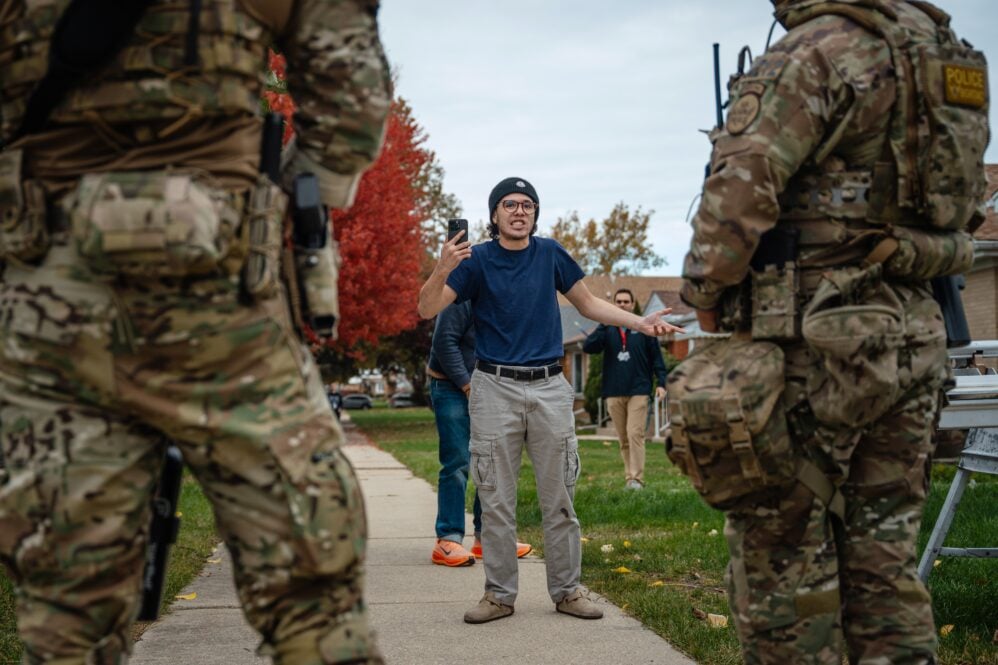
The impacts were immediate and personal. Someone was abducted from the alleyway directly behind Kardon’s apartment building. A local corner where residents regularly gathered to buy tacos transformed overnight into a site of trauma, where two neighbors were detained during the early days of the campaign. Even as community members rushed into the streets to the north and south, desperately trying to intervene, the individuals were torn away.
Kardon recalls the terrifying atmosphere of those early operations, including an afternoon when a friend called in sheer desperation, whispering quietly into her phone while masked federal agents stalked outside her door. On one particularly dark day, the neighborhood lost ten people to sudden detentions.
For months, nearly everyone in the community—alongside countless others across Chicago and the broader United States—spent their days navigating a climate of profound fear. Residents hid in their homes, mourned those who had been taken, and took on risky, unprecedented tasks to protect one another. For many, that fear remains a daily reality. Kardon notes that text notifications regarding nearby detentions continue to arrive, serving as a grim reminder that the enforcement campaign to intimidate and destabilize immigrant families has not ended.
Hope as an Act of Resilience
Despite the ongoing climate of anxiety, Kardon reflects that her faith has taught her a fundamental truth: continuing to live, to serve, and to foster realities of love and liberation in the face of hatred requires active, resilient hope. In response to the trauma inflicted on the neighborhood, she and her neighbors have added new, deeply meaningful stops to their daily walks.
These walks now trace the geography of community resistance and solidarity. Kardon highlights a specific street corner where residents of all ages, occupations, cultural backgrounds, and walks of life took turns standing guard with whistles to ensure that vulnerable neighbors felt safe enough to visit the local food pantry.
She points to sidewalks where parents coordinated to escort children home from school, stepping in when it became too dangerous for the children’s own families to leave their homes. She remembers running to her church alongside fellow congregants when the sound of whistles echoed just outside the sanctuary doors, raising their voices in prayer and protest in a desperate plea to drive federal immigration enforcement vehicles away.
That same afternoon, a church across the street realized that federal agents were waiting outside their doors for worship services to conclude. Word spread rapidly through an urgent neighborhood call-out. People of diverse religious traditions—and many with no religious affiliation at all—poured into the streets. They held hands, formed human chains, escorted congregants safely to their vehicles, and successfully prevented the planned enforcement actions.
The following day, unaffiliated neighborhood organizers reached out via text message, coordinating a comprehensive schedule of worship times across all at-risk faith communities in the area. They mobilized volunteers to stand outside these spaces during every service, ensuring that such an incident could never happen again.
Choosing Community Over Fear
While the corners of Rogers Park bear the visible scars of pain and loss, they also serve as permanent reminders of the resilience of the community. The events of the past year demonstrated that ordinary people were willing to set aside potential divisions, putting their hearts and bodies on the line to protect one another.
Residents repeatedly chose community over fear and courage over silence. They committed themselves to building a neighborhood where diverse people can coexist, rather than accepting an environment where groups are systematically targeted and forced out one by one until no one is left.
For Kardon and her neighbors, these actions reflect the true spirit of their city and their neighborhood. Rogers Park remains a place where every person is recognized as having inherent value, where residents defend one another, and where attempts to divide the community are met with a steadfast commitment to stay together.
Rev. Hannah Kardon serves as the pastor of the United Church of Rogers Park, a United Methodist community in Chicago. She lives in the Rogers Park neighborhood with her husband and two children.
The Wilderness Awareness School has officially announced the retirement of the name Anake Outdoor School, marking a significant milestone in the institution’s ongoing evolution and its institutional commitment to justice, equity, diversity, and inclusion. The beloved flagship program, which has shaped the lives and careers of more than 500 graduates over the years, will henceforth be known as The Immersion at Wilderness Awareness School.
Administrators and staff at the school emphasize that this rebranding effort is far more than a superficial title change. Instead, it represents a deep and thoughtful step toward organizational growth, cultural responsibility, and liberation from systemic appropriation. By releasing the name "Anake," the school seeks to address and rectify the subtle yet harmful forms of cultural appropriation that can occur when educational organizations adopt terminology from cultures with which they no longer maintain a direct or rightful connection.
To understand the weight of this decision, it is helpful to look back at the history of the program’s nomenclature. Originally established as the Wilderness Awareness Residential Program, or WARP, the initiative underwent its first major name change in 2009. At that time, the leadership chose the name Anake, a Kikamba word, to honor the rich legacy of Ingwe, one of the school’s co-founders. Ingwe maintained direct and personal relationships with members of the Akamba people located in East Africa. According to the understanding of the school’s founders and leadership at that period, the word was translated to mean "one who is ready to step into service for their community." For over a decade, this definition served as a guiding ethos for the curriculum, inspiring hundreds of students to approach nature connection and community leadership with dedication and purpose.
However, as cultural awareness has deepened within the broader educational landscape and among the school’s internal community in recent years, staff members began a critical reassessment of the name’s origins and usage. Through ongoing dialogue and self-reflection, the organization came to a sobering realization: the current staff and leadership do not actually know the full story behind the name, nor do they possess a true understanding of its original cultural context. Furthermore, the Wilderness Awareness School currently has no members on its team who maintain an active, living connection to the Akamba people or the Kikamba language.
Despite the undeniably positive intentions that guided the selection of the name in 2009, and recognizing the powerful, transformative spirit the name evoked for generations of students and graduates, the school’s leadership confronted a difficult truth. They concluded that utilizing an element of a culture without being in right relations with the people who actually live and exist within that culture constitutes cultural appropriation. In alignment with their core values of integrity, equity, and respect, leadership determined that the only ethical path forward was to release the name "Anake" from the organization entirely.
The new designation chosen for the program—The Immersion at Wilderness Awareness School—was selected to reflect the profound, all-encompassing nature of the educational experience itself. School officials note that The Immersion is designed to be much more than a standard educational program; it is characterized as a once-in-a-lifetime experience. It offers participants an experiential deep dive into the comprehensive teachings, philosophies, and wilderness skills that Wilderness Awareness School has cultivated and refined over decades.
While the title of the program is changing, school leadership has offered firm reassurance that the core curriculum, values, and transformative intentions of the experience will remain entirely intact. The Immersion will continue to serve as a vital space where students from diverse backgrounds can forge meaningful connections with themselves, their peers, and the living world around them. Through this intensive journey, participants are encouraged to move deeper into their personal lives, developing a heightened sense of empowerment, resilience, and ecological literacy.
The philosophy underpinning the program’s unique format has long resonated deeply with its alumni. Expressing the enduring essence of the experience, Rees Maxwell, a proud graduate of the Class of 2006, reflected on what it truly means to undergo the program. When we experience life as an immersion, Maxwell noted, participants are not merely observing nature from an external vantage point; rather, they are given the rare and precious opportunity to experience being fundamentally of it. Those special, fleeting moments of recognizing oneself as part of the natural fabric of the world transcend ordinary perception, creating an intimate state of connection where individuals realize they are not merely connected to all things, but that they essentially are all things. Being fully immersed, in this view, is a transformative state of radical belonging.
Choosing a new name for this foundational program is viewed by the administration as a crucial component of a much broader, ongoing institutional effort. The leadership team acknowledges that organizations engaged in outdoor education, wilderness survival, and nature awareness must actively work to disentangle themselves from the lingering impacts of colonization. Such colonization frequently manifests when mainstream institutions adopt linguistic elements, sacred concepts, or cultural markers from Indigenous or international cultures for their own branding purposes, subsequently ascribing their own localized meanings to those words without authentic community consent or stewardship.
For the Wilderness Awareness School, abandoning the use of unearned cultural terminology is seen as an essential prerequisite for evolving into a more liberated, equitable, and honest organization. Leadership is candid about the fact that this rebranding is not a standalone solution, but rather one step along a much longer, continuous path of action. The school remains firmly dedicated to supporting and expanding its institutional equity initiatives, ensuring that the internal culture of the school matches the regenerative, respectful relationship it encourages students to build with the natural environment. As the organization moves forward under the banner of The Immersion at Wilderness Awareness School, staff and students alike are invited to embrace this new chapter with open hearts, maintaining a steadfast focus on community service, ecological awareness, and deep-seated respect for all cultures.