Navigating Authenticity and Boundaries: Parenting Expert Janet Lansbury Addresses the Dilemma of Expressing Negative Emotions to Toddlers
In the complex landscape of modern parenting, few concepts are championed as fiercely as emotional authenticity. Parents are continually urged by therapists and child development experts to identify their feelings, abandon old habits of emotional suppression, and remain true to themselves in front of their children. Yet, this well-intentioned advice often collides with the messy reality of daily family life, leaving caregivers grappling with a difficult paradox: How can a parent remain entirely authentic without making a young child feel rejected or unloved?
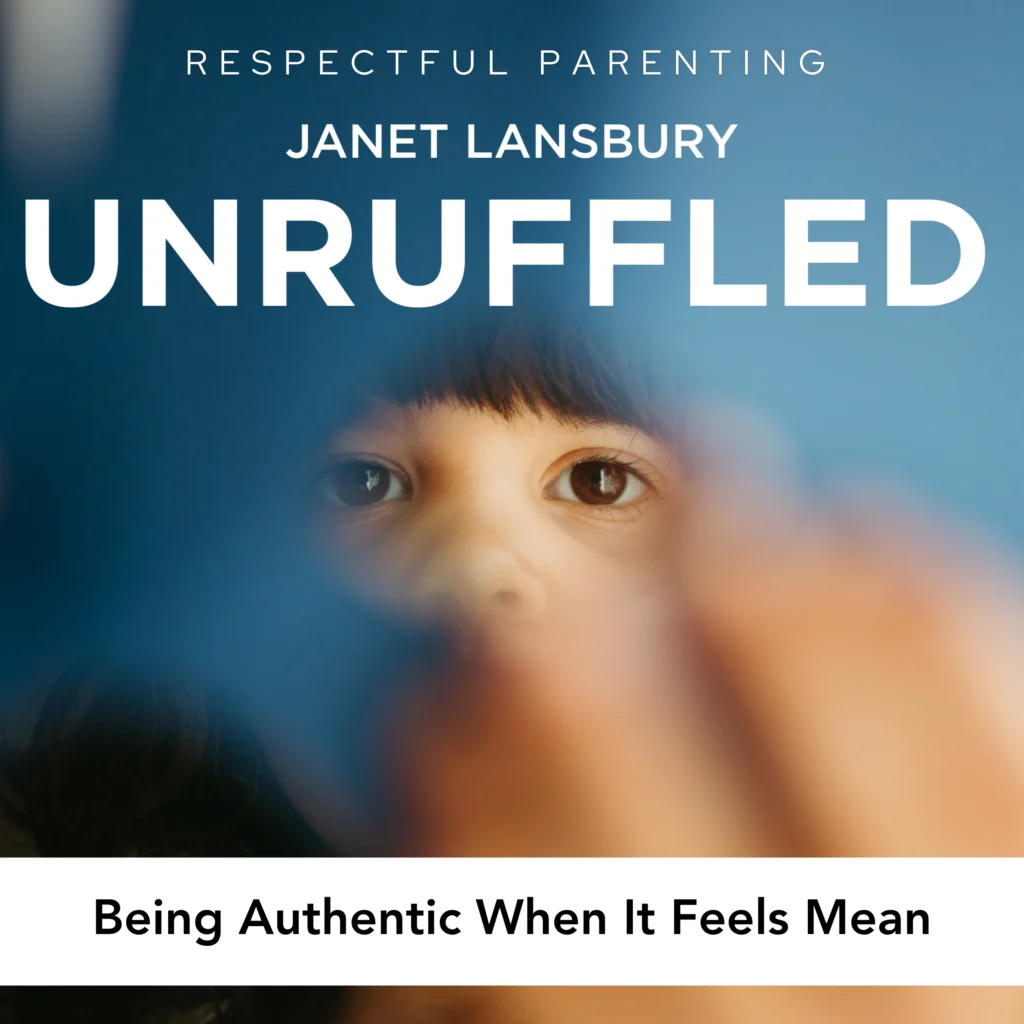
This central dilemma recently captured the attention of renowned parenting author, consultant, and podcast host Janet Lansbury. On an episode of her parenting podcast, Unruffled, Lansbury addressed a deeply honest and vulnerable email from a mother struggling with the friction between her own emotional triggers and her three-year-old son’s behavior. The listener, who also cares for a nine-month-old infant, posed a question that resonates with countless caregivers: Is it wrong to decline a hug and express frustration when a child’s actions make a parent feel annoyed, or does doing so cross the line into unloading adult baggage onto a toddler?
The mother’s dilemma centered on a routine scenario. Her three-year-old son, operating out of impulse rather than malice, would frequently throw items around a room that she had just painstakingly tidied. When confronted with a boundary—such as the mother calmly explaining that she would not allow the items to be thrown because she preferred a neat home—the child would initially accept the redirection and move on. However, shortly thereafter, the toddler would ask for a hug on the couch.
Caught in a lingering wave of annoyance, the mother found herself reluctant to offer the physical affection. She worried that forcing a hug would feel completely inauthentic, violating her own boundaries and sending a poor message regarding bodily autonomy and consent. Conversely, she feared that bluntly stating she did not want to hug him because she was annoyed and grumpy would make her feel like a bad person and lead her son to believe he was only loved when he was "good."
In her detailed response, Lansbury validated the mother’s intense self-reflective work while offering a broader perspective on the developmental realities of toddlerhood. Lansbury noted that the struggle of feeling that emotions were unwelcome during one’s own childhood is a burden shared by at least half of the parenting population. When adults grow up learning to push their feelings down to secure parental acceptance, the emergence of strong emotions—particularly anger—can often act as a secondary defense mechanism masking a deeper, more primal root emotion. In many cases, Lansbury suggested, that root emotion is fear: specifically, the terrifying prospect of losing a parent’s regard or facing rejection.
Expanding on the child’s perspective, Lansbury challenged the notion that the three-year-old was throwing items simply for fun or with the deliberate intention of making his mother’s day more difficult. She emphasized that young children possess a high degree of awareness regarding their parents’ moods, often soaking up ambient tension long before they can articulate their internal experiences. Rather than viewing the toddler’s actions as a calculated annoyance, Lansbury reframed the behavior as an unconscious cry for help or connection.
This behavior, Lansbury pointed out, frequently intensifies during major life transitions, such as the arrival of a new sibling. With a nine-month-old baby now crawling around and demanding significant parental time, energy, and attention, an older toddler often experiences underlying anxiety about their place in the family dynamic. When children feel unsettled or insecure, they frequently resort to impulsive, repetitive actions that pull a reaction from their caregivers, serving as an unconscious signal of distress.
By understanding this underlying vulnerability, Lansbury argued, parents can significantly reduce their own immediate irritation. Recognizing that the child’s behavior stems from discomfort rather than defiance allows caregivers to rise above the momentary friction, transforming a potentially adversarial interaction into an opportunity for calm, confident boundary setting.
Addressing the specific question of the rejected hug, Lansbury supported the mother’s instinct not to force physical affection when her internal state did not match the external gesture. She noted that faking a warm, enthusiastic hug while harboring feelings of annoyance is ultimately more uncomfortable and confusing for a child than a calm, honest boundary. Children rely on the consistency between a parent’s internal state and external expression to feel secure; forced positivity can undermine that trust.
However, Lansbury also cautioned against over-explaining or unloading adult emotional struggles onto a young child. She advised that the mother did not need to deliver a detailed monologue about feeling grumpy, explaining her mood, or assigning blame, as the toddler was already well aware of the dynamic. Instead, Lansbury suggested a simpler, more concise approach: a parent can maintain a clear boundary by stating simply that they are not ready for a hug right then, while reassuring the child of their enduring love and promising to reconnect later.
This approach, according to Lansbury, preserves authenticity and respects bodily autonomy without overwhelming a three-year-old with adult introspection. It allows the parent to set a firm boundary from a place of self-respect rather than punitive withholding. By separating the necessary enforcement of limits from the urge to justify or vent, caregivers can model genuine emotional honesty without causing unnecessary alarm to their children.
Lansbury concluded her analysis by praising the listener’s remarkable self-awareness and dedication to breaking generational cycles of emotional suppression. She emphasized that the ongoing work of identifying personal triggers, combined with a deeper empathy for a child’s developmental point of view, provides a powerful foundation for resilient parent-child relationships. Through thoughtful reflection and a commitment to honest, respectful communication, parents can navigate the difficult moments of daily life with confidence, assuring both themselves and their children that a temporary lapse in warmth does not diminish a lifelong bond.
