For decades, society has introduced individuals to the profound shock of loss through a familiar framework: the "Five Stages of Grief." Comprising denial, anger, bargaining, depression, and acceptance, this psychological model has become so deeply embedded in Western culture that many grieving people are led to believe they are meant to experience loss in a strict chronological order. The implicit promise of the model is that if one endures the discomfort of each phase, they will eventually arrive at a definitive final destination known as acceptance. However, mental health professionals, grief counselors, and the bereaved themselves are increasingly recognizing that grief rarely, if ever, operates in such a predictable manner.
For many parents, grandparents, and siblings who have lived through the profound and shattering experience of losing a loved one, the rigid application of the five stages can feel frustrating, misleading, and occasionally harmful. Rather than serving as a comforting tool to help make sense of deep sorrow, the model frequently creates unrealistic expectations about what the grieving process should look like, how it should manifest in daily life, and how long it should take. The fundamental truth that emerges from those who navigate significant loss is that grief is not a series of tidy boxes to check off, nor is it a linear progression that can be successfully completed and left in the past.
The origins of the five stages trace back to 1969, when psychiatrist Elisabeth Kübler-Ross introduced the concept in her seminal book On Death and Dying. Crucially, Kübler-Ross developed her observations by studying individuals who were facing their own terminal illnesses, focusing on how people process the impending reality of their own mortality. Over time, however, this model was generalized and applied broadly to all forms of loss and grief, including the devastating bereavement experienced by those mourning the death of a family member or close friend. Unfortunately, as the model permeated popular culture, many people began interpreting the descriptive stages as a prescriptive roadmap that every grieving person was expected to follow.
This widespread misunderstanding has left countless individuals grappling with self-doubt when their personal experiences do not align with the traditional framework. Grieving people frequently find themselves questioning their emotional stability, wondering why they have regressed to anger years after a loss, or asking why acceptance feels so perpetually out of reach.
The definitive answer from grief experts is that grief is inherently non-linear. Anyone who has navigated the waters of significant loss knows firsthand how unpredictable the emotional landscape can be. An individual might feel relatively stable and grounded one day, only to find that an ordinary moment—a stray song, a passing photograph, a calendar date, or a sudden memory—brings an overwhelming wave of sadness the next. Years after a loss has occurred, tears may still fall unexpectedly. Furthermore, moments of genuine joy can and often do coexist with moments of deep heartbreak. Experiencing these fluctuations does not indicate that something is broken within the grieving person; rather, it is a testament to the complex reality of being human.
Families who navigate profound bereavement often share that grief moves more like a series of ocean waves rather than distinct, static stages. While those emotional waves may gradually become less intense and less frequent as time passes, they can still return without warning. Significant milestones, anniversaries, holidays, and unexpected life transitions frequently reopen emotional reservoirs that never completely disappear. A parent whose child died two decades ago may still weep when speaking their child’s name aloud. A sibling may still feel the sharp, undeniable ache of an empty chair at family gatherings. A grandparent may still quietly wonder what milestones their grandchild would have achieved had they lived. Far from being signs of unfinished or pathological grief, these enduring experiences are profound manifestations of lasting love.
One of the most damaging misconceptions perpetuated by the stage model is the societal expectation that grief possesses a clear finish line. Grieving individuals often face subtle or overt pressure from friends, colleagues, and society at large to "move on," "find closure," or "get over it." The traditional five-stage framework can unintentionally reinforce the harmful belief that there should eventually be a point where grief is fully resolved, wrapped up, and left behind. In reality, grief is not a technical problem waiting to be solved. Grief exists because love exists.
When someone of immense importance passes away, the nature of the relationship changes fundamentally, but the relationship itself does not disappear. The living continue to carry memories, unspoken hopes, shared dreams, and deep connections with those they have lost. Their absence weaves itself directly into the fabric of life’s ongoing story. For bereaved parents, there is no psychological stage that can remove the stark reality that their child is missing from the world. There is no level of acceptance that completely erases the deep-seated longing to hold them once more. Rather than coming to an end, grief evolves over time. Individuals learn how to carry the weight differently, finding ways to integrate the monumental loss into the ongoing narrative of their lives. They build meaning, establish new memories, create personal rituals, and foster connections that allow them to move forward while simultaneously honoring the person who died.
Another significant limitation of the stage model is its implication that grief should look and feel similar for everyone. In truth, grief is a deeply individual and personal experience. Some people express their sorrow through frequent tears, while others may rarely cry at all. Some individuals need to speak about their departed loved one constantly to keep their memory vibrant, while others require long, uninterrupted periods of quiet contemplation. Some find profound comfort in organized support groups, whereas others discover healing through writing, faith, artistic expression, engagement with nature, community service, or private remembrance. There is no universal timeline, no standard progression, and no checklist for successful grieving. What truly matters is not whether an individual’s emotional journey matches a clinical theory, but whether they are finding healthy ways to navigate their loss while honoring their distinct, personal experience.
Rather than viewing grief as a series of hurdles to clear or stages to complete, many find it more helpful to conceptualize grief as a lifelong journey of adaptation. Over the course of years, many bereaved individuals discover that they possess the capacity to experience grief and joy simultaneously. They learn that they can laugh again without loving the deceased any less, and that they can construct meaningful, fulfilling lives while continuing to miss the person who is gone. The ultimate goal is not to stop grieving altogether, but rather to learn how to carry grief alongside the ongoing journey of daily life. On some days, grief may take center stage, demanding full attention; on other days, it may quietly accompany the individual in the background. Both of these experiences are entirely normal. What many bereaved people eventually discover is that true healing does not mean forgetting, it does not mean achieving final closure, and it does not mean reaching a stage where sadness vanishes entirely. Instead, healing means learning to live alongside a love that no longer has a physical place to direct its energy.
Ultimately, perhaps the greatest grace individuals can offer themselves is the explicit permission to grieve in their own unique way. There is no requirement to force complex human emotions into five rigid categories, nor is there any utility in measuring personal progress against an imaginary timeline. Experiencing a resurgence of grief years down the road is not a failure, nor is it a reason for guilt. Grief is neither a psychological disorder that needs to be cured nor a household chore to be completed. It is simply the natural, human response to loving someone deeply and subsequently experiencing their physical absence.
Conversations within the bereavement community often highlight the relief that comes from abandoning these external expectations. For instance, a bereaved mother three years into the loss of her son recently shared that she still found herself crying daily and wrestling with frequent waves of anger and rage, believing she was failing to progress at the expected pace of others. Realizing that she was simply moving along the exact path she needed for her own survival proved to be an eye-opening revelation.
The reality remains that grief changes, grows, and transforms across the span of a lifetime. While it may soften in its sharpest edges and become quieter with time, for many people—particularly those enduring the loss of a child, sibling, or grandchild—it never completely disappears. And that reality is entirely acceptable. Grief is not evidence that a person is failing to heal; rather, it is enduring evidence that someone deeply loved mattered profoundly, and that the love behind that grief continues to endure.
In the field of maternity care, the prevailing medical approach has long been rooted in a model of risk assessment. Professionals are trained to scan for potential complications, monitor vital signs with clinical precision, and prepare for interventions. While this vigilance is undeniably vital for ensuring safety, practitioners and advocates are increasingly concerned that the heavy emphasis on pathology—what can go wrong—often obscures the very conditions that foster physiological health, trust, and the natural progression of birth.
A growing movement in the birth community is now challenging this status quo by introducing a different starting point: salutophysiology. Rather than centering on the prevention of disease or the mitigation of risk, this model shifts the focus toward the active support of health. It is a philosophy that seeks to understand not just how to intervene when a problem arises, but how to create the optimal environment for birth to flourish.
A New Foundation: From Pathogenesis to Salutogenesis
The term "salutophysiology" is a conceptual evolution of salutogenesis, a term originally coined by medical sociologist Aaron Antonovsky. While traditional medicine often asks, "What causes disease?", salutogenesis shifts the inquiry to "What supports health to flourish?"
In the context of maternity care, this theory was further developed by midwife Verena Schmid. It invites practitioners to look at the entire landscape of a pregnancy and birth. Instead of treating the biological, psychological, social, and environmental elements of birth as separate, disparate factors to be managed, salutophysiology integrates them into a holistic framework. It acknowledges that human physiology is not a mechanical process that operates in a vacuum; it is profoundly responsive and relational. A person’s ability to birth is deeply influenced by their internal sense of safety and the external support they receive.
The Role of the Nervous System in Birth
Birth is an inherently social and physiological event that does not happen in isolation. The human nervous system acts as a constant mediator, scanning the environment for cues of safety or threat. These environmental signals directly influence the body’s hormonal landscape—the delicate dance of oxytocin, adrenaline, and endorphins that drive labor.
When the care model is primarily risk-focused, the environment can unintentionally become a source of stress for the birthing person. Constant monitoring, a clinical atmosphere, and a focus on potential failure can trigger the body’s "fight or flight" response, which may disrupt the physiological processes necessary for labor to progress. Salutophysiology posits that by prioritizing a supportive, calm, and trusting environment, providers can help the body’s innate wisdom function more effectively. This does not mean ignoring clinical risks or complex medical situations; rather, it means building a foundation of health that allows physiology to remain resilient even when challenges arise.
Alignment with the Spinning Babies® Philosophy
For many birth professionals, this shift toward salutophysiology feels like a natural extension of the work already being done through the Spinning Babies® approach. For years, the Spinning Babies® method has emphasized the importance of balance, gravity, and movement, encouraging providers to look beyond the mechanical "mechanics" of birth to support the body as a functional whole.
By integrating the concepts of salutophysiology, this approach is deepened. It encourages birth professionals to transition from simply performing technical interventions to being in a conscious, attuned relationship with the physiology of birth. It moves the practitioner away from the question, "What should I do next?"—which often leads to reactive, procedural interventions—and toward the more profound inquiry: "What is this body responding to, and how can I best support it?"
This change in mindset is transformative for clinical practice. It allows professionals to bridge the gap between their theoretical knowledge of physiology and their real-time application of support. When a provider views the birthing person through the lens of salutophysiology, they begin to recognize the subtle cues of the body, the impact of the environment on labor progress, and the essential nature of the provider-patient relationship.
Shifting from Fear to Trust
At its core, the adoption of salutophysiology represents a cultural shift within the birth community—a movement away from a fear-based model and toward one of trust. It challenges the traditional view of the birthing body as a fragile, unpredictable machine that must be managed by external authorities. Instead, it invites practitioners to see physiology as inherently responsive and capable, provided it is supported by the right conditions.
This shift does not eliminate the need for medical expertise or emergency care; instead, it reframes the role of the provider. The professional becomes a facilitator of health, someone who understands that by tending to the nervous system and the emotional environment, they are directly impacting the physical outcome of the birth.
Bridging the Gap: New Educational Initiatives
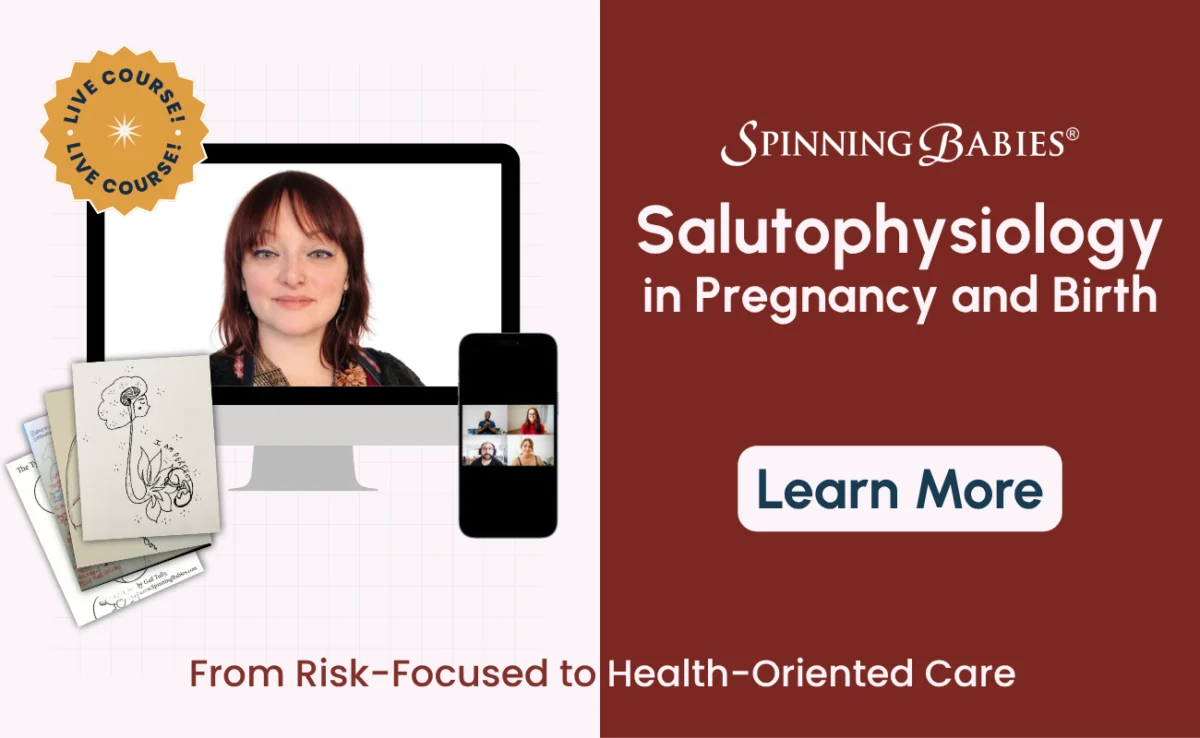
To help birth professionals translate these theories into tangible, bedside practice, Spinning Babies® has partnered with educator Anna Maria Rossetti. Together, they have launched a comprehensive learning experience designed to explore how the nervous system, environment, and physiological processes interact throughout the pregnancy, birth, and postpartum periods.
This collaborative course is structured to move beyond textbook learning, utilizing live sessions that allow for reflection, integration, and community discussion. Participants are encouraged to examine their own practices, question traditional risk-based narratives, and build a new repertoire of skills that prioritize health-oriented care.
The curriculum covers a range of critical topics, including the biological mechanisms of labor, the importance of environmental safety, and the development of clinical presence. By engaging with these ideas in a community of peers, birth professionals are given the space to ask deeper questions about how they show up for the families they serve.
Registration is currently open for the course, titled Salutophysiology in Pregnancy and Birth: From Risk-Focused to Health-Oriented Care. This program, a collaboration between Spinning Babies® and SEAO, is designed for those who are ready to deepen their understanding of human physiology and move toward a more connected, responsive model of care.
For professionals who feel the strain of a purely risk-focused system and are looking for a way to align their practice with their desire to support healthy, physiological outcomes, this journey offers both the theoretical foundation and the practical tools to make that change. It is an invitation to redefine what it means to care for someone during the most transformative time in their lives, moving the focus from managing the possibility of failure to nurturing the reality of health.
For months, discussions surrounding children’s literacy have focused heavily on the profound benefits of reading aloud. Educators, parents, and researchers have highlighted how sharing books together builds academic foundations, fosters resilience, develops empathy and virtue, and even lowers physiological stress levels in young listeners. But while the consumption of stories has justifiably claimed a central role in childhood development, a fundamental counterpart often goes overlooked: the act of writing itself.
In a recent episode of the popular literacy podcast Read-Aloud Revival, hosts Sarah Mackenzie and Audrey turned their attention to the flip side of the literary coin, exploring the core question: Why do we write, anyway?
While it is easy to view writing purely as a transactional tool—a mechanism required to produce the stories and textbooks that line library shelves—the hosts emphasize that creating external content is only part of the equation. Writing yields immense, immediate benefits for the person sitting down with a pencil, pen, or keyboard, transforming internal thoughts into tangible expression.
The Dual Purpose of the Written Word
Without writing, human culture would lack the vast library of narratives that shape our understanding of the world. Yet, the personal utility of writing extends far beyond the publication of a finished novel or article. For both children and adults, putting words on a page serves as a cognitive and emotional processing tool. It clarifies thinking, anchors memories, and provides a safe outlet for complex feelings that may be difficult to articulate verbally.
During the episode, the hosts examined why parents should intentionally invite their children—and themselves—into the writing process. Writing does not have to be framed as an intimidating academic chore or an obligatory school assignment. Instead, it can be approached as a natural extension of storytelling and communication. By introducing low-pressure writing exercises and creative tips, caregivers can help unlock a sense of ownership and expression in young learners, ensuring that creativity flows naturally rather than under duress.
Fostering Creativity and Meaningful Literary Connections
The conversation also touches on the broader ecosystem of reading and discussing literature within families. Reading a book together is often just the beginning of a larger journey; the real impact frequently materializes during the conversations that follow. To help bridge the gap between reading and deeper family engagement, resources have been developed to guide parents through meaningful discussions, making conversations about books a seamless part of daily life. Even for parents who may not have read the specific titles their children are exploring, simple frameworks can transform casual talk into rich literary analysis and connection.
As the discussion illustrates, writing and reading are deeply intertwined practices that mutually reinforce a child’s intellectual and emotional growth. By encouraging children to pick up the pen and record their own thoughts, stories, and observations, parents and educators provide them with a powerful voice—one that not only consumes the stories of others, but actively contributes to the world’s ongoing narrative.
Every parent knows the powerful, instinctive pull to shield their children from pain, struggle, and discomfort. Whether dealing with a toddler taking a tumble on the playground or a teenager navigating the complex social pressures of high school, the natural urge is to intervene, shoulder the burden, and make things right. After all, the deepest desire of any parent is to see their children happy, thriving, and safe.
However, experts increasingly warn that this well-intentioned intervention often disrupts the natural course of development. By rushing to remove obstacles, parents risk robbing children and teenagers of the vital opportunities to grow, adapt, and build inner strength. True parenting is not about creating a frictionless path through life, but rather about raising independent individuals anchored by a strong foundation of core values capable of weathering life’s inevitable ups and downs.
To understand why struggle is so crucial, child development advocates frequently point to a classic parable about a boy and a butterfly. The story tells of a young child who found a butterfly cocoon and brought it indoors to watch the miracle of metamorphosis. For hours, the boy observed as the insect struggled desperately to force its way through a tiny opening it had created in the casing. Exhausted and seemingly making no progress, the butterfly stopped moving.
Moved by pity, the boy took a pair of scissors and snipped open the rest of the cocoon, expecting the creature to emerge effortlessly and take flight. Instead, the butterfly crawled out with a swollen, deformed body and shriveled wings. It never flew. The boy did not realize that the arduous physical struggle of forcing its way through the narrow exit was a biological necessity designed to push fluid from the butterfly’s body into its wings, granting it the strength required for flight. It was the struggle itself that made the butterfly strong.
This protective instinct manifests early in family life. Children frequently show an innate sweetness and empathy toward the struggles of others—such as rescuing trapped insects from spider webs or relocating grasshoppers to safety—mirroring the exact impulses parents feel toward their own offspring. Yet, just like the boy with the butterfly, bypassing the struggle stunts growth.
When children face everyday setbacks—whether falling on the playground, experiencing rejection in team sports, failing an exam, navigating difficult peer dynamics, or coping with job dissatisfaction and personal loss—swooping in to fix the problem is rarely the most beneficial long-term tactic. Instead, fostering resilience requires a fundamental shift in perspective from merely helping children to actively encouraging personal responsibility and agency.
Psychological experts emphasize that this developmental journey begins remarkably early, often in the toddler years. Young children naturally gravitate toward responsibility because it provides a profound sense of achievement and introduces them to both internal and external rewards. However, professionals stress that any assigned responsibilities must strictly align with a child’s developmental age.
Many modern households find it easier to exclude young children from routine domestic tasks such as cooking, gardening, cleaning, and tidying up. While involving young children in these chores inevitably takes longer and creates considerable messes, these shared activities are foundational. They establish self-confidence, foster an understanding of teamwork, teach children to take pride in their actions, and inspire consideration for others. Over time, mastering these small domestic contributions builds a baseline for grit, determination, and effective problem-solving.
At the same time, experts caution against granting children and teenagers absolute freedom without appropriate guardrails. Maintaining a healthy parent-child dynamic requires clear, consistent boundaries. While toddlers should be encouraged to brush their own teeth, assist with meal preparation, and manage basic personal agency, those same capabilities do not equip them to determine their own bedtimes or navigate the digital world unsupervised. The goal is guided autonomy, not complete independence without parental oversight.
As children mature into teenagers and young adults, the nature of the challenges shifts dramatically. Quarrels over toys and playground disputes are replaced by romantic crushes, complex social dynamics, and intense debates over personal values. Despite the changing landscape of adolescence, the underlying professional advice remains remarkably consistent.
Noted parenting author and adolescent development expert Annie Fox advocates for giving teenagers the necessary space to mature, lightheartedly referring to adolescents as "semi-formed humans." Creating this supportive environment requires deliberate, mindful communication strategies from parents.
First, parents are advised to talk less and listen more. Remaining a safe, available sounding board allows a teenager to speak openly without immediate interruption or judgment. This gives adolescents an invaluable chance to hear their own ideas articulated aloud, providing parents with a clear window into their children’s problem-solving strengths and limitations.
Second, respecting boundaries remains a constant challenge for caregivers who must grapple with granting increasing privacy and autonomy. Yet, developing sound judgment requires teenagers to have ample opportunities to make mistakes, experience the consequences, and learn from them independently.
Third, experts stress that children are perpetual observers. Parents who hope to raise trustworthy, responsible, honest, resilient, and compassionate individuals must actively model those exact values in their own daily lives and interactions.
Finally, authenticity matters. Holding parental authority does not mean possessing absolute omniscience. Admitting personal confusion, acknowledging mistakes, and offering sincere apologies when appropriate demonstrates to children that adults are also works-in-progress. Perfection is neither attainable nor expected; the true objective is continuous personal progress.
Observing a child navigate the world—discovering new words, refining motor skills, and shaping a distinct personality—evokes a complex mixture of emotions for any parent. There is a persistent desire to hold them close and freeze time, wishing them to remain forever small and sheltered. Yet wisdom reminds us that love is not about keeping children confined. True parenting means offering the universe, the stars, and the full spectrum of human experiences, trusting that the lessons learned through struggle will ultimately give them the strength to fly on their own.
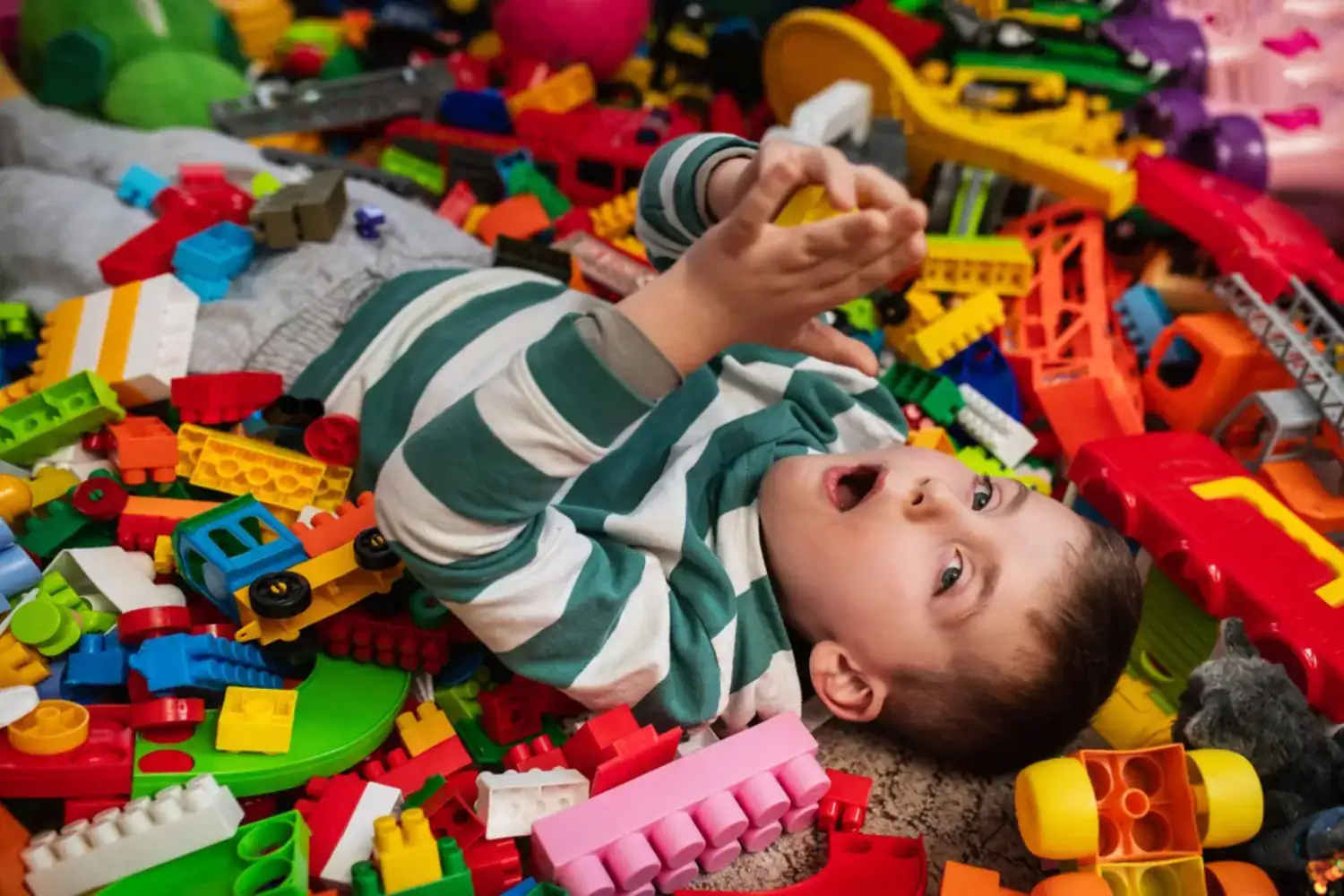
In contemporary households across the United States, a quiet crisis of clutter has taken root, bringing with it unexpected challenges for child development and parental mental health. Recent observations and psychological studies indicate that children’s toys, long considered a fundamental staple of a happy youth, are increasingly acting as a hidden contributor to sensory overload, domestic stress, and chronic distraction. While modern consumer culture continually pushes for more acquisitions, a growing number of families are finding that the most effective remedy to domestic chaos is not better organization or stricter discipline, but a radical reduction in the sheer volume of playthings.
The scale of toy consumption in the United States highlights a stark cultural anomaly. Although American children account for roughly three percent of the global population, they consume approximately 40 percent of the world’s entire toy production. This staggering disparity has normalized an environment of abundance that researchers and parents alike are beginning to question. For many primary caregivers, the daily reality involves navigating oceans of plastic, constantly picking up scattered items, mediating cleanup battles, and stepping over sprawling collections when energy reserves run dry.
This domestic fatigue is increasingly supported by academic research. Studies examining the home environment indicate that excessive belongings can overwhelm a child’s cognitive processing capacity. Rather than stimulating imagination, an overabundance of options frequently leads to fragmented attention spans, heightened stress levels, and a reliance on external stimuli rather than internal creativity. Furthermore, researchers in the field of family dynamics note that the constant state of clutter contributes significantly to the mental exhaustion of primary caregivers, creating an atmosphere of chronic low-grade tension within the home.
The cultural normalization of toy accumulation often leaves families feeling trapped in a cycle of consumerism. Many parents express a desire to scale back, yet struggle to find a reasonable path forward because the societal expectation of what constitutes a normal childhood has become heavily inflated. Requests directed at relatives and friends to limit gift-giving frequently go unheeded, leaving households to manage an unceasing influx of goods.
Examining Global Perspectives on Childhood and Play
Insights into alternative childhood experiences can be found in the documentation of global living standards. Between 2009 and 2010, Italian photographer Gabriele Galimberti traveled to more than 50 countries, capturing portraits of children alongside their most treasured possessions for his acclaimed book, Toy Stories. Expecting to encounter vast differences shaped by economic disparity and cultural background, observers instead noted a striking uniformity in one particular aspect: the modest number of items featured in each photograph. Regardless of socioeconomic status, children around the world frequently derived immense joy from a surprisingly small collection of favorites, demonstrating that a fulfilling childhood is not dependent on material abundance.
This global perspective aligns with historical educational models. In the 1980s, German researchers studying early childhood behavior began examining the link between chronic distraction in youth and the development of addictive patterns later in life. As part of their inquiry, they implemented experimental programs in kindergartens that involved removing standard toys entirely for specific periods. Known informally as anti-addiction curricula, these initiatives demonstrated that children compelled to invent their own activities through social interaction and environmental engagement developed stronger focus, better emotional regulation, and enhanced collaborative skills.
Contemporary researchers expanding on these findings have observed direct correlations between environmental simplicity and behavioral quality. Controlled studies assessing toddler development have noted that children given a smaller selection of items—such as four items rather than sixteen—exhibit longer periods of sustained attention, engage in more complex imaginative play, and demonstrate a greater capacity for independent problem-solving. A single, well-chosen item might offer specific educational benefits, but a room saturated with options consistently fosters distraction and a consumer-oriented mindset.
Implementing the Toy-Reduction Experiment
Motivated by these insights and personal fatigue, a growing number of parents have begun conducting informal experiments within their own households, yielding remarkable results. Families have reported packing away the vast majority of their children’s belongings into temporary storage spaces, such as garages or basements, while allowing youngsters to select a very small number of core favorites to keep in active rotation.
The immediate aftermath of these experiments has frequently been described as transformative. Parents note that children sleep better, engage in prolonged periods of independent play without constantly demanding attention, and display significantly calmer temperaments. Rather than mourning the loss of their possessions, children often exhibit a profound sense of relief, shedding the invisible burden of choice paralysis. Items that encourage open-ended engagement—such as basic building blocks, art supplies, bicycles, books, and simple crafting materials—tend to remain relevant, while heavily branded, single-use plastic novelties and noisy electronic gadgets are rarely missed.
Transitioning away from toy overload requires navigating both domestic habits and external pressures. Experts suggest that framing the reduction as a temporary storage experiment can ease the anxiety of parting with belongings, allowing children to test life with fewer items while retaining the security of knowing they can retrieve a misplaced favorite if necessary. As families continue to reassess the role of material goods in early development, the movement toward intentional simplicity offers a practical pathway to restoring peace, fostering genuine creativity, and supporting the mental well-being of both children and caregivers alike.
Editorial note: Spoilers ahead for season three of “Nobody Wants This.”
In season three, episode two of Netflix’s virally popular romantic comedy series “Nobody Wants This,” dating podcaster Joanne, played by Kristen Bell, opens up to her Intro to Judaism class about what initially drew her to the faith. Addressing the group as the rabbi’s girlfriend, she shares her appreciation for the community’s traditions, atmosphere, and inclusivity. However, her conversion class nemesis, Sebastien, played by Andrew Rannells, quickly undercuts the sentimental moment with a dry quip, asking if "cozy vibes" is a concept directly pulled from the pages of the Torah.
This sharp exchange concisely encapsulates the comedic tenor and self-aware shift of the show’s latest season, which premiered on Netflix. It serves as the key to why these ten episodes succeed, while acknowledging something that the protagonist herself has historically lacked: “Nobody Wants This” has finally achieved self-awareness.
As much as Judaism has remained at the central narrative axis of “Nobody Wants This,” portraying it authentically has historically not been the streaming series’ strong suit. During the release of the first season, cultural critics such as Esther Zuckerman and Jessica Grose pointed out that the rom-com relied heavily on tired stereotypes of Jewish women. Creator Erin Foster even admitted in an interview with the publication Hey Alma that she wasn’t "thinking about too much" regarding the show’s depiction of Jewish women.
Unfortunately, season two struggled even further, suffering from a distinct lack of nuanced writing, character development, and narrative novelty. It constructed a version of Judaism that felt less like a living religion to be explored with genuine curiosity and care, and more like a narrative obstacle to be maneuvered around, generalized, and laughed at. After an entire season of Joanne waffling back and forth over whether or not to convert—acting much like an upscale, Erewhon-brand Hamlet—she ultimately decides she is ready to embrace Judaism. Her decision is cemented not by deep theological study, but after her sister-in-law, Esther, played by Jackie Tohn, tells Joanne that she already "feels Jewish." According to Esther, this validation is based on a handful of exceedingly non-specific qualities, notably that Joanne is "warm and cozy."
That represents a tremendous amount of amorphous sentimentality upon which to base a major life decision regarding religious conversion. Vulture critic Fran Hoepfner noted the superficiality in her review, while Steven Zeitchik of The Hollywood Reporter aptly described it as "Judaism as hood ornament"—elements dropped into the narrative simply to create the illusion of exploration in a show that demonstrated zero interest in actually doing the heavy lifting.
Yet, fast-forwarding to Sebastien’s snarky, reality-check interjection toward Joanne in season three, it becomes clear that this meta-humor is a deliberate wink from creator Erin Foster alongside showrunners Jenni Konner and Bruce Eric Kaplan. The message from the creative team is clear: they have heard the feedback.
The resulting narrative is a season that leans aggressively and successfully into what “Nobody Wants This” is actually good at executing. The most compelling conflicts the series has managed to develop do not stem purely from the fact that Joanne and her secular family are agnostic while the Roklov family is proudly and traditionally Jewish. Instead, the real comedic friction occurs because Noah’s family presents a prim, highly unified front aspiring toward high-society culture, while the Williams family represents low-brow, free-spirited, chaotic energy. Audiences consistently return to the series because Noah embodies a sexy, emotionally mature romantic lead, and because the dynamic features a juicy love triangle involving Sasha, played by Timothy Simons; Esther; and Morgan, played by Justine Lupe.
Season three delivers on all of these established fronts. Joanne commits to the long-term relationship by officially beginning her conversion classes, while Noah matches her dedication by popping the question. This milestone forces the Roklov and Williams families even closer together, yielding substantial comedic results. Viewers are now immersed in a television universe where Bina becomes overly and hilariously involved in Joanne’s wedding planning, going so far as to insist that Noah and Joanne get married on the basketball court in her backyard so that Eliezer—Noah’s childhood pet hamster, who is naturally buried beneath the court—can bear witness to the sacred ceremony.
At the same time, Morgan and Sasha’s complicated relationship deepens further. The dynamic evolves when a newly single Sasha moves into Lynn’s spare bedroom, and later when they cross romantic boundaries during a business trip to New York City. Timothy Simons and Justine Lupe prove to be winsome comedy partners, and a temporary narrative breathing room away from Jackie Tohn’s intense character Esther gives them ample opportunity to truly shine.
By contrast, Joanne’s formal conversion classes are cleverly relegated to a handful of short, punchy scenes. Rabbi Eden, played by Sarah Silverman, drops concise pieces of Jewish wisdom, Sebastien and Joanne exchange verbal sparring, and the scene cuts away. By the eighth episode, Rabbi Eden is wrapping up the Intro to Judaism curriculum, leaving viewers with little sense of how much actual chronological time has passed, nor how Joanne has deeply grappled with what living an observant Jewish life truly means for her daily routine. Rabbi Eden mentions that each of her students will eventually meet with a traditional beit din court, but audiences never witness how that pivotal conversation unfolds for Joanne, nor do they hear about the beit din process again.
Presumably, the private conversation goes smoothly because by episode 10, appropriately titled "The Plunge," Joanne completes her ritual mikveh immersion in the Pacific Ocean. Voila, the blonde podcaster once casually labeled a shiksa has officially become a Jewish woman.
In an alternate version of this television series, a different creative approach might have seen “Nobody Wants This” seriously contend with the intellectual and spiritual rigors of conversion to Judaism. Scenes of Joanne preparing for, engaging in deep conversation with, and perhaps even being challenged by her beit din could have established a much-needed interiority and emotional depth regarding her connection to Jewish identity. Perhaps the concept of the Shechinah, the Divine Feminine, might have resonated with this particular version of Joanne, or perhaps Judaism’s historical connection to the natural world and lunar cycles could have proven appealing. At the very least, a more grounded version of Joanne could have latched onto the core Jewish value of tikkun olam, repairing the world.
However, “Nobody Wants This” remains explicitly uninterested in deepening Joanne’s relationship to Judaism outside of the immediate context of her relationship with Noah. Over time, this creative limitation has come to be accepted as a positive choice. Looking back at how the show has historically portrayed Judaism, it is unlikely the writers’ room would have been successful in attempting a deeply theological arc. As a Jewish viewer watching the romantic comedy unfold, the hard lesson learned is that when it comes to Jewishness and “Nobody Wants This,” less is often more. It is far preferable for the series to hold back on attempting complex religious depths it is simply not equipped to support. The fact that showrunners Konner and Kaplan steer the narrative in this lighter direction turns out to be a remarkably wise tactical move.
The moments of Judaism that do make it onto the screen in season three remain enjoyable to behold precisely because of their charming simplicity. In the third episode, Noah and Joanne host a hanukkat habayit, the traditional Jewish home dedication ritual. As their extended family, close friends, and even Joanne’s ex gather together, the couple proudly affixes a mezuzah to the final unadorned doorpost in their newly purchased house, officially marking the beginning of building a shared Jewish home.
The implicit promise of the hanukkat habayit is ultimately fulfilled during the season finale’s mikveh scene. As Joanne stands resolutely on the beach alongside Noah and Rabbi Eden during the episode’s closing moments, she speaks candidly about her conversion in relation to Noah and their prospective family. Explaining her motivation, she notes that she wants their future children to know they are part of something significantly larger than themselves or even their immediate family, giving them traditions to guide them whenever they feel lost. She then walks directly into the Pacific waves, removes her bathing suit, dunks herself three times under the water, and recites the required blessings aloud.
In both significant instances, the traditional prayers are uttered correctly—with particular praise due to Kristen Bell for her impressive Hebrew pronunciation—while the rituals are performed with clear intention, consistent values, and absolute authenticity to the characters of Noah and Joanne. The pinnacle of the sequence arrives when Joanne steps back onto the dry beach sand and Noah, visibly overwhelmed with emotion by the sacred proceedings, immediately asks if she wants to get married right then and there. It provides a satisfying narrative conclusion that anchors the story effectively. As the camera pans upward, zooming slowly away from Noah and Joanne as they exchange impromptu rings on the sand, it feels as though “Nobody Wants This” has finally found its proper narrative track.
When a breast cancer diagnosis is confirmed, the immediate wave of shock, surprise, hurt, and anguish often brings a household to a sudden, quiet standstill. Families must quickly adjust to a profound new reality, confronting the heavy emotional and physical tolls of a serious illness. In the Islamic tradition, the family functions as a closely knit community unto itself; when any single part of that community experiences pain, the entire collective feels the burden. Navigating this vulnerable transition requires both practical care and deep spiritual grounding, drawing upon foundational Islamic teachings to foster resilience, patience, and comfort.
In addressing moments of profound distress, Muslims look to the timeless life example of the Prophet Muhammad as a primary guide. During periods of intense emotional hardship and heavy public opposition in Makkah, divine comfort was sent to the Prophet through Surah al-Inshirah, a chapter of the Holy Quran designed to ease a heavy heart. The verses offer a profound reminder of divine support during times of crisis:
Did We not expand for you, your breast And removed from you your burden Which weighed upon your back And raised high for you your reputation For indeed, with hardship comes ease Indeed with hardship ease So when you have finished, labor hard And to your Lord direct longing
This chapter provides a powerful framework for families facing the trials of a cancer diagnosis. It offers the absolute assurance that ease will follow hardship. In Islamic theology, ease, or yusr, does not necessarily mean the complete absence of difficulty; rather, it signifies that outcomes will be achievable, manageable, and adaptable to the evolving needs of the individual and their caretakers.
Scholars and community counselors emphasize that this ease can manifest physically, mentally, or spiritually, or through a harmonious combination of all three dimensions. The key for families walking this difficult path is to move forward after the initial diagnosis anchored in patience, strength, and purposeful action. Achieving this state of psychological and spiritual equilibrium requires intentional steps that cultivate inner peace and active support.
The process of fostering ease begins with spiritual anchoring through dua, or supplication. Throughout the prophetic tradition, when early believers faced severe illness, the Prophet Muhammad would bring comfort to the afflicted by visiting them personally. He would gently touch the patient or the area of concern with his right hand and invoke healing through specific supplications. Among the most well-known invocations for intercession in times of illness is the prayer: "O Allah, Lord of mankind, remove the hardship and grant healing. You are the Healer, there is no healing but Yours, a healing that leaves no illness behind."
Beyond spiritual petitions, tangible acts of kindness serve as a vital pillar of support within the family unit. In Islamic ethics, kindness is viewed as a direct reflection of faith, sincere intention, and a form of ongoing charity provided to one’s fellow human beings. Providing steadfast emotional, physical, and logistical support within the family during times of trial is recognized as one of the most powerful mitigating factors members can offer to alleviate the suffering of a loved one.
This principle is reinforced by the traditions of the Prophet Muhammad. The companion Abu Hurairah narrated that the Prophet taught the believers: "Whoever relieves a Muslim of a burden from the burdens of the world, Allah will relieve him of a burden from the burdens of the Hereafter." Applying this teaching to a domestic healthcare crisis means sharing the daily burdens of caregiving, attending medical appointments, managing household responsibilities, and offering a compassionate listening ear to the patient.
As families navigate the prolonged journey of treatment, recovery, or chronic management—whether the affected relative is a mother, grandmother, aunt, sister, or even a male family member—maintaining a routine of collective prayer and remembrance provides essential psychological grounding. Tradition encourages concluding each day with supplications asking for divine mercy upon the afflicted. This often takes the form of a family gathering during regular prayer times to invoke blessings, echoing the sentiments found in Surah Al-Isra, which instructs believers to pray for their elders and caregivers: "My Lord! Be merciful to them as they raised me when I was small."
By integrating these spiritual principles with compassionate, hands-on care, Muslim families can transform a period of profound uncertainty into an opportunity for deep bonding, resilience, and faith-driven endurance.
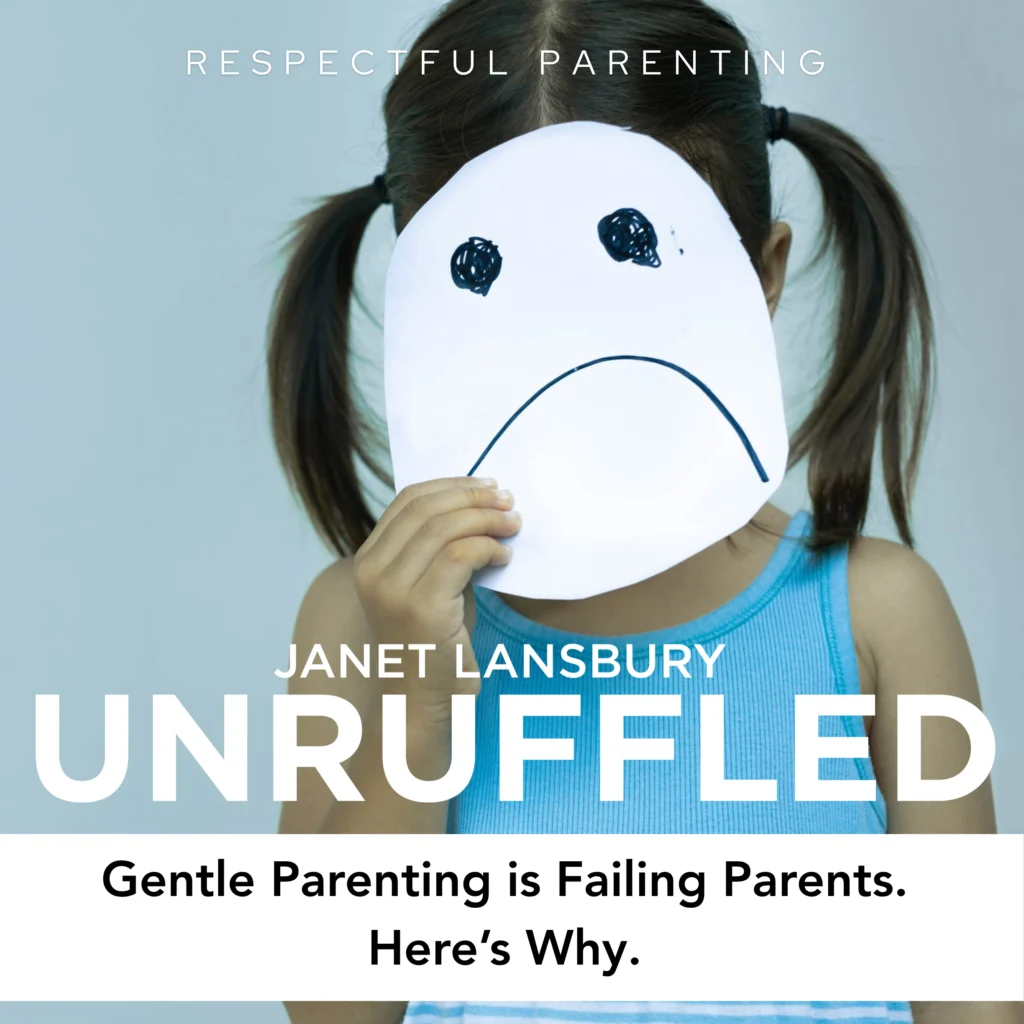
For years, “gentle parenting” has been championed as the ultimate modern approach to raising children, promising open communication, emotional validation, and a harmonious household. However, a growing number of parents are discovering that the trendy style leaves them completely exhausted, constantly second-guessing their decisions, and struggling to set firm limits. According to veteran parenting expert and author Janet Lansbury, the solution isn’t adopting another reactive parenting trend, but rather stepping into a role of confident leadership.
In a recent episode of her podcast Unruffled, Lansbury addressed the widespread disillusionment surrounding gentle parenting. She noted that while the movement was designed to foster deep connections, its modern interpretation often leaves families trapped in cycles of indecision, constant verbal negotiations, and parental burnout.
The conversation around modern parenting approaches has grown increasingly polarized. Recent reports from research groups like YPulse indicate that some Gen Z and Millennial parents are already experiencing fatigue with soft-style parenting. In response, a portion of the parenting community has begun leaning toward harsher internet-driven philosophies colloquially known as "FAFO" (an acronym for "F-Around and Find Out"), where parents take a more blunt, consequence-driven approach without standing in the way of natural repercussions.
Lansbury pushes back against both extremes, arguing that shifting rapidly from one cultural pendulum swing to another will not bring families what they truly desire: a loving, respectful relationship with well-behaved children. Instead, she advocates for a foundational shift toward confident leadership rooted in respect, rather than a hesitant style mistakenly defined by perpetual gentleness.
Deconstructing the Myths of Modern Gentle Parenting
Lansbury points out that taken at face value, leading with the word "gentle" is often unhelpful. When parents view "gentle" as their primary objective, it frequently causes them to stifle their own authority, managing household rules in a tentative manner while waiting for a child’s approval or attempting to analyze and understand every single emotional outburst.
To illustrate the contrast between current cultural perceptions of gentle parenting and effective long-term practices, Lansbury examines descriptions outlined by pediatric experts, such as Dr. Laura H. Dawson of Brown University Health. These descriptions typically highlight core tenets such as acting as a teacher, maintaining developmental expectations, avoiding traditional punishments, and prioritizing emotional communication.
While acknowledging that modeling empathy and understanding appropriate developmental milestones are vital to raising children, Lansbury strongly cautions against some of the practical applications often associated with modern gentle parenting advice. For instance, she critiques the common recommendation to narrate a child’s emotional state during a full-blown tantrum—such as telling an overwhelmed toddler, "You look frustrated."
According to Lansbury, attempting to engage a child in rational dialogue or verbal processing while they are emotionally dysregulated often exacerbates the distress and prolongs the behavior. Children in the midst of a tantrum do not need lengthy explanations or intellectual analysis; they need a calm, steady adult who can safely manage the moment without being derailed by it. Similarly, she critiques lengthy conversational boundaries at bedtime or during transitions, arguing that children often need simple, authentic clarity rather than excessive talking.
Embracing Confident Leadership
Rather than relying on a style that feels tentative or exhausting, Lansbury emphasizes that true effectiveness comes from combining respect with genuine self-assurance. When parents operate from a place of quiet confidence, true gentleness naturally follows as a strength rather than a reaction born out of fear of a child’s anger.
To help parents cultivate this confidence, Lansbury outlines essential perspectives to keep in mind during challenging moments. First, she advises adults to take a step back and maintain perspective on the physical and emotional reality of young children. Although toddlers and young children can loom large in moments of high emotion or defiance, they remain fundamentally immature individuals who require bigger, steadier figures to guide them. Leaving children in charge of the household dynamics or forcing them to navigate boundaries independently places an unfair developmental burden upon them.
Additionally, Lansbury stresses the importance of understanding the root causes of misbehavior. When parents recognize that outbursts are rarely malicious or consciously targeted personal attacks, but rather signs of a child losing composure, they can respond with significantly less anxiety and expend far less emotional energy.
Another vital component is accepting the fundamental dynamic of setting a boundary and allowing children to express whatever feelings arise in response. Setting a clear, firm limit—such as ending a playdate or establishing a safety rule—inevitably invites emotional pushback. When parents make peace with the reality that children are allowed to be upset by boundaries without those boundaries changing, family life becomes markedly clearer and calmer.
Lansbury also emphasizes that cooperative tasks, such as bedtime routines or hair brushing, require a different, more flexible approach than absolute safety boundaries. In these daily cooperative moments, parents need the confidence to occasionally let go, cut their losses, and avoid turning routine chores into power struggles. Furthermore, she encourages parents to embrace the inherent messiness of family life, noting that making mistakes, losing patience, and later returning to repair the relationship are all part of the normal process of raising children.
Ultimately, Lansbury maintains that effective parenting does not require constantly changing trends or extreme disciplinary styles. By aiming consistently toward a balanced approach centered on respectful, confident leadership, parents can build secure relationships that support their children’s growth while restoring calm and clarity to the home.
For years, wellness advocates and health commentators have championed the measured, safe exposure of human skin to natural sunlight. While moderate sun exposure is widely noted for its role in enabling the body to synthesize crucial nutrients like vitamin D, support immune function, and regulate complex hormonal pathways, the conversation inevitably shifts when intense, prolonged conditions arise. Recognizing a persistent void in the market for clean, ingestible-safe sun protection specifically tailored for the lips, wellness writer and researcher Katie Wells has developed a homemade mineral lip balm infused with natural UV-blocking ingredients.
The introduction of this formulation addresses a nuanced debate within natural health circles regarding the utility versus the drawbacks of conventional sunscreens. While the scientific consensus underscores the undeniable dangers of painful, blistering sunburns—particularly for individuals residing in high-index tropical climates or engaging in prolonged outdoor recreational activities such as boating and surfing—mainstream commercial sunscreens often present a paradox of chemical trade-offs.
Why You Should Not (and Should) Use Lip Sunscreen
The reluctance to embrace traditional sunscreen is rooted in a broader philosophy of physiological health. The human body relies on sunlight for vital biological signaling. Natural light entering the eyes and striking the skin triggers hormonal production, immune support, and circadian rhythm regulation. Even everyday protective measures, such as wearing sunglasses, can theoretically interfere with this intricate signaling network by blocking essential light receptors.
Consequently, many wellness proponents advocate for behavioral moderation rather than chemical dependency, suggesting that seeking shade or covering up once the body has received adequate sun exposure is the ideal approach. However, when outdoor exposure becomes unavoidable or extreme, the necessity of physical protection takes precedence to prevent cellular skin damage.
While general homemade body sunscreens have gained popularity among natural living enthusiasts, adapting those same formulations for facial application—specifically the lips—presents practical challenges. Traditional mineral sunscreens tend to leave an undesirable white cosmetic cast, can be difficult to apply smoothly on delicate lip tissue, and often possess an unpalatable taste. Because lip products are inevitably ingested in micro-quantities over the course of the day, formulating a specific blend utilizing clean, food-grade ingredients became an operational priority.
Mineral Lip Balm With Sunscreen Ingredients
Commercial lip balms and sunscreens frequently rely on a battery of synthetic chemicals designed to glide smoothly and absorb rapidly into the skin. However, compounds such as oxybenzone and avobenzone have raised significant environmental and health concerns. Scientific studies have linked these common UV-filtering agents to the degradation and bleaching of coral reefs, which serve as foundational ecosystems for global marine life. Furthermore, questions persist regarding the systemic absorption of these synthetic chemicals into the human bloodstream.
In contrast, the newly formulated DIY lip sunscreen bypasses synthetic additives by utilizing non-nano, uncoated zinc oxide. Operating as a physical barrier rather than a chemical absorber, zinc oxide rests safely on top of the skin, reflecting and scattering ultraviolet rays away from delicate tissues. Recognized as one of the safest and most effective UV barriers available, zinc oxide is endorsed by regulatory bodies like the Food and Drug Administration. Incorporated at a concentration of twenty percent, the resulting mineral blend achieves an estimated sun protection factor of approximately ten. Although an SPF of ten may appear modest compared to high-index commercial products, it successfully blocks roughly ninety percent of incoming ultraviolet radiation.
To complement the mineral barrier, the formulation incorporates several nutrient-dense plant oils and butters selected for their skin-repairing and protective qualities. Red raspberry seed oil provides a mild, natural level of SPF protection alongside a robust profile of antioxidants designed to neutralize free radicals generated by sun exposure. Shea butter contributes a smooth, emollient texture that deeply nourishes the skin while helping to solidify the structure of the balm. Beeswax forms a durable, protective occlusive layer that locks in moisture against environmental elements.
Furthermore, avocado oil serves as the primary base for the mixture, supplying essential nutrients that support collagen synthesis and prevent the weakening of cellular structures. Rich in natural carotenoids that offer supplementary protection against UV rays, avocado oil also aids in calming localized inflammation, accelerating skin cell regeneration, and reinforcing the natural epidermal barrier.
Tinted Sunscreen Lip Balm
Because pure zinc oxide imparts a distinct white coloration, standard mineral formulations can leave a stark white cast upon the lips. To counteract this cosmetic drawback without compromising safety, the recipe allows for the integration of natural or nature-identical pigments.
Iron oxides and mica can be blended into the mixture to introduce both color and luminosity. Mica functions by reflecting light, imparting a subtle sheen to the finished balm. Meanwhile, iron oxides provide a rich, sophisticated burgundy red hue reminiscent of conventional cosmetic lip tints. Because naturally mined iron oxides extracted directly from soil frequently carry heavy metal contaminants such as lead, the formulation specifically calls for laboratory-created, nature-identical iron oxides to ensure absolute purity. For those lacking access to synthetic iron oxides, rose kaolin clay offers a viable, earth-derived alternative that yields a similar aesthetic result.
Important Note on Photoxic Essential Oils
When formulating natural cosmetics, practitioners must exercise caution regarding the inclusion of certain botanical extracts. Several essential oils are known to be phototoxic, meaning their chemical constituents react with ultraviolet light to significantly increase the risk of severe sunburns, hyperpigmentation, and long-term skin damage. Commonly utilized plant extracts such as bergamot, lime, lemon, and grapefruit possess these photosensitizing properties and must be strictly avoided when formulating products intended for sun-exposed areas like the lips.
As consumers increasingly scrutinize the ingredient labels of personal care products, the emergence of targeted, transparently sourced alternatives highlights a broader cultural shift toward intentional wellness. Whether individuals choose complete avoidance, physical barriers, or carefully curated mineral protection, the ongoing dialogue surrounding safe sun exposure continues to shape modern health practices.
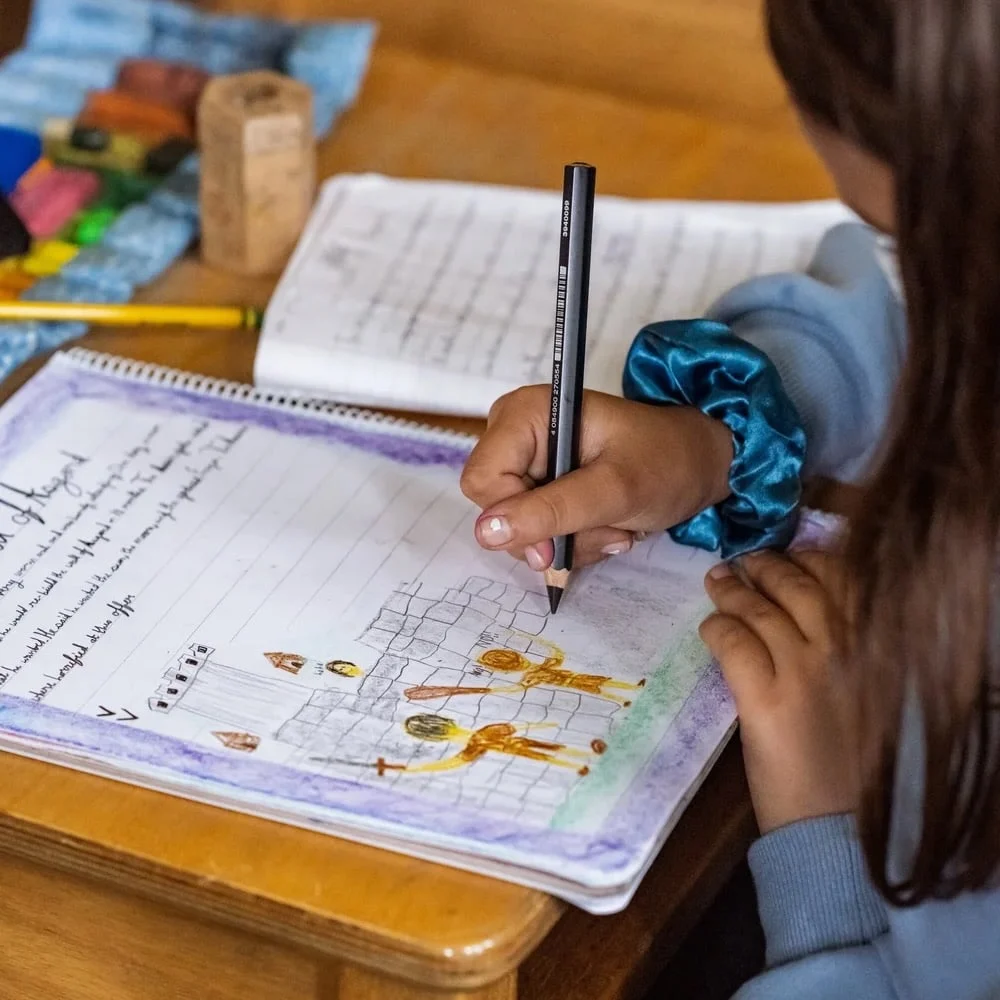
In an era where the vast majority of students can type faster on a keyboard or a touchscreen than they can write with a pen, it is easy to wonder whether traditional handwriting and cursive instruction remain relevant in modern classrooms. As schools increasingly pivot toward digital-first learning environments, laptops and tablets have largely replaced notebooks and pencils. Yet, a rapidly growing body of neuroscience research suggests these traditional skills are far from obsolete. Writing by hand engages neurons and activates diverse regions of the brain in complex ways that typing simply cannot replicate, offering profound benefits for cognitive development, memory retention, and literacy.
What Handwriting Does in the Brain
When a student picks up a pen to write by hand, sensory, motor, and cognitive regions of the brain work together in tandem. This physical act activates far more neural pathways than typing, a process that ultimately leads to deeper learning and much stronger memory formation.
A 2024 study published in Frontiers in Psychology utilized high-density electroencephalography (EEG) to closely compare brain activity patterns during handwriting versus typing. The results were striking: handwriting produced far more elaborate and widespread neural connectivity, actively engaging networks associated with attention, language, and memory. Existing scientific literature indicates that these specific connectivity patterns are crucial for memory formation and for effectively encoding new information, making them exceptionally beneficial for the overall learning process. The authors of the study concluded that handwriting supports the fundamental neural foundations of learning and, therefore, should remain a central pillar in education.
This deeper cognitive processing is consistently echoed across other international research, including a Japanese study that examined adult foreign language learning and the semantic encoding of new words. The 2021 study, published on PubMed Central, confirmed that handwriting—whether executed with a traditional ink pen or a digital stylus on a tablet screen—builds significantly stronger memory traces and more robust language comprehension than standard keyboarding.
Perhaps the most widely cited research on the subject focuses less on high-tech EEG scans and more on how students actively engage with lecture material when writing by hand. In a landmark series of experiments conducted by Mueller and Oppenheimer in 2014, researchers discovered that college students who took notes longhand consistently outperformed laptop note-takers on conceptual questions related to the lecture material. While typing allowed students to capture a higher volume of words, it frequently resulted in shallow processing because students could quickly and mindlessly transcribe lectures verbatim. Writing by hand, however, required students to engage with the material on a much deeper level as they actively digested, rephrased, and summarized complex ideas in real time.
Whether examining young children or adult learners, the overwhelming weight of scientific evidence points to the exact same conclusion: the physical act of handwriting fundamentally improves the way we think, process, and retain information.
Handwriting Builds Literacy
Beyond cognitive processing and note-taking, the act of writing letters—rather than merely recognizing them visually or typing them on a keyboard—helps the developing brain build the precise neural circuitry needed for fluent reading. Handwriting is an inherently complex visual-motor skill supported by a widespread neural system that encompasses ventral-temporal, parietal, and frontal motor regions. As young children learn to read and write, their brains are actively developing these critical neural pathways.
Two distinct studies have directly linked early literacy development to the specific neural systems that are forged through handwriting practice. Both Wiley and Rapp in 2021 and Vinci-Booher and James in 2021 found that handwriting experience actively accelerates literacy learning while engaging the visual-motor areas that are vital for reading comprehension.
Students who engaged in literacy learning activities that incorporated handwriting, compared to those who learned solely through non-motor practice, demonstrated faster learning curves and greater generalization capabilities. Researchers believe this occurs because handwriting practice leads to the simultaneous acquisition of both motor and amodal symbolic letter representations. This simply means that writing by hand—and crucially, only writing by hand—helps the brain physically connect the unique formations of letters directly with word meanings.
Earlier work by James and Engelhardt in 2012 similarly revealed that when young children practiced writing letters by hand, their brains subsequently activated the reading network automatically whenever those same letters were viewed later. Neither typing nor simple visual tracing produced this same powerful neurological effect.
In a similar vein of deciphering visual symbols and forms, a 2014 study led by Pegado and colleagues demonstrated that hands-on handwriting experience significantly helps the brain distinguish between tricky mirror-image letters such as lowercase b and d. Each of these empirical findings strongly reinforces the idea that forming letters by hand literally shapes the physical architecture of the brain to read them more effectively.
Taken together, these studies indicate that handwriting plays an irreplaceable role in creating the neurological foundation necessary for efficient, comprehensive reading and lifelong literacy.
Cursive Writing: Flow, Focus, and Fluency
Cursive writing, once a strict standard of elementary school curricula across the globe, has been quietly disappearing from many modern classrooms. Yet, both ongoing research and practical educational experience suggest that this flowing script offers unique cognitive and developmental advantages that print writing and typing do not.
Because cursive involves a continuous, fluid motion, it requires sustained attention and physical coordination, which in turn reinforces fine-motor control and natural rhythm. Advanced neuroimaging studies demonstrate that writing by hand using a continuous motion fosters robust synchronization across the various brain regions responsible for motor planning and language processing.
According to research out of Norway examining the EEGs of 12-year-olds, conducted by Ose Askvik, van der Weel, and van der Meer in 2020, these strengthened connections between the hand and the brain directly improve letter recognition, spelling accuracy, and overall reading fluency.
Beyond its cognitive benefits, cursive also serves an essential cultural and historical function. As Smithsonian Magazine highlighted in a 2023 report, the ability to read and write in cursive directly connects students to centuries of handwritten history, ranging from deeply personal family letters to foundational government documents. Losing cursive literacy risks cutting future generations off from their own historical past, rendering them unable to read original source materials without translation.
Handwriting in the Future
Handwriting and cursive writing deeply connect vital areas of the brain tied to motor control, memory, information processing, and reading comprehension. Relegating these foundational skills to a nostalgic practice from the past is short-sighted at best and potentially detrimental at worst. In a modern world saturated with endless keyboard typing and digital screens, handwriting remains an essential, irreplaceable tool for building thoughtful, connected, and capable learners. Educational philosophies that emphasize educating the whole child and maintaining dedicated lessons using handwriting and cursive align seamlessly with current cognitive research.