Every parent knows the powerful, instinctive urge to step in and shield their children from pain, discomfort, and failure. Whether it is a toddler stumbling on the playground, a school-aged child facing social rejection, or a teenager grappling with academic pressure and complex emotional landscapes, the deep-seated desire to shoulder their burdens is nearly universal. Parents naturally want to see their children happy, thriving, and free from distress. However, child development experts warn that constantly intervening and smoothing over life’s inevitable challenges can disrupt a crucial natural process. By removing the obstacles, adults risk robbing children and adolescents of the vital opportunities to grow, adapt, and build the resilience they need to navigate an unpredictable world.
Giving children the space to fall down and get back up on their own imparts two of life’s most critical lessons: responsibility and resilience. While the instinctual drive to rescue is rooted in profound love, it often runs counter to the ultimate goal of parenting, which is to raise independent, grounded individuals supported by a strong foundation of core values.
A timeless and profound analogy often used to illustrate this developmental reality involves a boy and a butterfly. The story tells of a young child who discovered a butterfly cocoon and brought it indoors to observe. For hours, he watched as the insect struggled intensely to force its body through a tiny opening it had created in the silk. Exhausted and seemingly making little progress, the creature became still. Driven by a sweet but misguided desire to help, the boy took a pair of scissors and snipped open the rest of the cocoon, allowing the butterfly to emerge instantly.
To the boy’s surprise, the insect failed to take flight. Instead, it emerged with a shrunken, underdeveloped body and crumpled wings, capable only of dragging itself miserably across the ground. The boy did not realize that the arduous struggle against the tight confines of the cocoon is a biological necessity. It is the physical exertion of forcing the body through that restricted space that drives fluid from the insect’s central core out into its wings, granting them strength and the capacity for flight. By removing the struggle, the boy inadvertently crippled the creature he sought to save.
This dynamic plays out repeatedly in everyday human development. When children face playground tumbles, academic setbacks, shifting social dynamics, career dissatisfaction, or even profound personal loss, the immediate impulse to swoop in and fix the situation may not serve their long-term interests.
Child and family psychologists emphasize the importance of reframing the conversation from rescuing children to fostering personal responsibility, agency, and self-efficacy. This developmental journey begins remarkably early, often taking root during the toddler years when young children naturally display an enthusiasm for helping and taking on small tasks.
According to mental health professionals, giving young children age-appropriate responsibilities provides them with a tangible sense of achievement and introduces them to internal and external rewards. While involving young children in domestic routines—such as cooking, gardening, cleaning, and general tidying—frequently demands more time and inevitably creates a significant mess, these shared activities play an invaluable role. They help establish self-confidence and an understanding of collaboration, teaching children what it means to be part of a team, take pride in their actions, and consider the needs of others.
As children learn to handle these foundational responsibilities, they require consistent encouragement. This includes both external validation for their genuine efforts—even when the outcome falls short of perfection—and positive reinforcement to persist through difficulty. Such supportive guidance is instrumental in helping children cultivate resilience, develop effective problem-solving skills, and build a baseline of grit and determination.
At the same time, professionals caution that granting children and teenagers complete autonomy without appropriate structure can undermine the foundational parent-child dynamic. Establishing healthy boundaries remains essential, ensuring adults maintain clear leadership within the household. For instance, while a young child should be encouraged to brush their own teeth, manage basic hygiene, and assist with dinner preparation, that level of independence does not equate to being equipped to decide on a sensible bedtime or navigate the digital world completely unsupervised.
As children mature into teenagers and young adults, the specific challenges they face shift dramatically. Quarrels over toys give way to romantic heartbreaks, and discussions regarding basic manners are replaced by intense debates over personal values, ethics, and identity. Despite these transformations, the core professional advice regarding parental approach remains remarkably consistent.
Noted parenting author and adolescent development expert Annie Fox advocates for giving teenagers the necessary psychological space to navigate their transitional years, playfully describing adolescents as "semi-formed humans." Creating this space mindfully involves several intentional practices that foster trust and mutual respect.
One fundamental approach is talking less and listening more. Parents are encouraged to serve as a safe, accessible sounding board for their children. This does not require endorsing or agreeing with every viewpoint expressed, but rather allowing youths to articulate their thoughts fully and without immediate interruption. When teenagers can voice their ideas aloud, they gain a clearer window into their own reasoning, as well as an opportunity to recognize their personal problem-solving strengths and limitations.
Respecting growing boundaries is equally critical. While it is often difficult for parents to cede control and grant adolescents increasing privacy and autonomy, these freedoms are non-negotiable if young people are to develop sound judgment. They require ample room to make mistakes, experience the consequences, and learn valuable lessons from those missteps.
Furthermore, experts emphasize the profound impact of parental modeling. Children and teenagers constantly observe the behavior of the adults in their lives. Parents who hope to raise trustworthy, responsible, honest, resilient, and compassionate individuals must actively demonstrate those exact values within their own daily actions and interactions.
Authenticity also plays a vital role in maintaining a healthy relationship during the teenage years. Holding parental authority does not mean possessing infallible wisdom. When parents openly acknowledge their own confusion, admit to making mistakes, and offer genuine apologies when appropriate, they demonstrate that personal growth is a lifelong pursuit. This transparency reassures young people that being a work-in-progress is a universal human condition, reinforcing the pursuit of steady progress rather than unreachable perfection.
Observing a child grow, acquire new vocabulary, develop complex motor skills, and reveal distinct facets of their evolving personality evokes a profound sense of dual purpose for parents. There is a natural, tender longing to hold them close and protect their innocence, wishing they might remain small and sheltered forever. Yet, seasoned parental wisdom reveals that true love requires a broader perspective. Ultimately, raising children means preparing them to step into the world independently, equipping them with the inner strength, resilience, and fortitude needed to embrace every human experience that lies ahead.
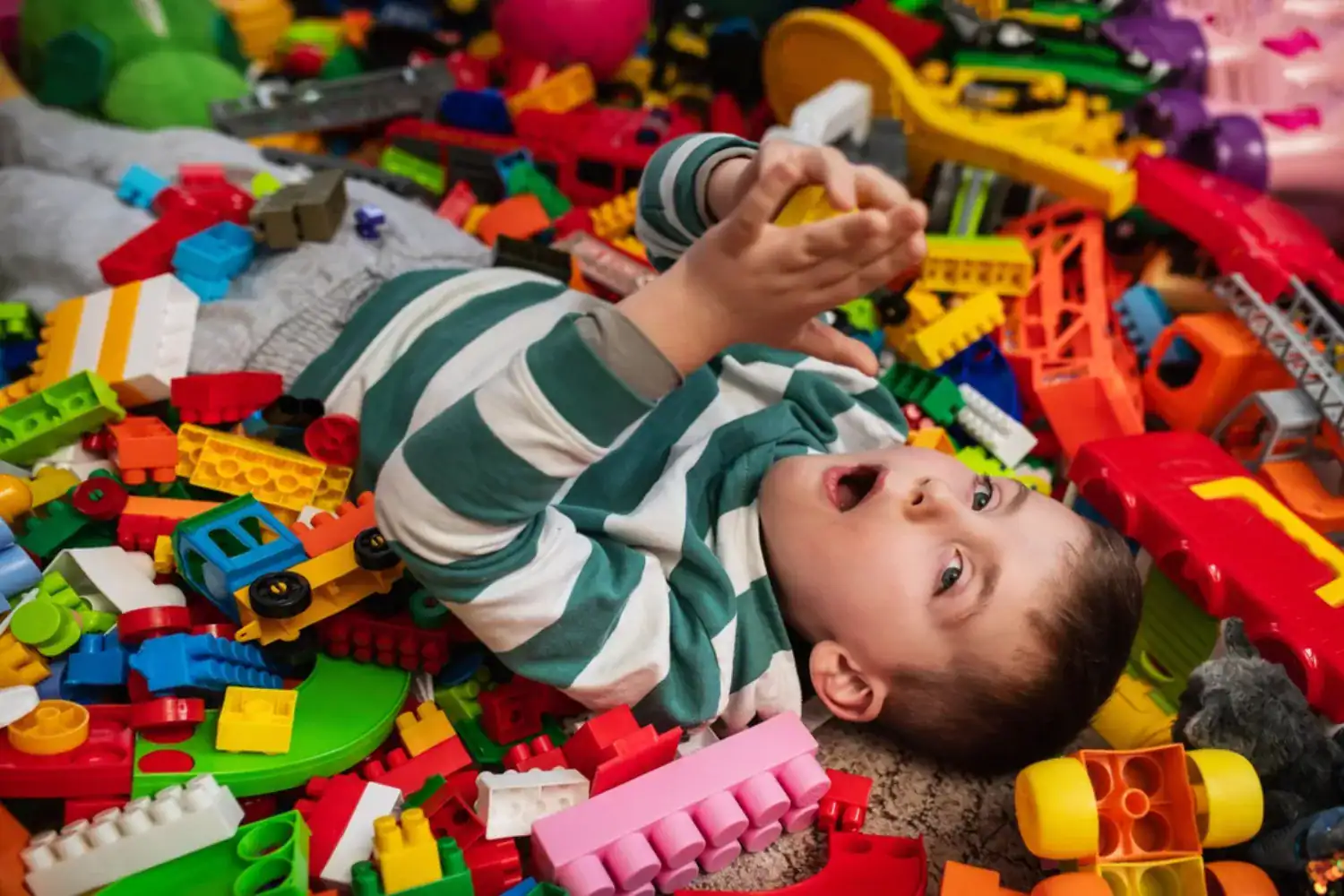
Researchers and parents alike are increasingly pointing to an unexpected culprit behind childhood stress, household clutter, and potential behavioral issues later in life: an overabundance of toys. Rather than turning to traditional solutions like stricter discipline, more elaborate organization systems, or more complex sensory-sensitive products, a growing number of families are discovering that the most effective intervention is remarkably simple—subtracting the toys.
The modern American childhood has become synonymous with towering plastic bins, overflowing toy boxes, and endless consumer goods. Statistics highlight the sheer scale of this phenomenon. While the United States is home to only about three percent of the world’s children, American households consume roughly forty percent of global toy production. Experts note that this staggering imbalance has completely normalized extreme consumerism within the domestic sphere, leaving parents struggling to find a reasonable baseline in a culture where excess is the default.
This dynamic often weighs heavily on primary caregivers, particularly mothers and fathers navigating the daily demands of mental health and fatigue. Homes filled to capacity with plastic playthings create a constant cycle of physical labor: picking items up, organizing them only to see them scattered minutes later, or navigating around them when energy reserves run thin. Discarding broken items often feels wasteful, while finding new homes for gently used items demands more time and effort than most exhausted parents can spare. Polite requests directed at friends and relatives asking them to curb gift-giving frequently go unheeded, trapping families in an escalating cycle of domestic clutter.
Insights into this global disparity can be traced back to a unique photographic project conducted between 2009 and 2010. Italian photographer Gabriele Galimberti traveled to more than fifty countries, documenting children alongside their favorite possessions. Reviewing the resulting collection, published in the book Toy Stories, observers might expect American children to be pictured sitting atop mountains of goods. Instead, across diverse economic backgrounds and cultures worldwide, the photographs revealed a surprising uniformity. Regardless of socioeconomic status, children simply did not possess massive stockpiles of goods. Their joy was centered on a handful of cherished items, raising fundamental questions about what children actually need to thrive.
The realization that children might be better off with fewer possessions has inspired informal experiments among parents seeking relief. By gathering every plaything in the home and placing them into temporary storage—while allowing youngsters to select just a handful of favorites to keep—families have reported dramatic shifts in household dynamics. In many cases, children readily adapted to the reduction, rarely asking for the stored items back. Parents have observed improvements in sleep patterns, longer periods of independent concentration, and a notable decrease in the constant demands for snacks or attention. The general atmosphere of the home frequently transitions from frantic and distracted to settled and focused.
Scientific research increasingly supports these anecdotal findings. Studies examining the effects of toy overload on toddler development have indicated that having a very limited number of playthings often yields better developmental outcomes than having a large assortment. For example, research suggests that toddlers interacting with just four items at a time display longer and more creative periods of engagement compared to those presented with sixteen or more.
Furthermore, historical context from European research points toward long-term behavioral implications. In Germany during the 1980s, educators and researchers began examining how chronic distraction in early childhood could lay the groundwork for addictive behaviors later in life. This insight led to experimental initiatives in kindergartens where toys were entirely removed as a form of preventative intervention, encouraging children to invent their own activities using natural materials and social interaction.
As with many aspects of child-rearing, experts emphasize the importance of moderation. While an individual toy may be marketed as a tool for engineering or empathy development, a room saturated with dozens of blinking, singing, and flashing objects frequently leads to sensory overload, chronic distraction, and an early-onset consumerist mindset.
When families decide to pare down their environments, defining what constitutes a toy is often the first challenge. The approach is frequently compared to dietary adjustments: eliminating the excess while retaining foundational elements. Basic items that encourage open-ended creation, such as building blocks, art supplies, puzzles, dress-up clothes, books, and outdoor vehicles, are typically preserved. Conversely, highly specialized, single-use plastic goods—such as miniature kitchen setups with dozens of tiny plastic foods, interactive electronic toys with repetitive songs, or large fleets of identical vehicles—are often the primary targets for removal.
When these heavily structured, electronic items are cleared away, parents frequently observe a shift toward more authentic engagement. Children naturally gravitate toward real-world activities, such as participating in actual food preparation in the kitchen, playing real musical instruments, or taking on genuine responsibilities in caring for household pets. Rather than relying on manufactured play scenarios, youngsters invent their own games using everyday objects and natural surroundings, demonstrating that human imagination flourishes best when environmental clutter is minimized.
For families considering a significant reduction in their own homes, timing and approach play crucial roles. Transitioning during periods when children naturally spend more time outdoors, such as the summer months, often eases the process by providing ample opportunity for natural boredom and outdoor exploration. Rather than enforcing an abrupt and permanent disposal, many parents opt for a gradual transition by moving surplus items into temporary storage locations like garages, basements, or attics.
This temporary phase allows children to request the return of a specific item if genuine regret arises, easing the anxiety associated with letting go. If, after several weeks or months, the household has clearly benefited from the quieter environment, families often decide to donate the remaining items or involve older children in yard sales to re-home the goods.
Ultimately, the movement toward toy-free or toy-minimized environments reflects a broader reassessment of modern parenting pressures. By recognizing that children possess a natural ceiling on the number of possessions they can genuinely appreciate and enjoy, families are finding relief from clutter, reduced sensory stress for both kids and caregivers, and a renewed appreciation for the simplicity of open-ended play.
The renewal guarantees that viewers will get to see how both families react to the impromptu post-mikveh wedding that capped off the show’s recent run. For fans invested in the complex, comedic, and culturally rich dynamics of the series, the confirmation comes as welcome news, even if it follows a turbulent period of off-screen friction.
Tracey Pakosta, Netflix’s vice president of U.S. comedy series, expressed immense enthusiasm regarding the show’s continued trajectory. In a statement confirming the renewal, Pakosta noted that the creative team behind the series has successfully built a show that grows organically alongside its audience. She added that members around the world have embraced the characters and their journeys season after season, concluding that the network could not be more excited to move forward with Season 4.
The fourth-season pickup comes as little surprise to industry watchers and dedicated fans. Following the release of its third season on October 22, "Nobody Wants This" immediately staked a claim on Netflix’s global top 10 list, cementing its status as a major streaming powerhouse. Reviewers noted that the third season demonstrated a newfound creative confidence, suggesting that the series may have finally hit its stride by balancing its signature witty banter with deeper explorations of its characters’ identities and relationships. Furthermore, industry metrics reported by Deadline indicated that the third season’s opening week pulled in the highest viewership numbers for any returning scripted comedy series on the platform for the year 2026.
However, the path to this milestone has not been without its obstacles. The third season release was heavily overshadowed by a wave of controversy sparked by real-world comments from members of the cast regarding the ongoing conflict between Israel and Palestine. The storm began a few weeks prior to the season premiere when GQ published a profile featuring series star Adam Brody, who portrays the charismatic Rabbi Noah. During the interview, when asked about his perspective on the geopolitical situation, Brody did not mince words. He stated that he viewed the situation as a genocide and expressed his desire for a free Palestine. He further remarked that while it was awful it had taken so much death and misery to reach a breaking point, he was hopeful that a change in administration could help correct policies exacerbating the crisis.
Brody’s candid remarks triggered an immediate and polarized reaction across social media platforms. A significant number of users declared they would boycott the show, taking strong issue with his rhetoric, and particularly his use of the term genocide. Yet, the controversy deepened rather than subsided when other figures associated with the production weighed in. Fellow cast member Tovah Feldshuh, who plays Noah’s formidable and protective mother Bina, along with series creator, executive producer, and guest star Erin Foster, responded publicly with differing viewpoints, expressing disagreement with Brody’s stance. In turn, a wave of social media users took the opposite tack, announcing their own boycotts of the series in protest of what they perceived as a pro-Israel stance or pushback against Brody’s comments.
Despite the cross-fire of threatened boycotts from viewers holding widely different opinions, the audience tuning in proved that the controversy did not dampen the show’s commercial appeal. The massive opening week viewership figures demonstrated that the immense appetite for the romantic comedy outweighed the off-screen friction for the vast majority of subscribers.
As production planning for the fourth season gets underway, Netflix has yet to release an official, comprehensive cast list detailing exactly who will be returning alongside Kristen Bell and Adam Brody. Nevertheless, speculation and fan campaigns are already running rampant. For quite some time, a vocal segment of the fanbase—along with various television cultural outlets—has been advocating for a more prominent narrative focus on Sasha, Noah’s brother, brilliantly portrayed by Timothy Simons.
Those hopes received a humorous and public boost during a recent promotional event, where Kristen Bell leaned into the fan sentiment with tongue-in-cheek remarks about the character’s breakout potential. Recounting her reaction to watching the seventh episode of the third season, which deeply explores the evolving dynamic between Sasha and Morgan, played by Justine Lupe, Bell joked about her co-star’s unexpected leading-man status. She quipped that she realized Tim Simons was a romantic lead and that everyone would soon know it, joking that the production would need extra security on set for the upcoming year because Sasha was essentially becoming a lead of the show and someone would eventually need to break the news to Adam Brody.
With the creative team gearing up for production and the central romance of Joanne and Noah poised to navigate the comedic fallout of their unorthodox wedding, "Nobody Wants This" remains one of Netflix’s most talked-about and watched comedies. As the dust settles from the heated debates surrounding its third season, the series is set to return with the same sharp humor and interpersonal drama that first captured the global audience’s attention, leaving fans waiting to see how the next chapter unfolds.
When a breast cancer diagnosis is finally confirmed, the initial wave of shock, surprise, hurt, and anguish inevitably ripples through the household. In the Islamic tradition, the family functions as a closely knit community unto itself; when any single part of that familial body suffers in pain, the entire collective feels the acute ache of the trial. Navigating this sudden shift in reality requires immense emotional and spiritual resilience, drawing on both practical empathy and deep-seated faith to guide loved ones through one of life’s most daunting challenges.
As in all matters of human trial and tribulation, Muslims look to the life example and Sunnah of the Prophet Muhammad, may Allah send peace and blessings upon him, to serve as a steady anchor and guide. During times of profound emotional distress and heavy external opposition in Makkah, the Prophet himself was granted divine solace through the revelation of Surat al-Inshirah (Chapter 94 of the Holy Quran). This short yet deeply comforting chapter speaks directly to the heart of anyone weighed down by hardship:
"Did We not expand for you, your breast, and removed from you your burden which weighed upon your back, and raised high for you your reputation? For indeed, with hardship comes ease, indeed with hardship ease. So when you have finished, labor hard, and to your Lord direct longing." (94:1-8)
Reflecting on this chapter reveals a profound promise for families standing by a loved one receiving a breast cancer diagnosis: the absolute assurance that a profound sense of ease will eventually follow the trial. In the context of Islamic teachings, ease—known as yusr—does not necessarily mean the complete absence of difficulty. Rather, it signifies outcomes that are ultimately achievable, bringing inner peace and practical solutions that flexibly adapt to the evolving physical and emotional needs of the patient and caregivers alike.
Families must also recognize that this promised ease can manifest in physical, mental, or spiritual ways, or frequently as a harmonious combination of all three. The key for households moving forward after a diagnosis is to anchor themselves in patience (sabr), inner strength, and purposeful, compassionate action. Achieving this state of ease does not happen passively; it requires deliberate, faith-driven efforts that foster comfort and healing within the domestic sphere.
This approach is echoed in the recorded traditions of the Prophet’s companions. It is narrated that Abdullah ibn Abbas reported that Allah’s Messenger, may Allah send peace and blessings upon him, once said to Ashajj ‘Abdul-Qais: "Indeed there are two traits in you that Allah loves: Forbearance, and deliberateness." Cultivating these very traits—patience in the face of sudden illness and thoughtful, deliberate care for the patient—becomes the cornerstone of family support.
Grounding the Journey in Dua
During the prophetic era, when members of the early Muslim community faced severe illness or physical suffering, the Prophet Muhammad, may Allah send peace and blessings upon him, would actively seek to bring comfort and ease to the afflicted. He would visit them personally, gently touching the patient or the area of concern with his right hand, and invoke divine intercession through specific supplications.
Among the most powerful sunnah prayers taught for illness is the du’a: "O Allah, Lord of mankind, remove the hardship and grant healing. You are the Healer, there is no healing but Yours, a healing that leaves no illness behind." Integrating this practice into daily family life allows loved ones to spiritually connect the patient’s medical journey with a reliance on the Ultimate Healer, transforming clinical waiting rooms and home care spaces into environments of continuous remembrance and hope.
The Power of Kind Acts
In Islam, acts of kindness are never viewed merely as polite social gestures; rather, they are understood as tangible reflections of sincere faith, pure intention, and a form of ongoing charity provided to another human being. Extending profound kindness within the family unit, particularly during times of acute trial and heavy emotional distress, serves as one of the most powerful mitigating factors family members can provide for one another as they shoulder the psychological and physical burdens of cancer.
This principle is underscored by a tradition narrated by the companion Abu Hurairah, who reported that the Prophet Muhammad, may Allah send peace and blessings upon him, taught the believers: "Whoever relieves a Muslim of a burden from the burdens of the world, Allah will relieve him of a burden from the burdens of the Hereafter…" (Tirmidhi, 1425). By actively assisting a mother, sister, aunt, or any relative navigating a cancer diagnosis with daily chores, emotional reassurance, or medical coordination, family members actively participate in this prophetic merit.
Concluding Each Day with Supplication
Whether the family member afflicted with breast cancer is a mother, grandmother, sister, aunt, or even a male relative—given that breast cancer, though rare, can also affect men—it is vital to anchor the emotional routine of the household by ending each day with sincere supplication. This involves the family gathering or coordinating to make collective du’a during regular prayer times, asking for Allah’s boundless mercy to envelop the patient.
Families can draw inspiration from the beautiful verses of the Quran, such as the du’a taught in Surah Al-Isra (17:24) which Muslims traditionally make for their parents: "My Lord! Be merciful to them as they raised me when I was small." By framing caregiving through the lens of mercy, active remembrance, and spiritual solidarity, Muslim families can navigate the profound challenges of a breast cancer diagnosis with grace, resilience, and enduring faith.
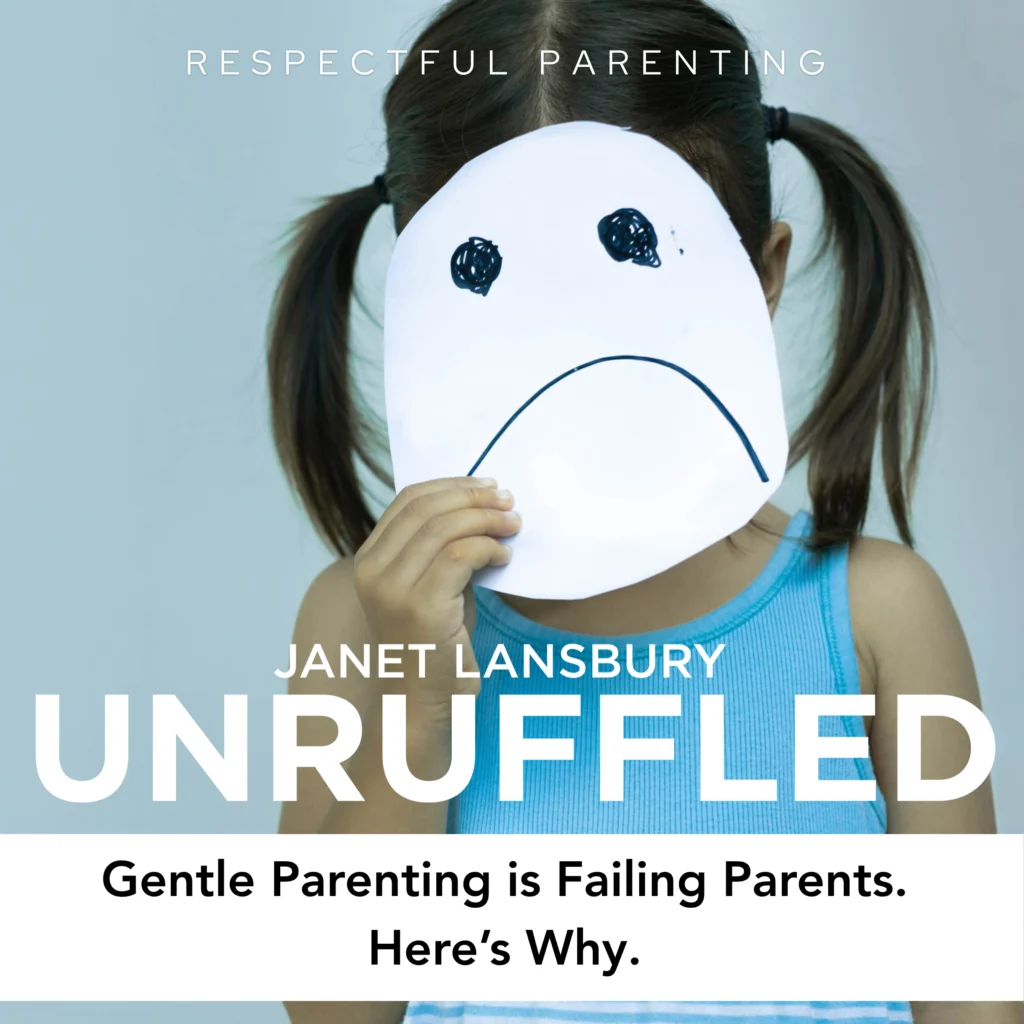
For years, "gentle parenting" has sat at the center of modern family discourse, championed across social media and parenting blogs as the ultimate antidote to authoritarian, punitive child-rearing. Focused on calm communication, emotional validation, and breaking generational cycles of harsh discipline, it became the defining ethos for many Millennial and Gen Z parents. However, a growing cultural backlash suggests that the approach is leaving many caregivers exhausted, second-guessing themselves, and struggling to maintain basic household boundaries.
Parenting expert and author Janet Lansbury recently addressed this widespread disillusionment in an episode of her podcast, Unruffled. According to Lansbury, the growing frustration with gentle parenting does not mean parents need to swing to the opposite extreme—a harsh style of consequence-learning currently trending online under acronyms like "FAFO" (F-Around and Find Out). Instead, Lansbury argues that the solution lies in moving past the vague, often paralyzing label of "gentle" and stepping into a role defined by confident leadership rooted in respect.
The Backlash Against Gentle Parenting and the Pendulum Swing
The cultural conversation around early childhood discipline has shifted dramatically over the last couple of years. Publications and social media feeds are increasingly filled with critiques of gentle parenting, with critics occasionally blaming the approach for raising entitled children. Meanwhile, younger parents who initially embraced the soft style are beginning to experience burnout.
Recent industry reports, including data highlighted by YPulse and drawing from the Wall Street Journal, indicate that some young parents are moving away from gentle communication toward more blunt, consequence-driven methods. This emerging style often involves parents stepping back entirely when a child breaks a known rule—such as making a child walk in the rain because they refused to pack a raincoat when instructed.
Lansbury notes that this dynamic reflects a familiar cultural pendulum swing. Parents bounce back and forth between extremes out of a sense of exhaustion and hidden resentment, feeling as though they have been "too nice" to children who continue to push back. Yet Lansbury warns that neither extreme—overly permissive gentleness or reactionary harshness—ultimately builds the warm, functional relationship most families desire.
Why "Gentle" Falls Short as a Guiding Principle
Taken at face value, Lansbury argues, "gentle" is not a helpful foot to put forward as a primary parenting philosophy. While gentleness is an ideal byproduct or trait of a healthy relationship, leading with it as a core strategy often causes parents to stifle themselves. It leads caregivers to respond to challenging behavior with excessive caution, hesitation, and endless attempts to analyze and explain every minor infraction.
Rather than centering family life around being gentle, Lansbury advocates for anchoring the approach in two stronger anchors: respect and confidence. Respect means treating children from birth as whole, capable people whose inner direction matters, rather than viewing them as objects to be molded. However, because many parents are naturally soft-hearted or lack innate authority, Lansbury emphasizes that respect alone is often not enough when a child is actively struggling or acting out.
When children are in the grip of difficult behavior or emotional dysregulation, what they need most is a confident leader. Lansbury points out that relying solely on a wobbly, hesitant version of gentleness can actually frighten children, leaving them feeling as though they are prematurely in charge of the household dynamics because the adults have abdicated their leadership role.
Cultivating Confident Leadership Through Perspective
To help parents move away from exhaustion and toward authentic, confident leadership, Lansbury outlines several foundational perspective shifts. First, she encourages caregivers to take a step back and recognize the actual size and developmental reality of the child in front of them. While toddlers and young children can loom large in the minds of frustrated parents—acting out, testing limits, or throwing intense tantrums—they remain immature little people who fundamentally need adults to be bigger and steadier than they are.
Second, Lansbury stresses the importance of understanding why children misbehave. When parents realize that challenging behavior is rarely a conscious, mean-spirited attack, but rather a sign that a child has momentarily "lost the plot," the behavior becomes far less intimidating. Recognizing that a child’s outburst stems from emotional overwhelm allows parents to respond with calm intervention rather than personal offense or anger.
Third, Lansbury highlights the fundamental dynamic of boundaries: parents set a clear boundary, and children are naturally allowed to feel however they feel about it. Whether a parent is taking away an unsafe object, transitioning away from the park, or enforcing a household rule, the child’s subsequent resistance or emotional explosion should be expected and accepted without hesitation. The mistake many parents make is trying to talk children out of their feelings or soften the blow with lengthy explanations, which often serves only to prolong the conflict.
Navigating Everyday Realities and Avoiding Common Pitfalls
Lansbury also distinguishes between definitive safety boundaries and cooperative caregiving tasks, such as bedtime routines or hair-combing. While safety rules require absolute, confident follow-through, cooperative tasks demand a greater degree of flexibility, wherein parents must learn to cut their losses and remain relaxed rather than forcing compliance.
Furthermore, Lansbury cautions against the trap of perfectionism, encouraging parents to embrace the inherent messiness of family life. Mistakes and moments of lost temper are normal parts of the parenting process, provided caregivers are willing to come back later, make peace, and model accountability.
Ultimately, Lansbury suggests that adopting a posture of confident leadership does not require formal training in child psychology or exhausting adherence to rigid scripts. By taking a step back, understanding normal developmental boundaries, and allowing children to express their emotions freely while remaining firm on necessary limits, parents can build calmer, clearer, and far more effective relationships with their children.
The ongoing debate surrounding sun exposure, synthetic ultraviolet blockers, and skin health has taken a new turn in the wellness community, with health advocate and writer Katie Wells introducing a specialized formula for a mineral-based lip sunscreen. While the broader health conversation continues to balance the necessity of natural sunlight for vitamin D production and immune function against the undeniable risks of sunburns, attention is increasingly turning toward the specific vulnerabilities of facial skin, particularly the lips.
For years, wellness practitioners have advocated for safe, measured sun exposure rather than total avoidance, emphasizing that the human body requires natural light to regulate hormones and maintain robust health. However, prolonged exposure during high-intensity outdoor activities—such as boating or surfing in exceptionally sunny climates—creates a genuine need for targeted protection. While all-over homemade body sunscreens have remained popular among natural health enthusiasts, applying those traditional mixtures to the lips has long presented practical hurdles, prompting the development of a dedicated, food-grade alternative designed specifically for delicate lip tissue.
The primary motivation behind creating a specialized lip formula stems from the unique challenges of protecting the mouth area. Standard body sunscreens, even natural ones, frequently leave an undesirable white cast, prove difficult to apply smoothly to the lips, and often possess an unpleasant taste. Because lip products are inevitably ingested in microscopic amounts over time, the formulation requires ingredients that are not only effective at blocking ultraviolet rays but also entirely safe for accidental consumption.
This necessity highlights a growing concern regarding commercial, store-bought lip balms and sunscreens, many of which rely on synthetic chemical filters. Commonly used ultraviolet-blocking agents, such as oxybenzone and avobenzone, allow for smooth application and quick absorption, making them commercially attractive. Yet, mounting scientific and environmental evidence has revealed that these chemical compounds pose significant risks. Not only are they absorbed directly through the human skin barrier, but they are also widely recognized as toxic to coral reefs and fragile marine ecosystems.
In contrast, the newly developed DIY formulation utilizes non-nano, uncoated zinc oxide as its primary ultraviolet defense mechanism. Unlike chemical filters that absorb into the skin and underlying tissues, zinc oxide functions as a physical barrier, resting entirely on top of the skin and lips to reflect ultraviolet rays away from the body. Recognized by health regulators as a safe and effective ultraviolet barrier, zinc oxide is incorporated at a twenty percent concentration in the new recipe, yielding approximately a factor ten sun protection rating. Although a rating of ten may appear modest compared to high-index commercial products, health experts note that it successfully blocks approximately ninety percent of incoming ultraviolet rays.
To enhance both the protective qualities and the texture of the balm, the formulation incorporates several nutrient-dense natural oils and butters. Red raspberry seed oil is included for its natural ultraviolet-filtering properties and its high concentration of protective antioxidants, which help shield delicate lip tissue from oxidative stress and environmental damage. Shea butter provides a smooth, creamy base that deeply nourishes the skin while giving the final product structural firmness. Beeswax adds a durable, protective outer layer that seals in moisture and shields the lips from harsh wind and environmental elements.
Additionally, avocado oil serves as the primary emollient base for the lip balm, offering substantial support for cellular regeneration and collagen production to prevent the weakening of skin cells. Rich in carotenoids that provide supplementary ultraviolet protection, avocado oil also assists in calming inflammation and reinforcing the natural moisture barrier of the skin.
Because zinc oxide naturally imparts a stark white appearance, addressing the aesthetic concerns of a traditional mineral barrier became a key focus of the formulation process. While some users accept the visible white cast, the recipe offers a straightforward cosmetic adjustment through the incorporation of iron oxide or mica. Mica reflects light to provide a subtle shimmer, while iron oxides deliver a rich, natural burgundy or pink hue. To avoid the heavy metal contaminants frequently found in raw soil-derived pigments, the formula utilizes laboratory-created, nature-identical iron oxides. For those lacking synthetic iron oxides, rose kaolin clay serves as a viable, natural alternative to achieve a tinted effect.
Health experts also emphasize the critical importance of ingredient selection regarding essential oils. Certain popular botanical extracts, known as phototoxic essential oils, drastically increase the skin’s sensitivity to sunlight and can provoke severe burns or lasting damage when exposed to ultraviolet light. Oils such as bergamot, lime, lemon, and grapefruit are strictly cautioned against and must be avoided entirely when formulating lip balms intended for outdoor use.
As discussions surrounding safe sun practices continue to evolve, consumers are increasingly weighing the benefits of natural outdoor lifestyles against the necessity of clean, environmentally responsible protection. By turning toward mineral barriers and nourishing botanical ingredients, advocates hope to provide a sustainable middle ground that protects vulnerable areas like the lips without compromising overall health or marine ecosystems.
In an era defined by the clatter of mechanical keyboards, the rapid tapping of smartphone screens, and the seamless convenience of speech-to-text applications, students at nearly every educational level can type exponentially faster than they can write. This digital transformation of modern classrooms prompts an inevitable question: in a technologically advanced society, is learning traditional handwriting and cursive still relevant, or are these skills merely nostalgic relics of a bygone era?
A rapidly expanding body of contemporary neuroscience suggests that these traditional skills are anything but obsolete. Far from being a redundant exercise, writing by hand actively stimulates neurons and engages diverse regions of the human brain in complex ways that digital typing simply cannot replicate. As educators and policymakers continually debate the integration of technology in schools, mounting scientific evidence underscores the irreplaceable cognitive value of putting pen to paper.
What Handwriting Does in the Brain
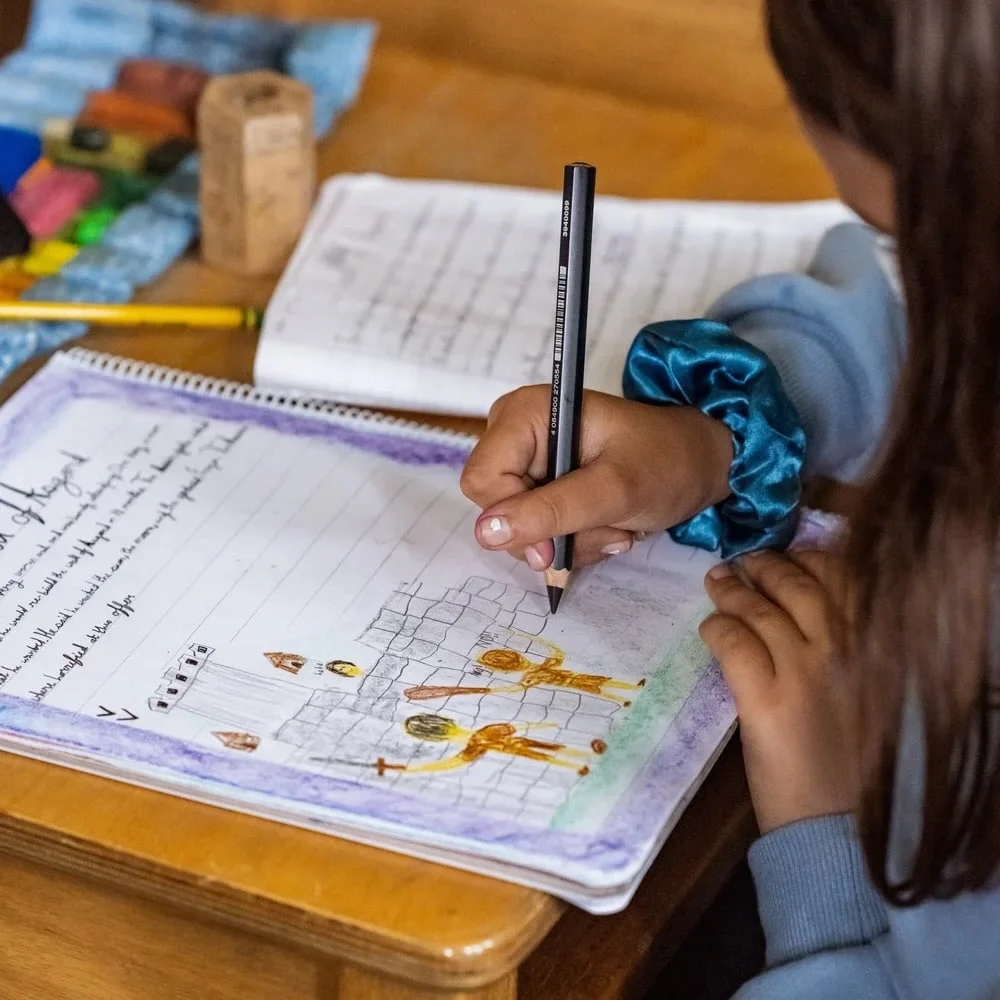
When a student picks up a pen or pencil to write by hand, a sophisticated network of sensory, motor, and cognitive regions within the brain fires simultaneously. This physical act activates far more neural pathways than the uniform, repetitive motion of pressing keys on a keyboard, ultimately paving the way for deeper learning and more robust memory formation.
A comprehensive 2024 study published in Frontiers in Psychology utilized high-density electroencephalography (EEG) to carefully compare real-time brain activity during handwriting versus typing tasks. The findings were striking: handwriting produced significantly more elaborate and widespread neural connectivity, engaging complex networks closely associated with human attention, language processing, and memory. Existing scientific literature indicates that these specific connectivity patterns are absolutely crucial for memory formation and the effective encoding of new information, making them profoundly beneficial for overall learning. The study’s authors ultimately concluded that handwriting supports the fundamental neural foundations of learning and must remain a central pillar in modern education.
This deeper cognitive processing is consistently echoed across international research. For instance, a Japanese study focusing on adult foreign language learning and the semantic encoding of new words explored the distinct neurological impacts of various note-taking methods. The 2021 study, published on PubMed Central, confirmed that handwriting—whether executed with a traditional ink pen or a digital stylus on a tablet screen—builds considerably stronger memory traces and fosters more robust language comprehension than standard keyboarding.
Perhaps the most widely cited research in this field focuses less on high-density EEG results and more on how a student’s brain actively engages with source material during the writing process. In a landmark series of experiments conducted by psychologists Pam A. Mueller and Daniel M. Oppenheimer in 2014, researchers discovered that college students who took lecture notes longhand consistently outperformed laptop note-takers when tested on conceptual questions related to the material.
While typing allowed students to transcribe lectures far more quickly and capture a greater volume of words verbatim, it frequently resulted in superficial processing. Because typists could mechanically record every spoken word without mental filtering, they bypassed the hard work of synthesis. Writing by hand, however, forced students to engage with the material on a much deeper level as they actively digested, mentally rephrased, and summarized complex ideas in real time. Regardless of the age of the learner, the converging scientific evidence points toward a singular, overarching conclusion: handwriting fundamentally improves the way human beings think and retain information.
Handwriting Builds Literacy
The cognitive benefits of handwriting extend far beyond mere note-taking and memory retention; they form the very foundation of literacy. When young children are learning to write, the physical act of forming individual letters—rather than merely recognizing them visually or typing them on a keyboard—helps the developing brain construct the complex neural circuitry required for fluent reading.
Handwriting is an intricate visual-motor skill supported by a widespread neural system that encompasses ventral-temporal, parietal, and frontal motor regions. As young children learn to read and write, their developing brains are actively forging these critical neural pathways. Two separate, contemporary studies directly link early literacy development to the specific neural systems cultivated exclusively through handwriting practice. Both Wiley and Rapp in their 2021 study, and Vinci-Booher and James in their parallel 2021 research, demonstrated that hands-on handwriting experience accelerates overall literacy learning while actively engaging the exact visual-motor areas that are vital for reading comprehension.
Students who engaged in literacy curricula that incorporated handwriting showed accelerated learning curves and greater generalization capabilities when compared to peers who learned through non-motor practice methods. Researchers hypothesize that this advantage occurs because handwriting practice leads to the simultaneous acquisition of both motor and amodal symbolic letter representations. In simpler terms, writing by hand helps the human brain forge a direct, indelible connection between physical letter formations and abstract word meanings—a vital bridge in language acquisition.
Earlier foundational work conducted by researchers James and Engelhardt in 2012 yielded similar insights, discovering that when young children practiced writing letters by hand, their brains subsequently activated the reading network automatically whenever those exact letters were viewed later. Crucially, neither typing nor passive tracing produced this same neurological effect.
In a related vein of research examining how the brain deciphers visual symbols and forms, a 2014 study led by Pegado and colleagues demonstrated that handwriting experience directly aids the brain in successfully distinguishing notoriously difficult mirror-image letters, such as the lowercase b and d. Each of these distinct scientific findings reinforces the core premise that forming letters by physical hand movements literally shapes the architecture of the brain to read them more efficiently. Taken together, these studies indicate that handwriting helps construct the brain’s internal architecture for faster, more comprehensive reading and lifelong literacy.
Cursive Writing: Flow, Focus, and Fluency
Cursive writing, once considered an absolute standard of elementary education, has been quietly phased out of many modern school curricula in favor of keyboard proficiency. Yet, ongoing research and decades of classroom experience suggest that this flowing script offers unique cognitive and developmental advantages that print-writing and typing do not.
Because cursive involves a continuous, fluid motion rather than the disjointed strokes of print, it demands sustained attention and intricate physical coordination, thereby reinforcing fine-motor control and rhythmic stability. Advanced neuroimaging studies reveal that writing by hand in a continuous motion fosters powerful synchronization across multiple brain regions responsible for motor planning and linguistic expression.
According to prominent neuroscientific research out of Norway that analyzed the EEG recordings of 12-year-olds—conducted by Askvik, van der Weel, and van der Meer in 2020—these strengthened, continuous connections between the human hand and the brain measurably improve letter recognition, spelling accuracy, and overall reading fluency.
Beyond its neurological benefits, cursive writing also serves a vital cultural and historical function. As Smithsonian Magazine observed in a 2023 report, the ability to read and write in cursive directly connects modern students to centuries of handwritten history—ranging from deeply personal family letters to foundational historical documents like the U.S. Constitution. Allowing cursive literacy to vanish entirely risks cutting future generations off from their own historical archives and cultural heritage.
Handwriting in the Future
Handwriting and cursive writing intimately connect critical areas of the brain tied to motor skills, memory storage, cognitive processing, and reading comprehension. Relegating these foundational skills to the status of a quaint, nostalgic practice is short-sighted at best and educationally detrimental at worst.
In an increasingly digital world dominated by endless keyboard typing and automated screens, handwriting remains an indispensable, low-tech tool for building thoughtful, deeply connected, and capable learners. Educational philosophies like Waldorf education, which maintains an unwavering commitment to educating the whole child through regular lessons in handwriting and cursive, find strong validation in contemporary cognitive research.
As the educational landscape continues to evolve alongside emerging technologies, preserving the physical act of writing may well prove to be one of the most critical investments we can make in the future of human intelligence.
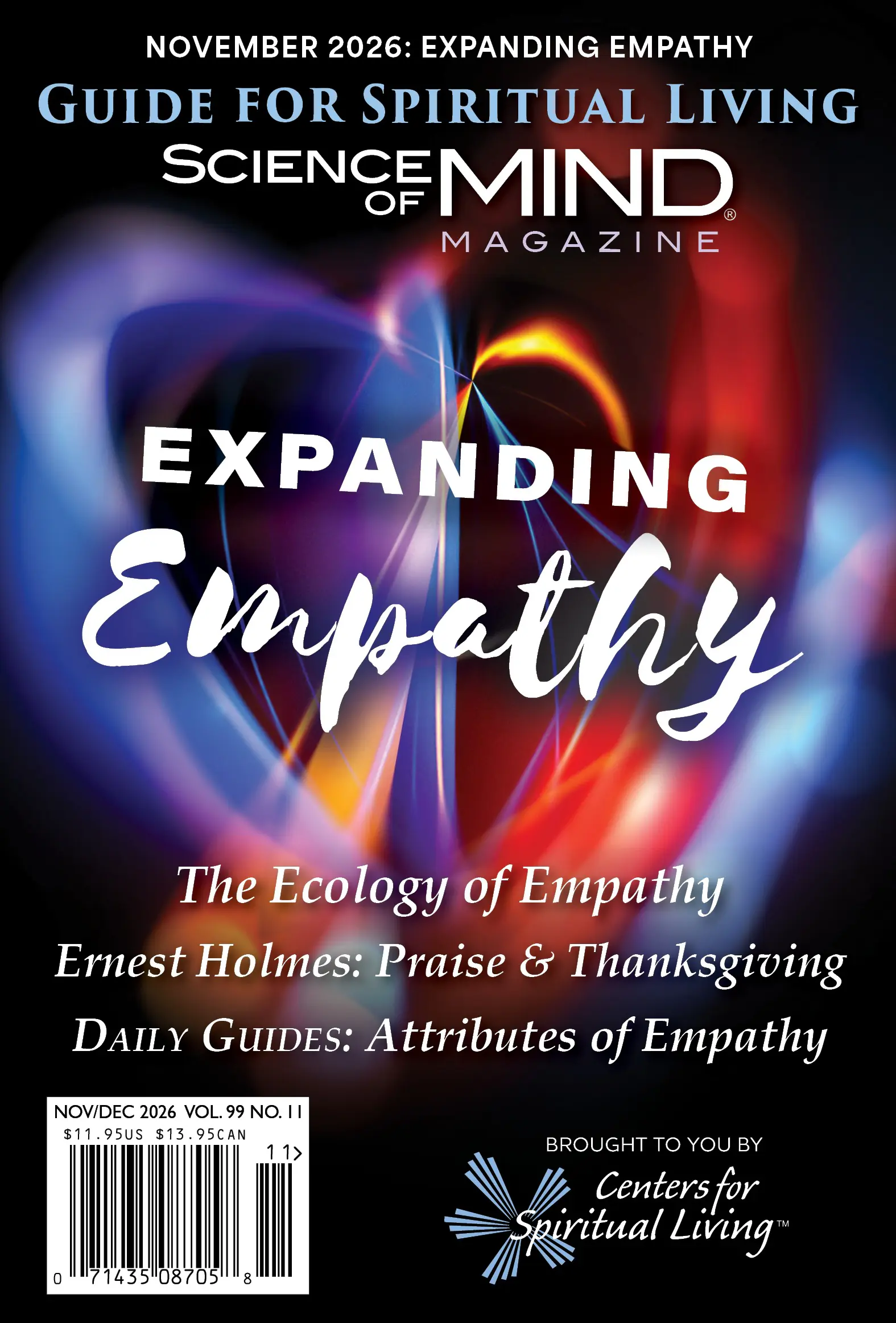
The landscape of human connection, psychological understanding, and interpersonal communication continues to evolve in a rapidly changing world, bringing forth complex questions about how individuals and societies relate to one another. Addressing these critical themes, the latest edition of the publication arrives with a focused exploration of emotional resonance, perspective-taking, and the evolving science of human connection. The November 2026 issue, titled Expanding Empathy, is officially available now, offering readers a comprehensive dive into the mechanisms that drive understanding across social, cultural, and psychological divides.
In an era marked by shifting global dynamics, digital isolation, and polarizing discourse, the ability to genuinely understand the experiences of others remains one of the most vital yet challenging pursuits of the human condition. This newly released edition addresses these contemporary realities head-on, examining how emotional intelligence and cognitive perspective-taking can be cultivated on both an individual and a societal level. Through deeply reported features, expert analyses, and thoughtful commentary, the publication provides readers with valuable perspectives on what it means to bridge divides in modern life.
Readers seeking to explore the latest edition can access the digital publication immediately. Dedicated subscribers and digital-first readers can view the full contents of the release through the official online portal. Accessing the current edition online ensures that readers have immediate availability to the complete suite of articles, essays, and visual features curated for this release.
For those who wish to maintain ongoing access to the publication’s insightful reporting and thought-provoking journalism, new subscription opportunities are currently available. Readers can secure a full year of digital access, encompassing twelve digital issues, for the promotional rate of $19.95. This digital subscription option provides a convenient and seamless reading experience across devices, ensuring that subscribers never miss an upcoming release or specialized feature.
In addition to digital offerings, the publication continues to support traditional print journalism for enthusiasts who value the tactile experience of reading a physical magazine. Readers interested in receiving the traditional print edition delivered directly to their homes can subscribe online today. Opting for the print subscription also includes both the print and digital editions combined for a single low price, offering the best of both worlds for dedicated followers of the publication’s work.
As the conversation surrounding emotional awareness, mental well-being, and social cohesion deepens across academic, professional, and public spheres, this latest installment serves as a timely resource for anyone invested in the future of human relationships. The November 2026 issue invites readers to reflect, engage, and expand their understanding of the world around them.
For parents contemplating the journey of home education, the initial thoughts are almost universally filled with hesitation. Almost every Classical Conversations parent began their journey asking the exact same fundamental question: Can I really do this? Many felt nervous, while others were entirely certain they would inevitably make mistakes and mess up their children’s education.
Yet, despite these early doubts, they started anyway. Thousands of those families eventually went back to public forums to document and write extensively about their lived experiences. An analysis of more than 4,150 Google reviews for Classical Conversations communities reveals an overwhelming average rating of 4.97 stars, with an astounding 98 percent of those evaluations earning a perfect five-star rating. Across thousands of individual testimonials, the exact same concerns and questions appeared repeatedly, accompanied by remarkably consistent answers from veteran parents and program graduates.
Quick Answers to Common Doubts
For anyone currently standing on the threshold of home education, the initial inquiries are typically practical and deeply personal. To the central question of whether a parent is truly capable of homeschooling their child, the resounding answer from experienced families is yes. Educational experts and veteran parents alike emphasize that a formal teaching degree is entirely unnecessary, and crucially, parents do not have to navigate the path in isolation.
When asked whether homeschooling is difficult, current participants admit that some days certainly are challenging. However, they note that belonging to a weekly community significantly lightens the burden on those harder days. Concerns regarding socialization are similarly dispelled; current and former parents frequently report that meaningful friendships formed through these communities are among their most welcome surprises. Finally, when confronted with the ultimate query of whether the substantial time and energy investment is truly worthwhile, families who are eight, ten, and fifteen years into the journey answer with an emphatic affirmative.
Understanding Classical Conversations
To understand how these families sustain their educational journey, it helps to examine the structure of the program itself. Classical Conversations operates as a Christian, classical homeschool curriculum and support network. Participating families gather within local communities one day each week, where a specially trained Tutor leads each class through structured material. For the remainder of the week, parents serve as the primary educators inside the home, utilizing the exact same curriculum framework.
The academic tracks span from age four through the conclusion of high school, beginning with the Foundations program and advancing through the rigorous Challenge levels. A frequent revelation for newcomers is that they retain their full authority and role as teachers. Rather than replacing the parent, the organization provides a structured plan, comprehensive training, and a built-in peer network, allowing parents to witness firsthand those pivotal moments when concepts finally click for their children.
Reflecting on this dynamic, Ania W., a parent reviewing from West Michigan, noted that families remain fully responsible for their children’s education, while the community setting provides essential accountability, shared ideas, creative inspiration, and enduring friendships. Claudia B. from Nevada echoed this sentiment, pointing out that weekly community days offer vital encouragement and accountability, while the home guides make day-to-day lesson planning straightforward to follow. Meanwhile, Stephanie T. from the Greenville, North Carolina area shared that before joining, she had no prior familiarity with classical education. For her, the experience has been a continuous learning process and a welcome retraining of her own mind as she learns how to learn alongside her children.
Overcoming the Fear of Inadequacy
The transition from traditional schooling models to home education often triggers profound self-doubt. Many parents worry they lack the academic background required to instruct growing children. However, program participants frequently discover that formal teaching credentials are not required by most state laws, and support networks are readily available to bridge the gap. Programs such as the annual Parent Practicum offer specialized training focused on the classical model of learning, while weekly community meetings allow Tutors to model instructional methods that parents can easily replicate at home.
For many adults, participating in this style of education provides an unexpected secondary benefit: the chance to redeem their own foundational learning. Julie S. of southern Missouri noted that despite knowing nothing about classical education initially, she was never made to feel inadequate, learning instead that she is uniquely suited to teach her own children. Wendy D. from North Central North Carolina shared that neither she nor her husband held college degrees, making the foundational equipping provided by the community essential to redeeming their own educations. Similarly, Rebecca C. of St. Petersburg, Florida highlighted the joy of learning alongside her children, noting that the environment encourages humility and further academic inquiry when difficult questions arise.
Navigating the Hard Days and Overwhelm
Honesty is a defining characteristic of veteran homeschooling families, who readily acknowledge that the path is not without its trials. Difficult days are a normal part of the process, but the presence of a supportive community transforms how families weather those seasons. Having a structured weekly guide and a scheduled community gathering ensures that a single difficult Tuesday does not derail an entire academic year.
Katie S. of south Alabama described the journey by noting that while tough days happen, the surrounding community provides the necessary momentum and companionship to keep moving forward. Alyssa C. from central Virginia shared that whenever her family struggles or fails to understand a complex concept—an occurrence she admits happens frequently—the local community is always available to patiently walk them through the material until comprehension is achieved. Tatiana T., navigating her first year homeschooling her boys in Miami, Florida, described her community as the essential village needed to push through initial fears and overwhelm. Esther C. from downstate Illinois emphasized the practical depth of these relationships, noting that community members actively participate in daily life, visit homes, and assist with younger children to foster genuine friendship.
Fostering Confidence, Communication, and Community
Beyond academic instruction, families often report remarkable developments in their children’s social and personal growth. Starting as early as age four, children in the program participate in weekly public presentations in front of their peers, helping to cultivate ease and poise in public speaking from an early age. Memory work set to music allows fundamental facts to remain accessible for years, resurfacing naturally as students encounter advanced topics. Angela S. of central Virginia observed that her children harbor no fear of public speaking simply because they have practiced it consistently since age four. Pavel F. from western New York noted the satisfaction of watching his children instantly recall foundational formulas and historical facts they originally learned through song when revisiting topics in later academic cycles.
Socialization concerns, frequently cited by those outside the homeschool community, are consistently put to rest by the reality of weekly classroom interactions, regular playdates, field trips, and study groups. Rachael F. of Bismarck, North Dakota, reflecting on nine years of involvement, stated that the community has been indispensable in helping her children form positive, lifelong friendships. Amy P. from north Alabama added that meeting weekly provides the vital fellowship, structure, and accountability that makes the overall educational experience deeply enjoyable for both parents and students. As students reach high school, advanced events such as mock trials, debates, and formal capstone gatherings provide significant milestones that rival traditional educational experiences, rounding out a comprehensive formation that families continue to treasure long after graduation.
The end of a romantic relationship often triggers a complex cascade of emotions, leaving individuals to grapple with whether to sever ties entirely or attempt to forge a new dynamic. The question of whether someone can successfully maintain a platonic friendship with an ex-partner remains one of the most persistent dilemmas in modern interpersonal relationships, prompting a reevaluation of traditional social boundaries, emotional healing timelines, and the fundamental mechanics of closure.
Relationship experts and psychological resources frequently emphasize that transitioning from romance to friendship is far from a universal rule. For those weighing the prospect, determining appropriateness depends heavily on individual circumstances. Observers note that such arrangements tend to function most smoothly when both parties have fully moved past the romantic chapter, when the separation was free from abuse or severe harm, and when a platonic connection genuinely serves the current realities of both lives. Furthermore, relational specialists suggest that if the prospect feels entirely honest and comfortable rather than forced or rooted in hidden agendas, it serves as a strong indicator that the foundation is stable.
Despite cultural skepticism, psychological perspectives indicate that maintaining a connection with an ex does not automatically constitute a red flag in dating dynamics. When a new romantic partner retains a platonic bond with someone from their past, the manner in which they manage and communicate that dynamic often matters far more than the existence of the friendship itself. Observers are encouraged to pay attention to gut feelings; if an aspect of the situation feels uneasy, raising the topic in an open dialogue can reveal crucial insights. A partner’s willingness to listen constructively, rather than immediately defaulting to defensiveness or dismissal, provides valuable context about emotional maturity and transparency. Conversely, individuals who choose to maintain a friendship with an ex are advised to earnestly consider valid concerns or discomforts expressed by a new partner, ensuring that empathy and reassurance guide the process.
For many navigating the immediate aftermath of a separation, maintaining ongoing contact is neither mandatory nor always beneficial. Taking deliberate emotional and physical space is frequently recognized as a healthy and necessary component of the healing process, with the understanding that individuals retain the right to alter their approach as time progresses. People may opt for a complete cessation of contact, a time-limited pause such as agreeing to abstain from communication for a designated period of months, or a low-contact dynamic.
When ongoing communication is necessary—particularly for individuals who share children, professional environments, or tight-knit social circles—establishing firm boundaries is widely regarded as essential for protecting personal well-being. In circumstances involving shared parental responsibilities or workplace collaboration, experts frequently advise keeping interactions strictly focused on logistical necessities, such as coordination schedules for children or critical project deadlines, thereby minimizing emotional complications. Resources such as guided mindfulness meditations on boundary-setting are often utilized by individuals seeking to cultivate healthier emotional limits during these transitions.
Determining the appropriate timeline for initiating a platonic friendship remains a deeply personal endeavor devoid of rigid rules. While some individuals report feeling emotionally prepared within a matter of months, others require years of distance to process their experiences, and many ultimately decide that friendship is neither desirable nor achievable. Relationship counselors often suggest a straightforward internal inquiry: assessing whether the thought of the former partner moving on with someone new evokes lingering pain. If the prospect still causes emotional distress, it typically indicates that additional time and space are required before any form of friendship can be healthily entertained.
A related and frequently complicated scenario involves platonic connections eventually blurring lines and leading to a reconciliation. While resuming a romantic partnership with an ex does occur, relationship analysts stress that the viability of such a step depends entirely on the underlying reasons the initial relationship dissolved and whether those fundamental conditions have genuinely transformed. Circumstantial challenges, such as inconvenient timing, long-distance hurdles, or external stress, often prove easier to navigate upon a second attempt. However, core incompatibilities—such as conflicting fundamental values, divergent long-term life goals, or deeply entrenched communication dysfunctions—frequently remain persistent obstacles. If individuals reunite without resolving these foundational differences, familiar and detrimental relationship patterns are likely to resurface.
Discrepancies in desires regarding post-breakup contact can also introduce significant emotional friction, particularly when one individual wishes to maintain a friendship while the other prefers a complete separation. Navigating this asymmetry depends heavily on which side of the dynamic a person finds themselves occupying.
Individuals who are approached with a request for friendship retain full autonomy to decline, whether by stating they are not ready or by refusing outright. Those who feel uncertain are under no obligation to provide an immediate response, with many opting to express their hesitation neutrally. Conversely, individuals who desire to maintain a connection are encouraged by relationship advisors to prioritize kindness by respecting the boundaries and space requested by their ex-partner. Pushing for continued interaction can inadvertently hinder the emotional recovery of both parties, even when honoring that distance proves painful in the short term. Coping with the sting of rejection in these scenarios remains a common hurdle, prompting many to seek out specialized resources focused on emotional resilience and acceptance.