Natural Wellness Advocates Push for Safer Alternatives as DIY Mineral Lip Sunscreen Gains Traction
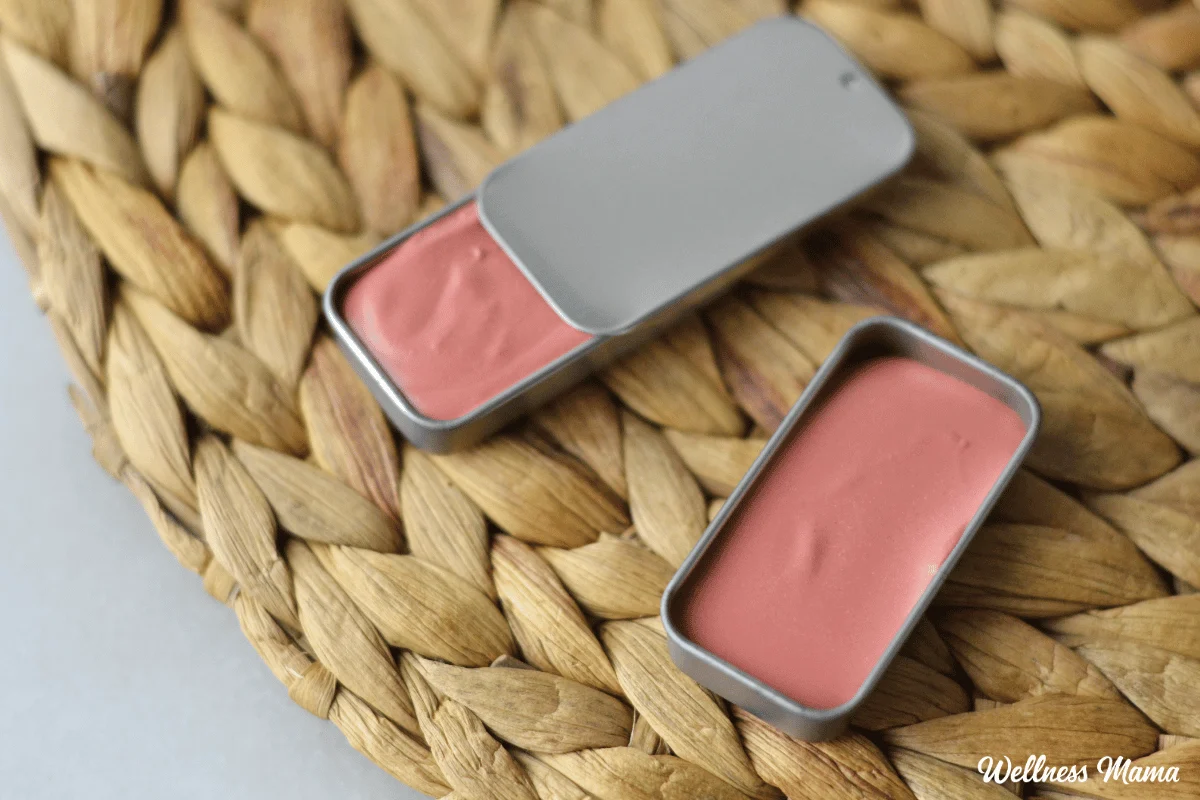
The ongoing debate surrounding sun exposure, synthetic ultraviolet blockers, and skin health has taken a new turn in the wellness community, with health advocate and writer Katie Wells introducing a specialized formula for a mineral-based lip sunscreen. While the broader health conversation continues to balance the necessity of natural sunlight for vitamin D production and immune function against the undeniable risks of sunburns, attention is increasingly turning toward the specific vulnerabilities of facial skin, particularly the lips.
For years, wellness practitioners have advocated for safe, measured sun exposure rather than total avoidance, emphasizing that the human body requires natural light to regulate hormones and maintain robust health. However, prolonged exposure during high-intensity outdoor activities—such as boating or surfing in exceptionally sunny climates—creates a genuine need for targeted protection. While all-over homemade body sunscreens have remained popular among natural health enthusiasts, applying those traditional mixtures to the lips has long presented practical hurdles, prompting the development of a dedicated, food-grade alternative designed specifically for delicate lip tissue.
The primary motivation behind creating a specialized lip formula stems from the unique challenges of protecting the mouth area. Standard body sunscreens, even natural ones, frequently leave an undesirable white cast, prove difficult to apply smoothly to the lips, and often possess an unpleasant taste. Because lip products are inevitably ingested in microscopic amounts over time, the formulation requires ingredients that are not only effective at blocking ultraviolet rays but also entirely safe for accidental consumption.
This necessity highlights a growing concern regarding commercial, store-bought lip balms and sunscreens, many of which rely on synthetic chemical filters. Commonly used ultraviolet-blocking agents, such as oxybenzone and avobenzone, allow for smooth application and quick absorption, making them commercially attractive. Yet, mounting scientific and environmental evidence has revealed that these chemical compounds pose significant risks. Not only are they absorbed directly through the human skin barrier, but they are also widely recognized as toxic to coral reefs and fragile marine ecosystems.
In contrast, the newly developed DIY formulation utilizes non-nano, uncoated zinc oxide as its primary ultraviolet defense mechanism. Unlike chemical filters that absorb into the skin and underlying tissues, zinc oxide functions as a physical barrier, resting entirely on top of the skin and lips to reflect ultraviolet rays away from the body. Recognized by health regulators as a safe and effective ultraviolet barrier, zinc oxide is incorporated at a twenty percent concentration in the new recipe, yielding approximately a factor ten sun protection rating. Although a rating of ten may appear modest compared to high-index commercial products, health experts note that it successfully blocks approximately ninety percent of incoming ultraviolet rays.
To enhance both the protective qualities and the texture of the balm, the formulation incorporates several nutrient-dense natural oils and butters. Red raspberry seed oil is included for its natural ultraviolet-filtering properties and its high concentration of protective antioxidants, which help shield delicate lip tissue from oxidative stress and environmental damage. Shea butter provides a smooth, creamy base that deeply nourishes the skin while giving the final product structural firmness. Beeswax adds a durable, protective outer layer that seals in moisture and shields the lips from harsh wind and environmental elements.
Additionally, avocado oil serves as the primary emollient base for the lip balm, offering substantial support for cellular regeneration and collagen production to prevent the weakening of skin cells. Rich in carotenoids that provide supplementary ultraviolet protection, avocado oil also assists in calming inflammation and reinforcing the natural moisture barrier of the skin.
Because zinc oxide naturally imparts a stark white appearance, addressing the aesthetic concerns of a traditional mineral barrier became a key focus of the formulation process. While some users accept the visible white cast, the recipe offers a straightforward cosmetic adjustment through the incorporation of iron oxide or mica. Mica reflects light to provide a subtle shimmer, while iron oxides deliver a rich, natural burgundy or pink hue. To avoid the heavy metal contaminants frequently found in raw soil-derived pigments, the formula utilizes laboratory-created, nature-identical iron oxides. For those lacking synthetic iron oxides, rose kaolin clay serves as a viable, natural alternative to achieve a tinted effect.
Health experts also emphasize the critical importance of ingredient selection regarding essential oils. Certain popular botanical extracts, known as phototoxic essential oils, drastically increase the skin’s sensitivity to sunlight and can provoke severe burns or lasting damage when exposed to ultraviolet light. Oils such as bergamot, lime, lemon, and grapefruit are strictly cautioned against and must be avoided entirely when formulating lip balms intended for outdoor use.
As discussions surrounding safe sun practices continue to evolve, consumers are increasingly weighing the benefits of natural outdoor lifestyles against the necessity of clean, environmentally responsible protection. By turning toward mineral barriers and nourishing botanical ingredients, advocates hope to provide a sustainable middle ground that protects vulnerable areas like the lips without compromising overall health or marine ecosystems.
