Navigating the Complexities of Childhood Adoption: Experts Offer Guidance on Sharing a Child’s Personal Story
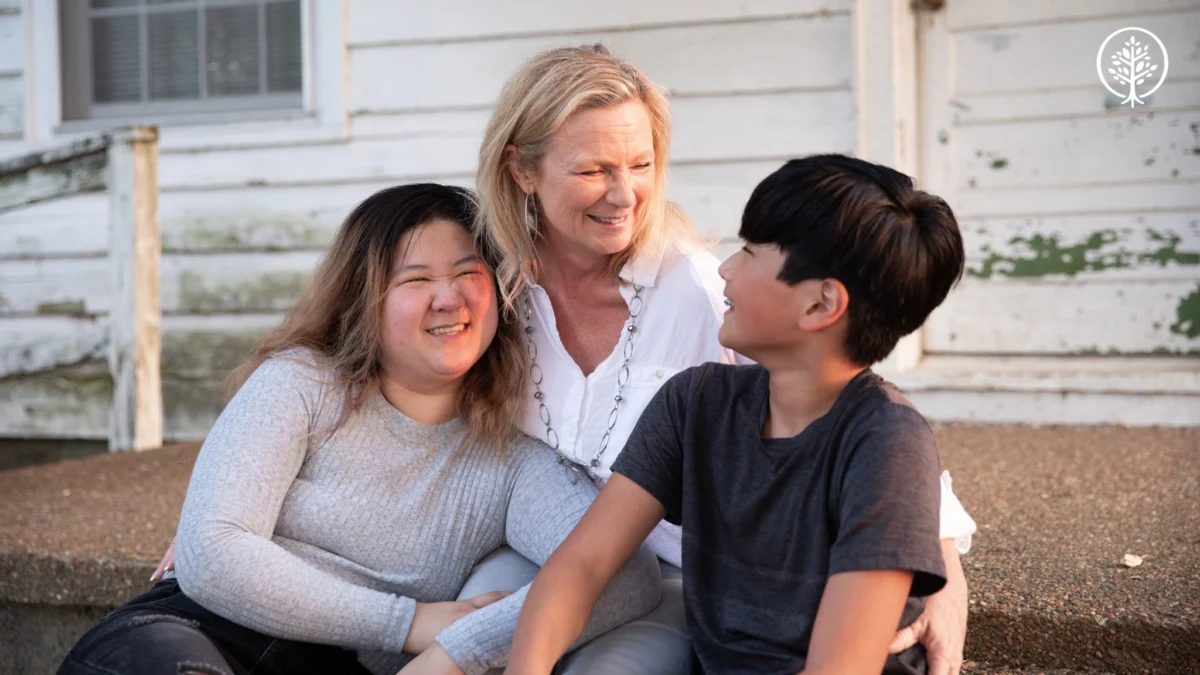
For many adoptive parents, the prospect of sitting down to discuss an adoption story with their child can feel deeply intimidating. The mere thought of broaching the subject often triggers anxiety and a sense of being overwhelmed, driven by a desire to protect the child from potential hurt or confusion. However, child development specialists, pediatric organizations, and adoption advocates are increasingly emphasizing that these conversations are not only healthy but fundamentally vital for the psychological well-being of the child and the long-term strength of the parent-child relationship.
Recent insights from pediatric guidance, trust-based parenting research, and the broader adoption community highlight the importance of approaching these dialogues with both truth and gentleness. Experts stress that establishing an environment of open, honest, and safe communication early on helps fortify the connection between parents and their adopted children. As Jayne Schooler, founder of the Schooler Institute, noted in an article published by the National Council for Adoption (NCFA), every child brought into an adoptive family carries a past. Having little or no information regarding their origins can leave adoptees feeling profoundly disconnected, whereas a well-shared narrative serves as a bridge connecting their past to their present and future.
1. Start Early, and Continue the Conversation
When it comes to the timing of these discussions, child welfare advocates agree there is no single perfect moment to await. The American Academy of Pediatrics (AAP) recommends that parents weave words such as adoption, birth family, and foster care into everyday vocabulary right from the beginning. Furthermore, the organization advises that children should be fully aware of their adoption status by the time they reach school age.
Rather than viewing the disclosure as a single, monumental conversation, experts encourage families to treat it as an ongoing, lifelong dialogue. Uttering these terms aloud while a child is still an infant allows parents to build comfort and familiarity before inquiries inevitably grow more sophisticated and complex. As children mature through various developmental stages, their comprehension of their own history deepens, necessitating the retelling of their story with newly added details appropriate for their age and readiness.
Closely tied to the principle of early communication is the absolute necessity of radical honesty. Adoption professionals strongly caution against fabricating details or softening a child’s history to make it more palatable. While parents naturally wish to shield their children from trauma, abuse, neglect, or loss, research from organizations like the Center for Adoption Support and Education (C.A.S.E.) indicates that withholding critical information is rarely in a child’s best interest. When a child eventually discovers a hidden truth independently, the revelation can severely fracture the trust they place in the caregivers who kept the secrets. Instead, sharing accurate information gradually, at a pace the child can absorb, preserves foundational trust within the household.
3. Honor Their First Families and Their Roots
Another central tenet of modern adoption advocacy is the intentional honoring of a child’s first family and cultural or biological roots. Advocates emphasize that birth parents possess inherent dignity and worth, and acknowledging them with respect reflects fundamental principles of grace and empathy. The decision to place a child for adoption is recognized by organizations like the NCFA as a deeply complex choice laden with both profound heartbreak and enduring hope.
For adoptive families—particularly those motivated by faith backgrounds—recognizing the humanity and sacrifice of birth parents is seen as essential. Whether an adoption is open and ongoing or closed with limited background information, parents are encouraged to speak respectfully about birth families, validate the complex emotions associated with them, and help children maintain a connection to their heritage where possible.
4. Make Room for Big Feelings
As children process the realities of their adoption stories, they frequently experience a wide array of powerful emotions, including joy, gratitude, sadness, anger, and confusion. It is not uncommon for a child to navigate several of these contrasting feelings within the span of a single afternoon. Experts emphasize that such emotional volatility is entirely normal and does not indicate a failure on the part of the parents; rather, it reflects the child’s internal journey of holding both love and loss simultaneously.
Much of the contemporary framework surrounding post-adoption support draws from Trust-Based Relational Intervention (TBRI), a care model developed by Dr. Karyn Purvis and Dr. David Cross at the Karyn Purvis Institute of Child Development at TCU. Specifically designed for children who have experienced early trauma, TBRI centers on the core premise that intentional connection builds trust, which in turn fosters healthy relationships.
When emotional challenges exceed what a family can manage independently, professionals recommend seeking assistance from counselors who specialize in adoption and trauma. Resources such as the Hope for the Journey training platform also provide valuable tools for caregivers navigating these dynamics.
There Is Hope and Help Along the Way
Mary Beth Chapman, co-founder of the adoption and orphan care organization Show Hope, has frequently described adoption as "gloriously hard"—a unique experience of maintaining the delicate tension between love and loss. Because both elements inherently shape an adopted child’s narrative, parents often feel the weight of stewardship as keepers of that story.
Child advocates remind parents that perfection is neither expected nor required. What children need most are steadfast caregivers who keep communication channels open, speak the truth with compassion, and remain present through every question and emotional shift. Navigating missteps with apologies, requests for a fresh start, and continued patience remains vital. While the path of adoption and storytelling presents undeniable challenges, professionals encourage families to lean into the process with resilience, trusting the unfolding journey of their child’s life. Additional guidance and pre- and post-adoption support resources continue to be made available through specialized organizations and platforms dedicated to adoptive families.
