Thousands of Google Reviews Reveal Real Parents’ Answers to the Biggest Homeschooling Questions
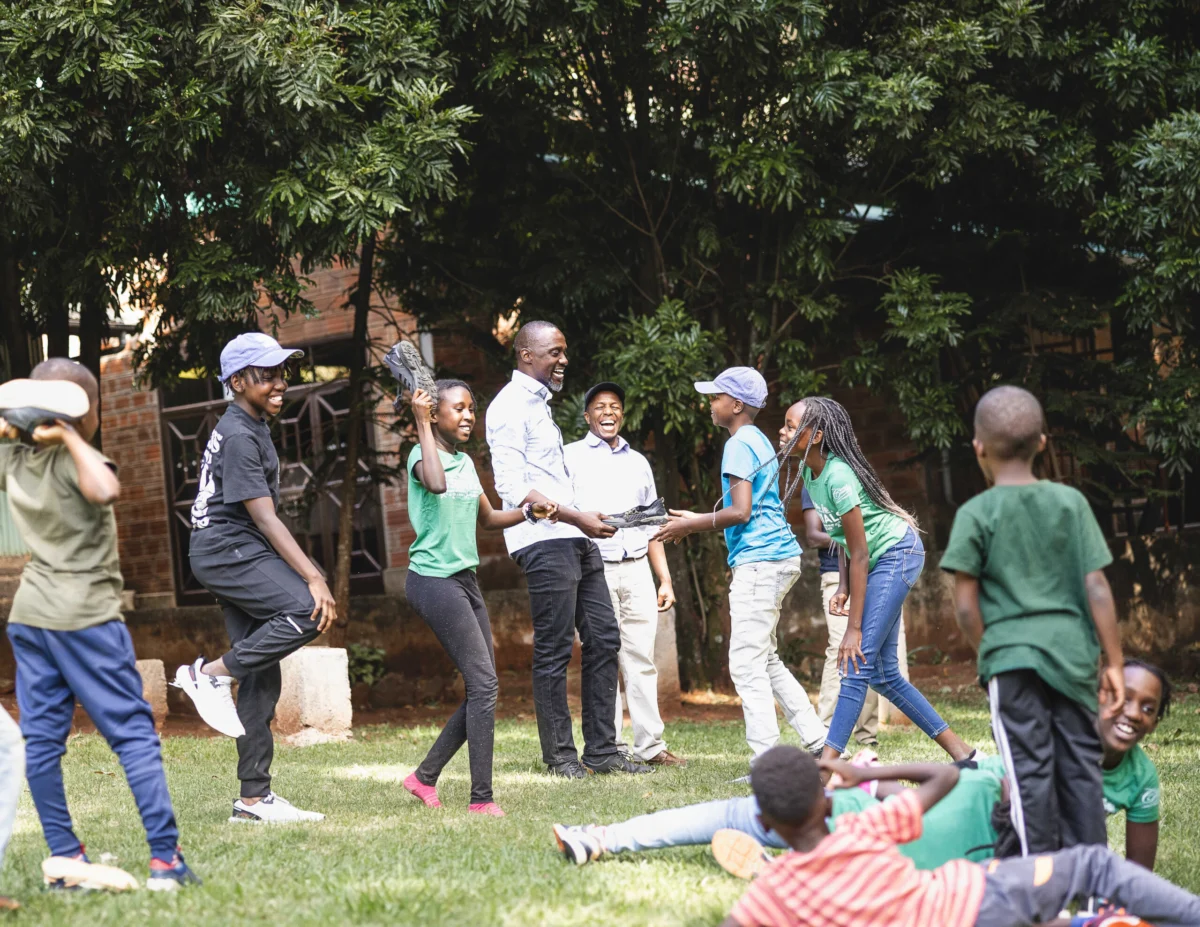
For parents contemplating the journey of home education, the initial thoughts are almost universally filled with hesitation. Almost every Classical Conversations parent began their journey asking the exact same fundamental question: Can I really do this? Many felt nervous, while others were entirely certain they would inevitably make mistakes and mess up their children’s education.
Yet, despite these early doubts, they started anyway. Thousands of those families eventually went back to public forums to document and write extensively about their lived experiences. An analysis of more than 4,150 Google reviews for Classical Conversations communities reveals an overwhelming average rating of 4.97 stars, with an astounding 98 percent of those evaluations earning a perfect five-star rating. Across thousands of individual testimonials, the exact same concerns and questions appeared repeatedly, accompanied by remarkably consistent answers from veteran parents and program graduates.
Quick Answers to Common Doubts
For anyone currently standing on the threshold of home education, the initial inquiries are typically practical and deeply personal. To the central question of whether a parent is truly capable of homeschooling their child, the resounding answer from experienced families is yes. Educational experts and veteran parents alike emphasize that a formal teaching degree is entirely unnecessary, and crucially, parents do not have to navigate the path in isolation.
When asked whether homeschooling is difficult, current participants admit that some days certainly are challenging. However, they note that belonging to a weekly community significantly lightens the burden on those harder days. Concerns regarding socialization are similarly dispelled; current and former parents frequently report that meaningful friendships formed through these communities are among their most welcome surprises. Finally, when confronted with the ultimate query of whether the substantial time and energy investment is truly worthwhile, families who are eight, ten, and fifteen years into the journey answer with an emphatic affirmative.
Understanding Classical Conversations
To understand how these families sustain their educational journey, it helps to examine the structure of the program itself. Classical Conversations operates as a Christian, classical homeschool curriculum and support network. Participating families gather within local communities one day each week, where a specially trained Tutor leads each class through structured material. For the remainder of the week, parents serve as the primary educators inside the home, utilizing the exact same curriculum framework.
The academic tracks span from age four through the conclusion of high school, beginning with the Foundations program and advancing through the rigorous Challenge levels. A frequent revelation for newcomers is that they retain their full authority and role as teachers. Rather than replacing the parent, the organization provides a structured plan, comprehensive training, and a built-in peer network, allowing parents to witness firsthand those pivotal moments when concepts finally click for their children.
Reflecting on this dynamic, Ania W., a parent reviewing from West Michigan, noted that families remain fully responsible for their children’s education, while the community setting provides essential accountability, shared ideas, creative inspiration, and enduring friendships. Claudia B. from Nevada echoed this sentiment, pointing out that weekly community days offer vital encouragement and accountability, while the home guides make day-to-day lesson planning straightforward to follow. Meanwhile, Stephanie T. from the Greenville, North Carolina area shared that before joining, she had no prior familiarity with classical education. For her, the experience has been a continuous learning process and a welcome retraining of her own mind as she learns how to learn alongside her children.
Overcoming the Fear of Inadequacy
The transition from traditional schooling models to home education often triggers profound self-doubt. Many parents worry they lack the academic background required to instruct growing children. However, program participants frequently discover that formal teaching credentials are not required by most state laws, and support networks are readily available to bridge the gap. Programs such as the annual Parent Practicum offer specialized training focused on the classical model of learning, while weekly community meetings allow Tutors to model instructional methods that parents can easily replicate at home.
For many adults, participating in this style of education provides an unexpected secondary benefit: the chance to redeem their own foundational learning. Julie S. of southern Missouri noted that despite knowing nothing about classical education initially, she was never made to feel inadequate, learning instead that she is uniquely suited to teach her own children. Wendy D. from North Central North Carolina shared that neither she nor her husband held college degrees, making the foundational equipping provided by the community essential to redeeming their own educations. Similarly, Rebecca C. of St. Petersburg, Florida highlighted the joy of learning alongside her children, noting that the environment encourages humility and further academic inquiry when difficult questions arise.
Navigating the Hard Days and Overwhelm
Honesty is a defining characteristic of veteran homeschooling families, who readily acknowledge that the path is not without its trials. Difficult days are a normal part of the process, but the presence of a supportive community transforms how families weather those seasons. Having a structured weekly guide and a scheduled community gathering ensures that a single difficult Tuesday does not derail an entire academic year.
Katie S. of south Alabama described the journey by noting that while tough days happen, the surrounding community provides the necessary momentum and companionship to keep moving forward. Alyssa C. from central Virginia shared that whenever her family struggles or fails to understand a complex concept—an occurrence she admits happens frequently—the local community is always available to patiently walk them through the material until comprehension is achieved. Tatiana T., navigating her first year homeschooling her boys in Miami, Florida, described her community as the essential village needed to push through initial fears and overwhelm. Esther C. from downstate Illinois emphasized the practical depth of these relationships, noting that community members actively participate in daily life, visit homes, and assist with younger children to foster genuine friendship.
Fostering Confidence, Communication, and Community
Beyond academic instruction, families often report remarkable developments in their children’s social and personal growth. Starting as early as age four, children in the program participate in weekly public presentations in front of their peers, helping to cultivate ease and poise in public speaking from an early age. Memory work set to music allows fundamental facts to remain accessible for years, resurfacing naturally as students encounter advanced topics. Angela S. of central Virginia observed that her children harbor no fear of public speaking simply because they have practiced it consistently since age four. Pavel F. from western New York noted the satisfaction of watching his children instantly recall foundational formulas and historical facts they originally learned through song when revisiting topics in later academic cycles.
Socialization concerns, frequently cited by those outside the homeschool community, are consistently put to rest by the reality of weekly classroom interactions, regular playdates, field trips, and study groups. Rachael F. of Bismarck, North Dakota, reflecting on nine years of involvement, stated that the community has been indispensable in helping her children form positive, lifelong friendships. Amy P. from north Alabama added that meeting weekly provides the vital fellowship, structure, and accountability that makes the overall educational experience deeply enjoyable for both parents and students. As students reach high school, advanced events such as mock trials, debates, and formal capstone gatherings provide significant milestones that rival traditional educational experiences, rounding out a comprehensive formation that families continue to treasure long after graduation.
