While economic concerns and the cost of living dominated conversations heading into this year’s midterm elections, a powerful secondary current emerged at the ballot box: a widespread, deeply mobilized opposition to perceived abuses of government power. Across the country, voters made it clear that accountability and restraint are paramount, sending a message that elected officials from all political backgrounds would be wise to heed as they navigate governance in the wake of the midterms.
The friction between federal enforcement and local communities reached a boiling point in Minnesota, a state that became the epicenter for national debates surrounding the limits of immigration enforcement power during the Trump administration. The high-profile killings of activists Renee Good and Alex Pretti by Immigration and Customs Enforcement (ICE) agents in broad daylight shocked the public conscience. The tragic incidents sparked some of the most widespread and sustained civil rights protests in recent memory, movements frequently organized and led by prominent interfaith coalitions.
Early statistical indicators demonstrate that this profound surge in civic engagement directly translated into electoral action. Minnesota led the entire United States in voter turnout during the 2026 midterm elections, showcasing a populace deeply motivated by local and national governance issues.
A starkly different political dynamic unfolded in Texas, where Governor Greg Abbott and Attorney General Ken Paxton—who also served as the Republican nominee for the U.S. Senate—spearheaded a multi-year campaign targeting immigration-focused nonprofits and humanitarian organizations. The state administration launched multiple legal actions widely described by critics as fishing expeditions against Catholic Charities of the Rio Grande Valley, alongside persistent legal maneuvers to shut down the Annunciation House networks operating along the border to assist migrants.
In addition to targeting Christian humanitarian groups, the Abbott and Paxton administration set its sights on local Muslim nonprofits. This included an unprecedented state-level designation of the Council on American-Islamic Relations (CAIR) as a terrorist organization and concerted efforts to strip the organization of its tax-exempt nonprofit status. Attorney General Paxton subsequently filed a lawsuit against CAIR in an aggressive bid to prevent the organization from legally operating, fundraising, or owning property anywhere in the state of Texas.
These aggressive maneuvers occurred against the backdrop of shifting political alliances among Latino voters. Exit polls from the 2024 presidential election showed that President Trump had made historic strides with Latino voters, winning numerous key counties along the U.S.–Mexico border. However, the political landscape shifted dramatically by 2026. Latino voters turned out in massive numbers and delivered a sharp rebuke to Republican leadership in the state, removing Governor Abbott from office and handing Attorney General Paxton a decisive double-digit defeat.
The electoral shift was particularly pronounced in historically competitive border regions. Counties such as Starr, Zapata, and Maverick recorded a staggering 30 percent drop in Governor Abbott’s vote share during the 2026 midterms compared to the numbers President Trump secured in the same region just two years prior in 2024.
82 percent of likely voters considered the “weaponization” of government to be a serious threat to our Republic.
Public opinion polling leading up to the midterms consistently reflected a deep-seated national anxiety regarding institutional overreach. A Rasmussen poll published earlier this year revealed that an overwhelming 82 percent of likely voters viewed the “weaponization” of government as a severe and active threat to the stability of the American Republic. Similarly, a Navigator poll focusing on voters across crucial battleground states found that 70 percent of respondents opposed utilizing federal institutions, such as the Internal Revenue Service, to revoke the tax-exempt status of nonprofit organizations based on politically motivated or unsupported claims.
This phenomenon of institutional overreach and its electoral consequences is not confined to a single political party. During the preceding Biden administration, federal agencies faced persistent accusations from conservative lawmakers and advocacy groups of unfairly targeting pro-life advocates and traditional Catholic communities. Furthermore, the multiple criminal prosecutions and indictments brought against Donald Trump served to solidify, unify, and galvanize his political base, contributing significantly to his successful turnout strategy in the 2024 election.
As Democrats in Congress now look toward legislative oversight and accountability measures regarding the Trump administration, political analysts suggest they must carefully balance their constitutional duties to avoid perceived overreach. Future administrations, regardless of party affiliation, would be wise to heed the same warning.
Abusing power and targeting political opponents are political losers.
The overarching takeaway from the 2026 midterm elections is that utilizing institutional power to target political opponents or suppress dissenting voices carries a heavy electoral penalty. Across state lines and party lines, voters have signaled that abusing public authority is a losing strategy. As the dust settles on a historic election cycle, politicians at every level of government face a clear mandate to govern with restraint, respect for civil liberties, and an acute awareness of the public’s demand for institutional integrity.
For many families who have chosen the path of homeschooling, education is a flexible, dynamic journey tailored to a child’s unique strengths and interests. Yet, educators and parents alike frequently encounter a distinct and formidable roadblock: the child who vehemently hates to write.
According to experienced homeschooling parents and academic commentators, this resistance goes far beyond a casual disinterest or a temporary reluctance to tackle a daily assignment. For certain children, the physical and mental effort required to form simple sentences on a page can mirror the exhaustion of a grueling physical ascent. This aversion is particularly common among younger students and boys, for whom fine motor skills and physical stamina may develop at a different pace than their cognitive abilities.
When a child views handwriting as a mountainous challenge, the friction can quickly spill over into every other academic subject. Because traditional education relies heavily on written output to demonstrate knowledge—from history worksheets to science logs—the specific hatred of handwriting can inadvertently transform into a broader resentment of school itself.
Education advocates and experienced instructors emphasize that this phase is often a developmental hurdle rather than a permanent barrier. For the vast majority of children who struggle with physical writing, the aversion naturally subsides without heavy-handed intervention by the time they reach the fourth or fifth grade. Until that developmental milestone is reached, however, parents find themselves tasked with a delicate balancing act: keeping academic progress moving forward while preventing burnout and emotional distress.
To navigate this transitional period, veteran educators and homeschooling writers like Anne Bogel, author and host of the What Should I Read Next? podcast, have outlined practical strategies designed to separate the act of physical writing from the mastery of academic content. Rather than forcing compliance through tears and frustration, these approaches seek to adapt the learning environment to the child’s current capabilities.
One of the foundational strategies for managing a writing-resistant student is to deliberately decouple handwriting practice from the rest of the curriculum. In a standard classroom setting, written assignments are frequently used both as a teaching tool and an assessment method. For a child who struggles with the physical mechanics of writing, however, forcing them to write out answers across math, history, and science can obscure whether they actually understand the underlying material. By shifting the focus entirely toward mastering the core concepts rather than the penmanship, educators can reduce daily friction.
This decoupling often takes the form of replacing written worksheets with verbal communication. Instead of requiring a student to write down math equations, spelling drills, or reading comprehension summaries, parents can conduct these exercises out loud. Oral drills, verbal translations, and spoken summaries allow children to process and articulate complex information without the physical bottleneck of holding a pencil.
When physical worksheets are still utilized, creative modifications can transform the experience from a chore into an engaging exercise. Some educators utilize pre-printed stickers containing answers, allowing students to place the correct sticker in the appropriate spot on a page rather than writing it out by hand. Similarly, turning matching activities into tactile games—such as matching Spanish vocabulary words to their definitions, historical dates to events, or states to capitals—allows children to demonstrate comprehension through physical manipulation rather than extended writing.
Spelling practice offers another opportunity to bypass traditional pen and paper. Rather than forcing a child to repeatedly write out spelling words in a notebook, educators often encourage tactile alternatives, such as having the child spell words with their finger in a shallow container filled with rice, sand, beans, or water. These sensory methods reinforce the neurological patterns required for spelling while completely removing the fatigue associated with traditional handwriting.
As children grow and educational demands increase, oral answers and tactile games may no longer suffice for every subject. To bridge the gap, many families introduce typing programs at an early age. While some children begin formal typing instruction around age seven or younger, mastering a keyboard often provides a welcome alternative to handwriting, as it separates the cognitive process of composition from the fine-motor strain of forming letters by hand.
In instances where writing cannot be avoided, educators frequently act as a "secretary" for the student. In this arrangement, the child dictates their thoughts, stories, or science observations aloud while the parent or instructor records the words on paper. This technique ensures that a child’s advanced verbal creativity and comprehension are not stifled by their current physical limitations with a pencil.
Additionally, managing the physical environment can play a significant role in mitigating writing-related stress. Children who struggle with handwriting often benefit from active movement breaks before and after structured writing sessions. Physical outlets—such as swinging, spinning, or running outdoors—help children self-soothe and discharge the nervous energy that frequently accompanies tasks they find difficult.
Implementing these alternative methods requires a greater investment of time and preparation from the parent or instructor. However, those who have navigated the challenge argue that the effort is well spent. By preserving a child’s enthusiasm for learning and preventing handwriting frustration from souring their overall education, families can lay a stable foundation for academic success once the physical challenges of writing naturally fade away.
Misconceptions surrounding the nature of grief remain pervasive, particularly when it comes to the devastating loss of a child. For bereaved parents, these societal misunderstandings do far more than perpetuate unhelpful narratives—they can actively complicate and hinder the deeply personal healing process. When language is used carelessly by friends, acquaintances, and even mental health professionals, it can isolate those who are already navigating unimaginable pain.
For Melissa Caffrey and her husband, Jeff, both Licensed Professional Counselors, the harsh reality of these misconceptions became glaringly apparent just four weeks after the accidental death of their son, Colten. Ready to seek outside professional support, they understood firsthand the critical importance of finding someone who could simply hold space for them—a clinician who could guide them gently through the raw, uncharted and terrifying territory of profound loss. Instead, what they encountered was a series of profound failures from a well-meaning mental health professional who fundamentally misunderstood the nature of their trauma.
Among the most painful encounters during that early therapeutic intervention was the alarming bluntness with which they were told that, at some point, they would need to "stop wallowing."
For Caffrey, hearing that word felt like a physical slap in the face. Nothing could have been further from the truth. She and Jeff were not wallowing; they were grieving the most profound loss imaginable, and they had made deliberate, conscious choices to focus entirely on their survival and eventual healing.
Understanding that their profession as counselors demanded a level of emotional presence and clinical care they simply could not muster in the immediate aftermath, both parents had taken intentional time off from work. They recognized that they needed uninterrupted space to process their trauma and begin navigating a shattered reality. Consequently, they chose to spend the first two months exclusively in their home, surrounded by their adult children.
This decision was not made out of a desire to shut themselves away from reality or hide from the world. Rather, it was a deliberate choice to establish a safe space where they could grieve, remember, and adjust on their own terms before allowing external expectations to be imposed upon them by society.
During those agonizing initial weeks, they surrounded themselves with tangible reminders of Colten. His personal belongings transformed into precious artifacts of his brief life—powerful symbols of the memories they were desperate to preserve. Naturally, the experience was profoundly bittersweet. There were moments of uncontrollable sadness, waves of grief so physically intense that they nearly brought Caffrey to her knees.
The physical toll of this emotional devastation was measurable. Caffrey wore a fitness tracker during those early weeks and noticed a striking physiological response: her resting heart rate remained elevated by an average of 10 beats per minute, even during periods of complete rest. This data underscored a truth she now frequently shares with others—grief is never merely an emotional state; it is an all-consuming physical force that impacts the entire body, nervous system, and mind.
Yet, amid the overwhelming devastation, fleeting moments of light managed to break through. There were times of muted joy and laughter, resembling echoes of a familiar past life, which served as small, vital glimmers of hope. These moments acted as reminders that survival might eventually give way to something more. The family shared stories about Colten, smiled at cherished memories, and found deep comfort simply by being together. They discussed ways to honor his memory and carry him forward into their altered lives in a manner that felt both meaningful and intentional.
Reflecting on that period, Caffrey emphasizes that those months were the antithesis of wallowing. They represented a necessary crucible for carving out a new normal—a time to mourn deeply while quietly envisioning a future where Colten could still be carried in their hearts. Grief, as she points out through both personal and professional experience, is not something an individual simply "gets over." Instead, it is an enduring reality that one learns to carry. Taking that protected time together as a family proved to be one of the most effective steps they could have taken toward healing.
The overarching reality of deep grief is its sheer exhaustion. It remains physical, emotional, and relentless. Individuals who have not experienced such profound loss firsthand frequently fail to grasp the immense energy required simply to exist in its wake. Yet, enduring this process is not wallowing; it is survival. It is an expression of enduring love and the necessary work of finding a forward path while tethered to the memory of the child who was lost.
Drawing from her professional background as a Licensed Professional Counselor, Caffrey now recognizes how common it is for well-meaning individuals—including trained professionals—to mislabel the intensive work of mourning as wallowing. Because grief impacts thoughts, the nervous system, interpersonal relationships, and the fundamental sense of self, it demands compassion, patience, and gentleness rather than premature judgment or clinical dismissal.
This painful journey taught Caffrey a profound lesson: grief is an intensely personal expedition, and no outside observer has the right to dictate or judge how another person walks it. Taking the necessary time to grieve, to feel deeply, and to remember is not merely important—it is essential. For her family, granting themselves that grace was the foundational first step toward healing, regardless of how exhausting or agonizing the process proved to be.
For anyone who has ever been told that their grief resembles wallowing, Caffrey offers a clear and reassuring message: your grief is entirely valid, and your love is beyond question. The time required to process that loss is not a sign of weakness, but an act of courage. Giving oneself that space remains one of the most loving choices an individual can make for themselves, their family, and for the child they will carry in their heart for the rest of their lives.
At the very core of successful homeschooling lies a fundamental principle that many educators and parents return to time and again: relationships. Building meaningful, lasting connections with children is widely considered the true secret behind effective teaching, shared reading experiences, and long-term academic and emotional growth. Yet, these vital connections are forged not only over open books and kitchen tables, but also when families step away from their indoor routines and spend quality time together in the natural world.
For many modern families, however, the concept sounds deceptively simple. Read books and go outside. In practice, though, modern life often makes these aspirations feel daunting. With packed schedules, curriculum deadlines, household responsibilities, and extracurricular activities, heading outdoors can easily feel like just another overwhelming chore to add to an already extensive to-do list. The pressing question for many parents is how to carve out precious time during already full days to ensure their children experience the well-documented benefits of nature.
To address this common challenge and explore practical solutions, the latest episode of the Read-Aloud Revival podcast features a special guest who has dedicated her work to transforming how families approach the great outdoors. Ginny Yurich, the visionary founder of the global 1000 Hours Outside movement, recently joined the program to discuss how parents and educators can seamlessly weave the transformative power of nature into their everyday lives and educational rhythms.
During the engaging conversation, Yurich shares her personal evolution, offering listeners an honest look at her path from an indoorsy child to an overwhelmed mother searching for balance, and ultimately to the pivotal fall afternoon that planted the original seed for what would become the massive 1000 Hours Outside movement. Her candid reflections resonate deeply with parents who struggle to balance the demands of modern parenting with the desire to give their children a rich, grounded childhood connected to the natural environment.
The discussion delves deeply into the science and philosophy behind the benefits of spending time in nature. Research and anecdotal evidence alike consistently highlight how unstructured outdoor play and exposure to natural environments foster creativity, reduce stress, improve physical health, and enhance cognitive development in children. Yurich expands on these concepts, explaining how nature serves as an ideal co-teacher in a homeschool or traditional educational environment, helping to ground children and foster the very relationships that form the heartbeat of effective learning.
Beyond discussing the theoretical and developmental advantages of outdoor life, the episode focuses heavily on practical strategies for overcoming the barriers that keep families indoors. Yurich offers grounded advice on how to make nature a regular, manageable part of the daily routine without adding undue stress to the parent. By shifting perspectives and redefining what counts as outdoor time, families can discover that getting outside does not always require elaborate planning or extensive travel to remote wilderness areas. Even small, consistent moments spent in a backyard, local park, or neighborhood sidewalk can accumulate into significant, life-changing habits over the course of a school year.
Listeners tuning into the episode are treated to an insightful dialogue that bridges the gap between educational aspirations and daily realities. By emphasizing the connection between relational homeschooling and outdoor exploration, the conversation provides a refreshing reminder that education is not merely about checking boxes on a curriculum sheet, but about sharing meaningful experiences with children in the world around them.
As families navigate the complexities of the school year, resources and discussions like the one featured on this episode offer both encouragement and actionable pathways forward. The conversation serves as a timely reminder that stepping outside is not a distraction from learning, but rather an essential component of a holistic, connected education. For those looking to learn more about Ginny Yurich and her ongoing work with the 1000 Hours Outside movement, additional resources and related links are available through the Read-Aloud Revival platform.
Birth preparation is often viewed through the narrow lens of the labor experience itself, but emerging research suggests its impact extends far beyond the delivery room. A study of 3,080 mothers has revealed a compelling correlation: women who describe their birth experiences in positive terms are statistically more likely to initiate breastfeeding and maintain the practice for longer durations. While this research does not establish a direct causal link, it highlights a profound connection between the quality of the childbirth experience and the subsequent transition into the postpartum period.
This relationship serves as a strong argument for parents to adopt a more comprehensive view of birth preparation. Rather than focusing exclusively on the mechanics of labor, prenatal education is increasingly being recognized for its ability to foster self-efficacy and reduce anxiety. By delving into the physiology of birth, understanding common medical decisions, planning for postpartum recovery, and prioritizing the emotional connection between parent and baby, families can enter the birthing process feeling more informed and empowered.
Redefining the "Positive" Birth Experience
One of the most common misconceptions in maternal health is the definition of a "positive" birth. Clinical experts and organizations like the World Health Organization (WHO) emphasize that a positive childbirth experience is not defined by the specific mode of delivery—whether vaginal, assisted, or surgical. Instead, the focus is on the quality of care. A birth is considered positive when it is characterized by respectful, individualized treatment, clear and compassionate communication, and the meaningful involvement of the parent in decision-making.
A vaginal birth is not inherently positive, just as an induction, an epidural, or a cesarean section is not automatically negative. The core of a positive experience lies in whether the parents feel informed, respected, and included in the choices made about their own bodies and their infants. Comprehensive birth preparation acts as a foundation for this engagement. When parents take the time to understand the spectrum of possibilities that may arise during labor, they are better equipped to navigate the unexpected. This preparation nurtures an internal connection to both self and baby, making it easier for parents to rely on their intuition, pose informed questions, and remain active participants in their care even when medical circumstances shift.
Integrating Birth and Postpartum Recovery
It is common for expectant parents to spend months meticulously planning for the birth while giving little thought to the immediate postpartum period. Amara Cashion, a certified parent educator, doula, and breastfeeding counselor, notes that many parents arrive at the birth with a clear vision for labor but find themselves unprepared for the reality of recovery and early feeding. Developing a vision for those first few days can significantly ease the transition, turning a period of chaos into a more manageable experience.
Rhonda McGregor, a registered nurse and International Board Certified Lactation Consultant, views pregnancy, labor, birth, and lactation as a single, continuous physiological story. She argues that physiology does not conclude the moment a baby is born; rather, birth is merely the beginning of a new chapter in the same biological process. For those who intend to breastfeed, this next chapter is marked by a significant hormonal shift. Following birth, the body begins the complex task of establishing milk production. This process is supported by the physical act of suckling, but it is also deeply intertwined with the closeness shared between parent and infant.
The Role of Skin-to-Skin Contact
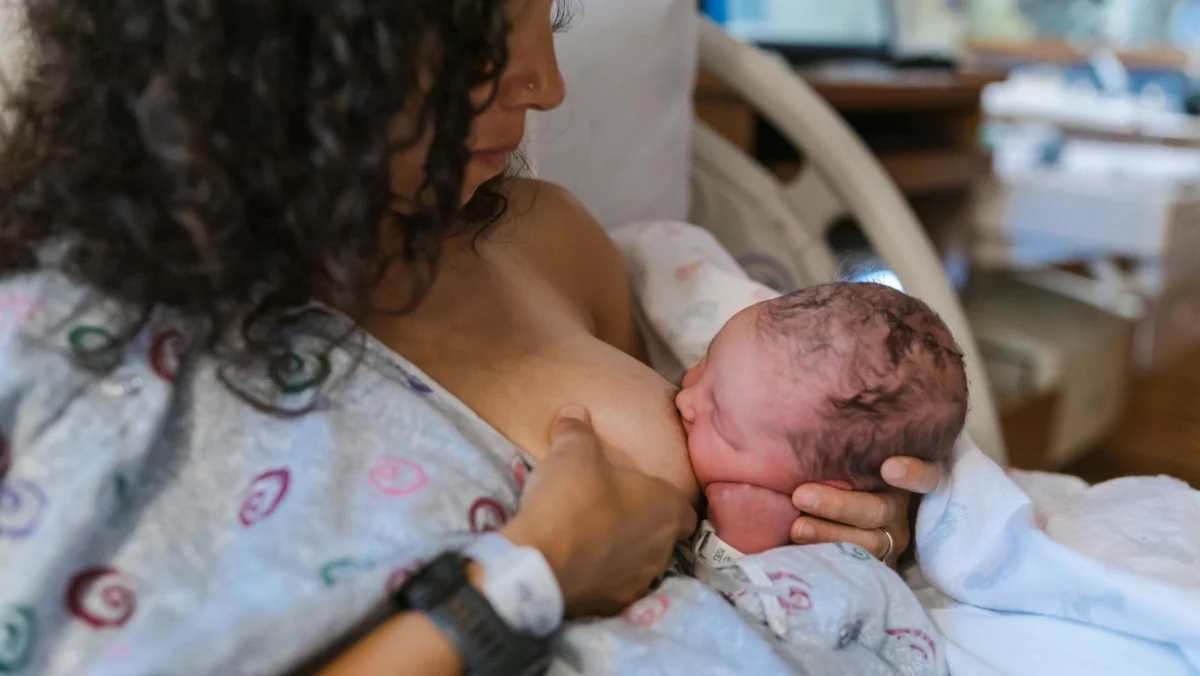
When safe and feasible, early skin-to-skin contact is a critical component of the transition to parenthood. The World Health Organization advocates for uninterrupted skin-to-skin contact immediately following birth, encouraging parents who wish to breastfeed to initiate the process as soon as possible. Evidence supporting these recommendations shows a clear link between early skin-to-skin contact and successful breastfeeding initiation, as well as increased duration.
These initial moments serve as the bedrock for physiological regulation and emotional attachment. While newborns possess innate instincts that guide them toward early feeding, the way these behaviors manifest can be influenced by the environment of the birth and the immediate postpartum period. Although every infant’s journey is unique, recognizing natural feeding cues and reflexive behaviors can help parents facilitate this connection, making the process of welcoming a new life feel more supported and intuitive.
Empowering Parents Through Body Awareness
At the core of the Spinning Babies approach to birth preparation is the relationship between the parent’s body and the baby. The baby is an active, moving participant in the birth process, navigating the pelvis throughout labor. Techniques such as Belly Mapping allow parents to become more attuned to their baby’s movements and positioning during pregnancy. This awareness, framed by the principles of balance, gravity, and movement, helps parents understand how body awareness can support a smoother physiological birth.
However, the sheer volume of information available to expectant parents can be overwhelming. In an era where social media feeds are saturated with conflicting advice, both Cashion and McGregor emphasize the necessity of curating one’s information sources. They suggest that parents should not feel the need to consume every available study or opinion. Instead, they recommend selecting a few trusted resources and bringing specific questions to qualified members of the care team, such as midwives, physicians, or childbirth educators. Understanding the basics is sufficient to allow for meaningful participation in one’s care; parents ultimately decide which perspectives resonate with their own values and needs.
Preparing for the Unpredictable
Preparation for breastfeeding should ideally begin long before labor, even for those who are unsure exactly what their feeding journey will look like. Systematic reviews suggest that prenatal breastfeeding education significantly increases a parent’s knowledge and confidence, which in turn boosts initiation rates. While education cannot insulate a family from every challenge, it provides a roadmap for recognizing when things are going well and when additional professional guidance might be beneficial.
Support systems play a vital role in this preparation. Partners can serve as essential advocates, helping to remember questions for the care team, ensuring the parent is well-fed and hydrated, and assisting with comfortable positioning. Furthermore, knowing in advance how to access lactation support—whether it is a hospital-based consultant or a community resource—can provide peace of mind.
It is important to acknowledge that even the most thoughtful preparations can be sidelined by reality. A parent may experience a surgical birth, or a baby may require time in the Neonatal Intensive Care Unit (NICU). In these instances, the focus must shift to compassionate, practical care. Missing the immediate "golden hour" of skin-to-skin contact does not mean the opportunity for bonding has been lost; it can be prioritized as soon as it is safe to do so. For those temporarily separated from their infants, lactation professionals can offer guidance on hand expression or pumping to maintain milk supply.
Ultimately, breastfeeding is not the sole metric of a parent-child bond. Families who choose to formula-feed, use donor milk, or adopt combination feeding can still prioritize skin-to-skin contact, close physical affection, and responsive care. Preparation should be viewed as a tool to expand options and provide comfort, rather than a rigid standard that can lead to feelings of failure. By approaching the transition with flexible, evidence-based knowledge, parents can enter birth and the postpartum period with greater resilience, prepared to navigate whatever story their new chapter may hold.
As her family has grown, so too has the scope and reach of her nutrition business. For Gina Ulrich, managing the delicate and often unpredictable dynamics of a busy household—which includes four children ranging in age from a newborn baby to a teenager—requires a daily commitment to practicing what she preaches. Juggling the demands of modern motherhood alongside a thriving professional enterprise is no small feat, but it is a challenge that Ulrich navigates by keeping her priorities firmly grounded in health, balance, and family.
Reflecting on her journey, Ulrich notes that life as a modern, working mother inevitably brings a high volume of daily responsibilities. However, she believes that when an individual possesses a genuine passion for their work, they find a way to make the pieces fit together harmoniously. For her, family remains the absolute priority, meaning that her business must be structured to accommodate the needs of her children rather than the other way around. At the same time, she constantly reminds herself of the fundamental necessity of maintaining her own physical and mental well-being. That realization means actively avoiding burnout, recognizing personal limits, and regularly checking in to assess how her current workload is impacting both her own health and the overall atmosphere of her household.
The foundation of Ulrich’s professional success was laid during her studies at the Endeavour College of Natural Health, where she earned a Bachelor of Health Science. Since completing her degree and stepping out into the professional sphere, she has not looked back. Shortly after graduation, she established her private practice, Nutrition by Gina Rose. In the early years, prior to the disruptions brought on by the COVID-19 pandemic, she operated a bustling clinical practice based out of the headquarters of the natural skincare company Weleda. The physical clinic served as a cornerstone for her local client relationships and allowed her to build a strong reputation within the natural health community.
However, like many businesses around the world, the onset of the global pandemic forced a fundamental reimagining of how services were delivered. Rather than shrinking under the pressure of lockdowns and social distancing requirements, Ulrich adapted by transitioning her operations to a digital model. Today, she employs a dedicated team of natural health practitioners who conduct the vast majority of their client consultations online, a shift that permanently altered the trajectory of her enterprise.
While Ulrich had always maintained a loyal client base across Australia and New Zealand, the widespread normalization of telehealth and online consultations during the pandemic acted as a catalyst for rapid international expansion. What was once a localized practice quickly blossomed into a truly global client base. Today, Nutrition by Gina Rose provides specialized health support and nutritional guidance to individuals living in regions as diverse as Ireland, the United States, and the United Arab Emirates. Much of this international growth has occurred organically, driven largely by word-of-mouth recommendations and a strong, consistent presence on social media platforms.
From the very beginning of her entrepreneurial journey, Ulrich has chosen to adopt an authentic and transparent approach to digital communication. She regularly shares glimpses of daily life within her own family alongside educational content explaining how she supports other households. Her professional focus is particularly attuned to helping women as they navigate the complex physical and emotional transitions of pregnancy, postpartum recovery, and raising children. She strongly believes in the importance of opening up public conversations around common yet frequently misunderstood health conditions, such as polycystic ovarian syndrome and chronic period pain, aiming to demystify these experiences and let women know that effective, natural solutions are available. In her view, helping women naturally extends to supporting the health of the entire family unit.
As her media profile grew, Ulrich began speaking publicly about pivotal topics in early childhood development, including the critical timing and best practices for introducing babies to solid foods, as well as strategies for supporting gut health and building robust immune systems in young children. Through these public engagements, she recognized a distinct gap in the market, realizing that mainstream, accessible child health and nutrition options were remarkably scarce. To address this need, she developed targeted resources, including the popular nutritional guide and recipe collection titled "Tiny Human – what do I feed you?", which was designed to provide nutrient-dense, practical meal ideas to help families properly nourish their growing children.
Looking back on the trajectory of her career, Ulrich describes the experience as a continuous chain of unexpected opportunities where one open door naturally led to the next, creating a significant and rewarding professional adventure. That spirit of enterprise shows no signs of slowing down. At present, she and her team are in the process of developing a brand-new product line, an ambitious undertaking that naturally brings its own set of pressures and logistical challenges. Despite the added responsibilities, she views the upcoming launch primarily as an invaluable opportunity to extend her reach and positively impact the health and well-being of even more families around the world.
This ongoing expansion aligns with a broader, powerful global movement toward preventative health care, a societal shift that is currently driving unprecedented demand for natural health services and specialized wellness products. As public interest in proactive wellness continues to surge, Ulrich finds herself regularly fielding questions from individuals who are curious about where to study natural health and how to enter the profession. Having navigated the rigorous academic environment as a mother herself, she frequently recommends the Endeavour College of Natural Health to prospective students, pointing back to her own educational experience as a beautiful and formative chapter that prepared her for the rewarding career she enjoys today.
As cultural norms continue to evolve rapidly across the modern landscape, Christian parents face the complex challenge of preparing their high school-aged children to navigate a shifting society without compromising their faith. While parents cannot predict or shield their teenagers from every future challenge, child-rearing experts and everyday families are finding that equipping adolescents with a deeply rooted Christian worldview is essential for standing firm in biblical truth with a combination of courage, grace, and humility.
Today’s teenagers are immersed in daily influences that span entertainment platforms, social media networks, peer relationships, academic classrooms, and even religious institutions. Rather than reacting with fear to an increasingly confusing culture, family counselors emphasize that parents need to maintain a keen awareness of how these external forces shape their children’s worldviews. By seizing everyday conversational moments and asking thoughtful questions, parents can guide their teens toward seeking divine truth and building a firm spiritual foundation capable of withstanding cultural shifts.
High school represents a unique and pivotal developmental stage. Teenagers are transitioning away from childhood patterns of simply following the thoughts and actions of their parents. Instead, they are beginning to think more critically, ask difficult questions, and deliberately determine what and whom they truly believe. Because a pervasive culture of compromise surrounds modern adolescents—dictating how they should behave, what cultural milestones they ought to celebrate, what ideas they must reject, and what social consequences they face for non-conformity—families are learning that they cannot wait until a crisis occurs to discuss these core convictions.
When a teenager encounters pressure from classmates or social circles, quick answers are rarely sufficient. Young people require a faith firmly anchored in Scripture, paired with a comprehensive understanding of what God’s Word says, why those principles matter, and how to respond when obedience carries a personal cost. As the current generation of young men and women prepares to step into adulthood, the question is no longer whether their convictions will be tested, but precisely when that test will take place.
For many families, these tests of faith manifest in unexpected environments. While cultural clashes are frequently anticipated in public institutions, some parents are discovering that ideological challenges are just as prevalent within private, faith-based educational communities. One family recently shared how their son confronted a significant dilemma just one month before his high school senior prom, forcing him to choose between standing publicly for his religious beliefs or remaining silent to avoid social conflict.
The situation arose when a female classmate expressed a desire to bring a former student as her prom date. The former student, who identified as transgender, planned to wear a tuxedo to the formal event. While a number of the student’s peers celebrated the arrangement and saw no conflict with their values, the Christian teenager found himself caught directly in the middle of escalating pressures to conform to contemporary cultural perspectives regarding gender and identity.
Recognizing that the situation directly contradicted his Christian worldview—specifically his belief that God created humanity as male and female in His image—the young man sought guidance, prayer, and counsel from his parents. The family had long anticipated that their children would eventually be called to take a public stand for their faith, but the location of the test came as a surprise. It did not happen within a secular public school, but rather inside a Christian academy. Despite attending an institution dedicated to teaching a biblical worldview, several students had absorbed broader cultural messages surrounding gender, identity, and love, ultimately concluding that a compassionate response required affirming the former student’s choices.
This unexpected scenario underscored the vital importance of preparing teenagers well before their convictions are formally challenged. Parents are encouraged to engage their adolescents in proactive discussions that foster critical, biblical thinking while emphasizing the necessity of speaking with grace and maintaining steadfastness under pressure.
When the young man in question spoke with his classmates to explain his perspective, he deliberately chose to step away before conversations grew overly heated. His experience highlighted a central tenet of modern Christian parenting: standing for truth does not grant teenagers the license to be harsh, prideful, or unkind. At the same time, they must understand that demonstrating love does not require them to remain silent or endorse cultural practices that contradict their faith.
Following the discussions, the reaction from a few peers was decidedly negative. To some classmates, the teenager’s explanation felt unloving toward the individual involved. Conversely, the young man believed that followers of Christ are called to love all people as image-bearers of God while simultaneously remaining faithful to biblical truth. Though he felt hurt by the friction and the negative responses, he found reassurance in the knowledge that he had remained faithful to his convictions.
Experts note that when teenagers take a stand and face subsequent social backlash, they frequently experience a complex mix of emotions, including anger, confusion, rejection, and isolation. In these moments, family counselors advise parents to listen actively rather than rushing in to fix the situation immediately. This approach transforms difficult circumstances into meaningful opportunities for discipleship, allowing parents to remind their children that personal identity is rooted in Christ rather than the fleeting approval of peers.
Creating open communication channels—whether through casual outings like grabbing coffee, taking a drive, sharing a favorite meal, or sitting together at the kitchen table—allows parents to check in on their teens’ emotional well-being and evaluate their conversational tone. Ultimately, families are reminded that while obedience to Christian principles may not always win widespread cultural applause, the enduring goal of raising faithful teenagers remains centered on cultivating boldness, courage, humility, and steadfast love.
As families and educators navigate the complexities of incorporating the Catholic liturgical year into daily life, resources designed to simplify the process continue to emerge. Co-created by Angie of Real Life at Home and contributors to the Catholic Icing Monthly Membership, a new initiative aims to bring the rich tradition of the saints directly into homes and classrooms through decorative and practical printables. Each month, organizers design fresh themed sets intended for home altars, prayer tables, and general educational spaces, helping bridge the gap between faith and everyday routines.
To assist those seeking to enrich their late-summer educational and spiritual environments, the platform has announced the release of a complimentary August Saint of the Day Calendar. Originally featured in the August 2024 monthly membership package, the calendar is now being made widely available to the public as a free download for newsletter subscribers. The release comes at a time when educators and parents are preparing for the transition from summer schedules to the upcoming academic year, making it an opportune moment to introduce structured faith-based learning.
August holds a distinct place in the liturgical calendar, rich with numerous saint feast days and a dedicated monthly focus on the Immaculate Heart of Mary. Organizers emphasize that celebrating these occasions with children does not require overwhelming effort. By examining the lives of various saints and holy figures, families can seamlessly integrate creative activities, traditional foods, and meaningful discussions into their daily routines, transforming abstract theological concepts into tangible experiences for young minds.
The newly released August calendar set includes two distinct U.S. Letter-sized pages featuring a comprehensive Litany of Saints for the month, assigning one holy figure to each calendar day. To accommodate different aesthetic preferences and readability needs in classrooms or home settings, the download provides two separate font choices. Users can easily display the pages by mounting them on clipboards, placing them in standard 8.5×11-inch frames, or attaching them to refrigerators, keeping the lives of the saints prominent in daily living spaces. Furthermore, educators and parents can utilize the daily listings as a springboard for extended learning, encouraging children to research the background of each day’s designated saint or blessed individual.
Despite the availability of occasional free resources, the primary vehicle for these seasonal offerings remains the Catholic Icing Monthly Membership. Designed specifically to alleviate the common hurdles families face—such as time constraints, a lack of preparation materials, or the simple busyness of modern life—the subscription service provides a steady stream of curated content before the start of each month. Members receive comprehensive packages that include home altar decorations, themed recipes accompanied by matching printables, children’s activity pages, coloring sheets, and specialized craft guides.
The initiative addresses a widespread sentiment among Catholic parents who desire to live the liturgical year fully but frequently feel overwhelmed by the planning involved. Many families start strong at the beginning of the calendar year only to find themselves falling behind as daily life intervenes. By delivering ready-to-print materials directly to subscribers, the platform aims to remove logistical barriers, allowing parents and teachers to maintain a dynamic and visually engaging liturgical environment without the burden of extensive preparation.
Beyond monthly membership perks and seasonal calendar downloads, the community’s broader educational catalog includes supplementary resources for long-term planning. Among these is the Weaving the Faith liturgical living binder and ebook, structured to help families organize their seasonal traditions, celebrate sacrament anniversaries, and systematically build a permanent library of Catholic resources over the years. Designed to be reused annually, the binder serves as a central repository for households seeking a cohesive strategy for passing down religious traditions.
In addition to saint commemorations, August brings a specific devotional focus within the Catholic tradition: the Immaculate Heart of Mary. The monthly dedication opens up a variety of creative avenues for children, ranging from thematic crafts to end-of-summer hands-on projects. Among the popular activities highlighted for the month are Immaculate Heart tie-dyed shirts, which offer a festive seasonal craft, and simplified rosary and chaplet-making projects tailored for younger participants. These tactile activities are intended to foster a deeper personal connection to Marian devotion while keeping children actively engaged during the final weeks of summer vacation.
Those interested in obtaining the free August Saint of the Day Calendar can request the digital download through the platform’s weekly newsletter subscription service. While the download requires signing up for the weekly mailing list, subscribers retain the flexibility to manage their communication preferences at any time. Through these ongoing offerings, organizers hope to continue supporting families and educators in their efforts to make liturgical living an accessible, enriching, and joyful part of daily life.
If you are wearing a bra right now, you owe a debt of gratitude to a trailblazing Jewish immigrant named Ida Cohen Rosenthal. Long before the modern intimate apparel industry became a multi-billion-dollar global enterprise, Rosenthal helped transform undergarments from restrictive, shape-flattening constraints into supportive, form-enhancing garments that celebrated the natural human body.
The remarkable story of Maidenform—a company built on innovation, bold marketing, and resilience—began in the bustling garment district of 1920s Manhattan. At a time when women were breaking free from traditional Victorian constraints only to adopt the stark, boyish silhouettes of the flapper era, the undergarment industry reflected those shifting aesthetic trends. Contemporary bras of the period, which closely resembled modern bandeaus, were deliberately engineered to flatten rather than support the breasts, smoothing out the female form to align with current fashion ideals.
Working as a dressmaker at Enid Frocks, a Manhattan dress shop owned by Enid Bissett, Russian-Jewish immigrant Ida Rosenthal and her employer quickly realized that this flattened look was deeply unflattering and uncomfortable for many women. Refusing to accept the limitations of the era’s fashion standards, the two women began tinkering with undergarment designs in their spare time, striving to create a piece that would provide genuine support while working in harmony with a woman’s natural curves.
The result of their creative experiments was a revolutionary cupped brassiere designed to enhance, rather than erase, the natural shape of the human body. Initially, these innovative undergarments were intended merely as a functional secondary offering—a way to help their dresses drape better on customers who visited the shop. However, the response from everyday shoppers was overwhelmingly positive. Customers loved the comfort and silhouette provided by the cupped bras so much that the business partners soon found themselves shifting their primary business model to focus squarely on the production and sale of undergarments.
By 1925, Ida’s husband, William Rosenthal, had joined the enterprise, bringing his own tailoring and business expertise to the expanding operation. Together, Ida, William, and Enid opened a dedicated manufacturing factory in New Jersey to keep up with surging consumer demand. They chose a cheeky, deliberate name for their new brand: Maiden Form, a direct and witty counterpoint to the prevailing "boyish form" and flattened bandeau bras that dominated the contemporary market.
As the business grew, Ida Rosenthal established herself as an exceptional corporate leader and visionary. According to the Smithsonian Institution, she was an innovative businesswoman who helped launch aggressive advertising campaigns that propelled the brand—now known globally as Maidenform—into history as the very first American lingerie company to advertise its products. Throughout her career with the firm, Rosenthal wore many hats, serving capably as treasurer, president, chief executive officer, and eventually chairman of the board. When her husband William passed away in 1958, Ida seamlessly assumed the presidency, leading the corporation during an era when female corporate executives were still an extreme rarity in the American business landscape.
Beyond their foundational work on the modern brassiere, Ida and William Rosenthal are also widely credited with inventing the nursing bra, addressing a crucial, previously ignored physical need for mothers. Furthermore, when the United States entered World War II and industrial manufacturing shifted dramatically to support the war effort, the Maidenform factories pivoted to produce specialized military vests for soldiers. These unique garments included custom pockets specifically designed to safely transport homing pigeons into combat zones.
Perhaps most famously, Maidenform proved that its leadership was never afraid to inject creativity, irony, and a little bit of fun into their product marketing. Beginning in 1949, the company launched its legendary and iconic "I Dreamed" advertising campaign. The striking print ads featured women wearing nothing above the waist except their Maidenform bras while engaging in everyday, empowering activities such as shopping, working in professional offices, and even running for political office.
Despite the initial societal scandal of depicting women without traditional outer shirts—a move that caused quite a stir of public pearl-clutching at the time—the groundbreaking campaign endured for two full decades. It ultimately cemented itself as one of the most recognizable and analyzed advertising initiatives in American marketing history. Pop culture fans often recall the campaign through television homages, such as a famous season two episode of the critically acclaimed drama series "Madmen," titled "Maidenform," in which a rival advertising agency scrambles to enlist Don Draper and his team to capture the unique magic and cultural impact of the original Maidenform ads.
Beneath the glittering surface of this mid-century advertising empire lay a deeply rooted, classic Jewish immigrant narrative. Born Ida Kaganovich in 1886 in a region that is now part of Belarus, she was the eldest of seven children in a bustling household. Her father made his living as a Torah scholar and scribe, while her mother managed a small general store to help support the family. From an early age, Ida demonstrated a strong work ethic, working as a dressmaker while continuing her education. During her youth, she also became politically active, engaging in radical socialist causes. Indeed, historical accounts note that potential legal complications and political persecution stemming from these radical beliefs served as a primary catalyst behind Ida and William’s momentous decision to immigrate to the United States.
After marrying in 1905 and watching their modest dressmaking venture blossom into a corporate powerhouse over the ensuing decades, the Rosenthals remained steadfastly connected to their heritage and deeply committed to philanthropic Jewish causes. They directed significant financial support toward prominent organizations, including the Anti-Defamation League and the United Jewish Appeal—an essential historical precursor to the Jewish Federation that played a critical role in helping European Jews escape persecution and flee the continent following Kristallnacht in 1939.
The enduring cultural and historical footprint of the family can still be seen in major academic and historical repositories today. New York University houses a specialized collection preserving the family’s extensive collection of Judaica and Hebrew books, while the Smithsonian Institution maintains a comprehensive Maidenform corporate archive. These collections speak volumes about the profound personal, cultural, and professional influence the family exerted on 20th-century American life, commerce, and industry.
Ida Rosenthal passed away in 1973 at the age of 87, leaving behind a transforming industry and a legacy of female corporate leadership. The company she helped build and nurture continued to operate as a successful family-run enterprise for many decades following her passing. Over subsequent years, the brand has been bought and sold through various corporate acquisitions, and today it operates under the corporate umbrella of Hanes, continuing the long-standing tradition of creating supportive undergarments and shapewear designed for people of diverse backgrounds, shapes, and sizes.
The scene plays out quietly in households across the country. A son comes home from school, quiet and withdrawn. At the dinner table, he pushes his rice around the plate, avoiding eye contact. Then, quietly, without looking up, he speaks: "A boy at recess kept saying, ‘Hello, Muhammad,’ and everybody laughed."
For many Muslim families, this scenario is not hypothetical; it is an impending reality in a climate marked by rising, politically motivated Islamophobia. Recent public rhetoric has frequently crossed into mainstream political discourse, where figures on public stages make disparaging remarks or jokes targeting Middle Eastern names and identities. When such rhetoric is broadcasted from the top, it quickly trickles down to the schoolyard, where children bear the brunt of normalized prejudice. Simultaneously, educational controversies—such as curriculum debates in states like Texas concerning how historical figures and prophets are framed in social studies classrooms—add another layer of tension for Muslim students navigating public spaces.
The children facing these environments did not ask for this burden. Yet, as anti-discrimination advocates point out, they will inevitably encounter it, and parents must be prepared to help them navigate it. Child educators, school counselors, and anti-bullying organizations emphasize a foundational principle: children handle hurtful words and bias much better when a calm, loving adult has prepared them ahead of time and established an open line of communication.
The urgency of this preparation is underscored by stark data. Bullying based on religion is significantly more common than many parents realize. According to the 2022 American Muslim Poll conducted by the Institute for Social Policy and Understanding (ISPU), a staggering 48 percent of Muslim families with school-age children reported experiencing a religion-based bullying incident within the preceding year. Furthermore, approximately one in five respondents indicated that these incidents occurred nearly every school day. Notably, the data reveals that such hostility does not always originate solely from peers; in some instances, children have reported facing bias from adults within the school system itself.
Given these statistics, experts urge parents not to wait for their children to bring up the subject. Many children, out of fear, shame, or a desire not to burden their parents, never mention the incidents they face at school.
For parents of young children aged four to seven, the approach requires laying a foundation of emotional security and self-worth. At this developmental stage, children are just beginning to understand social dynamics and group identity. Experts advise parents to focus on reinforcing positive self-image, teaching children basic assertiveness, and ensuring they know they have a safe harbor at home where they can express their feelings without judgment.
As children transition into the eight-to-twelve age bracket, the nature of peer interactions shifts, and teasing regarding names, cultural backgrounds, and faith frequently begins to surface. During these years, children are developing a stronger sense of social belonging, making targeted remarks particularly painful. Parents are encouraged to engage in proactive conversations about identity, helping pre-teens understand that teasing is often a reflection of the aggressor’s ignorance rather than any shortcoming in themselves. Role-playing potential scenarios at home can also empower children of this age to respond calmly and walk away from provocative situations.
For teenagers, the challenges evolve. Teens possess a broader worldview and are capable of comprehending the sociopolitical context behind the discrimination they may face. High schoolers and middle schoolers need spaces to discuss the bigger picture—to process media narratives, political rhetoric, and systemic biases. Open dialogues allow teens to articulate their frustrations and develop critical thinking skills regarding how media and political discourse impact daily life.
To fortify children against external negativity, educators often suggest grounding them in their faith and heritage within the domestic sphere. A child who deeply knows and appreciates their religious heritage and historical figures will not be easily shaken by a passing playground taunt. Simple domestic practices—such as exploring the character, patience, and kindness of the Prophet Muhammad through storytelling and family discussions—help internalize positive values. When children see these traits embodied in their daily family life through gentle and patient parenting, the teachings transition from abstract concepts into lived realities.
This cultural grounding applies directly to a child’s given name, particularly the name Muhammad. For families choosing this name, the intention is often to honor one of the most revered figures in Islamic history and to instill a sense of pride. Authors and cultural commentators have emphasized that a child should understand the deliberate choice and rich history behind their name rather than viewing it as a burden. Experts generally advise against altering, shortening, or westernizing a child’s name to preempt teasing unless the child explicitly expresses a desire to do so, reinforcing instead that their identity is something to be celebrated.
When playground teasing crosses the line into persistent harassment or discrimination, parents must know when and how to intervene with school administration. Documenting incidents, maintaining a paper trail of communications with teachers and principals, and understanding school district anti-bullying policies are critical steps. However, intervention should be strategic, balancing the need to protect the child with the child’s own comfort level and desire for privacy among peers.
Equally important is teaching children empathy and the responsibility of standing against injustice. The foundational ethics taught at home must extend outward, ensuring that Muslim children never participate in mocking others. Drawing from foundational texts such as the Quranic injunction against defaming others or using offensive nicknames, parents can guide their children to become defenders of classmates who are targeted—whether for their names, skin color, physical disabilities, or religious beliefs. A child who stands up for a peer is not only living out ethical values but is also building resilience and character.
Ultimately, the political rhetoric and social tensions that originate on public stages can find their way to a school playground in a matter of hours. Yet, a reassuring word, a listening ear, and a calm environment provided by a parent can travel just as quickly into a child’s heart. When a child returns home bearing the weight of a difficult day, the most vital tool a parent can offer is not a flawless solution, but a safe, steady space where questions can be asked and comfort can be found.