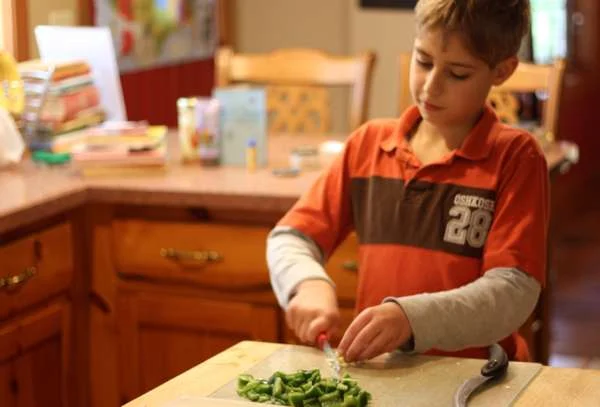
The act of sharing knowledge stands as the fundamental bedrock of Islamic tradition and community life. From the earliest moments of the faith, the transmission of learning has shaped how believers understand their relationship with the Creator, one another, and the world around them. The Prophet Muhammad (peace be upon him) shared the divine revelations he received in the Quran with his companions, setting a precedent that would echo through the centuries. Those who witnessed his actions and listened to his words preserved these observations, passing them down as the reported hadith. In turn, scholars of fiqh built upon this foundation, establishing Islamic law from primary and secondary sources, while community imams continue to share teachings from the Quran and prophetic traditions to directly address the evolving needs of their congregations.
In the Islamic paradigm, knowledge multiplies through sharing. This principle is not merely a cultural preference but a spiritual directive emphasized by the Prophet Muhammad (pbuh) himself during his final sermon to the faithful. In those parting words, he urged those present to become conduits of learning, ensuring that the wisdom of the message would reach far beyond the immediate audience and grow deeper roots over time.
As recorded in historical accounts of the farewell pilgrimage, the Prophet (pbuh) instructed the gathering with a clear mandate: "All those who listen to me shall pass on my words to others and those to others again; and may the last ones understand my words better than those who listened to me directly."
In this profound final commentary, the Prophet called upon Allah to increase the knowledge and understanding of believers, both in his immediate presence and across succeeding generations. Serving as an enduring example to all of mankind, these prophetic words offer a timeless guide for communities, families, and individuals seeking to live purposeful lives anchored in authentic understanding.
Within the framework of the family unit, this responsibility takes on an intimate and vital dimension. Parents and children, extended family members, and community elders share a mutual obligation to impart what they know and to remain open to receiving knowledge from others. Through this continuous exchange, the insight, perceptions, and comprehension of valued information are deeply internalized by each family member. This dynamic process ultimately enhances individual understanding of ibadah—acts of worship—and amal, the good deeds performed in daily life.
The role of elders, often referred to affectionately as the grey-haired Muslims of the family, holds a place of distinct honor within this ecosystem of learning. The wisdom accumulated over a lifetime serves as a bridge between generations, offering younger family members historical perspective, moral grounding, and spiritual resilience.
This reverence for seniority and scholarly dedication is reflected in the traditions of the Prophet (pbuh). Narrated by AbuMusa al-Ash’ari, the Prophet (SAW) stated that glorifying Allah involves showing honor to a grey-haired Muslim, to one who can properly expound the Quran—provided they do not act extravagantly regarding it or turn away from it—and showing honor to a just ruler, as documented in Sunan Abi Dawud.
This intergenerational respect is complemented by the foundational rights and responsibilities owed to parents. In Islamic teachings, honoring and caring for those who raised you is placed among the highest virtues a believer can cultivate. It is reported on the authority of ‘Abdullah that the Apostle of Allah (SAW) observed that the best of deeds is the observance of prayer at its proper time, closely followed by kindness to parents, highlighting how interpersonal family ethics are inextricably linked to spiritual devotion, as recorded in Sahih Muslim.
While elders and parents provide the anchor of experience and foundational care, the vitality of the community relies heavily on the spiritual engagement of its youth. Young people occupy a special place in prophetic traditions, symbolizing potential, dedication, and the strength of character required to navigate worldly temptations.
In a well-known narration found in Sahih Bukhari, the Prophet Muhammad (pbuh) enumerated the seven groups of people who will find themselves sheltered under the shade of Allah’s throne on the Day of Judgment. Among those specifically highlighted is a youth who grew up in the worship of Allah. This inclusion underscores the immense value placed on young individuals who choose a path of faith, learning, and moral integrity during their formative years, reinforcing the idea that the acquisition and sharing of knowledge must begin early and be nurtured across a lifetime.
Author bio: Mahasin D. Shamsid-Deen is the news curator and content manager for Muslim Network TV (MNTV) and contributing writer for Sound Vision. She holds a master’s degree in English writing and has worked as both a High School and College ESL Instructor and Writing Instructor for more than a decade. Mahasin has numerous published articles, books, essays and is a published playwright with three award winning stage plays. She is currently writing her dissertation for her doctoral degree.
The philosophical framework known as RIE—pronounced “rye”—has long elicited passionate responses from parents and early childhood professionals alike. To some, the approach is viewed as profound and life-changing, offering a revolutionary paradigm shift in how adults perceive and interact with babies. To others, certain elements can initially sound unconventional, controversial, or even perplexing. In a recent episode of her podcast Unruffled, parenting expert and author Janet Lansbury sat down with Melani Ladygo, the executive director of Resources for Infant Educarers (RIE), to demystify the philosophy and examine why this respectful approach remains deeply vital for modern parents.
Lansbury’s own introduction to RIE occurred over three decades ago when she attended classes with her firstborn, an experience inspired by the teachings of infant expert Magda Gerber, who founded the nonprofit educational organization. Those early classes fundamentally reshaped Lansbury’s perceptions of infancy, the art of childcare, and human relationships broadly. She later trained one-on-one with Gerber, soaking up wisdom while her daughter played on the floor. Over the years, as Lansbury fielded endless requests to define RIE, she recognized the challenge of summarizing a nuanced philosophy that goes far beyond standard parenting tips. To provide a comprehensive overview, she turned to Ladygo, a longtime RIE associate and executive director who also teaches parent-infant and toddler classes in her home.
The conversation immediately tackled the notoriously elusive “elevator pitch” for RIE. Ladygo recalled her own early experiences taking a rigorous 60-hour RIE Foundations course, initially hoping to find a quick, concise way to explain the philosophy to others. Even after completing the extensive training alongside passionate early childhood educators, she still found it difficult to distill the richness of the approach into a single sentence. It was only through years of working in the RIE office, answering phones, and fielding inquiries from families that Ladygo developed a fluid way to articulate the work.
At its core, Ladygo explained, RIE is an organization that teaches parents and professionals how to build respectful, reciprocal relationships with babies and toddlers from birth to age two. The organization serves as a vital resource for what Magda Gerber termed an "infant educarer"—someone who simultaneously cares while educating and educates while caring. Lansbury expanded on this by noting that the approach fosters a lifelong bond built on mutual trust and respect, a connection that many mistakenly believe can only begin later in life once a child acquires verbal language.
Reflecting on her own daughter as a three-month-old, Lansbury recalled the revelation that an infant possesses an internal world filled with thoughts, ideas, and a distinct point of view long before they can articulate them. Witnessing her daughter’s independent inner life was a transformative moment that shifted Lansbury’s perspective, helping her realize that a baby is a complete person rather than a passive recipient of adult stimulation. Ladygo agreed, noting that this genuine curiosity about who the child is forms the bedrock of a respectful, reciprocal relationship, allowing development to unfold naturally without adult imposition.
Ladygo shared her own journey into the field, which began after taking a child development course that illuminated the staggering scale of early brain development. Driven by a desire to teach parents and armed with a commitment to gain real-life experience, she secured a position in an infant program heavily influenced by RIE. Walking into a room filled with twelve babies, Ladygo was struck by an unfamiliar sense of profound peace. She quickly encountered the unique tenets of the RIE philosophy through gentle guidance from her colleagues.
Recalling a pivotal moment from her early days at the childcare center, Ladygo described watching a little girl struggle to climb up a playground slide. Seeking to be helpful, Ladygo stepped in, placed her hands under the child’s feet, and pushed her to the top, resulting in shared smiles. However, a veteran teacher gently pulled Ladygo aside afterward. The colleague invited her to consider the child’s internal experience: Did the toddler ask for help? How would she feel the next time she tried to climb the slide without adult assistance, falsely believing she had achieved it alone when she had actually done it with help? That interaction sparked Ladygo’s deep curiosity about why standard practices like distracting a crying baby or physically accelerating a child’s movements were discouraged under the RIE framework, prompting her to pursue formal RIE training in Silver Lake.
The discussion highlighted how this respectful paradigm fundamentally alters the daily reality of parenting. Rather than viewing the adult’s role as an entertainer, fixer, or emotional regulator who must constantly keep children happy and solve every minor obstacle, the RIE approach invites parents to slow down, observe, and trust their children’s innate capabilities. Lansbury noted that letting go of the perceived obligation to manufacture perfection or constantly rescue children from normal struggles lifts an immense burden off parents’ shoulders.
This sense of calm was recently illustrated when observers visited one of Ladygo’s active toddler classes. Despite challenging weather conditions that forced seven energetic toddlers indoors into half their usual play space, the environment remained busy yet remarkably peaceful. Children climbed, shared toys, and navigated minor conflicts while parents sat back, conversed, and observed with quiet confidence. The visiting observers marveled at how relaxed the parents appeared and how much trust they placed in their children’s physical abilities—a baseline of peace that develops gradually as parents repeatedly witness their children working through challenges.
This philosophy extends far beyond infancy, providing a framework for navigating life’s inevitable hardships well into adulthood. Lansbury emphasized that allowing children to experience the middle of a struggle—whether navigating a complex playground situation, dealing with sibling dynamics, or facing teenage heartbreak—teaches them resilience in a way that mere words cannot. Ladygo added that being seen and acknowledged in a struggle, rather than instantly rescued from it, validates human emotion and teaches individuals that they do not always need to have everything figured out.
Both educators acknowledged that practicing RIE does not mean parenting is effortless. Daily challenges, exhaustion, and emotional friction remain inevitable parts of human relationships. However, having a consistent framework provides parents with a reliable anchor to reset, admit when a situation is difficult, and reconnect authentically with their children. Lansbury shared how giving herself permission to express frustration during difficult moments, such as an uncooperative diaper change, offers an authentic reset rather than forcing an artificial veneer of cheerful perfection. Magda Gerber’s teachings long emphasized that parents are entitled to be tired and human, provided they do not direct their exhaustion maliciously toward the child.
The conversation also touched upon the complexities of peer socialization and boundaries, noting how parents often struggle to remain neutral during playground disputes over toys or shared spaces, such as a rocking boat. Rather than stepping in to arbitrate or dictate sharing, the RIE approach encourages adults to maintain safety while allowing children to express their authentic boundaries and navigate social friction independently. Through this process, children learn genuine empathy and discover how to balance their own needs with the needs of others.
As communities and in-home playgroups become harder for modern working parents to find, organizations like RIE provide essential connection and support. Professionals and parents seeking to deepen their understanding of these principles can also look toward upcoming educational events, such as the virtual annual RIE conference. Featuring developmental psychologist Peter Gray as a keynote speaker, the conference explores the theme of play and offers diverse workshops demonstrating how respectful practices apply across various educational and family settings. Through shared community and ongoing dialogue, advocates hope to continue spreading an approach that honors the emotional reality of both children and the adults who care for them.
For more than a decade, health and wellness advocates have increasingly turned their attention toward a fundamental yet frequently overlooked aspect of human nutrition: foundational minerals. Among the most prominent voices championing this shift is wellness publisher and podcast host Katie, widely known online as Wellness Mama, who recently released a comprehensive retrospective examining fifteen years of content dedicated to the vital roles that magnesium, sodium, and trace minerals play in human physiology.
The extensive archive, compiled into a single centralized resource guide, traces a fifteen-year journey of discovery regarding how micronutrients influence overall vitality, stress response, and daily energy reserves. According to commentary and historical insights gathered from the Wellness Mama platform, prioritizing specific minerals produced profound, transformative changes in personal health metrics and sustained energy levels—an observation echoed by countless readers and listeners who have adopted similar nutritional adjustments.
At the core of this ongoing health conversation are magnesium and sodium, two electrolytes that serve as the bedrock of cellular function. Despite their critical importance, modern dietary habits and environmental pressures have created widespread deficiencies across the general population. Experts point to conventional agricultural methods, which have progressively depleted arable soils of essential nutrients, as a primary driver of declining mineral levels in modern food supplies. Furthermore, contemporary lifestyles characterized by chronic, low-grade stress and high consumption of refined sugars actively accelerate the depletion of magnesium stores within the human body.
Magnesium acts as a crucial cofactor in hundreds of enzymatic reactions, influencing everything from muscle relaxation and nervous system regulation to DNA synthesis and metabolic efficiency. When intake falls short, the systemic consequences can manifest in myriad ways, ranging from persistent fatigue and muscle cramps to elevated stress responses.
Sodium, conversely, has faced decades of unfair demonization within mainstream dietary guidance. While public health messaging historically urged universal sodium restriction—frequently conflating unprocessed, natural salts with the highly refined sodium chloride found abundantly in ultra-processed convenience foods—nutritional researchers are increasingly recognizing its indispensable functions. Sodium remains vital for maintaining proper fluid balance, supporting optimal blood pressure regulation, facilitating nerve impulse transmission, and sustaining cognitive performance. Even individuals managing specific health conditions, such as hypertension, are sometimes found to benefit from quality salt intake under appropriate medical guidance, though health professionals consistently advise consulting natural healthcare practitioners before making radical dietary modifications.
Beyond the primary electrolytes, specialized interest has grown around fulvic and humic acids. While not technically classified as electrolytes, these organic compounds are valued for their rich natural concentrations of trace minerals, amino acids, and carbon complexes. Formed over centuries as plant matter decomposed and interacted with soil microbes, these substances are largely absent from modern, intensively farmed diets. In biological systems, fulvic and humic acids function as biological conductors and transporters, operating effectively as cellular intermediaries that enhance nutrient bioavailability and cellular absorption.
The extensive archival resource also highlights practical applications, emphasizing that mineral optimization extends far beyond dietary ingestion. Topical applications of magnesium and sodium—through customized bath salts, therapeutic detox soaks, specialized scrubs, and transdermal sprays—offer an alternative and relaxing pathway for absorption while simultaneously promoting physical recovery and relaxation. These preparations, often shared as thoughtful homemade gifts for family and friends, demonstrate the versatility of incorporating minerals into daily self-care routines.
In parallel with topical remedies, the curated collection underscores the value of mineral-rich culinary traditions. Recognizing that modern produce and whole foods contain significantly lower mineral densities than they did a century ago, health advocates often advocate for a targeted approach combining whole-food nutrition with mindful supplementation. Preparing nutrient-dense meals that naturally incorporate wholesome ingredients helps bridge the nutritional gap for families and children alike.
To further disseminate these insights, the multi-year educational initiative includes dedicated article series and comprehensive podcast broadcasts. These media resources explore the intricate biochemical relationships linking magnesium, potassium, and sodium, detailing how these elements act in concert to fuel cellular respiration and energy production. By engaging with leading medical experts, researchers, and practitioners across numerous podcast episodes, the platform continues to investigate the complex mechanisms of cellular health, trace mineral absorption, and the long-term impacts of maintaining optimal electrolyte balance.
WHISTLER — After a comprehensive year-long campaign driven entirely by student-powered sustainability initiatives, the Whistler Waldorf School has officially earned Canada’s highest school-environmental distinction, securing Platinum Certification from EcoSchools Canada.
The milestone achievement not only marks a historic first for the institution but also solidifies environmental stewardship as an integral pillar of the school’s daily culture, setting a high standard for ecological leadership across the region.
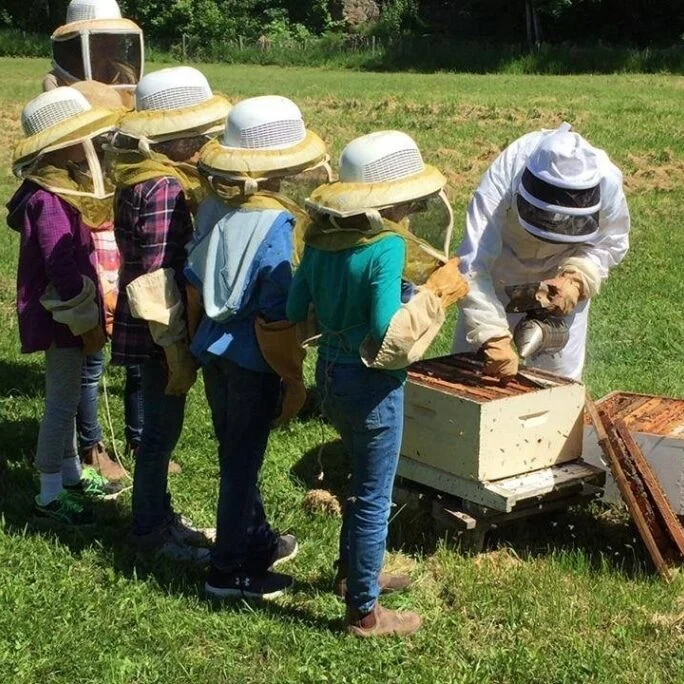
The journey to the Platinum designation involved months of coordinated effort across all grade levels. Students spearheaded a diverse array of green projects designed to reduce the school’s ecological footprint while actively engaging the broader Whistler community. Among the standout initiatives were meticulously organized zero-waste events, educational community panels that brought local environmental issues to the forefront, comprehensive school-wide composting programs, and targeted fundraising campaigns to support ongoing ecological projects.
Rather than treating sustainability as an occasional extracurricular activity, the school successfully wove environmental consciousness into the fabric of its academic and social environment. This holistic approach ensured that students did not just learn about ecological preservation in theory, but practiced it daily through hands-on participation.
Principal Eleanor West praised the Platinum Certification as a powerful reflection of the school’s core values, highlighting the dedication of the student body and staff. She noted that the distinction serves as an enduring testament to the school’s commitment to fostering environmental leadership among young people.
Furthermore, Principal West emphasized that the recognition demonstrates the undeniable power of collective action in creating lasting, meaningful change within a community. By working together toward shared ecological goals, the students proved that even localized efforts can yield significant, measurable impacts on environmental sustainability.
The achievement places Whistler Waldorf School at the forefront of Canadian educational institutions committed to environmental action through EcoSchools Canada, a national charity that nurtures student-led environmental learning and certification for K-12 schools. By achieving the highest tier available within the program, the school has set a robust benchmark and laid a solid foundation for future generations of environmental leaders in the Whistler community and beyond.
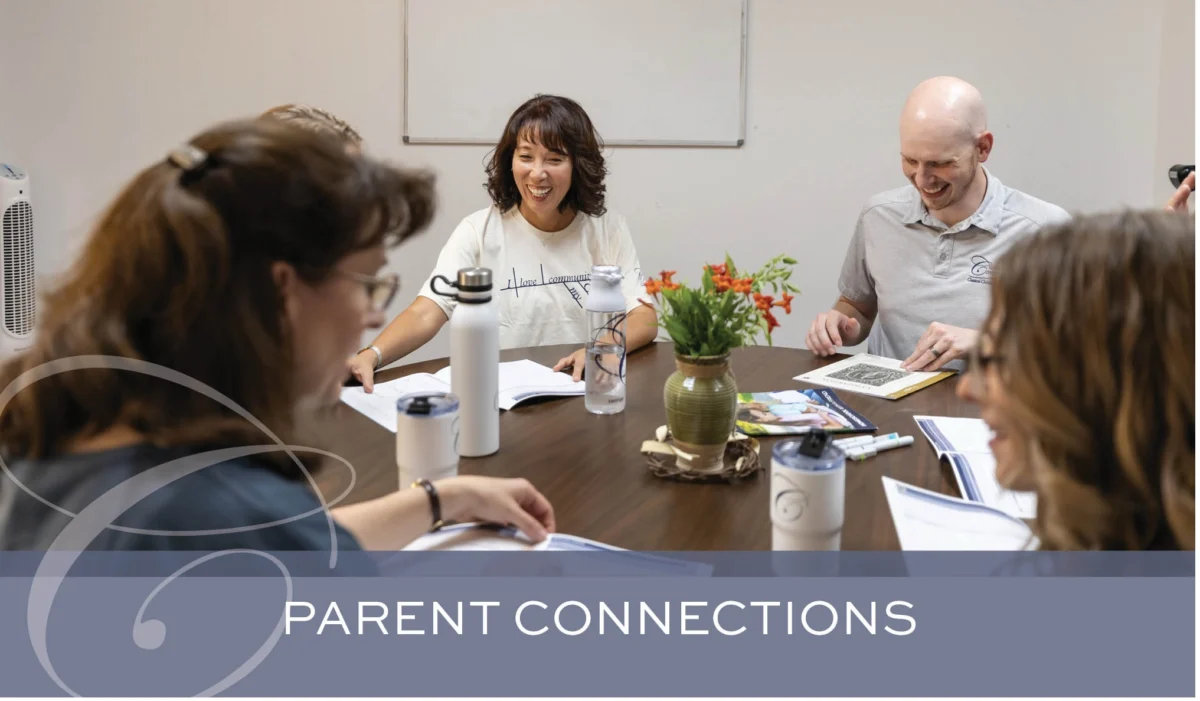
The educational landscape for homeschooling families participating in Classical Conversations is set to expand significantly this autumn. The organization has officially released its September 2026 Parent Connections newsletter, addressing the top inquiries and most anticipated developments for its communities nationwide and abroad. From pivotal timelines regarding concurrent college enrollment and international milestones to a fresh look at historical American convictions and new resources for graduates, the latest update offers a comprehensive overview of what families can expect in the coming months.
Topping the priorities for many high school families is the upcoming registration window for concurrent enrollment. Set to open on September 8, 2026, the registration period covers upcoming spring and summer terms. The program allows Challenge-level students to earn legitimate college credits while remaining anchored in their local communities, keeping their familiar seminar tables, local tutors, and peer groups intact. These earned credits seamlessly transfer to partner colleges, bridging secondary and higher education without requiring students to leave their supportive homeschooling environments. To assist families navigating this process for the first time, Classical Conversations has rolled out comprehensive resources, including dedicated frequently asked questions on CC Connected and a step-by-step registration walk-through designed to make the transition as smooth as possible.
Beyond academic scheduling, the September update places a strong thematic focus on America’s upcoming 250th anniversary. In the recurring column "Robert’s Rhetoric," Robert Bortins examines the historical bedrock of the nation’s semiquincentennial, reminding readers that the founding figures of the United States were ordinary individuals driven by deliberate, actionable convictions rather than accidental greatness. Bortins identifies five core pillars that modern homeschooling families continue to pass down: pursuing truth, preserving freedom, embracing stewardship, doing hard things, and maintaining courage. While many classical families practice these habits instinctively, the newsletter provides a conceptual framework to articulate these values intentionally to the next generation. To support this effort, the organization has released a free downloadable resource titled the CC Family Service Guide, offering practical ways for families to integrate these historic principles into their daily routines and community service.
The reach of the classical education model continues to transcend national borders, a trend highlighted in this month’s International Spotlight. The newsletter features the journey of Namitha, a homeschooling mother residing in the Dhauladhar foothills of northern India. Now four years into implementing a classical Christian education model within her household, Namitha shares how the curriculum has fundamentally reshaped her family’s perspective on history, home, and their participation in a broader global narrative. Her testimony serves as a striking reminder that the classical model is not bound to a specific American audience or curriculum. Instead, identical foundational texts and rigorous intellectual conversations are actively taking place in communities across the globe. Families interested in connecting with international counterparts or learning more about global community development can reach out directly to CC International.
As students grow and transition beyond the final stages of the classical model, maintaining long-term relationships remains a key priority for the organization. The CC Alumni Network has formally launched its dedicated mobile application alongside monthly Meet and Greet events. Designed specifically for graduates of the Challenge IV program and their families, the network ensures that the community bonds forged over years of rigorous study do not dissolve simply because weekly seminar days have concluded.
In addition to these major highlights, the September newsletter details several administrative and membership updates across the broader community ecosystem. Most notably, the majority of local communities now operate under the designation of Licensed Community Directors, a title families will increasingly encounter in local program materials. Members also continue to enjoy exclusive partner discounts and advantages through CC Connected, while planners are already looking ahead to the spring of 2027. The next official CC Family Cruise is scheduled to sail from May 2 through May 8, 2027, aboard Royal Caribbean’s Symphony of the Seas.
Adult learners within the community are also being catered to through the fall registration period for classical, Christian adult education courses, allowing parents to pursue lifelong learning alongside their children. Furthermore, the organization continues to champion post-secondary community support via Classical Fellowship initiatives, while actively engaging in ongoing advocacy for educational independence and the fundamental right of parents to direct the education and upbringing of their children.
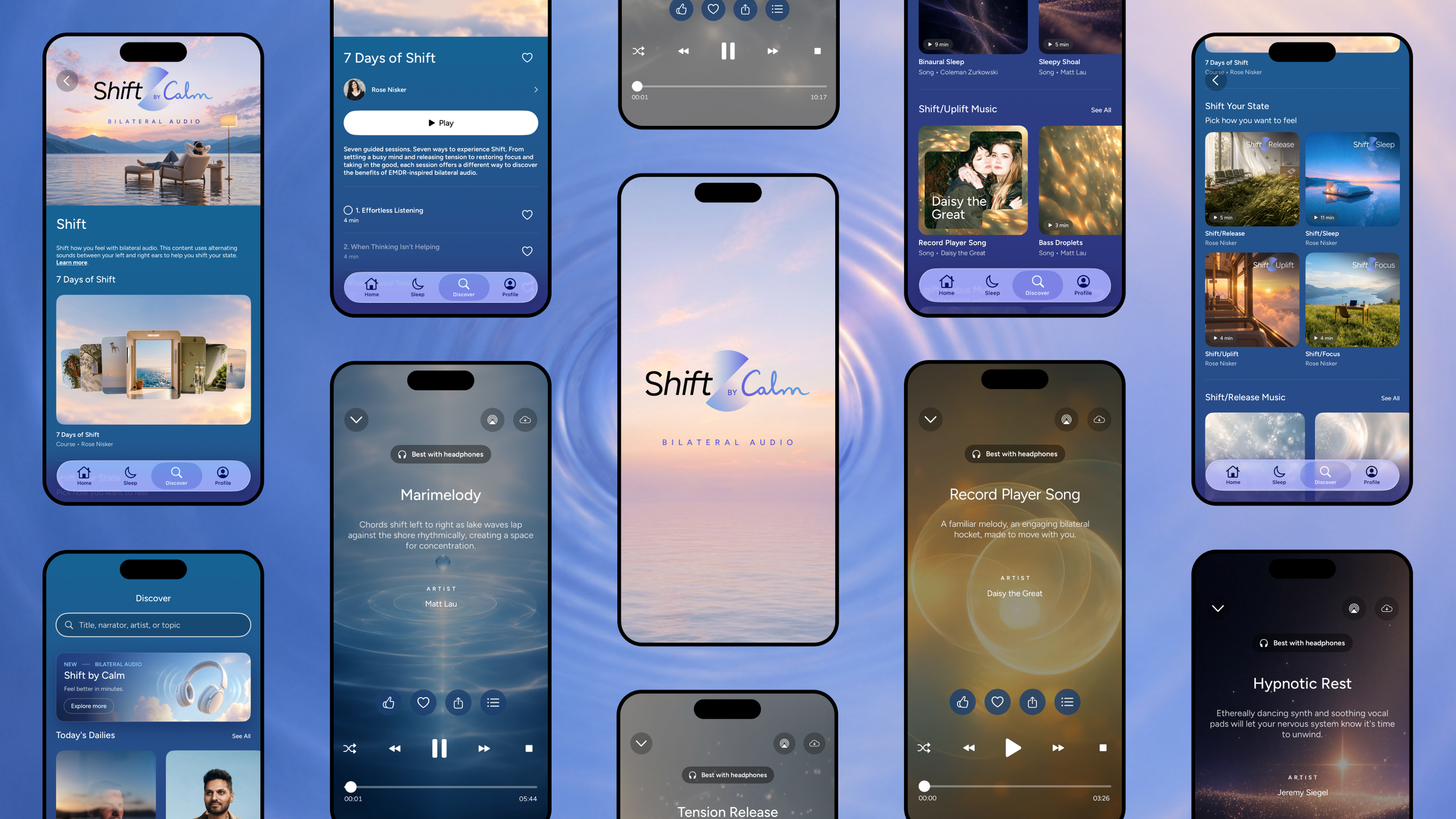
SAN FRANCISCO, CA — Calm, a recognized leader in the digital mental wellness space known for its flagship application dedicated to sleep, stress reduction, and mindful living, has officially announced the launch of a brand-new in-app offering titled Shift. Designed to help users actively transform how they feel in the present moment, Shift utilizes bilateral audio—an innovative, audio-based approach inspired by established therapeutic techniques. Available immediately to subscribers, the launch introduces a comprehensive 7-day guided program alongside more than 20 custom bilateral tracks, featuring an exclusive musical collaboration with the popular New York-based indie duo Daisy the Great.
Bilateral audio works by intentionally and rhythmically shifting sound back and forth between the left and right ears. This dynamic movement creates a natural auditory rhythm engineered to help individuals adjust their mood, whether they are trying to ease into a restful night of sleep, release the physical and mental tension accumulated throughout a demanding day, or clear away the heavy fog of an afternoon slump. According to Calm, the experience requires no special training or prior meditation skills; listeners simply need a pair of headphones and a few uninterrupted minutes to experience the shift.
The introduction of Shift builds upon a growing cultural interest in bilateral stimulation and sound-based mental health tools. Calm first integrated bilateral audio content into its expanding music library back in 2022, subsequently witnessing a steady surge in both user engagement and broader cultural demand. Today, bilateral audio stands as one of the most frequently searched terms within the Calm platform. Simultaneously, public interest has exploded across the broader internet, with Google searches for "bilateral audio" surging by more than 5,000% over the past year. Viral online concepts such as "brain flossing" have further captured public attention, highlighting a widespread desire for accessible, bilateral stimulation techniques aimed at clearing mental clutter.
Dun Wang, Chief Executive Officer of Calm, emphasized that the evolution of the company aligns with a vision of comprehensive emotional support rather than a narrow focus on traditional meditation alone.
"Calm’s origins are rooted in making meditation accessible, but we never intended to be a meditation-only app," said Wang. "We want to be a place people can come to feel better, in whatever way they need. At first it was meditation, then it was sleep, which led to the launch of Sleep Stories, an innovative format that is now one of our most popular offerings. Shift is next, leveraging bilateral sound and music to meet people with approachable, trusted, and deeply human support that leaves them feeling better than when they came."
At its launch, Shift provides users with multiple distinct pathways to engage with the content, anchored by a robust library of soundscapes and guided sessions. A central highlight of the initial music collection is an exclusive bilateral remix of "The Record Player Song" by Daisy the Great. Originally released in 2018, the track became a major breakout hit for the indie duo, eventually accumulating more than 200 million streams across multiple versions.
More recently, Daisy the Great reimagined the track utilizing hocketing, a distinctive musical technique where a single melody is split between two or more voices or instruments, alternating notes and rests. This creative reinvigoration gained massive traction across TikTok, capturing the imagination of millions of listeners. The new bilateral remix marks the first of several upcoming musical collaborations between Calm and Daisy the Great tailored specifically for the Shift experience, continuing Calm’s long-standing tradition of partnering with contemporary artists to produce resonant, culturally relevant content.
Mina Walker and Kelley Dugan of Daisy the Great expressed their enthusiasm for the partnership and the unique auditory qualities of their music that made it a natural fit for the platform.
"We started to make a lot of videos online singing with a technique called hocketing where we split up the melody line and pass it back-and-forth, and it makes a really awesome vocal effect. We did it with our song ‘The Record Player Song,’ and that one really seemed to resonate," the duo shared in a joint statement. "That song already has a bit of a built-in bilateral quality with the melody passing between us, and the overlapping vocals, so it made a lot of sense for Shift. We’re so, so excited to be working with Calm and their production team to not only share our music in a new way, but hopefully to help people feel good and connected to themselves too."
To ensure that Shift met rigorous standards of credibility, safety, and suitability for everyday, self-guided use, Calm collaborated closely with external consultants certified by the EMDR International Association throughout the entire development process. This clinical oversight ensures that the auditory experiences are grounded in established professional practices while remaining approachable for the general public.
Roy Kiessling, LISW, an experienced EMDR clinician and trainer, praised the thoughtful integration of therapeutic principles into a consumer wellness product.
"With Shift, Calm takes its already impressive collection of self-soothing programs to another level, thoughtfully integrating guided imagery, relaxing music, and gentle bilateral stimulation," said Kiessling. "As an experienced EMDR clinician and trainer, I appreciate the care Calm has taken to emphasize relaxation, emotional comfort, and positive resource enhancement. Shift offers a welcome, accessible way to incorporate soothing bilateral stimulation into everyday emotional well-being."
Shift is available exclusively on the Calm platform for Premium subscribers. Users can access the new offering by downloading Calm from the Apple App Store or the Google Play Store and subscribing to Calm Premium. Calm continues its broader mission of making the world happier and healthier through its flagship consumer app, which has achieved over 180 million downloads and is available in 10 languages across nearly 190 countries. In addition to its consumer offerings, Calm operates Calm Health, a digital mental health solution provided through employers, health plans, and healthcare providers to expand access to clinical mental health and sleep support, supporting more than 100,000 organizations and reaching over 42 million covered lives today.
Diwali, universally recognized as the vibrant festival of lights, draws its name from the ancient Sanskrit term “Deepavali,” which translates directly to a “row of lights.” Observed annually by more than one billion individuals across the globe, the holiday stands as one of the most widely anticipated and extensively celebrated cultural events in India and throughout the global Hindu diaspora. Yet, beyond its prominent place in Hindu traditions, the festival holds deep significance for multiple religious communities, bridging diverse faith traditions through shared values of hope, renewal, and the ultimate victory of righteousness over malevolence.
The rich tapestry of the holiday extends far beyond a single religious narrative. Commemorations are observed not only by Hindus, but also by Sikhs, Jains, and select Buddhist communities. Across all these traditions, a unifying practice remains the ceremonial lighting of lamps, oil wicks, and lanterns to visually and spiritually signify the triumph of light over encompassing darkness, and the ultimate victory of good over evil. This shared symbolism serves as an annual reminder of moral resilience and spiritual awakening for communities worldwide, fostering a collective atmosphere of joy, reflection, and community solidarity.
Religious Diversity and Diwali
While the overarching themes of the festival are widely shared, the specific narratives and historical milestones commemorated vary significantly depending on regional geography, cultural heritage, and religious tradition. In her insightful article examining the multifaceted nature of the holiday, religion scholar Natasha Mikles explores the profound diversity of Diwali’s foundational stories. She notes that these varied accounts reflect unique theological and historical milestones cherished by different communities.
Among Hindus, a central narrative recounts the epic tale of Lord Rama—an earthly incarnation and avatar of the supreme deity Vishnu—alongside his triumphant return to Ayodhya after defeating the demon king Ravana. For Jains, the festival marks a profoundly solemn and joyful occasion commemorating the spiritual enlightenment and liberation of Mahavira, the twenty-fourth Tirthankara or spiritual teacher. Meanwhile, Sikhs observe the period to honor Bandi Chhor Divas, marking the historic day in 1619 when Guru Hargobind, the sixth Sikh Guru, secured the release of himself and 52 other imprisoned princes and rulers from the Gwalior Fort under the Mughal Empire.
Reflecting on these varied historical and theological touchstones, Mikles observes that the diverse origin stories of the festival collectively point toward a universal philosophical argument advanced by Indian culture. She writes that these accounts suggest goodness—whether manifested through the divine avatars of Lord Vishnu, the disciplined enlightenment of a Jain spiritual leader, or the courageous liberation of an imprisoned guru—will inevitably and necessarily triumph over the forces of darkness, demonic evils, systemic injustice, and spiritual ignorance.
Further exploring this multifaith dimension, organizations such as Hindus for Human Rights have highlighted the growing movement of collective, cross-cultural celebrations. Their ongoing commentaries and reflections on a multi-faith Deepavali underscore how communities from different backgrounds come together to honor the shared ethos of the holiday, finding common ground in the pursuit of social justice, human dignity, and mutual understanding.
Diwali Traditions and 2026 Dates
Just as the cultural and religious narratives surrounding Diwali are remarkably diverse, so too are the practices, rituals, and timelines through which the festival of lights is commemorated across the world. The observance often spans multiple days, each dedicated to distinct customs, domestic preparations, and spiritual devotions.
For many Hindu traditions, the celebration unfolds as a five-day festival. The observance commences with Dhanteras, which falls this year on Friday, November 6. This initial day is traditionally dedicated to thorough housecleaning, decorating living spaces with intricate floral patterns and colorful powders, and purchasing auspicious items such as utensils or precious metals to invite prosperity and wealth into the home.
The commemorations reach their spiritual peak with Lakshmi Puja, scheduled for Sunday, November 8. Widely regarded as the third and main day of the festival, Lakshmi Puja involves the formal worship of Goddess Lakshmi, the deity of wealth and auspiciousness. Families clean their homes meticulously, open doors and windows to welcome the goddess, and light traditional earthen lamps, known as diyas, while also making pilgrimages to local temples to offer prayers and seek divine blessings.
In several traditions, the festive sequence concludes on the fifth day, which falls on Tuesday, November 11. Known variously as Bhai Dooj, Bhai Tika, or Bhai Bij, this specific day is dedicated to honoring and celebrating the sacred, lifelong bond between brothers and sisters, with siblings exchanging blessings, gifts, and prayers for each other’s well-being and longevity.
The manner in which families and communities mark these days varies greatly. Some celebrations are characterized by vibrant public displays, including the lighting of dazzling fireworks, the sharing of rich traditional sweets, festive family gatherings, the wearing of new or fine garments, and communal worship. In contrast, other traditions and spiritual lineages prefer a more subdued approach, consciously avoiding loud displays or pyrotechnics to focus instead on quiet meditation, introspection, internal spiritual purification, and fasting.
Interfaith Resources and Stories
In recent years, the universal messaging of the festival has increasingly found a home in broader interfaith dialogues and public spaces. Tahil Sharma, an emerging leader within interfaith communities, has reflected extensively on Diwali’s enduring message of hope and social justice, recounting his memorable experiences attending official celebrations hosted at the White House. These public observances underscore the growing recognition of the holiday’s cultural significance in contemporary civic life.
The inclusive nature of the festival has also inspired creative adaptations among diaspora communities. Raja G. Bhattar, a former fellow and community organizer, has written about how domestic spaces frequently transform into inclusive sanctuaries during the holiday season. Describing past celebrations, Bhattar noted how a small apartment became a vibrant gathering space where individuals from Hindu, Muslim, Sikh, and Christian backgrounds came together to observe Deepavali, breaking bread and sharing in the festive spirit across religious lines.
Organizations continue to champion these cross-cultural connections through thematic campaigns. For instance, Hindus for Human Rights centered their interfaith messaging around the concept of "The Power of Light," emphasizing that the illumination of lamps serves as a shared, universal metaphor for breaking down religious and social barriers. As communities continue to navigate the complexities of modern pluralistic societies, the enduring traditions of Diwali offer a powerful reminder of humanity’s shared aspirations for light, justice, and enduring peace.
For one family residing in the picturesque Pacific Northwest town of Duvall, Washington, choosing where to lay down roots was never a matter of chance. Long before their son, Brayden, was even born, his parents made a deliberate, conscious decision about the environment in which they wanted to raise him. They specifically targeted Duvall so they could integrate the Wilderness Awareness School (WAS) as a cornerstone of his upbringing, education, and personal development.
From the very beginning, the vision was clear: to immerse their child in a community of passionate, dedicated educators and mentors who utilize the natural world as a primary classroom. For this family, the school was never viewed as a mere extracurricular activity or a weekend hobby. Instead, it was considered an essential, foundational component of Brayden’s education and childhood, providing a unique blend of land-based learning, social connection, and profound personal growth that traditional institutional schooling often struggles to replicate.
As an educator herself, Brayden’s mother approaches her son’s formative years with intense intentionality. She understands the psychological, emotional, and cognitive benefits of unstructured time spent in nature, recognizing how deeply the outdoors can shape a young mind, foster resilience, and cultivate genuine self-efficacy. Every family schedule, seasonal plan, and weekly activity is meticulously structured around Brayden’s participation in the school’s signature Foxes class.
Brayden’s journey with the Wilderness Awareness School began early, starting with the foundational Roots and Wings program. The family’s long-term roadmap was ambitious and unwavering: they intended to keep him enrolled in WAS School Year Programs year after year, uninterrupted, all the way until he graduated from high school and advanced into the Community School. It was a carefully crafted blueprint for a childhood rooted in ecological literacy, wilderness survival skills, and deep community stewardship.
However, as countless families across the country experience firsthand, life rarely follows a straight line, and even the most carefully laid plans can be upended by unexpected circumstances. In recent years, the family encountered severe and prolonged personal hardships. Recovery from these unexpected health and financial challenges took far longer than anticipated, casting a shadow over the bright, predictable future they had mapped out for their son.
The dreams they harbored for Brayden remained unchanged, but the economic reality of their situation shifted dramatically. Suddenly, the family found themselves in a position where they simply could not afford the tuition required to keep Brayden enrolled in the programs that meant so much to his daily life and long-term development. Without outside assistance, the very cornerstone of his childhood education was in jeopardy of being completely dismantled by forces entirely outside of their control.
Fortunately, the Wilderness Awareness School maintains a robust scholarship fund, sustained by the generosity of external donors, community members, and advocates of youth wilderness education. These financial aid resources exist precisely for moments of crisis, ensuring that children from diverse economic backgrounds do not have to forfeit life-changing educational opportunities simply because their families fall upon hard times.
For Brayden and his parents, receiving a scholarship was nothing short of a blessing. It completely altered the trajectory of their crisis, proving that financial barriers do not have to dictate a child’s access to transformative experiences. Because of the financial relief provided by donors, Brayden was able to remain enrolled in his classes, maintaining his vital connections with peers, mentors, and the natural landscape of the Pacific Northwest.
The impact of community-funded tuition assistance extends far beyond the basic mechanics of attending a class. Supporters who contribute to the Wilderness Awareness School scholarship fund are directly investing in the development of meaningful community bonds, genuine interpersonal relationships, and essential life skills that modern youth desperately need. These programs offer young people real-world opportunities to safely test their personal boundaries, challenge their own perceived limitations, and engage with authentic rites of passage designed to support adolescents as they transition into confident, capable young adults.
For Brayden, these elements are woven into every single week he spends at the school. Whether he is tracking wildlife, learning primitive skills, or collaborating with peers on outdoor projects, he is continually building the internal fortitude that defines his character. His mother notes that the experiences provided by the school are actively shaping him into the extraordinary person he is steadily becoming.
As she works diligently toward personal recovery and regaining her health, Brayden’s mother looks toward a hopeful future. One of her primary personal goals is to eventually reach a point of stability where she can turn the tables—moving from a scholarship recipient to a financial donor. She hopes one day to pay forward the immense kindness she has received, funding similar scholarships for other families who might find themselves facing unexpected hardships down the road.
Until that day arrives, the family remains sustained by an overwhelming sense of gratitude. They recognize that none of Brayden’s current experiences—his time in the Foxes class, his deep friendships, or his ongoing connection to the land—would be possible without the compassion and financial contributions of school donors. For this Duvall family, those contributions represent far more than monetary aid; they represent the preservation of a dream, the protection of a child’s education, and the enduring power of a community that looks out for its own.
For Mary Beth Chapman, co-founder of the adoption advocacy organization Show Hope alongside her husband, Christian music artist Steven Curtis Chapman, sitting down to review applications for the organization’s Medical Care grants is an experience defined by overwhelming emotion. It is a moment that almost always prompts the same internal refrain: “I want to give them all the money for all the things!”
And she means it. If an observer were to sit in on one of those review meetings—if they could read the unfiltered stories and grasp the immense daily weight these adoptive families are carrying—they would likely echo the sentiment. The reality of caring for children with complex, specialized medical needs requires a level of endurance, advocacy, and financial sacrifice that few outside the community can fully comprehend.
The genesis of Show Hope’s Medical Care grants is rooted in a deeply painful and transitional season for the Chapman family. For more than a decade, Show Hope operated extensive programs in China, most notably Maria’s Big House of Hope and other specialized care centers. These facilities served as sanctuaries where children with acute medical needs were seen, known, loved, and cared for in memory of the Chapmans’ late daughter, Maria.
Over time, however, shifting political landscapes in China made operating these facilities increasingly difficult. Understanding the geopolitical reasons behind the shift did not soften the blow of the closure. Maria’s Big House of Hope was far more than a building; it was a living tribute to Maria where medical interventions met profound personal care, acting as the literal hands and feet of Jesus to vulnerable children. When that chapter abruptly closed, Mary Beth Chapman’s heart was shattered.
Left grappling with a profound sense of loss, she found herself searching for a path forward. What could they do now? How could they possibly continue this specific brand of hands-on, compassionate work?
The answer was waiting for them right on their own doorstep, embodied by the families already turning to Show Hope through the adoption aid programs.
The organization began looking closely at the families who had successfully welcomed a child home through adoption, only to step immediately into an intense, labyrinthine world of specialized healthcare needs. For these families, an adoption homecoming is rarely the culmination of a journey; in many ways, it is merely the starting line. Ahead of them lay endless medical appointments, complex surgeries, ongoing treatments, physical and occupational therapies, specialized equipment purchases, exhausting travel, and a barrage of intricate diagnoses.
Many of the medical conditions facing these children bear names so complex that everyday parents struggle simply to pronounce them. Yet, out of necessity and fierce love, these parents quickly learn the specialized language of medicine. They morph into tireless advocates, amateur researchers, frontline nurses, and impromptu physical therapists because that is precisely what their vulnerable children require to survive and thrive. They keep showing up, they keep loving unconditionally, and they continue stepping willingly into the hard, often frightening realities of chronic pediatric illness.
Recognizing this vast, unaddressed need, Show Hope asked a simple question: Why not begin right there?
In the autumn of 2020, the organization officially launched its Medical Care grants initiative, designed specifically to alleviate the crushing financial burdens associated with medical expenses for children who had been welcomed home through domestic or international adoption.
For Mary Beth Chapman, the work remains inextricably linked to the memory of her daughter Maria. On some days, the connection is vividly clear—she can see lives being directly transformed in memory of one little girl, witnessing something remarkably beautiful grow out of her family’s profound grief. On other days, the loss remains simply a loss, heavy and unyielding.
It is a duality of grief and beauty, pain and purpose, heartbreak and hope, existing all at once.
From the very beginning of Show Hope’s existence, Steven and Mary Beth Chapman resisted the temptation to pursue wide, superficial expansions designed merely to make a public splash or court worldly applause. Their foundational desire has always been to go deep with families, forging genuine, sustainable connections rather than fleeting engagements.
The Medical Care grants represent one of the most direct ways the organization fulfills that mission of deep-level support.
To a family receiving assistance, a grant can translate into something intensely practical and life-altering. It might be a specialized braille reader for a child navigating total blindness. It can fund a custom, lightweight wheelchair for a young athlete determined to actively participate in sports rather than watch from the sidelines. It routinely covers critical surgeries, extended hospital stays, cochlear implant procedures, intensive therapy sessions, or vital pieces of specialized medical equipment. Furthermore, these grants provide crucial access to eligible mental and behavioral healthcare for both the adopted child and the entire family unit as they process trauma and chronic stress.
Crucially, these grants are rarely designed as a one-time fix for a solitary problem. Many of the children served by the program—each recognized as being made in the image of God—live with ongoing, complex, and lifelong medical requirements.
Recognizing this reality, Show Hope structured the program so that families are eligible to reapply for subsequent Medical Care grants every three years until their child turns 18. The organization understands fundamentally that a child’s medical needs do not simply vanish after a single procedure, a solitary treatment cycle, or one awarded grant.
While the foundation cannot magically erase every difficult hurdle from an adoptive family’s journey, the goal is to make the heavy load a little lighter and the arduous road feel a little less lonely. It is designed to send a clear, tangible message to a weary mother or father in the trenches of caregiving: You are not carrying this entirely by yourself. We see you, and we want to walk beside you.
In the eyes of the organization’s leadership, these everyday adoptive parents are the true heroes of the narrative. They are the ones who genuinely deserve public recognition and applause, not the organization itself.
Humbly, these parents reach out and ask for help because their primary commitment is doing whatever it takes to secure health and well-being for their children. They keep staying the course, even when the path stretches out indefinitely, the answers remain elusive, and the future is uncertain. They continue stepping into the daily challenges with remarkable courage, steadfast faith, and a rare, resilient kind of love.
To sustain this vital outreach, Show Hope is calling on the broader community to step forward and lend support.
For parents currently navigating the journey of raising a child welcomed home through adoption, the organization strongly encourages them to explore the available Medical Care grants and consider submitting an application. Leadership urges families not to assume that their child’s specific need is somehow too insignificant, or that another family is somehow more deserving of assistance. The Show Hope team stands ready to walk alongside applicants through every phase of the process.
Additionally, the organization asks anyone who knows an adoptive family to share information about the resource, noting that many families carry heavy burdens and financial struggles behind closed doors that friends and neighbors may know nothing about.
Beyond financial giving, Show Hope calls for ongoing prayer for these children and their families—specifically requesting petitions for daily strength, practical wisdom, adequate provision, long-term endurance, and enduring hope.
For those in a financial position to contribute, donations directly fund tangible resources in the lives of vulnerable children. Generosity can quickly transform into a braille reader, a custom wheelchair, a life-saving surgery, specialized medical equipment, vital therapy, or much-needed access to mental healthcare. Ultimately, these contributions help a strained family draw a collective breath of relief and keep moving forward.
Mary Beth Chapman maintains that if anyone could sit alongside her for a single grant review meeting and witness the raw realities of what these families face, they would undoubtedly feel the same pull. If they could see what she sees, they would want to give generously as well—living out the impulse to provide all the money for all the things, and together, making the road just a little bit easier to travel.
The late-night struggles of parenting and education often stem from a simple communication gap rather than a complex behavioral crisis. That was the realization experienced by homeschooling mother and author Jamie C. Martin, whose late-night anxieties over an unresolved issue with one of her children recently led to an unexpected breakthrough. After hours of reflection, prayer, and searching for answers, Martin reached out to a trusted friend and homeschooling mentor for guidance.
Describing the dilemma in just a sentence or two, Martin asked for advice. The mentor’s response was equally concise, posing a single question that reframed the entire situation: "What’s your child’s love language?"
While the concept of the five love languages is widely recognized in the context of adult relationships and marriage, Martin realized she had rarely considered how it applied directly to her children. Intrigued by the suggestion, she began researching her child’s specific love language and implemented targeted changes in how she showed affection and attention. The result, according to Martin, was swift and remarkable: the persistent issue largely vanished.
The framework of the five love languages was originally articulated years ago by relationship experts Gary Chapman and Ross Campbell. In their foundational work, they posited that every individual—child and adult alike—expresses and receives love best through one of five distinct communication styles. While parents naturally strive to express unconditional love across all avenues, understanding that each child possesses a unique emotional preference can significantly improve the relational health of a household, particularly within a homeschooling environment where families spend the vast majority of their time together.
What Is a Love Language and How Can It Be Determined?
Just as children exhibit vastly different personality traits, learning speeds, and temperaments, they also process emotional security through distinct channels. Recognizing these differences can prevent misunderstandings where parents feel they are giving constant affection, while children feel emotionally unfulfilled.
To help identify these preferences, tools such as online preference quizzes—frequently recommended for children ages nine and older—can provide valuable insights. Martin noted that her own children, Trishna, Jonathan, and Elijah, participated in the assessment process, which helped clarify how each individual uniquely processes emotional support.
An overview of the five love languages reveals distinct ways these principles manifest in daily family and educational routines.
Physical Touch
For children whose primary love language is physical touch, affection is communicated most clearly through tangible, bodily reassurance. These children desperately need hugs, kisses, and supportive pats on the shoulder. Without regular physical affirmation, they may misinterpret neutral situations, believing they have done something wrong or that their parents are displeased with them. In a learning environment, integrating physical reassurance can help ground an anxious student and provide the emotional security needed to tackle challenging academic tasks.
Words of Affirmation
In modern culture, the art of offering deliberate affirmation is frequently overlooked. However, supportive and well-chosen words do not damage children; rather, they fill them with confidence and resilience. Spoken encouragement powerfully communicates love, carrying exceptional weight for children or adults whose primary love language relies on verbal validation. Integrating words of affirmation into the school day can transform a frustrating lesson into an opportunity for growth, anchoring the student in a secure, supportive environment.
Receiving Gifts
The concept of receiving gifts is often misconstrued as materialism or excessive spending. However, exploring the framework more deeply reveals that gifts can be redefined around thoughtfulness and intentionality rather than financial cost. Reframing essential items—such as seasonal clothing or school supplies—into special presentations can alter how a child perceives the gesture. For instance, transforming practical purchases into small surprises left in a designated space can communicate care and consideration without requiring frequent trips to the store or large financial outlays.
Quality Time
Quality time presents a unique challenge for homeschooling families, who often mistakenly assume that physical proximity equates to emotional connection. As a homeschooling mother, Martin observed that simply being in the same room all day does not automatically fulfill the emotional needs of children whose primary language is quality time. If a parent is distracted, stressed, or focused entirely on administrative tasks, it fails to register in the child’s emotional bank account. Meaningful quality time does not require elaborate outings or specialized events; everyday activities, such as preparing a meal together while chatting, can effectively fill a child’s relational tank.
Acts of Service
Acts of service are frequently misunderstood as enabling or doing everything for a child while removing personal responsibility. Instead, this love language centers on recognizing that through helpful actions, a child feels deeply valued and loved. When parents identify acts of service as a child’s main preference, they can channel extra effort into assisting them with the specific duties or subjects they struggle with the most, transforming a chore or a difficult academic hurdle into a shared act of care.
Strengthening Family Connections Through Intentional Communication
Exploring the dynamics of children’s emotional needs highlights one of the unique advantages of homeschooling: the extended hours spent together each day provide ample opportunity to understand children deeply. This extended time allows parents to demonstrate unconditional love in ways that resonate most profoundly with each individual child.
Furthermore, practicing intentional communication yields an unexpected long-term benefit. By demonstrating love in ways children can distinctly recognize, parents model healthy relational behaviors, teaching the next generation how to offer care and empathy in return. As author Isabel Allende once observed, children are best accepted with gratitude and appreciation for who they are, much like trees that are loved in their natural state rather than forced to change.
By bridging the gap between parental effort and a child’s emotional reception, families can cultivate an environment where education and emotional well-being go hand in hand, turning daily challenges into opportunities for lasting connection.