Diwali 2026: The Festival of Lights Unites Over a Billion People Across Diverse Faiths and Traditions
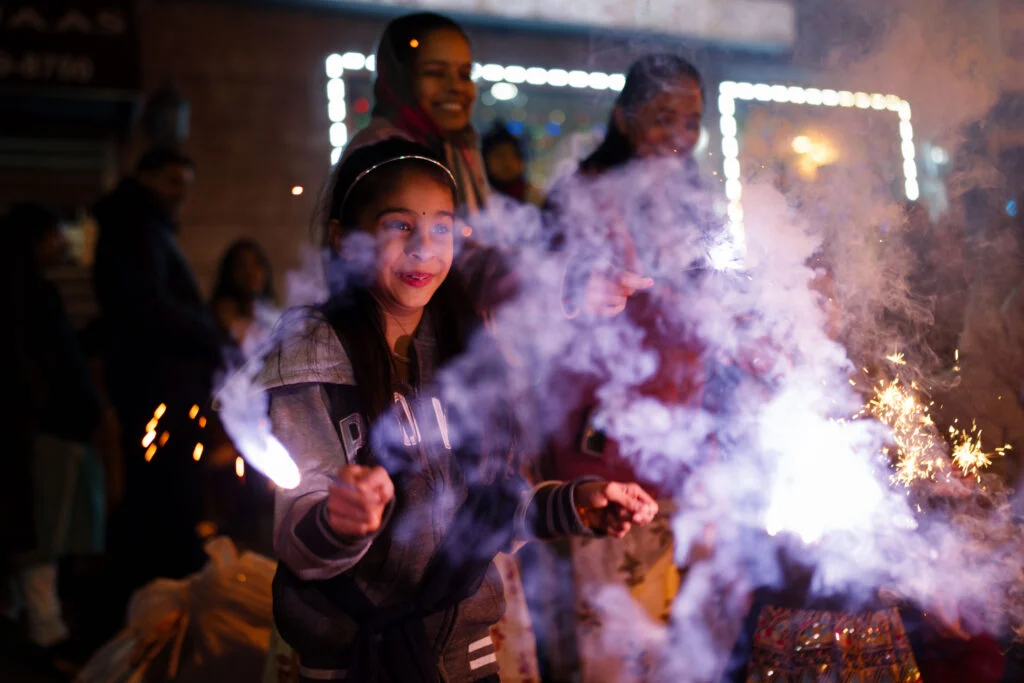
Diwali, universally recognized as the vibrant festival of lights, draws its name from the ancient Sanskrit term “Deepavali,” which translates directly to a “row of lights.” Observed annually by more than one billion individuals across the globe, the holiday stands as one of the most widely anticipated and extensively celebrated cultural events in India and throughout the global Hindu diaspora. Yet, beyond its prominent place in Hindu traditions, the festival holds deep significance for multiple religious communities, bridging diverse faith traditions through shared values of hope, renewal, and the ultimate victory of righteousness over malevolence.
The rich tapestry of the holiday extends far beyond a single religious narrative. Commemorations are observed not only by Hindus, but also by Sikhs, Jains, and select Buddhist communities. Across all these traditions, a unifying practice remains the ceremonial lighting of lamps, oil wicks, and lanterns to visually and spiritually signify the triumph of light over encompassing darkness, and the ultimate victory of good over evil. This shared symbolism serves as an annual reminder of moral resilience and spiritual awakening for communities worldwide, fostering a collective atmosphere of joy, reflection, and community solidarity.
Religious Diversity and Diwali
While the overarching themes of the festival are widely shared, the specific narratives and historical milestones commemorated vary significantly depending on regional geography, cultural heritage, and religious tradition. In her insightful article examining the multifaceted nature of the holiday, religion scholar Natasha Mikles explores the profound diversity of Diwali’s foundational stories. She notes that these varied accounts reflect unique theological and historical milestones cherished by different communities.
Among Hindus, a central narrative recounts the epic tale of Lord Rama—an earthly incarnation and avatar of the supreme deity Vishnu—alongside his triumphant return to Ayodhya after defeating the demon king Ravana. For Jains, the festival marks a profoundly solemn and joyful occasion commemorating the spiritual enlightenment and liberation of Mahavira, the twenty-fourth Tirthankara or spiritual teacher. Meanwhile, Sikhs observe the period to honor Bandi Chhor Divas, marking the historic day in 1619 when Guru Hargobind, the sixth Sikh Guru, secured the release of himself and 52 other imprisoned princes and rulers from the Gwalior Fort under the Mughal Empire.
Reflecting on these varied historical and theological touchstones, Mikles observes that the diverse origin stories of the festival collectively point toward a universal philosophical argument advanced by Indian culture. She writes that these accounts suggest goodness—whether manifested through the divine avatars of Lord Vishnu, the disciplined enlightenment of a Jain spiritual leader, or the courageous liberation of an imprisoned guru—will inevitably and necessarily triumph over the forces of darkness, demonic evils, systemic injustice, and spiritual ignorance.
Further exploring this multifaith dimension, organizations such as Hindus for Human Rights have highlighted the growing movement of collective, cross-cultural celebrations. Their ongoing commentaries and reflections on a multi-faith Deepavali underscore how communities from different backgrounds come together to honor the shared ethos of the holiday, finding common ground in the pursuit of social justice, human dignity, and mutual understanding.
Diwali Traditions and 2026 Dates
Just as the cultural and religious narratives surrounding Diwali are remarkably diverse, so too are the practices, rituals, and timelines through which the festival of lights is commemorated across the world. The observance often spans multiple days, each dedicated to distinct customs, domestic preparations, and spiritual devotions.
For many Hindu traditions, the celebration unfolds as a five-day festival. The observance commences with Dhanteras, which falls this year on Friday, November 6. This initial day is traditionally dedicated to thorough housecleaning, decorating living spaces with intricate floral patterns and colorful powders, and purchasing auspicious items such as utensils or precious metals to invite prosperity and wealth into the home.
The commemorations reach their spiritual peak with Lakshmi Puja, scheduled for Sunday, November 8. Widely regarded as the third and main day of the festival, Lakshmi Puja involves the formal worship of Goddess Lakshmi, the deity of wealth and auspiciousness. Families clean their homes meticulously, open doors and windows to welcome the goddess, and light traditional earthen lamps, known as diyas, while also making pilgrimages to local temples to offer prayers and seek divine blessings.
In several traditions, the festive sequence concludes on the fifth day, which falls on Tuesday, November 11. Known variously as Bhai Dooj, Bhai Tika, or Bhai Bij, this specific day is dedicated to honoring and celebrating the sacred, lifelong bond between brothers and sisters, with siblings exchanging blessings, gifts, and prayers for each other’s well-being and longevity.
The manner in which families and communities mark these days varies greatly. Some celebrations are characterized by vibrant public displays, including the lighting of dazzling fireworks, the sharing of rich traditional sweets, festive family gatherings, the wearing of new or fine garments, and communal worship. In contrast, other traditions and spiritual lineages prefer a more subdued approach, consciously avoiding loud displays or pyrotechnics to focus instead on quiet meditation, introspection, internal spiritual purification, and fasting.
Interfaith Resources and Stories
In recent years, the universal messaging of the festival has increasingly found a home in broader interfaith dialogues and public spaces. Tahil Sharma, an emerging leader within interfaith communities, has reflected extensively on Diwali’s enduring message of hope and social justice, recounting his memorable experiences attending official celebrations hosted at the White House. These public observances underscore the growing recognition of the holiday’s cultural significance in contemporary civic life.
The inclusive nature of the festival has also inspired creative adaptations among diaspora communities. Raja G. Bhattar, a former fellow and community organizer, has written about how domestic spaces frequently transform into inclusive sanctuaries during the holiday season. Describing past celebrations, Bhattar noted how a small apartment became a vibrant gathering space where individuals from Hindu, Muslim, Sikh, and Christian backgrounds came together to observe Deepavali, breaking bread and sharing in the festive spirit across religious lines.
Organizations continue to champion these cross-cultural connections through thematic campaigns. For instance, Hindus for Human Rights centered their interfaith messaging around the concept of "The Power of Light," emphasizing that the illumination of lamps serves as a shared, universal metaphor for breaking down religious and social barriers. As communities continue to navigate the complexities of modern pluralistic societies, the enduring traditions of Diwali offer a powerful reminder of humanity’s shared aspirations for light, justice, and enduring peace.