Navigating Childhood Social Dynamics: Janet Lansbury Explores How Boundaries and Trust Shape Peer Play
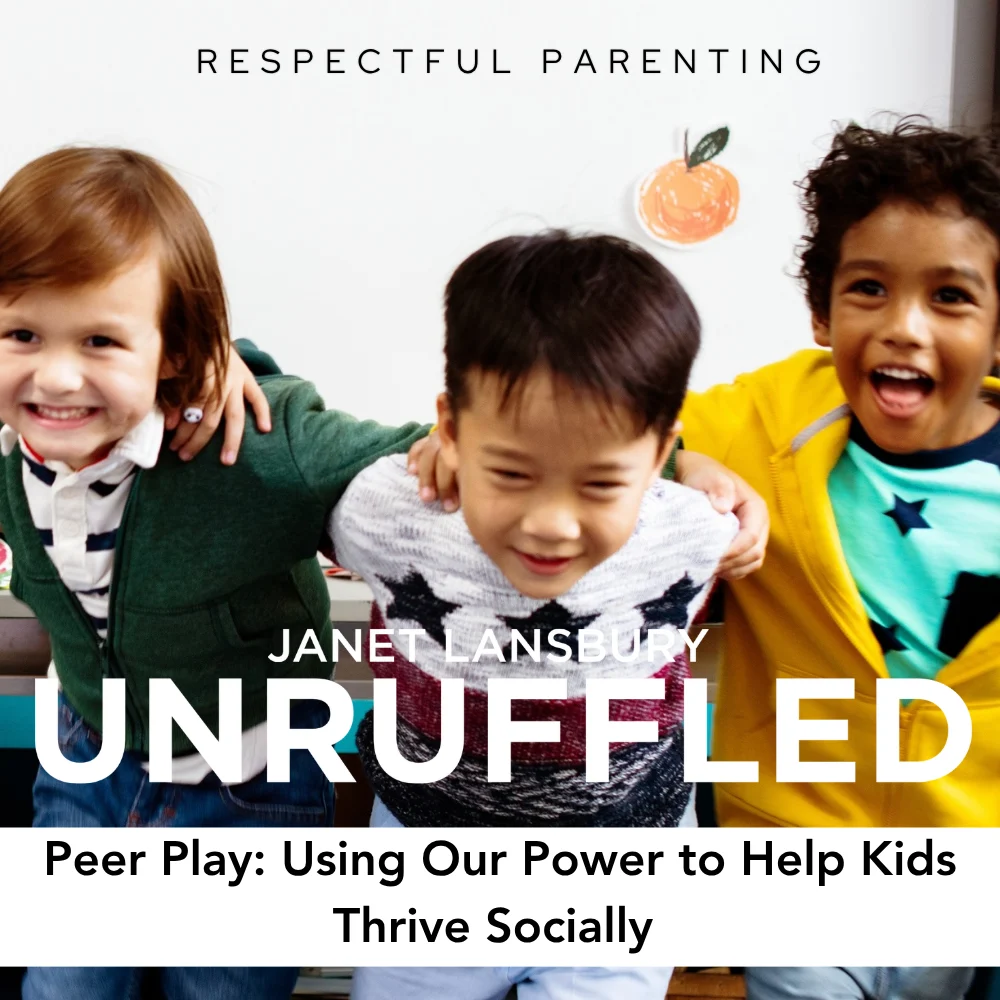
In the complex landscape of early childhood development, navigating peer interactions is often one of the most challenging hurdles for young children and their parents alike. Whether a 4-year-old struggles when friends refuse to follow rigid rules of play, a 3-year-old remains reserved around unfamiliar people, or a preschooler faces exclusion within a larger group, social dynamics can quickly become a source of parental anxiety. In a recent episode of her parenting podcast, Unruffled, early childhood expert and author Janet Lansbury addressed these common dilemmas, offering a fresh perspective on how parents might be inadvertently fueling these challenges and how they can pivot to foster genuine resilience, confidence, and social competence.
Analyzing messages from three distinct families, Lansbury highlighted a common thread: the fundamental desire of parents to help their children succeed socially. While conventional wisdom often points toward direct instruction, modeling kindness, or intervening to resolve playground disputes, Lansbury argued that the most effective parental influence operates beneath the surface. According to her approach, parents wield significant power not merely through direct teaching, but through the establishment of firm, reasonable boundaries and the difficult practice of truly trusting a child’s developmental process.
The discussion first turned to an email from a parent carrying the subject line "Help! Pretend play disaster." The mother described her imaginative 4-year-old daughter, who spends a vast majority of her day immersed in character play inspired by books, podcasts, and audio stories. While her boundless imagination is a hallmark of her age, a major friction point had emerged: the child demanded absolute compliance from her play partners, scripting every line and action. If a parent—or a friend—deviated by even a single word, the young girl would abruptly halt the game, express deep frustration, and insist on starting over from the beginning.
Although this exacting control manifested comfortably enough with her parents, the behavior had increasingly spilled over into peer interactions with neighbors and lifelong friends. When other children inevitably rejected these stringent directions, the interactions frequently ended in tears, leaving the parents caught in a loop of confusion after a full year of hoping the phase would naturally resolve.
Addressing this scenario, Lansbury noted that parents often fall into the trap of over-accommodating their child’s imaginative demands out of a desire to be supportive and encouraging. However, when a child’s demands in play become entirely unreasonable, it frequently signals an underlying call for a healthy, reasonable boundary from the adult. Lansbury explained that children often push boundaries to their absolute limits as a mechanism to process broader emotional experiences, such as adjusting to sibling dynamics—like the arrival of a younger sibling—or simply managing the overwhelming lack of control they feel in their everyday lives at age four.
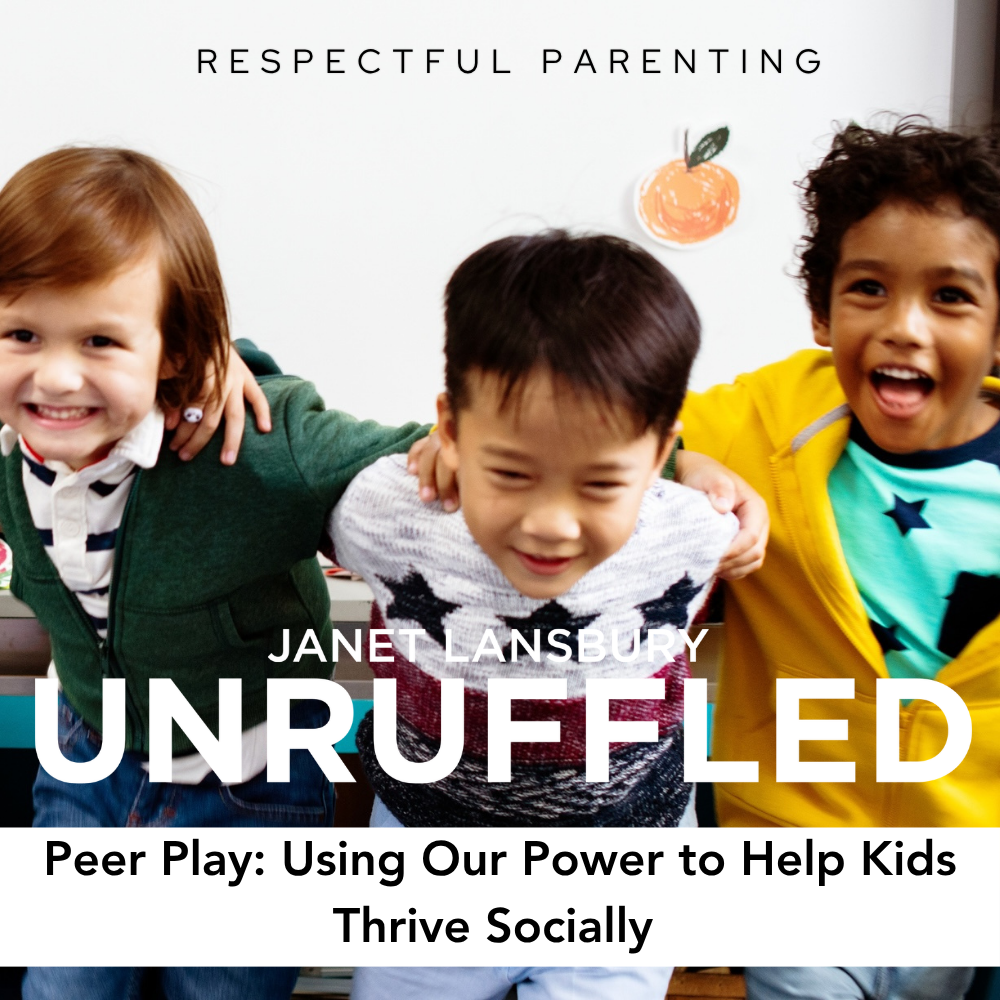
Rather than attempting to satisfy impossible demands or continuously explaining why the game isn’t fun, Lansbury advised parents to step back and reclaim their own autonomy. By recognizing personal discomfort and refusing to play along under rigid, dictatorial terms, parents establish vital modeling for how relationships function in the real world. This boundary-setting teaches children that peers and adults will not always acquiesce to their every demand, providing a safe container at home where the child can fully express disappointment, anger, or sadness without the parent trying to instantly fix or rescue them from those natural feelings.
The second parental message explored a related theme under the heading "How does respectful parenting approach bullying?" A mother of a 4.5-year-old girl shared concerns regarding playground dynamics where older preschool peers—who were a year ahead in school and developmental maturity—frequently excluded her daughter, casting her as a monster, running away, or engineering scenarios designed to upset her. While the child maintained healthy one-on-one friendships with these girls, group settings consistently left her vulnerable. The situation had grown complex enough that other parents had begun intervening, with one father successfully stepping in by establishing a rule that the group must include her daughter or face going home.
Lansbury cautioned against immediately categorizing such interactions as bullying, noting that the term is often applied too broadly to young children. She emphasized that a one-year age gap during the preschool years represents a substantial disparity in social-emotional development, making it entirely natural that older children might gravitate toward peers on a similar wavelength. Rather than viewing the situation as a crisis or casting the young girl as a victim, Lansbury advocated for stepping back from the urge to intervene or fix the group dynamic.
While gestures like the father’s ultimatum offered temporary inclusion, Lansbury suggested that such adult interventions ultimately bypass the child’s opportunity to navigate social realities independently. True growth, she argued, comes from allowing children to experience normal rejections, assess whether they want to participate in challenging group environments, and process their feelings afterward with a supportive parent who neither pities them nor treats ordinary social friction as an emergency.
The final inquiry, submitted via a brief Instagram Q&A, addressed how to help a reserved 3-year-old become comfortable around other people. Lansbury underscored that the guiding principle for a reserved child mirrors the philosophy required for handling peer exclusion: profound trust. Coaxing, prompting, or attempting to force a child out of their shell communicates a subtle message that their natural temperament is a flaw that needs correcting. Instead, Lansbury encouraged parents to honor their child’s timeline, allowing them to observe social situations safely from the sidelines while maintaining their own parental boundaries and unruffled presence.
Throughout the episode, Lansbury reiterated that while parents possess a profound capacity to influence their children’s social development, that influence rarely stems from immediate fixes or perfect scripts. By leaning into self-care, establishing clear and reasonable boundaries, and extending deep trust to their children’s unfolding experiences, parents can provide the steady foundation necessary for young children to navigate the intricate world of peer relationships on their own terms.
