Turning Pain Into Purpose: How Show Hope’s Medical Care Grants Are Lifting the Burden for Adoptive Families
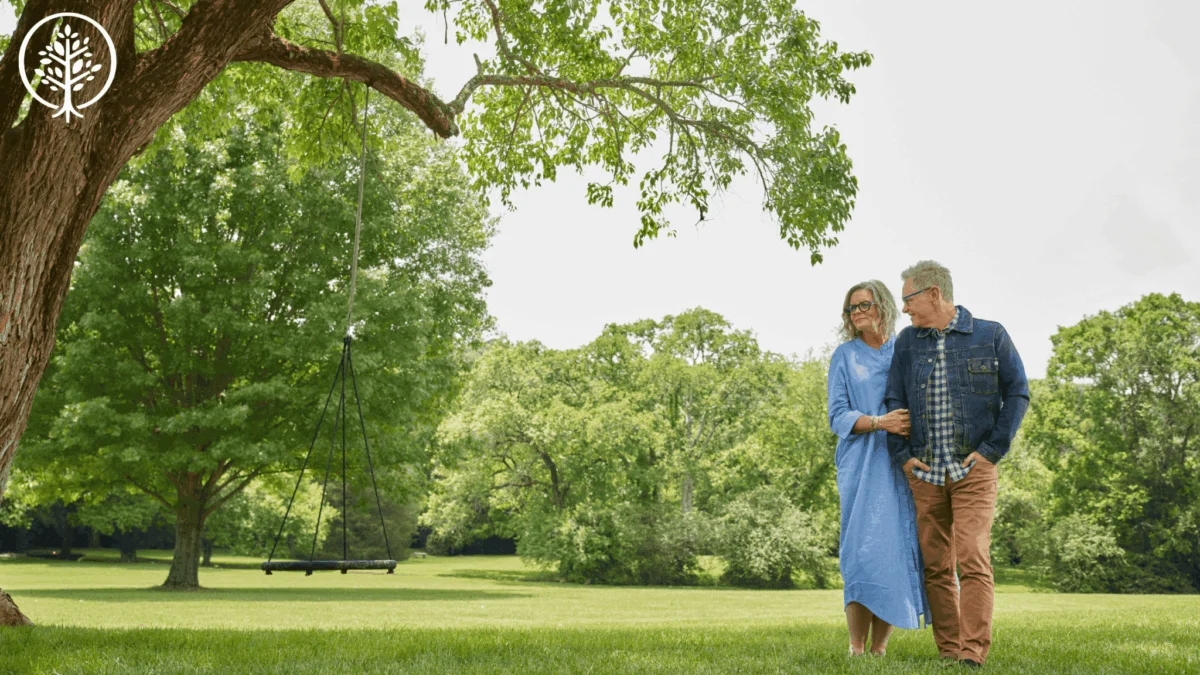
For Mary Beth Chapman, co-founder of the adoption advocacy organization Show Hope alongside her husband, Christian music artist Steven Curtis Chapman, sitting down to review applications for the organization’s Medical Care grants is an experience defined by overwhelming emotion. It is a moment that almost always prompts the same internal refrain: “I want to give them all the money for all the things!”
And she means it. If an observer were to sit in on one of those review meetings—if they could read the unfiltered stories and grasp the immense daily weight these adoptive families are carrying—they would likely echo the sentiment. The reality of caring for children with complex, specialized medical needs requires a level of endurance, advocacy, and financial sacrifice that few outside the community can fully comprehend.
The genesis of Show Hope’s Medical Care grants is rooted in a deeply painful and transitional season for the Chapman family. For more than a decade, Show Hope operated extensive programs in China, most notably Maria’s Big House of Hope and other specialized care centers. These facilities served as sanctuaries where children with acute medical needs were seen, known, loved, and cared for in memory of the Chapmans’ late daughter, Maria.
Over time, however, shifting political landscapes in China made operating these facilities increasingly difficult. Understanding the geopolitical reasons behind the shift did not soften the blow of the closure. Maria’s Big House of Hope was far more than a building; it was a living tribute to Maria where medical interventions met profound personal care, acting as the literal hands and feet of Jesus to vulnerable children. When that chapter abruptly closed, Mary Beth Chapman’s heart was shattered.
Left grappling with a profound sense of loss, she found herself searching for a path forward. What could they do now? How could they possibly continue this specific brand of hands-on, compassionate work?
The answer was waiting for them right on their own doorstep, embodied by the families already turning to Show Hope through the adoption aid programs.
The organization began looking closely at the families who had successfully welcomed a child home through adoption, only to step immediately into an intense, labyrinthine world of specialized healthcare needs. For these families, an adoption homecoming is rarely the culmination of a journey; in many ways, it is merely the starting line. Ahead of them lay endless medical appointments, complex surgeries, ongoing treatments, physical and occupational therapies, specialized equipment purchases, exhausting travel, and a barrage of intricate diagnoses.
Many of the medical conditions facing these children bear names so complex that everyday parents struggle simply to pronounce them. Yet, out of necessity and fierce love, these parents quickly learn the specialized language of medicine. They morph into tireless advocates, amateur researchers, frontline nurses, and impromptu physical therapists because that is precisely what their vulnerable children require to survive and thrive. They keep showing up, they keep loving unconditionally, and they continue stepping willingly into the hard, often frightening realities of chronic pediatric illness.
Recognizing this vast, unaddressed need, Show Hope asked a simple question: Why not begin right there?
In the autumn of 2020, the organization officially launched its Medical Care grants initiative, designed specifically to alleviate the crushing financial burdens associated with medical expenses for children who had been welcomed home through domestic or international adoption.
For Mary Beth Chapman, the work remains inextricably linked to the memory of her daughter Maria. On some days, the connection is vividly clear—she can see lives being directly transformed in memory of one little girl, witnessing something remarkably beautiful grow out of her family’s profound grief. On other days, the loss remains simply a loss, heavy and unyielding.
It is a duality of grief and beauty, pain and purpose, heartbreak and hope, existing all at once.
From the very beginning of Show Hope’s existence, Steven and Mary Beth Chapman resisted the temptation to pursue wide, superficial expansions designed merely to make a public splash or court worldly applause. Their foundational desire has always been to go deep with families, forging genuine, sustainable connections rather than fleeting engagements.
The Medical Care grants represent one of the most direct ways the organization fulfills that mission of deep-level support.
To a family receiving assistance, a grant can translate into something intensely practical and life-altering. It might be a specialized braille reader for a child navigating total blindness. It can fund a custom, lightweight wheelchair for a young athlete determined to actively participate in sports rather than watch from the sidelines. It routinely covers critical surgeries, extended hospital stays, cochlear implant procedures, intensive therapy sessions, or vital pieces of specialized medical equipment. Furthermore, these grants provide crucial access to eligible mental and behavioral healthcare for both the adopted child and the entire family unit as they process trauma and chronic stress.
Crucially, these grants are rarely designed as a one-time fix for a solitary problem. Many of the children served by the program—each recognized as being made in the image of God—live with ongoing, complex, and lifelong medical requirements.
Recognizing this reality, Show Hope structured the program so that families are eligible to reapply for subsequent Medical Care grants every three years until their child turns 18. The organization understands fundamentally that a child’s medical needs do not simply vanish after a single procedure, a solitary treatment cycle, or one awarded grant.
While the foundation cannot magically erase every difficult hurdle from an adoptive family’s journey, the goal is to make the heavy load a little lighter and the arduous road feel a little less lonely. It is designed to send a clear, tangible message to a weary mother or father in the trenches of caregiving: You are not carrying this entirely by yourself. We see you, and we want to walk beside you.
In the eyes of the organization’s leadership, these everyday adoptive parents are the true heroes of the narrative. They are the ones who genuinely deserve public recognition and applause, not the organization itself.
Humbly, these parents reach out and ask for help because their primary commitment is doing whatever it takes to secure health and well-being for their children. They keep staying the course, even when the path stretches out indefinitely, the answers remain elusive, and the future is uncertain. They continue stepping into the daily challenges with remarkable courage, steadfast faith, and a rare, resilient kind of love.
To sustain this vital outreach, Show Hope is calling on the broader community to step forward and lend support.
For parents currently navigating the journey of raising a child welcomed home through adoption, the organization strongly encourages them to explore the available Medical Care grants and consider submitting an application. Leadership urges families not to assume that their child’s specific need is somehow too insignificant, or that another family is somehow more deserving of assistance. The Show Hope team stands ready to walk alongside applicants through every phase of the process.
Additionally, the organization asks anyone who knows an adoptive family to share information about the resource, noting that many families carry heavy burdens and financial struggles behind closed doors that friends and neighbors may know nothing about.
Beyond financial giving, Show Hope calls for ongoing prayer for these children and their families—specifically requesting petitions for daily strength, practical wisdom, adequate provision, long-term endurance, and enduring hope.
For those in a financial position to contribute, donations directly fund tangible resources in the lives of vulnerable children. Generosity can quickly transform into a braille reader, a custom wheelchair, a life-saving surgery, specialized medical equipment, vital therapy, or much-needed access to mental healthcare. Ultimately, these contributions help a strained family draw a collective breath of relief and keep moving forward.
Mary Beth Chapman maintains that if anyone could sit alongside her for a single grant review meeting and witness the raw realities of what these families face, they would undoubtedly feel the same pull. If they could see what she sees, they would want to give generously as well—living out the impulse to provide all the money for all the things, and together, making the road just a little bit easier to travel.
