As the United States approaches its historic 250th anniversary, the broader national conversation continues to center on the foundational ideals that have shaped the country for two and a half centuries. The story of America is fundamentally a story of many diverse people seeking the freedom to worship, live, and express themselves differently, while simultaneously sharing a common, binding commitment to justice and the rule of law. For Sikh Americans, this ongoing narrative holds a particular and profound resonance. Emerging from a spiritual and cultural tradition that emphasizes the inherent dignity of every human being, equality, selfless service, and the moral courage to stand against injustice, Sikhi offers a distinctive perspective on pluralism, religious liberty, and democratic society. These deeply held values not only define the Sikh American experience but also provide vital lessons as the nation reflects on its past and looks toward its future.
Pluralism in a democratic society is frequently misunderstood as merely the passive existence of different religions and cultures living side by side. However, true pluralism is the active recognition that these differences can actually strengthen a democratic society rather than fracture it. Sikh teachings strongly emphasize the fundamental unity and dignity of all humanity, explicitly rejecting social distinctions based on caste, status, wealth, or background. This principle is vividly embodied in the practice of langar, the communal meal served across gurdwaras worldwide. In this tradition, everyone sits together on the floor and shares the exact same food, regardless of their wealth, race, religion, or social position. Within the space of the langar, no human being is considered more worthy or superior to another, modeling an egalitarian ideal that translates directly into civic life.
This steadfast commitment to equality also fundamentally shapes the Sikh understanding of religious liberty. Sikh history carries a profound, generational awareness of the vital importance of defending the religious freedom of others, even at great personal cost. One of the most powerful and defining examples in Sikh history is the martyrdom of Guru Tegh Bahadur, who willingly gave his life to defend the religious rights and freedom of Kashmiri Hindus, despite being a Sikh leader himself. His ultimate sacrifice imparts a timeless lesson: true religious liberty cannot be meaningful or secure if it is reserved exclusively for one’s own community. In a healthy democracy, the liberty of any single religious community should never depend upon restricting the liberty of another. This philosophy represents Sikh pluralism actively at work in the world.
Beyond philosophical contributions, Sikh Americans bring a powerful and active tradition of seva, or selfless service, into the broader American civic conversation. Across the country, Sikh gurdwaras and community organizations have consistently mobilized to respond to natural disasters, food insecurity, homelessness, and a wide array of other urgent community needs. For many Americans, encountering Sikh volunteers serving warm, free meals during times of crisis has been an introduction to the core values of the faith. This vibrant spirit of service serves as an essential civic asset. A healthy democracy fundamentally depends upon citizens who recognize their active responsibilities toward their neighbors, bridging divides through tangible acts of care and compassion.
Yet, alongside these contributions, Sikh Americans have also experienced the difficult, sometimes painful realities of pluralism in the United States. Sikh communities and gurdwaras have faced targeted violence, discrimination, and deep emotional trauma, with incidents notably spiking in the wake of the September 11 attacks. Beyond high-profile acts of hostility, daily challenges persist. Sikh truck drivers have frequently reported workplace harassment, along with persistent concerns regarding immigration enforcement and rigid language-testing requirements. Sikh students who wear religious articles of faith, such as Patkas or turbans, continue to encounter discrimination and bullying within K-12 schools. Furthermore, Sikh Americans have faced ongoing hurdles related to maintaining turbans and beards while serving in the United States armed forces and when navigating security screening procedures at airports and federal facilities.
These complex experiences serve as a stark reminder that robust religious liberty is not self-sustaining; it requires continuous education, institutional commitment, and broad societal solidarity. Organizations such as the Sikh Coalition have worked tirelessly for years to address these systemic challenges. Their initiatives include advocacy to increase the accurate representation of Sikh identity, history, and culture in K-12 social studies curricula, the development of comprehensive educational resources to stop bullying in schools, and the provision of vital legal representation for Sikh individuals, communities, and commercial truck drivers facing discrimination. Education remains a critical cornerstone of this work, as deeper understanding is frequently the indispensable first step toward replacing prejudice and discrimination with genuine respect.
The 250th anniversary of the United States offers a vital national opportunity to examine and address the persistent gap that can exist between lofty American ideals and the lived daily experiences of its diverse populations. For Sikh Americans, one of the most pressing and important challenges is ensuring that their community is recognized as fully and deeply a part of the American fabric as any other long-standing group.
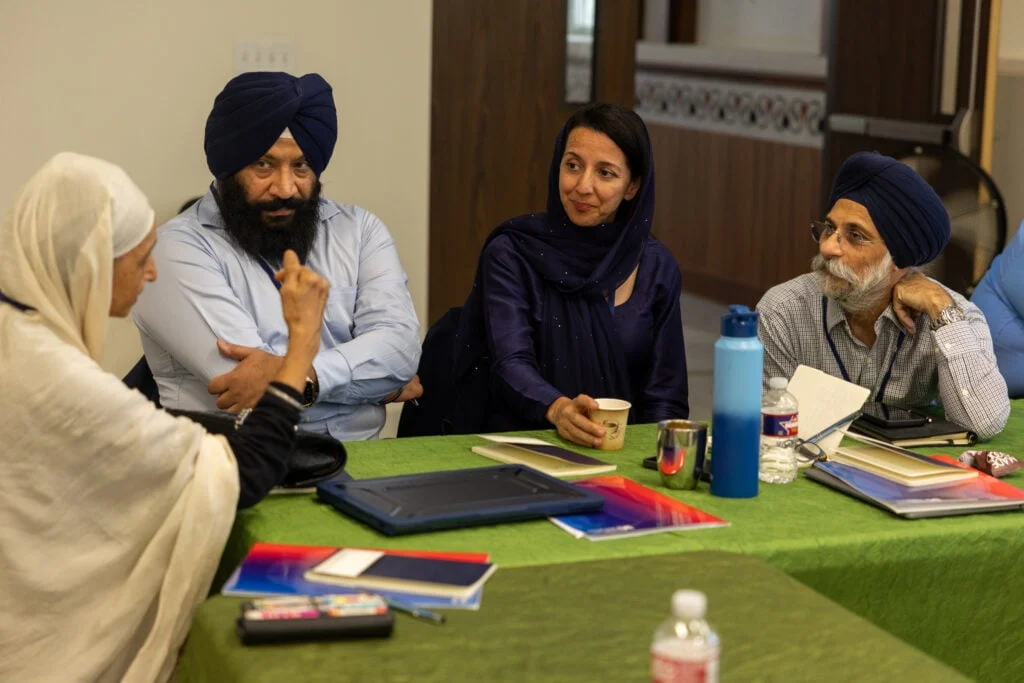
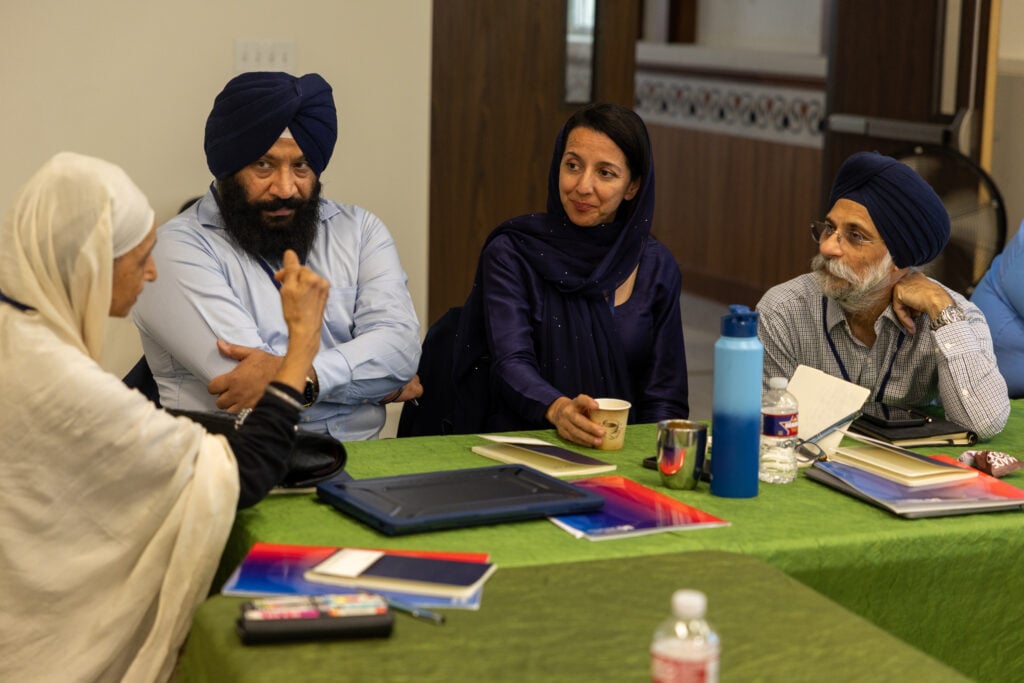
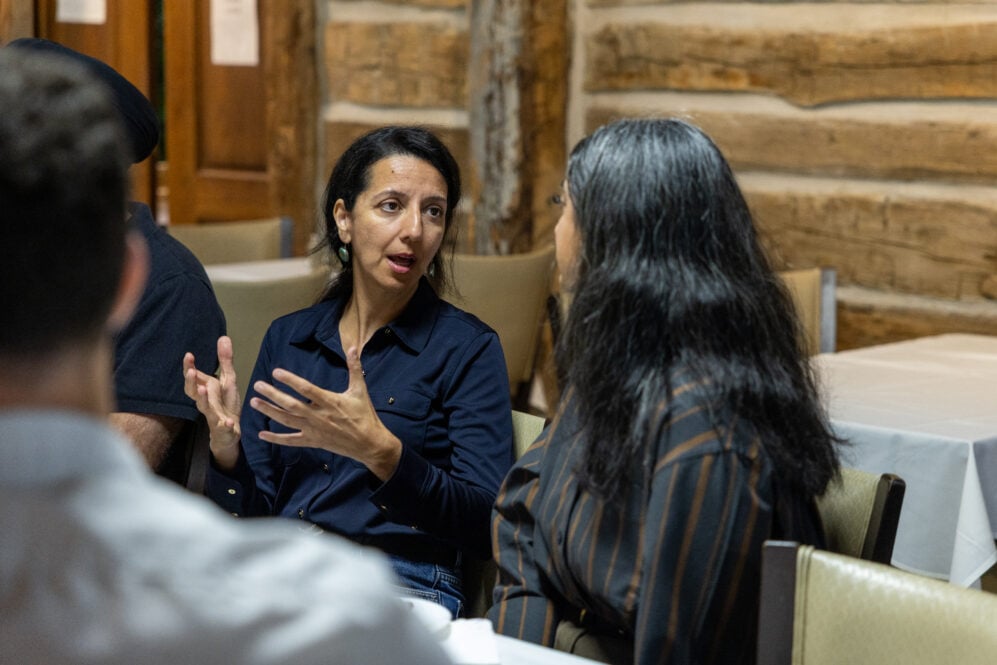
During a recent roundtable discussion held as part of a faith-specific convening, community members and leaders gathered to explore these very themes. Participants discussed the ongoing need to create more opportunities for meaningful conversation and education surrounding religion, democracy, and civic life, acknowledging that true pluralism requires constant, intentional effort. This work means striving to build a society where younger generations of Sikh Americans can see their faith, identity, and heritage as an undisputed, natural component of the broader American experience—rather than something they must constantly defend against repeated misunderstanding or discrimination.
Hearing the heartfelt experiences and perspectives of community leaders who traveled from different states across the nation has proven deeply empowering for many within the movement. Their shared stories demonstrate conclusively that the Sikh American experience is not defined by a single narrative, but rather by many diverse stories connected by a common set of values: justice, perseverance, religious freedom, active civic participation, selfless service, equality, and an unwavering willingness to stand up for the rights of others.
As the United States marks two and a half centuries of independence and nationhood, the Sikh community embraces the opportunity to help expand the national understanding of what it truly means to belong. Core Sikh teachings remind the public that pluralism requires far more than passive tolerance. It demands actively recognizing the profound dignity of others, serving the wider community without expectation of reward, and defending fundamental freedoms even when doing so benefits someone whose beliefs differ from one’s own.
Ultimately, the story of Sikh Americans is an integral and inseparable part of the larger American story—a narrative defined by faith, service, perseverance, and the ongoing, collective pursuit of justice.
These dialogues take on added significance through initiatives like Interfaith America’s Faith-Specific Convenings, which operate during the nation’s 250th year to bring together specific communities of faith and conscience. Through intra-faith and interfaith dialogue, these gatherings examine the rich history and future trajectory of religious liberty and pluralism across diverse American traditions, ensuring that the diverse voices shaping the nation’s past continue to guide its democratic future.
For many individuals standing at a professional or personal crossroads, the desire for profound life transformation often collides with heavy practical realities. People frequently seek out structured, nature-based programs to escape the mental clutter of modern routines, yet find themselves hesitating due to financial constraints, geographic hurdles, or the daunting prospect of taking a career sabbatical. Among the institutions addressing these transitions is the Wilderness Awareness School, which offers a flagship program designed to foster deep resilience, leadership, and ecological connection.
The program, known simply as The Immersion, attracts participants from diverse backgrounds who arrive each fall ready to commit to a transformative journey of personal growth and graduate in the spring equipped with renewed focus. As alumni frequently report, the experience serves as a powerful catalyst for clearing away mental stagnation. Reflecting on his time in the 2019 cohort, a former student named Sam captured the sentiment shared by many participants, noting that he had become stuck in his daily life before enrolling, and that taking part in the curriculum successfully removed a significant amount of the mental gunk holding him back.
Despite the compelling testimonials and the promise of personal empowerment, prospective students regularly confront tangible obstacles that threaten to derail their plans before they even begin. Admissions counselors at the Wilderness Awareness School frequently engage with applicants who are eager to participate but feel overwhelmed by the hurdles of funding, relocation, and stepping away from established careers or family obligations. Recognizing these barriers, the organization highlights several practical pathways designed to help determined individuals bridge the gap between their current circumstances and their educational goals.
Financial Considerations and Tuition Support
The question of affordability remains one of the most prominent concerns for individuals considering an extended residential program. Program tuition is rarely an easy expense to absorb, particularly for those transitioning away from full-time employment or seeking a fresh start. However, program organizers emphasize that determination and creative problem-solving can serve as powerful tools for overcoming financial deficits.
To assist qualified applicants, the Wilderness Awareness School offers a scholarship program with awards ranging from $500 to $3,000. These financial awards are made possible through the generosity of supportive donors who believe deeply in the transformative power of The Immersion and its broader impact on the future of nature connection and environmental stewardship.
In addition to scholarship opportunities, participants can utilize flexible payment plan options. Many students choose to structure their tuition payments in quarterly or monthly installments. This financial flexibility allows individuals to maintain part-time employment while actively participating in the program, blending their educational pursuits with the practical necessity of earning an income during their studies.
Navigating Relocation to the Pacific Northwest
For applicants living outside the region, the prospect of picking up their lives and moving to the majestic forests of the greater Seattle area presents an entirely different set of challenges. The Pacific Northwest is renowned for its breathtaking natural landscapes, but the cost of living in the surrounding region is notoriously high, often creating hesitation among prospective out-of-state enrollees.
To address housing hurdles, a significant number of Immersion students adopt collaborative living arrangements. Participants frequently coordinate with one another to find shared housing, a process that not only reduces individual living expenses but also helps forge deeper, more enduring bonds among classmates. Beyond student-led housing arrangements, the school benefits from a supportive community of alumni and local elders who frequently have rooms available for rent.
Other participants embrace alternative housing models, leaning into the resourceful spirit often cultivated by outdoor education programs. Some students pursue the popular "van life" lifestyle, while others settle into cozy nearby yurts or tiny houses, successfully tailoring their living situations to fit both their budgets and their connection to the natural environment.
Managing Life Sabbaticals and Career Breaks
Leaving a steady job or moving away from immediate family members can evoke considerable anxiety. For many adults, the idea of pressing pause on a professional career path feels risky in a competitive job market. Yet, leadership at the Wilderness Awareness School points out that a career sabbatical need not be viewed as a professional setback.
Data and observations from past cohorts indicate that graduates of The Immersion emerge with substantially improved communication skills, better emotional balance, and an enhanced ability to remain centered under high-stress conditions. Far from detracting from a resume, these interpersonal and psychological competencies are highly sought after by employers across a wide spectrum of industries. Alumni have gone on to build diverse and fulfilling careers in fields ranging from environmental education and conservation to leadership development and community organization.
Furthermore, the physical separation from family—often a major deterrent for applicants—is accommodated by the program’s schedule. The curriculum incorporates several extended breaks throughout the academic year, providing students with dedicated time to travel back home, visit loved ones, and demonstrate their newfound skills and personal growth in person.
Whether observing wildlife during field excursions, such as a memorable trip where the student "Frog Clan" spotted a Great Horned Owl during an Eastern Washington sunset, or working through personal challenges on campus, participants are continually encouraged to look beyond temporary limitations. Prospective students interested in exploring enrollment options, reviewing financial aid availability, or scheduling a direct conversation with the admissions team can access further information through the official Wilderness Awareness School admissions portal.
For many prospective parents, the journey toward welcoming a child through adoption is filled with profound hope, rigorous preparation, and emotional dedication. However, it is also frequently met with a formidable obstacle that can stall or even halt the process entirely: the escalating financial burden of adoption fees. Recognizing that financial constraints remain one of the primary barriers standing between waiting children and permanent, loving families, organizations continue to step forward to bridge the gap. Among these vital resources, Show Hope’s Adoption Aid grants have long played a critical role in helping families navigate the complex and costly landscape of domestic and international adoption.
Show Hope is reminding prospective adoptive parents of the importance of early preparation as the organization continues its ongoing grant application cycles. With financial needs varying depending on the unique path of each adoption journey, current Adoption Aid grants range anywhere from $8,000 to $12,000. These substantial awards are designed to cover approximately 25% to 35% of the total costs associated with the adoption process, offering much-needed relief to families who might otherwise struggle to cross the financial finish line.
The rising cost of adoption has been well-documented by child welfare advocates and financial experts alike. From home studies and legal fees to dossier compilation, agency placement fees, and travel expenses, the cumulative expenditures can quickly reach tens of thousands of dollars. For many middle-income families, these expenses represent a daunting mountain to climb, often requiring years of saving, fundraising, or taking on specialized loans. Show Hope’s grants are specifically tailored to alleviate a portion of this heavy financial weight, allowing families to focus more energy on the emotional and relational preparations required to bring a child home.
To ensure that applicants are well-prepared when the time comes to seek financial assistance, leadership at Show Hope emphasizes the value of proactive organization. Before even opening the digital doors to the Show Hope Adoption Aid application portal, prospective applicants are encouraged to spend dedicated time gathering all the necessary documentation, financial records, and personal statements required for submission. Taking these preliminary steps well in advance helps prevent last-minute rushes and ensures that the application accurately and comprehensively reflects the family’s readiness and financial need.
The application process itself requires careful attention to detail, as grant committees review numerous submissions during each funding cycle. By taking the time to compile tax returns, adoption agency estimates, personal references, and narrative essays beforehand, applicants can experience a significantly smoother and less stressful application process. This foundational preparation not only benefits the applicants by reducing administrative friction but also allows the evaluation teams to review submissions efficiently and thoroughly.
For families planning their timelines, Show Hope operates on a consistent schedule with four distinct application deadlines throughout the calendar year. These firm submission windows fall on January 5, March 31, June 30, and September 30. Because the review cycles are tied directly to these dates, prospective parents must align their adoption milestones—such as having an approved home study or working with a recognized agency—with the appropriate quarterly deadline.
As families across the nation continue to pursue their dreams of building or expanding their households through adoption, organizations like Show Hope remain steadfast in their commitment to supporting them through both financial resources and community encouragement. The journey is undeniably challenging, but with the support of dedicated aid programs, thousands of waiting children have found stability, love, and permanence in safe homes.
Show Hope extends its encouragement to all prospective parents navigating this path, expressing strong support for every family preparing to take the next step. Individuals seeking further details regarding eligibility requirements, documentation checklists, or the overarching mission of the organization are encouraged to review the comprehensive resources available online. Additional information and access to the application portal can be found directly through the official Show Hope platform at showhope.org/adoptionaid.
In the quiet hours of reflection common to modern parenting, many homeschooling educators find themselves wrestling with an invisible standard of perfection. For Jamie C. Martin, founder of Simple Homeschool and author of Introverted Mom, that standard often takes the shape of a fictional counterpart—a homeschooling mother who lives rent-free in her imagination, effortlessly managing every curriculum, schedule, and emotional hurdle without ever missing a beat.
This idealized figure does all the right things, executing lesson plans with military precision while remaining entirely unfazed by emotion, external circumstance, or the unpredictable moods of children. Her educational trajectory runs in a straight, forward-moving line of uninterrupted progress.
"She is my hero, though I also despise her," Martin writes, capturing a sentiment familiar to countless parents navigating the complexities of education at home.
The reality for most families, however, looks vastly different. Martin notes that while moments of seamless inspiration occasionally break through, real life inevitably reclaims the spotlight. Technical glitches, personal exhaustion, behavioral challenges, and external disruptions quickly shatter the illusion of flawlessness. Yet, despite these inevitable imperfections, educators and parents remain firmly on track, proving that perfection is not a prerequisite for meaningful education.
When difficult seasons arise, parents may not be able to offer an idealized version of education, but they continue to provide their personal best—an offering that carries profound value in its own right.
Navigating the Seasons: Fields Versus Walls
To better understand the shifting demands of parenting and education, Martin draws upon an insightful analogy shared by her friend and fellow author Lisa Grace Byrne. The framework visualizes the journey of family life and education not as a single, uniform path, but as a dynamic landscape that changes dramatically over time.
In certain favorable seasons, the journey resembles a leisurely walk across a flat, grassy meadow. Ground is covered smoothly and efficiently, with measurable progress achieved one steady step at a time. Lessons flow easily, children grasp concepts quickly, and the home environment feels balanced and harmonious.
However, other seasons bring families to the edge of the meadow, where a steep, towering rock wall blocks the horizon. Turning back is neither practical nor desirable, leaving only one option for continued movement: climbing. This ascent requires slow, deliberate grips and cautious footholds, accomplished against gravity and resistance.
While progress still occurs during these challenging phases, it bears no resemblance to the effortless stroll through the grassy meadow. The best energy, patience, and resources a family can offer during a peaceful season look drastically different from the survival-mode resilience required when scaling literal or figurative walls.
During periods marked by chronic health struggles, the arrival of a newborn, the steep learning curve of a new homeschooling journey, or the grief of losing a loved one, the nature of daily life shifts entirely. Parents are inevitably forced to play the cards they have been dealt, adapting their educational approaches to match their unique circumstances.
Embracing Grace and Personal Strength
When external pressures mount and resources run thin, acknowledging personal limitations becomes essential. Rather than surrendering to despair or burnout, educators are encouraged to lean into grace and recognize that faithfulness consistently outweighs manufactured perfection.
This perspective echoes the philosophy of notable figures in parenting and education. Mother Teresa famously observed that humanity is called to faithfulness rather than guaranteed success, a sentiment that resonates deeply within the homeschooling community. Similarly, author Sally Clarkson has noted that worrying about tomorrow effectively robs the present day of its joy—a message parents strive to shield their children from experiencing.
During demanding climbing seasons, experienced educators often return to foundational literature, seeking wisdom and perspective from established voices in the homeschooling space. Authors such as Suzie Andres, who emphasizes the cultivation of a lifelong love of learning over the pursuit of a complete or flawless education, offer valuable anchors for parents navigating self-doubt.
Moreover, the weight of responsibility and educational insecurity is not unique to homeschooling families. Conscientious parents across all educational models—whether public, private, or alternative—frequently confront internal fears regarding their children’s futures. Writing down and comparing these anxieties often reveals that doubts persist regardless of the schooling environment, freeing parents from the burden of comparison.
Beyond managing challenges, educators are encouraged to recognize the hidden value of their natural strengths. Traits that seem entirely normal to the parent—such as a deep love for reading, a calming presence, or a talent for outdoor exploration—shape the home environment in ways traditional classrooms rarely replicate. As Sarah Mackenzie points out in Teaching from Rest, cultivating a peaceful and happy home requires understanding one’s innate strengths and weaknesses rather than forcing adherence to rigid templates like elaborate dioramas or picture-perfect projects.
Ultimately, Martin suggests that the ideal, flawless educator residing in the imagination is ultimately unnecessary. Children do not need an omniscient expert who has mastered every aspect of pedagogy; they need a compassionate guide willing to walk beside them, acknowledge difficulties honestly, and encourage them to keep moving forward.
In that light, a parent’s broken, imperfect best may very well turn out to be the absolute best they could ever provide.
In the complex landscape of bereavement, discussing personal growth after tragedy remains one of the most delicate challenges a person can face. For decades, individuals navigating profound loss have wrestled with a quiet paradox: the realization that deep trauma can sometimes yield profound internal shifts, even though no amount of personal development could ever justify the loss of a beloved family member or friend.
Andy McNiel, a veteran bereavement support professional, author, and the Chief Executive Officer of The Compassionate Friends, has spent nearly three decades examining this intricate dynamic. According to McNiel, while personal growth does not erase grief, it can serve as a vital anchor for those seeking to navigate the turbulent aftermath of tragedy. The fundamental reality of bereavement is that it alters a person’s existence entirely. Grief is not a temporary condition to be cured, nor is it a medical disorder or a social problem to be resolved. Instead, it is a deeply human experience—a matter of the heart that must be felt, carried, and lived alongside for the remainder of one’s days.
Understanding Post-Traumatic Growth
The intersection of tragedy and personal transformation is not a novel concept; it has long captured the attention of researchers, psychologists, and authors. In the mid-1990s, psychologists Dr. Richard Tedeschi and Dr. Lawrence Calhoun established the foundational framework for Post-Traumatic Growth (PTG). Their extensive research provides a vital context for understanding how individuals can experience positive psychological changes following traumatic events and profound losses.
Tedeschi and Calhoun categorized these transformative experiences into five distinct domains: an increased appreciation for life, more meaningful relationships with others, a heightened sense of personal strength, spiritual development, and the discovery of new possibilities in life. However, the researchers emphasize a crucial distinction: while personal growth is entirely possible in the wake of profound loss, it is never an inevitable byproduct of trauma.
Change, on the other hand, is entirely guaranteed. Grief is a fundamentally life-altering, transformational experience that creates an undeniable divide between the past and the present. Survivors do not simply return to the lives they led before their loss; rather, they land in a completely different reality. This transformation reshapes how individuals perceive the world, view their relationships, prioritize their values, and define their ultimate sense of purpose and meaning.
While change happens to the bereaved, growth is an entirely different matter. Growth is an outcome born of personal agency and the deliberate choices individuals make amid the overwhelming and transformative experience of grief.
Agency, Mindset, and the Reality of Pain
Research into Post-Traumatic Growth demonstrates that discovering strength after tragedy is closely tied to individual choices regarding mindset, self-care practices, and coping mechanisms. Yet, these choices are rarely uniform, and they fluctuate wildly depending on the moment and the stage of grief.
In the early stages of a profound loss, the physical and emotional toll can be entirely debilitating. For many, survival itself requires every ounce of available energy. Simply feeling the pain of the loss, remembering to breathe, and holding on through the darkest hours is often all that a person can manage. There is no step-by-step manual or rigid roadmap for carrying grief while simultaneously practicing effective self-care. It is almost always a messy, painful, hard-fought, and deeply personal journey.
Dr. Joanne Caciatore—a bereaved mother, researcher, author, and trainer—captures this reality by noting that grief is fundamentally an experience of the heart rather than a clinical crisis to be fixed. Because grief and growth can—and frequently do—co-exist, the presence of personal strength does not replace or diminish the agony of the loss. Growth does not cancel out sorrow; instead, it can provide individuals with the emotional and mental fortitude required to carry their grief, reinvest in daily life, discover new meaning, and build resilient relationships with others.
Intentional Daily Choices and the Power of Small Steps
Because the intensity of grief operates on its own timeline without an expiration date, experts stress the importance of self-compassion. Survivors are frequently urged to avoid judging themselves harshly for how they manage their sorrow. Yet, even within the heaviest fog of grief, small choices can gradually influence how the transformation unfolds.
Being intentional and deliberate about daily choices serves as a foundational starting point. Grief drains emotional reserves, occupies the mind, weighs heavily on the spirit, and zaps physical energy, particularly during the initial months and years. Consequently, intentionality can look vastly different depending on the day. On some occasions, a deliberate choice might be as fundamental as getting out of bed, stepping outside for a moment of fresh air, or listening to a piece of music. On other days, it might involve accepting an invitation for coffee with a friend, taking a brief walk, or simply pausing to watch the sunrise or sunset.
When motivation and brain power are severely limited, focusing on lofty goals or long-term plans can feel counterproductive. Instead, experts suggest narrowing the focus to the immediate moment—deciding what to do in the next hour or even the next minute. These seemingly minor choices often accumulate an unexpected and profound impact over time.
The Vital Role of Supportive Communities
In addition to daily intentionality, finding the right community plays an essential role in navigating the aftermath of loss. While solitude can sometimes offer temporary solace, prolonged isolation often deepens suffering. Many grieving individuals discover that their existing social circles shift or fracture in the wake of tragedy. People who have not experienced a similar loss often struggle to comprehend the reality of profound grief, sometimes saying or doing things that inadvertently alienate the bereaved or strain relationships.
At the same time, maintaining connections with understanding individuals remains critical. A particularly powerful form of support often comes from peers who have walked a similar path. The history of The Compassionate Friends reflects this truth. The movement was founded by Reverend Simon Stephens, a hospital chaplain who observed that bereaved parents he counseled were uniquely equipped to support one another in ways he could not, precisely because he had not experienced the death of a child. Peer support validates the shared human experience of sorrow, helping individuals bear a weight that can feel impossible to carry alone.
Organizations like The Compassionate Friends provide structured networks where families can connect, access helpful educational resources, share the memories of their loved ones, and find compassionate community support.
Moving Forward at Your Own Pace
For those currently navigating the complexities of bereavement, professionals consistently emphasize the importance of patience. Grief alters the trajectory of a person’s life, and ignoring external pressures to "move on" or heal quickly is essential to the healing process. There are no right or wrong ways to grieve, and setting an individual pace remains paramount.
As energy and capability permit, survivors are encouraged to explore small acts of self-care, adopt gentle coping strategies, and lean on the shared wisdom of others who have walked similar paths. By reading, researching, and sharing insights when ready, individuals can discover what works best for their unique circumstances, ultimately lighting a path forward for themselves and potentially offering comfort to others along the way.
When most people contemplate the vast array of creative work, time, and dedication that goes into crafting a beloved children’s book, research rarely occupies the top spot on the list. In fact, for many casual readers, the meticulous process of fact-checking, historical exploration, scientific investigation, and cultural immersion does not make the list at all. Readers are naturally drawn to the vibrant illustrations, the whimsical characters, and the rhythmic flow of the narrative, often overlooking the extensive foundational groundwork required to bring those stories to life.
However, behind every memorable picture book, middle-grade novel, or early reader lies a dedicated process of inquiry. Far from being a dry or purely academic exercise, research is frequently an essential, dynamic, and deeply creative part of the publishing journey. Industry professionals often find that digging deep into a subject not only ensures factual accuracy but also sparks entirely new creative directions, shaping plots and characters in unexpected ways.
In a recent episode of the Read-Aloud Revival podcast, titled "Sparking Creativity with Research," host Sarah Mackenzie dives directly into this hidden facet of children’s literature. Featuring conversations with a lineup of incredible authors and illustrators, the episode explores the surprising, time-intensive, and sometimes overwhelming, yet frequently delightful tasks that shape the books children love to read and hear aloud.
Uncovering the Unexpected Realities of Authorial Investigation
For aspiring authors, curious readers, educators, and parents alike, the latest podcast installment offers a fascinating look behind the curtain of the publishing world. While readers might assume that fiction writers simply invent worlds out of thin air, the reality is far more nuanced. Even the most fantastical stories often require grounding in real-world details, animal behaviors, historical periods, or specialized terminology.
The episode highlights how creative professionals approach the blank page not just with imagination, but with curiosity. Authors and illustrators share personal anecdotes detailing the lengths they go to in order to get a story right. Whether it involves visiting specialized archives, interviewing experts in various scientific and historical fields, walking the cobblestone streets of a historical setting, or meticulously studying the anatomy of a specific creature, the investigative phase of writing proves to be a cornerstone of quality children’s literature.
Throughout the conversation, the podcast emphasizes that research is not merely a chore designed to correct mistakes after a manuscript is finished. Instead, it is portrayed as a vital catalyst for creativity. Discovering an obscure historical fact or an unusual scientific phenomenon can completely transform a narrative arc, giving an author the exact spark they need to breathe life into their characters.
Bridging the Gap Between Reading and Meaningful Conversation
The release of this episode coincides with ongoing efforts by the Read-Aloud Revival team to provide valuable resources for parents and educators who want to deepen their children’s engagement with literature. Reading a book aloud is widely recognized as a powerful tool for literacy development, bonding, and cognitive growth, but the conversation does not have to end when the final page is turned. In fact, many literacy advocates argue that the real magic happens when children are encouraged to reflect critically and emotionally on what they have just heard.
To support this goal, the platform has made available a specialized free guide designed to help adults facilitate meaningful literary discussions with children. Titled "How to Talk with Your Kids About Books," the offering addresses a common challenge faced by busy parents: how to engage in rich, substantive conversations about stories, even when the adult has not personally read the book.
The accompanying resource, which features both instructional PDF materials and video content, breaks the process down into manageable approaches. Created by Sarah Mackenzie, the guide offers three simple and effective ways to talk with children about their reading material, bridging the gap between passive listening and active, enthusiastic dialogue. By focusing on open-ended inquiry rather than quizzing, adults can help kids articulate their thoughts, connect stories to their own lives, and develop a lifelong appreciation for narrative art.
The Ongoing Mission of the Read-Aloud Revival
The Read-Aloud Revival podcast continues to serve as a prominent community hub and educational resource for families, teachers, and book enthusiasts. By regularly featuring interviews with notable figures in the children’s literature sphere—ranging from award-winning authors and celebrated illustrators to seasoned educators and librarians—the platform consistently sheds light on the multifaceted world of books.
This latest episode on research adds a unique dimension to the broader conversation about how books are made and why they resonate so deeply with young audiences. By demystifying the creative process, the show encourages listeners of all ages to look closer at the books on their shelves, appreciating the layers of thought, labor, and discovery embedded within every illustration and sentence.
As the literary community continues to explore new ways to connect children with stories that inspire and educate, discussions like these highlight the profound dedication of the creators working behind the scenes. Whether through meticulous historical research or the simple, enduring joy of sharing a story aloud, the collective effort to nurture a love of reading remains as vibrant and vital as ever.
For expectant parents, the final trimester of pregnancy is often a time of anticipation, preparation, and profound physical change. Among the many questions that arise during these weeks is a simple yet deeply meaningful one: "How is my baby positioned?" To help families answer this question with confidence and curiosity, Gail Tully, the visionary founder of Spinning Babies®, has officially released her new book, The Belly Mapping® Method. This long-awaited resource distills two decades of clinical practice, observation, and teaching into an accessible, beautifully illustrated guide designed to deepen the bond between parents and their unborn children.
The Belly Mapping® Method is far more than a technical exercise in fetal positioning; it is a gentle, hands-on practice that encourages parents to slow down and observe the subtle movements of their baby. For twenty years, Tully has championed this approach as a way to demystify the late-pregnancy experience. By learning to identify where a baby’s head, back, and limbs are resting, parents can transform their pregnancy journey from a passive experience into an active, informed, and joyful collaboration with their growing child.
Why Understanding Fetal Position Matters for Labor and Birth
At the heart of the release is a focus on the physiological realities of birth. The position of a baby in the final weeks of gestation significantly influences the progress of labor. When a baby is in an optimal position—with the head well-flexed and the body comfortably curled—the journey through the birth canal is generally more efficient. Conversely, when a baby occupies a position that is less than ideal, it can sometimes present challenges during delivery.
The Belly Mapping® Method serves as a proactive tool in this context. By fostering an awareness of the baby’s orientation, parents and their birth providers can work together to encourage better alignment. This is not about medical intervention, but rather about creating a supportive environment for the baby to find their most comfortable, ergonomic position. When a baby is properly aligned, the mother is often more comfortable, and the process of labor can progress with greater ease.
For many families, the method provides a sense of empowerment. Pregnancy can often feel like a process happening to a person rather than with them. By incorporating these techniques, parents take an active role in their birth preparation, shifting the focus from anxiety about the unknown to a confident, connected approach to the transition of labor.
The Evolution of a Proven Practice
The methodology introduced by Gail Tully is not a recent invention, but a refined practice that has been tested and verified over two decades. Perhaps the most compelling aspect of The Belly Mapping® Method is its accuracy. When compared against ultrasound imaging—the gold standard of medical fetal monitoring—Tully’s hands-on approach has consistently proven to be a reliable way to determine fetal position.
This reliability provides parents with a sense of security. Knowing that they can gain an accurate understanding of their baby’s position without the need for constant medical technology empowers them to monitor their progress at home. The new book gathers these lessons, providing the wisdom Tully has accumulated through years of working with families and teaching professionals. It is written to be a companion for the home, filled with playful, illustrative, and easy-to-understand practices that make the process of “mapping” both an educational activity and a bonding ritual.
Cultivating Connection Through Awareness
As birth approaches, the mental and emotional state of the parents plays a crucial role in the overall birthing experience. The Belly Mapping® Method book emphasizes this emotional connection. Readers are guided through techniques that encourage them to spend time each day interacting with their baby, noting where the kicks are strongest or where the back is felt. This regular practice fosters a unique intimacy, allowing parents to “meet” their baby before they ever arrive.
Whether a baby is already perfectly positioned or is still navigating their way into a better spot, the book offers a range of tools to help. It provides simple, actionable advice for parents to connect, prepare, and relax. For those seeking a deeper level of guidance, the book also highlights the availability of Spinning Babies® Certified Parent Educators. These professionals offer personalized support, ensuring that families have the resources they need to navigate the specific nuances of their own pregnancy journey.
The book is designed as an invitation to celebrate the pregnancy experience. Rather than viewing the final weeks as merely a waiting period, Tully encourages parents to view them as an active, nurturing chapter that sets the stage for the birth itself. By bringing joy and ease to the forefront of preparation, the guide helps replace uncertainty with a sense of capability.
Creative Expressions of Pregnancy: Belly Painting
Beyond the physical mechanics of fetal positioning, the book also explores the creative side of pregnancy. One of the most beloved activities associated with the belly mapping practice is belly painting. Once a parent has used the method to identify the position of their baby—knowing exactly where the back or the feet are located—they can use that knowledge as a canvas.
Tully encourages families to treat their belly as a work of art. However, she also emphasizes the importance of safety when engaging in this creative practice. For those inspired to pick up a brush or marker, the selection of materials is critical. Families are encouraged to use water-soluble crayons, non-toxic markers, or high-quality, professional-grade face paints.
Safety remains a primary concern in the book’s recommendations. The text warns against the use of inexpensive or generic pigments, which may contain lead or other heavy metals that are often not explicitly listed on packaging labels. By prioritizing high-quality, non-toxic supplies, parents can enjoy the creative process of painting their belly without compromising their health or the health of their baby. It is this attention to detail—from the clinical accuracy of the mapping method to the safety of artistic expression—that characterizes the holistic approach found throughout the book.
Embracing the Journey Ahead
The release of The Belly Mapping® Method comes at a time when many expectant parents are seeking more agency in their birth stories. By providing a clear, evidence-based, and compassionate framework, Gail Tully has created a resource that honors both the biological processes of birth and the emotional depth of the parent-child bond.
As families across the globe prepare for the arrival of their newborns, this book stands as a testament to the idea that pregnancy is a period of active participation. It encourages parents to trust their intuition, listen to the movements of their baby, and engage with their own bodies in a way that is both meaningful and practical.
For those interested in integrating these practices into their own birth preparation, the book is currently available for order. Whether used as a standalone guide or in conjunction with the support of a certified educator, the insights provided in these pages are intended to help families approach their upcoming labor with the confidence that comes from deep, informed connection. By turning the act of waiting into an act of discovery, The Belly Mapping® Method provides a foundation for a more joyful, comfortable, and empowered birth experience.
For individuals who identify as highly sensitive persons, navigating the everyday demands of life requires a deliberate commitment to personal wellbeing, a challenge that becomes even more pronounced within the context of parenthood.
Being a highly sensitive person means experiencing the full arc of life more intensely; the highs and the lows, the good and the bad, the beautiful and the ugly. As both a highly sensitive person and a clinical psychologist who works extensively with individuals sharing this temperament trait, the reality of high sensitivity is frequently experienced as a duality, functioning simultaneously as both a gift and a burden. Those possessing this trait experience the pain and the beauty of life more fully and more vibrantly. Compared to the general population, external and internal stimuli affect highly sensitive people much more deeply and intensely, and this heightened reactivity extends directly into the realm of parenting. To maintain emotional balance and achieve optimal mental health, all highly sensitive people must practise intentional self-care, but experts emphasize that this practice is especially critical for highly sensitive parents who carry the compounding responsibilities of raising children while managing a reactive nervous system.
What is a highly sensitive person?
Sensitivity, scientifically referred to as sensory processing sensitivity, is a biologically based temperament trait that occurs on a natural continuum ranging from high sensitivity to low sensitivity. Human populations typically fall within one of three distinct sensitivity groups. Landmark research conducted in 2018 revealed that approximately 31 percent of the general population possesses high sensitivity, while 40 percent exhibit moderate sensitivity, and the remaining 29 percent demonstrate low sensitivity.
Highly sensitive individuals are characterized by a more reactive nervous system. Consequently, they tend to process sensory information much more deeply, are significantly more prone to emotional and sensory overstimulation, possess heightened emotional intensity and empathy, and maintain a superior capacity for noticing minute details and subtle changes within their immediate environment. Because highly sensitive people think and feel more intensely, their deep processing mechanisms make them considerably more susceptible to overwhelm than their less-sensitive peers. For instance, exposure to highly stimulating environments—such as a brightly lit, loud children’s game arcade or a congested, bustling shopping centre—can become entirely overwhelming in a matter of minutes.
Like other fundamental temperament traits, high sensitivity is present from birth and reflects natural variations in human genetics, a concept broadly recognized under the umbrella of neurodiversity. It is crucial to understand that high sensitivity is entirely distinct from a personal weakness, a character flaw, or a psychological disorder. In fact, evolutionary biology notes that sensory processing sensitivity has been identified in similar proportions across more than 100 species of non-human animals, strongly suggesting that the trait confers a distinct survival advantage. Research further demonstrates that within optimal environments—defined as settings that are highly supportive and nurturing rather than harsh and unsupportive—highly sensitive children and adults can flourish. Under these favorable conditions, they often match or even outperform their less-sensitive peers across a wide range of domains, including social competence and academic achievement.
Flourishing as a highly sensitive person and parent requires a conscious decision to prioritize self-care strategies tailored to unique neurological needs. Joel Moffat, a psychologist and therapist specializing in working with highly sensitive individuals, notes that HSPs must seriously consider developing a structured plan for nurturing themselves in alignment with their specific physiological and emotional requirements. However, determining what needs to be factored into a personal care plan involves examining several core principles that govern how sensitive individuals interact with the world around them.
Practising self-care as a highly sensitive parent
The application of self-care for parents with high sensitivity requires a deliberate shift in perspective regarding personal energy and boundaries. Because these individuals process their surroundings so thoroughly, their reservoirs of mental and physical stamina can deplete rapidly when subjected to the relentless demands of family life.
One of the foundational concepts for sensitive parents involves prioritizing their own fundamental needs before attempting to manage the intricate needs of their dependents. Highly sensitive people tend to be naturally empathic and caring by disposition, which can frequently lead them to place the requirements of others ahead of their own health and stability. However, experts stress that for children and families to experience a parent at their best, that parent must carefully tend to their own foundational requirements first. This dynamic mirrors the standard safety instructions provided by airline flight crews before takeoff: passengers must secure their own oxygen masks before attempting to assist others, including their own children. This principle is not rooted in selfishness, but rather in practical necessity; if an individual is not mentally and physically well, they cannot effectively help others achieve wellbeing. As the common saying dictates, it is impossible to pour from an empty cup. Consequently, investing time and resources into personal wellbeing functions as a profound act of love directed not only toward one’s children, but toward everyone else with whom the individual shares their daily life.
To operationalize this care effectively, sensitive individuals can benefit from monitoring their daily expenditure of energy. The concept known as spoon theory, originally developed by Christine Miserandino, serves as a useful metaphor to describe the finite amount of mental or physical capacity an individual has available for daily tasks and activities. The theory utilizes spoons as a visual representation of the discrete units of energy a person possesses before their reserves are completely exhausted. For highly sensitive people, this mental model provides a practical tool for planning out days and weeks to actively avoid severe depletion and sensory overstimulation. Before accepting an invitation to a social gathering, such as a baby shower, or committing to extra working hours at an office, individuals are encouraged to pause and evaluate their reserves by asking a simple question: whether they possess enough spoons remaining for the commitment.
Establishing and maintaining firm boundaries represents another critical pillar of self-care for the highly sensitive population. While boundaries have emerged as a prominent topic across social media platforms and self-help literature, their significance for mental health and stable relationships is well-established. For highly sensitive individuals, boundaries are not merely a preference but an absolute necessity for survival in a loud and demanding world. Knowing personal limits, recognizing where boundaries lie, and committing to holding those lines firmly protects against chronic stress. For instance, if an individual determines that one hour spent socializing at a professional function represents their absolute threshold, sticking strictly to that timeframe is essential. Similarly, if an individual has intentionally designated a specific day, such as Sunday, as a designated rest period, it is entirely acceptable to decline weekend play dates or social catch-ups with extended family. Furthermore, taking regular, planned breaks from digital communication and social media platforms can drastically reduce sensory input. Sheryl Paul, a psychotherapist, author of The Wisdom of Anxiety, and a sensitive person herself, frequently reminds individuals that an effective and rapid method for reducing stress and anxiety involves taking scheduled time away from screens and electronic devices. Failing to maintain these protective boundaries ultimately risks compromising personal wellbeing and emotional stability.
Finally, navigating high sensitivity successfully involves determining what optimal conditions mean on an individual basis. Scientific research consistently demonstrates that highly sensitive people are profoundly influenced by their physical and social environments, reacting to them more strongly than others, for better and for worse. To identify what constitutes an optimal environment, sensitive individuals must pay close attention to how their nervous system reacts in real-time to different situations, people, and geographical locations. This requires tuning inward to notice when the nervous system responds with an internal signal of affirmation versus when it signals resistance or distress. While the principle may sound deceptively simple, spending a greater proportion of time within environments that elicit a positive neurological response virtually guarantees that individuals will experience improved emotional health and comfort on a more consistent basis.
Speaking into the lives of grandchildren through the timeless words of Scripture remains one of the most profound privileges bestowed upon older generations. Across communities and family homes, grandparents are increasingly recognizing their unique role in instilling faith, resilience, compassion, and foundational Christian values in their grandchildren simply by making Bible verse memorization a shared, daily experience.
Passing down these verses and witnessing the delight on a child’s face when a passage finally clicks creates a generational bridge built on shared spiritual heritage. For many, the journey of scripture memorization begins in the earliest years. Recollections of sitting in preschool Sunday School circles, reciting foundational verses like 1 John 4:8—"God is love"—remain vivid decades later. As Sunday School teachers patiently explained the depth behind those three simple words, children learned that anyone who does not love does not truly know God, because God’s very nature is love.
The importance of continuing this tradition within the home cannot be overstated. Families are finding creative ways to weave scripture into daily life, whether by reciting verses during dinnertime conversations, connecting them to everyday stories, or gradually shifting the challenge so that children learn to locate the biblical "address" independently. Recently, family dinners have served as natural arenas for these discussions. When asked about favorite scriptures, teenagers frequently point to passages like John 3:16, a cornerstone of Christian salvation. Generations of churchgoers have practiced reciting this verse by personally inserting their own names into the text, transforming a familiar theological statement into an intimate, personal promise of eternal life.
Passing Down Personal History Through Sacred Words
Beyond theological foundations, scripture offers a vital framework for passing down personal stories and weathering life’s difficulties. Many adults recall relying on passages like Philippians 4:13 during their own school years—clinging to the promise of strength when facing daunting exams or navigating the painful social dynamics of lost friendships.
By sharing these personal histories, grandparents can invite their grandchildren into meaningful reflections. Asking children about times they felt uncertain or distressed opens the door to discuss how biblical truths could have guided them. Even moments of discipline and redirection can be anchored in grace. When addressing misbehavior, pairing loving correction with verses like Colossians 3:20 helps children understand that obedience pleases both their parents and God. Furthermore, reminding youngsters of enduring truths, such as Psalm 107:1, reassures them that divine love remains steadfast through mistakes just as it does during triumphs.
Encouraging young people to view themselves as active participants in their communities is another vital aspect of this mentorship. When children struggle with self-worth or feel dismissed because of their age, passages like 1 Timothy 4:12 offer a powerful counter-narrative. The text urges believers not to let others look down on them for their youth, but instead to set an example in speech, conduct, love, faith, and purity. This guidance encourages grandchildren to step into leadership roles among their peers, teachers, and families with confidence and humility.
Navigating Life’s Journey With Divine Guidance
Uncertainty about the future often weighs heavily on young minds, making passages that speak to divine purpose especially relevant. Jeremiah 29:11 reassures believers that the Creator holds deliberate plans to prosper them, shield them from harm, and provide a hopeful future. Mentors often compare this divine guidance to embarking on a journey; just as no traveler would set out without a destination, individuals can find profound comfort in trusting that a higher plan exists. While parents and grandparents naturally hold ambitious dreams for their descendants, allowing young people the freedom to discover their own paths under God’s guidance remains a delicate balancing act requiring prayerful support.
Life’s relational challenges also demand a steady grounding in biblical principles. Passages addressing forgiveness and compassion, such as Ephesians 4:32, often require careful unpacking with younger generations. Exploring real-world scenarios—such as a student facing false accusations while friends stand by silently—helps children examine their own reactions to conflict. By discussing empathy, the difficulty of maintaining courage under peer pressure, and the necessity of extending grace, grandparents help normalize the reality that everyone makes mistakes and requires forgiveness.
This emphasis on empathy naturally connects to the foundational principle of the Golden Rule, found in Matthew 7:12. Teaching children to pause and consider how they would wish to be treated in any given situation helps diffuse potential conflicts before they escalate. In a culture that frequently encourages self-absorption, regular reminders to prioritize the well-being of others help young people cultivate genuine respect and consideration for their peers.
Cultivating Trust and Eternal Perspective
Learning to navigate fear and anxiety is an inevitable part of growing up, whether children are facing new school environments, family friction, or the illness of a loved one. Verses like Psalm 46:10—"Be still, and know that I am God"—and Psalm 56:3—"When I am afraid, I put my trust in you"—provide practical tools for centering one’s thoughts during turbulent times. Regular reflection on these passages ensures they readily come to mind when unexpected crises arise.
When addressing ultimate questions about faith, foundational texts like John 14:6 cut through cultural confusion by emphasizing that Jesus serves as the singular way, truth, and life. Discussions surrounding these verses reinforce the central message of the Christian faith: that eternal life is a free gift received through accepting the sacrifice of Christ, rather than merely accumulating good deeds.
Ultimately, the impact of sharing scripture with grandchildren extends far beyond mere memorization or storytelling. When grandparents consistently model love, kindness, and faith in their everyday actions—whether visiting a sick friend, welcoming new neighbors, or offering quiet prayers—the words of the Bible come alive. Through these lived examples, the next generation learns not only how to recite sacred verses, but how to weave them into the fabric of a meaningful life.
In a crowning achievement that has delighted fans of classic medical dramas and prestige television alike, PEOPLE magazine has named beloved actor and father Noah Wyle as its 2026 Sexiest Man Alive. For millions of viewers who grew up watching him walk hospital corridors, the announcement felt long overdue, but for the actor himself, the recognition came as a complete shock.
"I thought that sounded like a prank—just not in a million years did I think that this would be an honor bestowed on me," the 55-year-old actor told PEOPLE in his cover interview. Best known to generations of television viewers as the earnest emergency medicine physician John Carter on the iconic nineties medical drama "ER," and more recently as Michael "Robby" Robinavitch on the critically acclaimed series "The Pitt," Wyle has spent decades in the public eye. Yet, this new accolade cements his status not just as a respected television veteran, but as a timeless cultural heartthrob.
While the designation comes with its fair share of playful teasing—complete with witty online reactions diagnosing the actor with a severe case of timeless charm—Wyle’s appeal extends far beyond mature, down-to-earth good looks. Throughout his conversation with PEOPLE, the actor consistently redirected the spotlight away from himself and onto what truly grounds him: his wife, Sara, and his children, Owen, 24, Auden, 21, and Frances, 11.
Reflecting on the profound impact of parenthood, Wyle opened up about the exact moment his perspective on life shifted entirely. Describing the birth of his oldest son, he recalled the overwhelming clarity that accompanied the experience. They handed his son to him, he remembered, and he instantly realized that life was no longer about him, but about the generations following him.
Wyle also shared a glimpse into his romantic history, recounting a courtship story that highlights the thoughtfulness behind his public persona. When he and his wife were first dating, logistics were complicated by the fact that he already had two children from a previous marriage. Wanting to protect his kids while building a strong foundation with his new partner, he chose not to introduce everyone right away, meaning he and Sara frequently spent time apart. To bridge those gaps during nearly a full year of separate lives, Wyle poured his creativity into personal gestures. He crafted handmade books filled with photographs, mementos from dates, drawings, poems, and collected items—thoughtful tokens designed to show his affection even when distance kept them apart.
Beyond his reflections on romance and family, the wide-ranging conversation offered plenty of lighthearted moments. When asked what title he would choose for a hypothetical memoir, Wyle quipped that it would be called "Noah’s Arc." When posed with the universal question of when he finally felt comfortable in his skin, his self-deprecating humor shone through with the deadpan response, "I was so hoping today was going to be the day." He also revealed that his very first childhood nickname was Wyle Coyote, a playful nod to his family name.
The crowning of Noah Wyle places him in a distinguished lineage of previous Sexiest Man Alive titleholders, joining past honorees such as Paul Rudd in 2021, David Beckham in 2015, Adam Levine in 2013, and Harrison Ford in 1998. Notably, this marks the latest instance of the magazine bestowing the honor upon a prominent Jewish dad. However, this year’s announcement breaks new ground in television representation: Wyle is the first Jewish actor to be crowned Sexiest Man Alive while actively portraying an explicitly Jewish character on television.
On "The Pitt"—a gritty medical drama on Max for which Wyle has already earned four Emmy Awards—his character, Dr. Robby, is a gruff emergency room physician grappling with personal trauma and trying to find his footing in a chaotic world. Throughout the series, faith serves as a vital grounding force for the character. In a poignant moment at the end of the show’s first season, viewers watched Dr. Robby turn to the Shema prayer and hold a Star of David necklace. As the narrative progressed into its second season, the character met a survivor of the Tree of Life synagogue shooting, bonding over shared Russian Jewish culture and gaining a fresh perspective on healing. Later in the series, following the death of a beloved colleague named Louie, Dr. Robby delivered a moving eulogy to the hospital staff, concluding with the traditional phrase, "May his memory be a blessing."
This rich cultural background is deeply rooted in Wyle’s own paternal lineage. During the early development of "The Pitt," executive producer John Wells asked the actor about his family’s origins. When Wyle explained that his family is of Russian Jewish descent, Wells pressed further, asking about family names and encouraging the actor to explore that heritage within his performance. The resulting character depth has resonated strongly with audiences and critics alike, creating one of the most visible and moving depictions of Jewish identity on modern television.
Though Wyle does not describe himself as particularly religious, his childhood was shaped by a unique blend of cultural traditions. Raised by a Jewish father and an Episcopalian mother, he experienced a household where the distinct tenets of both faiths were valued and taught. He has previously described his upbringing using the analogy of a Chinese menu, where his parents took select elements from Column A and Column B to instill strong moral and cultural foundations in their children. That commitment to passing down heritage has continued into his own family life; back in 2013, he shared that his older children, Owen and Auden, occasionally attended Jewish Sunday School, demonstrating that sharing aspects of his Jewish background remains an important part of his parenting philosophy.
As Hollywood celebrates his latest milestone, Noah Wyle’s recognition as the Sexiest Man Alive highlights a career defined by enduring talent, deep devotion to family, and a willingness to embrace complex, authentic storytelling.