Catholic Icing has officially introduced its newly designed printable liturgical calendar for 2027, offering Catholic mothers and families a creative and organized resource for living the liturgical year at home. Featuring delicate watercolor flowers, elegant hand-lettered typography, and a clean monthly layout, the calendar is tailored specifically to the United States Conference of Catholic Bishops (USCCB) diocesan calendar, ensuring accurate tracking of feast days, solemnities, and liturgical seasons.
Designed with both beauty and practicality in mind, the calendar provides a visually engaging way for households to observe the rhythms of the Catholic Church. The project reflects more than a decade of professional experience in liturgical living, striking a balance between offering essential guidance and leaving ample white space for families to write in their own personal schedules, family events, and home traditions.
The structure follows a vertical monthly format, making it ideal for hanging on a wall or punching for insertion into a home binder system. It is designed to coordinate seamlessly with existing organizational tools, such as the Weaving the Faith binder system, as well as resources provided through the Catholic Icing Monthly Membership program.
How to Get the Liturgical Calendar for Free
Families interested in acquiring the calendar have multiple options, including a complimentary distribution model through digital subscriptions. Subscribers to the weekly liturgical newsletter can receive the calendar pages at no additional cost. Under this delivery method, each monthly page is sent directly to subscribers’ email inboxes approximately one week prior to the start of the month.
The weekly newsletter itself serves as an ongoing companion piece, providing readers with relevant resources for the liturgical year, weekly scriptural readings, and supplementary faith-based content. New subscribers typically receive their first calendar page starting with the next scheduled weekly newsletter, which is generally distributed on Wednesdays. In the interim, new subscribers gain immediate access to a library of exclusive digital subscriber bonuses.
Additionally, active participants in the Catholic Icing Monthly Membership program receive the calendar pages automatically as a standard component of their monthly materials, delivered two months at a time. Members are advised against purchasing the calendar separately unless they prefer to acquire the entire annual collection immediately in a single file.
Direct Purchasing Options for Immediate Access
For individuals who prefer to download the complete year at once without waiting for monthly newsletter distributions, a direct purchasing option is available. For a flat fee of $6.00, customers receive an instant digital download containing all fourteen calendar months alongside three bonus liturgical planning pages packaged within a single printable PDF file.
This immediate download option is aimed at parents and educators who wish to plan ahead for the entire liturgical year without interruption. The files are delivered via email immediately following the completion of the transaction, allowing for immediate printing and binding at home.
Liturgical Colors and Visual Design
A defining characteristic of the 2027 calendar is its intentional use of color to signify the progression of the liturgical year. The proper liturgical colors for each Sunday are visually represented through coordinating watercolor floral illustrations integrated into the design. Major feast days and solemnities are similarly highlighted using appropriate liturgical color markers.
Furthermore, extended liturgical seasons—such as Advent, Christmas, Lent, and Easter—are tracked across the calendar days using continuous colored horizontal bars. This visual coding system allows children and adults alike to recognize shifts in the liturgical season at a glance, reinforcing the domestic church environment through art and design.
In addition to the standard monthly grids, the calendar package includes specialized planning pages dedicated to the intense liturgical seasons of Lent and Advent. These bonus sheets are structured to assist families in organizing prayer intentions, fasting commitments, almsgiving activities, and festive celebrations unique to these major periods in the church calendar.
The release of the 2027 calendar marks another milestone in the ongoing expansion of digital and printable resources aimed at making liturgical living accessible, aesthetically pleasing, and manageable for modern Catholic households.
Among these unsung heroes is Wilfrid Israel, a man who quietly orchestrated the rescue of nearly ten times as many Jewish lives as Schindler. Despite his monumental humanitarian efforts, Israel has never been the subject of a major Hollywood blockbuster. His relative obscurity in the public sphere stems from a complex intersection of his identity and his methods: he operated clandestinely, was a gay socialist and a reluctant Zionist, and deliberately shunned the kind of public chronicling or popular literature that might have cemented his legacy. Nevertheless, he was a visionary Jewish humanitarian whose extraordinary contributions demand enduring recognition.
Born in London, Wilfrid Israel held a unique status that afforded him a degree of protection in pre-World War II Germany. His family owned Nathan Israel, which stood as Berlin’s most popular and prestigious department store. Raised in privilege and deeply connected to the cultural and economic elite of Weimar and Nazi-era Germany, Israel used his social standing, financial resources, and formidable intellect not for personal preservation, but to dismantle the machinery of Nazi persecution from within.
The turning point in Israel’s clandestine rescue operations came in the wake of Kristallnacht in November 1938. During this brutal, coordinated pogrom, Nazi stormtroopers and ordinary citizens alike launched a wave of violent attacks against Jewish people, burning synagogues, desecrating cemeteries, and vandalizing Jewish-owned homes and businesses, including his family’s iconic Berlin establishment. In the immediate aftermath of this terror, Israel was approached by his friend Chaim Weizmann, the prominent scientist and future first president of Israel. Weizmann had helped establish the British Mandate of Palestine as a refuge for Jewish immigrants following World War I, and he firmly convinced Israel of the urgent necessity of facilitating the mass emigration of German Jews to Palestine before it was too late.
Acting on Weizmann’s counsel, Israel initiated a series of high-level diplomatic maneuvers. He drafted a compelling letter addressed directly to the British Prime Minister, outlining the catastrophic peril facing European Jewry. The impact of his advocacy reached the halls of Parliament, where the Home Secretary stood before lawmakers to propose the establishment of a specialized humanitarian program designed to repatriate Jewish children from the escalating terror of the Third Reich. The British government ultimately agreed to take in an initial cohort of 5,000 unaccompanied minor emigrees. This initiative blossomed into the historic Kindertransport, which ultimately succeeded in rescuing roughly 10,000 Jewish children from almost certain death in Nazi-occupied Europe.
Despite his close associations with towering historical figures such as Chaim Weizmann, David Ben-Gurion, and even Albert Einstein, Wilfrid Israel remained fiercely protective of his anonymity. He harbored a deep-seated fear that his extensive clandestine work to extract Jews from concentration camps—having recognized the true horrors and ultimate aims of the camps and warned of systematic extermination years before most observers grasped the full scale of the Nazi threat—would severely antagonize Adolf Hitler and compromise his operations if celebrated publicly. He was entirely uninterested in personal glory or historical acclaim.
Beyond his humanitarian work, Israel maintained a private life that required absolute secrecy under the oppressive regime of the Third Reich. Although he moved effortlessly among Berlin’s high society and was widely regarded as one of the wealthiest men in the country, he was secretly a gay socialist. He routinely implored his friends and associates not to keep written records of his activities, his political convictions, or his courageous interventions, ensuring that his good deeds remained hidden from the Gestapo and the pages of history alike.
His personal life, however, did intersect with the literary and artistic currents of the era through his friendships. His close friend Christopher Isherwood, who unlike Israel was openly gay, drew upon the vibrant and perilous atmosphere of pre-war Berlin for his semi-autobiographical work, The Berlin Stories. This literary collection later served as the primary inspiration for the iconic musical and film Cabaret. Within the pages of Isherwood’s text, Israel is immortalized under the fictional guise of "Bernhard Landauer," depicted through a somewhat cool and enigmatic lens. Remarkably, Israel approved of the character anyway, and the book eventually served to introduce a young writer to Israel. That writer, Peter Vansittart, and Israel soon became a couple. Vansittart went on to forge a distinguished literary career as the author of dozens of books, earning a reputation as one of England’s finest writers of historical fiction before receiving an OBE in 2008, the year of his death.
As the political climate in Germany deteriorated further, friends repeatedly warned Israel that he was in grave personal danger. Despite enduring numerous targeted arrests and brutal beatings by the Gestapo, he steadfastly refused to abandon Berlin, choosing instead to remain at his post to continue funding and coordinating rescue networks. He only consented to return to London when it became entirely clear that Britain and Germany were headed inexorably toward war, and after his family fortune had been nearly exhausted by his relentless efforts to finance Jewish emigration.
Once safely in London, Israel did not pause his humanitarian mission. Instead, he directed extensive relief efforts, utilizing his intricate network to help refugees secure safe passage to neutral countries or escape from occupied territories. His life of service was cut tragically short on June 1, 1943. After visiting a nearby refugee camp for Jewish survivors, Israel boarded a commercial Dutch Airlines civilian flight departing from Lisbon. The German Luftwaffe tracked the unarmed civilian aircraft into the Bay of Biscay and shot it down, plunging the plane into the sea and killing all passengers and crew on board. No wreckage of the flight was ever recovered. Wilfrid Israel was just 43 years old.
The profound legacy of his vision endured long after his untimely death. The socialist farm collectives that Israel had helped establish in Palestine eventually evolved into the HaZore’a kibbutz. In the wake of the war, his grieving friends and colleagues went on to establish the sovereign state of Israel in 1948. Today, the Wilfrid Israel Museum stands proudly on the HaZore’a kibbutz, housing a priceless collection of Asian art and antiquities that he had personally owned and managed to preserve through the devastation of the global conflict.
Reflecting on his selfless existence, Wilfrid Israel once posed a poignant rhetorical question to himself: "Should I shed tears of bitterness that ‘great happiness’ has not been granted me? All I know is that my life, for myself and others, has not remained empty." Through the ongoing rediscovery of his remarkable humanitarian legacy, that extraordinary life is finally receiving the remembrance it has long deserved.
For parents and educators seeking to instill spiritual values in the younger generation, a foundational concept in Islamic theology offers a compelling roadmap. Islamic spirituality is structured around three interconnected levels of faith: Islam, iman, and ihsan. While the first two levels—the practical pillars of the faith and the articles of belief—receive extensive attention in standard curricula, the third level, ihsan, or spiritual excellence, often remains an overlooked frontier for younger learners.
Educators and parents are increasingly exploring ways to introduce this advanced concept early in life, transforming profound theological principles into accessible lessons that nurture lifelong God-consciousness, known as taqwa.
The concept of an ever-present Creator is not unique to a single religious background. For many individuals who embrace Islam later in life, an early awareness of a divine presence—an awareness of God as All-Hearing, All-Seeing, and All-Knowing—serves as a natural deterrent to undesirable behavior and wrongdoing. When transitioning to Islamic practice, this foundational understanding of divine observation seamlessly carries over.
Within Islamic tradition, this principle is encapsulated in the pursuit of ihsan, defined in the renowned Hadith of Jibril as worshiping Allah as though one sees Him, and knowing that even if the worshiper cannot see Him, He undoubtedly sees them.
Despite its central importance, structured Islamic school curricula often introduce young children to the five pillars of Islam first, followed sequentially by the six pillars of iman, or faith. Ihsan is frequently deferred, treated as an advanced topic reserved for older students who possess greater cognitive and spiritual maturity. However, childhood development experts and religious educators suggest that even young children can grasp the essence of worshiping with love and sincerity.
Simple, reassuring reminders that the Creator observes their efforts, recognizes their sincerity, and notices the good they do—even when hidden from the eyes of others—can lay a vital foundation. These early lessons cultivate a deeper appreciation for spiritual excellence as children mature.
The Hadith of Jibril as Storytime
A primary resource for teaching these foundational concepts is the Hadith of Jibril, or the Angel Gabriel. Widely regarded as a storytelling masterpiece within prophetic literature, the narration presents a vivid setting, specific circumstances, and direct dialogue between the Prophet Muhammad and the Angel Gabriel, alongside a subsequent conversation with the narrator, Umar ibn al-Khattab. Because of its comprehensive nature, the narration serves as a standard introduction to Islamic studies for learners of all ages.
When presenting the text to young audiences, parents and educators typically focus on the sequence detailing Islam, iman, and ihsan, deferring the narration’s concluding discussion regarding the Day of Judgment until children are older.
The narrative power of the tradition has inspired creative approaches among educators. Some parents have adapted the text into illustrated formats suitable for younger audiences, translating the encounter into accessible language paired with visual depictions of the historical setting, while maintaining traditional boundaries regarding the representation of prophetic figures. These self-published and bilingual efforts highlight a broader trend: parents seeking innovative ways to bridge linguistic and cultural gaps to make foundational texts relatable to the next generation.
However, educators emphasize that elaborate projects are unnecessary. Simply sharing the narrative, explaining its meaning in age-appropriate terms, and discussing the practical implications of ihsan can effectively engage young minds.
The tradition itself, as recorded in authentic collections such as Sahih Muslim, vividly captures the multidimensional nature of Islamic knowledge. Umar ibn al-Khattab reported that while sitting with the Messenger of Allah, a stranger appeared, distinguished by exceptionally white clothes and dark hair, bearing no signs of travel yet unrecognized by those present. The man sat directly before the Prophet, resting his knees against his and placing his hands upon his thighs, before asking about the definition of Islam.
The Prophet replied that Islam entails testifying to the oneness of God and the messengership of Muhammad, establishing regular prayer, giving obligatory charity, fasting during Ramadan, and performing the pilgrimage to the House if able.
After confirming the truth of the response, the visitor inquired about faith (iman). The Prophet explained that faith involves believing in Allah, His angels, His holy books, His messengers, the Last Day, and divine decree, encompassing both its good and its harm.
Upon receiving confirmation, the inquirer asked about excellence (ihsan), prompting the Prophet’s defining statement: to worship Allah as though one sees Him, for if one does not see Him, He certainly sees the worshiper.
When the stranger departed and the companions marveled at the encounter, the Prophet revealed that the visitor was the Angel Gabriel, who had come to instruct the community in their religion.
This narrative illustrates that religious understanding deepens progressively over time. By presenting faith as a developmental journey, educators can encourage children to recognize that striving for spiritual excellence requires patience, practice, and persistence. The learning process engages not only the intellect but also the heart and spirit, strengthening a young person’s relationship with the Divine through observation of the natural world and daily reflection.
How to Reach the Level of Ihsan
Fostering an understanding of ihsan in daily life relies heavily on gentle, consistent guidance rather than rigorous academic instruction. Parents and educators find success by weaving reminders into ordinary conversations—pointing out that the Creator acts as an ever-watchful protector who remains aware of human experiences, witnessing acts of devotion and kindness alike.
Guiding questions can also prompt children to reflect on their own moral awareness. Asking hypothetical questions about honesty and accountability encourages young people to consider ethical behavior independent of external surveillance, reinforcing the idea that moral integrity matters even in private because divine awareness is constant. This mindfulness naturally translates into more focused and sincere acts of worship.
Because spiritual excellence is cultivated through consistent practice, children can be encouraged to engage in devotional acts such as supplication, remembrance, and focused prayer while minimizing distractions. Integrating regular moments of remembrance into the daily routine helps anchor divine consciousness in ordinary moments.
By framing faith as a progressive journey with distinct milestones—distinguishing between a practitioner of Islam, a believer, and one who strives for excellence—educators can make spiritual growth engaging and aspirational, reminding young learners that drawing closer to the Divine is a lifelong endeavor.
When a young child erupts into a full-blown, intense tantrum, parents often find themselves facing one of the most stressful challenges of daily family life. Navigating these emotional storms requires immense patience, perspective, and an understanding of early childhood development. This crucial aspect of parenting takes center stage in a recent episode of the Unruffled podcast, where host Janet Lansbury welcomes back award-winning author, artist, and illustrator Loryn Brantz to discuss her latest children’s book, I Am a Spicy Nugget.
Brantz, widely recognized for her Emmy-winning work designing and building puppets at Jim Henson’s workshop, as well as her bestselling series Feminist Baby, Poems of Parenting, and It Had To Be You, drew direct inspiration from her own experiences raising young children. During their conversation, Brantz and Lansbury unpack the complex dynamics at play during childhood meltdowns. They explore what is truly happening inside a young child’s mind when they become overwhelmed, why adults often worsen the situation by trying to over-manage, and how the most effective parental response is frequently to do less, remain calm, and allow the emotional storm to pass naturally.
Opening the podcast, Lansbury expressed deep admiration for Brantz’s new work, noting that while she has spent hundreds of podcast episodes and blog posts trying to help parents navigate intense emotional expressions, Brantz managed to encapsulate and masterfully explain the concept in a picture book.
Reflecting on the grueling journey that led to the creation of I Am a Spicy Nugget, Brantz shared that she and her husband felt they had "been through the gauntlet of parenting." With an extreme temperament in their household, Brantz described how her daughter became easily unregulated. Seeking guidance, they read numerous parenting books, consulted psychologists, and spoke with specialists. However, traditional advice often fell flat, culminating in a specific breaking point regarding bedtime struggles when their son was born—a period marked by sleep deprivation and intense power struggles often referred to as "jack-in-the-box syndrome."
This difficult phase prompted Brantz to learn about pathological demand avoidance, commonly known as PDA. Brantz explained that PDA occurs when a simple request, such as asking a child to put on their shoes, triggers a nervous system short circuit due to underlying anxiety or a feeling of incapability, intensifying the normal power struggles of early childhood.
Realizing that children do not want to behave explosively, Brantz emphasized that tantrums typically stem from unmet needs like hunger or exhaustion in younger children, or a temporary lack of capability in older children. By meeting their children where they were at—such as replacing stressful handwashing with sensory-friendly hand wipes—Brantz and her husband tailored their parenting approach to fit their children’s unique sensitivities. This strategy fostered a calmer, more supportive home environment, approaches that they later successfully adapted for their son despite his different personality.
A central theme of the discussion is the profound empathy required when viewing a young child’s explosive behavior. Brantz highlights that children desperately want to please their caregivers and experience deep, unspoken shame when they feel they are falling short. This hidden embarrassment and emotional spiraling often fuel the intense rage observed during tantrums.
Lansbury reinforced this perspective, noting that young children are constantly working to maintain balance with rapidly developing brains and bodies, leaving them in a perpetual state of physical and emotional off-balance without mature self-regulation skills. Reading from an email Brantz sent describing the book’s core message, Lansbury highlighted the reminder that young children are not on equal footing with adults. Describing them as "sweet little spicy nuggets with underdeveloped prefrontal cortexes that are still learning and growing," Lansbury emphasized that parents must train themselves to see beyond the intense behavior and recognize their child’s unique sensitivities before reacting out of frustration.
To maintain this level of patience, Brantz shared how she turned to personal mindfulness practices, including meditation, and literature focused on radical acceptance, such as Michael Singer’s The Untethered Soul. By learning to become an observer of her own thoughts and feelings rather than getting swept up in them, Brantz found the inner peace required to remain a steady anchor for her children. She noted that just as she cannot control world events or the opinions of others, she ultimately cannot control her children’s feelings or tantrums; her role is simply to ensure their safety and love them unconditionally as they navigate their growth.
Discussing the practical application of these principles at home, Brantz emphasized the importance of non-intervention during the peak of a tantrum. Trying to reason, ask questions, or force apologies while a child is completely dysregulated typically backfires because the child is temporarily inaccessible in their overwhelming emotion. Instead, Brantz advocates for giving children space to cool off, letting the intensity subside naturally, and reconnecting afterward when calm has been restored.
Through imaginative play, humor, and establishing a deep sense of security where children know their relationship with their parents remains intact regardless of their behavior, Brantz and her family have found ways to reduce the frequency of explosive incidents. She pointed out that after a meltdown has fully passed, children often have no recollection of what originally triggered their anger, highlighting just how detached from reality they were during the peak of the storm.
As I Am a Spicy Nugget prepares for its release, both Brantz and Lansbury emphasized the vital importance of self-care and letting go of the need to control every emotional reaction. Lansbury also shared details regarding her own upcoming book, Baby Person, which focuses on helping parents, grandparents, and caregivers cultivate fulfillment, ease, and a joyful, trust-based bond with young children from the earliest stages.
In the modern culinary landscape, finding meals that balance simplicity, nutritional value, and advanced preparation capabilities remains a constant pursuit for busy households. Among the rising array of options designed to streamline weekly meal planning, the Mediterranean bean salad has emerged as a standout dish, offering a vibrant mix of fresh produce, plant-based proteins, and traditional Mediterranean flavors that cater to contemporary dietary needs without demanding extensive kitchen hours.
The appeal of the dish lies largely in its structural resilience and nutritional profile. Unlike traditional green salads that quickly wilt and become soggy when exposed to dressings in storage, this bean-based alternative maintains its texture and integrity over several days. Because it relies on a foundation of legumes rather than delicate leafy greens, the salad actually benefits from time spent resting in the refrigerator, allowing the robust flavors of the dressing to thoroughly permeate the ingredients.
At the core of the recipe’s success is its thoughtful combination of ingredients, which bridges the gap between satisfying sustenance and light, refreshing dining. The inclusion of chickpeas and cannellini beans provides a dual texture while delivering a substantial amount of dietary fiber and plant-based protein. This makes the dish surprisingly filling, capable of serving as a standalone light lunch, a dependable side dish for grilled proteins, or a reliable make-ahead dinner solution for hectic weeknights.
Complementing the hearty bean base is an assortment of fresh, crisp vegetables. Diced cucumbers, tomatoes, and bell peppers introduce a bright spectrum of color and a satisfying crunch that balances the softness of the legumes. To tie the components together, the recipe incorporates elements characteristic of Greek and broader Mediterranean cooking, including briny olives and crumbled feta cheese, which together impart a savory, salty bite that elevates the overall flavor profile.
The dressing plays a pivotal role in unifying the dish, relying on pantry staples and fresh components that emphasize simplicity and authenticity. High-grade olive oil forms the rich base of the emulsion, contributing beneficial monounsaturated fats, while freshly squeezed lemon juice cuts through the richness with a sharp, clean tang. This foundational liquid is harmonized with a carefully measured blend of aromatic herbs and seasonings, including fresh mint, oregano, garlic, and parsley.
For home cooks seeking efficiency, the dressing preparation process mirrors the ethos of the entire dish. Rather than requiring specialized culinary equipment or purchasing expensive, preservative-laden store-bought alternatives, the ingredients can be combined swiftly. A standard pint-sized Mason jar serves as an effective vessel; by sealing the container tightly and shaking vigorously, the oil, citrus, and herbs emulsify into a cohesive dressing in seconds. This method not only reduces kitchen cleanup but also ensures maximum freshness and affordability.
Flexibility remains one of the primary advantages of the Mediterranean bean salad in everyday meal planning. Culinary adaptability allows home cooks to modify the dish based on ingredient availability or personal preference without compromising its fundamental character. Cannellini beans can be seamlessly substituted with Great Northern beans or butter beans, while Kalamata olives can replace standard varieties for those desiring a more robust, intense flavor profile. Additionally, incorporating diced avocado just prior to serving offers an extra layer of creamy texture.
The practical utility of the recipe extends naturally to social gatherings, potlucks, picnics, and backyard barbecues. Because the salad can be prepared hours or even days in advance and holds up exceptionally well at either chilled or room temperature, it removes much of the logistical stress associated with hosting or contributing to shared meals. Furthermore, the recipe scales effortlessly, allowing cooks to double the quantities to feed larger crowds without altering the preparation method.
Culinary experts recommend allowing the salad to rest for at least fifteen minutes before initial consumption, a brief pause that allows the complex flavors to meld and the dressing to absorb fully into the beans and vegetables. For preparations spanning multiple days, a quick toss prior to serving—accompanied by an optional final squeeze of fresh lemon juice—revives the brightness of the dish.
Through its straightforward preparation, vibrant presentation, and reliance on wholesome, complex ingredients, the Mediterranean bean salad exemplifies a growing culinary preference for functional, time-efficient foods that do not compromise on taste or quality. As individuals and families continue to navigate demanding schedules, versatile recipes of this nature provide a practical pathway to maintaining balanced eating habits throughout the week.
For more than a century, modern society has operated on a deeply ingrained assumption: that intelligence is a quantifiable trait that can be neatly ranked, graded, and measured. This narrow paradigm has fundamentally shaped school curricula, high-stakes assessment systems, and even the everyday language we use to define what it means to be "smart." For generations, academic achievement, standardized test scores, and rigid subject mastery have stood as the primary proxies for human capability, serving as the gatekeepers to higher education, professional advancement, and social standing.
And yet, the complex, volatile world that students and workers now inhabit is rapidly revealing the profound limits of that assumption.
Across education, business, and public life, there is a growing, undeniable recognition that the defining challenges of our time are not problems of information scarcity, but rather crises of integration. Complex global phenomena such as climate instability, technological acceleration, and socioeconomic fragmentation do not yield to isolated expertise or siloed academic disciplines. Instead, they demand an entirely different caliber of human capability—the capacity to hold systemic complexity, to collaborate effectively across profound differences, and to act with deep discernment in situations where a clear-cut, pre-packaged answer is simply not readily apparent.
These shifting realities are increasingly reflected in global labor market data. A comprehensive 2025 report published by the World Economic Forum indicates that rapid technological, economic, and environmental shifts will structurally transform nearly 22 percent of all jobs by the end of the decade. This massive economic evolution is driving an unprecedented surge in demand for a hybrid set of competencies, combining rigorous technical proficiency with essential human capacities such as emotional resilience, adaptive leadership, and creative problem-solving. In this context, educators, policymakers, and industry leaders are being invited to consider a broader, fundamentally more human understanding of intelligence—what experts are beginning to term integrated intelligence. This framework encompasses the ability to think clearly, feel deeply and with high self-awareness, act with deliberate intention, and live a life anchored in a clear sense of purpose.
The urgency of embracing this holistic integration has been dramatically heightened by the meteoric rise and rapid advancement of artificial intelligence. As automated systems and sophisticated machine-learning models assume an ever-increasing share of routine cognitive tasks, the comparative advantage of human beings is undergoing a profound shift. Skills that can be easily automated or replicated by algorithms are becoming less defining in the modern marketplace. In their place, distinctly human capacities such as nuanced judgment, complex ethical reasoning, original creativity, and high relational intelligence are growing exponentially in importance and economic value.
While this expansive interpretation of intelligence may feel novel to traditional schooling models, it is not new in its foundational essence. Rather, it has become newly necessary. Over the past several decades, rigorous interdisciplinary research spanning psychology, neuroscience, and educational science has steadily converged on a broader understanding of human capability, challenging the supremacy of the traditional IQ paradigm.
Over forty years ago, psychologist Howard Gardner developed his groundbreaking theory of multiple intelligences, directly challenging the narrow, standardized views of achievement and assessment that dominated mid-century education. Shortly thereafter, Daniel Goleman’s extensive work on emotional intelligence further expanded the academic and professional fields, demonstrating through empirical study that an individual’s capacity to understand, regulate, and navigate their own emotions, as well as empathize with others, is a critical determinant of effective leadership and sustained relational success.
These insights have been repeatedly reinforced by economic and social research. The influential academic paper Hard Evidence on Soft Skills builds directly upon the groundwork laid by emotional intelligence research, demonstrating empirically how traditional measures of intelligence—such as standard achievement tests and IQ scores—frequently fail to capture the wide array of human attributes that shape long-term success in the real world. The findings highlight that so-called "non-cognitive" skills and intrinsic traits, including internal motivation, perseverance, distinct personality facets, and goal-setting capabilities, play a remarkably significant role not only in personal development, but also in ultimate educational attainment and favorable labor-market outcomes.
Recognizing the stark limitations of purely academic metrics, international education frameworks have increasingly shifted toward a broader, more encompassing understanding of human capability. The Organisation for Economic Co-operation and Development, through its sweeping Future of Education and Skills 2030 initiative, articulates a visionary model of education that deliberately extends far beyond the mere acquisition of academic knowledge. The initiative suggests that thriving in contemporary society requires the deep integration of cognitive, social, and emotional dimensions of learning, positioning these interconnected capacities not as supplementary extracurricular bonuses, but as foundational pillars essential to holistic human development.
Extensive longitudinal research provides robust empirical support for this expanded view. Evidence synthesized through the OECD’s dedicated research on social and emotional skills demonstrates conclusively that core competencies such as self-regulation, empathy, perseverance, and cross-cultural collaboration are strongly associated with higher academic achievement, better employment outcomes, and superior overall life satisfaction and well-being. These findings strongly suggest that true educational success can no longer be adequately understood solely through the narrow lens of academic knowledge retention. Instead, educational systems must intentionally account for the ongoing development of the interpersonal and intrapersonal capacities that fundamentally shape how that knowledge is processed, interpreted, and applied in the real world.
Modern cognitive science has further deepened this multifaceted picture of the human learner. The comprehensive National Academies meta-analysis, How People Learn II: Learners, Contexts, and Cultures, highlights the intricate ways in which effective learning and meaningful action depend entirely on the seamless integration of multiple forms of understanding. For instance, the human capacity to genuinely empathize with others is severely limited without the intellectual clarity required to discern truth from misinformation, just as the capacity to act effectively in a community is weakened in the absence of both domain-specific knowledge and a deeper, guiding sense of purpose.
Additional research in cognitive science and human motivation similarly demonstrates that advanced critical thinking is deeply contingent upon contextual knowledge and the developed ability to anticipate the long-term consequences of one’s actions. As profound technological and cultural shifts continue to reshape both personal lives and professional landscapes, individual success increasingly relies on more than mere analytical horsepower. It requires the psychological fortitude to sustain motivation through adversity, the social capacity to cultivate genuine belonging, and the emotional resilience to maintain personal well-being. In this revealing light, sustained human action is significantly strengthened when individuals not only understand the mechanical aspects of what they are doing, but also experience a deeply felt sense of meaning and purpose in their endeavors.
Closer to the ground, empirical research into effective educational practice offers vital guidance for systemic reform. Educational studies consistently demonstrate that student learning is measurably strengthened when young people are actively engaged not just cognitively, but emotionally and socially within their learning environments. Classrooms characterized by strong, trusting relationships between teachers and students, abundant opportunities for structured peer collaboration, and meaningful, experiential learning environments consistently produce outcomes that extend far beyond traditional academic performance metrics.
What ultimately unites this growing body of research is not a rigid methodological blueprint, but a shared, fundamental recognition: human development is inherently holistic. When educational systems and institutions engage the whole person—mind, emotions, and social nature—learning becomes demonstrably deeper, more readily transferable across different contexts, and far more enduring over the course of a lifetime.
What is increasingly clear is that intelligence, when interpreted through an overly narrow and restrictive lens, obscures far more than it reveals about human potential.
To prepare coming generations for an increasingly complex and rapidly shifting future, society must intentionally expand its view of intellectual pursuits. This requires reorienting both the ultimate purpose and the structural design of education itself, moving decisively toward learning experiences that actively connect academic disciplines rather than artificially isolating them, that invite deep personal reflection alongside decisive action, and that fully recognize the formative, irreplaceable role of relationships and community in human growth.
In an era defined by the rapid ascent of generative artificial intelligence and automated content generation across media industries, the Centers for Spiritual Living and its flagship publication, Guide for Spiritual Living: Science of Mind magazine, have drawn a definitive line in the sand. The editorial team has officially reaffirmed its longstanding commitment to human intelligence, creativity, and spiritual connection, pledging to publish exclusively original work crafted by human authors.
This policy stance underscores a deliberate choice to prioritize authentic human consciousness over the speed and convenience of algorithmic tools. For nearly a century, the publication has navigated the intersection of perennial wisdom and modern life, and its leadership believes that preserving the distinct touch of human writers is more vital now than ever before.
Our Publishing Guidelines
At the heart of this editorial declaration is a reaffirmation of the mission shared by the Centers for Spiritual Living and Guide for Spiritual Living: Science of Mind magazine. Together, these entities work to preserve and expand the profound legacy established by Ernest Holmes and his contemporaries during the early days of the New Thought movement. Yet, the organization’s vision is not solely retrospective; it maintains a firm focus on the future by seamlessly blending timeless spiritual truths with cutting-edge insights.
For nearly 100 years, the editorial team at Science of Mind magazine has welcomed a diverse array of perspectives designed to enhance, uplift, and transform the lives of its readers. The core tenet of the publication continues to be a universal sense of oneness rooted deeply in the eternal truth of love. In a modern societal landscape often marked by division and rapid technological disruption, the magazine views its spiritual movement as not only relevant but urgently needed.
The articles, essays, and reflections published in the magazine address the multifaceted, deeply human approach to spirituality originally conceived by Holmes. Today, that framework is brought vibrantly into the 21st century by contemporary writers who navigate complex philosophical, existential, and personal issues with remarkable grace, profound humanity, and exceptional writing skill.
Rather than offering a rigid, dogmatic framework, Religious Science is characterized as an expansive, inclusive approach to spirituality that rejects any notion of a one-size-fits-all model. In keeping with this philosophy, the publication actively honors and highlights the latest developments in whole-human growth, modern science, neuroscience, and psychology, bridging the gap between spiritual inquiry and intellectual discovery.
The Irreplaceable Value of Human Consciousness
Central to the magazine’s current editorial stance is a clear-eyed assessment of the limitations of artificial intelligence when it comes to matters of the soul and human experience. The editorial team asserts that the writers who contribute to its pages bring their unique consciousness, lived experiences, and innate talent to the creative process. Through this deliberate effort, they carefully craft content that is inherently more thoughtful, more truthful, and more profoundly spiritual than anything an automated language model could ever produce.
The leadership team expresses deep faith in the brilliance and authenticity of its writers and creative collaborators. This human team provides readers with a level of care, empathy, and deliberate articulation of complex metaphysical and psychological concepts that machines simply cannot replicate. While the editors acknowledge the possibility that artificial intelligence may someday advance to the point where it can mimic or refashion certain aspects of writing, they maintain that technology will never be able to duplicate the genuine beauty, emotional resonance, and love that human contributors bring to the audience.
By taking this public stance, the magazine aims to offer reassurance to its loyal readership. The editorial board has explicitly guaranteed that the publication will only feature works created by humans. Furthermore, the publication has delivered a clear message to its community of writers, poets, and thinkers: the magazine will accept nothing less than their original work, written entirely in their own distinct voices.
Through this unwavering policy, the editorial team pays fitting homage to the original intent and vision of Science of Mind magazine and its founder, Ernest Holmes. It is simultaneously a tribute to every author who has ever graced the pages of the publication and to every individual reader who continues to benefit from the profound insights, comfort, and wisdom found within its issues.
As the holiday season approaches, families engaged in home education are turning their attention toward meaningful ways to celebrate. The best homeschool gift ideas invite a family to keep learning together: beautiful books to read aloud, simple instruments and games that sharpen young minds, and small reminders of the faith and friendships that shape each day at home. Curated specifically for classical educators, this year’s seasonal recommendations offer options organized by program for Foundations, Essentials, and Challenge students, alongside selections chosen especially for homeschool moms, stocking stuffers, and splurge items for every budget.
Homeschool Gift Ideas by Program
Every season of a child’s education invites its own kind of gift. Little ones love to touch, sing, and repeat. Middle schoolers love to sort, compare, and ask why. Teens love to wrestle with big ideas and put them into words.
In the Foundations program, children ages four to twelve practice the art of grammar through the Five Core Habits of Grammar: Naming, Attending, Memorizing, Expressing, and Storytelling, which lead them to wonder at the world God made. Gifts that invite singing, reading aloud, and hands-on discovery fit beautifully here, such as the classic key of D tin whistle.
Essentials students sharpen their command of English grammar, writing, and math, building habits of careful analysis that strengthen the art of dialectic. Gifts that make studying feel personal and orderly, including specialized highlighters and supply kits, are a happy match for this stage.
In Challenge, students grow from questioning to persuading as they practice the arts of dialectic and rhetoric through seminars, debate, and great books. Gifts for this program honor both their growing independence and their deepening convictions, featuring apparel and items that reflect their dedication to rigorous academic pursuits.
Clothing and Apparel for the Community
New clothes under the tree are a Christmas tradition in many homes. Classical Conversations favorites let the whole family wear their love of learning, faith, and community spirit. Caps and cozy layers include traditional baseball caps as well as ponytail baseball caps made just for mothers and daughters, featuring a hidden ponytail opening for easy, all-day wear and serving as a reminder of the mission to know God and to make Him known. Timeline socks feature the historical cards that many families sing through each week, offering a playful gift for anyone who can recite history from Creation forward.
Sweatshirts and t-shirts include the Keepers of the Books sweatshirt, drawn from Leigh Bortins’s charge to homeschool parents to celebrate families who choose timeless literature and the rich tradition of learning through the written word. Officially licensed pullover hoodies with roomy front pockets keep hands warm on Community Day, while long-sleeve t-shirts feature the foundational mission statement. Additionally, adult and youth t-shirts printed with Scripture in Latin bring the early church’s language to the dinner table, making matching shirts a sweet sibling gift.
Jewelry and accessories complete the apparel offerings. Stretchy unisex friendship bracelets celebrate community and connection, while silver-tone dangling earrings with navy blue hearts make sweet gifts for students, mothers, or tutors. Women’s charm necklaces serve as delicate keepsakes for directors and tutors, and soft Croc charms along with collectible enamel pins allow children to add personalized homeschool flair to their footwear, backpacks, and lanyards.
Books That Cultivate Wonder and Wisdom
Ask anyone within the classical education community, and they will emphasize a deep affection for literature. Books make some of the best Christmas gifts because they invite students into conversation with the greatest minds and ideas in history while cultivating wonder, wisdom, and virtue.
For young learners, the Copper Lodge Library offers Tanglewood Tales, in which Nathaniel Hawthorne retells great Greek myths for children, and The American Experience Storybook, featuring tales from American history for cozy evenings by the tree. Gladys Hunt’s Honey for a Child’s Heart serves as a guide for parents seeking to build a family culture around good stories.
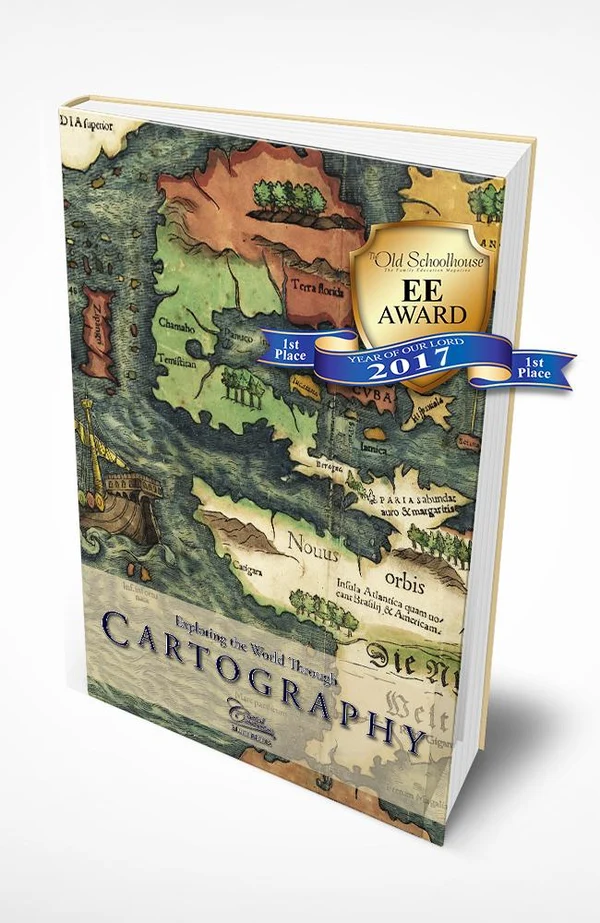
Home libraries and coffee tables benefit from museum-quality art collections like Marvelous to Behold and visually stunning volumes like Exploring the World Through Cartography, which reveals the art and science of mapmaking. Classic collections from the Copper Lodge Library, such as the Echoes trilogy covering ancient, old, and new worlds, provide poetry, myths, and legends that parents can read weekly. The Roman history series, tracing the empire from its legendary kings through the republic and into the age of emperors, offers rich family reading over the Christmas break.
Timeless literature for tweens and teens includes editions of The Secret Garden, Pride and Prejudice, The Lion, the Witch, and the Wardrobe, The Hobbit, and The Call of the Wild, all of which encourage young readers to explore virtue, courage, and human nature.
Educational Supplies and Everyday Gear
Practical learning supplies support the daily rhythms of classical education, from memory work review to nature study sketches. Latin John 1:1 pencils printed with Scripture are ideal for stockings, alongside fun vinyl sticker multi-packs for laptops and water bottles. The Lead Learner Supply Kit provides a zippered pouch filled with writing instruments in a calming blue palette, serving as a thoughtful thank-you gift for tutors and directors. Wooden bookmarks, embossed journals, and stainless steel insulated tumblers in various sizes support long hours of Latin review and read-aloud sessions. For carrying materials to Community Day, rugged backpacks and utility totes offer durable storage solutions, while bookstore gift certificates allow educators to choose items suited to their specific needs.
Gifts for Homeschool Moms and Spiritual Growth
Homeschool mothers generally treasure three things: time to rest, encouragement for their calling, and resources that feed their own minds. Books such as The Habits of a Classical Education: Practicing the Art of Grammar, Classical Christian Education Made Approachable, Stratford Caldecott’s Beauty for Truth’s Sake, and Neil Postman’s Amusing Ourselves to Death provide intellectual refreshment. These are complemented by physical comforts like cozy pajamas, blankets, warm beverages, and meal assistance that grants parents the gift of time.
In alignment with the mission to know God and to make Him known, gifts promoting spiritual growth include Bibles suited for various age groups, Donald Whitney’s Praying the Bible, and John Bunyan’s classic allegory The Pilgrim’s Progress. These resources help families root all academic pursuits in the worship of God.
Toys, Games, and Experiences
Classical Conversations favors simple learning tools that cultivate strategic thinking, patience, memory, creativity, and face-to-face conversation. Branded playing cards, chess, backgammon, dominoes, and memory-matching games strengthen logical thinking and pattern recognition. Building toys like blocks, Lincoln Logs, and Tektones develop spatial reasoning and architectural appreciation, while puzzles, balls, dolls, and woodworking kits foster physical health, creativity, and craftsmanship.
Shared experiences provide lasting memories that reinforce historical and scientific studies. Gifting classes in arts or crafts, outdoor activities like rock climbing or ice skating, theater tickets, or trips to national parks and historical sites transforms textbook facts into lived reality. Similarly, family memberships to zoos, aquariums, museums, fitness centers, and state parks establish regular rhythms of exploration and physical well-being throughout the year.
Subscription boxes, magazines, and streaming platforms such as RightNow Media offer continuous learning opportunities and family-friendly programming. From stocking stuffers under ten dollars to splurge-worthy masterwork books, these holiday selections aim to extend the spirit of Christmas and learning well into the new year.
Following a historic week for the United States, citizens across the country are reflecting on the profound outcomes of a defining election cycle. As campaigns draw to a close and the results are certified, the stark reality of the democratic process remains evident: elections are, by their very nature, zero-sum contests. This week has brought moments of profound celebration for some, while leaving others to grapple with disappointment. Yet, in the face of these deep-seated political divides, organizations dedicated to civic cohesion and civil discourse are emphasizing a broader, more enduring mission—building a nation expansive enough to embrace all of its people, regardless of how they cast their ballots.
Interfaith America, a prominent nonpartisan organization dedicated to fostering cooperation across deep differences, has highlighted the extraordinary nature of the recent electoral outcomes. Operating on the core principle that pluralism requires active engagement and mutual respect across partisan, religious, and cultural lines, the organization points out that democracy functions best when all citizens feel a sense of ownership and representation within the system.
Americans Elected One of the Most Diverse Groups of Leaders in Our Country’s History
At the heart of the national conversation surrounding this election is a remarkable milestone: American voters have elected one of the most diverse groups of leaders in the nation’s history. This historic achievement spans across partisan lines, bringing together Democrats and Republicans whose backgrounds, expertise, and personal identities reflect the complex tapestry of modern America.
For advocates of pluralism, this diversity is a treasure to be celebrated. The underlying philosophy of interfaith and cross-cultural bridge-building is rooted in the belief that a healthy democracy requires a culture where people can live and lead together despite profound disagreements. Whether Tuesday’s results left individual citizens feeling elated or deflated, the framework of pluralism offers a larger, stabilizing truth: American democracy is fundamentally strengthened when individuals from diverse races, religions, generations, and political traditions are able to participate fully in public life—and when members of those identity communities are chosen by their peers to lead.
These history-making selections demonstrate that voters, through the ballot box, are increasingly willing to affirm the qualifications, professional expertise, and lived experiences of candidates from a wide array of backgrounds. These successes carry heightened significance during a historical moment when the very definition and boundaries of American identity are actively contested in the public square.
Throughout the campaign season, several high-profile races brought underlying societal tensions to the forefront. The Michigan Senate race, for instance, laid bare the ongoing struggle against Islamophobia within American politics, while antisemitic tropes surfaced as a troubling dynamic in multiple contests across the country. Furthermore, political campaigns such as those of Senator-elect James Talarico in Texas and Senator-elect Adam Hamilton in Kansas highlighted ongoing negotiations over what constitutes authentic religious expression and public leadership, particularly regarding Christian identity in the public sphere.
Navigating these complex cultural and religious dynamics requires a steadfast commitment to healing once the ballots are counted. A vital component of pluralism is the uncompromising respect for individual identities, ensuring that the United States remains a nation where religious and cultural identity is never weaponized to diminish a person’s fundamental humanity or their rightful place within the civic community.
Elections Determine Who Governs, Not Who Belongs
As political analysts and community leaders evaluate the road ahead, a fundamental distinction continues to guide civic organizations: elections determine who governs the nation, but they do not—and cannot—determine who belongs.
Reflecting on this sentiment during a staff discussion this week, Interfaith America Founder and President Eboo Patel captured the essence of the national moment. He observed that the election revealed a public—united not by a single ethnicity, religion, or language—expressing a profound comfort with the country’s multifaceted identity. Patel noted that citizens demonstrated a collective affection for the diverse people around them, showcasing the enduring decency of the American people when they affirm their shared identity across differences.
This election serves as a powerful reminder of why pluralism and intentional bridge-building are indispensable to the health of the republic. By helping Americans navigate the immediate emotional and political fallout of electoral outcomes, bridge-building initiatives make it possible for citizens to remain in constructive relationships across political divides and discover meaningful opportunities to act together, even in the midst of sharp disagreement.
The work of healing and fostering national unity does not end when the polling places close. As the nation looks toward the future, the challenge for leaders and citizens alike will be to sustain a culture of pluralism that honors individual dignity, respects the complexities of a diverse populace, and ensures that the American experiment remains welcoming to all.
— Amber Hacker and Mary Ellen Giess, Managing Directors, Interfaith America
For Carlin Gettliffe, the turning point did not arrive with a strategic breakthrough or a major funding round. It came in the form of bone-deep exhaustion, the hum of fluorescent office lights, and the relentless pressure of a startup environment defined by ten to fifteen phone calls a day and endless hours hunched over a computer screen.
Like many professionals navigating the hyper-connected demands of the modern digital economy, Gettliffe reached a breaking point. The antidote he chose, however, was as radical as it was traditional: he walked away from the screen and stepped straight into the woods.
That leap led him to Duvall, Washington, where he enrolled in a demanding nine-month adult immersion program at the Wilderness Awareness School. Tucked quietly near the end of the curriculum, Gettliffe encountered something that would fundamentally alter the trajectory of his life: wilderness rites of passage.
It was not the cinematic, highly romanticized encounter often packaged for modern consumers seeking a weekend adventure. Instead, Gettliffe describes his introduction to ancient threshold work as gritty, strange, and deeply uncomfortable, though quietly threaded through with unexpected moments of grace. Stripped of creature comforts for days and nights on end in the deep forests of the Pacific Northwest, the rigid scaffolding of modern life—plans, schedules, and strategic schemes—began to dissolve.
In their place, a more primal rhythm emerged. When he was cold, he moved. When he was tired, he curled up in the damp moss. When he was hungry, he ate. When fear tightened his chest, he paused to listen. His body reclaimed the role of navigator, communicating through the immediate, unfiltered language of belly grumbles, shivering muscles, tension, and release.
That visceral shift opened the door to experiences entirely foreign to the urbanized mind. Gettliffe recalls a night spent laying his head directly on the earth after a long, dark wander through the trees. Hovering on the fragile border between wakefulness and sleep, he heard a family of mice softly chattering and cooing to one another in the nearby grass. Paralyzed by the fear of startling them, he lay completely still for what felt like hours, feeling mysteriously tethered to those tiny, unseen lives by a fragile universe of shared sound.
Yet the journey into the wild was not merely a romantic idyll of gentle woodland creatures. At other moments, his psyche felt as though it were free-falling through empty, terrifying space. Deeply held personal assumptions and old psychological armor cracked and crumbled. Fear seized him, shaking him awake. He found himself swallowed, both literally and figuratively, by the dark.
Yet in surrendering to that darkness—in letting go of the white-knuckled struggle for control, comfort, and intellectual understanding—a profound space opened up for something entirely different to emerge.
Articulating that presence defies easy language. Gettliffe suggests words like presence, resonance, or the quiet vulnerability of belonging, though noting it is just as accurate to simply call it oak tree, owl, water, and wind. More than anything, it is an act of remembering—a long-awaited return to what poet Mary Oliver famously termed our "place in the family of things."
True wilderness rites of passage, Gettliffe discovered, are rarely tests of raw physical endurance or survivalist skill. Instead, they serve as a rigorous test of an individual’s willingness to be pierced—by beauty, by grief, by fear, and by the profound realization of how desperately humans need the living world, and how much the living world, in its own silent way, needs us in return.
Through this crucible, participants often uncover something far more enduring than individual ambition, corporate recognition, or status: a deep-seated kinship and devotion to life itself. This devotion does not spring from a high-minded, intellectual desire to "do good," but rather from a connection grounded quite literally in the dirt under one’s fingernails, the texture of moss beneath the cheek, and the haunting, solitary call of a saw-whet owl cutting through the midnight air.
This kind of remembrance offers no tangible currency for modern life. It provides no notches for a resume belt, no professional credentials, and no marketable skills for the contemporary gig economy. It will not lead to riches, nor will it bring fame. In fact, far from making a person happier, it is likely to put them directly in touch with reservoirs of buried grief they never knew they carried. It functions as a psychological trust fall, offering zero guarantees, no safety nets, and no easy paths.
What it does dismantle, however, is the stubborn modern illusion that individuals are meant to navigate existence entirely on their own—a notion that Gettliffe firmly rejects. It shatters the ego-driven belief that a person’s private scramble for comfort and control sits at the center of the universe, while replacing it with an undeniable awakening: the realization that every human life is desperately needed by the whole.
When those truths finally land, they arrive simultaneously as an immense, exhaling relief and as an urgent new call to devotion. Our first and last responsibility as human beings, Gettliffe argues, is to the intricate web of relationships and wholeness that not only contains us, but fundamentally depends upon our care.
Rites of passage, viewed through this lens, are the ancient cultural technologies through which humans tend to that web and repair the fraying edges of contemporary society. They do not exist merely for the personal edification of the individual; rather, they exist for the health of the village. Modern culture, Gettliffe notes, rarely pauses to recognize or honor moments of genuine transformation and import in a person’s life.
To help bridge that cultural deficit, Gettliffe now serves as the lead instructor for the Shadowcraft Intensive and the Sacred Dark weekend program at the Wilderness Awareness School. Shadowcraft is designed as a deliberate modern ode to ancient rites of passage—an offering to the wild spaces waiting to meet individuals willing to step off the beaten path. True thresholds, he observes, are remarkably rare, and most people can count the genuine turning points of their lives on one hand. Through programs like Shadowcraft, participants are given a rare structured opportunity to traverse those thresholds within, alongside, and in humble service to both human community and the wider, more-than-human world.