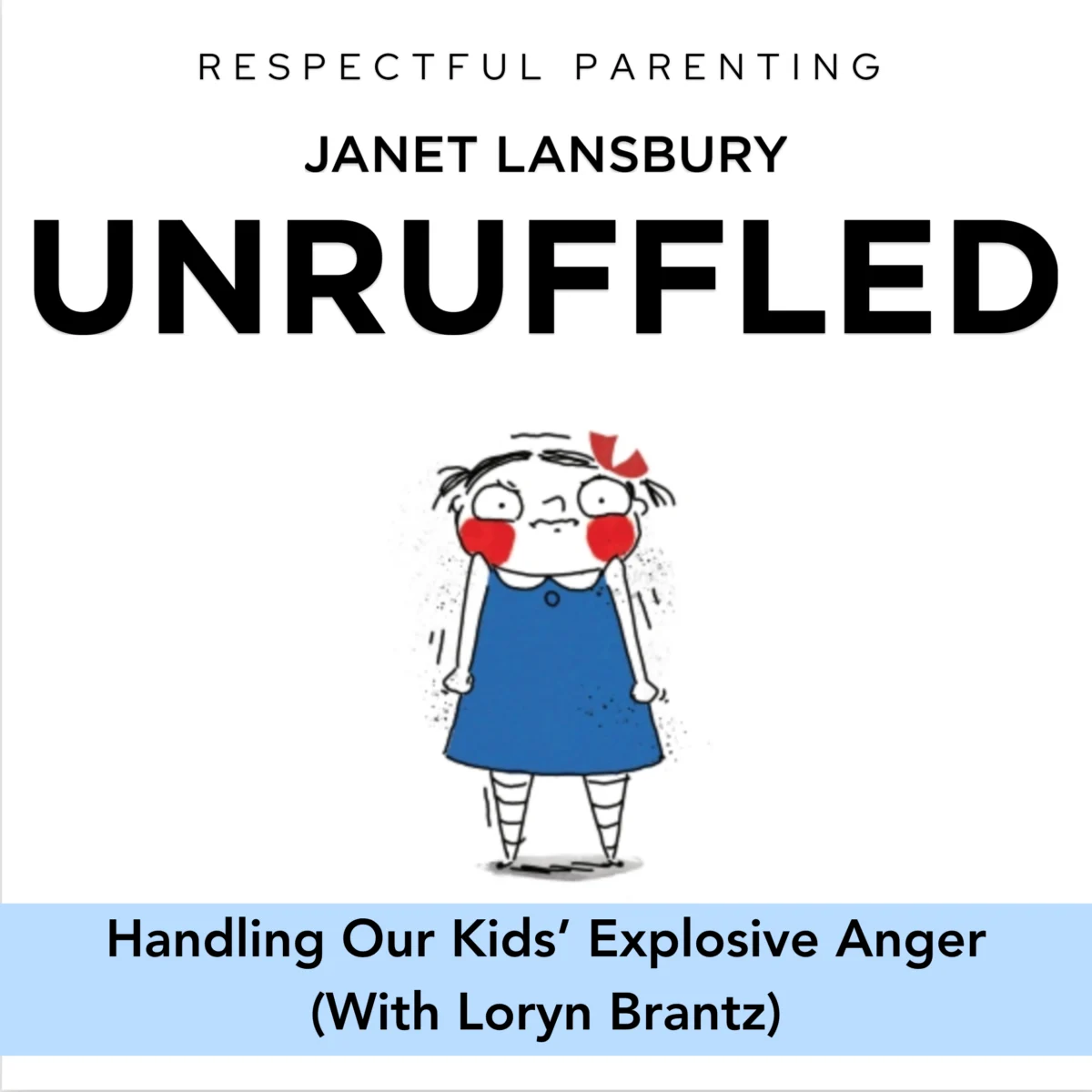
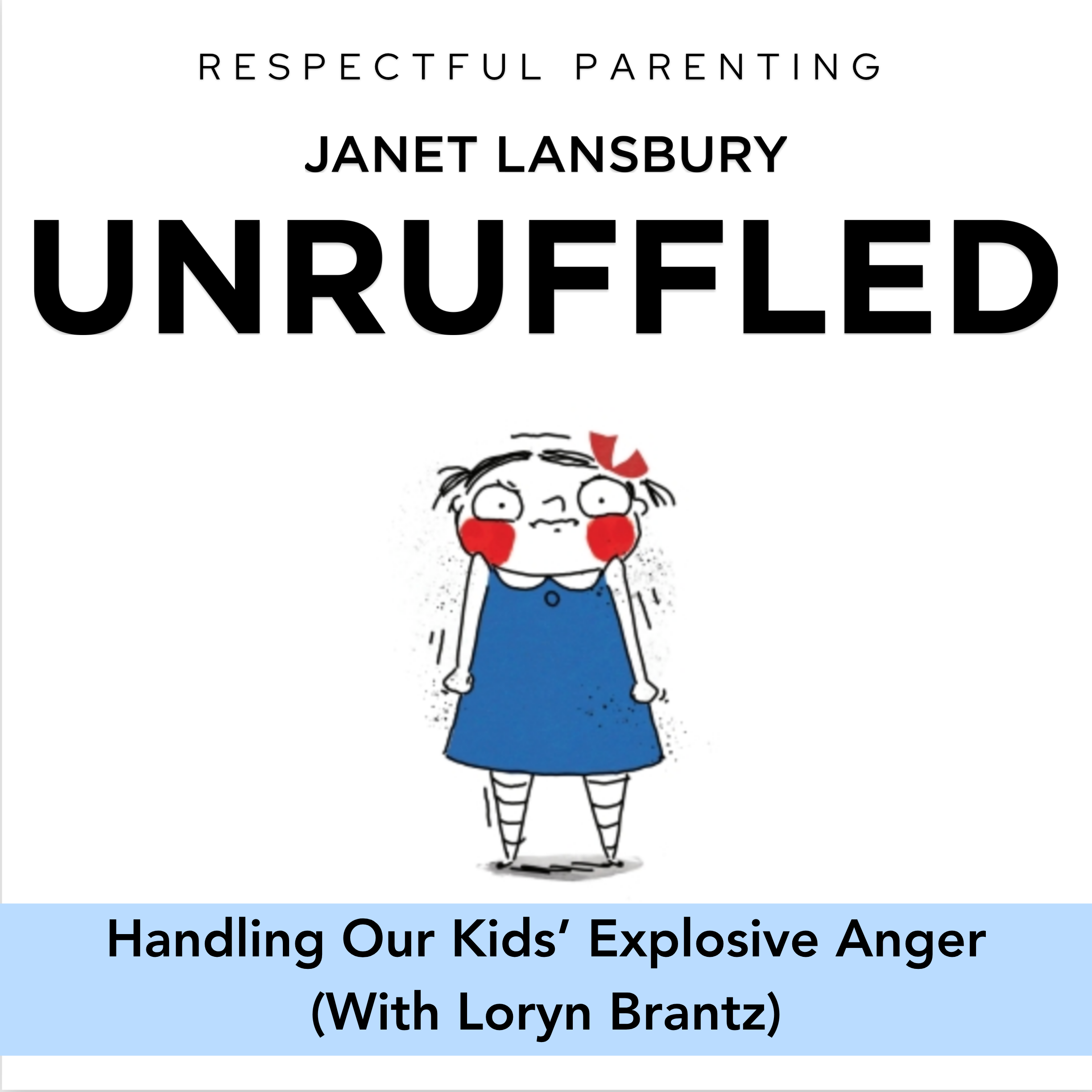
Handling Our Kids’ Explosive Anger (with Loryn Brantz)
Brantz, known for her bestselling series Feminist Baby, Poems of Parenting, and It Had To Be You, drew on her own intense experiences raising young children to write her newest book. During the podcast episode, Lansbury expressed deep admiration for how Brantz managed to encapsulate complex emotional regulation concepts into a picture book format, noting that parents spend years trying to master the exact philosophy Brantz illustrates so effortlessly.
The discussion quickly turned to the physiological and psychological reality of childhood tantrums. Brantz explained that her journey as a parent involved navigating extreme emotional dysregulation with her daughter, Dalia, who struggled to stay in bed at night following the birth of her younger brother. This period of sleep deprivation and behavioral intensity prompted Brantz and her husband to seek help from psychologists and specialists. However, standard advice often fell short, leading the couple to realize that they needed to tailor their parenting to their child’s specific temperament rather than relying on generalized solutions.
During this process, Brantz learned about pathological demand avoidance (PDA), a profile on the autism spectrum characterized by an intense avoidance of everyday demands due to anxiety and nervous system overload. She described how simple tasks, such as washing hands or putting on shoes, could trigger short circuits in her daughter’s nervous system. By meeting her children where they were—such as substituting hand wipes for sensory-triggering hand-washing—Brantz and her husband observed a significant decrease in volatility. They applied these lessons to their son as well, learning to see beyond the outward behavior to the internal state of the child.
Both Brantz and Lansbury emphasized that children experiencing meltdowns are not operating on equal footing with adults. Brantz highlighted that children possess underdeveloped prefrontal cortexes and are essentially new to the world, comparing them to visiting visitors trying to make sense of an overwhelming environment. Spiraling and rage, she noted, often stem from a place of deep embarrassment, shame, and an intense desire to please their parents, coupled with an inability to self-regulate or process rapid bodily and emotional changes.
Addressing the adult’s reaction to these outbursts, Brantz shared how her own struggles with severe obsessive-compulsive disorder (OCD) and anxiety helped her relate to her children’s lack of impulse control. Just as intrusive thoughts in OCD are uncontrollable and separate from a person’s core identity, childhood outbursts are driven by overwhelming feelings rather than malicious intent. To remain calm during these episodes, Brantz turned to daily meditation and mindfulness practices, drawing heavily on Michael Singer’s book The Untethered Soul to learn how to become an observer of her own thoughts and feelings rather than getting swept up in them.
Lansbury reinforced this concept, noting that parents often attempt to intervene, reason, or stop a tantrum because they feel uncomfortable and want the behavior to cease. However, because children in the midst of a meltdown are entirely consumed by their feelings and effectively operating outside of rational control, parental intervention often prolongs or worsens the situation. Brantz echoed this sentiment, advising parents not to waste their energy trying to reason with a dysregulated child or forcing immediate compliance, but instead to let the emotional storm pass naturally.
The conversation also highlighted the role of imaginative play and humor in diffusing tension before a full explosion occurs. Brantz shared several practical strategies from her household, such as pretending invisible animals are racing out the front door or initiating conga lines to make bedtime transitions more engaging. The concept for I Am a Spicy Nugget itself emerged from a playful moment when Brantz jokingly asked her daughter if she was turning into a spicy nugget and pretended to gently dunk her on the couch to cool her off, successfully breaking the tension.
Reflecting on the structure of her new book, Brantz pointed out the importance of allowing the child to move through the emotional process without adult interference. In the story, the young protagonist experiences a full range of explosive anger before eventually calming down on her own, culminating in a moment of genuine confusion where she asks what she was even mad about in the first place. Both Brantz and Lansbury noted that this reflects the reality of young children, who quickly transition out of intense emotional states and return to play while adults are left picking up the pieces.
Lansbury connected the themes of Brantz’s book to her own forthcoming publication, Baby Person, noting that both works emphasize the quality of the parent’s experience, emotional grounding, and the importance of letting go of the need to control a child’s feelings. By practicing emotional detachment and recognizing that children need a safe, stable anchor rather than a reactionary counterpart, parents can build long-term bonds rooted in trust and mutual respect.
I Am a Spicy Nugget is scheduled for release on September 8 and will be available wherever books are sold, alongside Brantz’s established catalog of works celebrating family life with humor and empathy.
