While many viewers tune in to season three of Netflix’s hit romantic comedy series “Nobody Wants This” for the undeniable chemistry of its central couple, Rabbi Noah Roklov and Joanne, a growing segment of the audience is showing up for an entirely different reason: Noah’s mother, Bina.
Portrayed by veteran stage and screen actress Tovah Feldshuh, Bina Roklov has evolved from a traditional overbearing television trope into a gloriously unapologetic, scene-stealing force of nature. With her razor-sharp one-liners, unmistakable disapproving glares, and a larger-than-life personality that commands every room she enters, Bina anchors the familial friction of the series with decades of seasoned comedic and dramatic timing.
Feldshuh’s performance builds on a legendary career that spans decades across theater, film, and television. Having famously originated the role of Yentl on Broadway in 1975—nearly a decade before Barbra Streisand brought the character to the cinematic screen—Feldshuh brings a rich theatrical pedigree to the Netflix series. Her extensive resume includes critically acclaimed portrayals such as Golda Meir in “Golda’s Balcony,” as well as memorable turns as distinct Jewish mothers in independent cinema and television, including “Kissing Jessica Stein” and “Crazy Ex-Girlfriend.”
In “Nobody Wants This,” Bina is introduced as a Soviet Jewish immigrant with a commanding presence and a thick Russian accent. Married to Ilan, played by Paul Ben-Victor, and mother to Noah, played by Adam Brody, and Sasha, played by Timothy Simons, Bina operates as the emotional and cultural anchor of the Roklov family. While the series leaves much of Bina’s early immigration history unsaid, Feldshuh infuses the character with the visible weight of generational Jewish experiences and deeply rooted family traditions.
Throughout the first three seasons, Bina has delivered some of the most memorable moments in the series, balancing sharp comedic delivery with surprising emotional depth.
1. The Definitive First Impression: "A shiksa"
Some characters require an entire television episode to establish their core motivations and personality traits. Feldshuh managed to accomplish the feat with just two words in the pilot episode of the series.
When Joanne, portrayed by Kristen Bell, unexpectedly arrives at the synagogue as Rabbi Noah’s new non-Jewish love interest, the family is immediately thrown into a state of quiet panic. When Noah’s sister-in-law Esther, played by Jackie Tohn, asks who the unfamiliar woman is, Bina delivers her immediate, unfiltered assessment: "A shiksa."
The impact of the moment lies entirely in Feldshuh’s delivery. Without missing a beat, she manages to convey an entire psychological and emotional spectrum ranging from acute shock and immediate suspicion to profound maternal disapproval, setting the antagonistic tone for her relationship with Joanne from the very start.
2. The Secret Prosciutto Incident
The complex dynamic between Bina and Joanne reaches a pivotal comedic peak in the first season’s ninth episode, titled “My Girl Bina.” Joanne arrives at Bina’s home bearing a high-end charcuterie board that prominently features prosciutto, a dry-cured Italian ham. For Bina, who maintains a strict kosher household, the presence of pork in her home is nothing short of a culinary and religious catastrophe.
With dramatic flair, Bina declares the entire platter tainted and sentences it directly to the trash bin. However, the power dynamic shifts dramatically when Joanne later catches Bina secretly snacking on the very same forbidden meat she had publicly condemned.
The confrontation temporarily gives Joanne the upper hand over a woman who has made her disdain crystal clear. Yet, by the end of the episode, Bina reclaims her signature composure. Wearing a disarming smile, she looks at Joanne and admits that she likes her significantly more than she initially anticipated, before leaning in to deliver the ultimate caveat: she will never allow her to end up with her son.
3. The Unrivaled Basketball Entrance
Feldshuh’s comedic timing extends far beyond dialogue, often stealing scenes entirely through physical comedy and cinematic framing. In the second season, Bina delivers what is arguably the most iconic entrance of the entire run during a family basketball game.
When Bina arrives at Noah and Sasha’s charity basketball game for their team, the "Matzah Ballers," she does so with a cinematic flair that stops the event in its tracks. Wearing oversized dark sunglasses and a sharply popped collar, she walks onto the court with an unapologetic swagger set to Fergie’s track “London Bridge.”
The reactions of her adult sons—two grown men who visibly cower under the weight of their mother’s mere presence—elevate the sequence into a masterclass in character introduction. Bina does not need to utter a single word to assert complete dominance over the basketball court and the audience alike.
4. The Authority of the Hamotzi
Bina’s role as a traditional matriarch is perhaps best showcased during a Shabbat dinner sequence in the Roklov household during the second season. Dressed in a bold, immaculate outfit with every hair precisely in place, Bina takes total command of the traditional rituals.
She leads the Hamotzi blessing with soaring enthusiasm, her voice rising above the chatter of the crowded dining room in a sing-song cadence that echoes the atmosphere of a traditional Hebrew school. She is the first to offer wishes of a peaceful Shabbat, systematically tearing apart pieces of freshly baked challah to pass down the table.
In the same breath, she seamlessly directs Joanne to her designated seat and issues a strict reminder regarding the house rule prohibiting cellular devices at the dinner table. The sequence captures Bina in her element, embodying the archetype of the undisputed Jewish matriarch with a natural ease that reflects Feldshuh’s own upbringing in Scarsdale, New York, where Friday night Shabbat dinners were a cornerstone of family life.
5. The Rebbetzin Makeover
As the series progresses into its third season, the relationship between Bina and Joanne undergoes a surprising evolution. Facing concerns about how her public image might impact Noah’s career advancement within the religious community, Joanne recognizes that there is only one person capable of engineering a rehabilitation strategy: Bina.
Upon arriving at Bina’s stately home, viewers are granted a rare, vulnerable glimpse of the matriarch before she has fully donned her public armor. Wearing a simple champagne-colored satin blouse and applying her own makeup without her signature elaborate brooches, Bina appears momentarily unguarded.
When Joanne formally asks for her assistance in navigating the complexities of the religious community, Bina responds not with hostility, but with the focused intensity of a professional taking on a masterclass assignment. With a mischievous twinkle in her eye, she delivers the definitive line of the episode: "Let me make you into a rebbetzin."
6. The Hamster Guilt Trip
Even in moments of emotional manipulation, Feldshuh ensures that Bina remains endlessly entertaining. Standing near the family’s backyard basketball court in the eighth episode of season three, Bina reflects nostalgically on Noah’s childhood hamster—an animal that, true to family form, possessed a traditional Hebrew name.
Bina recounts how the hamster accompanied young Noah everywhere, and how, upon its eventual passing, she thoughtfully buried it near the court so it could forever watch Noah play. The anecdote begins as a remarkably tender maternal memory, designed specifically to tug at Noah’s heartstrings and secure his alignment in an ongoing family dispute.
It is a testament to Feldshuh’s performance that even when Bina is weaponizing the memory of a childhood rodent to guilt-trip her adult son, the audience cannot help but admire her tactical brilliance.
As “Nobody Wants This” continues to captivate streaming audiences, the persistent demand for more screen time centered around Bina Roklov highlights the enduring appeal of well-crafted, unapologetic character acting. Whether answering long-standing questions about her immigration from the Soviet Union, her early life with Ilan, or the parenting strategies that shaped two vastly different sons, Feldshuh’s portrayal has firmly established Bina as an unforgettable cornerstone of contemporary television comedy.
SUMMARY:Explore how American Muslims are navigating an increasingly hostile political climate, marked by school textbook controversies in Texas and high-profile rhetoric from political figures, by responding with steadfast character, historical perspective, and community resilience.
For millions of Muslims worldwide, the Prophet Muhammad occupies a place of profound reverence—a love that transcends ordinary affection. It is a foundational aspect of their faith, reflected in the traditional practice of following his name immediately with the invocation, "May Allah send peace and blessings upon him." Because of this deep devotion, recent political developments targeting both the Prophet and Islamic identity have sparked widespread pain and concern within American Muslim communities.
The climate of rising political rhetoric has manifest across multiple fronts in recent months. Most notably, educational authorities in Texas approved school curricula that critics and community advocates point out slander the Prophet Muhammad by labeling him as "brutal." This institutional curriculum challenge arrives alongside a broader backdrop where Islamophobic tropes and rhetoric are increasingly mainstreamed by political figures seeking to mobilize voter bases ahead of midterm elections.
The intersection of political rhetoric and identity came into sharp focus on Friday, October 16, 2026. During a campaign rally held inside an airport hangar in Dalton, Georgia, former President Donald Trump targeted Abdul Rahman El-Sayed, a Senate candidate from Michigan. Addressing the crowd, the former president referred to El-Sayed as "Mohammad," before declaring, "I’m the president. I can call you whatever the hell I want."
Expanding on the remark, he told the audience, "If you’re in doubt about somebody’s name from the Middle East, just say ‘Mohammad.’ You have about a 65% chance." Mimicking a greeting, he added, "Hello, Mohammad," and asserted, "I’ve done it for years now. I’ve never been wrong."
These incidents raise pressing questions for American Muslims about how to process public mockery, political posturing, and systemic bias while maintaining civic engagement and personal dignity.
First, check your own heart
History offers profound reassurance for those troubled by contemporary disrespect. The name Muhammad was frequently mocked during the Prophet’s own lifetime. The leaders of Makkah, driven by intense opposition to his message, refused to utter his actual name, instead twisting it into "Mudhammam," a derogatory term meaning "the one who is blamed."
According to accounts recorded in Sahih al-Bukhari, the Prophet’s response to this persistent mockery was characterized by remarkable calm and perspective. He remarked to his companions, "Doesn’t it astonish you how Allah protects me from the abuse and curses of Quraish? They abuse Mudhammam and curse Mudhammam, whereas I am Muhammad." The insults failed to reach him because they were directed at a distortion, leaving his actual identity untouched.
Contemporary believers are encouraged to carry that same steady disposition. Political jokes and campaign rally rhetoric cannot diminish a name honored by over a billion people daily in their prayers. Islamic tradition provides a moral compass for reacting to insults and societal rudeness, pointing to the guidance found in the Quran, specifically in Surah Al-Furqan, which describes the true servants of the Most Compassionate as those who "walk on the earth humbly, and when the foolish address them improperly, they only respond with Salam."
The greatest American named Muhammad
Amid contemporary political discourse, historians and community leaders point to a powerful American precedent that redefines the cultural resonance of the name Muhammad: the legacy of Muhammad Ali.
In 1964, a charismatic young heavyweight boxing champion from Louisville, Kentucky, originally known as Cassius Clay, announced to the world that he had embraced Islam and changed his name to Muhammad Ali. At the time, the decision was met with widespread resistance. Many members of the public, media figures, and sports establishments refused to use his new name, sometimes mocking it deliberately in a manner echoing modern political taunts.
Ali refused to compromise his identity or his faith. He retained his name, defended his convictions, and ultimately transformed into one of the most celebrated and beloved athletic figures on the planet. Decades later, in 1996, a massive crowd in Atlanta, Georgia, stood in thunderous applause as Ali, battling Parkinson’s syndrome, raised the Olympic torch to light the flame, signaling the opening of the Centennial Olympic Games. The moment stands as a powerful historical reminder that the state of Georgia once cheered wholeheartedly for an American bearing the name Muhammad as he carried a symbol of unity for the entire world.
The cultural footprint of that legacy continues to unfold. A major new biographical series chronicling his life, titled "The Greatest," is set to premiere on Prime Video on Wednesday, November 4, 2026—the day immediately following the midterm elections. The first season follows his journey from winning Olympic gold in 1960 to claiming the heavyweight title in 1964, the pivotal year he adopted the name Muhammad. Cultural advocates suggest that engaging with such artistic works alongside neighbors and friends of other faiths provides a natural bridge for meaningful dialogue about heritage, identity, and American history.
A last word
Efforts to trivialize or mock the name Muhammad—whether through political campaign rhetoric or institutional curriculum decisions—ultimately seek to evoke a sense of smallness and alienation among American Muslims. However, community leaders emphasize that individuals do not need to internalize this marginalization. Instead, living out the values of honesty, kindness, courage, and genuine service to local neighborhoods remains the most effective response, offering a testament of character that no political joke or rhetorical jab can diminish.
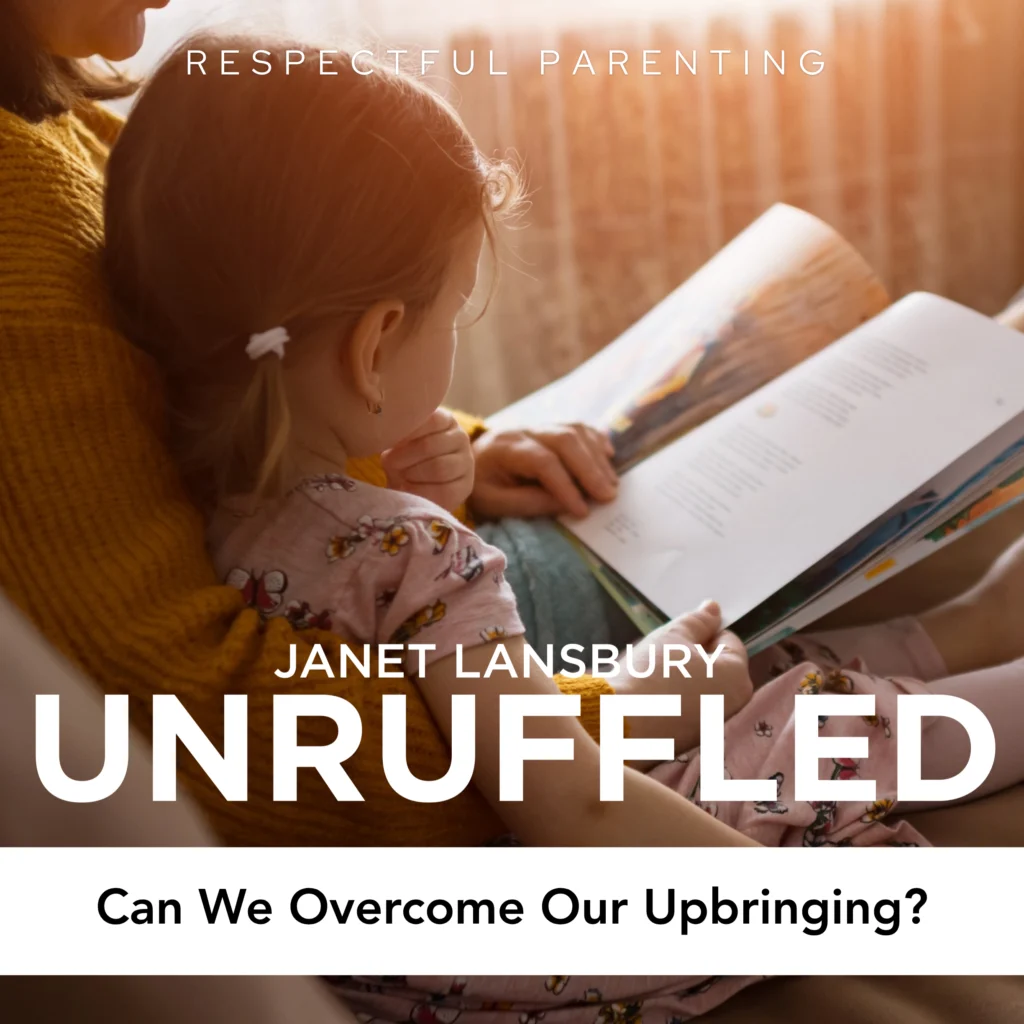
For many parents, the journey of raising young children brings an unexpected and painful mirror. In an open and deeply vulnerable letter shared on her parenting podcast Unruffled, a mother recently opened up about a heavy emotional burden: the fear that she is actively repeating the negative, authoritarian patterns that defined her own childhood, and the crushing anxiety that it might already be too late to change.
Reflecting on her past, the mother described a household marked by guilt trips, the silent treatment, physical punishment, and what she characterizes as psychological abuse at the hands of her mother, while her father remained emotionally and physically withdrawn. Entering motherhood in her mid-30s with a high-anxiety disposition and perfectionist tendencies, she found herself trapped in quick, reactive emotional responses—yelling, lecturing, and adopting harsh tones when her young children, ages five and a half and three and a half, pushed back against household rules. Despite having access to modern parenting resources and wishing to lead with patience and reasoning, she admitted feeling defeated, lamenting that the harder she tried to alter her behavior, the worse the outcomes seemed to be.
The mother’s dilemma also extended into broader family dynamics, including conflicts over screen time introduced by her in-laws during a period when she worked full-time, alongside a challenging domestic environment where her husband frequently criticized her parenting choices upon returning home. Faced with these compounding pressures, she reached out for guidance, posing a question shared by countless parents striving to break generational cycles: How can one overcome deeply ingrained instincts rooted in a harsh upbringing to become a better mother, and has lasting damage already been done?
Addressing the mother’s plea, renowned parenting expert and author Janet Lansbury offered a message rooted in reassurance, emotional clarity, and the fundamental psychology of boundaries. Lansbury, whose new book Baby Person focuses on the emotional experience of caregivers, emphasized first and foremost that it is definitively not too late to shift the trajectory of a parent-child relationship, especially when children are still young. Relationships, she noted, are always in motion, capable of growth and repair at any stage.
Rather than focusing on unattainable perfection, Lansbury directed the mother’s attention toward a core emotional block: the comfort and perceived right to establish boundaries. Drawing on her own experiences with perfectionism and the internal pressure to meet rigorous self-imposed checklists to feel worthy, Lansbury explained that individuals who endure harsh, authoritarian upbringings often internalize the dangerous message that they have no right to make demands or assert their own needs without risking rejection. Consequently, when these individuals become parents, setting a firm limit can feel terrifying and unnatural.
Lansbury pointed out that behaviors like lecturing, reasoning excessively with young children, using harsh tones, and losing one’s temper are classic symptoms of being on the "back foot." When parents feel fundamentally uncomfortable standing up for their own authority, they often slip into a defensive posture, attempting to talk children into agreeing with them rather than confidently holding a line. True boundary-setting, Lansbury explained, does not require a child’s enthusiastic agreement or approval; it simply requires a calm, centered leader who can state a decision and safely hold space for the child’s inevitable frustration and disappointment.
Regarding the specific daily friction around digital devices, Lansbury suggested shifting away from endless negotiation or partial restrictions. When parents establish clarity—such as taking a definitive break from screens and planning alternative activities in advance—children are ultimately freed from the exhausting burden of trying to control an addictive stimulus. While the transition may involve initial resistance, tears, and testing behaviors, Lansbury stressed that children ultimately crave the steady leadership of a parent who is unafraid to weather their emotional storms with empathy and strength.
Beyond the immediate parent-child dynamic, Lansbury also touched upon the surrounding complexities mentioned in the mother’s letter, including the tension involving her husband. While acknowledging that she is not a relationship counselor, Lansbury noted that asserting healthy boundaries applies to adult relationships just as much as parenting. Communicating calmly when criticism crosses a line not only protects the mother’s well-being but also models invaluable self-respect for her daughters observing the interaction.
Ultimately, Lansbury encouraged the mother—and any listener struggling with the ghosts of a difficult past—to release the cycle of self-punishment and perfectionism. By recognizing that she is worthy of boundaries and shifting away from a defensive stance, a parent can begin to lead with the confidence, clarity, and calm certainty that children truly need to thrive.
In the pursuit of modern wellness, individuals are increasingly turning to traditional, low-cost remedies to combat the daily accumulation of environmental stressors and skin irritations. Among the most popular low-barrier health trends gaining traction is the specialized detox bath. Far from being just a standard routine for relaxation, these targeted soaks utilize basic household and pantry ingredients—ranging from Epsom salts and baking soda to bentonite clay, apple cider vinegar, and organic mustard powder—to support the body’s natural elimination pathways, soothe inflammation, and boost overall physical well-being.
Health advocates and practitioners note that while the human body—specifically the liver, kidneys, and skin—innately processes and eliminates toxins on a regular basis, the demands of contemporary life can sometimes leave these natural systems needing targeted support. Rather than relying on expensive or aggressive wellness protocols, a warm bath infused with specific minerals and natural compounds offers an accessible, inexpensive method to encourage circulation, alleviate muscle tension, and provide deep soothing relaxation. For those lacking the time for a full immersion soak, localized foot baths are frequently utilized to capture many of the same physiological benefits.
The foundation of most natural detox bath regimens is the classic Epsom salt soak. Rich in magnesium, Epsom salts not only aid in general detoxification but also help replenish the body’s magnesium stores through dermal absorption, while simultaneously easing skin irritation. However, wellness enthusiasts have expanded far beyond basic magnesium soaks, incorporating specialized recipes tailored to specific health needs, such as managing seasonal illnesses, recovering from skin flare-ups, or addressing heavy metal accumulation.
Bentonite clay represents another powerful addition to the detox bath repertoire. Renowned for its ability to absorb heavy metals and impurities that accumulate within the body, bentonite clay creates a deeply purifying soak. Because clay can potentially settle in household plumbing and cause blockages, practitioners frequently advise the use of drain filters or cloth strainers during clay-based baths. The process typically involves dissolving Epsom salts in warm or hot water, sometimes accompanied by complementary essential oils, before integrating the clay through specialized mixing methods to ensure the minerals remain suspended and effective.
Beyond mineral and clay soaks, alternative ingredients like ginger, apple cider vinegar, and organic mustard powder offer specialized therapeutic properties. Ginger-infused baths, often prepared by adding freshly brewed ginger tea or grated ginger directly to the water, are frequently utilized during bouts of illness to help clear congestion, alleviate deep body aches, and stimulate peripheral circulation to accelerate recovery times. Similarly, vinegar baths—frequently utilizing apple cider vinegar—serve as an effective remedy for balancing the skin’s natural pH. While the distinct aroma of vinegar may not appeal to everyone, families frequently turn to apple cider vinegar soaks to find relief from sunburns, eczema, dandruff, and dry, itchy skin, noting that the treatment often leaves both skin and hair noticeably softer.
More surprisingly to some, organic mustard powder has maintained a historical place in traditional wellness practices. Rather than standard table condiments, organic mustard spice has long been valued by ancient cultures for its powerful circulation-stimulating properties. When combined with Epsom salts and select essential oils, mustard powder creates a warming, aromatic bath designed to soothe cold and flu symptoms, ease sore muscles, and promote vigorous circulation.
Medical professionals generally advise that any significant shift in a health routine, including the introduction of intensive detox baths, should be approached gradually. This is particularly true for individuals with pre-existing medical conditions, pregnant women, and nursing mothers, all of whom are encouraged to consult with a qualified healthcare professional before beginning new wellness regimens. Medical review by board-certified practitioners emphasizes that while home remedies can offer supportive care, they should complement, rather than replace, professional medical advice.
As interest in sustainable, home-based health practices continues to grow, proponents suggest starting slowly to see how the body responds to different ingredient combinations. Whether used as a wind-down mechanism at the end of a long day, a gentle immune-supporting routine for children, or a targeted intervention for skin and muscle recovery, the traditional detox bath remains a versatile and enduring staple of natural health care.
Long before the advent of silicon chips, digital screens, or generative algorithms, the ancient philosopher Plato recorded a foundational warning about the perils of technological disruption. In the Phaedrus, Socrates cautioned that the widespread adoption of writing might weaken human memory and foster the illusion of wisdom without genuine understanding. Plato was not categorically rejecting the written word; rather, he was interrogating how a transformative tool could reshape human cognition when it begins to supplant organic dialogue, interpersonal relationships, and lived experience.
Today, artificial intelligence presents education with a comparable, albeit vastly accelerated, moment of reckoning. The widespread integration of generative AI into schools and universities compels educators, policymakers, and communities to ask a profound question: Should the fundamental goals of education evolve in an increasingly algorithmic society? As students navigate a future shaped by automated systems, society must figure out how to foster an environment where human beings can continue to create independently, think deeply, persist through difficulty, and still find meaning and fulfillment within their communities.
The Impacts of AI on Critical Thinking, Engagement, and Motivation
As school districts grapple with the rapid deployment of emerging technologies, the educational community is deeply divided over how these systems alter the cognitive landscape. When MIT researchers recently surveyed school leaders regarding their perspectives on artificial intelligence in K-12 education, cognitive offloading emerged as the primary fear. This anxiety is far from unfounded, as a growing body of research among adult populations already demonstrates a strong, consistent propensity to offload critical thinking tasks entirely to automated systems.
A study presented at the ACM CHI Conference on Human Factors in Computing Systems highlights this precise vulnerability. While researchers found that generative AI significantly improved efficiency in knowledge-work tasks, it simultaneously reduced critical engagement and fostered long-term dependence. As user confidence in artificial intelligence performance rose, human effort shifted away from active problem-solving and toward passive verification and integration, ultimately weakening independent reasoning skills.
Another empirical study conducted out of a business school in Switzerland revealed similar patterns, though with a critical nuance regarding user guidance. When participants were asked to prepare for an interview question with the assistance of AI—either with or without structured guidance—divergent results emerged. Participants who used unguided AI engaged in heavy cognitive offloading without experiencing any improvement in their reasoning quality. Conversely, individuals who received structured prompting assistance significantly enhanced both their critical reasoning and reflective engagement. For educators, these findings speak directly to the urgent need for proper training, emphasizing that unmediated AI access poses severe risks to learning development if students and teachers lack structured pedagogical frameworks.
Furthermore, artificial intelligence possesses the capacity to make tasks so frictionless that it triggers an almost immediate negative effect on human motivation. A study published in Nature found that while collaboration with AI enhanced immediate task performance, it simultaneously led to a marked decline in intrinsic motivation and an increase in boredom. This stark tradeoff between short-term productivity and long-term human engagement makes a compelling case for caution, particularly regarding the deployment of these tools among young learners whose cognitive habits are still forming.
The Importance of Preserving Offline Learning
To understand how technology alters cognitive processes, researchers are looking beyond behavioral observation and examining neurological activity. In an MIT-backed study, subjects were asked to write several SAT essays under three distinct conditions: utilizing OpenAI’s ChatGPT, employing Google’s search engine, or receiving no technological assistance whatsoever. Electroencephalogram (EEG) results from the experiment reinforced the premise that students learn best without technological assistance, particularly when artificial intelligence is entirely removed from the equation.
Mastering fundamental writing skills offline increases brain connectivity and helps students internalize language, reading comprehension, and the complex structures of written communication. Maintaining these foundational practices helps preserve fluency and comprehension. Consequently, when students eventually do encounter artificial intelligence tools later in their academic and professional lives, they approach them from a position of authority—acting as editors and authors rather than passive prompt recipients.
Engaging learners in the offline world remains vital for preserving natural curiosity and internal motivation. Resilience and willpower are cultivated most effectively through productive struggle. For younger students, practical arts applications such as learning the violin, woodworking, or knitting shine brightly in this endeavor. These moments of hands-on difficulty build perseverance, frustration tolerance, and an embodied understanding of the physical world in a manner that is deeply engaging and joyful. In an AI-enhanced society where friction is routinely engineered away, the human capacity to stay with difficulty becomes a distinct advantage.
A Sense of Identity and Human Relationships at the Heart of Schooling
Developing discernment is a prerequisite skill that must be nurtured in children well before they are granted access to artificial intelligence. A stark warning issued by UNICEF highlights the psychological risks: the persuasiveness of advanced AI systems, combined with sophisticated personality engineering tailored to exploit the human desire for praise and validation, means that children’s beliefs, behaviors, and developing identities are vulnerable to external shaping during a uniquely sensitive developmental window. Malicious applications could expose children to manipulation, online exploitation, and abuse, ultimately undermining their agency, freedom of thought, and independent development.
These concerns intensify exponentially when artificial intelligence is embedded directly into learning environments for minors. The American Academy of Child and Adolescent Psychiatry, in its institutional guidance document addressing whether AI is dangerous for children, highlights a multifaceted array of risks. These include hazardous overattachment to conversational chatbots, a reduction in vital real-world social relationships, data privacy vulnerabilities, the proliferation of deepfakes, and the systematic erosion of hands-on, creative, and critical learning experiences.
At the core of these anxieties lies the irreplaceable value of authentic, real-world relationships. Human connection must remain at the center of formal education. A wealth of educational research demonstrates that the relationships forged between teachers and students, among peers within the classroom, and between students and their broader communities serve as the primary conduits for teaching empathy, social responsibility, and civic awareness, while simultaneously boosting overall academic outcomes. These are not merely human attributes that machines cannot replicate; they are the fundamental capacities required for a grounded, meaningful life.
Ultimately, if society wishes to prepare the next generation for an AI-enhanced world, education’s most urgent task is not to accelerate cognition or outsource critical thought, but to anchor children securely in deep thinking, real-world relationships, and lived experience. Only from this robust foundation can artificial intelligence truly serve human development rather than quietly reshaping what it means to be human.
In correctional facilities across the nation, individuals navigating the profound challenges of the justice system are finding a vital source of hope, guidance, and personal transformation. Through a dedicated outreach initiative, Guide for Spiritual Living: Science of Mind magazine continues to extend its reach far beyond traditional readership, bringing transformative spiritual principles directly to incarcerated individuals and correctional center study groups.
The publication’s outreach effort centers on providing complimentary one-year subscriptions to men and women living behind bars who have actively requested the materials. By supporting the practical application of spiritual principles, the ministry aims to help individuals disrupt the complex cycle of crime and incarceration. Organizers emphasize that the program promotes a deeply principled and transformative process, offering a pathway toward personal accountability, emotional healing, and spiritual renewal for all those who feel called to participate in the study of these teachings.
For a contribution of $48.95, donors can sponsor a full one-year subscription for an incarcerated reader awaiting materials. This modest financial investment directly fuels a powerful ministry that has touched countless lives by delivering empowering literature where it is needed most. Supporters who wish to ensure that their gift reaches a specific person they know within the correctional system can easily arrange to do so by contacting [email protected] directly. Otherwise, sponsored subscriptions are distributed to individuals who have reached out to the organization requesting spiritual support and reading materials.
The profound difference these subscriptions make in the daily lives of readers is best understood through the voices of those who experience the ministry firsthand. Among them is Jonathon, an incarcerated reader whose personal journey illustrates the steadying power of the publication during times of intense personal crisis. Reflecting on how the magazine entered his life, Jonathon shared a deeply personal account of survival and resilience.
"Science of Mind magazine was ordered from a friend of my father’s for me after my father passed away," Jonathon recalled. "I’ve gone through so many battles while here in prison, but this little magazine has always shown up just in time and helped bring my spirits along with my focus back to where it should be. I want to say ‘thank you’ to all."
Stories like Jonathon’s highlight the tangible impact of community-supported outreach. For individuals confronting the isolation, stress, and adversity inherent in long-term incarceration, receiving regular, uplifting literature can serve as a crucial anchor. The teachings found within the pages of Science of Mind encourage readers to examine their thoughts, cultivate inner peace, and rebuild their lives on a foundation of constructive spiritual practices.
Correctional facilities often present environments where opportunities for personal growth and emotional rehabilitation are limited. Study groups formed within these centers rely heavily on donated and sponsored materials to maintain regular meetings and shared learning experiences. By supplying these groups and individual readers with consistent resources, the magazine’s outreach effort helps foster communities of support, reflection, and mutual encouragement among incarcerated individuals seeking to alter the course of their lives.
As the outreach ministry looks to sustain and expand its reach in the coming year, organizers continue to rely on the generosity of readers and compassionate community members. Every sponsored subscription serves as a direct bridge between the outside world and individuals working quietly to transform their inner lives. Through the collective support of donors, the publication remains committed to ensuring that no request for spiritual guidance from behind bars goes unanswered, keeping the transformative message of hope accessible to those who need it most.
Homeschooling in Canada stretches seamlessly from coast to coast, with families gathering at kitchen tables and living rooms from the Pacific shores of British Columbia to the Atlantic edge of Newfoundland. Fully legal in every Canadian province and territory, home education has evolved from a counter-cultural movement into a thriving, widely accepted educational choice. Among those who have championed this journey for decades is Dawna Ferguson, an Alberta mother of seven and the International Representative for Classical Conversations Canada.
Since beginning her family’s homeschool journey in 1993, Ferguson has witnessed an incredible transformation in the Canadian educational landscape. Over the years, she has watched Classical Conversations expand from a modest handful of five communities into a robust network of 53 communities serving approximately 2,000 students nationwide. In recounting her family’s decades-long experience, Ferguson reflects on the core elements that make home education uniquely Canadian, the historical roots of the nation’s motto, and why she believes today’s homeschooled students are poised to become the future leaders of the country.
A Mari Usque Ad Mare: The Historical and Spiritual Roots of Canada’s Motto
Canada’s official national motto, A Mari Usque Ad Mare, translates directly from Latin as "From sea to sea." The phrase itself is deeply embedded in the nation’s historical and spiritual foundations, drawn directly from the King James Bible—specifically Psalm 72:8, which reads: "He shall have dominion also from sea to sea, and from the river unto the ends of the earth."
At the time of Confederation, statesmen such as Samuel Leonard Tilley drew upon this very biblical passage when suggesting the designation "Dominion of Canada" for the newly united provinces. From the very founding of the modern Canadian state, the nation’s name and official motto have served as a literary nod to a historical heritage pointing toward a higher sovereign reign reaching every shore.
For many Christian families, this linguistic heritage carries profound personal meaning. Each time Canadian children recite the national motto or trace the nation’s sprawling coastlines across a map, they are repeating phrases first immortalized in ancient verse.
The name "Canada" itself carries a rich historical footprint, originating from the St. Lawrence Iroquoian word kanata, meaning "village" or "settlement." Early French explorer Jacques Cartier adopted the term, applying it not merely to a single indigenous settlement, but to the entire surrounding region. Over generations, the geographic descriptor expanded alongside the country itself, culminating on July 1, 1867, when the British North America Act established the Dominion of Canada. Today, Canada stands as a unique, officially bilingual nation bridging French and English traditions, stretching across the Rocky Mountains, the expansive Prairies, and countless northern lakes and islands.
A Short History of Homeschooling and Legal Protections in Canada
The modern home education movement in Canada did not establish itself easily. When it began to take root during the turbulent decades of the 1970s and 1980s, pioneer families often faced intense administrative resistance, social skepticism, and, in severe cases, legal threats that jeopardized family unity.
The turning point for the movement arrived with the establishment of institutional and legal advocacy. Ferguson and other veteran educators frequently credit the Home School Legal Defense Association (HSLDA) and the subsequent founding of the Home School Legal Defence Association of Canada in 1991 with securing the educational freedoms Canadian families exercise today. These organizations provided the necessary legal framework and defense mechanisms that allowed homeschooling to transition from a fringe legal gray area to a recognized, protected educational alternative.
Ferguson’s personal involvement began in 1993, when she and her husband brought their two eldest daughters home for their education. What began as an initial decision to educate three girls eventually expanded as four more children joined their family. While continuing to homeschool remained a straightforward choice for the Fergusons, finding a sustainable academic methodology that could carry a large family successfully across the finish line required careful consideration.
Navigating a Large Family to a Strong Finish
As her family grew, Ferguson observed a common challenge among larger homeschooling households: parents often grew weary during the final stretch, running low on the energy, academic rigor, and organizational momentum they possessed in the early years. Determined to finish strong and keep her children learning cohesively together, Ferguson was introduced to Classical Conversations through an introductory information meeting held in her local community.
Although she initially stepped into the program with cautious uncertainty, Ferguson recognized what she felt was steady guidance. The program offered a structured academic model based on classical education principles. In the early years, the family focused heavily on Foundations memory work, utilizing songs, games, and recitations around the kitchen table while younger siblings played nearby. As the children grew, they progressed into Essentials, parsing and diagramming sentences together. The resulting academic consistency and positive peer environment provided the exact structure the family needed.
Decades later, the fruit of that initial commitment is clearly visible. The Fergusons have successfully graduated six of their children through the program, with their youngest currently progressing through the Challenge levels. The older siblings have transitioned into adulthood, working, serving in churches, participating in mission trips, and articulating their faith within public spaces. For Ferguson and her husband, the role has shifted from active daily instruction to supportive mentorship, watching their adult children apply the communication skills and critical thinking habits they developed during their youth.
A Uniquely Canadian Approach to Classical Education
While Classical Conversations operates internationally with a unified pedagogical vision, the Canadian branches incorporate distinct regional history and geography into their curriculum. In Foundations Cycle 3, Canadian students engage directly with local history sentences and geographic mapping tailored specifically to their nation.
This localized approach allows young students to study the rivers crossing the Canadian Prairies, learn the capitals of northern territories, and explore historical milestones ranging from Indigenous cultures and early European exploration to the patriation of the Constitution in 1982. By grounding classical education in local history, students connect broader academic concepts to the physical landscape around them. In later stages, such as Challenge I, students examine primary source documents, comparing foundational political texts from the United States with Canada’s own constitutional framework.
Remarkable Growth Across the Provinces
The expansion of Classical Conversations in Canada reflects a broader national trend toward structured community-based home education. Planting its first community outside the United States in Mississauga, Ontario, in 2005, the organization has experienced steady, deliberate expansion over the past two decades. During the 2012–13 academic year, the network comprised just five communities supporting 88 students. By the 2025–26 academic year, those numbers had grown to 53 communities serving approximately 2,000 students nationwide.
Ferguson attributes this expansion to the dedication of parents who prioritize community support, educational freedom, and shared moral values. Operating across different provinces means navigating distinct regulatory environments; the administrative requirements for homeschooling in Ontario differ procedurally from those in Alberta or British Columbia. Yet, despite provincial variations, the core dynamic remains consistent: parents gathering weekly to share their academic strengths, support one another’s weaknesses, and foster collaborative learning environments.
Throughout her travels visiting communities from Ottawa to Edmonton, Ferguson has observed firsthand the impact of these local groups. Whether listening to younger students practice public speaking presentations, watching older teens debate historical texts, or attending graduation ceremonies for Challenge IV seniors, she sees a generation of young Canadians preparing to step into civic and spiritual leadership roles.
These communities also function as mutual aid networks during times of personal crisis. Ferguson recalls instances where local groups rallied around families facing severe medical emergencies—coordinating meal trains, organizing prayer vigils, and providing financial and emotional support when children underwent major surgeries far from home. These relationships, she notes, extend far beyond academics into practical, life-sharing community care.
Looking Forward: Legacy and Community
As Classical Conversations continues to expand across Canada, the overarching mission remains anchored in its foundational motto: to know God and to make Him known. Bringing together independent-minded families with diverse perspectives, the network provides a collaborative space where parents can fulfill their responsibility to educate the next generation.
For veteran educators like Dawna Ferguson, the journey that began over thirty years ago at a kitchen table in Alberta has blossomed into a nationwide movement. Through consistent daily instruction at home and weekly community gatherings, Canadian families are continuing to build an educational legacy that stretches quite literally from sea to sea.
In the broader conversation surrounding mental health, childhood development, and adult relationships, researchers and clinicians continue to examine how early-life experiences shape emotional bonds later in life. Among the various frameworks used to understand relational dynamics, attachment theory remains one of the most widely referenced. Within this framework, ambivalent attachment—often characterized by a deep desire for intimacy paired with a persistent fear of abandonment—presents unique challenges for individuals and their partners.
By exploring the origins of this attachment style, the signs that indicate its presence, and the methods available for fostering healthier relational patterns, mental health professionals offer insight into how individuals can transition toward greater emotional security.
What Causes Ambivalent Attachment?
The roots of ambivalent attachment typically trace back to early childhood development. Psychologists note that an infant or young child relies entirely on their primary caregivers for survival, regulation, and a sense of safety. When a caregiver responds inconsistently—sometimes displaying warmth, attentiveness, and deep emotional availability, but at other times appearing distracted, stressed, or emotionally unavailable—the child begins to internalize a confusing message about relationships.
This unpredictability teaches the developing mind that love and comfort are not guaranteed resources. Consequently, the child experiences heightened anxiety regarding whether their needs will be met when they require support the most. Over time, the child adapts by developing coping strategies designed to maintain proximity to the inconsistent caregiver. These strategies often involve clinging tightly to connections while simultaneously bracing for the relationship to fracture or disappear.
Experts emphasize that this dynamic is not exclusively the result of intentional neglect or malice. In many cases, caregivers are dealing with their own overwhelming life stressors, systemic pressures, or unhealed attachment wounds from their own pasts. Regardless of the underlying cause, however, the resulting psychological impact on the child is consistent: love comes to be perceived simultaneously as an essential survival need and an inherently unreliable source of stability.
How Do I Know If I Have Ambivalent Attachment?
For adults navigating ambivalent attachment, the effects often manifest as recurring, distressing patterns within romantic or close personal relationships. Individuals with this style frequently find themselves craving constant reassurance from their partners, yet they rarely feel genuinely settled or secure even after that reassurance is provided.
Minor shifts in a partner’s behavior—such as a delayed text message, a subtle change in vocal tone, or a temporary reduction in attention—can trigger disproportionate worry, acute distress, or intense fears of abandonment. This cycle is frequently accompanied by excessive overthinking, emotional rumination, and chronic mental analysis of interactions. Emotional states may swing rapidly between profound feelings of closeness and intense uncertainty. When these behavioral and emotional patterns replicate across multiple relationships over time, clinicians recognize them as strong indicators of an ambivalent attachment style.
Can an Ambivalent Attachment Style Change Over Time?
A central finding in contemporary psychological research is that attachment styles are not permanent personality traits; rather, they are flexible relational patterns that can evolve over time. Although early childhood experiences establish the initial blueprint for how a person approaches relationships, an individual’s attachment orientation can shift as they accumulate new, corrective experiences of safety, stability, and emotional reliability.
The process of moving toward secure attachment is typically gradual. It occurs largely through repeated relational moments characterized by emotional repair, validation, and consistent reassurance. Over time, these positive experiences help retrain the nervous system, gradually dismantling the expectation of abandonment and building a biological and psychological capacity to trust that emotional closeness can endure. Supportive interpersonal relationships, targeted psychotherapy, and deliberate personal work focused on emotional self-regulation all play critical roles in this transformation.
What Is the Difference Between Ambivalent and Avoidant Attachment?
While both ambivalent and avoidant attachment styles originate from early inconsistencies in caregiving, they drive individuals toward diametrically opposed coping mechanisms.
People with an ambivalent attachment style tend to lean into relationships, actively pursuing closeness, constant reassurance, and frequent connection. In some instances, these behaviors can become intense or overwhelming for their partners. Conversely, individuals with an avoidant attachment style tend to lean away from emotional intimacy. They place a high value on absolute independence, actively minimize their emotional needs, and withdraw from interactions when a relationship begins to feel vulnerable or demanding. Ultimately, ambivalent attachment is primarily marked by an acute fear of abandonment, whereas avoidant attachment is characterized by discomfort with vulnerability and intimacy.
Can Therapy Help With Ambivalent Attachment?
Therapeutic intervention can be highly effective for individuals seeking to modify their attachment patterns. Engaging with an attachment-focused therapist provides a stable, predictable relational environment where trust can be practiced week after week in a safe setting.
Various therapeutic modalities offer specific tools for addressing these challenges. Emotionally Focused Therapy (EFT), schema therapy, and cognitive-behavioral therapy (CBT) help individuals identify long-standing relational patterns, calm an overactive nervous system, and develop healthier habits for connecting with others. Over time, the therapeutic relationship itself frequently functions as a secure base, allowing the client to internalize these new ways of relating and apply them naturally in their everyday social and romantic lives.
How Can I Deal With An Ambivalently Attached Partner?
Navigating a relationship with a partner who exhibits ambivalent attachment requires a balanced approach rooted in patience, predictability, and clear boundaries. Because an ambivalently attached partner often struggles with underlying anxiety regarding the stability of the relationship, offering reassurance directly and consistently can help mitigate their distress. Simple actions—such as sending a brief message before entering a lengthy meeting or confirming shared plans in advance—can significantly reduce anticipatory anxiety.
Simultaneously, mental health professionals stress the importance of establishing healthy boundaries to prevent burnout. A sustainable approach involves offering emotional support and warmth where possible, while clearly and kindly communicating personal limits. This allows the partner to feel genuinely cared for and valued without requiring the other individual to become emotionally overextended.
WASHINGTON — Interfaith America has officially announced that the Reverend Dr. Zina Jacque has joined the organization as a new monthly voice in its community. Dr. Jacque, a distinguished pastor, writer, and longtime leader dedicated to the spaces where dialogue, human dignity, and a sense of belonging intersect, also brings her leadership experience directly to the organization as a member of Interfaith America’s Board of Directors.
In an era where public life, media ecosystems, and civic discourse routinely reward velocity, reaction, and superficial depth over genuine reflection, Dr. Jacque’s new monthly column—titled "Sacred Pause"—offers readers an intentional alternative. Designed as a brief, contemplative reflection, the series invites individuals to carve out mental and spiritual space for clarity, grounding, and thoughtful engagement with difference.
As communities across the United States navigate complex social landscapes and deep-seated divisions, Interfaith America’s introduction of the series emphasizes the importance of slowing down. The initiative serves as a reminder of what it truly means to build a shared civic life with intention, patience, and mutual respect.
To mark the introduction of this recurring feature, Interfaith America has highlighted several key reflections from Dr. Jacque’s recent months of writing, illustrating the thematic depth and steady wisdom that the monthly series brings to its readership.
A Sacred Pause: October
In the October installment of the series, Dr. Jacque confronts a challenging and often overlooked dynamic in the work of bridge-building, dialogue, and pluralism. For months and years, public intellectuals and community organizers have dedicated countless hours to discussing the necessity of recognizing the humanity of others. However, October’s reflection shifts the lens to a more difficult inquiry: What happens when someone fails to recognize yours?
Dr. Jacque explores a fundamental truth that is frequently sidelined in polite conversations about tolerance and coexistence: honoring the dignity of others should never require an individual to forfeit their own. The reflection offers a powerful reassurance to those who labor for peace and understanding, asserting that one does not need to make oneself smaller to build connection, nor does one need to disappear entirely in order to belong.
According to Dr. Jacque, holding onto one’s personal dignity is not a distraction from the collective work of pluralism; rather, it is foundational to it. Without self-respect and the preservation of one’s own humanity, true cross-cultural engagement collapses into mere compliance.
A Sacred Pause: September
Moving backward into the autumn transition, September’s reflection addresses a silent crisis affecting many of the nation’s most dedicated civic and religious leaders: the thin line between deep commitment and total depletion.
Dr. Jacque observes that the individuals most susceptible to severe burnout are frequently those who care the deepest. They are the ones who consistently show up, who patiently explain complex realities to skeptics, and who tirelessly attempt to bridge widening societal divides. Yet, human endurance has limits, and there inevitably arrives a moment when the body, the mind, and the spirit signal an inescapable truth: enough for today.
Rather than framing this boundary as a failure of will or a sign of weakness, September’s Sacred Pause reframes it as an act of profound wisdom. Listening to the quiet warnings of exhaustion is presented as essential maintenance. A purposeful pause, Dr. Jacque reminds her readers, is frequently the very mechanism that grants individuals the resilience required to keep showing up tomorrow.
A Sacred Pause: August
As the summer months transitioned into the rigorous routines of a new school year and society accelerated back into a frantic pace, August’s reflection posed a poignant question to readers: What if one of your wisest teachers has been trying to get your attention all along?
In this installment, Dr. Jacque invites the community to examine the physical and emotional signals they routinely ignore—the rising tension, the chronic fatigue, and the quiet, persistent reminders that they are carrying loads far heavier than they can sustainably manage.
With life settling into a faster, more demanding rhythm, the August reflection delivers a timely counter-cultural message. Rest is framed not as a superficial reward granted only after exhausting endurance, but rather as the foundational prerequisite that makes endurance possible in the first place. A pause, Dr. Jacque notes, is never a failure of purpose; it is precisely how purpose survives the long haul.
A Sacred Pause: July
Against the backdrop of national introspection as the United States approaches its 250th anniversary, July’s Sacred Pause addressed a collective sense of unsteadiness. With many citizens openly questioning what it means to forge a shared future during an era of deep political and cultural transformation, Dr. Jacque offered a spiritual and civic practice of steadiness.
This steadiness, she clarifies, is neither passive silence nor cowardly withdrawal from public life. Instead, it functions as an active method of remaining firmly grounded in what matters most.
The reflection encourages readers to name a core value that holds them steady, to carry that value with conscious intention, and to let it actively shape how they navigate interpersonal and ideological differences. A steady people, the reflection suggests, possess the internal fortitude required to build a nation that endures.
A Sacred Pause: June
In June, the series turned its attention outward toward the anonymous crowds that populate daily life. Dr. Jacque reminded readers that every single person encountered over the course of an ordinary day is carrying something of profound weight and worth.
This installment invited the Interfaith America community to consider what it genuinely means to see one another—moving past abstract theoretical concepts of empathy into active, daily practice. This challenge becomes particularly acute when encountering differences that feel unfamiliar, threatening, or deeply challenging.
Across diverse religious and philosophical traditions, Dr. Jacque points out, a singular shared truth persists: the human being standing directly in front of you matters. The pressing question for modern society is whether we possess the collective will to live like it is true.
A Sacred Pause: May
The foundation for the entire series was established in May, with a reflection that urged readers to hit the brakes before engaging with the relentless stream of digital media. Before scrolling through the news or social feeds, Dr. Jacque asked a grounding question: What story are you carrying beneath the surface right now?
The invisible stories individuals carry—born of personal history, trauma, hope, or fear—fundamentally shape how they listen, how quickly they judge, and how they respond to viewpoints that challenge their own.
May’s Sacred Pause encouraged readers to simply notice the internal narrative they bring into every room and every debate, not with the immediate pressure to fix it, but simply for the sake of honest awareness. True change, the series asserts, always begins with the courage to see oneself clearly.
Through the continuation of the "Sacred Pause" series, Interfaith America and Dr. Jacque look forward to guiding their community through these ongoing journeys of reflection, offering a steady harbor in public life for months to come.
Before a single introduction was made at the Wilderness Awareness School’s Wild Women’s Weekend last October, the event’s host handed off a hypothetical torch to Marina Rivera, who was tasked with lighting the first ceremonial fire to inaugurate the gathering. Moving with deliberate, unhurried grace, Rivera stepped toward a piece of wood held in place by one bare foot. She took several slow, deep breaths, closed her eyes for a moment, and began.
Using one hand, she held a wooden spindle upright, driving it into a hearth board on the ground. With the other hand, she worked a handmade bow back and forth, causing the spindle to spin rapidly and generate friction against the wood below. Periodically, she paused to take intentional breaths. Within moments, thin wisps of smoke began to curl upward from the friction point, revealing a glowing ember. Rivera carefully lifted the hot coal and transferred it into a soft tuft of shredded cedar tree bark.
Kneeling close to the ground, she blew gentle, measured breaths into the bark. As soft flames erupted from the fibers, she transferred the fire to a "feather stick"—a carved piece of wood featuring delicate, curled shavings that gathered at the tip. From there, the flame was quickly moved to a small pile of tinder nestled in the center of the stone fire pit. And just like that, fire was born—though it was extinguished moments later to comply with an active local fire ban.
Throughout the silent, focused ceremony, the gathered crowd of roughly 50 attendees watched in absolute silence, captivated by the process. Aside from the steady sound of Rivera’s breathing and the eventual crackle of the wood, the clearing was entirely still. For many observers, including first-time participants unfamiliar with primitive survival gear, it was immediately clear that something far deeper than mere utility was taking place. The demonstration carried an undeniable, almost spiritual resonance.
For those engaging in a modern back-to-the-land lifestyle or exploring emergency preparedness, acknowledging a spiritual element can sometimes feel overly sentimental or on-the-nose. Yet, watching Rivera build a fire seemingly out of thin air while maintaining absolute composure amidst a hundred attentive eyes highlighted a profound truth: mastering a traditional skill like fire-making requires far more than mechanical execution. Beneath the technical mechanics lies a softer foundation rooted heavily in intuition and emotional presence.
This realization was reinforced later during breakout workshops. Rivera led the fire-making session, introducing participants to the fundamental tools of primitive friction fire: a bow drill, fibrous cedar bark, handcrafted feather sticks, and fine kindling. The prospect of successfully generating fire using only natural materials gathered directly from the surrounding landscape generated considerable excitement among the participants.
However, the introductory lecture shifted perspectives immediately when Rivera offered a piece of foundational philosophy. She explained that while carrying modern survival gear or specialized tools can be effective, relying entirely on them acts as a direct compensation for a lack of genuine understanding of one’s surrounding ecosystem. True resilience comes from knowing the land, though acquiring that depth of knowledge takes time far beyond a single weekend workshop.
As the session progressed into practical applications, Rivera demonstrated the essential labor required long before a spark is ever struck. Participants learned the mechanics of wood-chopping, fuel gathering, feather-stick manufacturing, and fire-lighting using a ferrocerium rod and a knife. A significant takeaway from the instruction was the deliberate terminology Rivera used: she consistently spoke of "getting fire" rather than "making fire."
When asked about the distinction, Rivera explained that securing fire demands both technical capability and emotional attunement. In her view, human connection to fire is deeply ingrained in our biology, serving not only as a historical center for community and warmth, but as an essential reflection of human identity itself.
The concept of "getting fire" implies that the flame is already present in the environment, waiting to be unlocked by someone open and receptive to it. This reframing shed new light on the graceful, pressure-filled opening ceremony where Rivera had successfully ignited the first spark of the weekend in front of an eager audience.
This insight bridged the gap between hard and soft skills on the preparedness journey. Hard skills represent quantifiable, objective abilities refined through repetition and mechanical practice, such as gathering the correct volume of bark, mastering the angle of a bow drill, or sizing kindling correctly. Soft skills, by contrast, encompass subjective, qualitative capacities like critical thinking, patience, and active listening. Fire-getting perfectly unites the two domains; even when every technical variable is executed correctly in theory, absolute success is never guaranteed.
Ultimately, workshop participants experienced the satisfaction of securing fire independently. Working through the physical demands—chopping wood, scraping cedar bark to create fine tinder, and striking a ferro rod to catch a spark on dehydrated denim—led to the successful creation of small, sustainable flames.
Yet, when the exercise shifted to a higher-pressure challenge involving lighting a fire with a single match within a strict five-minute window, the psychological reality of survival mechanics became starkly apparent. The mounting pressure accelerated heart rates, triggered frustration, and tested self-confidence.
Reflecting on the challenge brought back a crucial piece of guidance from earlier in the day: if a fire refuses to ignite, the approach must change, and forcing the process never works. Rushing under duress or panicking yields poorer results than remaining calm. As Rivera noted, true preparedness means prioritizing emotional regulation over frantic action, inviting the fire to come rather than forcing it into existence.
The overarching philosophy of the Wilderness Awareness School event centered precisely on this spectrum between tangible wilderness techniques and internal awareness. While the weekend’s schedule balanced activities ranging from mindfulness and nature play to intensive plant and fire studies, every single session relied fundamentally on a deep, intuitive understanding of nature and the self.
For individuals exploring self-reliance outside of the hyper-masculine, rigidly technical prepper communities, this holistic approach offers a welcoming alternative. By framing skill-building as an ongoing refinement of personal intuition rather than a race toward absolute mastery, the curriculum emphasizes grace and adaptability. Ultimately, understanding the basics while cultivating a quiet, intuitive connection to the environment may prove to be the most vital asset of all.